Skip to content
Details

Custom Cookie Boxes

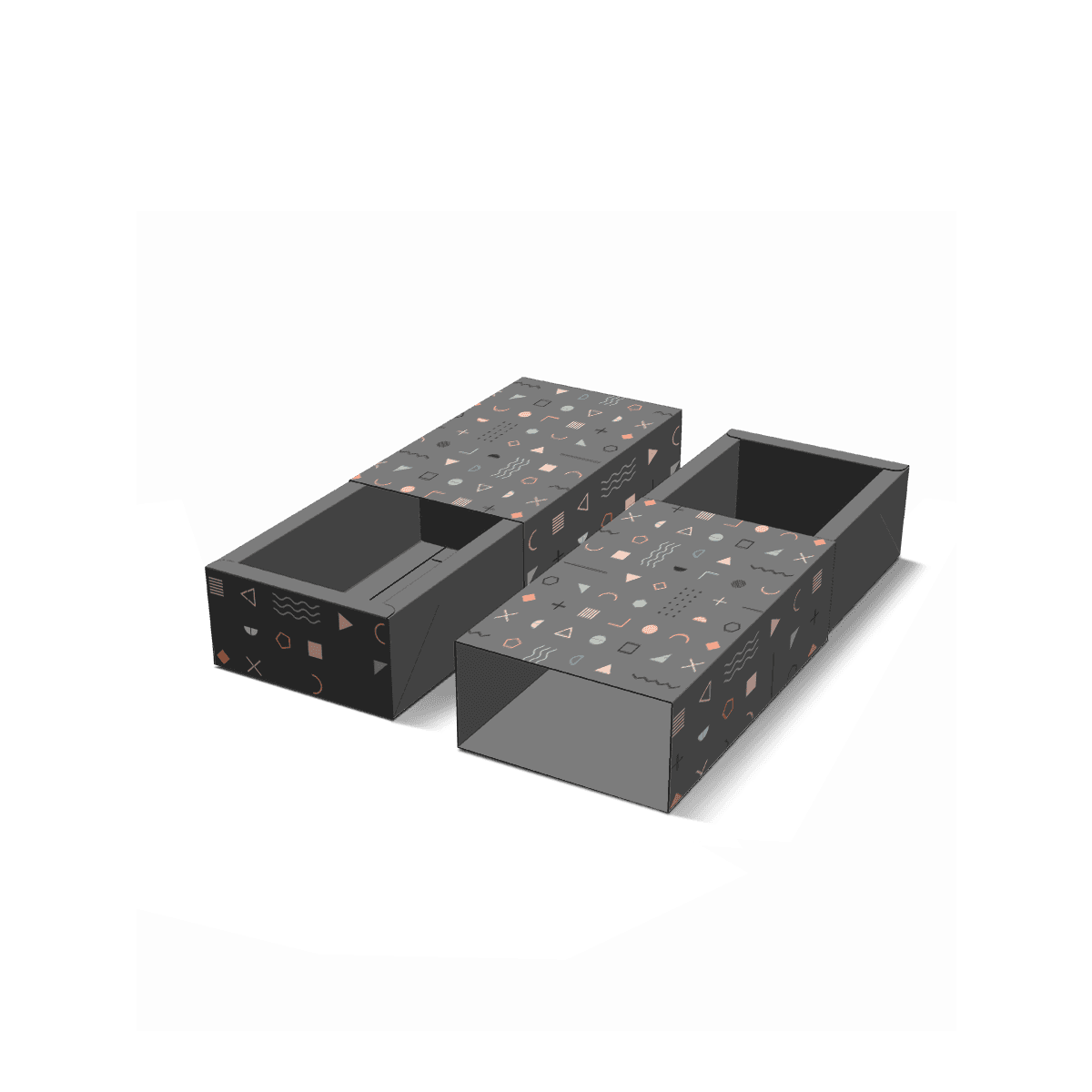
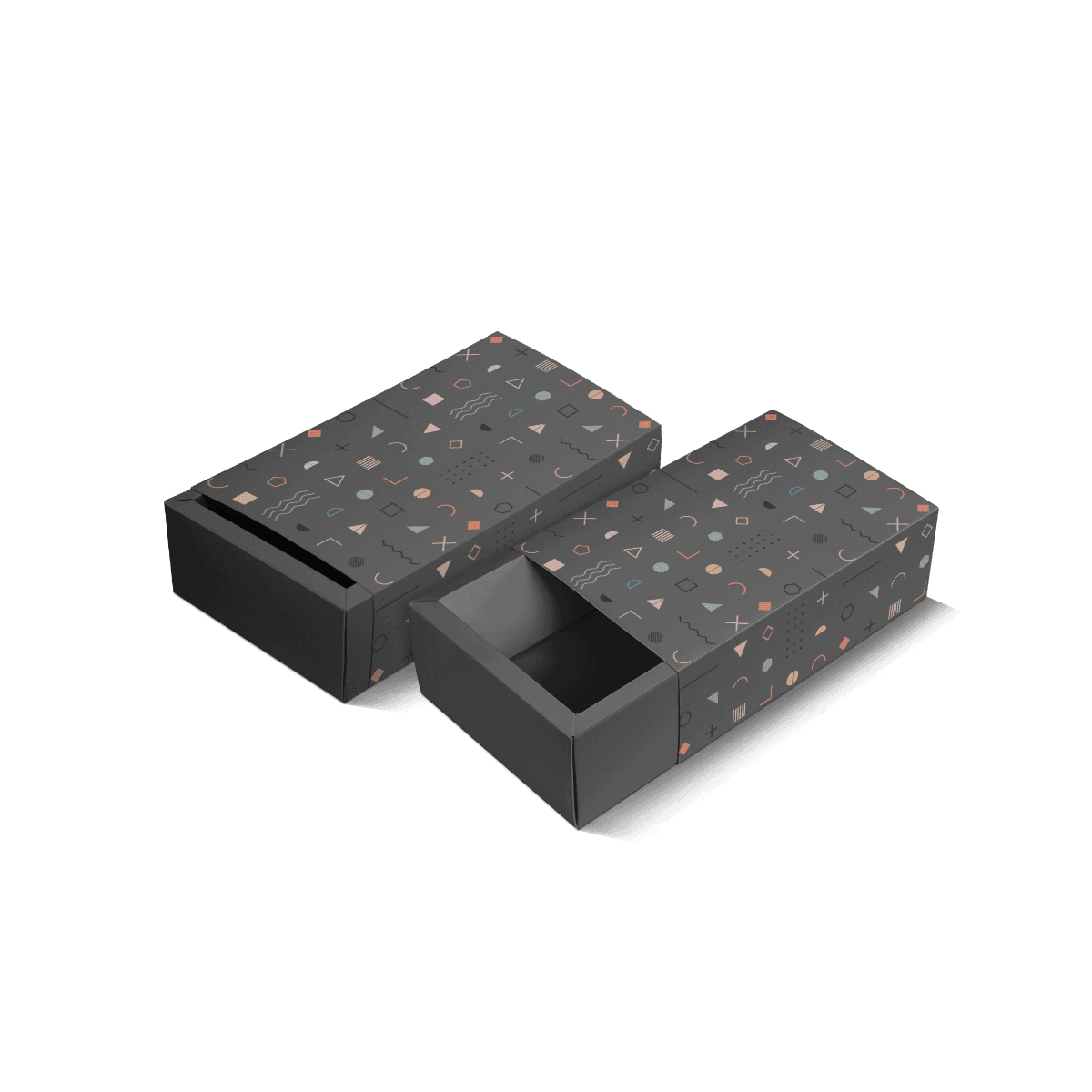
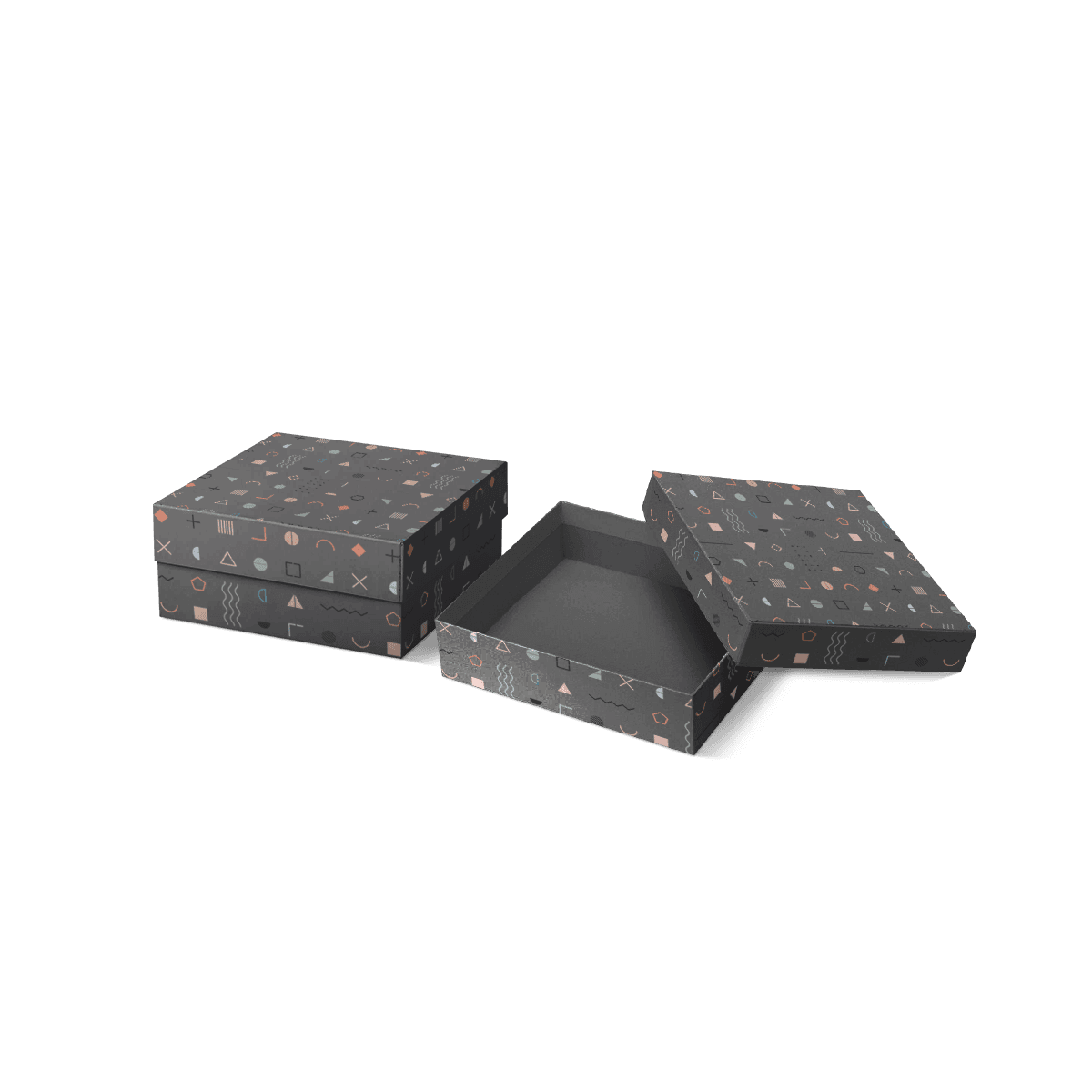
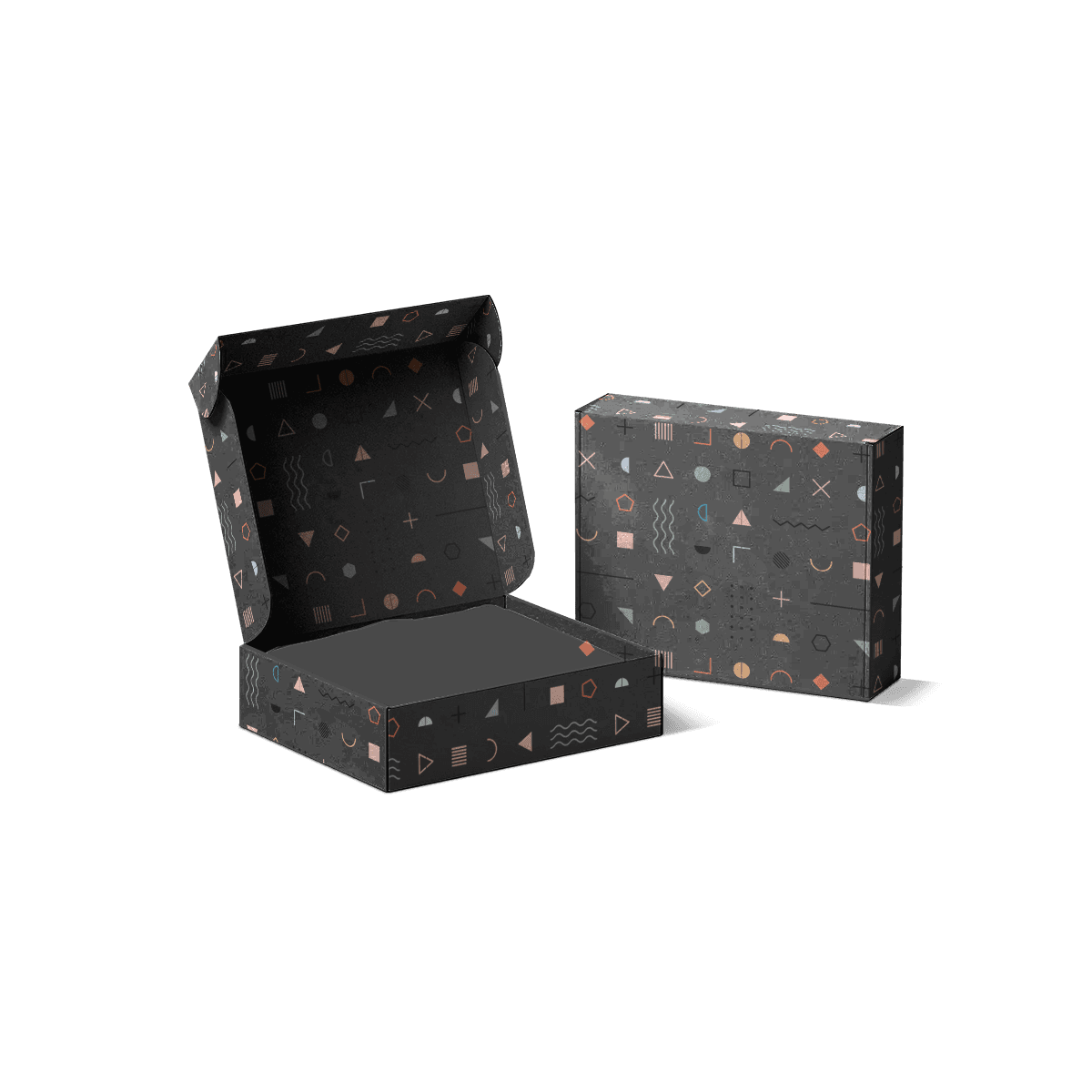
Control edge impact, stacking pressure and decoration clearance with packaging sized around the actual cookie, count and selling method.

Control Edge Impact

Cookies usually fail at the edge before the center. A box can look spacious and still create breakage if cookies slide far enough to strike a wall or another piece.

Start with the finished diameter, thickness and decoration profile. Then decide how much lateral movement the pack can tolerate. The goal is controlled clearance, not a tight squeeze.

Protect the Rim

Round cookies often need restraint close to the lower edge rather than pressure across the top surface. A shallow tray, divider or correctly sized compartment can reduce impact without crushing decoration.

Stop Long Sliding Paths

Large empty areas allow a cookie or stack to build momentum. Break that movement with count-appropriate geometry rather than filling space randomly.

Edge impact becomes more important as cookie diameter increases because a larger disc can gain more momentum across the same empty space. Check the most fragile variety in the assortment and use that behavior to set the allowable movement.

Cookie edge strength can vary by recipe, bake time and inclusions. Large chocolate chunks, nuts or very crisp rims may create local weak points, so a fit that works for one SKU should not automatically be copied to every cookie sold in the same count.
Stack Height Creates Pressure

A stack of cookies behaves differently from a single layer. The lower pieces carry the weight of the rest of the stack while the top layer needs clearance from the lid.

Set the stack count deliberately.

Limit Vertical Load

Soft-baked or decorated cookies may need fewer pieces per stack than crisp plain cookies. Do not assume every variety can use the same vertical count.

Keep the Lid Clear

The closed lid should not press on the top cookie. Decoration, icing and toppings all change the real packed height.

Stack pressure is not only a count issue. Cookie thickness, texture and the rigidity of decoration all change how load travels downward. A stack that works for firm shortbread may mark soft icing or compress a softer baked cookie.

Stack dividers can help when a tall count is commercially important, but they should not become another source of pressure. A thin pad between layers needs enough stiffness to stay flat while remaining easy for staff to place during fast packing.

Decorated Cookies Need Separation

Royal icing, chocolate drizzle and raised decorations turn surface contact into a quality risk.

Flat dividers or cavity-style trays can keep decorated cookies from rubbing. If each cookie carries a different design, the arrangement also becomes part of the presentation.

Protect Raised Details

Measure the tallest finished decoration rather than the bare biscuit.

Leave Removal Access

A cookie that fits perfectly but cannot be lifted without touching the artwork is not well packed. Finger clearance belongs in the layout.

Decorated sets also need a consistent face direction. If one cookie rotates during handling, the artwork may still be intact but the first-open view can look disorderly. Small separators can control both protection and orientation.

Decorated cookies also reveal small alignment errors quickly. A row that drifts only a few millimeters can make printed or iced artwork look inconsistent through a window, even when none of the cookies has physically broken.

Assortments Need Count Logic

Mixed cookie boxes can combine different diameters, thicknesses and textures. One uniform cavity may waste space or hold some pieces poorly.

Map the actual assortment before setting the carton.

Group Similar Sizes

Where possible, place similar cookies together so one divider pattern can control them.

Separate Hard From Soft

A dense crisp cookie can damage a softer decorated piece during movement. Use position and separation to keep those behaviors apart.

Mixed assortments should be packed in a fixed sequence when size and texture vary. That gives heavier or harder pieces predictable positions and reduces the chance that staff improvise a layout that creates new contact points.

Assortment mapping can double as a packing check. When each flavor or design has a fixed position, staff can see missing pieces before closing the lid and customers receive a more intentional first view.

Pack the same count in two realistic assortments before approving one interior. A box filled with identical medium cookies may stay orderly while the same count made from two large decorated pieces and several smaller crisp cookies shifts very differently. Compare where gaps appear, which pieces become impact stops and whether one hard edge can reach a softer neighbor. That exercise often shows whether a simple divider is enough or whether the assortment needs fixed positions. It also gives staff a repeatable loading pattern instead of asking them to solve the geometry anew for every mixed order.

Grease Can Mark the Box

Butter and oils can transfer to paperboard and affect the appearance of the pack.

Use an appropriate liner, cup or other contact layer where the product needs it. The printed carton can then focus on structure and branding.

Keep Contact Claims Specific

Do not assume a printed paperboard surface is suitable for direct food contact simply because it is used around food.

Choose the Simplest Layer

Add only the liner or tray needed for the actual cookie. Excess layers can slow packing without improving protection.

Grease control should be checked over the real holding time. A liner that looks clean immediately after packing may show transfer after several hours, especially with rich butter cookies or chocolate-coated edges.

Surface transfer should be checked on both sides of any liner. A liner that contains butter well on the product side can still allow pressure marks or trapped crumbs to show through the carton if it is too thin for the actual holding time.

Windows Should Show the Product

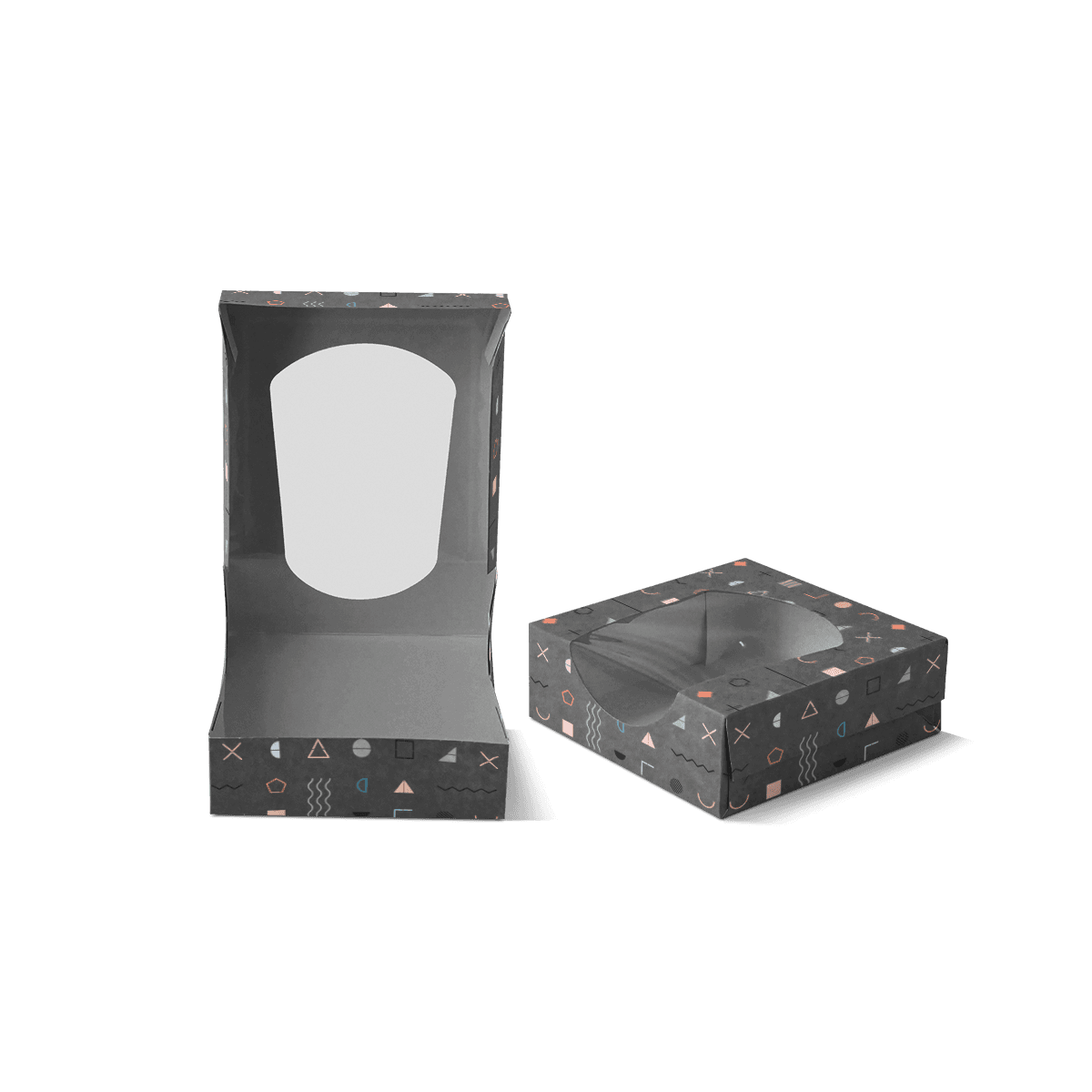
Cookies are visually familiar, so a clear window can help sell decoration, size and assortment.

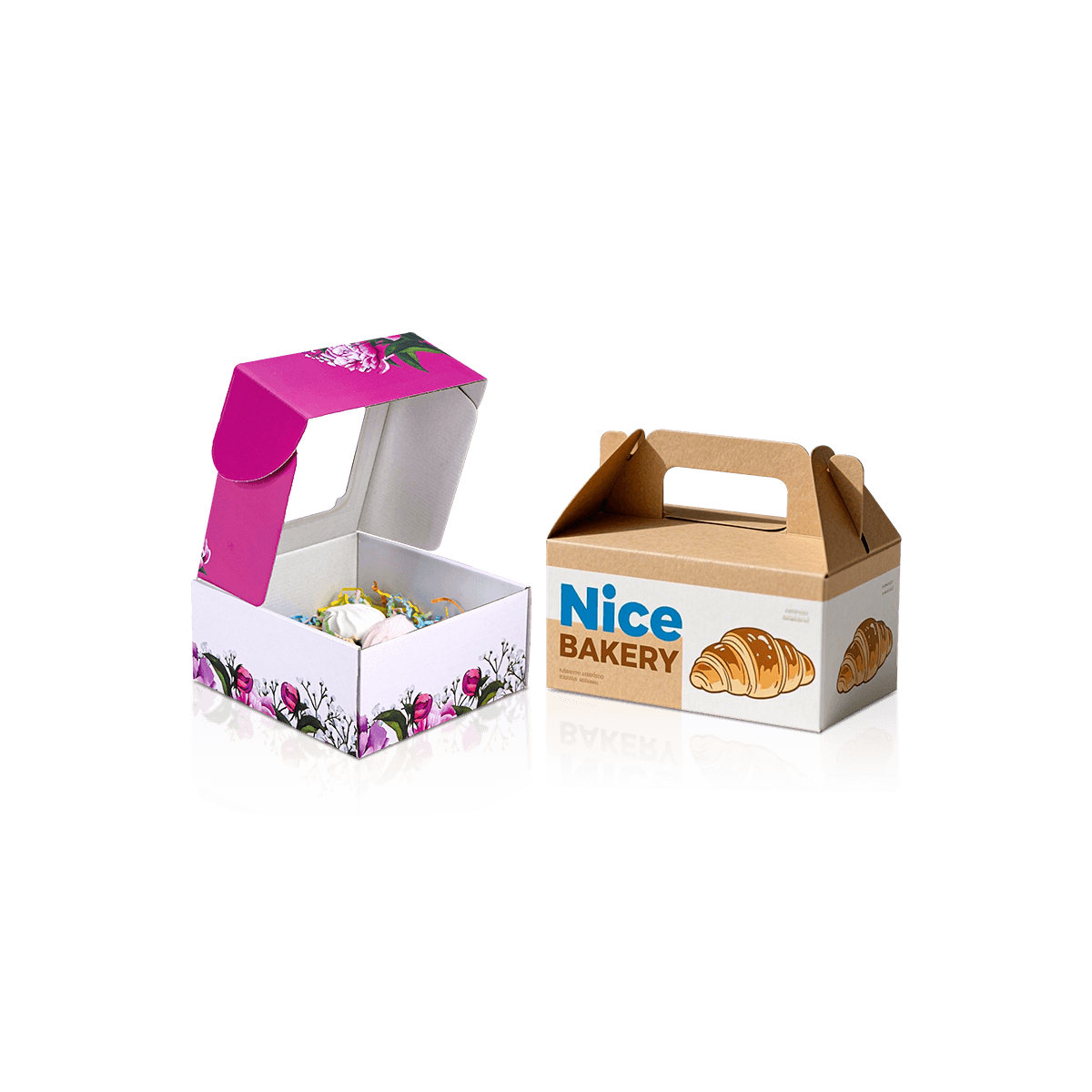
Window Bakery Boxes work when the product view materially helps the sale.

Frame the Best Cookies

Set the arrangement first, then place the opening so customers see the product rather than empty tray space.

Keep the Lid Strong

Leave enough board around the window for corners, folds and locks to retain their function.

Window size can affect stacking strength as well as appearance. A large opening may look attractive on an empty sample yet allow the lid to flex toward the top cookie when several boxes are stacked at the counter.

Windowed lids should be checked under normal counter stacking as well as when opened. Several finished boxes placed together can flex a large cutout toward the top layer even when one empty sample feels firm. Open and close the loaded carton repeatedly, then inspect the window border, lock and top cookie. The aim is to preserve product visibility without letting the clear panel or reduced paperboard area become the weak point. If the opening must grow, strengthen the surrounding geometry rather than accepting contact with the product as a normal consequence.

Counts Should Drive Box Sizes

A four-cookie gift pack and a dozen-cookie bakery box should not be scaled versions of the same footprint.

Each count changes stack height, divider needs and carrying behavior.

Consolidate Compatible Counts

If two assortments share a real packed footprint, one structure may work for both. Do not create separate sizes only because the flavor changes.

Keep Seasonal Art Flexible

When geometry stays stable, seasonal sleeves, labels or print versions can change without rebuilding the box.

Count planning should include the actual selling method. A six-cookie gift box may need more spacing and presentation room than a six-cookie refill pack intended for quick bakery pickup.

A practical count ladder should simplify storage and assembly. Four-, six- and twelve-cookie boxes may deserve separate footprints, but near-duplicate dimensions can create confusion when flat cartons are stacked together behind the counter. Make each size change earn its place through a real difference in count, cookie diameter or stack method. Clear differences help staff select the correct carton quickly and reduce the chance that a smaller pack is stretched beyond its intended load. The same discipline also limits excess stock when seasonal flavors change but the physical cookie sizes remain stable.

Favors Need a Different Scale

Single cookies and compact pairs often move into event gifting rather than bakery retail.

Event Favor Boxes suit small handouts when the primary job is table placement or guest distribution.

Keep Small Packs Tight

A small favor looks unfinished inside an oversized carton. Keep the footprint close to the cookie.

Separate Event Copy

Names, dates and event branding can sit on a replaceable sleeve or card while the structural box remains reusable.

Small event packs often move in bulk before individual handoff. Test several finished boxes together in the tote, tray or carton used by staff so the favor structure stays neat before guests receive it.

Shipping Needs Two Levels

A retail cookie box is not automatically a parcel shipper.

If cookies are mailed, the presentation pack may need an outer corrugated layer and cushioning. The inside arrangement still has to control each cookie before the outer shipper can do its job.

Stop Movement Inside First

Do not rely on parcel cushioning to fix loose cookies within the retail box.

Protect the Retail Surface

The outer shipper should keep labels, windows and printed panels from taking carrier abrasion directly.

For parcel orders, the retail box should remain visually clean after the outer shipping carton is removed. Protect printed faces and windows from rubbing against corrugated walls or loose cushioning during transit.

Direct shipping also raises the question of void inside the retail box. Adding more cushioning outside cannot stop a cookie from striking its own divider or sidewall, so internal movement must be solved first and then verified again inside the shipper.

Approve Removal and Presentation

The final check should happen with the real cookie count, decoration and insert.

Open the box as the customer will. Remove the center cookie and the edge cookie. Check whether either piece catches, rubs or requires pressure on the decoration.

Custom retail packaging can keep the cookie box visually consistent with other shelf-facing packs when several products share one identity.

Price the Settled Layout

Once count, divider plan and structure are fixed, instant custom packaging pricing can reflect the real construction.

Keep Repeat Geometry Stable

Store the approved count, compartment dimensions and artwork version together. US orders start from 100 boxes with free shipping and standard 4–6 day turnaround after final specifications and artwork approval.

Removal is especially important for tight edge positions. Ask someone unfamiliar with the pack to lift a cookie naturally. If they have to bend the divider or touch the decoration to get purchase, the interior needs more access.

After the structural fit is approved, leave a completed pack in the normal holding condition before opening it again. Look for crumbs collected at the edges, cookies that have rotated, liner movement and labels that no longer sit where intended. A box can pass an immediate packing check yet look less controlled after routine carrying and short-term staging. This final presentation check is especially important for decorated assortments because small shifts are visually obvious. Record the successful count, arrangement and insert position so repeat runs begin from the proven configuration rather than from memory.

FAQs

Use trays, partitions or cavity-style inserts. They help keep stacks aligned and reduce rubbing between decorated or fragile pieces.

Yes, but the format should match the product. Crisp cookies often benefit from tighter count control while softer cookies may need more spacing and a gentler stack height.

Cookie Boxes are usually the better choice when count control, neat arrangement and gifting presentation matter most. Bakery Boxes are often better for mixed pastry items that need a broader open interior.

Only enough to avoid pressure on the top layer. Too much empty room can let cookies slide and chip more easily.

Yes. A stronger board grade, a better insert plan and an outer mailer when needed can make one cookie program work for shelf sale, hand delivery and shipped orders.

Process

How it works

Your Packaging Journey, From Idea to Production and Delivery

01

Tell Us Your Specs

Custom packaging boxes

Tell Us Your Specs

Provide size, quantity, printing, and finishes.

02

Get a Fast Quote

Custom packaging boxes

Get a Fast Quote

Instant transparent pricing, no hidden fees.

03

Design and Approval

Custom packaging boxes

Design and Approval

Artwork checks, revisions, and final sign-off.

04

Produce

Custom packaging boxes

Produce

Expert manufacturing to meet deadlines.

05

Ship to Your Door

Custom packaging boxes

Ship to Your Door

Hassle-free, flexible delivery options.

Get Your Quote for Custom Cookie Boxes

Share your product details, size, quantity and artwork needs. We’ll help choose the right packaging style and send a clear quote.