Skip to content
Details

Custom Window Bakery Boxes

Put pastries, cookies and decorated bakes in view while preserving the board area, headspace and stability the carton still needs.

Sightline Before Surface Area

A bakery window earns its space by revealing the part of the product that helps someone decide to buy. That might be piped frosting, laminated pastry layers, cookie decoration, crust color or the assortment inside a mixed dessert pack.

A larger transparent area is not automatically better. If the opening mostly shows empty headspace, a tray edge or the least attractive side of the food, valuable paperboard has been removed without improving presentation.

Start with the viewing position instead. Ask where the carton sits and which product surface faces the customer. The food, bakery and restaurant packaging decision becomes easier once the selling environment and food behavior are treated together.

Top View

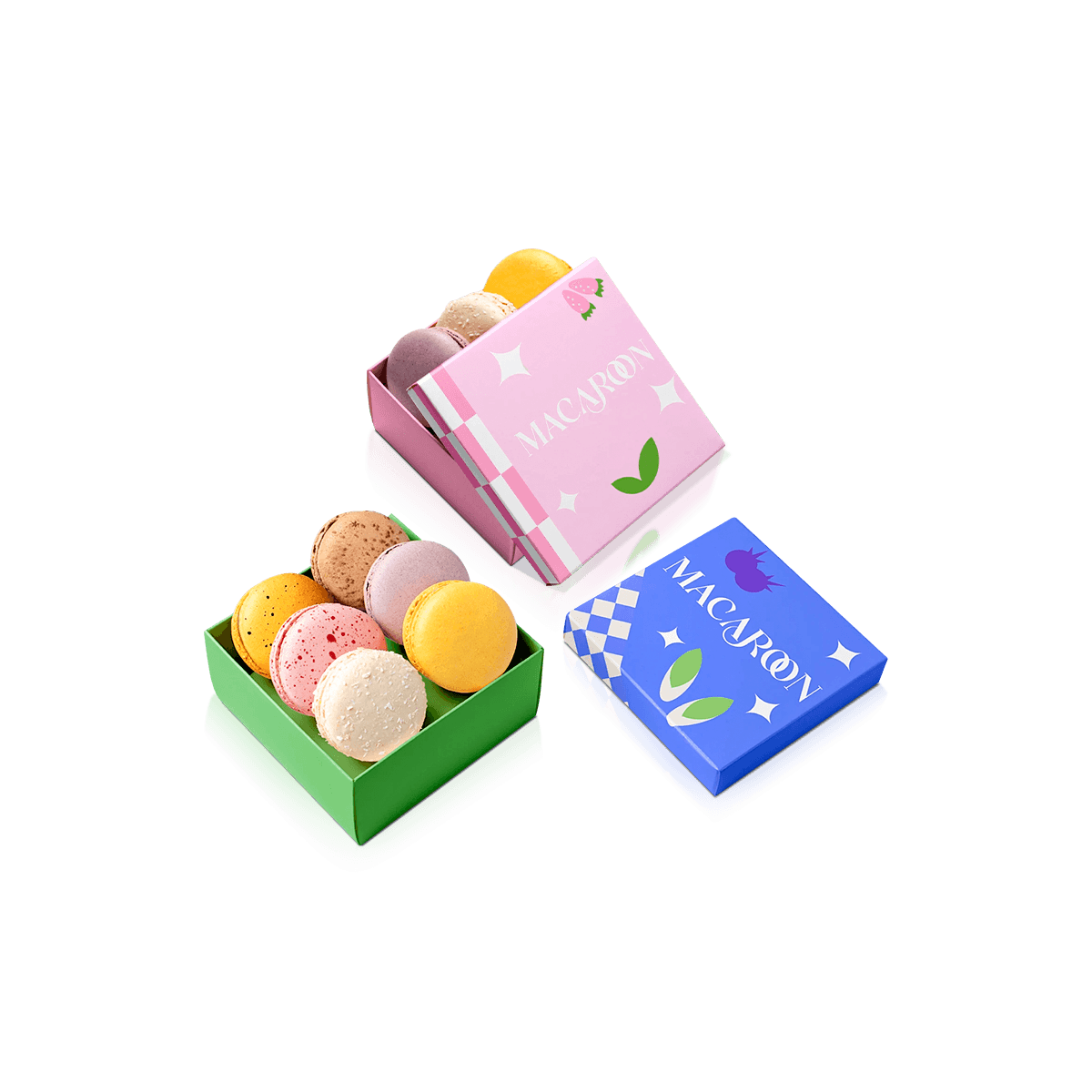
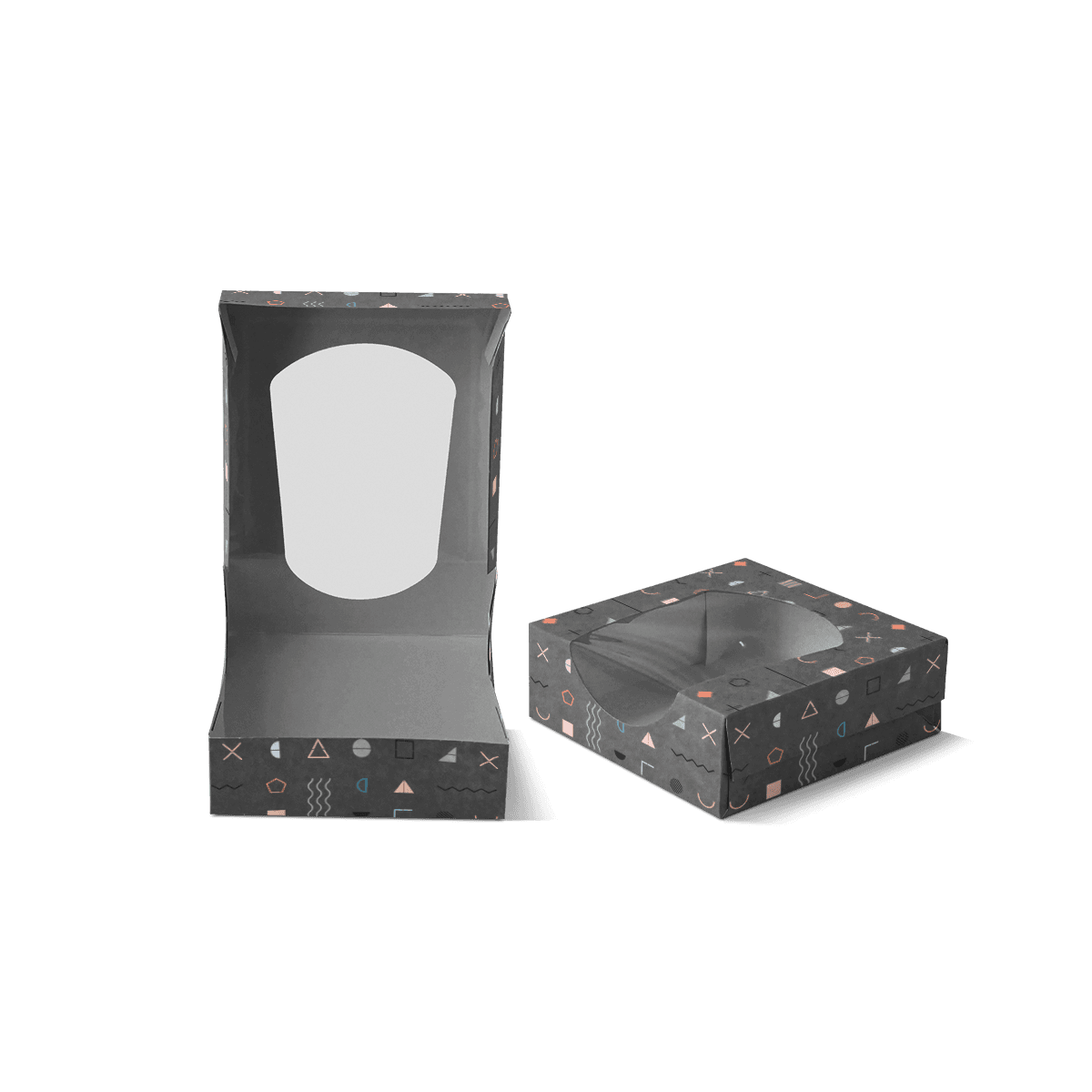
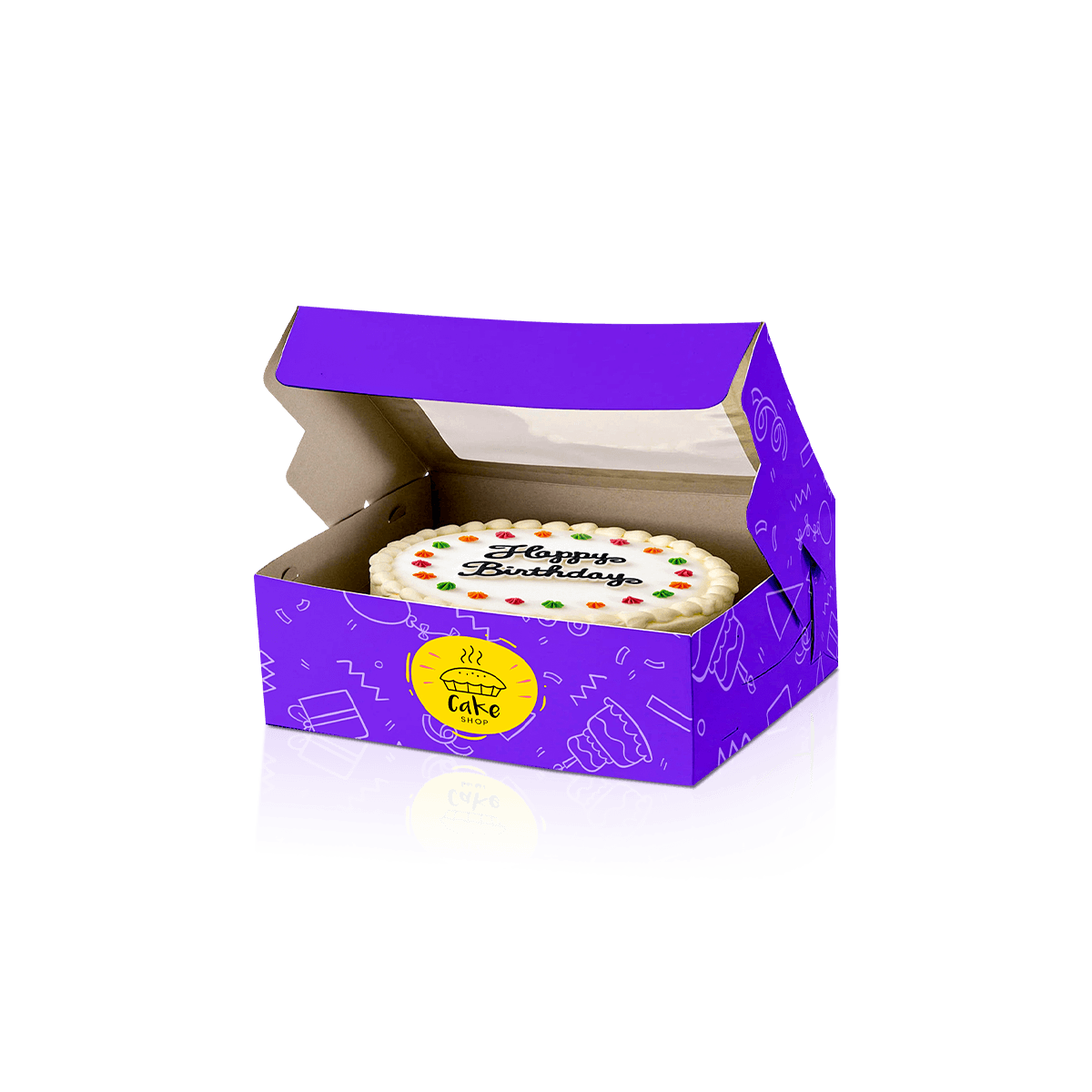
A top window suits cartons sitting flat on bakery counters, pickup tables or low refrigerated displays. Cookies, brownies, macarons and shallow pastry assortments can present well this way because their strongest visual features face upward.

The window should frame the food after normal packing, not after someone carefully rearranges the product for a photograph. If products drift to one side during handling, the opening may expose empty board instead of the assortment.

Front View

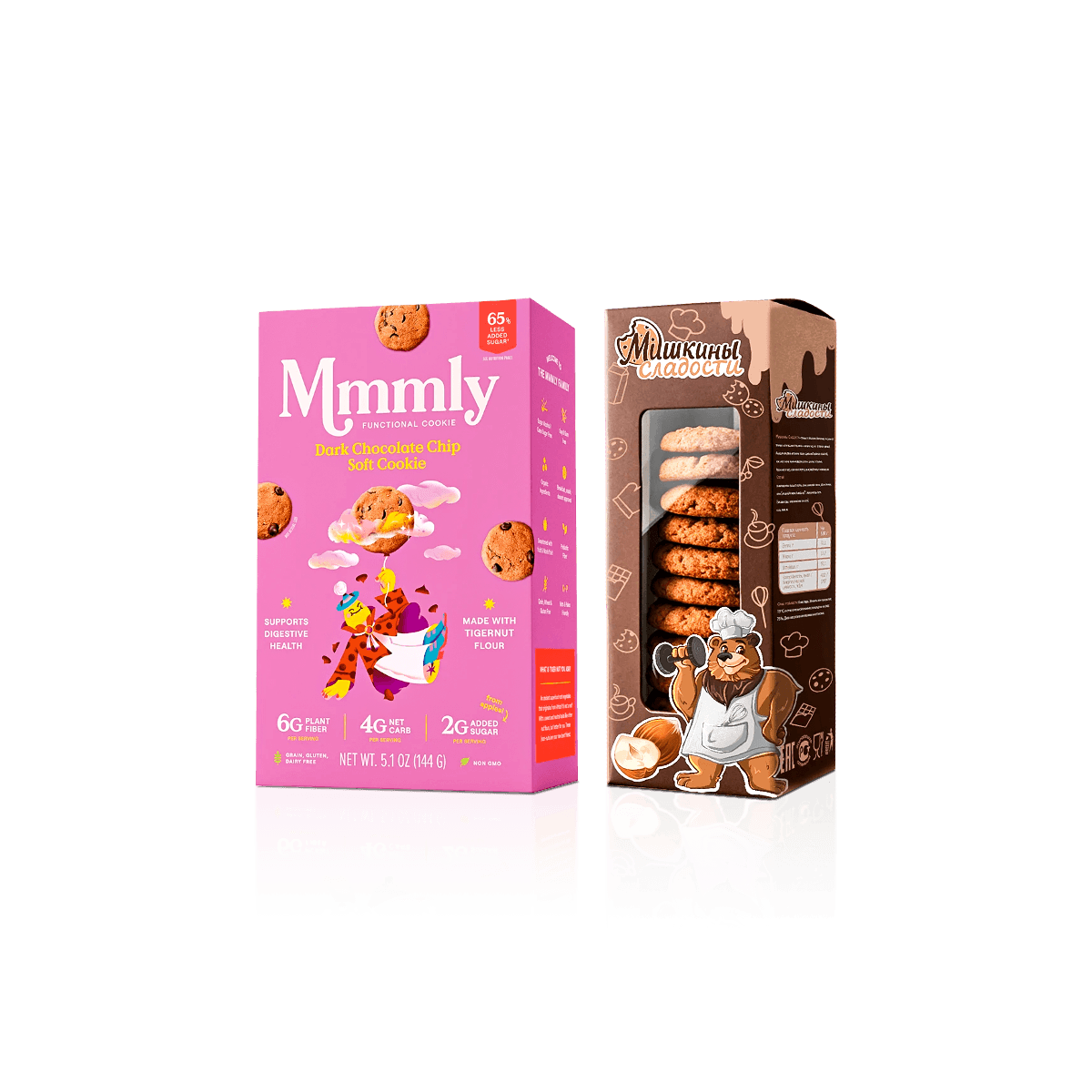
A front or partial wraparound window can work better when cartons sit on shelving closer to eye level. This orientation can show pastry height, layers or stacked cookies that a top opening would miss.

The same basic principle appears in windowed folding cartons, but bakery use adds grease, crumbs, frosting clearance and short-hold food conditions that affect the final construction.
Window Area Costs Stiffness

Every cutout removes part of the paperboard panel. The window therefore has to be treated as a structural opening, not just a graphic shape.

A large cutout can leave a lid more flexible, especially when the remaining frame becomes narrow near corners, crease lines or locking tabs. That matters when cartons are stacked before filling, lifted repeatedly during service or carried with a heavier bakery assortment inside.

The goal is enough visibility without turning the lid into a weak frame surrounding clear film.

Preserve the Perimeter

Leave meaningful board around the window so the lid still has a continuous path around the opening. Narrow strips of paperboard near an edge can flex or crease more readily than a balanced frame.

Irregular custom shapes need the same discipline. A logo-shaped opening may look distinctive, but thin points, deep notches and narrow bridges can create weak areas or complicate window patching.

Simple geometry often shows more of the product with less structural sacrifice.

Respect Crease Lines

A window should not interfere with the folds that form the lid, side walls or closing tabs. Moving the cutout even a small distance can sometimes preserve a stronger panel without materially reducing visibility.

Long shallow cartons deserve particular attention because a broad lid already spans more unsupported distance. Removing a large central area can increase flex where the carton most needs to remain flat.

Headspace Protects the Finish

The product can sit well inside the box and still be too close to the window.

Frosting peaks, sugar decorations, chocolate pieces, fruit toppings and delicate glaze need clearance from both the paperboard lid and the transparent patch. Contact can smear the food and mark the very surface the window is meant to display.

Measure the highest finished product rather than the undecorated base item. A cookie with a flat surface and a cookie carrying piped decoration may need different vertical space even when the diameter is identical.

Film Needs Clearance

A clear patch should not become part of the product restraint system. It is there for visibility and coverage, not to press the food down.

Leave enough space for normal handling, small dimensional variation and any minor lid flex that occurs when the carton is lifted or stacked. The safe allowance depends on the baked item, carton span and construction rather than one universal number.

Tall Decoration Changes the Box

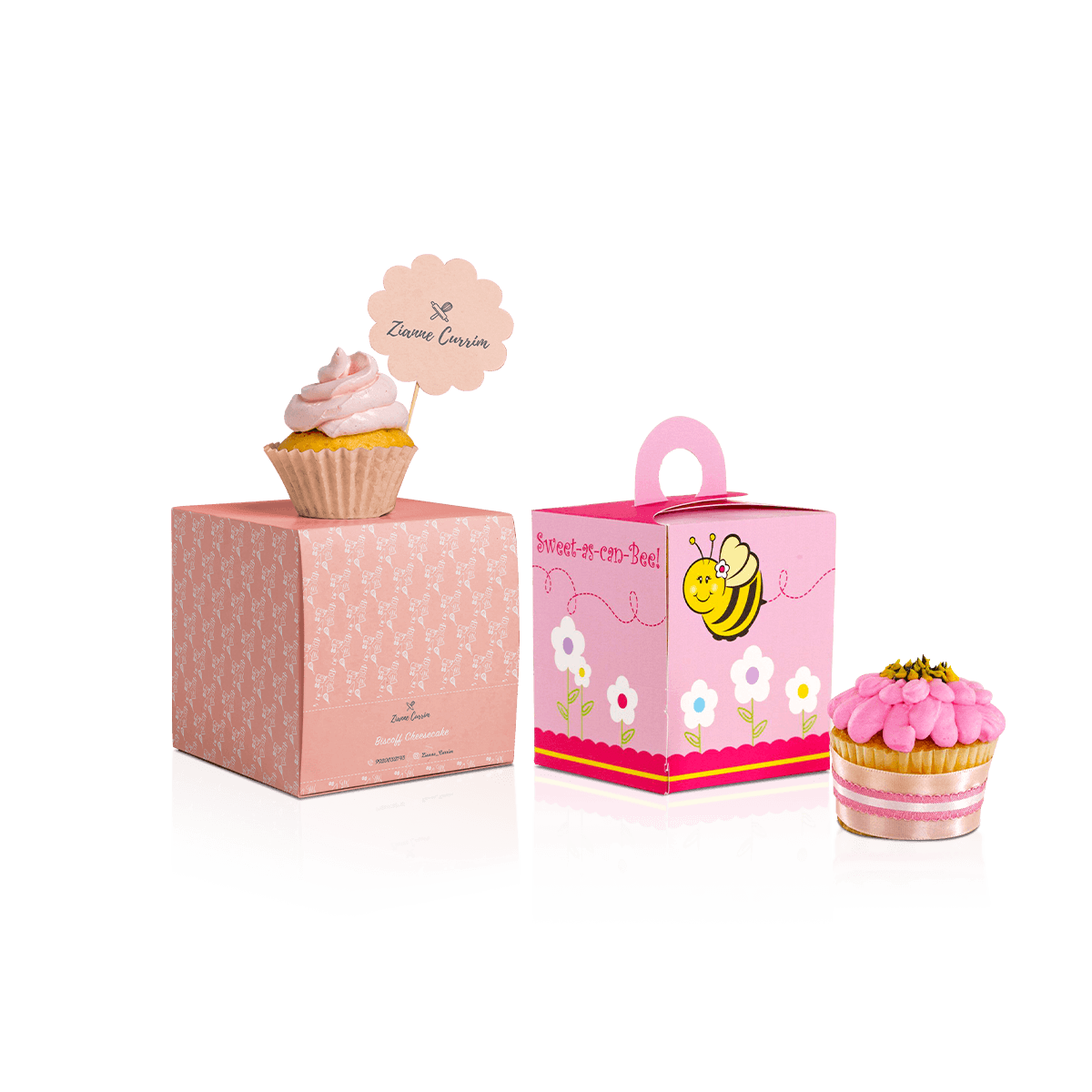
Frosted multi-packs often need cupcake boxes because cavity control and topper clearance matter more than maximizing the transparent area.

Large decorated cakes belong in custom cake boxes when the cake board, side decoration and topper height drive the structure.

Window bakery boxes make more sense when visibility is the defining packaging need across cookies, brownies, pastries, dessert bars and mixed baked assortments rather than one highly specialized food shape.

Grease Changes the View

A transparent panel makes presentation problems easier to see.

Butter transfer, icing smears, loose crumbs and grease marks can become part of the customer’s first impression because nothing is hidden. That makes the interior surface and product arrangement especially important.

Grease resistance should be selected around the actual bake. A dry decorated cookie places different demands on the carton from a buttery croissant, glazed pastry or rich dessert bar.

If food touches the carton directly, confirm the exact paperboard, coating, inks, adhesives and window construction for that contact condition rather than assuming a general bakery stock is suitable.

Control Surface Transfer

Greasy products can leave marks on the base and side walls before they reach the display case. A suitable barrier, liner or tray can help where the food and service conditions justify it.

The aim is not to add coatings automatically. It is to stop the product from changing the appearance or strength of the carton during the expected selling and carrying period.

Grease, steam and weak board are recurring risks described in food packaging mistakes. The window makes those mistakes more visible, so the food condition has to be considered before decoration and print.

Keep Crumbs Out of Sightlines

Loose crumbs are normal with many baked goods, but their final position matters in a window carton. A shallow tray, paper liner or tighter product footprint can prevent debris from collecting against the most visible edge.

For mixed assortments, arrange products so the customer sees the intended pattern after ordinary handling. A beautiful first packout has little value if one short carry shifts every item away from the window.

Warm Bakes Can Fog

A clear window can lose its main purpose when warm, moist food is enclosed too soon.

Steam and moisture can condense on the transparent surface, obscure the product and contribute to a damp interior. The result may look worse than a closed carton even though the window was added specifically to improve presentation.

This makes packing temperature and holding time part of the carton decision.

Cooling Comes Before Display

Products that normally cool before packing are easier to present behind a clear window. If the bake is routinely packed warm, confirm how long it remains enclosed and whether moisture accumulates during that period.

Ventilation may help some products, but it should be considered around the actual food and hygiene requirements. Vent holes are not a generic fix for every fogging problem.

Visibility Can Stop Helping

A closed bakery box can be the cleaner choice when the transparent panel will regularly fog, smear or reveal a product that changes appearance during holding.

The window should make the food easier to assess, not expose every operational weakness in the packing process.

Product Position Must Hold

A window only works consistently when the food remains behind it.

The box dimensions therefore need to control movement without crowding delicate edges. Too much empty floor space allows cookies, pastries or dessert bars to slide away from the intended viewing area. Too little space can cause side contact, icing transfer or difficult loading.

This is one reason window geometry should follow the packed arrangement rather than precede it.

Mixed Packs Need a Pattern

A mixed dessert carton may contain different shapes and heights. The viewing plan should decide whether the customer needs to see every item, the dominant items or simply enough of the assortment to understand what is inside.

Small differences in product size can create uneven gaps. A paperboard tray or simple separator may help maintain presentation when movement would otherwise destroy the intended layout.

Do not add internal components merely because the carton has a window. They earn their place only when they control movement, separate products or improve the visible arrangement.

Specialty Foods Stay Specific

For delicate laminated goods, pastry boxes should prioritize spacing, surface protection and grease behavior even when a window is included.

For neat rows of glazed or filled rings, donut boxes should prioritize count layout, icing clearance and horizontal presentation.

This separation matters because a transparent panel is a feature. It should not erase the physical requirements of the food underneath it.

Design Around the Cutout

The window changes the artwork canvas before any printing decision is made.

A logo, product name or required label can look balanced on a flat rectangle and become crowded once a large opening removes part of the panel. The cutout therefore belongs on the structural drawing before the final artwork is composed.

A compatible carton can start from the dieline generator so panel dimensions are established before the window and artwork are positioned.

Give Print Its Own Space

Do not treat the leftover board around the opening as random space for branding. Decide which panel must carry the logo, product identity, flavor, quantity or other required content and reserve enough uninterrupted area for it.

A smaller, deliberately placed window can create a stronger package than a large cutout surrounded by fragmented artwork.

Premium offset printing can support detailed exterior graphics when the run and artwork suit the process. CMYK or Pantone color decisions should be made on the actual stock because white board, kraft and coated surfaces do not reproduce color identically.

Proof the Assembled View

Custom Packly can review artwork and dielines before production, issue a digital proof and create a free 3D mockup. For this carton, approval should check more than spelling and color.

Look at where the food appears behind the cutout, how the printed frame meets the window edge and whether important artwork remains readable after folding. A flat proof can confirm technical placement, while the assembled view is better for judging the relationship between product, print and transparent area.

Retail Position Changes the Window

A bakery counter and a grocery shelf do not present the carton from the same angle.

On a counter, customers may stand over the box and see the lid first. On shelving, the top may disappear under the shelf immediately over it. A front-facing window can then communicate more than a larger opening on the lid.

This decision should be made before locking the die-cut shape.

Counter Display

Top windows suit shallow cartons that customers view from standing height. They can work especially well for cookies, macarons, brownies and small pastries laid out in one layer.

The printed frame around the opening should remain visually clean from that angle. Excessive branding around a highly decorative assortment can compete with the food rather than frame it.

Shelf Display

Front or angled windows can perform better when cartons are stacked or placed in refrigerated merchandising. Check whether neighboring packs, shelf lips or labels block the intended sightline.

On a grocery shelf, packaging that stands out at retail depends on viewing angle, readable print and a product view that is not blocked by the fixture.

A window that works only when the carton is isolated on a photography table has not solved the retail job.

Define the Windowed Build

The production specification becomes meaningful after the transparent opening has been treated as part of the construction rather than an add-on.

The main inputs are the inside box dimensions, carton style, board choice, window position and approximate opening size, whether a clear patch is required, print coverage, finishing and order quantity.

MOQ starts from 100 boxes in the USA. That can support a focused first run when one bakery carton genuinely needs a clear-view treatment without forcing every baked product into the same dimensions.

Standard turnaround is 4–6 days after final artwork and specifications are approved. More complex structures, specialty materials or advanced finishing can require additional time, so the cutout and panel layout should be settled before final production approval.

US production and free shipping can support the confirmed order once the window geometry, material and artwork are settled.

Visibility Must Justify the Cutout

A window is worth using when the product itself carries visual selling power and can remain attractive behind the opening.

Decorated cookies, brownies, macarons, neat pastry assortments and other visually distinctive bakes can benefit because customers can confirm color, texture, count or finish without opening the carton.

The trade changes when the food is routinely packed warm, moves unpredictably, leaves heavy grease marks, needs substantial lid strength or depends more on protection than appearance. In those cases, a closed carton or a food-specific structure may perform better.

The final decision is not how much of the carton can be made transparent. It is how little board can be removed while still revealing enough of the bake to make the window genuinely valuable.

FAQs

They work best for products that benefit from being seen before sale, such as cookies, cupcakes, brownies, pastries, macarons and decorated slices.

Yes, if the structure matches the product weight and height. Strong folds, stable corners and the right board thickness matter more than the window itself.

Window Bakery Boxes fit best when direct product visibility drives the display. If compostability is a firm requirement, the complete bakery-box construction needs material documentation for the intended composting route before that claim is used.

The usual solution is product-fit planning. Inserts, proper headspace, and the right box depth help protect icing swirls, drizzles, and delicate finishes during carryout.

Yes. They are useful for everyday front-counter sales and for seasonal assortments, event desserts and premium bakery gifting when presentation helps justify a higher perceived value.

Process

How it works

Your Packaging Journey, From Idea to Production and Delivery

01

Tell Us Your Specs

Custom packaging boxes

Tell Us Your Specs

Provide size, quantity, printing, and finishes.

02

Get a Fast Quote

Custom packaging boxes

Get a Fast Quote

Instant transparent pricing, no hidden fees.

03

Design and Approval

Custom packaging boxes

Design and Approval

Artwork checks, revisions, and final sign-off.

04

Produce

Custom packaging boxes

Produce

Expert manufacturing to meet deadlines.

05

Ship to Your Door

Custom packaging boxes

Ship to Your Door

Hassle-free, flexible delivery options.

Get Your Quote for Custom Window Bakery Boxes

Share your product details, size, quantity and artwork needs. We’ll help choose the right packaging style and send a clear quote.