Custom Paper Bags
Custom paper bags for retail, bakery, grocery, events and takeaway orders. Choose your size, paper stock, handle style and print finish with expert support from Custom Packly.
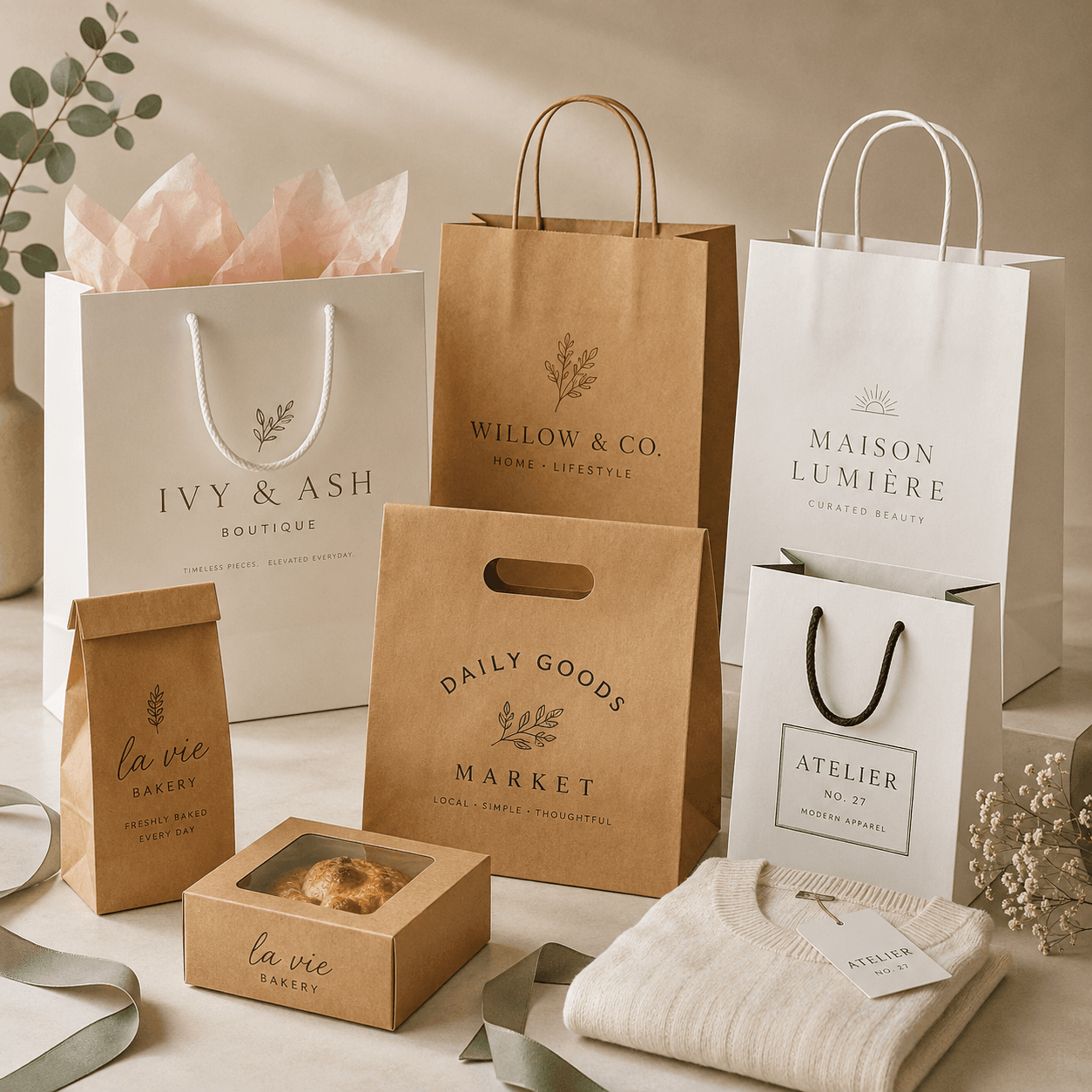
Paper Bags options
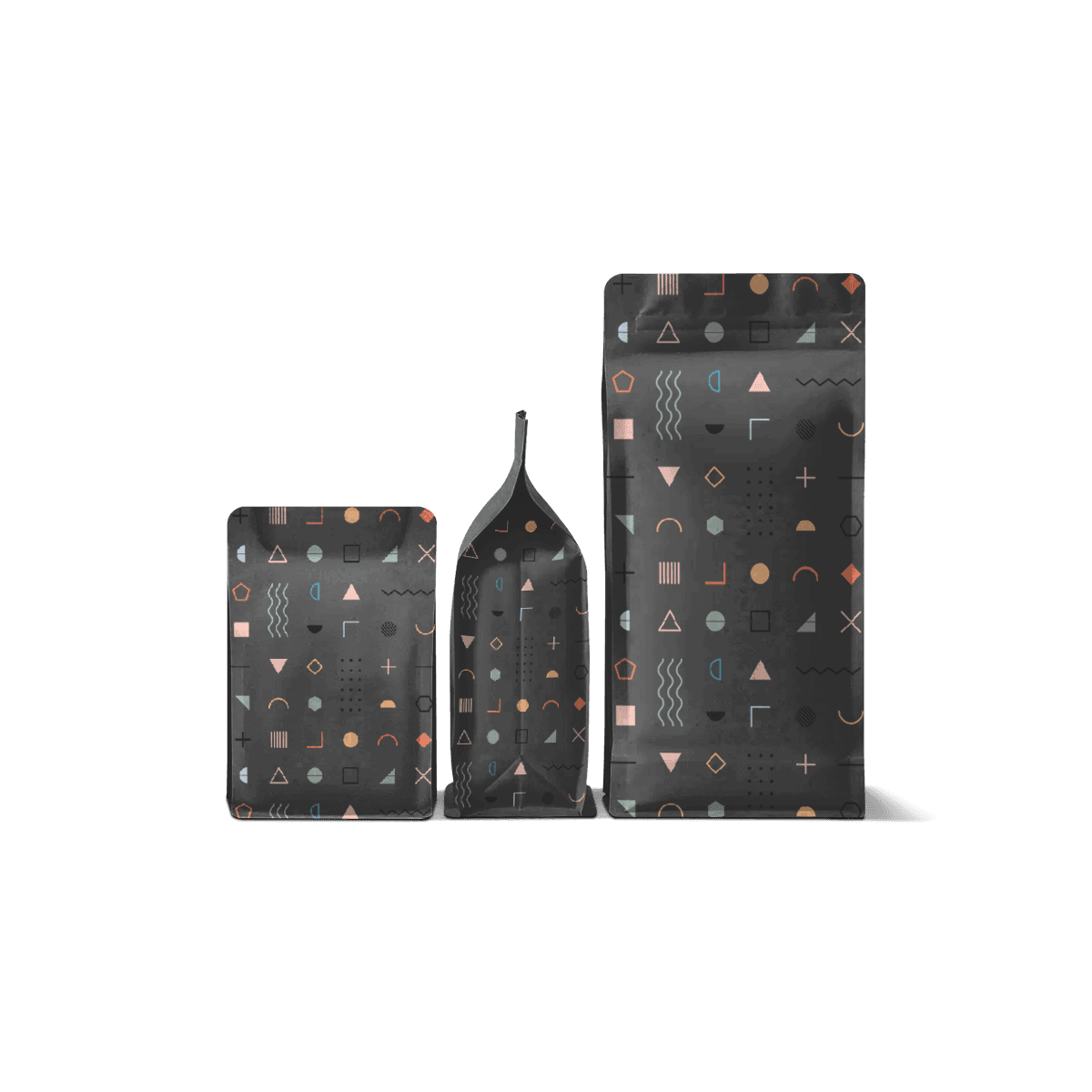
Flat-Bottom Paper Bags
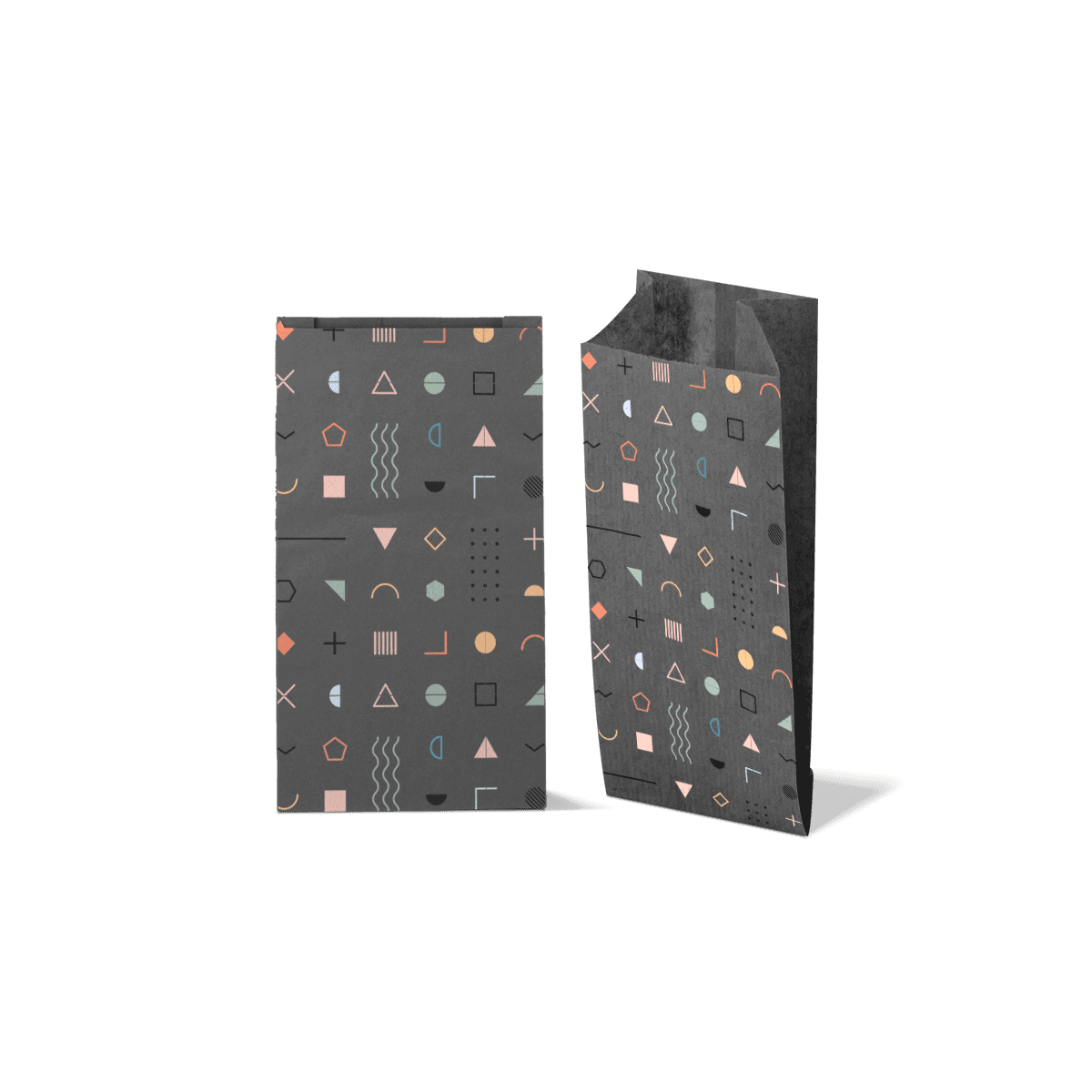
Pinch-Bottom Paper Bags
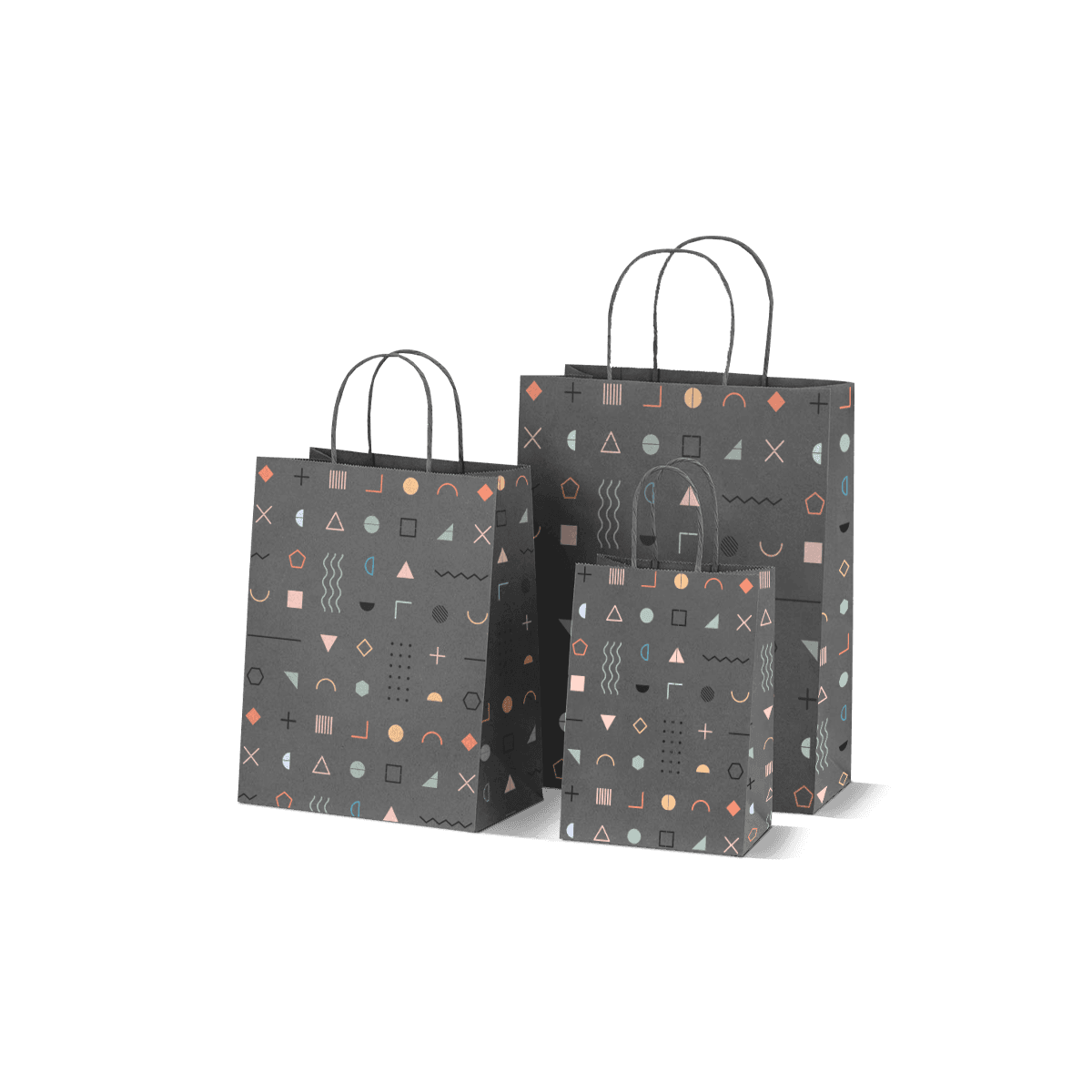
Merchandise Paper Bags
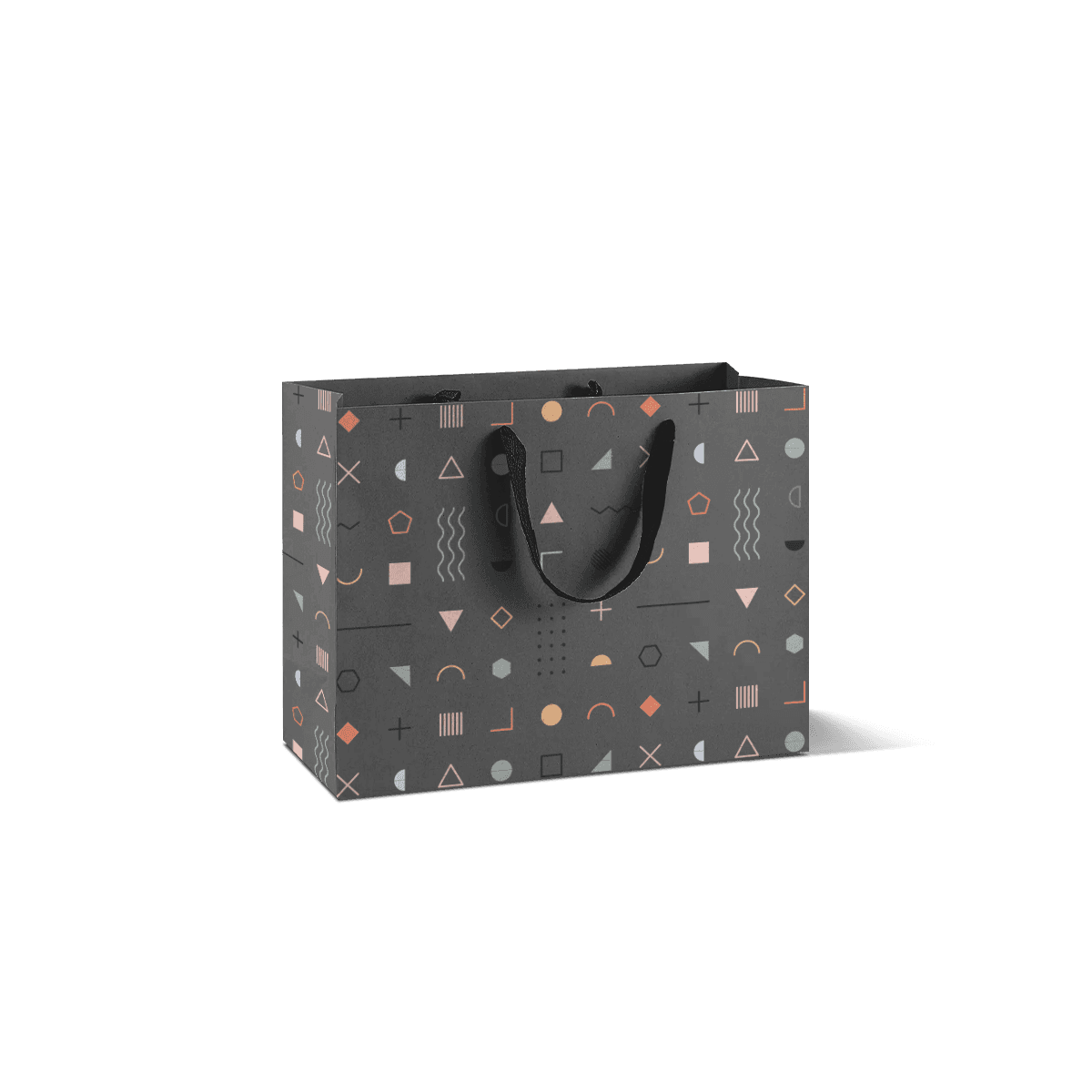
Euro Tote Paper Bags
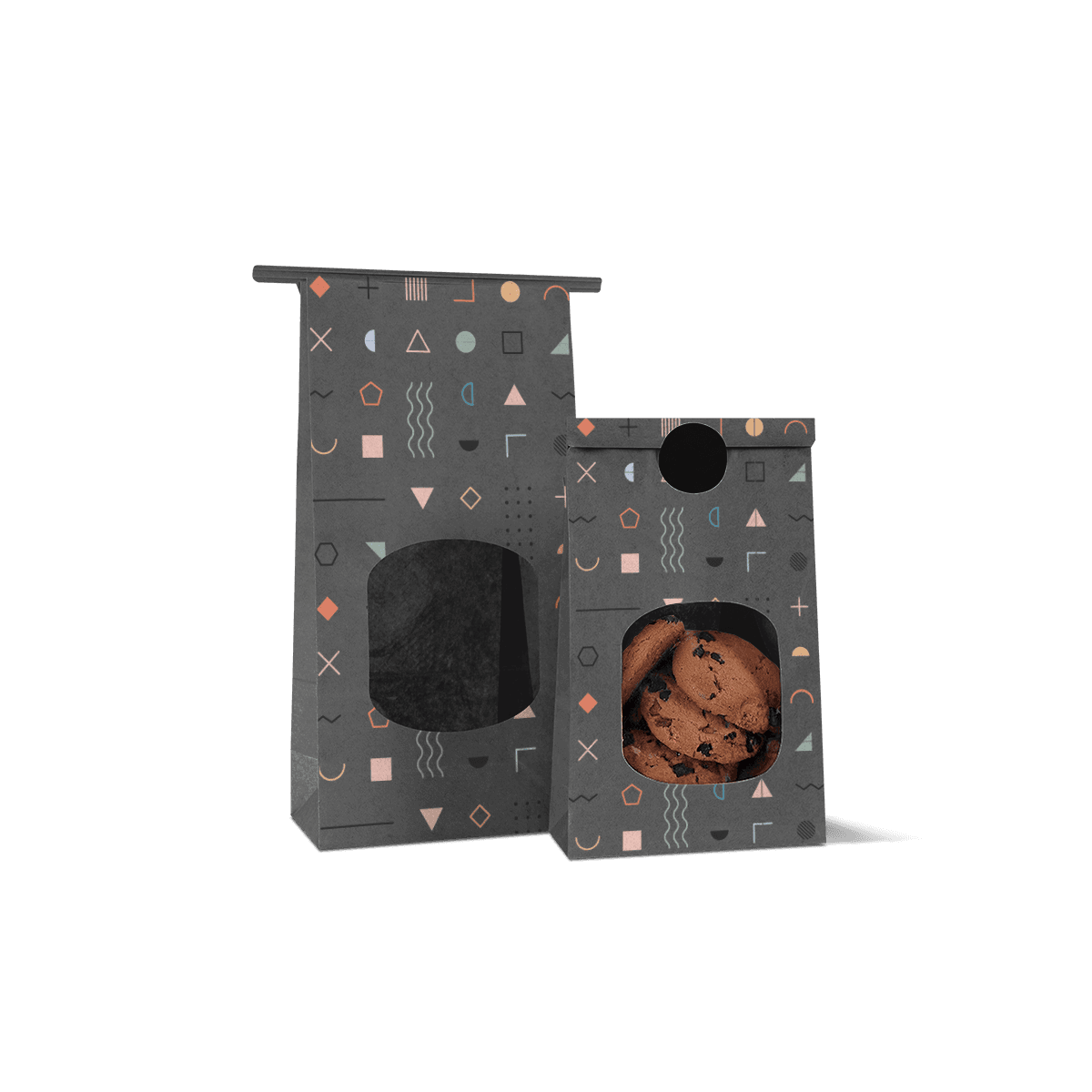
Bakery Paper Bags
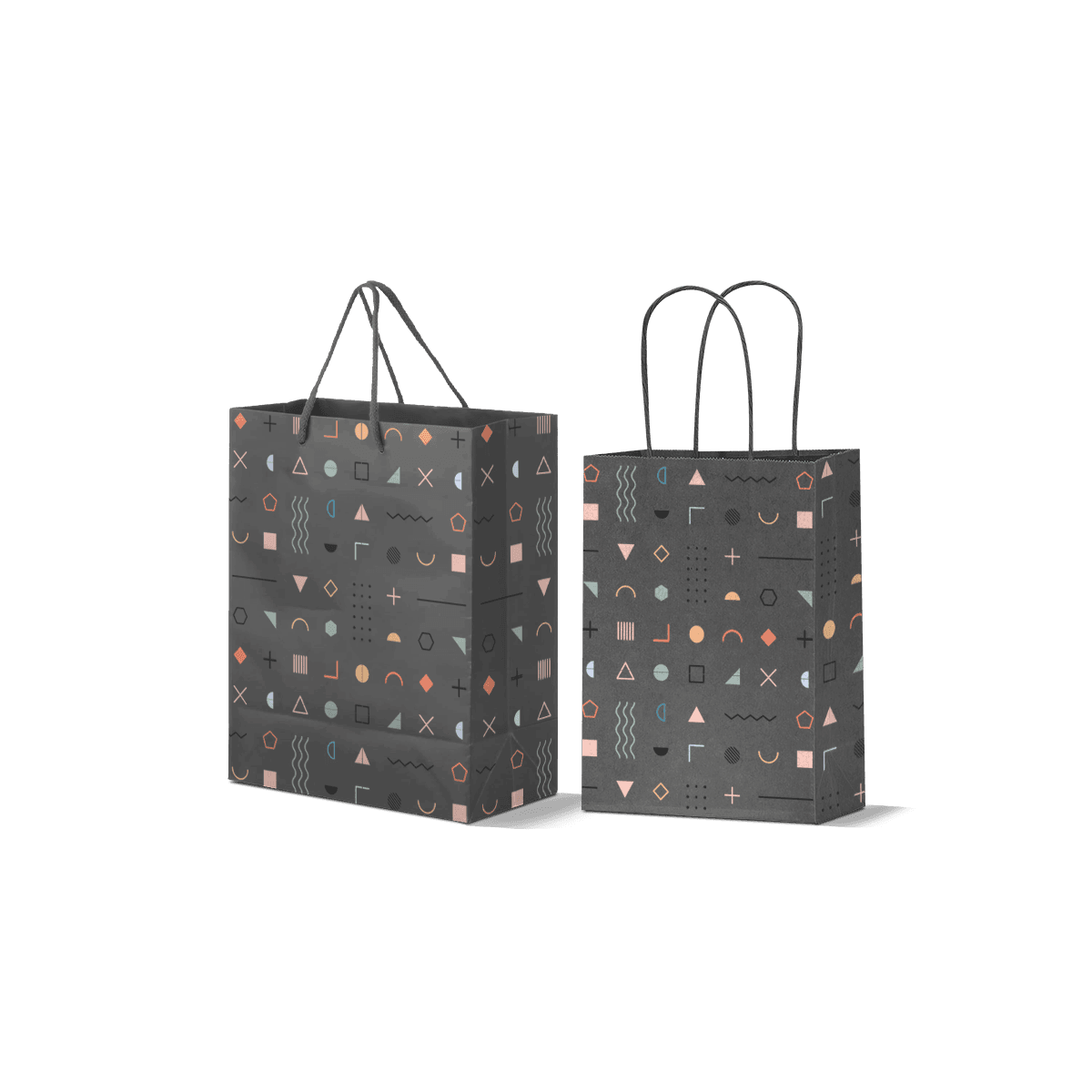
Party Paper Bags
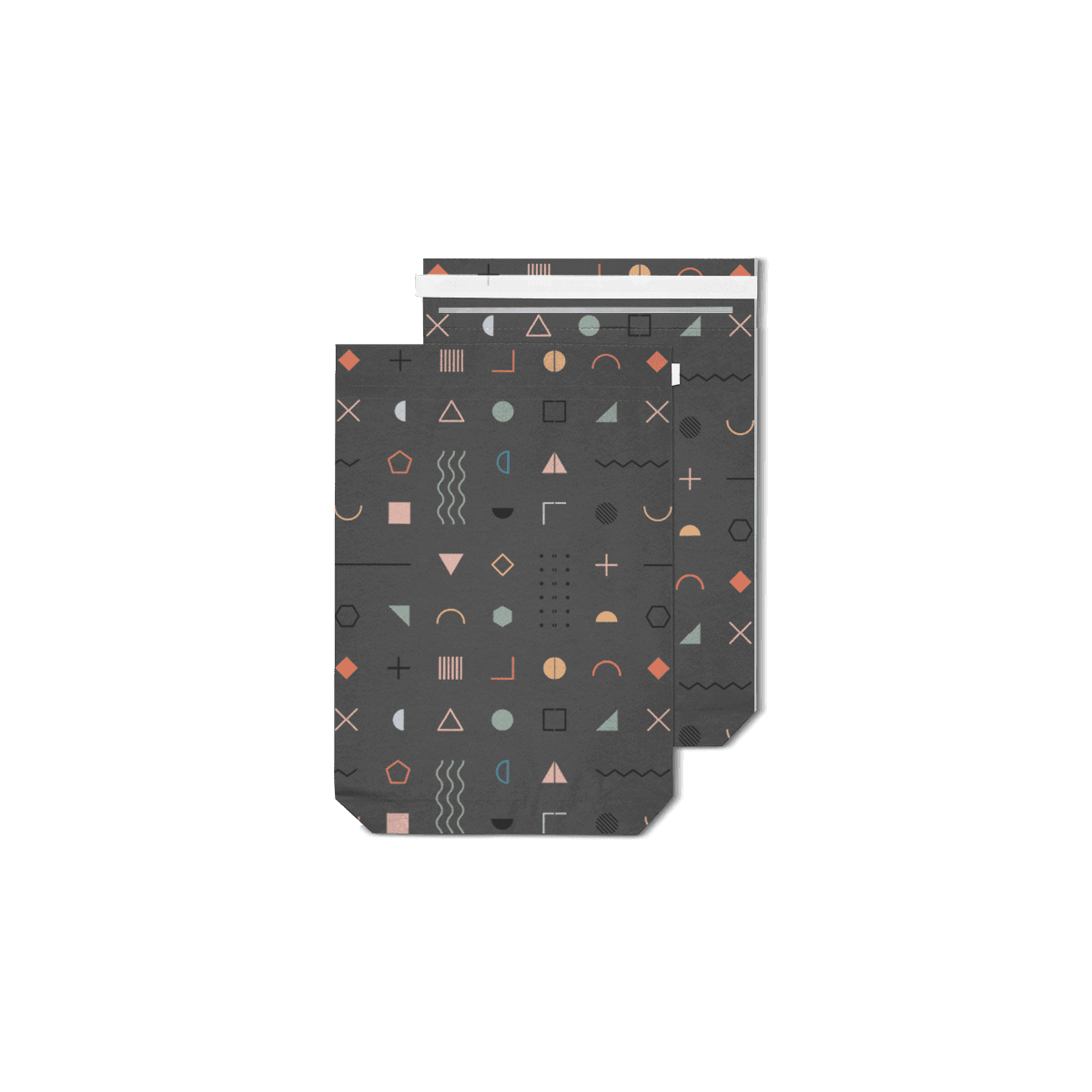
Mailing Paper Bags
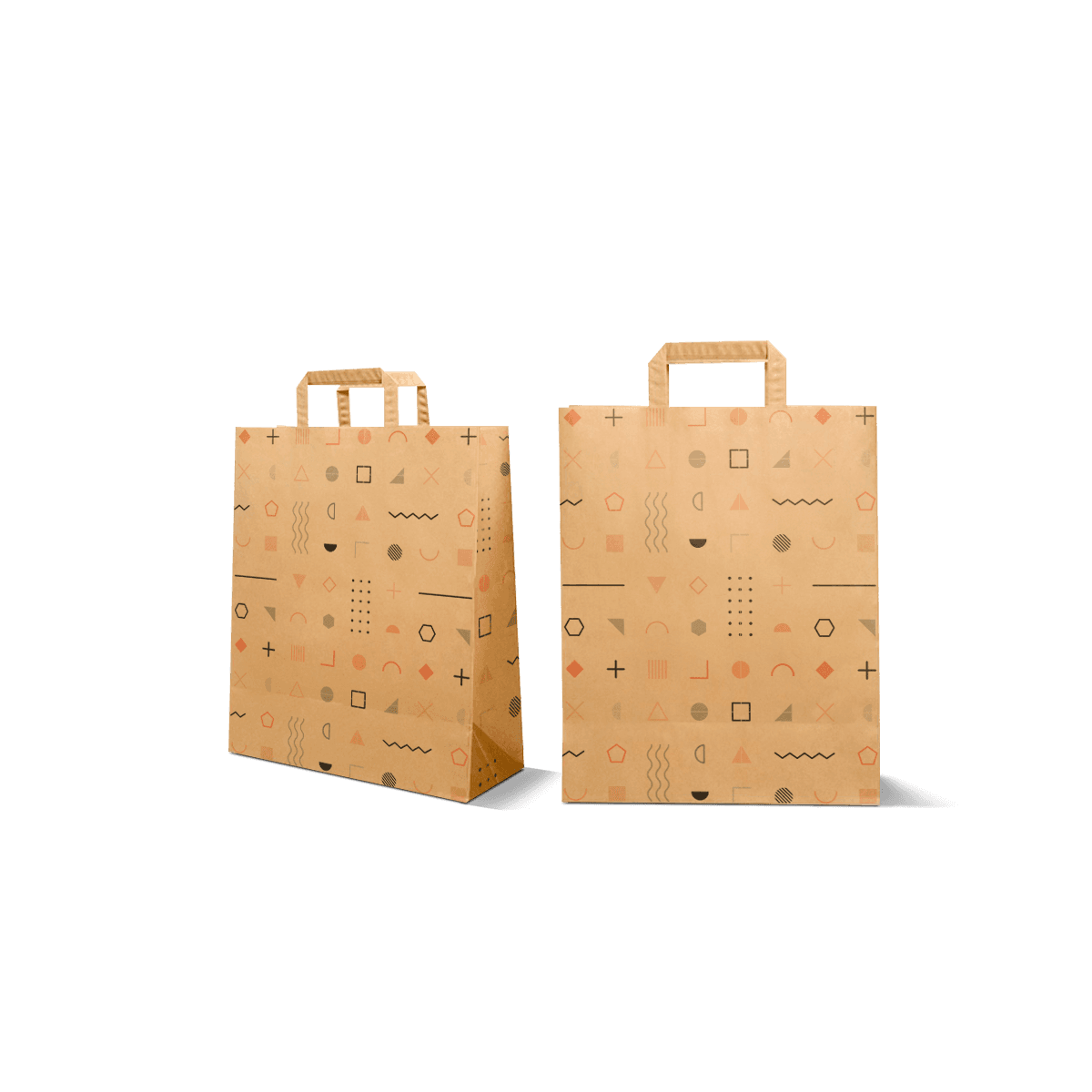
Recycled Paper Bags
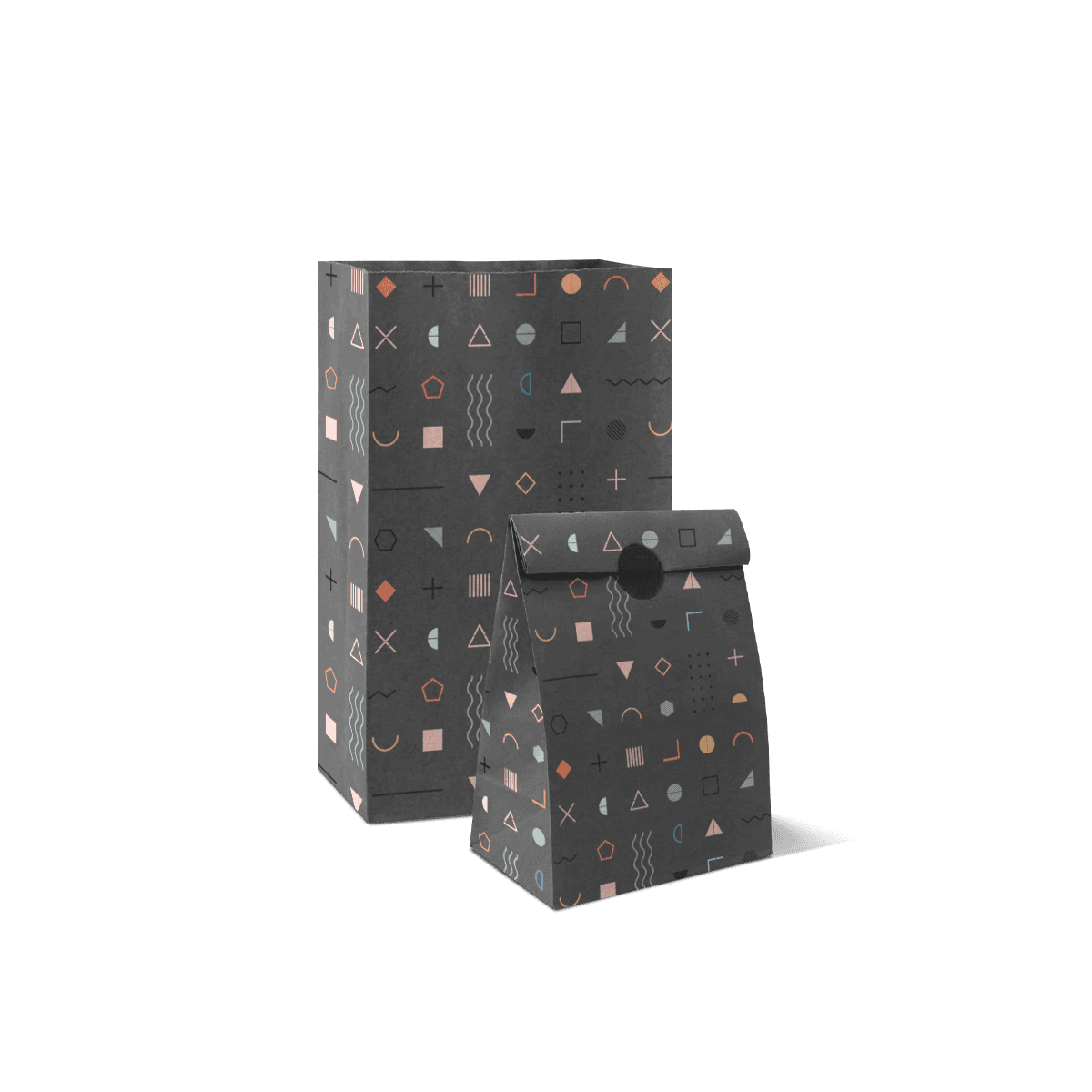
S.O.S. Paper Bags
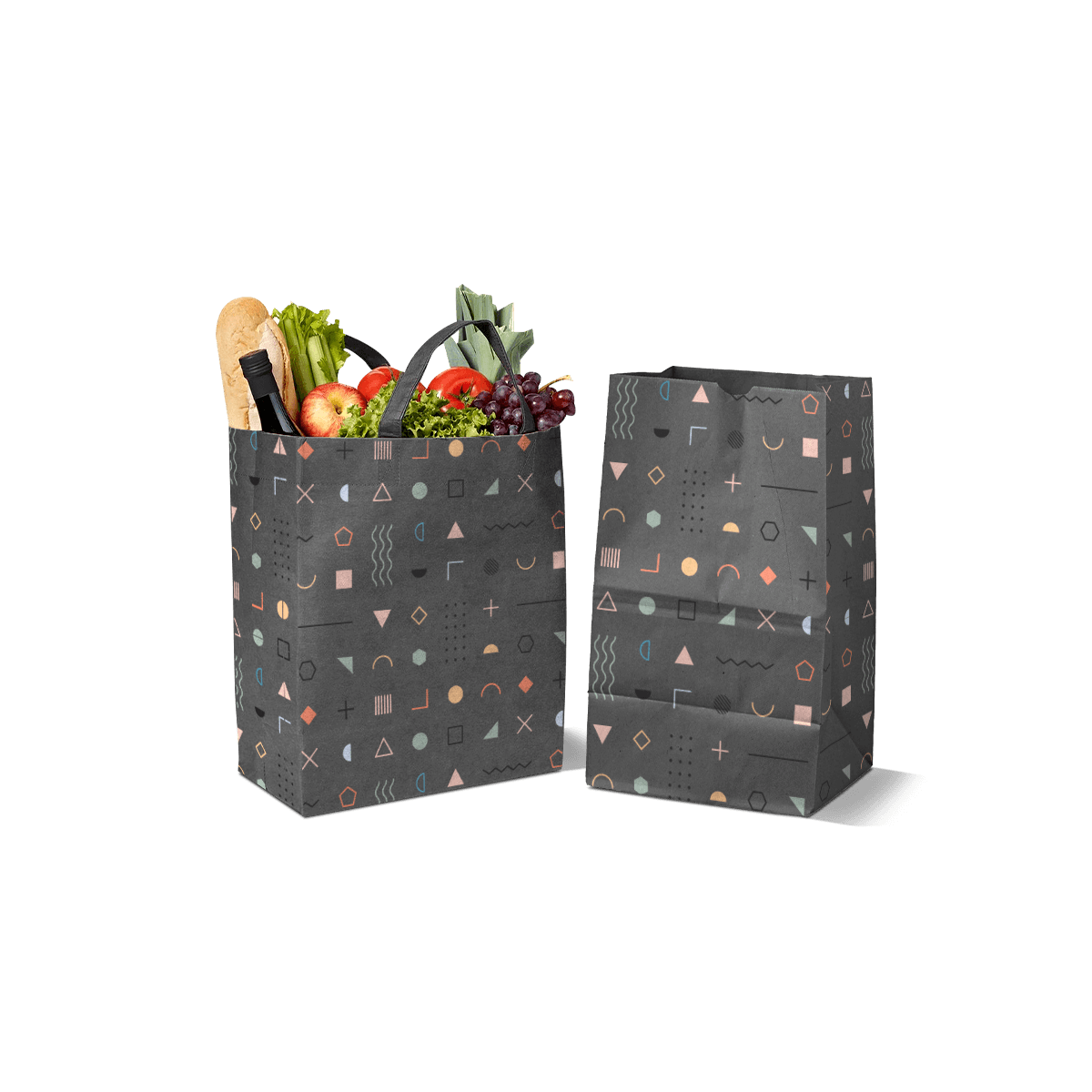
Grocery Paper Bags
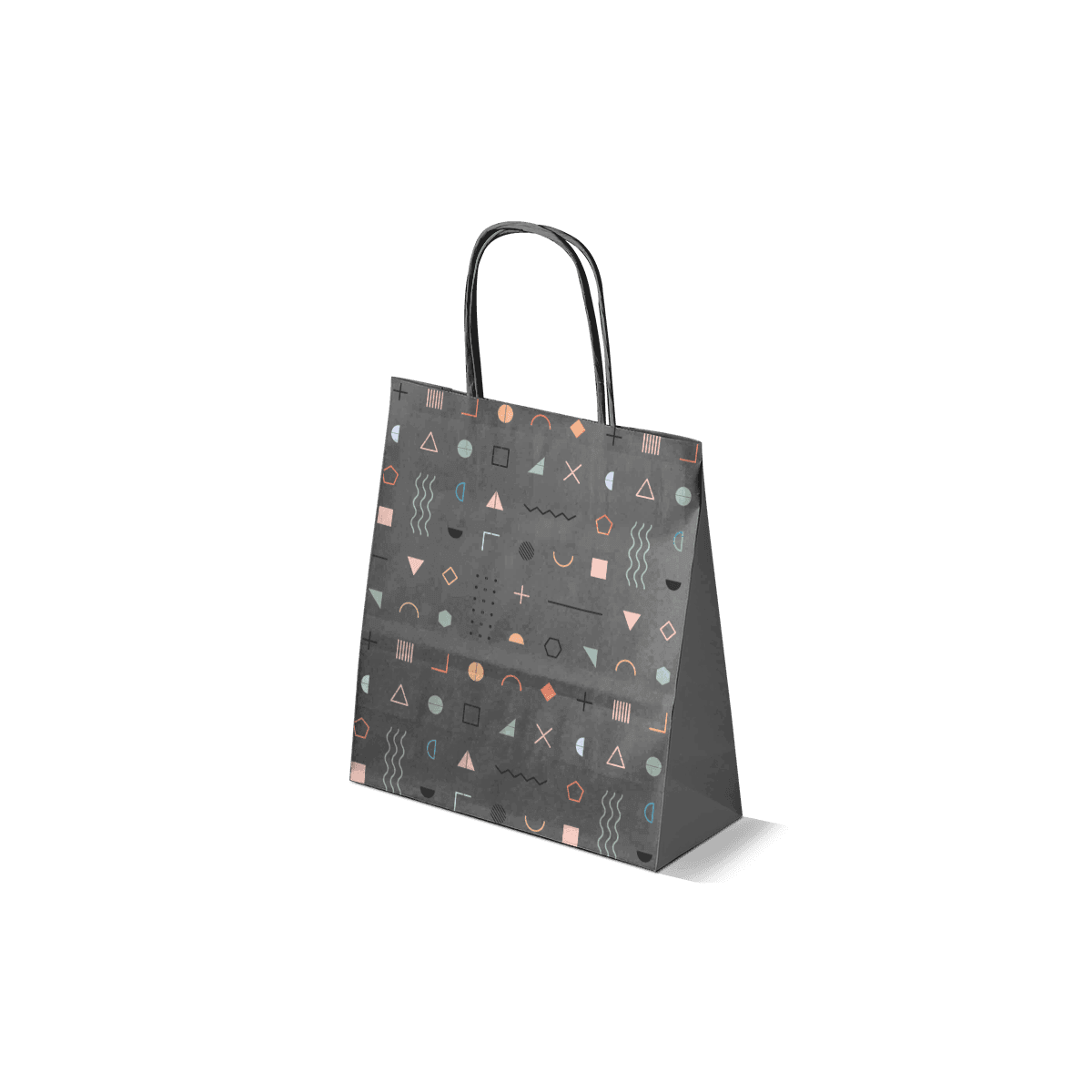
Consumer Bags
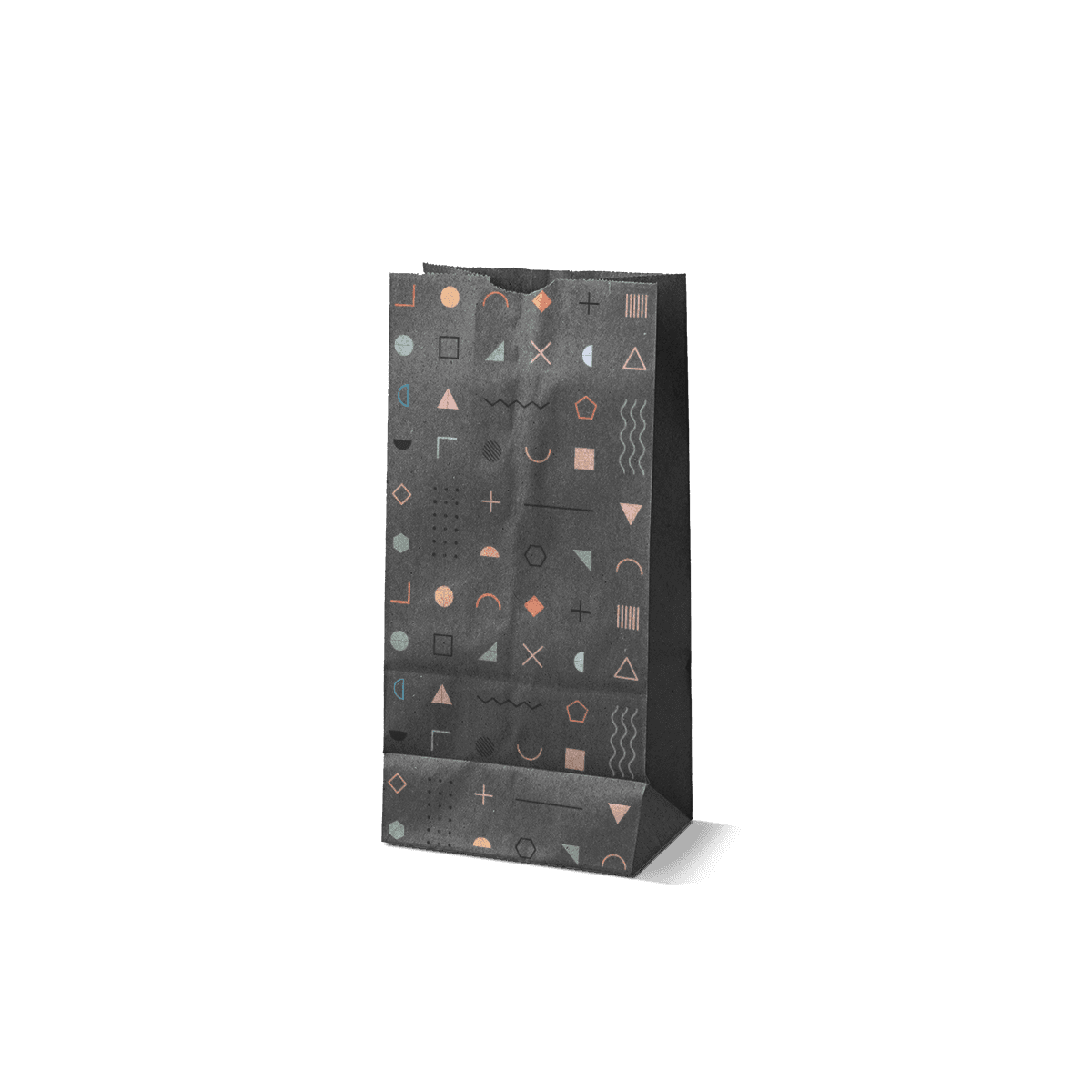
Self-Opening Sacks
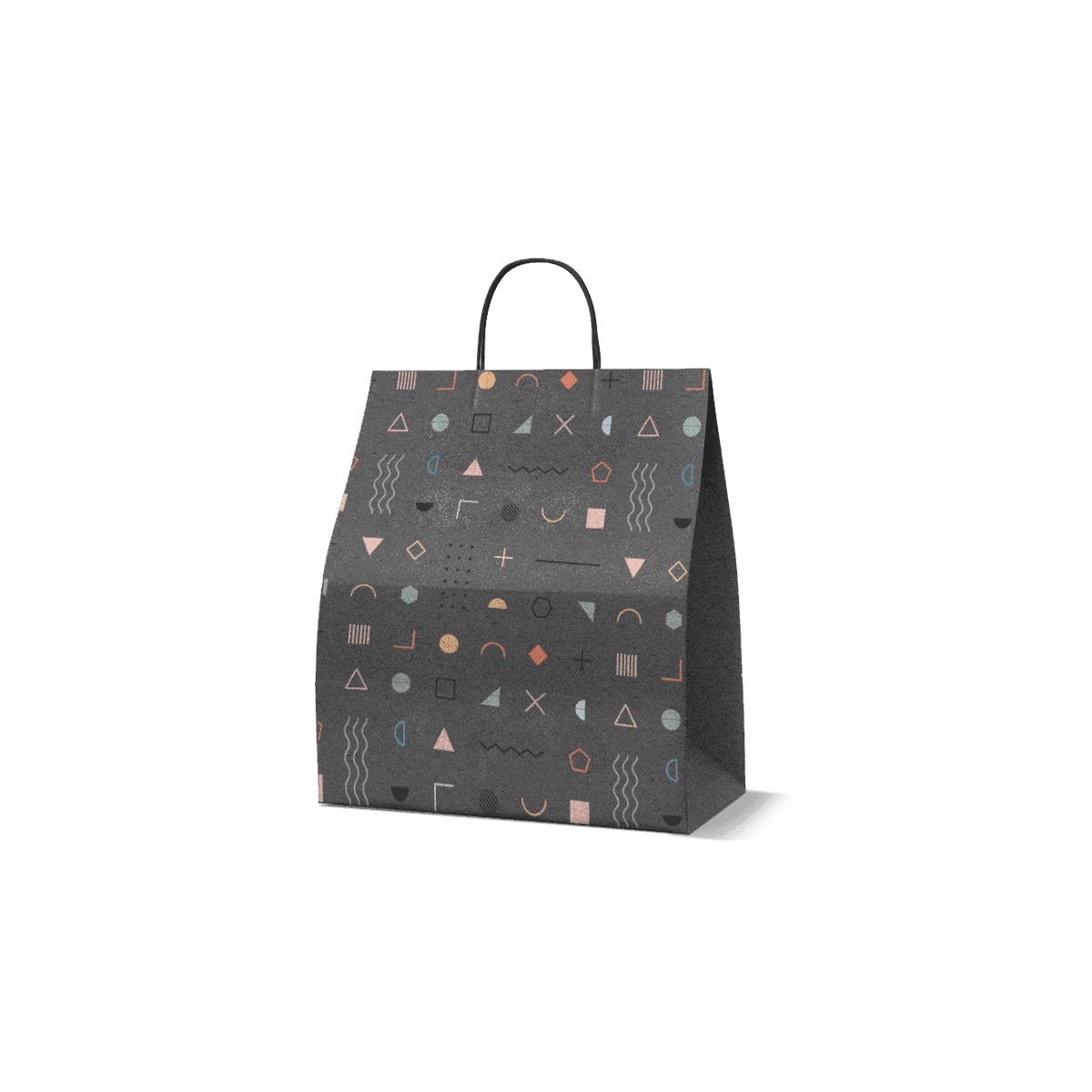
Tamper Evident Paper Bags
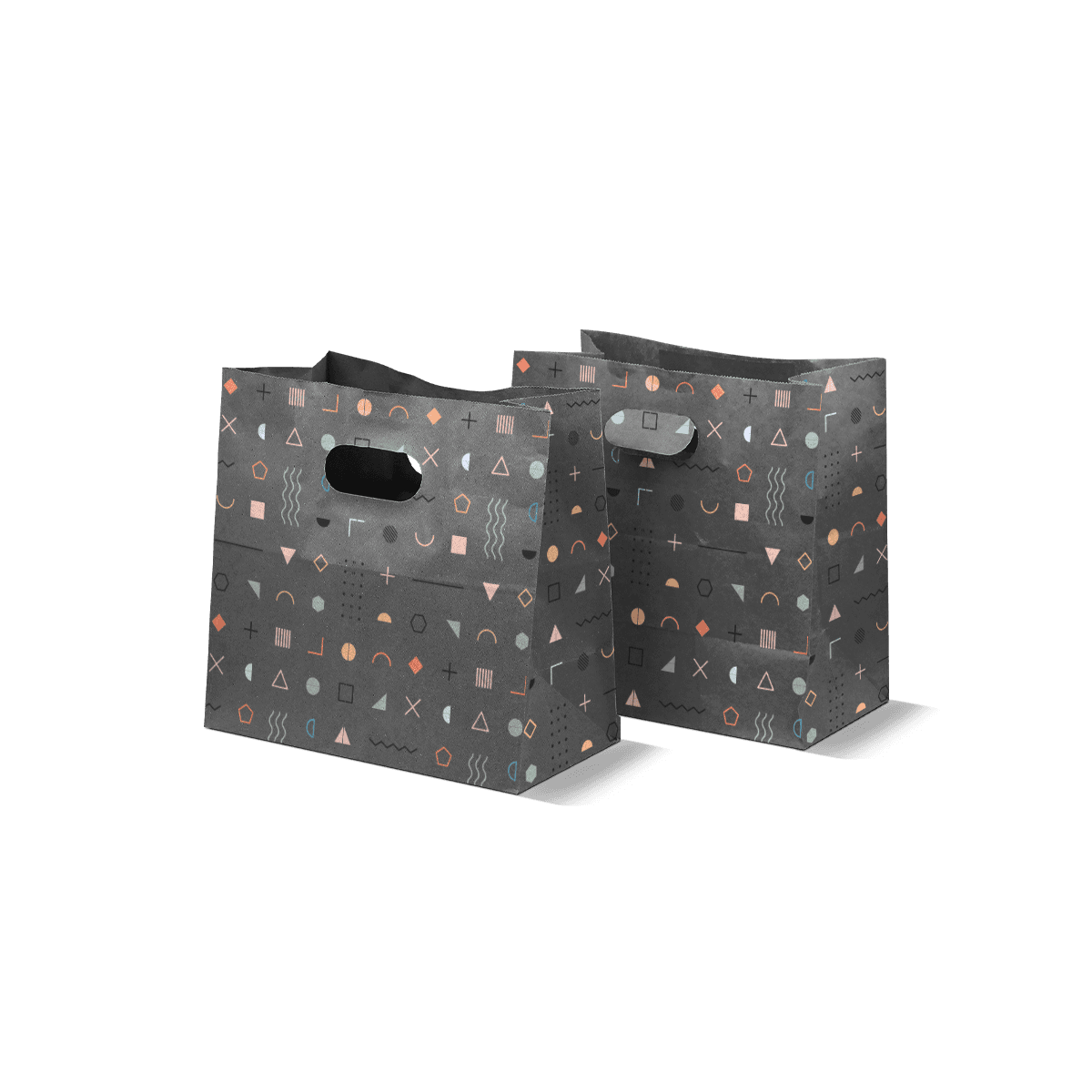
Die Cut Handle Paper Bags
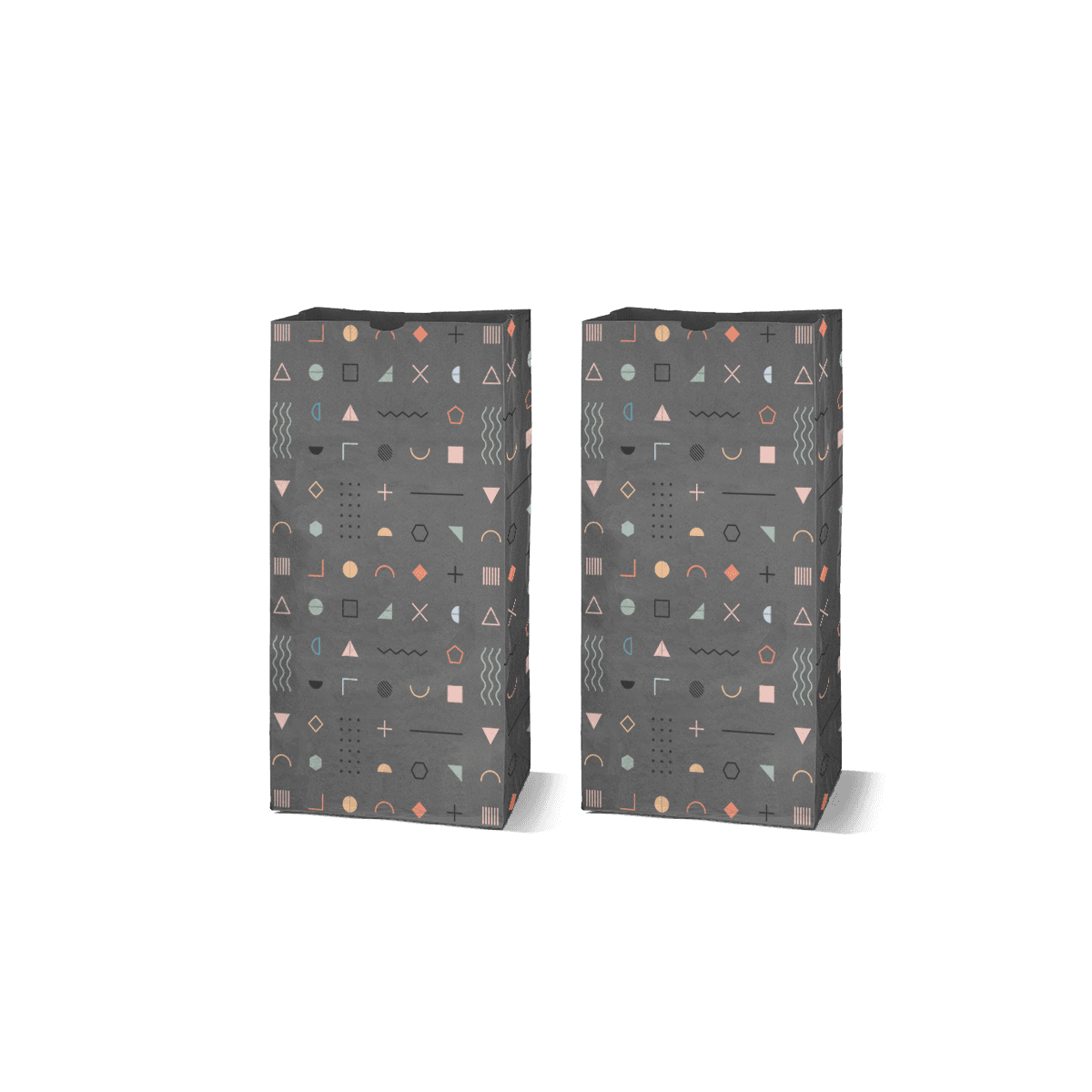
Lawn & Leaf Paper Bags
Your product shouldn’t have to fit an off-the-shelf box.
Share the shape, size, material, finish, or insert you have in mind. We’ll turn the details into a tailored packaging recommendation and a clear quote.
Custom sizes · materials · finishes · inserts
The Bottom Takes the First Load
A paper bag does not fail at the logo. It fails where the packed order pushes against the base, side folds, top edge or handle attachment.
That is the most useful way to choose Custom Paper Bags. Begin with what the finished order weighs, how its footprint sits inside the bag and how far the customer may carry it. Then decide whether the bag needs a flat standing base, a faster open-and-pack structure, handles, a closure or a more presentation-led build.
A light apparel purchase and a boxed candle may fit inside bags with similar outside dimensions, but they create very different loads. The apparel is flexible and spreads little concentrated pressure across the base. The candle is dense, can shift during walking and puts more stress on the bottom and handle anchors.
The bag should therefore be specified as a carrying structure, not just a printed sheet with handles attached. That keeps the decision focused on performance before color, finish or branding.
For sizing, choosing a paper bag size explains why product dimensions, packaged dimensions, weight and item count affect the right bag.
Base Style Changes Packing
The bottom construction controls whether the bag opens into a stable footprint, lies flatter for light items or supports fast packing at a counter.
Flat Bottom for Stable Loads
Flat-Bottom Paper Bags are useful when the order benefits from standing upright during packing or handoff. Boxed merchandise, bakery packs, jars and several small items can sit more predictably when the base opens into a defined footprint.
The base should be large enough for the packed order without forcing products to sit diagonally or push hard into the side gussets. An oversized base is not automatically better. If the order moves excessively inside the bag, the load can shift during walking and pull unevenly on the handles.
Self-Opening for Fast Counters
S.O.S. Paper Bags and self-opening sack formats are designed around quick opening and upright packing. They suit grocery, bakery, takeaway and other high-volume counter environments where staff need the bag to open predictably with minimal handling.
Their value is operational. If staff must repeatedly fight a bag open or reshape the base before packing, the structure is working against the service process.
Pinch Bottom for Lighter Goods
Pinch-Bottom Paper Bags suit lighter products and simpler packouts where a large standing base is unnecessary. The format is often more relevant to bakery, snack and dry-goods use than to heavy multi-item retail orders.
The practical decision is not which bag name sounds more familiar. It is whether the order needs to stand, open quickly, fold compactly or carry concentrated weight.
Gussets Create Usable Volume
The side gusset is what allows many paper bags to expand from a flat stored form into a three-dimensional carrier. Its depth changes both capacity and how the load sits.
A shallow gusset keeps the bag slim, which can suit clothing, books or narrow boxed goods. A deeper gusset creates more base depth for food containers, gift sets or multiple retail items.
The key measurement is the packed order, not one product in isolation. If three cartons normally leave the counter together, measure the footprint created by those three cartons in the orientation staff will actually use.
Too little depth makes packing awkward and pushes the side folds outward. Too much depth can let the order shift, tilt or collapse toward one side.
A well-sized gusset gives enough opening for practical packing while keeping the contents controlled once the bag is lifted.
Handles Carry Through the Top Edge
Handle choice is partly visual, but its structural job is to transfer the load into the bag wall without tearing the top area.
Twisted and Flat Paper Handles
Twisted paper handles are common for retail, takeaway and general carry use because they create a familiar handhold without turning the bag into a premium gift structure. Flat paper handles can suit high-volume carryout where simple handling and efficient packing matter.
The handle itself is only one part of the specification. Attachment area, paper strength and the load below it determine whether the bag feels secure.
Rope and Ribbon for Presentation
Premium retail programs may prefer a more presentation-led structure. Euro Tote Paper Bags can use rope, ribbon or other handle treatments when the carry experience is part of the brand presentation.
That does not make every rope-handle bag stronger than every paper-handle bag. A premium-looking handle still needs a bag body and attachment method appropriate for the actual order weight.
Die-Cut Handles Change the Opening
Die Cut Handle Paper Bags remove the separate handle component and create the handhold directly in the bag. That produces a cleaner silhouette but also places the carrying force around the cutout and upper panel.
This format works best when the product load matches the structure rather than when a separate handle would better distribute weight.
Size Around the Packed Order
Width, depth and height should describe what staff actually need to pack, not just the dimensions of the largest product.
A bag has to allow insertion, closure if applicable and comfortable carrying without crushing a box, bending apparel or leaving so much empty space that the contents move freely.
Consider a cosmetics retailer packing one boxed skincare set, a glass candle and tissue into the same bag. The first bag chosen is tall enough and wide enough, but the base is too shallow. Staff angle the candle beside the skincare box, the contents lean during carry and the twisted handles pull the top panels inward.
The issue is not simply “the bag is too small.” The base footprint does not match the packed arrangement.
A better adjustment is to increase usable depth while keeping the width controlled, then position the two heavier products flat on the base with tissue above rather than between them. The result is faster packing, less shifting and a more balanced handle load.
That same logic is useful for retail and apparel packaging, where carryout bags often need to coordinate with boxes, folded garments, accessories and gift-ready presentation rather than one fixed product shape.
The Bag May Be Secondary Packaging
A paper bag often carries products that already have their own protective packaging. That distinction matters.
A boutique bag around a rigid candle box is a carry format. The candle box still provides the primary presentation and protection. A bakery bag around a wrapped loaf or boxed pastry is part of the handoff system, but its responsibilities differ from packaging that directly contacts the food.
For fragile products, do not expect a paper bag to replace the protective structure around the item. Glass, electronics and delicate gifts may still need a carton, insert or other internal protection before they go into the carry bag.
The Custom Retail Packaging program is useful when bags must coordinate with cartons, displays or other in-store formats as one retail system.
For food service, Food, Bakery & Restaurants connects carry bags with the boxes, sleeves and takeaway formats used inside them.
Small beauty purchases show why the carry layer should be specified separately from the product pack. Nail Polish Paper Bags need to accommodate the boxed or wrapped bottles presented at checkout without being treated as parcel protection.
Food Handoff Needs Its Own Checks
Food-service paper bags have different practical questions from fashion or gift bags. Heat, grease, moisture, container shape and delivery handling can affect the bag even when food does not touch it directly.
A bakery order with dry boxed pastries may need a very different bag from a takeaway order containing several warm containers. Weight can increase quickly, and condensation or grease from an inner container can affect the outer carrier.
Bakery Paper Bags belong to lighter bakery and counter-service decisions. For delivery orders where visible interference after packing matters, Tamper Evident Paper Bags own the more specialized secure-handoff job.
If paper will directly contact food, the exact material, coating, ink and intended use need to be confirmed for that application. Do not infer suitability from appearance alone.
The broader lesson is that a carry bag should be specified around the packed food system, including the inner container, total order weight and expected travel time.
Paper Stock Has to Match the Load
Brown kraft, white kraft and coated paper can create very different visual results, but surface appearance should not override structural requirements.
Paper weight, fiber behavior, folds, reinforcement and handle attachment all contribute to performance. A thicker-looking bag is not automatically the correct answer if its dimensions or handle system are poorly matched to the order.
White paper can provide a cleaner base for bright printed color. Brown kraft changes how inks appear because the substrate itself contributes color. Coated papers can create a smoother visual surface for premium retail use.
Custom Packly's packaging capabilities can support decisions around paper stock, printing, finishes and structural details when several variables need to work together.
For environmentally focused projects, specific recycled-content, recycling, compostability or certification claims should be confirmed for the exact selected stock rather than assumed from the word “paper.” The material specification should carry the claim.
Printing Moves After the Bag Fills
A bag is not displayed perfectly flat once it contains products. Side gussets open, the front and back panels bow slightly and handles can pull the upper area inward.
Artwork should account for that movement.
Keep the main logo clear of deep side folds and handle attachment zones. If the design wraps toward a gusset, review what remains visible once the bag is full rather than only looking at the flat artwork.
Premium offset printing can support more controlled branded graphics where appropriate. CMYK works for multi-color artwork, while Pantone may be considered when a specific brand color needs tighter matching. Matte, gloss, foil, embossing, debossing or spot UV should be chosen because they support the desired retail presentation, not simply because the finish is available.
Free design support and free 3D mockups can help review placement before production. The useful proof question is not just “Is the logo centered?” It is “Does the important artwork still read when the bag is packed and carried?”
Carryout, Mailing and Delivery Are Different Jobs
A shopping bag is not automatically a shipping mailer.
Retail paper bags are normally designed around hand carry from a store, counter or event. Mailing Paper Bags belong to lightweight shipment applications where closure, transit handling and label placement become more important than open-top carry.
Likewise, a tamper-evident food bag solves a delivery handoff problem that an open boutique bag does not.
Keeping those jobs separate helps businesses choose the right structure for the route to the customer.
If a product needs substantial courier protection, a box or other shipping structure may be more suitable than trying to make a carry bag perform like a shipper.
Pricing Starts With the Load Plan
A useful paper-bag quote should state what the bag will carry, the typical packed weight, required inside dimensions or product arrangement, quantity, base style, gusset depth, handle direction, paper preference, print coverage and artwork status.
MOQ starts from 100 units for USA orders. Free shipping, instant free quotes and transparent pricing with no hidden charges help businesses compare the real specification rather than a generic bag price.
Free samples of previous work can help assess general paper, handle, print and finish quality. When an exact custom size, handle construction or heavily loaded use needs physical validation, a paid fully custom pre-production sample may be more useful.
US production and a standard 4–6 business-day turnaround after final artwork and specifications are approved are available once the specification and artwork are approved. Bulk and repeat-order support, warehousing and scheduled deliveries can also help ongoing programs separate manufacturing quantity from immediate store or location demand. Complex structures, specialty materials or advanced finishes may require additional time.
When the load plan is ready, request an instant custom packaging quote with the packed dimensions, weight, quantity and artwork details rather than only the bag style name.
Test the Bag Fully Loaded
The final approval should reproduce the way the bag will actually leave the counter.
Pack the normal order. Lift it by the intended handles. Carry it for long enough to reveal stretching or top-edge distortion. Set it down and lift it again. Check whether the base stays flat, whether side gussets crease into the products and whether the contents migrate toward one corner.
For multi-item retail orders, test the heaviest realistic combination, not only one average item. For takeaway orders, test the inner containers at the temperature and orientation expected during handoff. For event bags, test how quickly staff can open and fill repeated units.
Also review the printed panels after loading. If the logo folds into a gusset or the upper artwork disappears when the handles pull inward, the problem belongs in pre-production, not after delivery.
Custom Paper Bags work best when carrying strength, packing speed and presentation are approved together. The bag is ready when the packed order feels controlled from the base to the handle, not merely when the empty sample looks good.
Custom Paper Bags FAQs
Start Your Custom Packaging Quote
Share your product details, size, quantity and artwork needs. We’ll help choose the right packaging style and send a clear quote.