Skip to content
Details

Custom Recycled Paper Bags

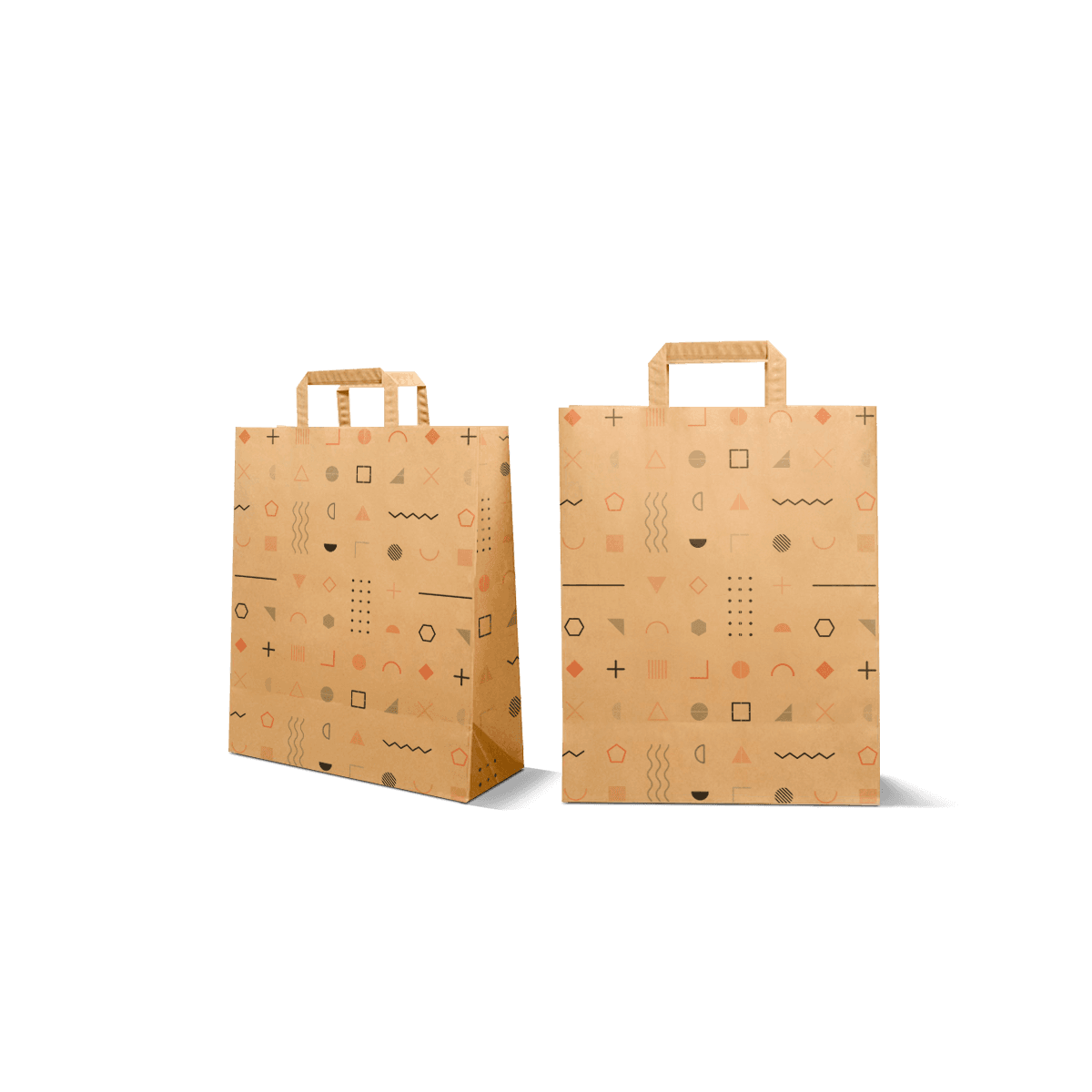
Recycled paper carry bags specified around actual recycled content, product load, handle construction and the print result your brand needs.

Recycled Content Needs a Number

A brown paper bag does not prove recycled content. Neither does a kraft appearance, an uncoated surface or an earthy print design.

Custom Recycled Paper Bags should begin with the material specification itself. Decide what recycled-content requirement matters to the project, then build the bag around the load, print and carrying method. This prevents a visual sustainability cue from being mistaken for a measurable material attribute.

“Recycled paper” can also describe different fiber mixes. Post-consumer content comes from paper recovered after consumer use, while pre-consumer content generally comes from material recovered during manufacturing before it reaches an end user. If the distinction matters to a procurement policy or packaging statement, put the required content into the specification rather than relying on the word recycled alone.

The same discipline applies across custom paper bags: material, size, base construction and handles have to work as one carrying system.

Recycled Is Not Kraft

Kraft and recycled are different decisions.

Kraft describes a paper direction commonly associated with a brown, natural-looking surface. A kraft bag can contain recycled fiber or it can use other fiber sources. A recycled paper bag can also be produced in a stock that does not have the familiar raw brown appearance.

That distinction matters when artwork or procurement language says things such as “made with recycled paper.” The printed statement should follow the paper actually ordered.

If the visual goal is simply a natural brown bag with minimal printing, the differences between common packaging materials help separate appearance from the material properties that affect the finished pack.

Recyclable Is Different Again

Recycled content describes what went into the paper. Recyclability concerns what can happen to the finished bag after use.

Those two ideas should not be merged into one claim.

Handles, coatings, laminations, adhesives, decorative additions and local recycling systems can all affect the end-of-life route. If recyclability is part of the brief, specify the complete bag rather than assuming recycled paper automatically settles the question.

Custom Packly can work with recyclable material options where they suit the packaging requirement, but the final wording on the bag should stay tied to the exact construction selected.
Carry Strength Beyond the Label

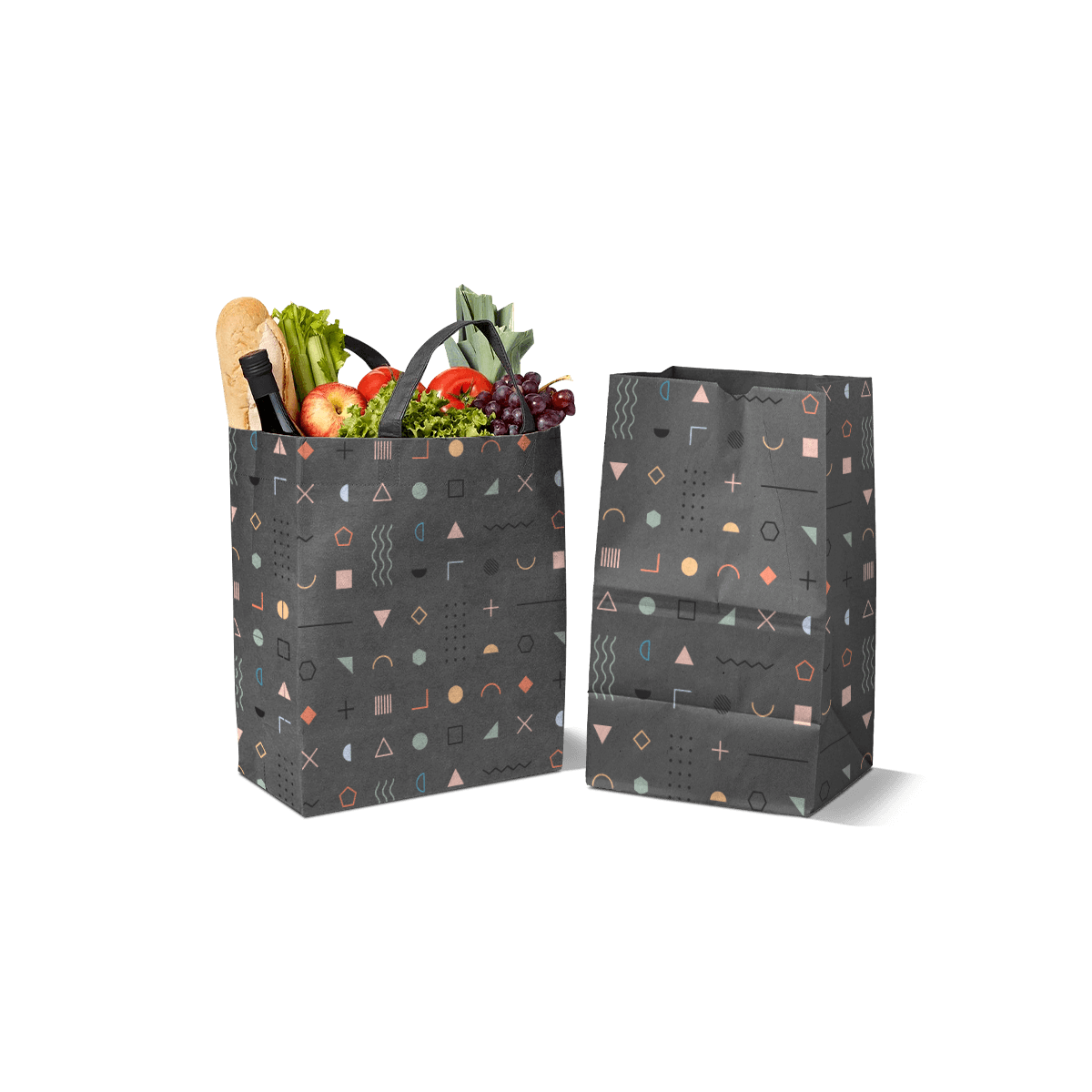
Recycled content does not remove the need to engineer the bag around weight. The customer still feels the base, side folds, top edge and handle attachments long before they think about the fiber source.

Start with the heaviest normal purchase the bag is expected to carry. Then look at how that weight sits inside it.

A folded T-shirt spreads load differently from a boxed candle. Several books create dense weight near the base. A pair of shoes may fill the footprint without being unusually heavy. Bottles or jars can create concentrated pressure and movement as the bag swings.

Paper grade should therefore follow the packed load rather than a sustainability statement alone.

Base Load Comes First

The bottom of the bag carries the packed contents before the handles transfer that load into the customer's hand.

A bag that is too broad for its contents may let dense items slide and strike the gussets. A base that is too narrow can force product corners against the folds. Either condition can make a reasonable paper stock perform poorly.

Right-sizing helps because it controls where the load sits. The paper bag sizing process starts from product dimensions, weight and item count rather than choosing a standard label first.

For mixed retail purchases, test the demanding packout, not the lightest one. If the same bag carries both a scarf and several boxed accessories, the accessory order is the better structural test.

Handles Need Their Own Load Path

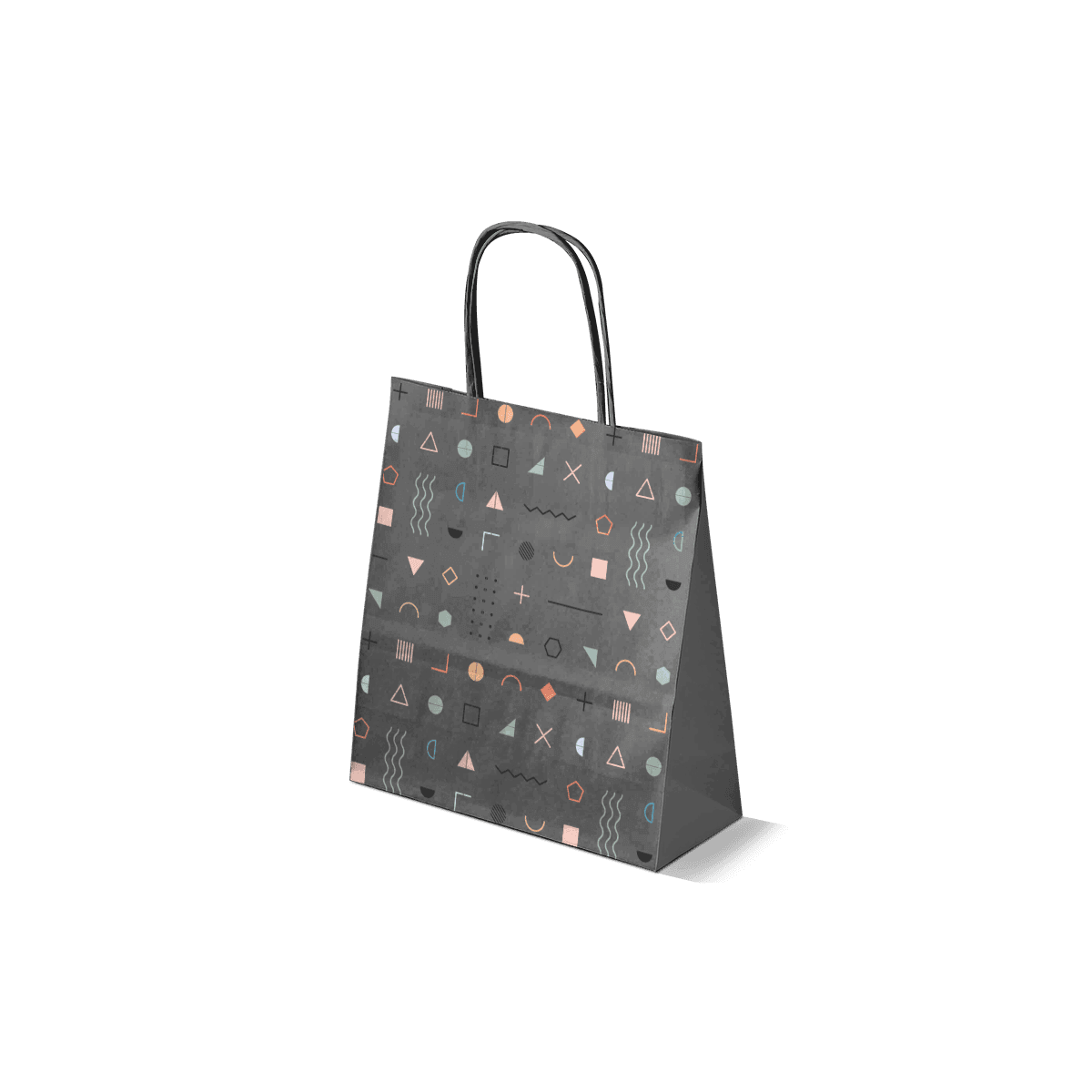
Twisted paper handles, flat paper handles and die-cut grips transfer carrying force into the upper part of the bag differently.

The handle decision should account for the paper around the attachment as well as the handle itself. Increasing paper weight without considering the attachment geometry can still leave a weak concentration point.

A die-cut handle paper bag concentrates grip force around an opening in the bag body, which creates a different structural decision from an attached twisted-paper handle.

For heavier purchases, the top edge, reinforcement and base deserve the same attention as the recycled stock specification.

Print on the Actual Stock

Recycled paper can be part of the visual identity rather than something artwork tries to hide.

Natural fiber character, paper tone and an uncoated appearance can work well with restrained logos, darker inks, typography and simple graphic systems. They can also change how bright colors, pale tones and fine photographic artwork appear compared with a clean white print surface.

That makes artwork planning a substrate decision.

Do not approve a color direction on screen and assume the paper underneath has no effect. The base shade becomes part of the printed result. Large pale areas may interact with the natural paper tone. Fine detail can respond differently to a more textured sheet than to a smoother coated stock.

Design With the Paper

Artwork can use the stock as intentional negative space instead of covering most of it with ink.

That approach may suit brands that want the material to remain visible, but it should come from the design goal rather than from a rule that recycled packaging must always look minimal or brown.

A recycled bag can still carry strong typography, structured graphics or premium branding. The question is whether the selected stock and print process reproduce that artwork at the standard the brand expects.

For retail programs where bag graphics must work with cartons, displays and shelf packs, custom retail packaging can align the carry bag with the rest of the store presentation.

Proof the Right Thing

A digital proof is valuable for checking artwork placement, text, orientation, folds and the relationship between graphics and handle areas. It is not a physical sheet of the final recycled stock.

If exact paper tone, texture or printed appearance is commercially important, physical material evaluation becomes the stronger check. Custom Packly has free sample examples of previous work, while a fully custom physical sample can be arranged as a paid sample when the exact construction needs to be evaluated before the production run.

Place that validation here, at the print-and-material decision, rather than turning sampling into a generic step at the end of the project.

Less Material Starts With Fit

Using recycled paper does not make an oversized bag efficient.

A 12-inch product placed in a much larger carry bag still uses unnecessary paper, occupies more storage space and allows the contents to move. The recycled-content decision and the size decision should support each other.

Measure the packed product footprint rather than the unwrapped item alone. Boxes, tissue, folded apparel, handles on the product itself and multi-item purchases can change the real space requirement.

For a retailer carrying several product sizes, do not automatically create one oversized universal bag. A small number of well-chosen sizes may use less material and present products better.

The opposite extreme is also costly operationally: too many bag sizes increase stock positions and make counter selection slower. The goal is enough size separation to remove obvious waste without creating unnecessary complexity.

The Stock Must Suit Checkout

Recycled paper bags often serve routine retail handoff, which means their specification should survive repetition rather than look good only as an empty sample.

Store staff open the bag, load it, add receipts or tissue, lift it by the handles and pass it across the counter. Customers may then carry it through a mall, parking lot or street before it reaches its final destination.

That repeated handling creates practical decisions around opening width, gusset depth, top-edge behavior and handle comfort.

For straightforward lightweight merchandise where recycled content is not the defining requirement, Merchandise Paper Bags address the everyday carry decision. Recycled Paper Bags earn a separate specification when the material itself matters to the packaging program.

Apparel stores that care primarily about folded-garment carry, handle feel and branded street visibility may instead need Custom Fashion Paper Bags.

Food Use Needs a Boundary

A recycled paper carry bag around packaged food is different from paper intended to touch food directly.

If cookies, pastries, takeout containers or other products already sit inside their primary packs, the outer bag is mainly carrying those packs. If unpackaged food will contact the recycled paper itself, the material must be assessed for that exact application before the bag is specified.

Do not turn “paper-based” or “recycled” into an automatic food-contact claim.

This distinction matters for cafés, bakeries and takeout operations because the carry bag and the food-contact pack solve different jobs. Teams coordinating both can connect the bag with packaging for food, bakery and restaurants without asking one paper structure to do both jobs.

Liquids create another boundary. A recycled paper bag can carry closed beverage containers, jars or takeaway packs when the structure suits the load, but paper should not be treated as moisture-proof simply because the bag is heavier. Leakage risk belongs in the primary container and packout decision.

Print Only Supportable Claims

Sustainability copy deserves the same prepress discipline as a logo.

Before printing “100% recycled,” a post-consumer percentage, certification mark, compostability statement or recyclability claim, verify that the selected material and finished construction support that exact wording.

Avoid turning a design concept into a factual claim.

This matters because artwork can outlive the original material discussion. A later reorder could change paper stock, handle construction or finish while the old sustainability statement remains embedded in the file. The claim then becomes part of specification control, not just marketing copy.

For packaging programs that extend into boxes, mailers or other paper structures, eco-friendly custom packaging can coordinate material reduction, right-sizing and recyclable material choices across the pack mix.

Custom Packly's artwork and prepress review can catch placement, print and production issues before manufacturing. Material claims should arrive at that stage already grounded in the stock being ordered.

Quantity Changes the Paper Decision

Low-volume testing and established retail programs do not always need the same approach.

The standard US starting MOQ of 100 applies to boxes; confirm the minimum for the selected recycled paper bag construction. A focused initial order can establish size, handle feel and visual direction without treating a large-volume specification as the only entry point.

At higher quantities, material consistency and procurement become more important. Decide which attributes are genuinely mandatory: recycled-content target, base shade, handle construction, paper feel, print colors and dimensions. Avoid creating an unnecessarily narrow specification around visual differences that do not affect the actual brand or carrying job.

The commercial decision should happen after those priorities are separated.

Instant pricing can then reflect the bag the business actually needs rather than a generic request for “eco paper bags.” US production, free shipping and a standard 4–6 day turnaround can support the order once final artwork and specifications are approved. Specialty materials may need additional time.

Recycled Paper Has to Earn the Job

The strongest recycled paper bag is not the one with the greenest-looking artwork. It is the one whose material claim, carrying performance and physical construction agree with each other.

That means the recycled-content requirement should be real. The bag still needs enough strength for its heaviest normal load. Handles need to transfer that load without overstressing the top. Artwork has to respect the actual paper color and surface. Environmental wording should describe the stock and finished bag accurately.

If one of those conditions cannot be met, change the specification rather than forcing the recycled label to carry the whole packaging story.

A simpler claim on a well-fitted, well-built bag is more defensible than ambitious wording attached to a material nobody has properly specified.

FAQs

Usually because the material story matters. Buyers want the packaging to reflect recycled-content goals, lower-waste messaging, or a broader move toward sustainable packaging.

Recycled Paper Bags put more emphasis on material choice and environmental positioning, while Consumer Bags are a broader everyday retail option that may or may not prioritize recycled-content stock. The better fit depends on whether sustainability messaging is a key buying factor.

Yes, that is possible. A simple print approach on recycled stock can still look sharp while keeping the bag visually aligned with a more natural packaging direction.

No. They also suit apparel checkout, conference handouts, pharmacy retail, bookstores, cafés, and local service businesses that want a paper-based carry option with a stronger recycled message.

Size usually comes first because it affects how efficiently the bag will be used. After that, paper weight and print coverage can be matched to the product load and brand goals.

Process

How it works

Your Packaging Journey, From Idea to Production and Delivery

01

Tell Us Your Specs

Custom packaging boxes

Tell Us Your Specs

Provide size, quantity, printing, and finishes.

02

Get a Fast Quote

Custom packaging boxes

Get a Fast Quote

Instant transparent pricing, no hidden fees.

03

Design and Approval

Custom packaging boxes

Design and Approval

Artwork checks, revisions, and final sign-off.

04

Produce

Custom packaging boxes

Produce

Expert manufacturing to meet deadlines.

05

Ship to Your Door

Custom packaging boxes

Ship to Your Door

Hassle-free, flexible delivery options.

Get Your Quote for Custom Recycled Paper Bags

Share your product details, size, quantity and artwork needs. We’ll help choose the right packaging style and send a clear quote.