Skip to content
Details

Custom S.O.S. Paper Bags

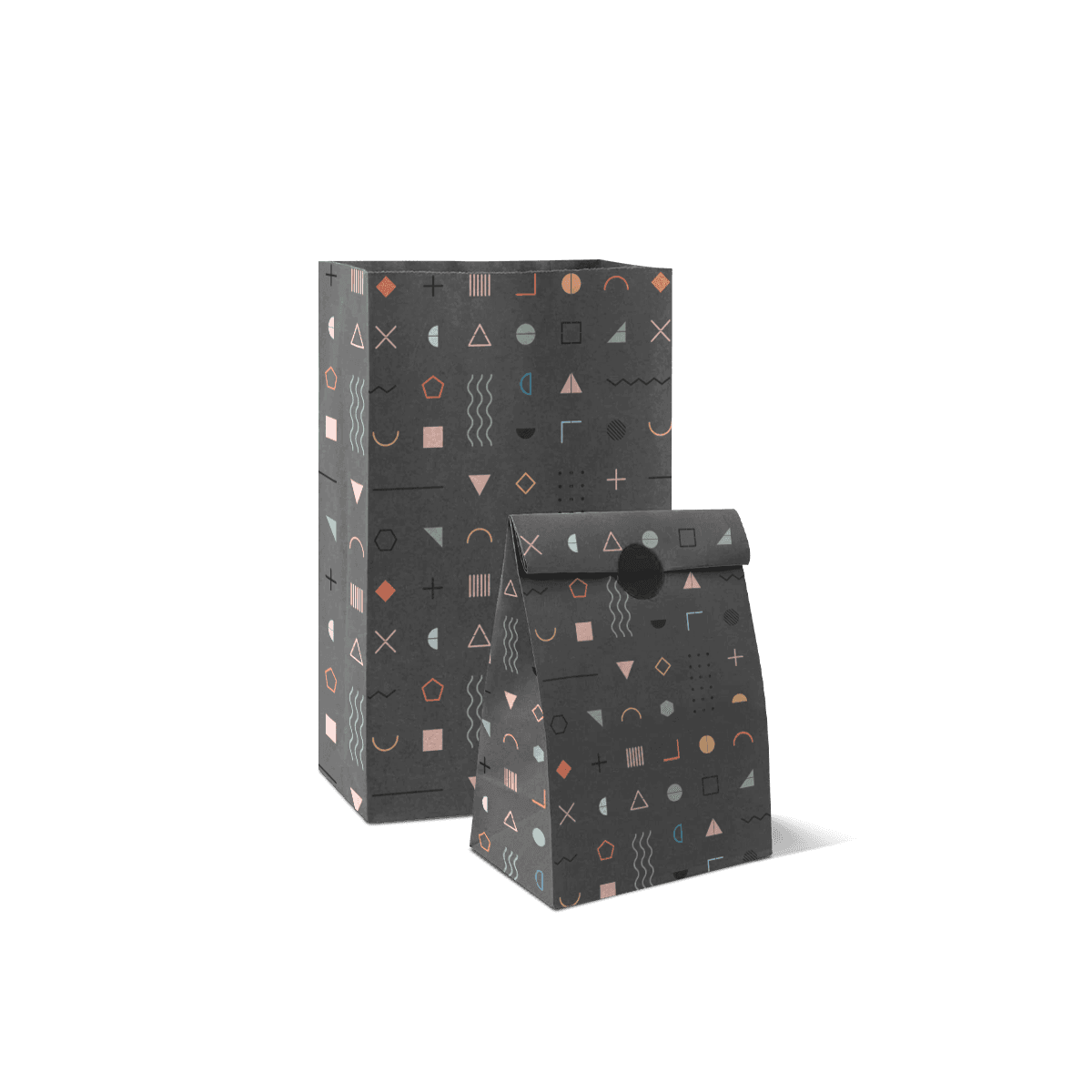
Self-opening paper sacks made for upright counter filling, gusseted capacity, compact flat storage and fast food, grocery or retail handoff.

Stand Ready for Filling

An S.O.S. bag earns its place before the first product goes inside. Set the flat bag on the counter, open the side gussets and the bottom should form into a stable footprint that remains ready for loading.

That self-opening behavior is especially valuable at food counters, bakeries, delis, pharmacies and retail checkouts where employees need both hands for the order rather than one hand holding a soft bag open.

The base, gussets and paper stiffness have to cooperate. If the bottom does not square properly, the bag may lean or partially collapse. If the gussets resist opening, staff lose the speed advantage the structure is meant to create.

One-Handed Loading Matters

A practical S.O.S. bag should remain open long enough for an employee to place items inside without constantly reshaping the mouth.

Test that behavior from the normal flat storage state. Pull one bag from the stack, open it exactly as staff will and place the typical order inside. If the walls repeatedly fold inward or the bottom needs manual adjustment, review the proportions or paper specification before production.

Stability Begins Empty

Do not wait until the bag is full to discover whether the base sits squarely. An empty S.O.S. bag should form a predictable footprint on a flat counter.

That empty stance matters because many businesses open bags before the next customer order is complete. A structure that stays ready can remove a small but repeated packing action during busy periods.
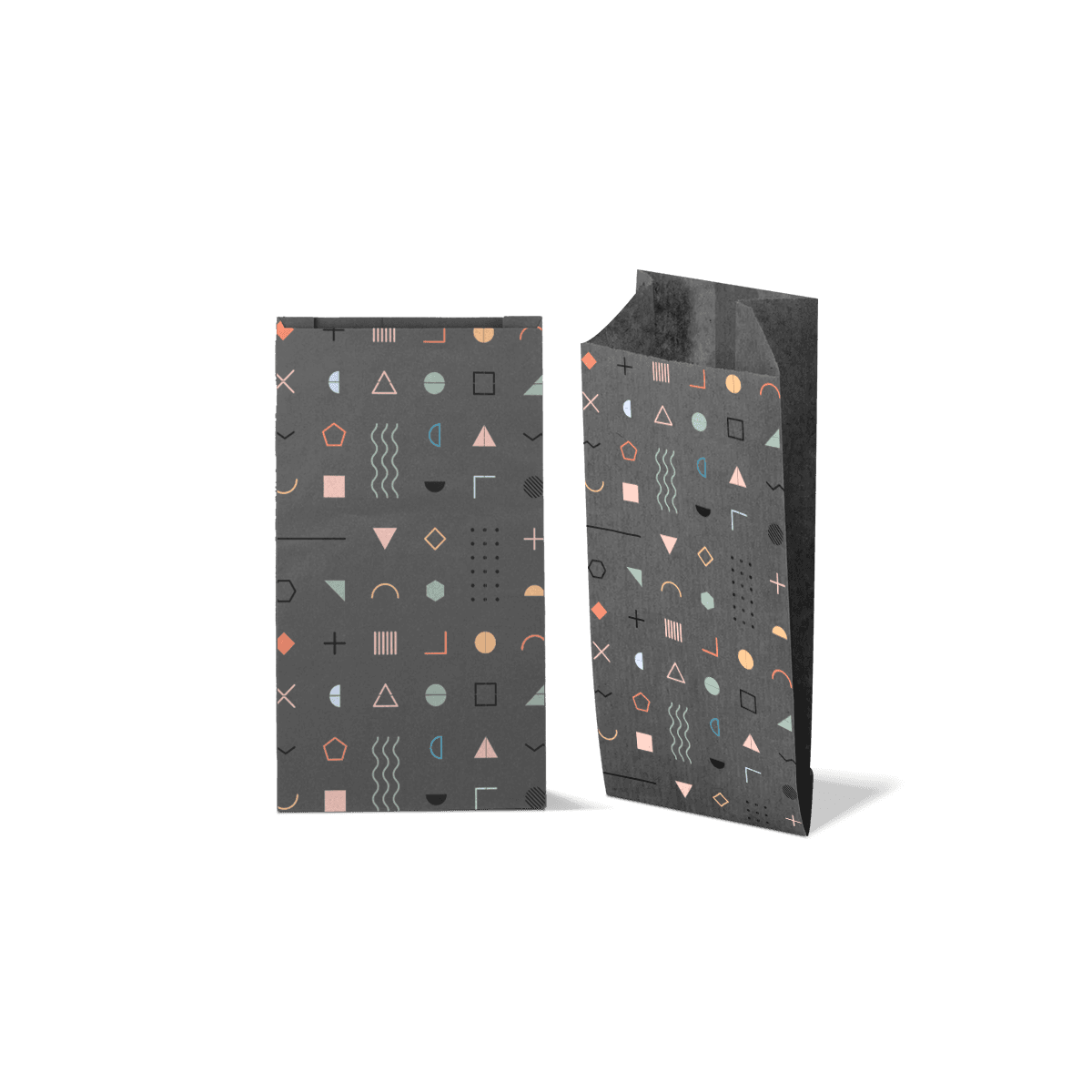
Read Width, Gusset, Height

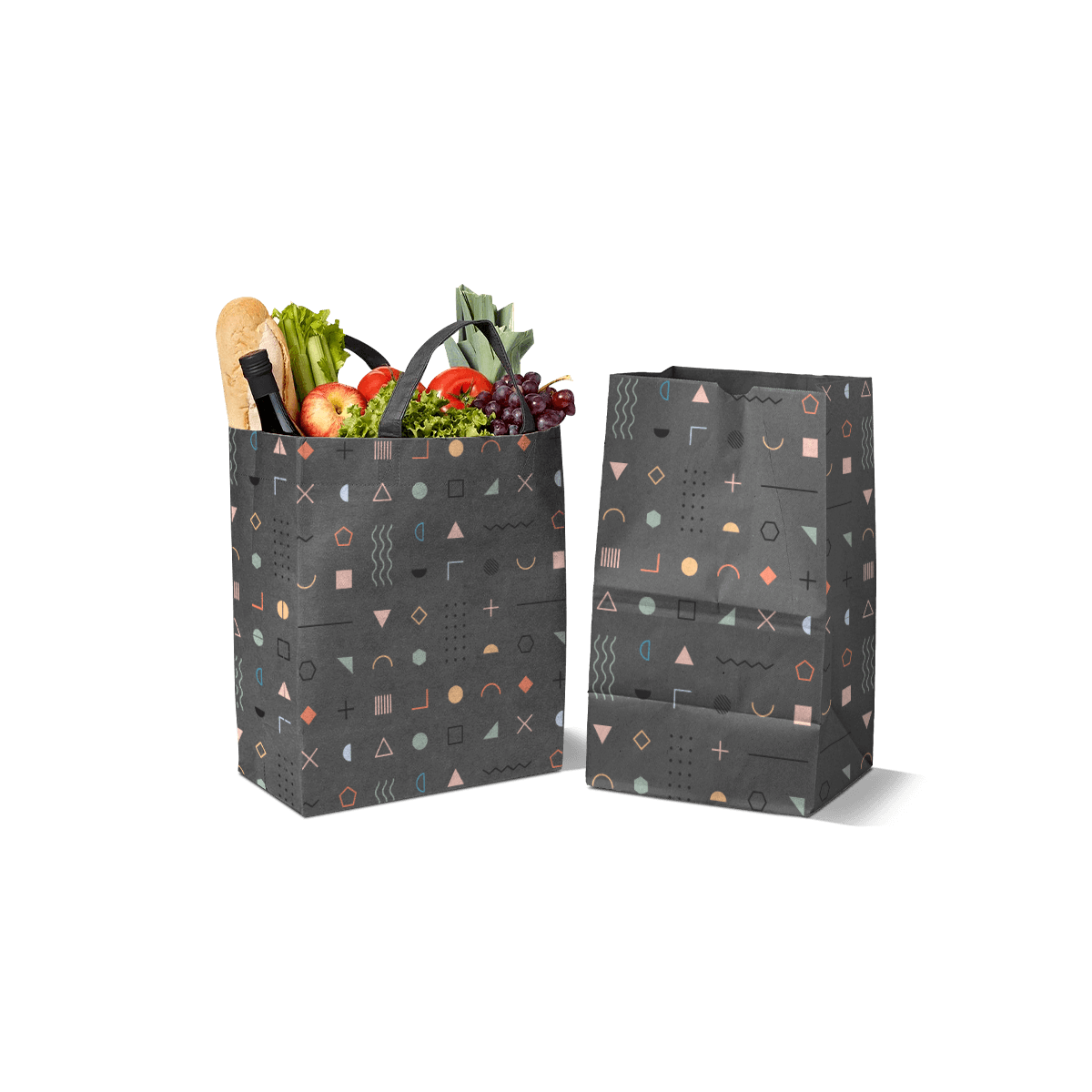
S.O.S. bag dimensions are most useful when stated as width × gusset × height. Those three measurements describe different parts of the packing job.

Width controls the front opening and the main product span. The gusset creates front-to-back depth as the sides expand. Height determines how tall the load can become and how much paper remains at the opening.

A bag can have enough total volume and still be the wrong size. A wide but shallow bag may not accept a takeaway carton. A deep bag with insufficient width can catch rigid product corners. Excessive height leaves loose paper over a compact order.

Start with the packed footprint rather than a small, medium or large label.

Numbered Sizes Need Dimensions

S.O.S. bags are sometimes referred to by numbered trade sizes, but the actual dimensions should remain the production reference.

Do not approve a custom run simply because an existing bag is called a particular number. Record the physical width, gusset and finished height of the bag that works. That removes ambiguity when the specification moves between samples, repeat orders or suppliers.

Gusset Depth Changes Capacity

The gusset is not spare material. It determines how far the sidewalls can open and how much rectangular depth the bag develops.

A takeaway carton may need most of that depth. A pastry order may use only part of it. The best specification gives staff enough insertion clearance without creating an oversized footprint after loading.

Load From the Bottom Up

An S.O.S. bag performs best when the first items establish a stable base for whatever follows. Heavy or broad products belong low in the bag while lighter items can sit higher.

That sounds simple, but mixed orders often create poor load paths. A narrow carton placed under a broad container can let the upper item tilt. A bottle near one edge can pull the bag off-center. Small loose products can fall into gaps and disturb the base.

The S.O.S. structure helps staff build the order vertically, but it does not eliminate the need to arrange the load intelligently.

Base Fit Controls the Stack

The first rigid item should sit comfortably between the gussets without forcing the bag outward. If the base item is too large, side folds stretch around its corners and the front panels distort.

If it is much smaller, later items can settle beside it and create an uneven stack.

Restaurants putting closed meal cartons into the bag should establish the largest common carton footprint before finalizing S.O.S. dimensions. Takeout Boxes need their own leak and meal-layout decisions, while the outer bag has to keep those cartons stable during handoff.

Use the Mouth for Workflow

The top of an S.O.S. bag is normally simple, but it still influences service speed.

An open bag supports immediate counter handoff. A folded top can help contain smaller goods. A sticker or label can combine closure with order identification. Delivery service may need a more deliberate tamper-control method.

Set the bag height after deciding how the opening will be handled. A carton that fits perfectly up to the rim leaves no room for a fold or closure label.

Fold Space Is Usable Height

If staff make one or two top folds, reserve enough unfilled paper for those folds to form cleanly.

Do not count that same paper as product capacity. A bag specified at the exact height of the loaded order may need to remain open even though the intended handoff requires closing it.

Delivery Changes the Top

A simple folded S.O.S. bag can work for some pickup orders. App-based delivery can introduce a different need because the customer may expect visible evidence if the outer bag has been opened.

For that service model, Tamper Evident Paper Bags put controlled handoff ahead of the standard open-top S.O.S. setup.

Match Paper to Load

Paper strength should follow the complete packed order, base dimensions and carrying method.

Small bakery or pharmacy bags can use a lighter construction than a large sack filled with several boxed items. Increasing bag width and gusset depth also increases the amount of product the structure can hold, so a larger size may need a different paper specification even when the branding stays identical.

Brown kraft gives a familiar natural paper surface while white paper creates a brighter base for printed color. The final choice should consider stiffness, print behavior, handling and product exposure rather than appearance alone.

Bigger Bags Need Reassessment

Do not scale dimensions upward and automatically retain the same paper specification.

A larger base can invite a heavier load. Taller walls also have more opportunity to buckle or crease under an uneven order. Review the largest intended packed weight and carrying method for each size.

Sharp Products Stress Corners

Boxed retail goods, pharmacy products and rigid takeaway containers can press concentrated points into the gussets or lower corners.

Leave enough clearance that employees can load those items without dragging them against folds. If a product repeatedly catches during packing, review the dimensions before solving the problem with heavier paper.

Food Contact Depends on Use

S.O.S. bags often appear in bakeries, delis and food-service operations, but carrying food does not automatically mean the outer bag directly touches it.

A wrapped pastry and a closed meal carton create different exposure from loose cookies or bread placed directly against the paper.

When food will touch the bag, confirm the exact paper, ink, adhesive and any grease or moisture treatment for that intended use before production. Do not infer direct-food-contact suitability from the words kraft, white paper or S.O.S.

For bread, pastries, cookies and other daily bake-shop products, Bakery Paper Bags start with the baked item's surface, grease behavior and packing condition rather than the self-opening mechanism itself.

Organize Checkout Loads

The S.O.S. structure becomes especially efficient when orders vary but still fit a predictable bag footprint.

A deli may load a sandwich carton and snack. A café may pack several pastries. A pharmacy may use the same physical structure for small boxed purchases. A specialty store may combine several light items at checkout.

That flexibility can reduce the need for many closely spaced dimensions, but the largest possible order should not automatically dictate the everyday bag.

Build Around Common Orders

Identify the orders employees pack most often and size around those first.

A very large S.O.S. bag used mostly for small purchases wastes paper and leaves products unstable. A bag optimized around only the smallest order can force staff to split routine purchases unnecessarily.

Use an additional size when a recurring order pattern creates a genuinely different footprint or height.

Grocery Loads Need Their Own Logic

A mixed grocery basket can include cans, produce, bottles, boxed goods and pantry items with very different weights.

Grocery Paper Bags keep that mixed-load checkout problem at the center of the specification. An S.O.S. bag describes the self-opening structure itself, while grocery use adds decisions around heavier, irregular combinations.

Print Across the Standing Bag

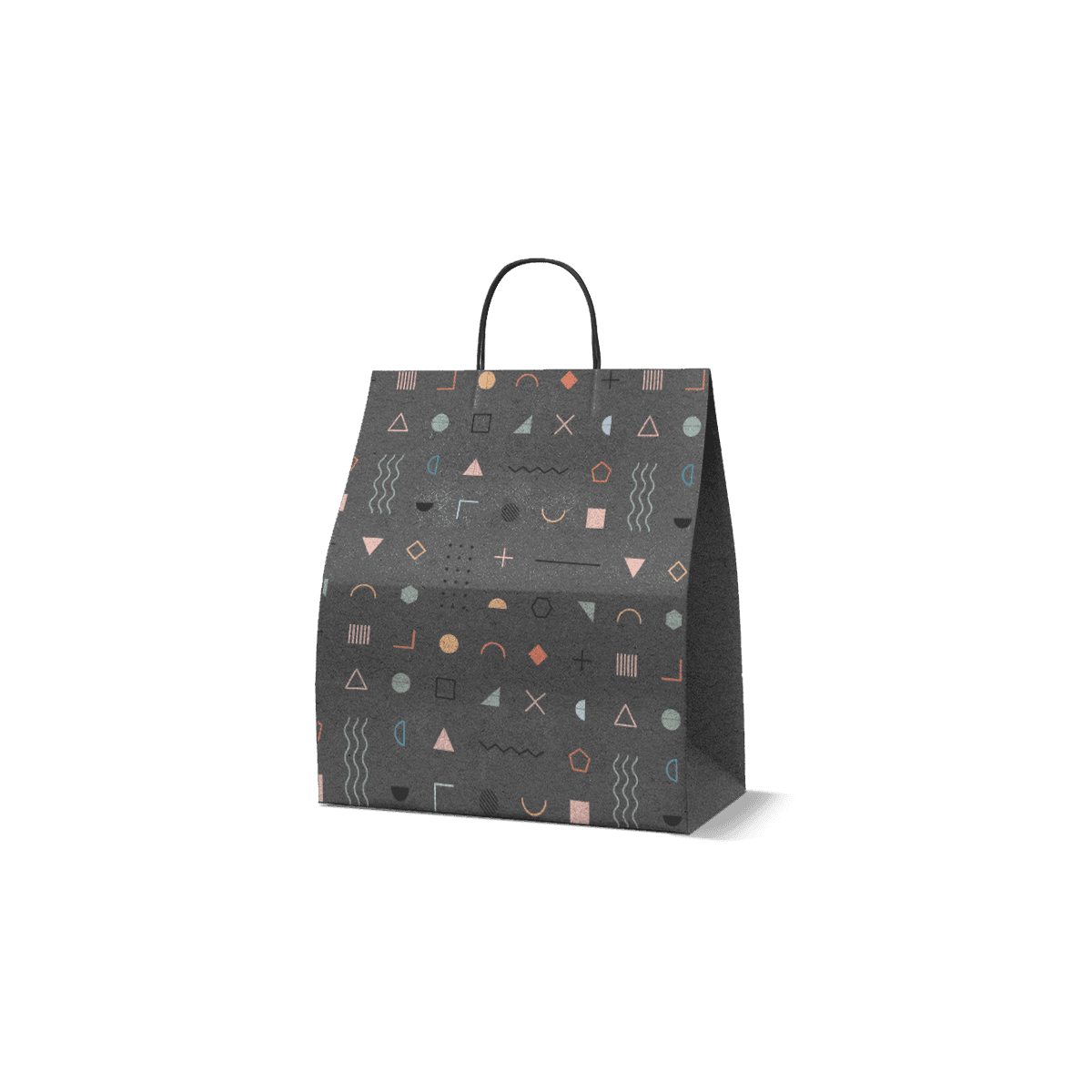
S.O.S. bags look different standing open than they do lying flat. The side gussets expand, the base forms and the front panel becomes part of a three-dimensional object.

Artwork should be reviewed in that packed state.

Large logos can sit cleanly on the main face while smaller text, QR codes and order fields need enough distance from gusset folds. Graphics intended to wrap around the sides should account for how much of each gusset remains visible after loading.

Front Panels Stay Predictable

The main front and back faces are usually the safest places for important branding. They change less than the gussets as the bag opens.

Keep critical copy away from the lower base folds, where the structure changes direction and the packed contents can create visual distortion.

Labels Compete With Artwork

Food counters and pickup operations may add order names, date labels or delivery stickers after packing.

Reserve an uncluttered area for those operational marks. Otherwise a label can cover the logo or force staff to stick it across a fold where adhesion becomes less predictable.

Free design support can help organize artwork around the gussets, base folds and label zone. Free 3D mockups can also help review the intended packed appearance before production.

Store Hundreds in Little Space

One reason S.O.S. bags work well in high-volume service is that the formed bag has useful depth while the unused stock remains relatively flat.

That difference matters when a counter consumes hundreds of bags but has limited storage nearby. Packs can be replenished at the station without dedicating the same physical volume required by pre-erected containers.

The advantage depends on consistent opening behavior. A bag that stores compactly but takes too long to square defeats part of the operational benefit.

For larger recurring orders, warehousing and scheduled deliveries can also reduce the quantity kept on-site while maintaining an established specification.

Separate Structure From Use

S.O.S. describes a physical paper-bag construction. Bakery, grocery and takeaway describe what a business does with that construction.

That distinction matters when specifying custom bags. A bakery may use an S.O.S. shape but still need grease decisions based on pastries. A grocery store may use the same underlying bag shape but require different dimensions and paper strength. A restaurant may use it only as an outer carrier for closed meal cartons.

The useful question is therefore not simply whether the order needs an S.O.S. bag. It is whether self-opening, upright counter filling solves the packing job more cleanly than a bag that must be held open or formed differently.

Hand Off a Repeatable Spec

For production, record actual width, gusset and height rather than relying on an informal size name. Add the paper direction, expected load, print coverage, top treatment and quantity for each physical size.

Custom Packly's USA MOQ starts from 100 bags. US production and free shipping apply, with a standard 4–6 day turnaround after final specifications and artwork approval.

When the dimensions, paper direction and quantities by size are settled, the instant pricing system can price that exact setup.

The final check should happen at the counter. Pull the bag from a flat stack, open it, load the normal order, close or label the top as intended and lift it the way the customer will.

If the base squares quickly, the bag remains open during filling and the packed order stays reasonably balanced, the S.O.S. structure is doing the job it was chosen to do.

FAQs

Yes. This style is useful when one order may include a few boxed items, wrapped food, receipts, or loose add-ons that need a bag with more usable shape than a slim format.

S.O.S. Paper Bags are better when the order needs more upright room and easier loading. Pinch-Bottom Paper Bags make more sense for narrower items and smaller single-product handoff.

Yes, they can work very well for dry or lightly warm items. The right paper weight should be chosen when grease or heat is part of the product profile.

They also suit pharmacies, convenience stores, hotel pantry counters, café pickup, event concessions, and service desks handling light mixed purchases.

This is a strong middle ground. A customizable print layout gives visible branding while keeping the bag straightforward, stackable, and cost-conscious.

Process

How it works

Your Packaging Journey, From Idea to Production and Delivery

01

Tell Us Your Specs

Custom packaging boxes

Tell Us Your Specs

Provide size, quantity, printing, and finishes.

02

Get a Fast Quote

Custom packaging boxes

Get a Fast Quote

Instant transparent pricing, no hidden fees.

03

Design and Approval

Custom packaging boxes

Design and Approval

Artwork checks, revisions, and final sign-off.

04

Produce

Custom packaging boxes

Produce

Expert manufacturing to meet deadlines.

05

Ship to Your Door

Custom packaging boxes

Ship to Your Door

Hassle-free, flexible delivery options.

Get Your Quote for Custom S.O.S. Paper Bags

Share your product details, size, quantity and artwork needs. We’ll help choose the right packaging style and send a clear quote.