Skip to content
Details

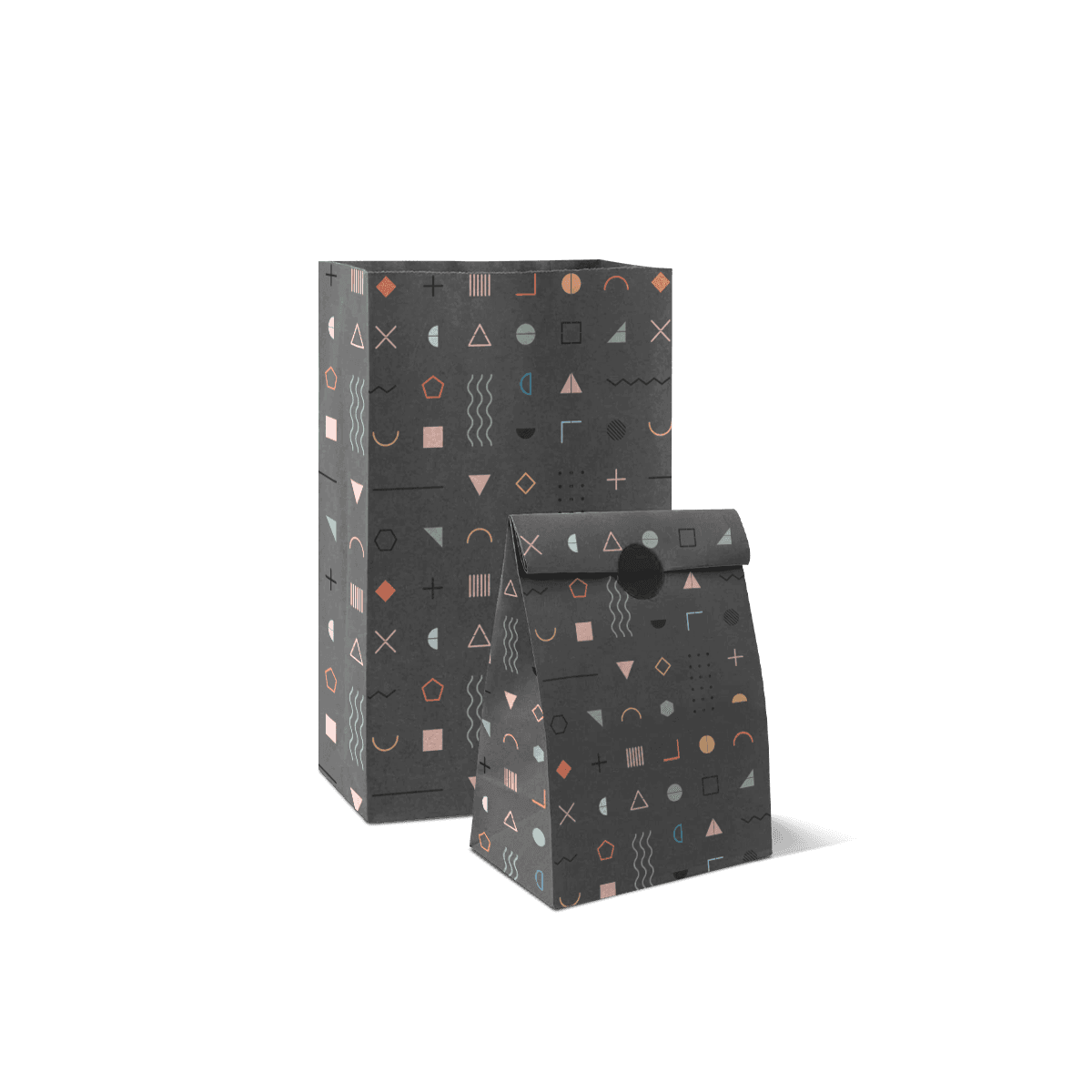
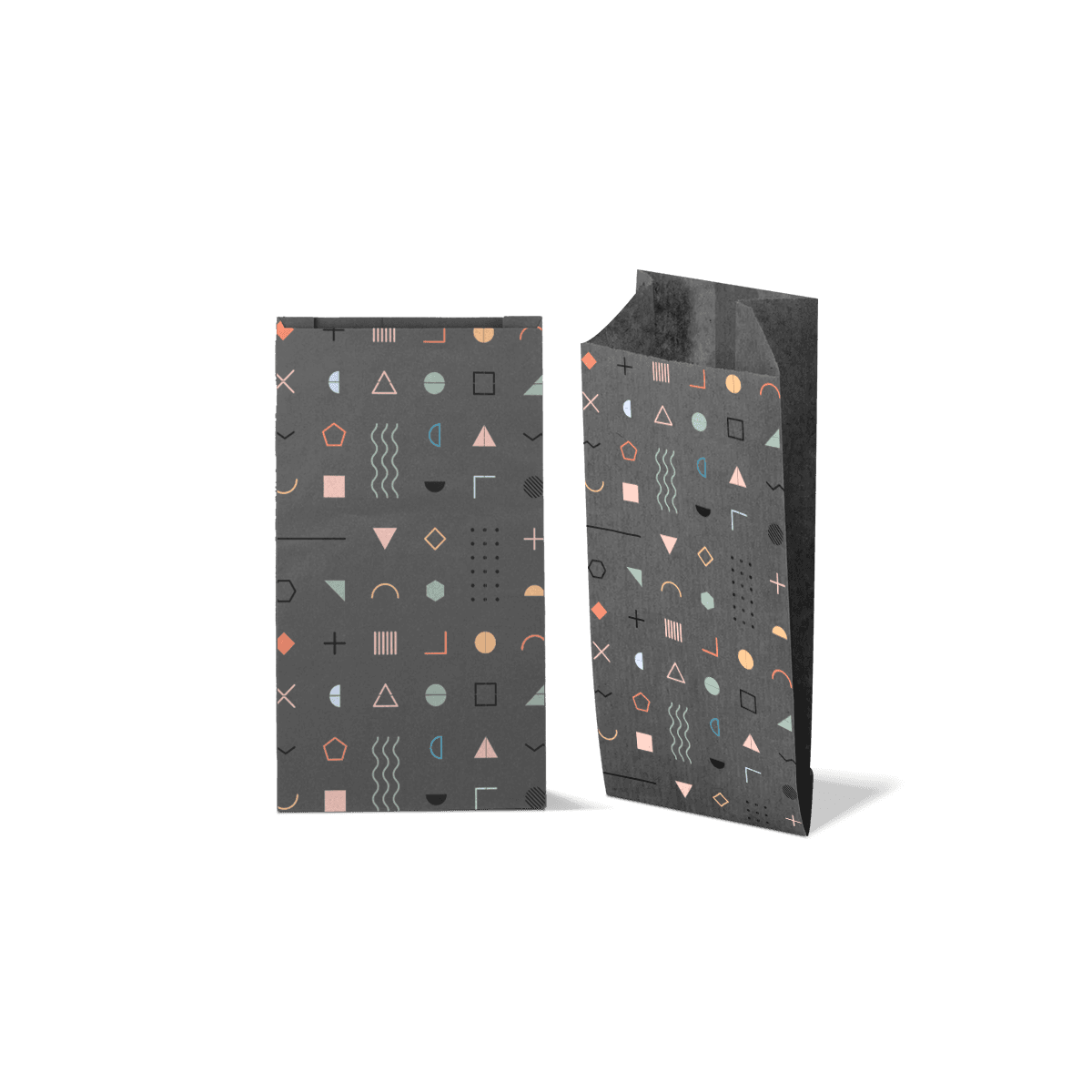
Custom Pinch-Bottom Paper Bags

Compact paper bags shaped around open-end loading, pinched bottom strength, gusset expansion and fast counter packing for breads, snacks and lightweight goods.

Pack From the Open End

A pinch-bottom bag keeps one end permanently closed while the opposite end stays open for filling. That makes it useful for products that can slide or drop into a narrow paper bag without needing a broad standing base.

The closed end is formed by pinching and bonding the paper, while the body can stay flat until it is needed. At the counter, staff open the mouth, insert the product and leave the top open, fold it or secure it according to the service routine. The structure suits bread, snacks, pharmacy items, small merchandise and other lightweight to moderate loads that do not need a rectangular floor underneath them.

That narrow profile is the point of the structure. If the product needs to stand upright on a defined base before or after filling, a different paper bag is usually the better fit.

Bottom Width Sets the Limit

The product still needs to pass through the bag body without forcing the lower seam. A baguette, sub, bread loaf or boxed item can fit the stated width yet bind where the bag tapers toward the pinched end.

Measure the packed product at its widest point and check the lower portion as well as the opening. A bag that loads easily at the top but wedges near the bottom will slow service and put unnecessary stress into the seam.

The Mouth Needs Working Room

Employees need enough opening clearance to load the product without scraping it against both sidewalls. This matters for crusty breads, iced bakery products and wrapped foods that can catch on a tight paper opening.

Extra clearance should be deliberate rather than generous. Too much width leaves the finished pack loose and uses more paper on every unit.
Gussets Change the Capacity

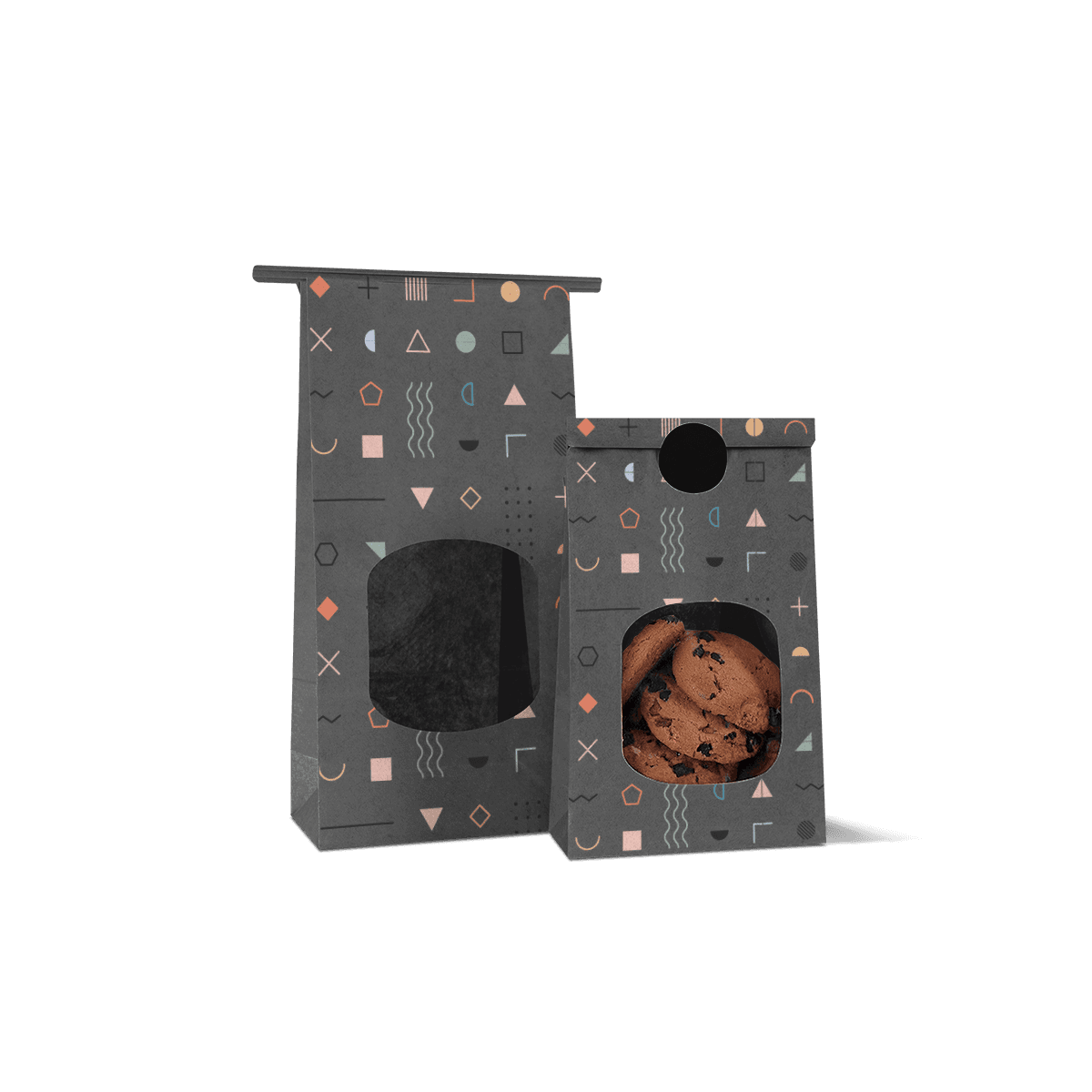
Pinch-bottom paper bags can be flat or gusseted. A flat version stays slim and works well for thin merchandise, cards, pharmacy items and other products with little depth. Side gussets create more room for bread, subs, pastries and products that expand the bag as they enter.

The gusset should follow the product thickness. If it barely opens, it contributes little usable capacity. If it is much deeper than the product requires, the bag can look loose and the print can distort as the side panels fold in and out.

Bread Needs Expansion Space

A loaf is rarely a perfect rectangular block. Rounded crust, tapered ends and irregular profiles need enough side expansion to enter the bag without abrasion or compression.

Measure the finished loaf or wrapped product rather than the pan or nominal recipe size. For several bread types, one gusseted size may work if their real packed envelopes remain close.

Flat Goods Need Less Paper

Cards, prescriptions, small apparel pieces and light retail items may not need gussets at all. An ungusseted pinch-bottom bag keeps the pack thin, stores densely and gives a simple front and back print area.

For daily retail handoff rather than food packing, Merchandise Paper Bags focus on lightweight store purchases and compact counter use.

Keep Load Off the Seam

The pinched bottom is a closure point, so the product should rest against it without creating excessive concentrated force. A long loaf spreads weight differently from a small dense jar or metal part.

Pinch-bottom bags are better suited to lighter and moderate loads than products that require a reinforced standing floor. If a heavy object repeatedly pulls against the closed end, increasing paper weight alone may not solve the structural mismatch.

The load should also enter straight. Forcing a rigid product diagonally into the bag can push one corner directly into the bottom seam and increase the chance of tearing.

Sharp Corners Need Clearance

Box corners, blister packs and rigid retail items can concentrate force against the paper. Add enough width and gusset depth to stop those edges from dragging along the seam during loading.

If the product remains awkward even after reasonable clearance is added, the structure may be wrong for the job. A broad-base bag or small carton can handle rigid geometry more naturally.

Fold the Top Deliberately

The open mouth gives the business several ways to finish the pack. Some products can leave the counter open. Others may use a simple fold, sticker, label or another closing method suited to the product and service process.

The top allowance has to be included in the bag height. A bag sized exactly to the product height leaves nothing to fold. Adding closure space after dimensions are fixed can make the product sit too close to the bottom or force a taller bag late in the process.

For a folded top, define how many turns are expected and how much paper each fold consumes. The final closed pack should look intentional rather than crumpled around the product.

Labels Need a Clean Landing

A closure sticker needs enough flat paper to bond without crossing several creases. Place it where employees can apply it quickly and where opening the bag does not destroy important branding.

If variable labels carry flavor, date or order data, reserve their position before the main artwork is finalized.

Match Paper to Handling

Paper choice should follow product weight, edges, moisture exposure and how long the bag stays in use. Brown kraft creates a natural paper appearance, while white paper gives brighter printed color and stronger contrast for many designs.

Lighter stock can suit small dry goods and quick counter handoff. Heavier paper may be justified when the product is larger, more angular or carried for longer. The correct choice depends on the complete bag dimensions and load rather than a paper-weight number by itself.

Size should account for product weight and carrying method as well as width, depth and height.

Paper Memory Affects Opening

A pinch-bottom bag spends much of its life stored flat. Paper that holds its folds strongly can help compact storage but may require a little more opening force at packout, especially when gussets are deep.

The production sample should be opened repeatedly from the flat state rather than judged only after someone has already shaped it by hand.

Treat Food Contact Separately

A pinch-bottom structure is common for bread, bakery items and dry snacks, but structure alone says nothing about direct-food-contact suitability.

If food touches the bag, the paper, ink, adhesive and any grease or moisture treatment must be confirmed for that exact use before production. A kraft appearance, window or grease-resistant description should never be treated as proof by itself.

For bread, pastries, cookies and daily bake-shop service, Bakery Paper Bags center the decision on the food, grease exposure and bakery counter routine rather than the bottom construction alone.

Grease Reaches the Bottom

Pastries, sandwiches and buttery breads can transfer oil downward as they sit. Because the pinched end is also a structural seam, grease exposure there deserves attention.

A liner, inner wrap or suitable barrier treatment may change the contact pattern. Test the complete packed product for its realistic holding time, then inspect the seam, exterior staining and paper strength.

Print on a Changing Shape

Pinch-bottom bags spend one part of their life flat and another expanded around a product. Artwork has to work in both states.

On an ungusseted bag, the front and back panels remain relatively predictable. Gusseted bags change more as the side folds open. Logos or QR codes placed too close to a gusset crease can distort once the product fills the bag.

Keep the primary mark on the most stable panel. Use gussets for secondary graphics only when the artwork is designed around the fold.

Free design support can help position branding around the bottom seam, gussets and top-fold allowance. A free 3D mockup can also show the intended orientation before production, though the final physical check should still use the real packed product where fit is tight.

Flat Bottom Changes the Job

A pinch-bottom bag saves space because it lies flat and does not need a broad rectangular floor. That advantage matters for slim foods and lightweight products packed quickly from an open end.

A Flat-Bottom Paper Bag becomes the stronger choice when cartons, jars or takeaway containers need a standing footprint beneath them.

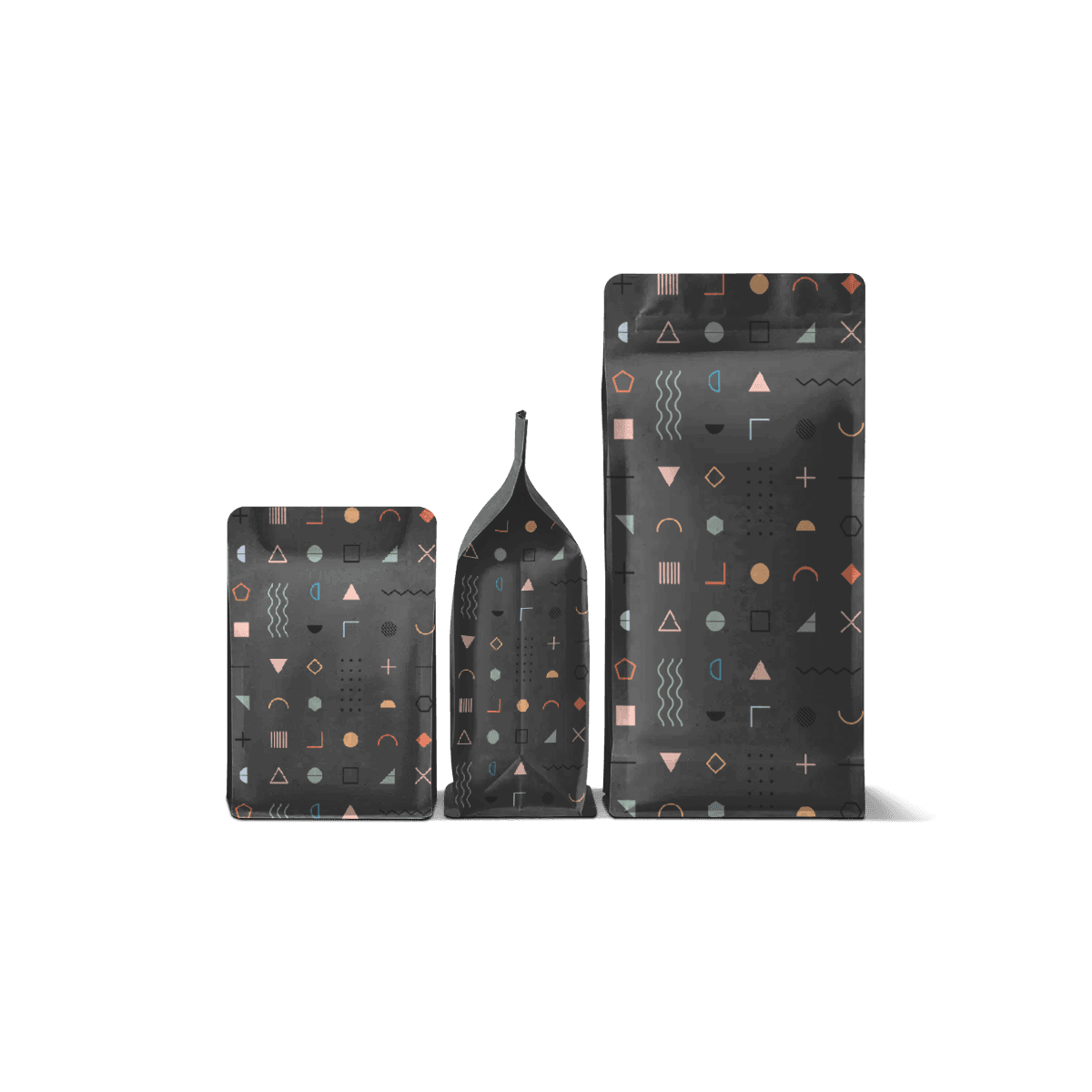
This is more than a visual difference. The flat-bottom structure spreads the product across a defined base while a pinch-bottom bag keeps the lower end narrow and closed. Choosing between them should start with what must happen after the product enters the bag.

Counter Stance Is a Clue

If employees need to open several empty bags and leave them standing ready for rapid filling, a rectangular bottom may be more practical.

If staff pick up one flat bag, insert one product and hand it off immediately, the pinch-bottom structure can use less counter and storage space while keeping the packing motion simple.

Size Long Products First

Long foods and merchandise can expose a sizing mistake that is easy to miss. Height may look sufficient on paper while the product's lower width or thickness prevents it from reaching the bottom cleanly.

For baguettes, breadsticks and subs, measure the full packed length and the thickest point. Then decide how much top paper is needed for handling or closure. For small merchandise, work from the rigid item or wrapped bundle that actually enters the bag.

Do not add height to solve a width problem. The three dimensions perform different jobs.

One Size Can Cover Variants

Several bread flavors or sandwich fillings may share one bag if the external packed geometry stays close. That can simplify storage and printing.

A different size earns its place when the product needs materially different width, gusset depth or closure allowance. Small dimensional differences that do not affect packing should not automatically create another bag specification.

Custom Packly's USA MOQ starts from 100 bags, so a genuinely different size can be separated without forcing an awkward universal fit.

Move From Filling to Pricing

A useful production handoff identifies the bag width, length, gusset depth if used, paper direction, bottom construction, top-closing method, print coverage and quantity for each size.

Those details matter because two bags with the same outer height can behave very differently if one is flat and the other expands deeply at the sides. The product, not the label on the bag style, should settle the final proportions.

Once the fill direction and dimensions are established, the instant pricing system can price the actual specification.

US production and free shipping apply to Custom Packly USA orders. Standard turnaround is 4–6 days after final specifications and artwork approval. Larger repeat programs can use warehousing and scheduled deliveries when on-site storage is limited.

Approve the Packing Motion

The final decision should be made by packing the bag from its stored-flat state. Open it, insert the product, close the mouth as intended and handle it the same way staff and customers will.

Look for drag at the opening, product binding near the pinched end, stress at sharp corners, gussets that refuse to open cleanly and top folds that steal too much height. Those observations tell you whether the dimensions and structure fit the service job.

The pinch-bottom construction earns its place when compact flat storage and open-end loading matter more than a standing rectangular floor.

A good specification makes that packing motion uneventful: the bag opens quickly, the product reaches its intended position without force and the closed bottom carries the load without becoming the weak point.

FAQs

They work best for slim, lightweight items that are packed one after another, especially in bakeries, cafés, delis, pharmacies, and small retail counters.

Yes, they can be, especially for items like cookies, rolls, or pastries. The paper weight should match the product’s heat and grease level.

Pinch-Bottom Paper Bags are better when the goal is a narrower, lower-bulk pack for smaller items. Flat-Bottom Paper Bags make more sense when the bag needs a wider base and easier upright loading.

This style fits that need well. A customizable print area on a slim paper bag gives enough visibility for logos and shop identity while keeping the pack compact.

No. They also suit pharmacy counter items, compact accessories, sample handoff, and small repair or parts pickup where a narrow paper format works better than a larger retail bag.

Process

How it works

Your Packaging Journey, From Idea to Production and Delivery

01

Tell Us Your Specs

Custom packaging boxes

Tell Us Your Specs

Provide size, quantity, printing, and finishes.

02

Get a Fast Quote

Custom packaging boxes

Get a Fast Quote

Instant transparent pricing, no hidden fees.

03

Design and Approval

Custom packaging boxes

Design and Approval

Artwork checks, revisions, and final sign-off.

04

Produce

Custom packaging boxes

Produce

Expert manufacturing to meet deadlines.

05

Ship to Your Door

Custom packaging boxes

Ship to Your Door

Hassle-free, flexible delivery options.

Get Your Quote for Custom Pinch-Bottom Paper Bags

Share your product details, size, quantity and artwork needs. We’ll help choose the right packaging style and send a clear quote.