Skip to content
Details

Custom Merchandise Paper Bags

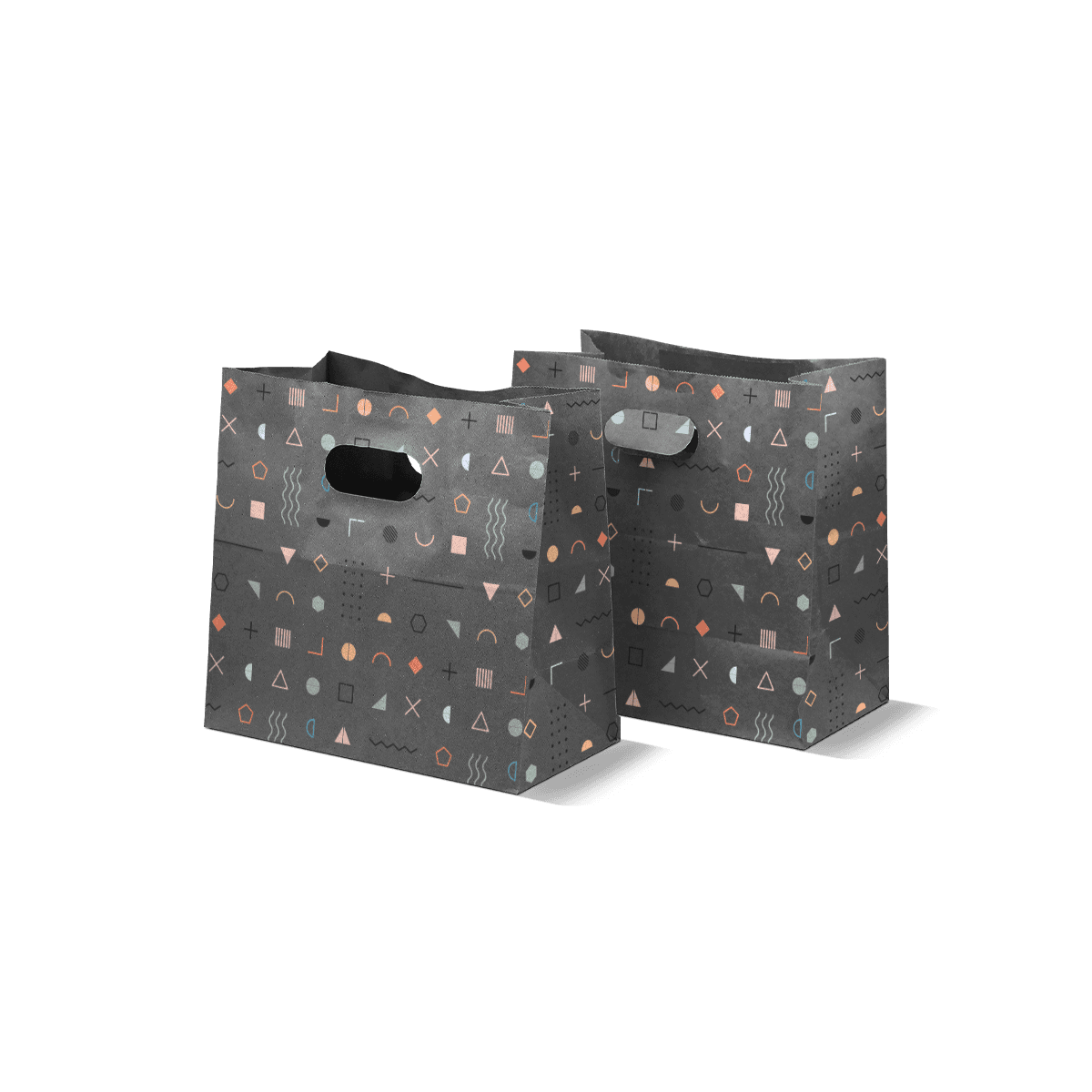
Keep everyday retail handoff simple with lightweight paper bags sized for fast loading, compact storage and visible branding.

Open the Bag in One Motion

A merchandise bag earns its place at the register when staff can pull it from a flat stack, open the mouth quickly and load the purchase without fighting added handles, rigid reinforcement or unnecessary depth.

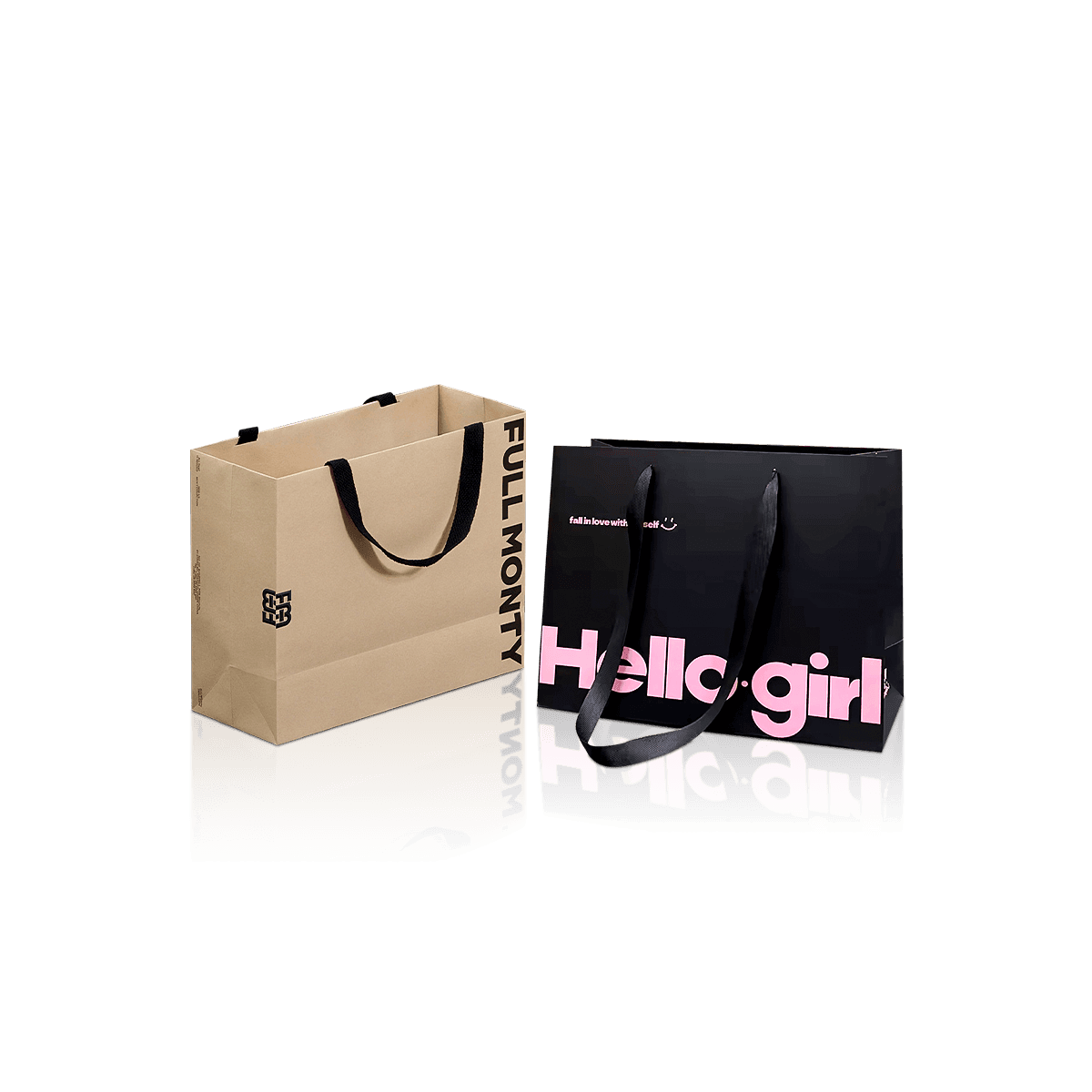
Custom Merchandise Paper Bags are simple retail carry bags for lightweight goods such as apparel basics, stationery, books, small boxed products, accessories, samples and event merchandise. Their value comes from keeping the handoff fast while still giving the store a clean printed surface that leaves with the customer.

Within custom paper bags, merchandise bags are strongest for the uncomplicated everyday retail job. If the order needs a premium rope-handle tote, a built-in grip or a more structured base, another bag style can solve that requirement more directly.

The Mouth Has to Accept the Product

A bag can be technically large enough and still be awkward to load.

Rigid corners on books, cartons or boxed accessories can catch the top edge when the opening is too close to the product width. Soft goods are more forgiving, but tightly folded apparel can still require enough opening clearance for a cashier to load it cleanly without wrinkling the bag.

Give the product enough entry room for real counter handling, not just enough finished space once it is inside.

Handle-Free Can Be the Faster Choice

For lightweight purchases carried a short distance, a flat top opening keeps the construction simple and the stack compact.

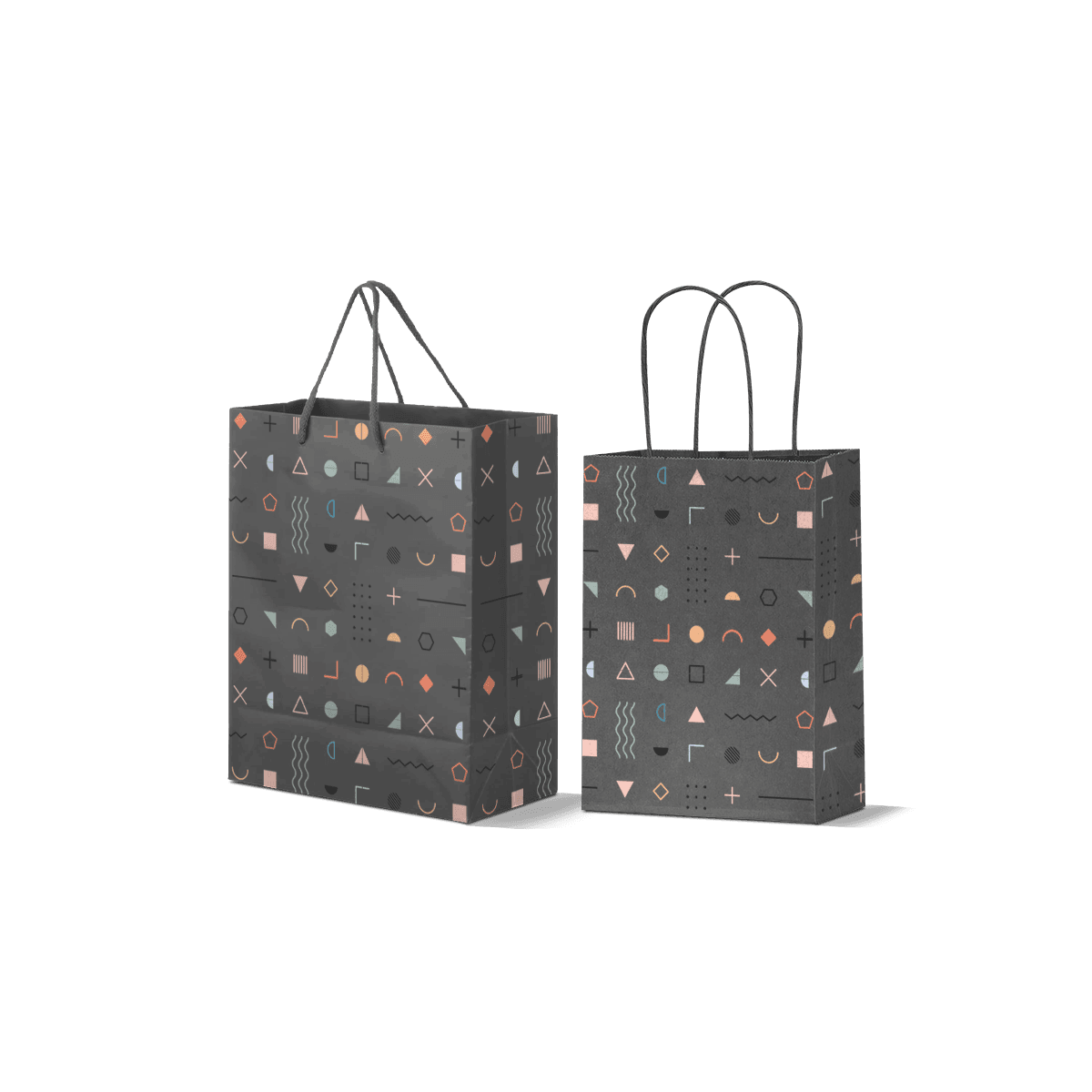
That does not make handles unnecessary for every store. It means they should be added because carry comfort or product weight requires them, not because every retail bag has to imitate a premium shopping tote.
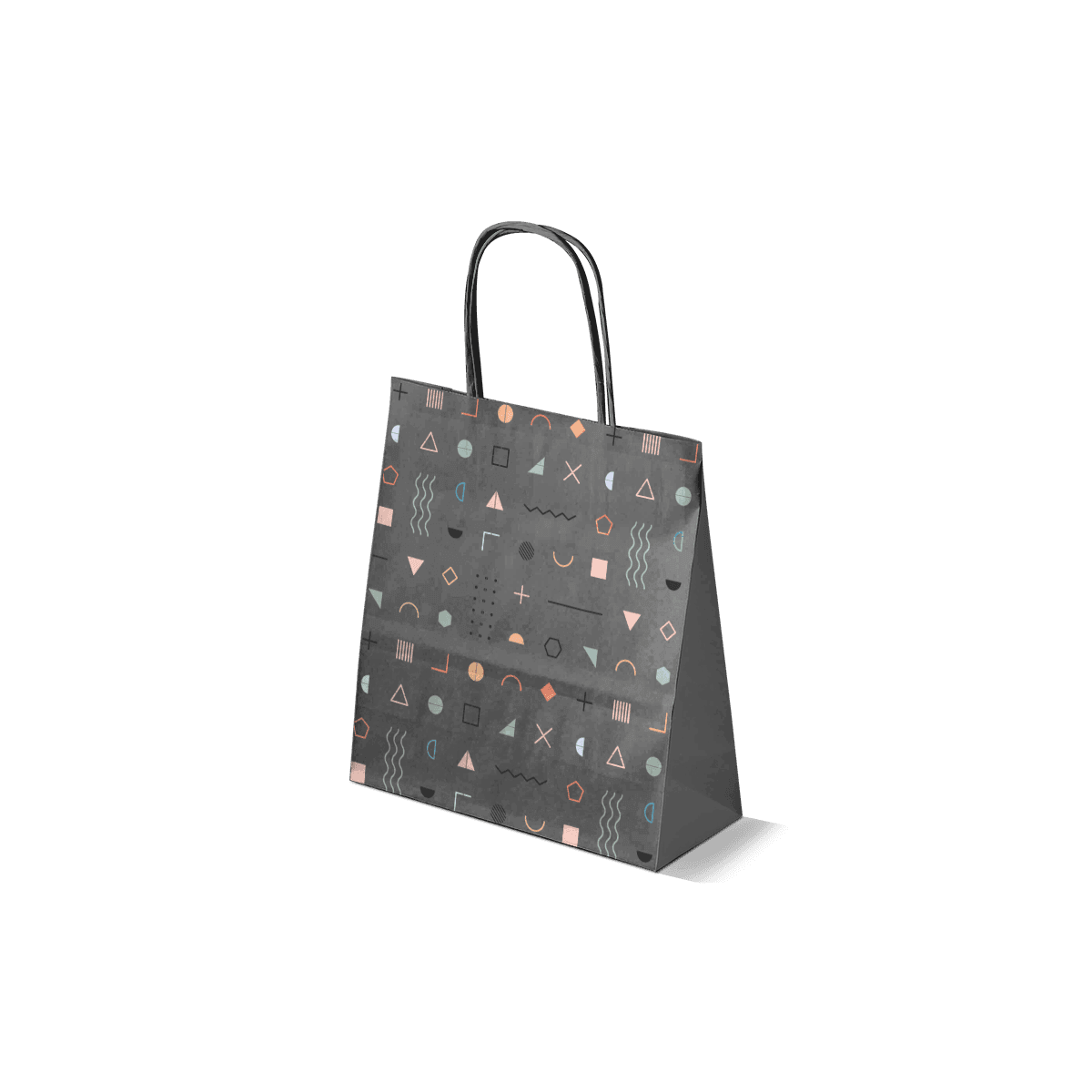
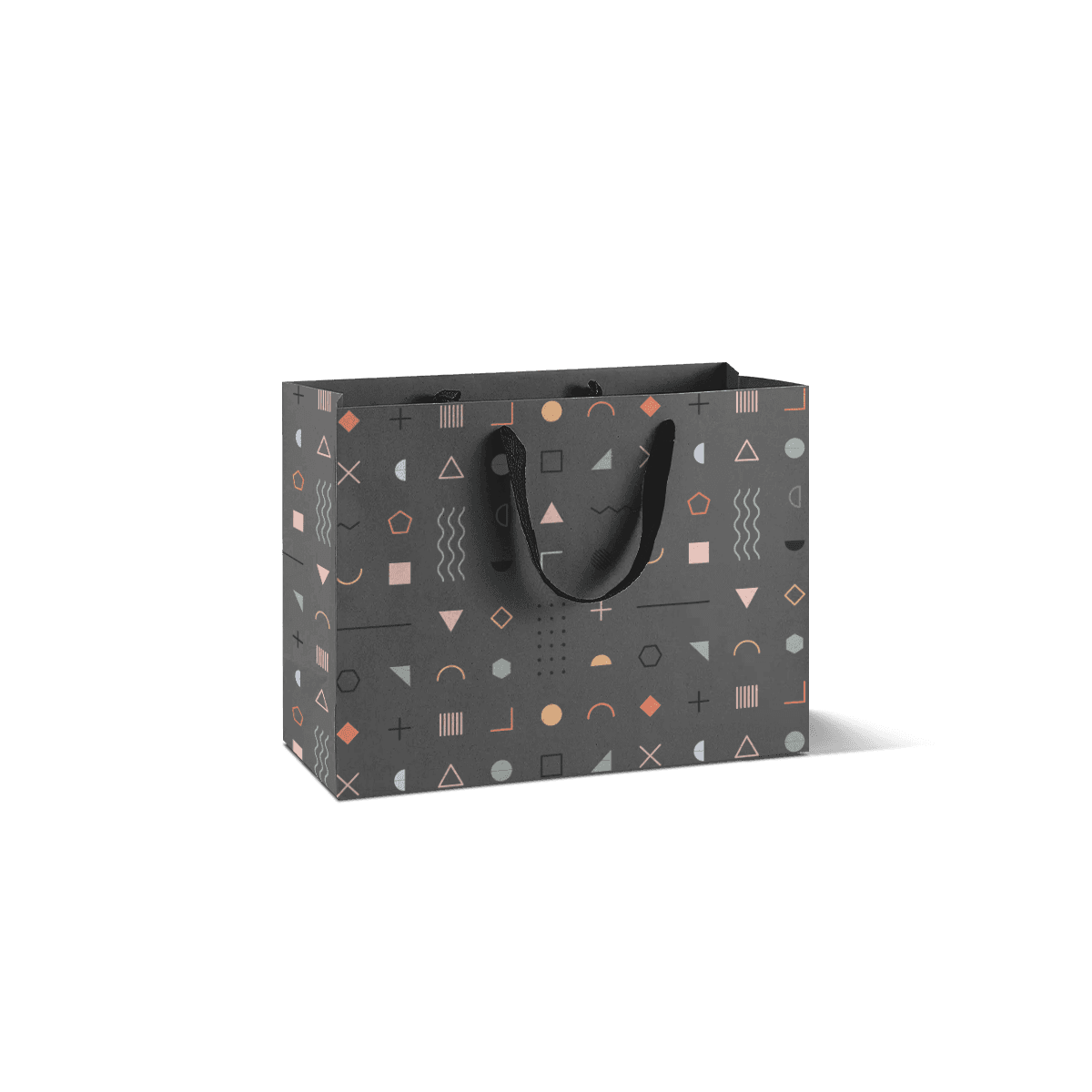
Product Thickness Decides the Profile

Width and height alone do not describe how a merchandise bag will behave.

A folded T-shirt, paperback book and boxed candle may have similar front dimensions but very different thickness and edge behavior. A flatter item can sit comfortably in a simple merchandise bag, while a deeper boxed product may push the side folds outward or make the opening difficult to manage.

Custom Packly's paper bag sizing advice starts with the actual product dimensions, weight, item count and carry method rather than choosing a bag from a random standard size.

Do Not Use Empty Area as Flexibility

One oversized bag may seem convenient for a mixed retail floor, but it creates its own problems.

Small purchases slide to the bottom, printed branding can look disproportionate and stores consume more paper than necessary. A very large bag can also make a low-value purchase feel poorly matched to the handoff.

A compact size set usually works better than forcing every transaction into one oversized bag.

Paper Weight Follows the Purchase

Paper stock should be chosen around the loaded bag, not around how substantial an empty sample feels.

Light apparel, cards and small gift items can use a lighter construction than dense books, several boxed cosmetics or heavier accessories. Product corners matter too. A sharp carton corner can concentrate stress on the bag even when the total weight is moderate.

The differences among kraft paper and other packaging materials show why paper choice affects strength, print appearance and the way the package feels in hand.

A Stronger Sheet Does Not Fix the Wrong Shape

Increasing paper weight cannot create missing depth.

If a rigid product constantly stretches the side folds or presses against the top opening, reconsider the bag dimensions or structure before simply specifying heavier paper.

Where standing stability and a more supportive base matter, Flat-Bottom Paper Bags may handle the product more naturally than a flatter merchandise format.

Kraft and White Paper Print Differently

Natural kraft and white paper can carry the same logo but produce a different visual result.

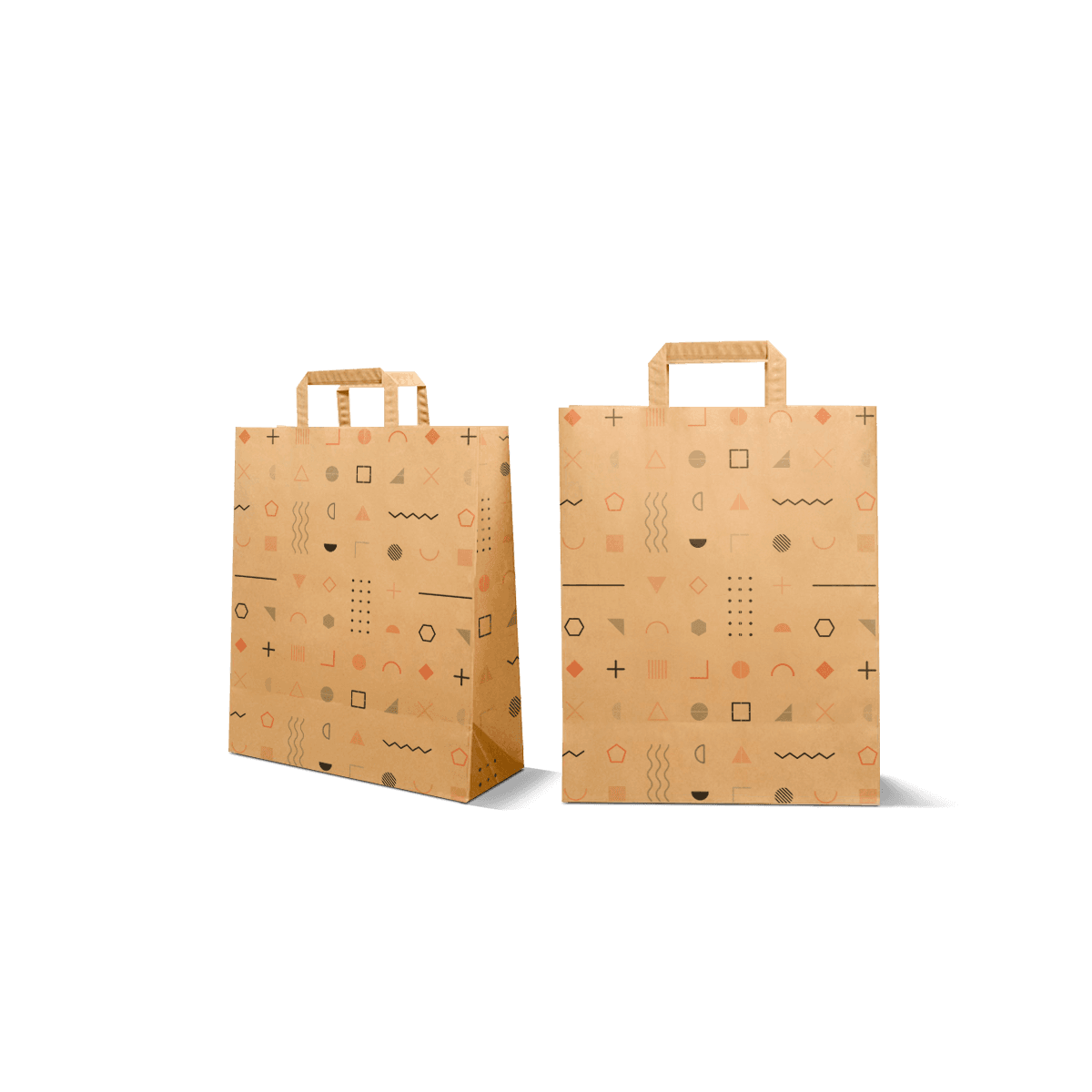
Kraft brings its own brown tone into the artwork, so pale colors and subtle gradients can become less prominent. Dark typography, bold marks and simpler color systems often read more reliably on the natural surface.

White paper gives brighter colors and cleaner contrast when the artwork depends on saturated graphics, photography or a crisp retail palette.

For artwork that depends on exact brand color, CMYK and Pantone printing helps separate full-color process work from spot-color control.

Print the Bag After You Imagine It Carried

The front panel is not viewed flat on a screen once the bag leaves the store.

The customer's hand can cover part of the top area, the bag can flex around the product and the bottom portion may fold as the purchase settles. Keep the primary logo or message in a clear central zone that survives those changes.

Avoid making tiny text or a QR code depend on a fold line remaining perfectly flat.

Back-of-House Space Is Part of the Format

Merchandise bags are useful partly because they can be stored in compact stacks near the point of sale.

That advantage disappears if too many sizes, paper colors and print versions are stocked without a clear reason. The bags may be inexpensive individually while the store pays for excess inventory, shelf space and slower cashier decisions.

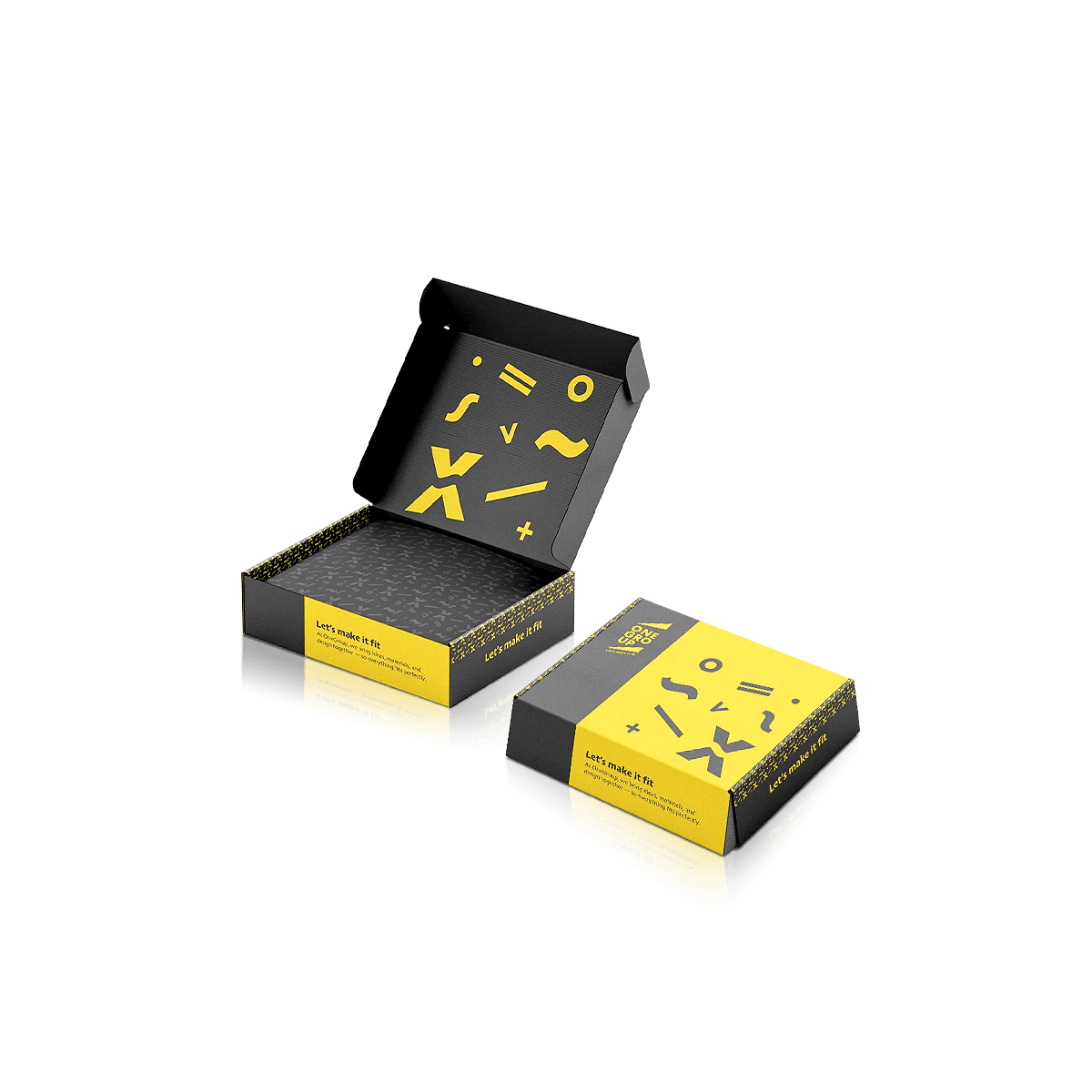
For a mixed retail operation, custom retail packaging should connect bag selection to the checkout environment as well as the product itself.

Make the Stack Easy to Identify

If several sizes look almost identical when flat, staff can grab the wrong one during a busy shift.

Use a practical storage rule such as dedicated shelf positions, carton labels or visibly different dimensions. The customer-facing design can stay consistent while the back-of-house system makes size selection obvious.

The best bag is not only easy to carry. It is easy for the store to choose quickly.

Protect the Opening Edge in Storage

A flat stack only helps if the top edges stay clean and easy to separate. Crushed cartons, bent bag mouths or stacks forced into an undersized shelf can make staff spend extra time opening each bag and can leave visible creases before the purchase is loaded.

Store unopened cartons flat and dry, then keep the active stack supported so the opening edge is not folded under other supplies. This is a small operational detail, but it protects both packing speed and the appearance of the printed bag at the moment of handoff.

Handles Change the Job

A customer carrying a light T-shirt from a pop-up booth has a different need from someone walking several blocks with boxed cosmetics or a gift purchase.

Die Cut Handle Paper Bags add a built-in grip without separate cord or rope hardware. They make sense when the customer needs a defined carry point but the brand still wants a relatively streamlined construction.

Euro Tote Paper Bags move farther toward premium retail presentation with reinforced structure and more prominent handle treatment.

Merchandise bags remain the simpler direction when the store values quick loading, compact storage and everyday handoff more than an upgraded handle experience.

Mixed Retail Needs More Than One Test Product

A bag approved around one soft product can fail when the store uses it for another item with different edges, weight or depth.

Test the intended bag against the products most likely to share it: the lightest item, the thickest item and the densest item. The goal is not to prove the bag can hold every product in the store. It is to define the purchase envelope it handles comfortably.

For apparel-focused stores, custom fashion paper bags bring handle choice, gusset sizing and boutique presentation into the decision when folded garments and accessories need a more structured carry format.

Two Sizes Can Beat One Compromise

A small and medium merchandise bag can often serve a retail assortment better than one large size.

The smaller bag keeps accessory purchases tidy and proportional. The medium size takes folded goods or a few boxed items without forcing staff to overpack the smaller option.

Add another size only when a real purchase pattern justifies it.

One Boxed Accessory Can Expose the Wrong Bag

Consider a clothing store using one merchandise bag mainly for folded T-shirts and scarves. The fit is quick and clean, so the same bag is also used when customers buy a boxed sunglasses case.

The box technically fits inside, but its corners catch the mouth as staff load it. Cashiers start pushing the box downward at an angle. Some bags crease across the printed face and a few tear at the opening.

The first reaction might be to specify heavier paper.

The better first correction is to change the fit. A slightly wider bag or a second size for rigid accessories gives the box enough entry clearance without forcing the top edge. If the accessory order also needs a stronger carry point, a handled bag may be the better structural change.

The improvement is not simply fewer tears. Packing becomes faster because employees no longer have to manipulate the product through an opening that is too tight.

Everyday Branding Needs Restraint

A merchandise bag can travel through a mall, event hall, campus or downtown street after the sale, so the logo has value beyond the register.

That does not mean every surface needs artwork.

A strong primary mark, brand color and short secondary message can make the bag easier to recognize at normal carrying distance. For natural kraft, simple artwork often works especially well because the paper already contributes visual character.

If sustainability positioning matters, Recycled Paper Bags are the more direct material-led choice instead of turning the merchandise-bag content into a generic environmental claim.

Premium offset printing can support clean brand reproduction, while free design support can help position artwork around folds, safe areas and the usable print panel.

Promotion Runs Need a Stock Exit Plan

Seasonal graphics, event dates and campaign slogans can make a merchandise bag more memorable, but they also make leftover stock harder to reuse.

Estimate quantity from expected transactions, event attendance or store allocation rather than printing a campaign design at the same volume as an evergreen logo bag.

A standard 4–6 day turnaround after final artwork and specifications are approved can help when the bag has to align with a scheduled retail or promotional date. Complex structures, specialty materials or advanced finishes may require additional time.

For larger repeat programs, warehousing and scheduled deliveries can keep bulk bag inventory from occupying unnecessary store or stockroom space.

For pricing, send size, paper, quantity and artwork through the instant custom packaging quote so the quote reflects the exact merchandise-bag specification with transparent pricing and no hidden charges.

Clear Bag Choices at the Register

A good merchandise-bag program removes decisions from a busy checkout rather than creating more of them.

Define which purchases belong in each size. Staff should not need to estimate paper strength, debate presentation level or test a product against several bags while the customer waits.

A simple rule might assign the small bag to accessories and stationery, the medium bag to folded basics and compact boxed goods, and another bag style to heavier or premium purchases.

Retail & Apparel becomes relevant when the same checkout handles clothing, accessories, seasonal launches and gift purchases because the carry system needs to work across the actual merchandise mix.

Merchandise Paper Bags work best when their role stays uncomplicated: light retail products go in quickly, the printed bag leaves the store looking proportional and staff know immediately when another size or structure is the better choice.

FAQs

Merchandise Paper Bags are a good fit for that job. They handle a wide range of everyday products without feeling too specialized.

Merchandise Paper Bags are usually the better choice for routine store volume and practical checkout use. Euro Tote Paper Bags make more sense when the bag needs a more upscale finish, stronger handle presentation, or event-gifting look.

No. They also work well for bookstores, souvenir counters, tech accessory sales, museum shops, campus retail, and branded event pickup.

Yes. A well-planned print layout can look sharp on this style, especially when the goal is everyday brand visibility rather than a luxury presentation.

Yes. Personalized merchandise bags are useful for seasonal sales, local campaigns, pop-up activations, and limited-run event branding.

Process

How it works

Your Packaging Journey, From Idea to Production and Delivery

01

Tell Us Your Specs

Custom packaging boxes

Tell Us Your Specs

Provide size, quantity, printing, and finishes.

02

Get a Fast Quote

Custom packaging boxes

Get a Fast Quote

Instant transparent pricing, no hidden fees.

03

Design and Approval

Custom packaging boxes

Design and Approval

Artwork checks, revisions, and final sign-off.

04

Produce

Custom packaging boxes

Produce

Expert manufacturing to meet deadlines.

05

Ship to Your Door

Custom packaging boxes

Ship to Your Door

Hassle-free, flexible delivery options.

Get Your Quote for Custom Merchandise Paper Bags

Share your product details, size, quantity and artwork needs. We’ll help choose the right packaging style and send a clear quote.