Skip to content
Details

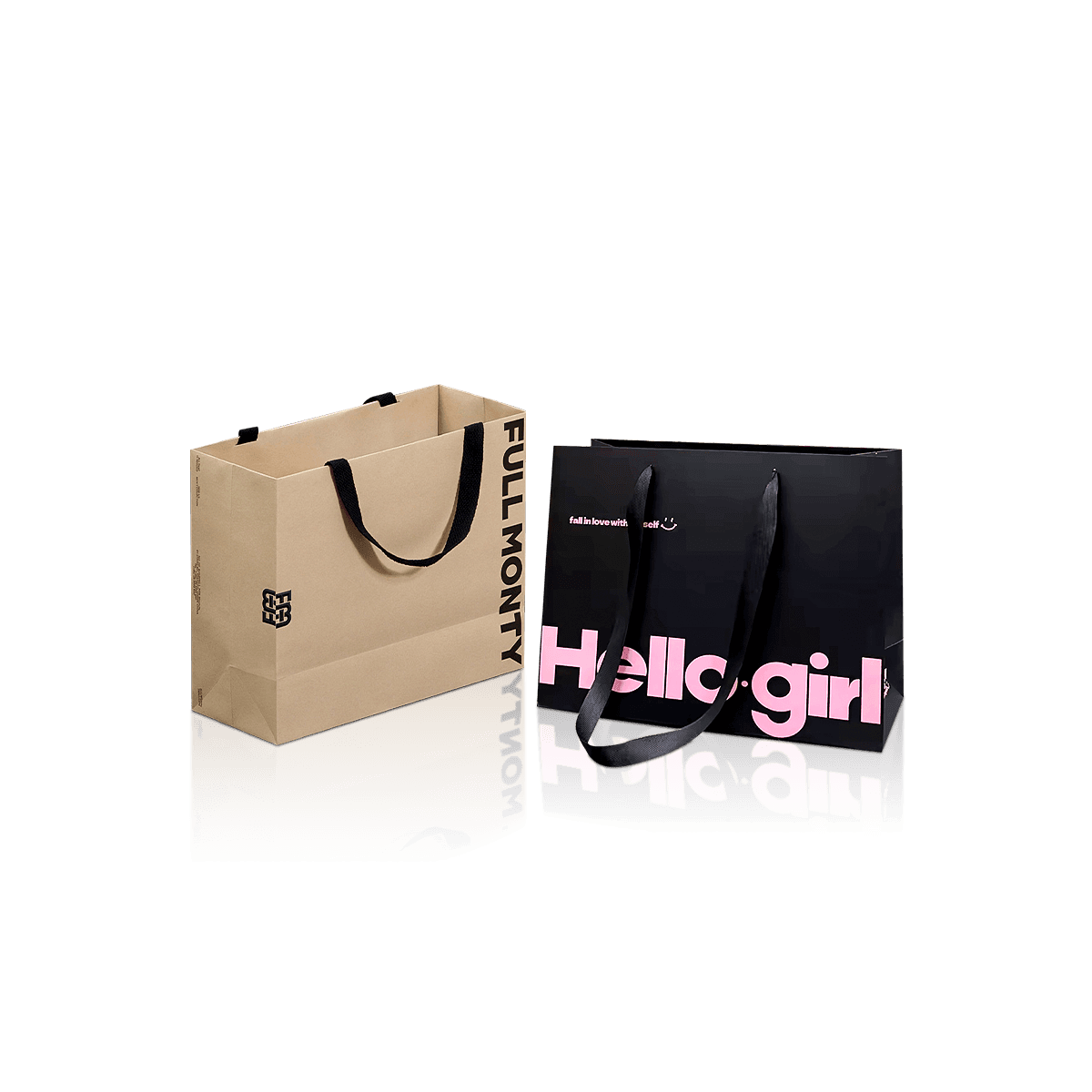
Custom Fashion Paper Bags

Size the bag around real clothing purchases, then match handle strength, gusset depth, paper stiffness and print to the way customers actually carry it.

The Handle Sets the Carry Limit

A fashion shopping bag usually shows its first weakness around the handle, not through the middle of the paper panel.

Custom Fashion Paper Bags need the handle system, top edge and garment load considered together. A bag carrying one folded blouse behaves very differently from the same bag holding denim, knitwear, a shoe box and small accessories. Increasing paper weight alone does not automatically solve stress concentrated around the carry points.

The design should begin with what leaves the counter on a normal sale: item count, total weight, folded volume and how long the customer is likely to carry the purchase.

That makes fashion bags a distinct part of retail and apparel packaging, where the final handoff has different demands from garment storage or parcel shipping.

Twisted Paper Handles

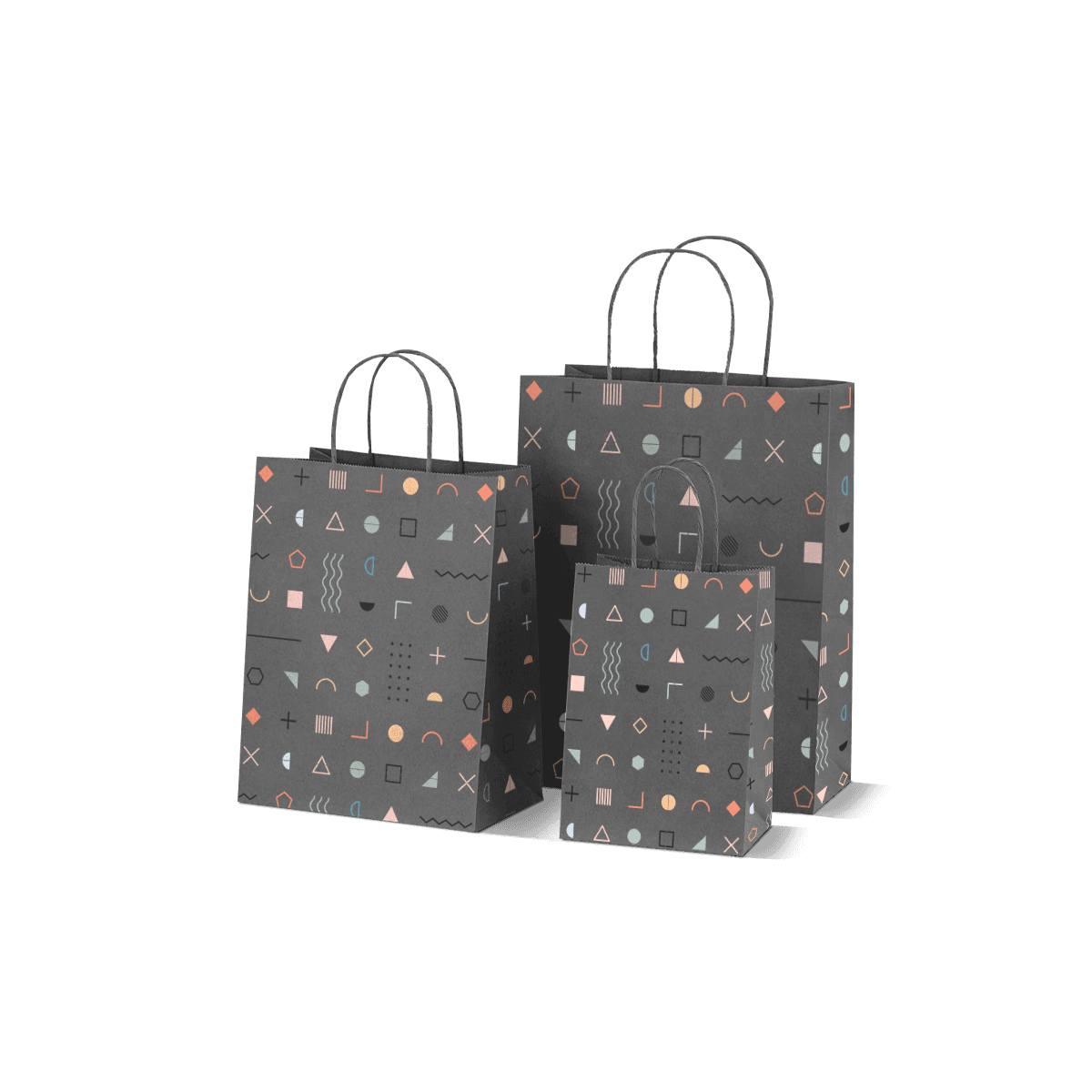
Twisted paper handles suit everyday boutique purchases where practical carry, paper-based construction and an approachable retail appearance matter.

They work especially well when the garment load is moderate and the visual identity does not require a formal gift-bag appearance.

The attachment area still matters. A large bag carrying denim or several garments creates more leverage at the top than a small bag carrying a scarf.

Rope and Ribbon Handles

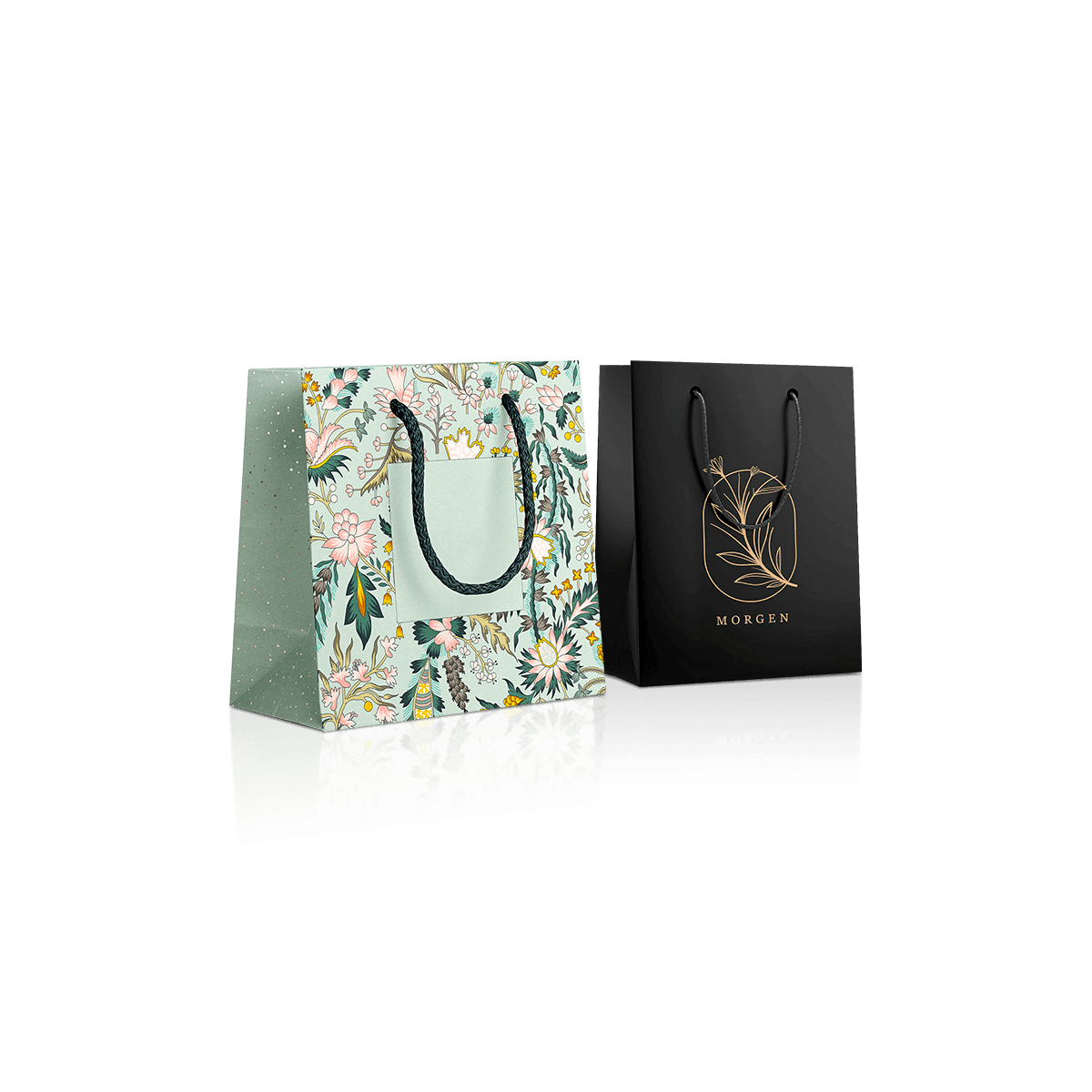
Rope and ribbon can shift the bag toward a more premium fashion presentation. They can make sense for designer stores, gift purchases, launches and higher-value clothing where the bag is expected to feel considered after checkout.

Handle appearance should not outrun load performance. A refined handle paired with an underspecified top edge can distort the bag as soon as the customer lifts a heavier purchase.

Die-Cut Handles

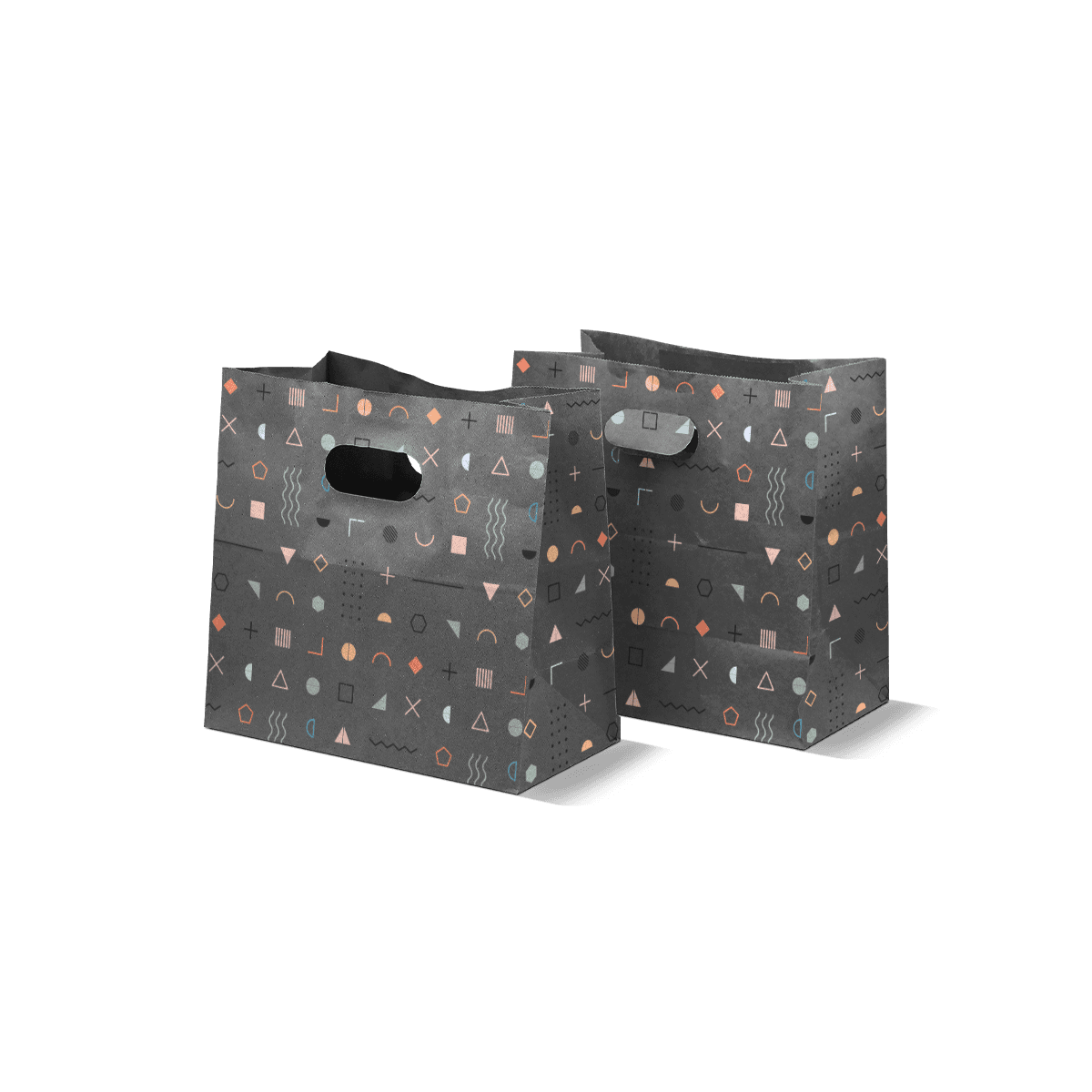
A built-in grip removes separate handle components and keeps the upper profile visually clean.

Die Cut Handle Paper Bags suit lighter apparel, accessories, promotional handouts and compact purchases when a low-bulk carry style fits the brand.

Because the customer grips the paper itself, handle opening shape, surrounding material and load become particularly important.
Bag Depth Follows the Checkout Mix

Fashion retailers often choose the front dimensions first because those panels carry the logo. In practice, the gusset can have just as much influence on how well the bag works.

A shallow bag may look sharp while empty but become awkward once tissue-wrapped knitwear pushes the side panels outward. An unnecessarily deep bag can make a small clothing purchase slump to the bottom and feel lost.

Size should follow common packed purchases rather than individual garment dimensions.

A clothing store might realistically have several purchase patterns:

  • one folded top or lightweight garment
  • two or three folded apparel pieces
  • denim or heavier knitwear
  • apparel plus a boxed accessory
  • gift-wrapped clothing with additional tissue
  • a larger multi-item purchase

The right bag system does not need a unique size for every transaction. It needs enough size separation to stop the smallest bag from being overloaded and the largest bag from becoming the automatic choice for everything.

The paper bag sizing process starts with product dimensions, packed volume, weight and the way the customer will carry the purchase.

Width Controls the Fold

The bag opening should accept the folded garment without forcing staff to curl or compress it through the top.

A bag that is too narrow can undo a carefully prepared fold before the customer leaves the store. This matters with structured shirts, folded dresses and tissue-wrapped purchases where presentation should survive the handoff.

Gusset Controls Capacity

Side depth becomes more important as the transaction moves from light apparel toward sweatshirts, denim, stacked clothing or boxed goods.

The gusset should open naturally under the intended load. If staff routinely force the side panels outward to fit normal purchases, the nominal bag dimensions do not reflect the real checkout mix.

Paper Stiffness Changes the Silhouette

Paper stock affects more than carrying strength. It changes how the bag stands, folds, receives print and looks once clothing is inside.

A softer kraft construction can suit casual fashion, workwear, streetwear or brands that want a less formal retail handoff. Smoother white or coated papers can support sharper graphics and a more structured boutique appearance.

The decision should start with the visual and physical job rather than a generic idea that thicker paper is always better.

A very stiff bag can be unnecessary for lightweight garments. A stock that is too light can bow or crease once multiple pieces are placed inside.

Custom Paper Bags span several structures, stocks and handle styles because bakery, grocery, apparel and luxury retail loads do not ask the paper to behave the same way.

Natural Kraft Changes Color

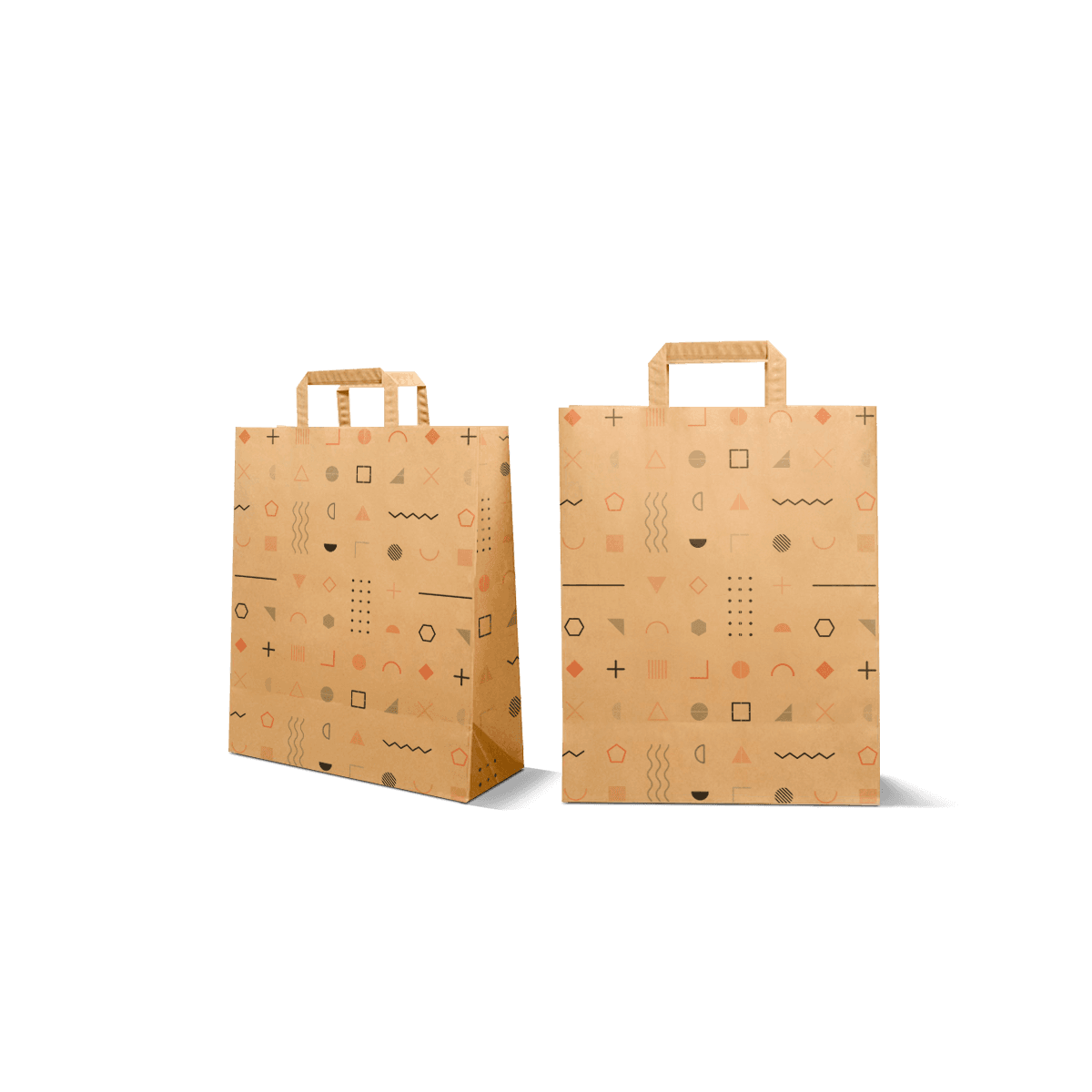
Printing on natural brown kraft changes the visual starting point. Light colors and subtle tones do not reproduce as though they were printed on a bright white sheet.

That can be an advantage when the fashion identity already suits the natural substrate. It can be a limitation when the artwork relies on bright color or a clean white ground.

White kraft or coated stock gives a different printing surface when stronger color contrast is part of the brand system.

Coatings Need a Purpose

Matte, gloss and soft-touch treatments can change feel and print appearance, but they should not become automatic signs of premium packaging.

A strong paper stock, controlled typography and the right handle can create a convincing fashion bag without stacking finishing processes. If foil, embossing or another finish is used, it should reinforce an intentional visual feature.

The Base Carries the Hidden Stress

The handles receive the most obvious load, but the bottom of the bag supports the merchandise continuously.

This becomes important when fashion purchases combine soft garments with harder products. A folded sweater distributes weight differently from a shoe box, perfume carton, belt box or dense accessory pack sitting against the base.

The bottom dimensions must also work with the gusset. A large fashion bag that opens impressively at the top but creates an unstable base can lean or deform once products settle.

Base reinforcement may make sense for heavier retail combinations. It should be specified because the normal transaction needs it, not because every fashion bag is expected to carry heavy goods.

A boutique whose purchases are mostly scarves and tops has a different base requirement from a store routinely combining denim, footwear and accessories.

Merchandise Paper Bags fit more general everyday store handoff when the brief is driven by practical retail carrying rather than a fashion-specific presentation system.

Checkout Speed Belongs in the Specification

A shopping bag is handled by staff hundreds of times before its appearance on the street matters.

It needs to open without fighting the gussets, accept the expected garment fold and sit in a predictable position at the packing counter. Tissue, receipt placement and handles should not turn a straightforward sale into a slow packing sequence.

Fashion stores can test the proposed bag with actual checkout movements:

  1. open the stored bag
  2. place the normal tissue arrangement
  3. insert the folded garment stack
  4. add accessories or boxed products
  5. place the receipt or gift message
  6. bring the handles together
  7. lift the loaded bag from the counter

This test often reveals problems that flat dimensions hide.

A bag may technically contain the purchase but still be difficult to load because the opening is too narrow. Another may pack quickly but collapse once lifted because the gusset and paper stiffness do not suit the contents.

For stores coordinating bags, boxes and counter packaging together, custom retail packaging can keep the handoff system aligned with how merchandise is sold.

The Bag Becomes Moving Brand Space

Fashion paper bags spend part of their life outside the store, which changes how artwork should be composed.

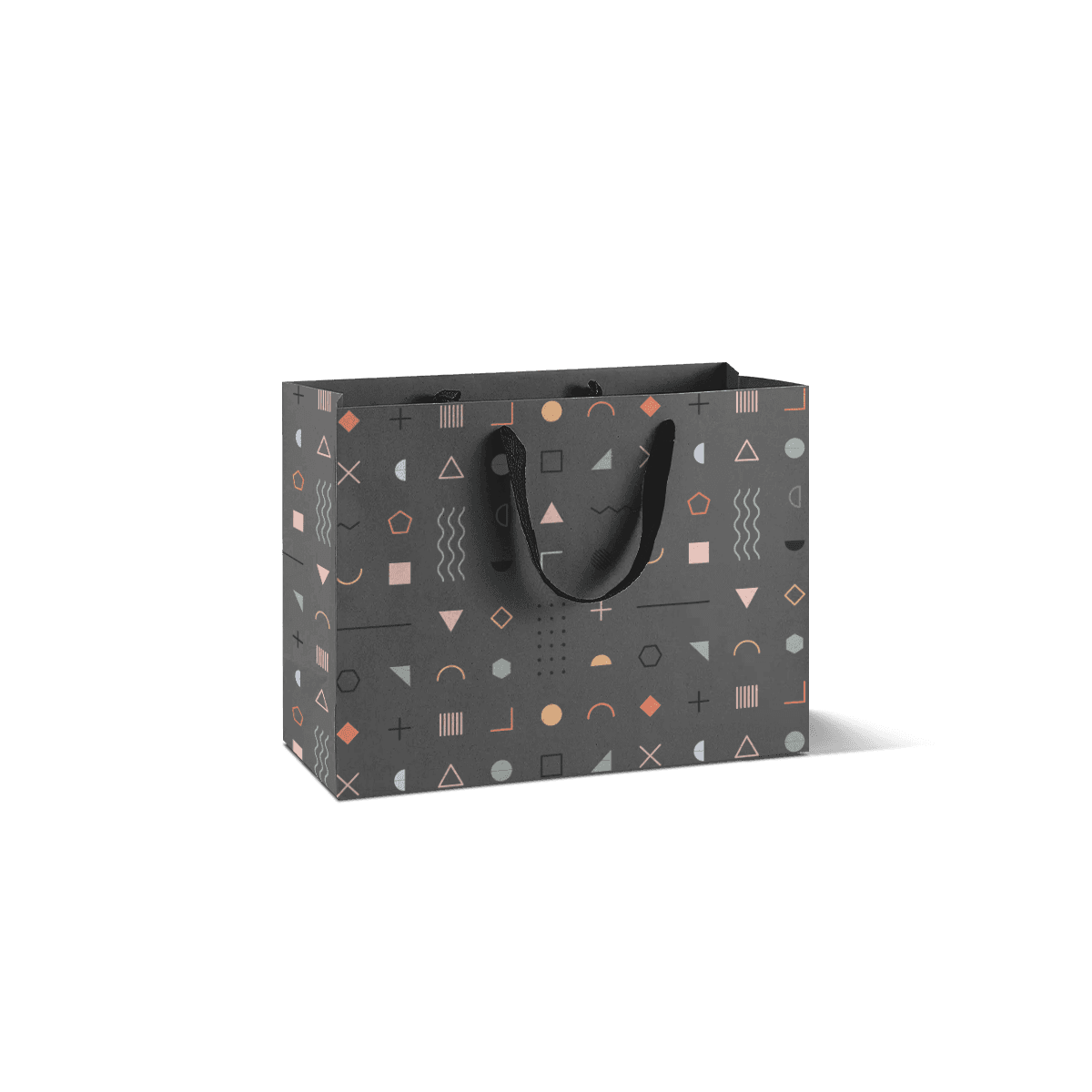
A logo that works on a garment tag may be too small to read on a carry bag. Fine graphics placed close to the lower fold can disappear once the bag is loaded. Artwork running into the gussets changes shape whenever the bag opens.

The principal branding should therefore be judged on an assembled, loaded bag rather than only on the flat artwork.

Front Panels Need Distance

The main mark should remain recognizable when the bag is being carried rather than studied at arm's length.

This does not require an oversized logo. It requires enough contrast, clean spacing and sensible placement to survive folds, handle movement and normal viewing distance.

Premium offset printing can support fine typography, controlled color and repeat artwork across fashion retail runs.

For brands deciding between production methods, digital, offset and flexographic printing becomes relevant when quantity per artwork, campaign changes and repeat runs begin affecting the print decision.

Gussets Can Carry Secondary Graphics

The side panels can add color, a pattern or secondary branding without competing with the main face.

The artwork needs to account for folds. A graphic that depends on an uninterrupted flat image may not translate cleanly across a gusset that repeatedly opens and closes.

Inside color can also create a stronger handoff for premium programs, particularly when the outside remains restrained.

Seasonal Fashion Creates Version Pressure

Apparel retail changes quickly. Holiday shopping, spring launches, collaborations, sales events, capsule releases and pop-ups can all tempt a brand to create a different paper bag.

The design question is how much campaign variation belongs on the carry bag itself.

A fully seasonal bag can make sense for a significant launch with enough volume to consume the stock. It becomes harder to justify when campaign dates are short and leftover printed inventory cannot easily move into the next season.

One approach is to keep the core shopping bag stable and move shorter-lived messaging to tissue, stickers, hang tags or cards.

Another is to create campaign-specific bags only for locations or events where the volume supports a distinct run.

This is where artwork count matters as much as total bag count. Ten thousand bags carrying one design create a different production decision from the same quantity divided among many short-lived campaign versions.

Color, print and finishing choices become more important when one retail program carries several seasonal artworks, so the production plan should keep those variables controlled across versions.

Heavy Denim Exposes the Wrong Spec

Consider a fashion store whose normal paper bag was selected around lightweight shirts and dresses.

The bag performs well until shoppers begin combining two pairs of denim with a boxed belt or accessory. Staff can still fit the purchase, so they continue using the same bag. Once lifted, however, the bottom begins to sag and the handle attachment pulls visibly against the upper edge.

The apparent problem is “weak paper,” but changing only the paper may miss the real issue.

The transaction has moved into a different load class.

A stronger correction may involve several decisions together:

  • a bag size that distributes the purchase more sensibly
  • appropriate paper stiffness
  • reinforcement at the carry points
  • a base suited to denser merchandise
  • a handle type comfortable under the higher load

If the heavier transaction occurs often, it can justify a second store bag. If it is rare, staff may simply need a clear rule for moving that purchase into the larger existing size.

Validation belongs here because the question is physical carrying performance, not simply whether the logo looks correct.

Fashion Bag or Another Carry Style?

Custom Fashion Paper Bags cover the apparel retail use case rather than one fixed paper-bag construction.

That distinction matters because several structural styles can serve fashion stores.

Euro Tote Paper Bags suit boutique purchases where a more formal tote presentation and upgraded handle treatment are central to the brief.

Recycled Paper Bags put recycled-content paper and the material story closer to the center of the buying decision.

A simple merchandise bag can make more sense for routine store traffic where speed and practical carrying outrank luxury presentation.

A die-cut grip can suit smaller purchases and events where additional handle components are unnecessary.

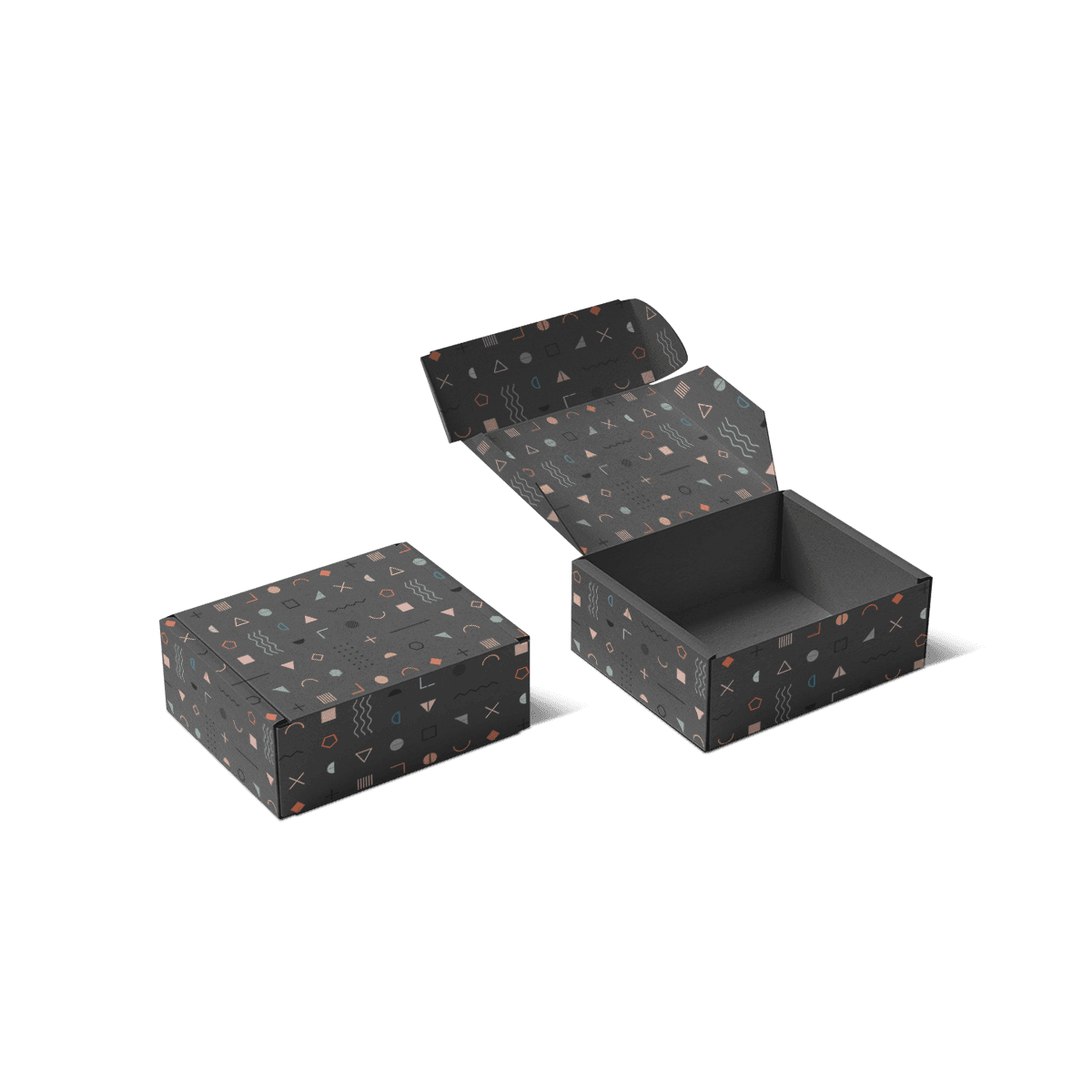
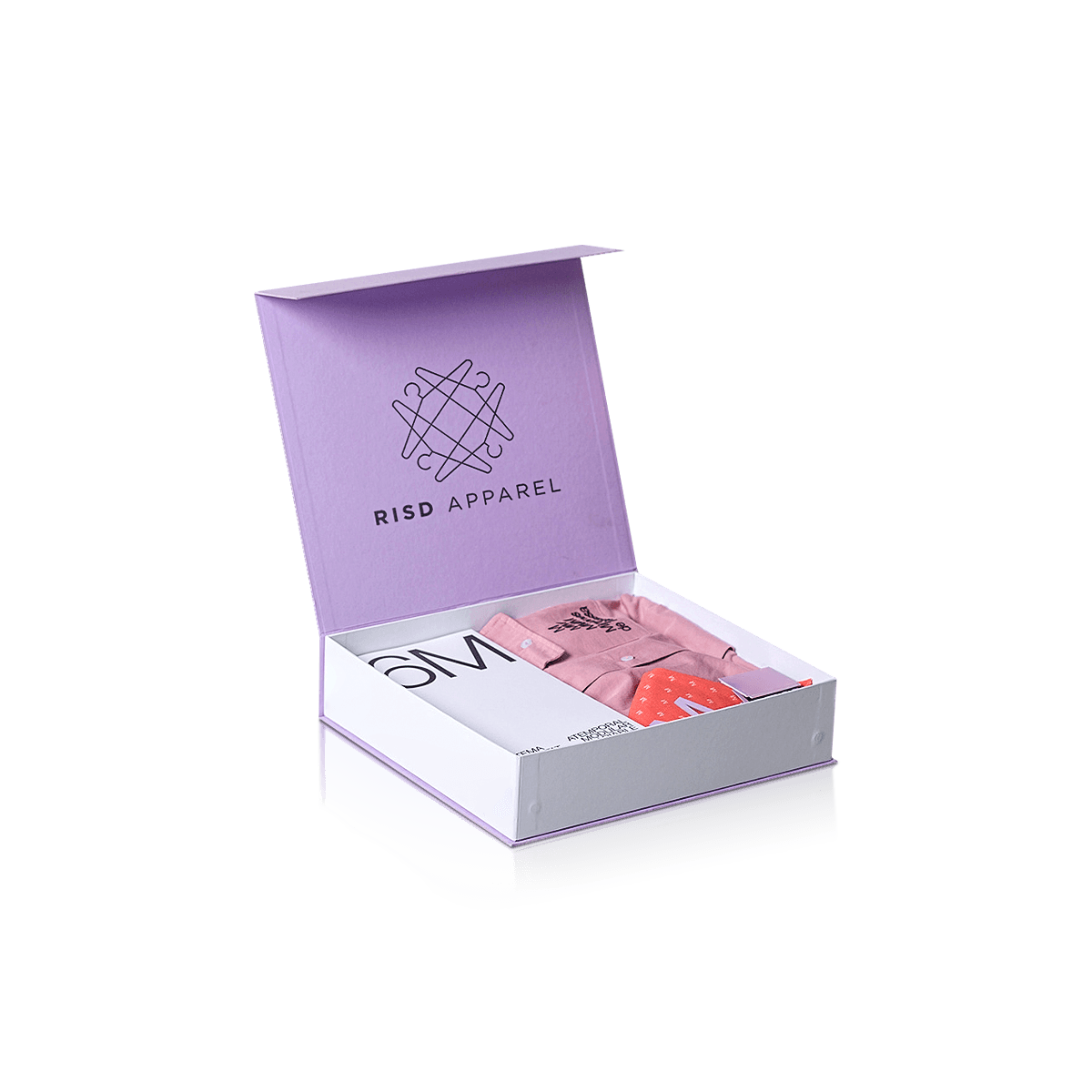
And a paper shopping bag should not be asked to replace a protective box. Apparel Boxes make more sense when the garment needs enclosed presentation, fold retention or gift-ready structure before the carryout step.

Retail and online sales can also split cleanly. A fashion bag may handle in-store purchases while a mailer handles parcel orders. Retail packaging and ecommerce packaging should follow the different handling conditions instead of forcing one structure to perform both jobs.

Create a Store Bag Matrix

Most fashion retailers do not need dozens of bag specifications. They need a small set that maps cleanly to real transactions.

A practical store matrix might define each bag by:

  • common garments or product combinations
  • maximum normal item count
  • packed width and depth requirement
  • expected load
  • paper stock
  • handle construction
  • base treatment
  • core artwork
  • seasonal artwork rules
  • tissue or gift-packing allowance

The value of the matrix is consistency at the counter. Staff do not have to decide between bags by instinct and purchasing teams can see why each size exists.

MOQ starts from 100 bags, so a brand can structure quantities around the actual retail program rather than forcing every store transaction into one oversized specification.

For larger store networks or repeat fashion programs, warehousing and scheduled deliveries can separate production quantity from the amount of packaging each location needs to hold at once.

The strongest paper-bag system is usually easy to describe: staff know which bag to pick, the garment enters without fighting the opening, the handle carries the intended load comfortably and the branding still looks deliberate once the customer walks out the door.

FAQs

Twisted paper and rope handles are the usual picks for apparel because they balance comfort, appearance and everyday retail carrying.

Custom Fashion Paper Bags are usually better for immediate carryout and visible branding after checkout. Apparel Boxes make more sense when the item is gift-packed, folded for storage or needs a more enclosed presentation.

A wider gusset works better when the purchase includes knitwear, denim or tissue-wrapped sets. Slimmer depths suit lighter garments and accessory-led orders.

Yes, when the paper weight, bottom construction and handle type are matched to the load. Heavier apparel lines often need stronger stock and reinforced carry points.

Yes. Many retail bags use front, back and gusset printing, while higher-end programs may also add inside color, tag lines or foil detailing near the top fold.

Process

How it works

Your Packaging Journey, From Idea to Production and Delivery

01

Tell Us Your Specs

Custom packaging boxes

Tell Us Your Specs

Provide size, quantity, printing, and finishes.

02

Get a Fast Quote

Custom packaging boxes

Get a Fast Quote

Instant transparent pricing, no hidden fees.

03

Design and Approval

Custom packaging boxes

Design and Approval

Artwork checks, revisions, and final sign-off.

04

Produce

Custom packaging boxes

Produce

Expert manufacturing to meet deadlines.

05

Ship to Your Door

Custom packaging boxes

Ship to Your Door

Hassle-free, flexible delivery options.

Get Your Quote for Custom Fashion Paper Bags

Share your product details, size, quantity and artwork needs. We’ll help choose the right packaging style and send a clear quote.