Skip to content
Details

Custom Shoe Boxes

Footwear packaging planned around pair orientation, size curves, stack loads and end-panel identification for retail stockrooms, branded handoff and e-commerce orders.

A Shoe Line Is a Size Matrix

Custom Shoe Boxes are rarely a one-size packaging project. A footwear line may contain several shoe sizes, multiple colorways and more than one silhouette, all moving through the same stockroom or fulfillment operation.

The packaging system has to accommodate that variation without creating unnecessary box dimensions.

The starting point is not the size printed inside the shoe. It is the packed dimensions of the pair. Two products carrying the same nominal shoe size can occupy different space because sole width, heel construction, upper volume and styling differ.

A running shoe, leather loafer and high heel therefore should not inherit the same carton simply because all three are sold as size 9.

Group Sizes by Packed Geometry

Adjacent footwear sizes can sometimes share one box dimension when the smaller pair remains controlled and the larger pair still has comfortable clearance.

That can reduce the number of physical packaging specifications while size, color and style change through labels or artwork.

Do not force the grouping too far.

If the smallest pair slides through a large cavity or the largest pair has to be compressed into the same carton, the operational convenience has started to damage product fit.

Measure the Finished Pair

Include tissue, dust bags, spare laces, care cards or other components that remain inside the box.

The real specification is the complete packout.

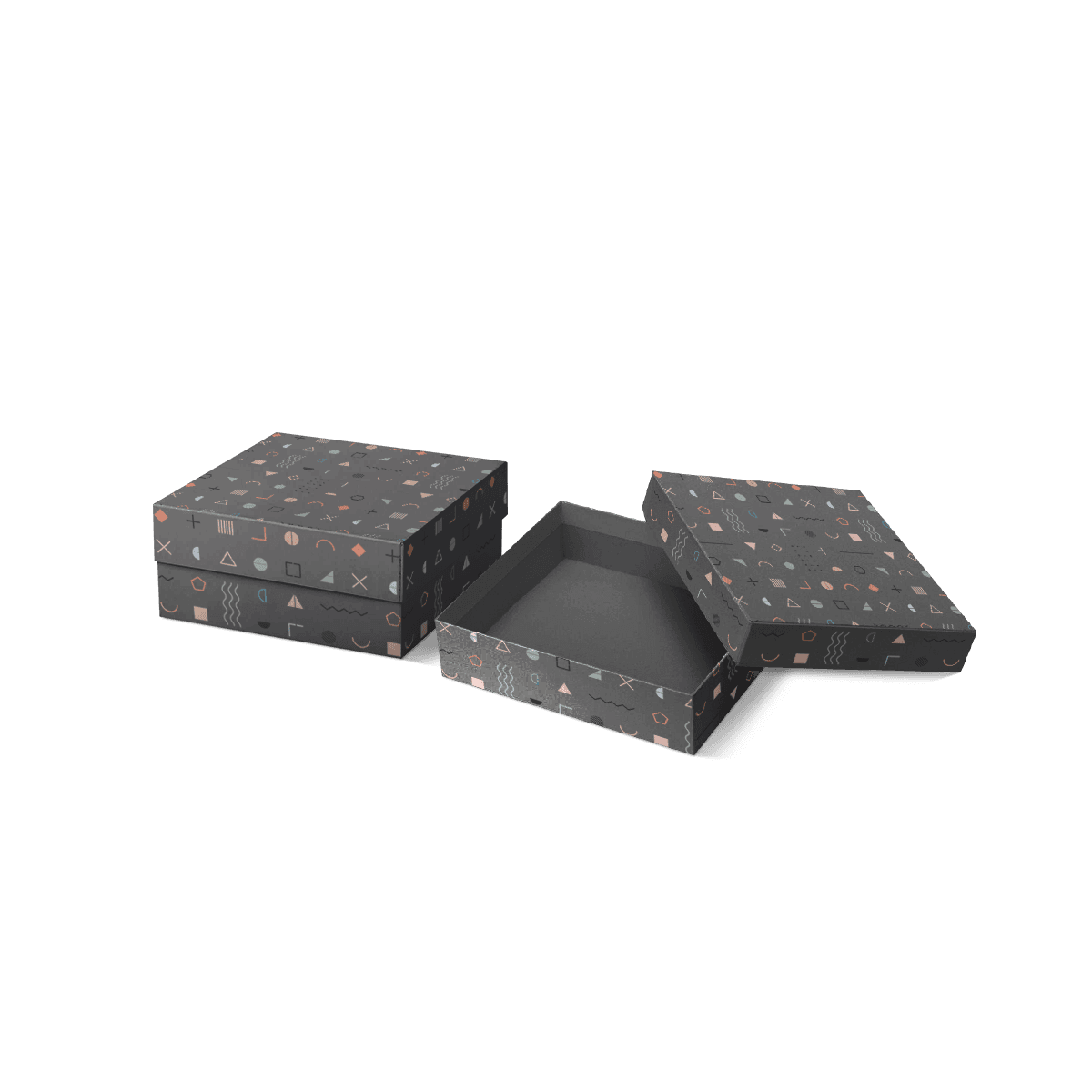
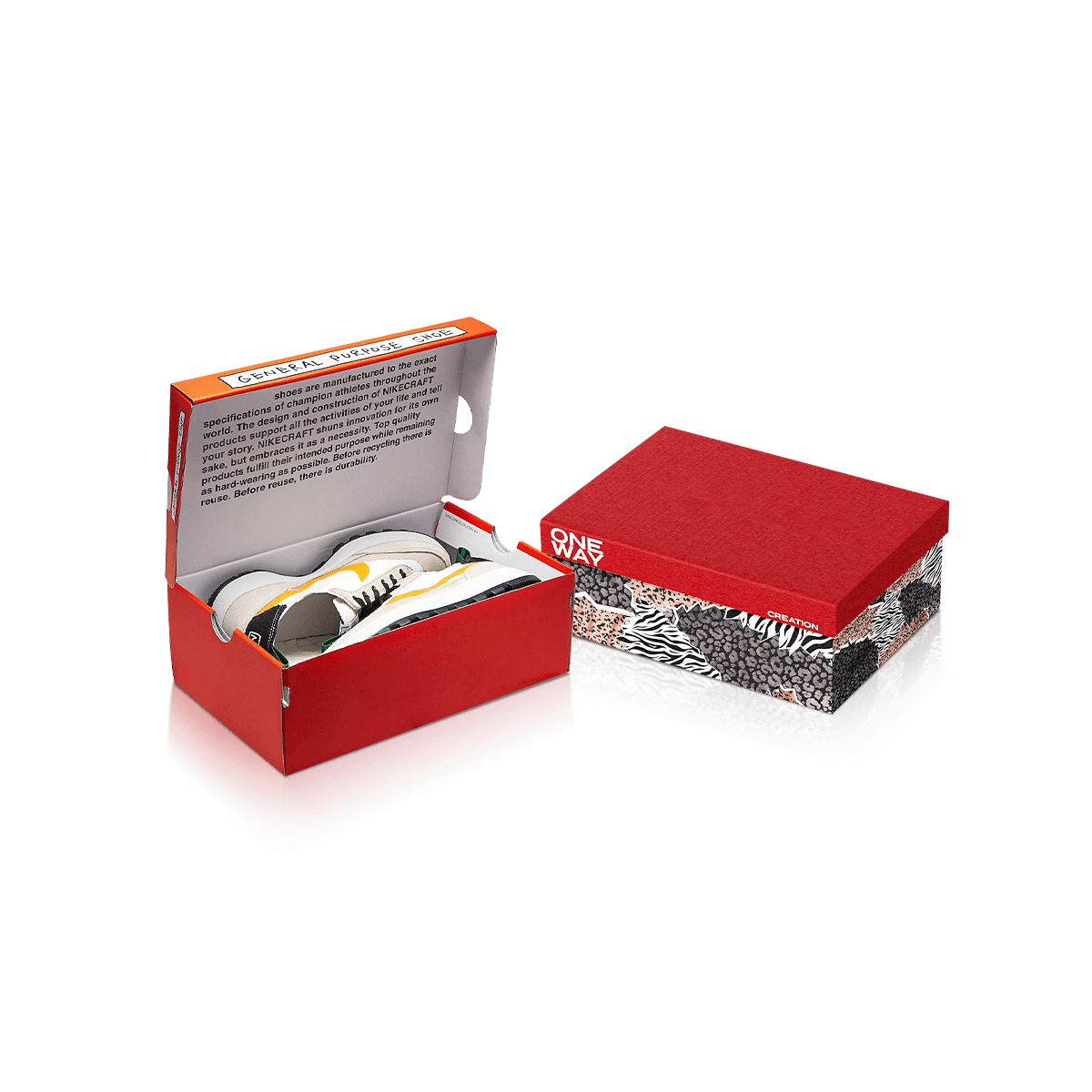
This product-led approach is distinct from Shoe-Box Style Rigid Boxes, where the main decision is a rigid structural style with a shallow lift-off lid and deeper base that can also package products other than footwear.
Pair Orientation Changes the Footprint

The same two shoes can require noticeably different box dimensions depending on how they are positioned.

Side-by-side packing is easy to understand but can create a wide footprint. Opposing the shoes heel-to-toe may reduce wasted space for some styles. Slight nesting can work where the product shape allows it without deforming uppers or creating unwanted pressure.

There is no universal footwear arrangement.

Sneakers Need Upper Clearance

Athletic footwear often carries more volume through the upper, tongue and padded collar than a slim formal shoe.

Trying to gain a smaller box by pushing one shoe tightly into the other can compress those areas or create a packout that staff struggle to repeat consistently.

The chosen orientation should be easy to reproduce across the complete size run.

Formal Shoes Need Surface Separation

Leather, polished finishes and decorative surfaces may benefit from tissue, dust bags or another light separation method so the pair does not rub directly during handling.

That extra material changes the usable cavity.

Measure the shoes with the intended wrapping rather than adding tissue after the carton dimensions have already been approved.

Heel and Toe Space Behave Differently

Footwear does not fill a rectangular cavity evenly.

The toe may be broad but relatively low. The heel may be narrow and significantly higher. Pumps, stilettos and wedges create concentrated vertical requirements that are very different from slides or flat sneakers.

A shoe box should follow the tallest and widest points without creating dead space everywhere else.

High Heels Need Vertical Clearance

Heel height can determine box depth even when the rest of the shoe is compact.

If the lid presses against a heel, bow, buckle or decorative upper, increasing board strength will not correct the problem. The packed geometry itself has to change.

The pair may need a different orientation, a deeper carton or a small internal support that keeps the footwear in its intended position.

Heavy Footwear Loads the Base

Work shoes, boots and dense athletic footwear place more load into the base than lightweight sandals.

Board choice should reflect packed weight, footprint and stacking duty together.

The trade-offs among paperboard, corrugated and rigid board become clearer when reviewing packaging materials against the actual footwear and selling channel.

Stockroom Stacks Expose Weak Boxes

A shoe box spends much of its commercial life closed and stacked.

Retail stockrooms may hold several boxes vertically. Warehouse shelves can carry repeated stacks by style and size. Staff may remove one carton and return it several times before the pair sells.

That makes stacking performance a core footwear requirement rather than a secondary shipping concern.

Side walls, corners, lid fit and board stiffness all contribute.

A box that looks adequate as a single unit can behave differently with several loaded units above it.

The Lid Needs a Flat Bearing Surface

A bowed or uneven lid transfers the weight above poorly.

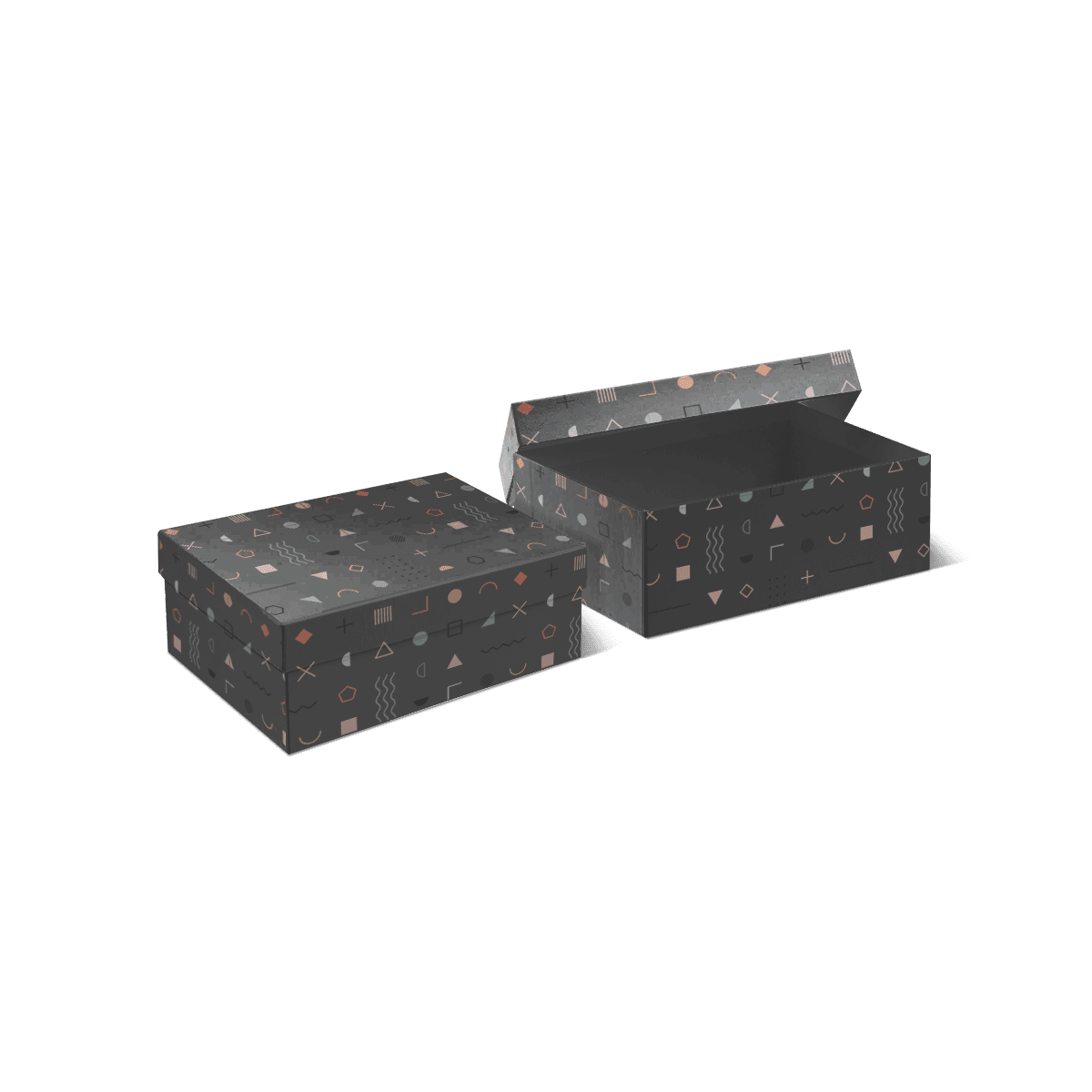
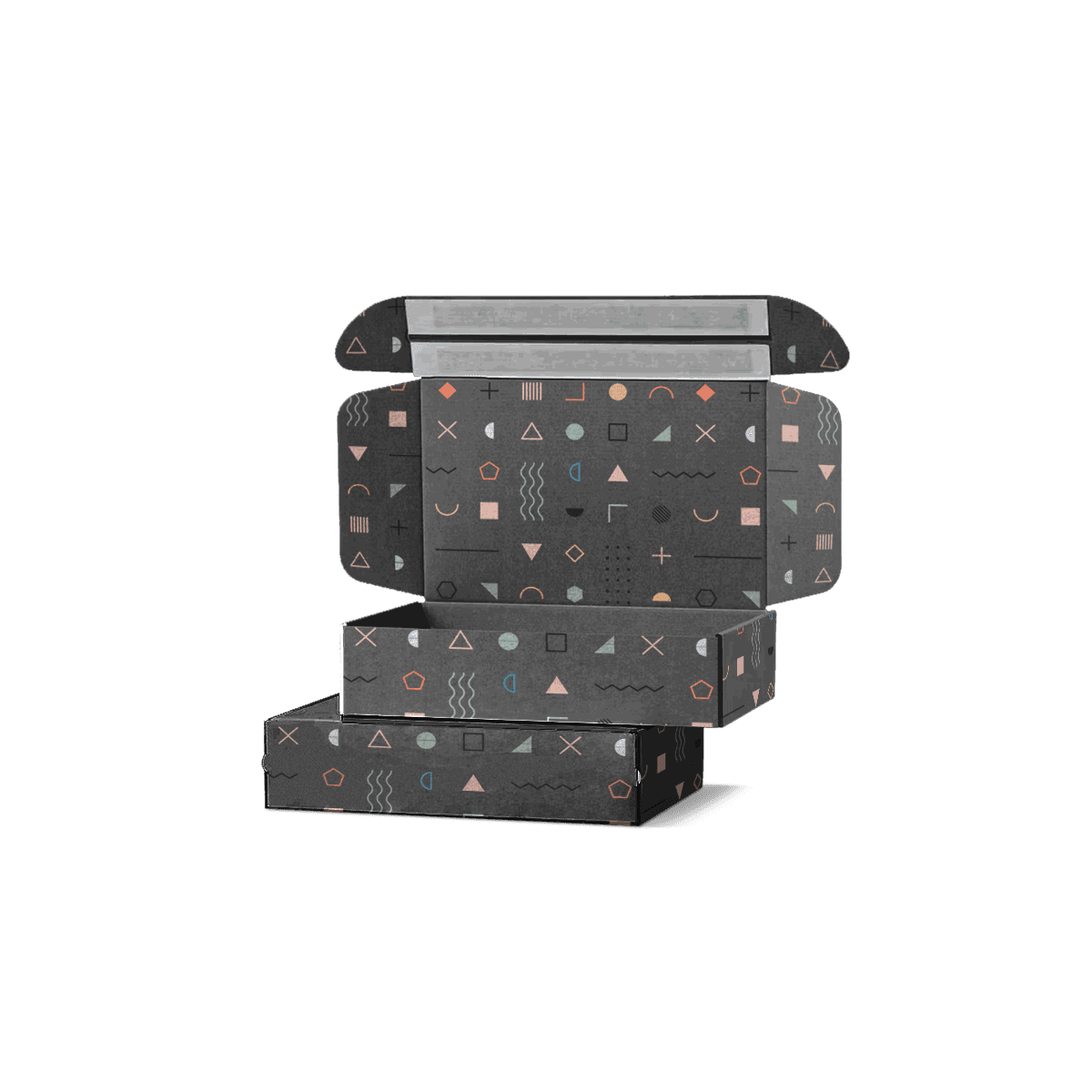
Classic lid-and-base shoe boxes benefit from a top surface that sits level and distributes the next box across the structure. Hinged and mailer-style constructions need their own load path, but the same principle applies: stacking pressure should not concentrate on the shoe itself.

Consistency Matters Across Sizes

A size run may contain several box footprints.

Where adjacent sizes can safely share dimensions, fewer external sizes can make stockroom stacking more orderly. Where footwear geometry demands a different carton, forcing identical footprints merely for visual neatness is the wrong trade.

Product fit comes before stack uniformity.

The End Panel Is Working Space

The lid may carry the brand, but the short end panel often carries the stockroom.

When boxes are stacked on shelves, the top face may be invisible. Staff need to identify the footwear without pulling out several cartons to find the correct pair.

A dedicated end-panel area can carry size, model, color, SKU and barcode data in a predictable location.

This operational panel should be designed before decorative artwork consumes the available space.

Fix the Label Position

A consistent label position speeds visual scanning.

Do not move the size sticker from left to right or from top to bottom between collections simply because the artwork changes. Retail staff benefit when the same area answers the same question every time.

For footwear sold through stores, custom retail packaging can connect that product identification with the shelf and merchandising requirements of the brand.

Separate Permanent and Variable Print

The logo, collection graphics and permanent product messaging can remain printed as part of the box design.

Size, colorway, SKU and barcode may need to vary much more frequently.

Keeping variable data within a controlled zone can allow one printed box design to serve several adjacent SKUs where the physical dimensions are genuinely shared.

Retail Board and Shipping Board Do Different Jobs

A polished footwear carton and a courier-ready box are not automatically the same structure.

Paperboard can provide clean print and retail presentation for lighter footwear when the box is handled primarily in stores or placed inside another shipping package.

Corrugated board adds more structural support for heavier pairs, warehouse handling and shipping-oriented programs.

Rigid board can make sense for collector releases, bridal footwear or premium products where the box is intended to be kept.

Material should follow the job rather than the price of the shoes alone.

A high-priced pair sold through a controlled boutique environment may not need a corrugated shipping structure as its primary presentation box. A less expensive but heavy work shoe may need significantly stronger board because weight and handling are the real demands.

Custom Packly's packaging capabilities can support board, print, finish and structural decisions once the footwear weight and distribution path are established.

Footwear Types Deserve Different Box Logic

Sneakers, sandals, heels and boots create different packaging pressures.

Treating Shoe Boxes as one rectangular product misses those differences.

Sneakers Reward Repeatable Sizing

Sneaker programs often carry deep size curves and frequent colorways.

A small number of carefully planned box dimensions combined with clear variable labeling can make replenishment and stockroom organization easier without giving every shoe excessive room.

Sandals Can Carry Too Much Empty Box

Slides and lightweight sandals may occupy far less volume than an athletic shoe of the same nominal size.

Oversizing the carton increases material, storage and shipping volume while allowing the pair to move unnecessarily.

A lighter, shallower box can make more sense where the footwear itself allows it.

Boots Change Weight and Height

Ankle boots, hiking footwear and work boots can require longer, deeper and stronger packaging.

Tall boots may need a substantially different orientation from normal shoes, so a standard sneaker carton should not become the default starting point.

For a footwear brand spanning several product types, the Retail & Apparel system can remain visually consistent while the box structures change with the product.

Collector Releases Need Space for the Extras

Limited footwear drops often add objects that everyday shoe boxes do not carry.

Extra laces, authenticity cards, product stories, polishing cloths or other accessories need defined positions if they are part of the intended presentation.

Do not scatter those items over the shoes merely because they fit beneath the lid.

A small compartment, paperboard pocket or controlled area beneath the tissue can keep accessories from migrating across the pair.

Premium rigid construction may also make sense where the package itself becomes part of the collectible object.

The decision should still begin with the footwear. Decorative complexity should not create a box so oversized or difficult to store that the customer is left with more packaging than product.

A Stockroom Problem Can Start With Artwork

A footwear line using the same branded lid design across six sizes can expose an operational problem even when the structure itself is sound.

The first packaging version may put the logo prominently on top and the size information on a small label near one lid corner. It looks clean during product photography.

In the stockroom, the boxes are stacked with only their short ends visible.

Staff now have to pull individual boxes partway off the shelf to read the size label. Nothing is structurally wrong with the packaging, but the artwork hierarchy has created a handling problem.

The fix does not require a new board or stronger box.

Move the variable size, style and barcode area to a fixed end-panel position while keeping the primary brand treatment on the lid. Staff can identify the pair from the shelf and the customer still receives the same branded top surface.

That is a footwear-specific example of packaging design solving an operational problem rather than merely changing appearance.

Direct Shipping Needs a Clear Layer Strategy

A retail shoe box may need an outer shipper for ecommerce orders.

Decorative paperboard boxes, specialty wraps and premium rigid constructions should not be expected to carry courier labels, abrasion and parcel handling simply because the footwear inside is durable.

An outer retail shipping box can take that transit duty while the Shoe Box remains the branded primary package.

Some corrugated footwear structures can combine presentation and shipping in one box when their construction is developed for that purpose.

The decision should be explicit.

The same fit and empty-space principles used to reduce shipping damage through better packaging structure matter when footwear ships inside an outer carton.

If two packaging layers are used, the outer carton should also fit the shoe box closely enough to prevent unnecessary movement between them.

Quantity Planning Follows the Size Curve

A footwear order of 5,000 pairs does not necessarily mean 5,000 identical boxes.

The real packaging order may contain several physical box sizes and many more label or artwork variations.

Before production, map quantity by footwear style, packed size group and printed version.

This prevents a common purchasing error: ordering equal quantities of packaging across a size curve that does not sell evenly.

USA orders start from 100 boxes. That can support a new footwear collection, a limited launch or an initial box family before the system expands.

For established programs, bulk custom boxes can support larger quantities, repeated specifications, warehousing and replenishment planning across several footwear SKUs.

Approve the Pair and the Stack

A footwear sample should answer more than whether one pair fits.

Pack the real shoes with the intended tissue, dust bag, inserts, cards and accessories. Close the box naturally and check clearance around the heel, toe and upper.

Then evaluate the box as inventory.

Stack several loaded samples or production-intent equivalents. Check whether lids stay level, side walls remain square and labels can still be read in the orientation the stockroom will use.

For an ecommerce program, place the Shoe Box inside its intended outer shipper as well.

Custom Packly provides free 3D mockups and design and dieline support during development. Free sample examples of previous work are available where relevant, while a fully custom pre-production sample can be arranged as a paid sample when exact physical fit and construction need approval.

A single beautiful sample is not enough if the production boxes will live in stacks.

The Box Matrix Becomes a Reorder Tool

The strongest repeat specification connects each footwear SKU to the packaging it actually uses.

Record the footwear style, size grouping, packed pair dimensions, pair orientation, box dimensions, board specification, artwork version and variable label position.

If sizes 7 through 9 share one box while sizes 10 through 12 use another, preserve that mapping explicitly.

Do the same when one silhouette changes box family because its heel, upper or sole creates different packed geometry.

That record prevents future reorders from depending on statements such as “use the medium shoe box” or “same box as last season.”

A footwear packaging system is working properly when the warehouse can identify it, the packing team can reproduce it and the purchasing team can reorder it without rediscovering how each pair fits.

The logo may be what the customer remembers. The size matrix is what keeps the operation running.

FAQs

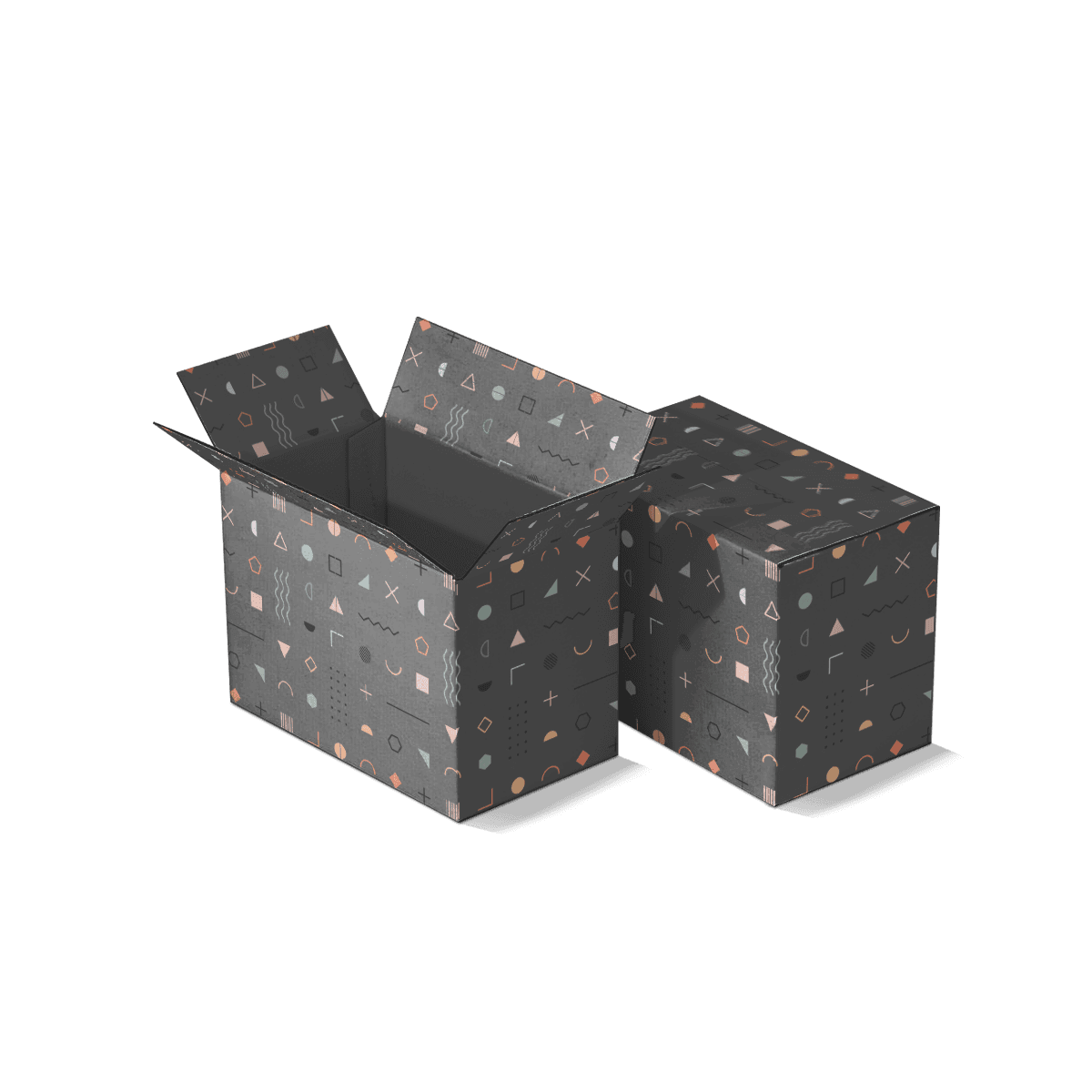
Paperboard works well for shelf presentation and standard retail use, while corrugated board is the stronger choice when the same box also needs to handle shipping and warehouse movement.

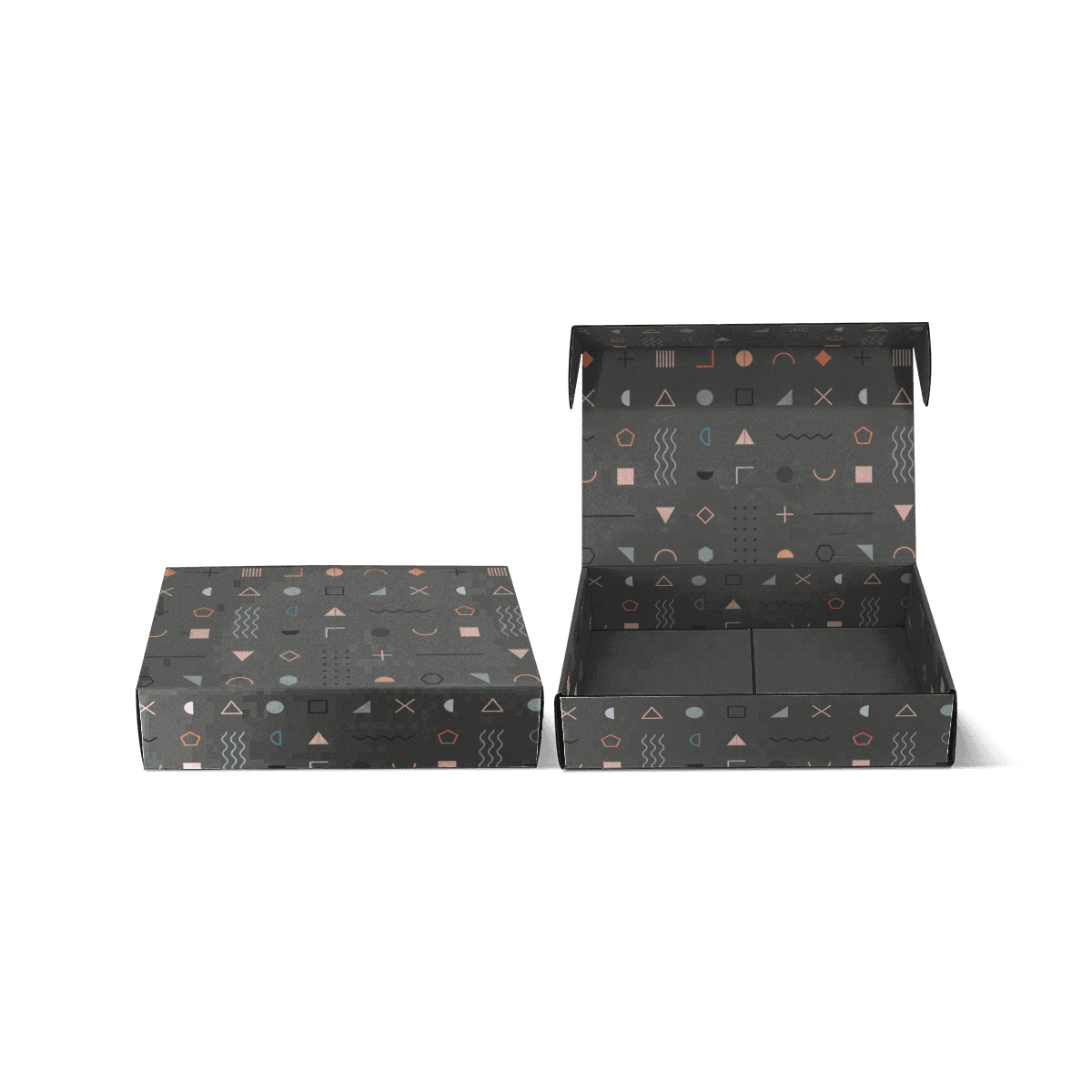
Shoe Boxes are usually the better choice when the pair needs structure, label visibility and cleaner presentation on arrival. Mailer Boxes make more sense as an outer pack or for lighter footwear programs that do not need a classic shoe-carton format.

Very little. A close fit helps the pair stay aligned and reduces the need for extra fill, while too much open space lets shoes slide and weakens the first-open presentation.

The end panel is usually the most efficient spot because staff can read size and style data while boxes remain stacked in rows on shelves or in the backroom.

No. Rigid formats help with collector releases and gift-led presentation, but many premium shoes still perform well in well-sized paperboard or corrugated boxes with stronger print and finish control.

Process

How it works

Your Packaging Journey, From Idea to Production and Delivery

01

Tell Us Your Specs

Custom packaging boxes

Tell Us Your Specs

Provide size, quantity, printing, and finishes.

02

Get a Fast Quote

Custom packaging boxes

Get a Fast Quote

Instant transparent pricing, no hidden fees.

03

Design and Approval

Custom packaging boxes

Design and Approval

Artwork checks, revisions, and final sign-off.

04

Produce

Custom packaging boxes

Produce

Expert manufacturing to meet deadlines.

05

Ship to Your Door

Custom packaging boxes

Ship to Your Door

Hassle-free, flexible delivery options.

Get Your Quote for Custom Shoe Boxes

Share your product details, size, quantity and artwork needs. We’ll help choose the right packaging style and send a clear quote.