Skip to content
Details

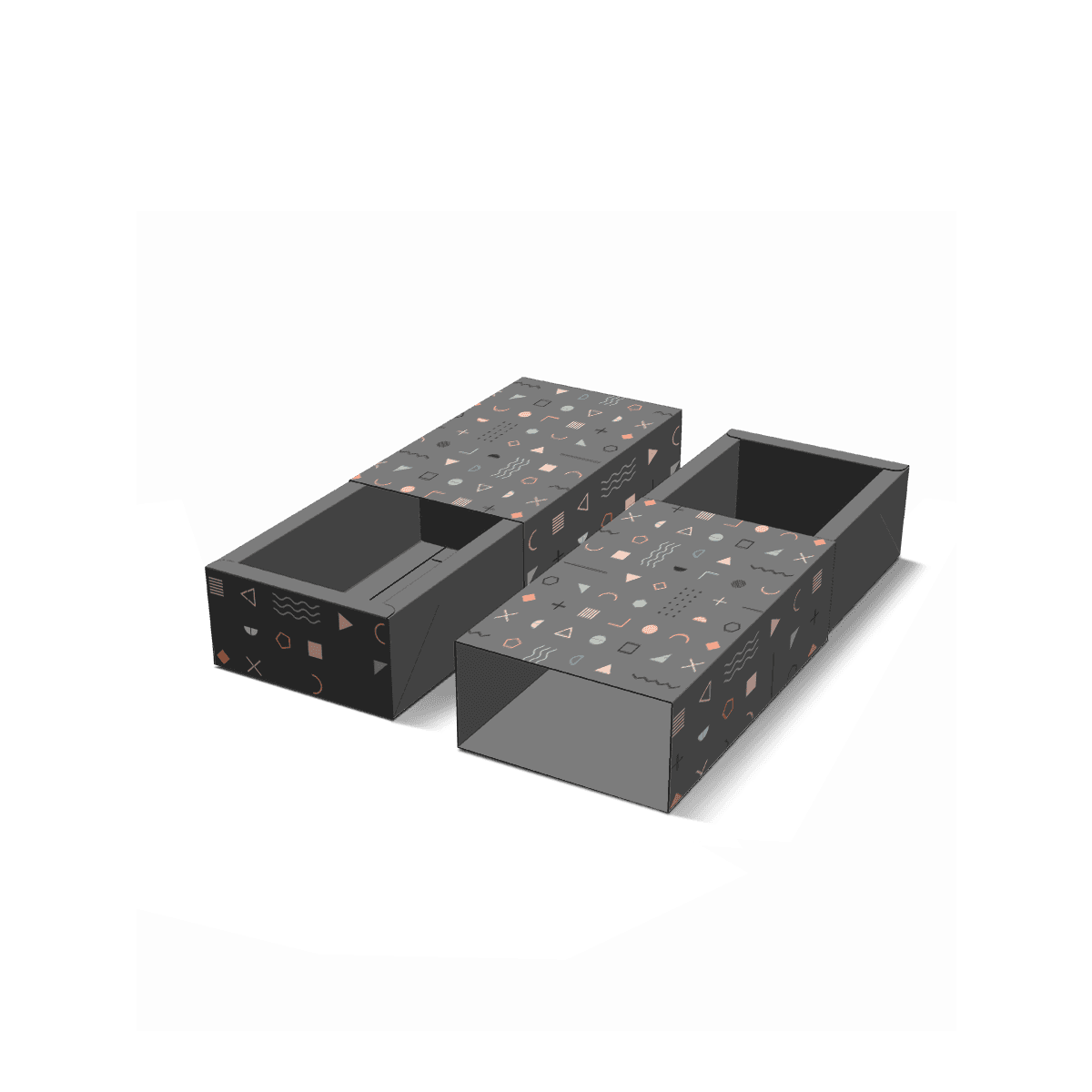
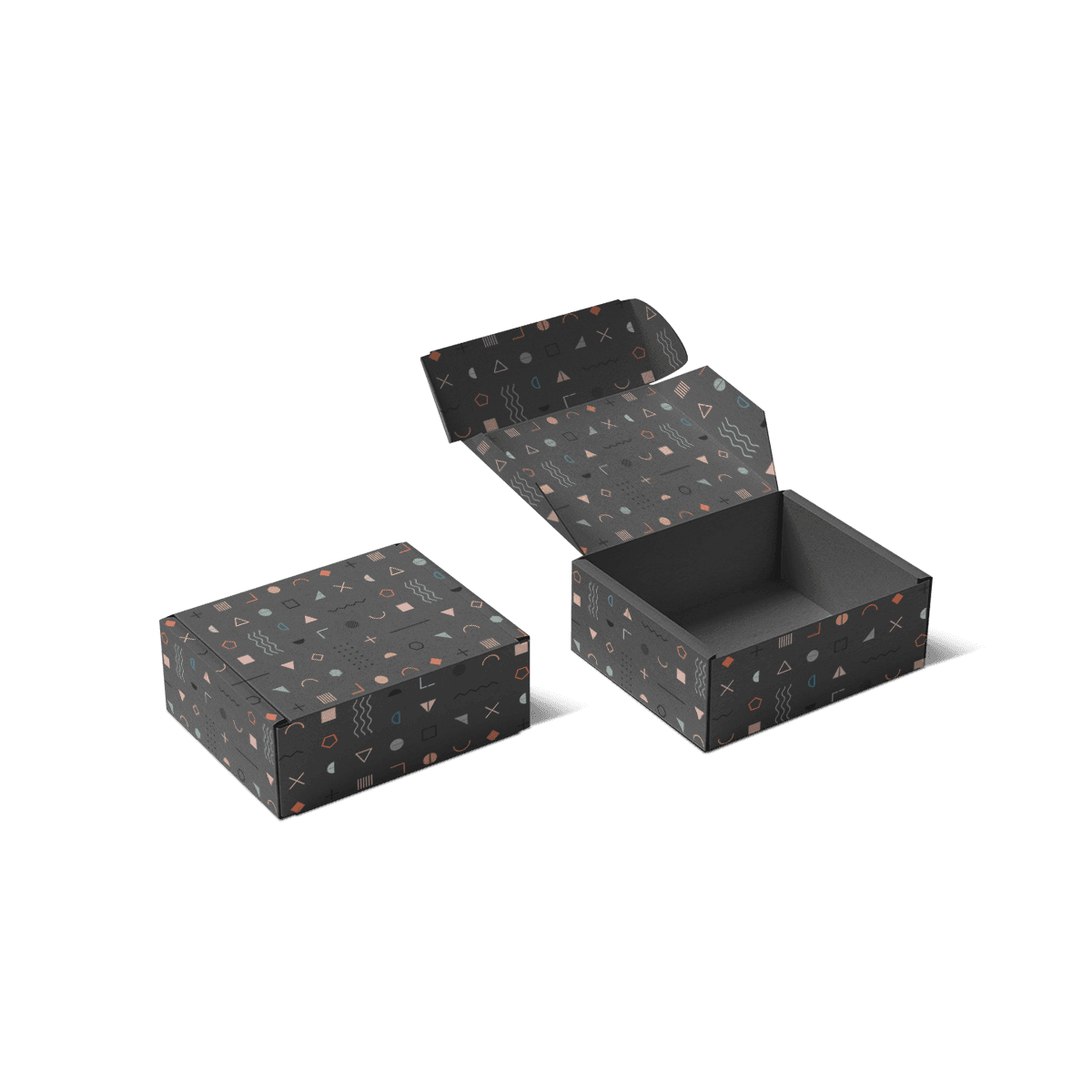
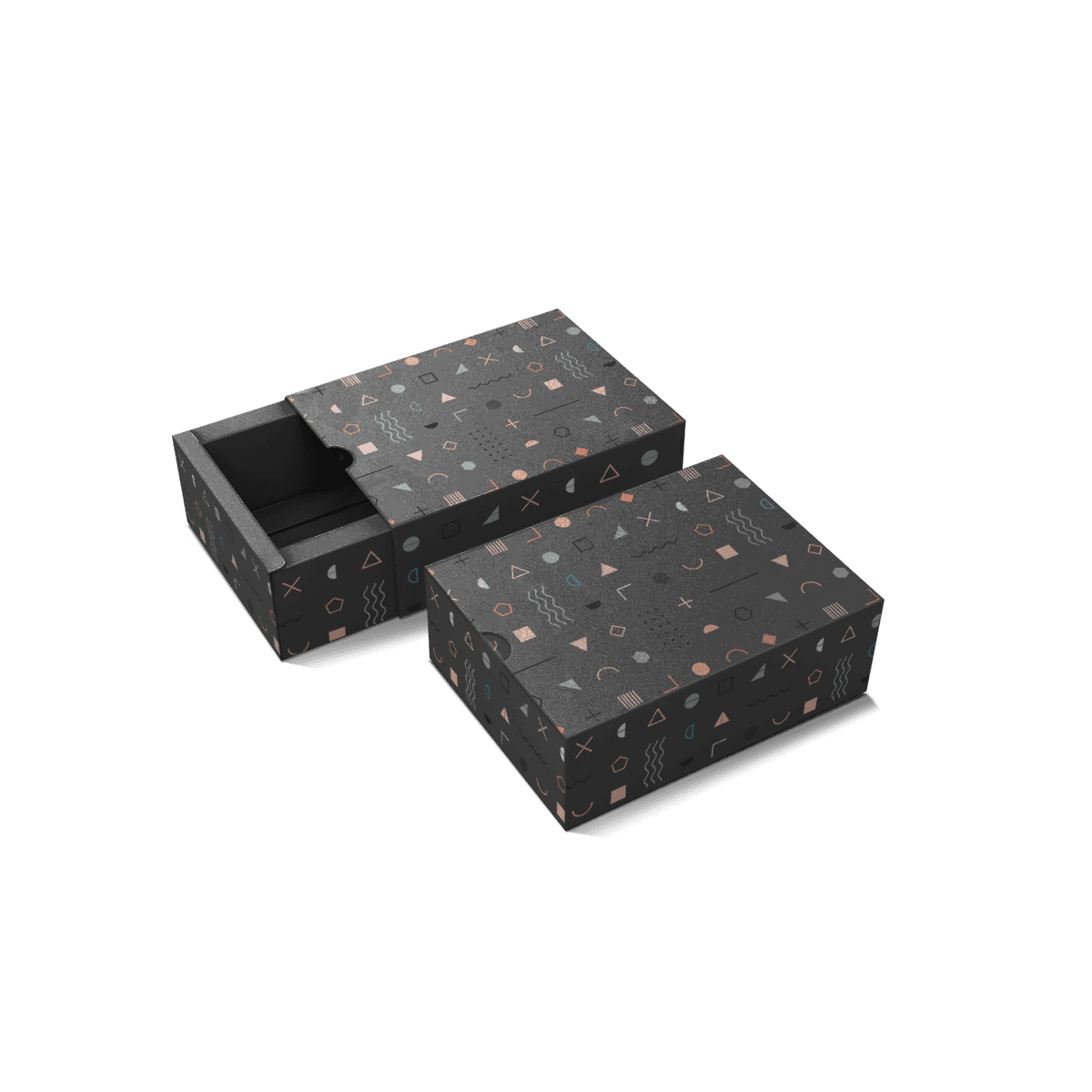
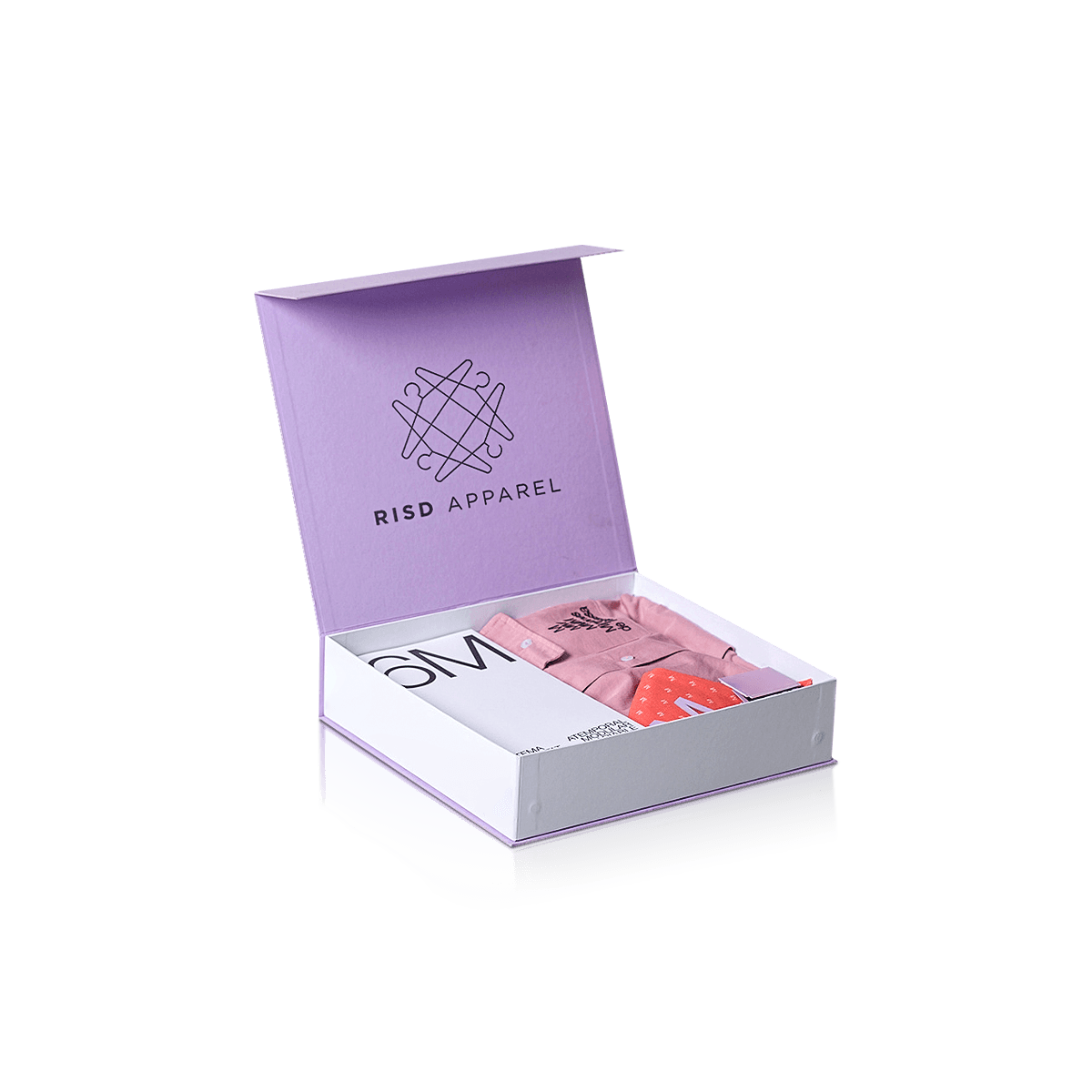
Custom Apparel Boxes

Create a box system around garment volume, sales channel, packing speed and presentation without multiplying packaging SKUs unnecessarily.

Treat the Line as a Box System

The hardest apparel packaging decision is rarely the logo or finish. It is deciding how many box specifications the product line actually needs.

Fashion brands may sell tees, knitwear, shirts, trousers, scarves, accessories and gift sets across different sizes, colors and seasons. Making a separate box for every garment can create unnecessary tooling, artwork files, inventory and warehouse handling. Forcing everything into one carton creates the opposite problem: thin garments disappear inside oversized boxes while bulky pieces strain lids and crush folds.

Custom Apparel Boxes work best when the packaging is planned as a system. Group products by their packed behavior first, then decide where one box can serve several SKUs and where another structure or depth is justified.

Brands selling through stores, web orders and gifting can keep the box strategy tied to their retail and apparel packaging workflow rather than treating every SKU as a fresh project.

That gives this packaging a different job from narrower garment packs. If the main task is keeping folded multi-piece packs orderly, Clothing Boxes are the tighter fit. A tee-only program may be better served by T-Shirt Boxes with a shallower fold profile.

Apparel Boxes instead need to answer the program-level question: how should several garment types share structures, sizes and branding without compromising fit?
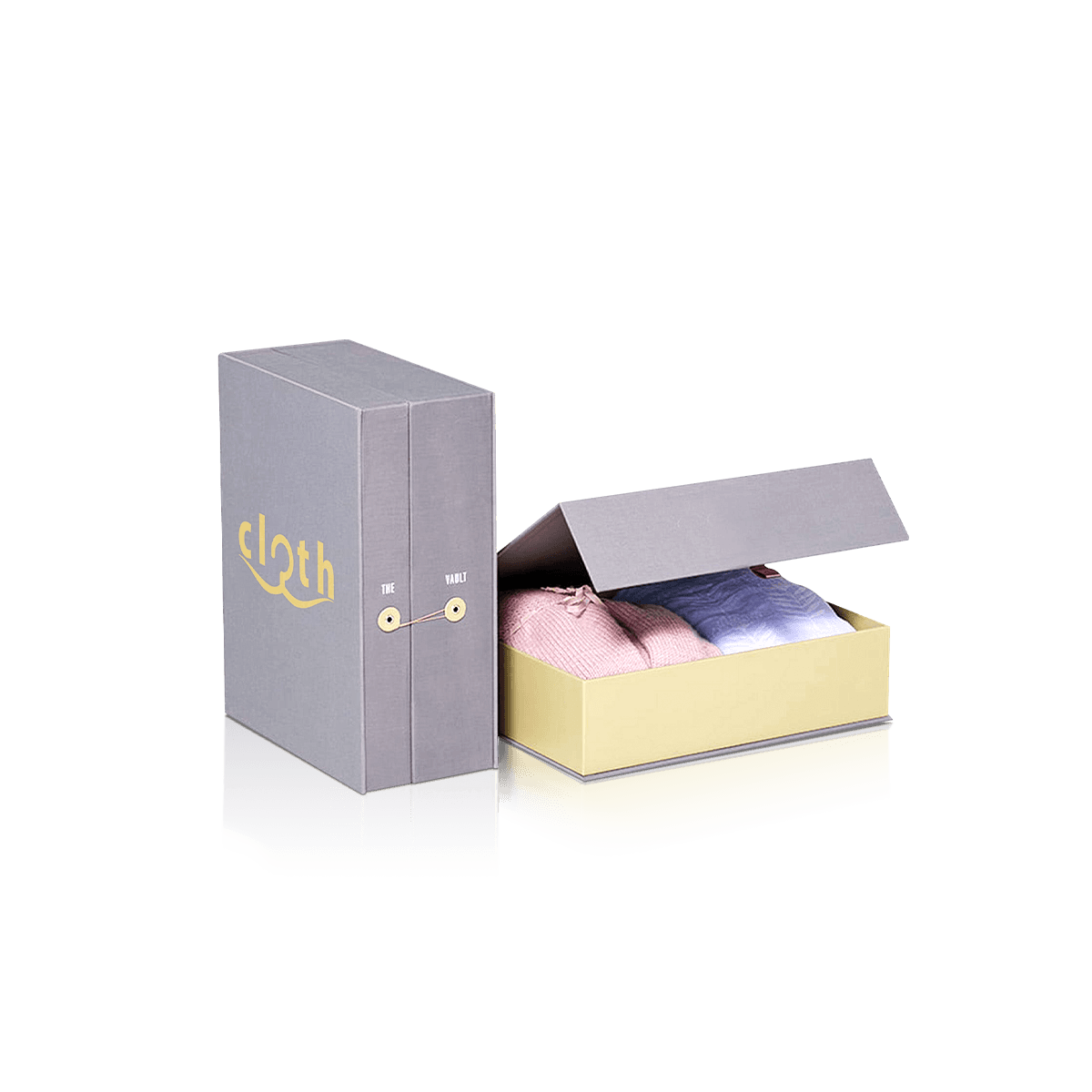
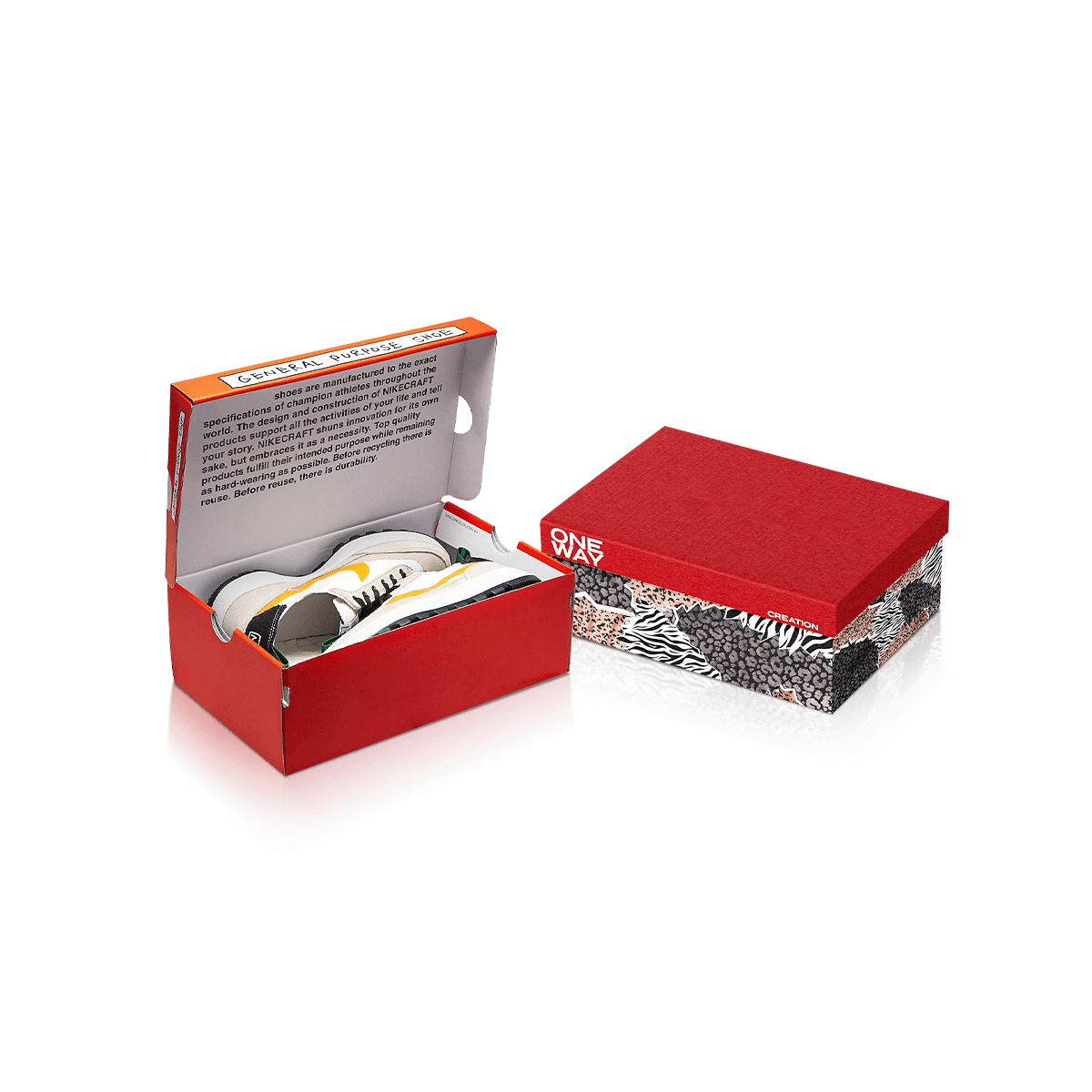
Group SKUs by Packed Volume

Measure apparel in the condition it will actually enter the box. A garment's flat dimensions before folding say very little about the packaging it needs.

The useful measurement is the finished pack after folding, tissue, tags, collar supports, bands or other components have been added.

Compression Changes Depth

Soft products are deceptive because they compress.

A lightweight cotton shirt may settle almost immediately. A fleece hoodie or thick knit can be pressed into a shallow space but rebound against the lid after packing. That can make a carton bow, make a rigid lid sit high or put pressure on surface decoration.

Do not determine depth by forcing the garment down with a ruler. Pack it normally, allow the fabric to settle and check how the box closes without constant pressure from underneath.

This matters even more when several units share a box. Two thin garments do not always create exactly twice the packed depth because folds, collars, seams and trapped air change the stack.

Hard Details Need Clearance

Buttons, buckles, zipper pulls, embroidered areas, collar stays and decorative hardware create local high points.

A box that looks correctly sized around the fabric may still press those points into the garment underneath or leave visible impressions on the lid. Small accessories packed with apparel can also move into places where they rub against softer fabric.

Use tissue, paper bands, shallow paperboard platforms or simple dividers where they solve a real movement problem. The purpose is controlled contact, not filling every empty area with packaging material.

Validate the Packed State

Fit testing belongs here, before artwork and production decisions become expensive.

Pack the real garment using the intended tissue, tags and accessories. Close the box as the packing team will close it. Stack several units. Open them again and inspect the folds, corners, lid and printed surfaces.

Free sample examples of previous work can help assess board and finish choices. When exact dimensions, opening action or interior fit need physical approval, a fully custom pre-production sample can be arranged as a paid sample.

Let Channel Duty Pick the Structure

An apparel box used at a boutique counter has a different job from one moving through a parcel network.

The product may be identical. The structural requirement is not.

Retail Favors Flat Efficiency

Light garments sold in stores often suit paperboard structures that arrive flat, erect quickly and give the brand clean printable surfaces.

Folding cartons make sense when the box primarily needs to organize the garment, carry branding and survive stockroom-to-counter handling without unnecessary structural weight.

A shallow carton can work well for shirts, scarves, lightweight knitwear and similar products. The decision should still account for panel span. A broad lid can flex even when the board feels stiff in a small sample.

Parcel Duty Changes the Box

A customer-facing carton does not automatically become a shipping container because the product inside is soft.

Direct-to-consumer orders still face stacking, conveyors, other parcels and surface abrasion. The garment may tolerate movement while the presentation box does not.

DTC orders that need one ship-ready box often move toward retail mailer boxes instead of a presentation carton plus outer shipper.

The split between store and parcel duty is easier to plan when the team treats retail versus ecommerce packaging as two operating jobs, not one artwork decision.

Premium Handoff Earns Rigid Walls

Premium apparel, limited launches and gift sets may justify a box that becomes part of the product presentation rather than disposable transit packaging.

Custom rigid boxes suit that role when stronger walls, a controlled lid or drawer movement and a more substantial hand feel matter more than flat storage.

Use that extra structure deliberately. Putting an everyday basic into a large setup box may add cost and storage volume without solving a customer problem.

Fewer Box Sizes Can Cover More SKUs

The goal is not one box per garment. It is also not one box for the entire fashion line.

A practical system usually sits between those extremes.

Suppose a brand sells lightweight tees, polos, scarves, sweatshirts and fleece hoodies. One deep carton might technically hold all five. In practice, tees and scarves would sit in too much empty space while fleece products could still press against the lid.

A cleaner approach is to group products by packed volume. A shallow specification might carry tees, polos and scarves using tissue or a paper band to handle small differences. A deeper specification can take sweatshirts and hoodies without forcing them flat.

The adjustment solves two problems at once. It avoids five one-off box specifications while preventing one oversized carton from becoming the default for every SKU.

Standardization stops being helpful when the empty volume becomes obvious, the garment needs heavy filler or a product must be compressed to make the shared size work.

Size and color variants do not automatically need different boxes either. If the folded volume stays close, one structure can often carry several apparel SKUs while labels, stickers or end-panel identifiers handle operational differences.

That is where assortment planning saves more complexity than endlessly redesigning the carton.

Control What Touches the Garment

Apparel does not usually need a heavy protective insert. It often needs lighter forms of restraint.

Tissue can keep folds together and prevent direct rubbing against printed interior surfaces. Paper belly bands can stop shirts, leggings and scarves from spreading after placement. A shallow platform can lift a thin item so it does not look lost in a deeper gift box.

Multi-piece sets require more thought. A belt buckle should not repeatedly strike fabric beside it. Jewelry or small accessories should not migrate underneath a folded garment. A care card should not curl into a visible crease.

Use the simplest component that maintains order.

A packaging layer added only to make the box feel fuller creates extra packing steps and more material for the customer to remove. A component that keeps a metal accessory from marking a garment has a clear job.

The opening sequence matters too. If staff must remove three decorative layers before reaching the product, that same sequence has to be repeated at the packing table for every unit.

Good apparel packaging stages the product without making packout theatrical.

Large Panels Punish Weak Artwork

Apparel boxes often have more uninterrupted print area than small product cartons. That space is valuable, but it makes print weaknesses easier to see.

Large blocks of dark color can show scuffing, fingerprints or small shade differences. Fine lines can disappear across textured stock. Artwork crossing creases can become visually uneven after folding.

A digital mockup may make a large logo look restrained because the box is being viewed on a small screen. On a full shirt-box lid, the same mark can dominate the entire surface.

Brand Color Needs a Print Plan

Use CMYK where full-color artwork, photography or several colors need to work together. Pantone spot colors can make sense when a specific brand shade requires tighter control.

For brand-color control across repeated runs, CMYK and Pantone printing can help set the right print expectation before artwork is locked.

Premium offset printing is especially useful when an apparel program needs clean graphics and consistent color across larger quantities or several coordinated box sizes.

Custom Packly also includes design and dieline support, and a free 3D mockup can be used to review artwork placement and proportions before production.

Keep Variable Data Off the Hero Panel

Size, color, style code, barcode and season often change faster than the main brand identity.

Putting every variable directly into the primary print file can multiply artwork versions quickly. Where the retail workflow allows it, keep the main lid or front panel consistent and place changing SKU data on an end label, sticker or designated operational panel.

If print execution becomes the primary job, Custom Printed Apparel Boxes should carry that work.

For a cross-product print system, custom printed boxes deserve separate color and artwork controls.

Finishes Need a Job

Matte, gloss, soft-touch, foil, embossing, debossing and spot UV can all work on fashion packaging, but stacking them together does not automatically create a better box.

Use foil to create controlled contrast. Emboss a mark when texture matters at handoff. Use soft-touch only after considering surface marking and handling.

Foil, embossing and spot UV work best when each packaging finish has one clear job in the visual hierarchy.

Price the Box Matrix, Not One Carton

Apparel packaging cost should be assessed across the box system rather than by asking which individual carton is cheapest.

A cheaper oversized carton can increase tissue use, consume more storage space and require an outer shipping box that is larger than necessary. A premium rigid structure may cost more per unit but make sense for a high-value gift set sold through a different channel.

Quantity changes the decision as well. For USA orders, Custom Packly's MOQ starts from 100 boxes, which gives smaller launches room to establish a specification without committing every future SKU to it.

The economics of a 100-box launch differ from a larger established run; custom printed box pricing changes with structure, dimensions, print coverage, finish and quantity.

A box-matrix quote should use the defined sizes and quantities together rather than pricing one carton in isolation.

Free shipping removes a separate freight charge from the packaging order, making the box matrix easier to compare at delivered cost.

Pricing is most meaningful after the team knows which garments share a box, which need another depth and which premium or DTC products require a different structure.

Storage Is Part of the Structure Choice

A fashion box occupies space before it ever holds a garment.

Folding cartons and many corrugated structures can arrive flat and be erected as needed. Setup rigid boxes arrive with their volume already established. A shallow box that looks modest on a desk can consume significant warehouse capacity once thousands of units are stacked.

That makes storage part of structure selection, not an afterthought.

For frequent everyday products, flat-packed construction may reduce the footprint around packing stations and reserve set-up packaging for higher-value lines. Premium apparel programs can still use rigid packaging, but the inventory plan should account for how much cubic space those boxes occupy between production and use.

Custom Packly can work as a full-service packaging partner when an apparel program needs several box sizes, warehousing and scheduled deliveries rather than one bulk release into a crowded stockroom.

Larger stable programs can move into bulk custom boxes when multiple sizes, stock levels and scheduled releases need coordination.

The operational question is simple: do not select a structure that creates a warehouse problem before the first garment is packed.

Make Seasonal Change Easy to Absorb

Fashion changes faster than many packaging specifications do.

A box printed heavily around one holiday, collaboration or short campaign can become dead stock as soon as that moment passes. Rebuilding the entire structural system for every launch can create the opposite problem: too many box sizes, too many print files and too much leftover inventory.

Keep long-lived elements in the base specification where possible. Dimensions, closure, board, primary logo placement and recurring interior layout can remain stable for products with similar packed volume.

Let faster-moving elements carry the seasonal change. A paper sleeve, end label, insert card, tissue print or campaign-specific sticker can update the presentation without forcing a new structural box for every drop.

That approach also leaves room for apparel brands to experiment. A new capsule can begin at a lower quantity, prove its box fit and artwork direction and then move into larger production without rebuilding the entire packaging system.

The strongest Custom Apparel Boxes are not the ones with the most decorative features. They are the ones that give a fashion line enough structure to stay consistent while leaving enough flexibility for new garments, new channels and the next season.

FAQs

Folded shirts, lightweight sweaters, intimates, scarves, uniforms and coordinated gift sets are strong fits because they benefit from a flatter pack style and cleaner presentation.

Apparel boxes are the better choice when shelf presentation, gifting or in-store handoff matters most. Mailer Apparel Boxes are the stronger option when the main job is direct shipping and fast fulfillment.

Yes, but most brands pair the apparel box with an outer shipper for transit protection. That keeps the inner presentation strong while the shipping layer handles courier wear.

Less empty space is usually better. Leave enough room for tissue, a card or a light insert, but keep the fit close enough that the garment stays aligned and does not slide around.

Yes. They can be set up for size stickers, collection labels, QR cards, return instructions, promotional inserts or barcode placement without crowding the garment.

Process

How it works

Your Packaging Journey, From Idea to Production and Delivery

01

Tell Us Your Specs

Custom packaging boxes

Tell Us Your Specs

Provide size, quantity, printing, and finishes.

02

Get a Fast Quote

Custom packaging boxes

Get a Fast Quote

Instant transparent pricing, no hidden fees.

03

Design and Approval

Custom packaging boxes

Design and Approval

Artwork checks, revisions, and final sign-off.

04

Produce

Custom packaging boxes

Produce

Expert manufacturing to meet deadlines.

05

Ship to Your Door

Custom packaging boxes

Ship to Your Door

Hassle-free, flexible delivery options.

Get Your Quote for Custom Apparel Boxes

Share your product details, size, quantity and artwork needs. We’ll help choose the right packaging style and send a clear quote.