Skip to content
Details

Custom T-Shirt Boxes

Standardize the fold, keep size and color variants easy to identify and pack single tees or bundles without wasting box depth.

One Fold Has to Work All Day

T-shirt packaging becomes an operational problem when the same garment is folded hundreds or thousands of times.

One employee folds a medium tee slightly narrower. Another leaves more length below the graphic. Heavyweight blanks sit higher than lightweight cotton. Oversized cuts create more fabric even when the printed size label looks familiar. By the end of the run, a box specified from one carefully folded sample may be too tight for some tees and unnecessarily loose around others.

Custom T-Shirt Boxes work best around a repeatable packed footprint rather than the garment's labeled size.

The basic rule is simple: establish the production fold first, then build the box around what the packing team can reproduce.

Shirt Size Is Not Box Size

A Small and XL tee can sometimes be folded to almost the same length and width. The difference often appears in fabric volume rather than footprint.

That means creating a new box merely because the garment size changes can multiply packaging SKUs without improving the pack.

Measure actual folded units across the size run. If the same folding method keeps length and width consistent while depth changes only slightly, one box may cover several clothing sizes.

If tees sit alongside hoodies, knitwear and other garment types, Apparel Boxes should handle the cross-garment box system.

The Folding Method Matters

A folding board or simple packing template can help staff produce the same rectangle repeatedly.

The fold should also respect the shirt artwork. A large screen print, embroidery patch or heavy decoration can become stiffer than the surrounding fabric. Folding directly through that area may change how the garment settles and can put the decoration at the highest point in the pack.

Test several actual tees rather than one blank sample. Include the lightest and heaviest fabric weights, the smallest and largest cuts and any decorated styles that behave differently after folding.

That validation belongs before the box dimensions are finalized.
Single Tees and Bundles Behave Differently

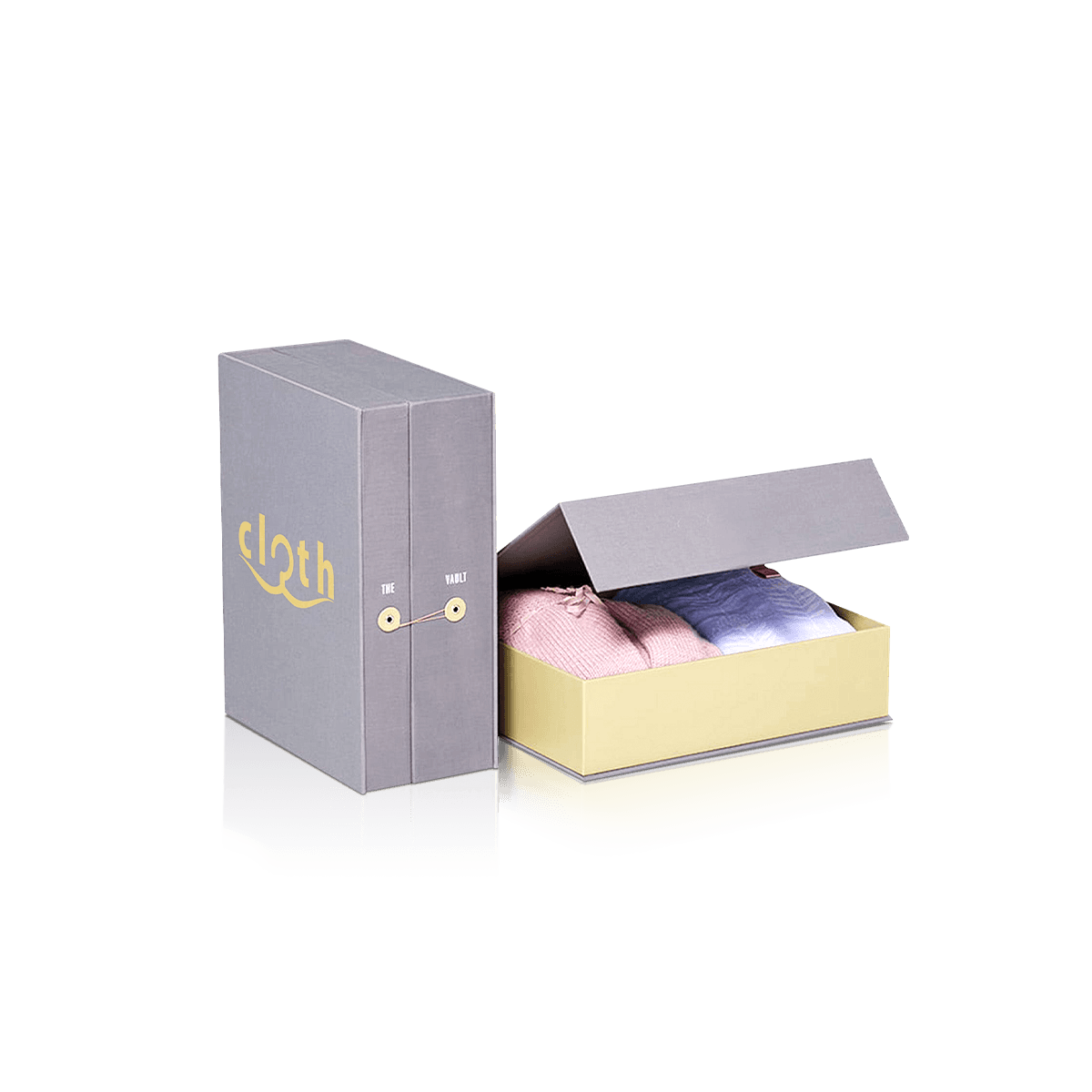
A one-shirt pack and a three-shirt bundle may share the same length and width without needing the same depth.

This is where T-shirt box programs often become unnecessarily complicated.

The first instinct is sometimes to create one deep carton that can hold every possible order. It works for bundles but leaves a single tee sitting at the bottom of an oversized cavity. Tissue or filler then gets added to make the pack look intentional.

The opposite approach creates another problem. A shallow box optimized around one lightweight tee may bow at the lid when two heavyweight shirts are packed together.

Keep the Footprint, Change the Depth

A cleaner system can use the same folded footprint with two depths.

A shallow version can handle single tees and lighter two-piece packs. A deeper version can handle heavyweight shirts, larger bundles or tees packed with substantial extras.

Keeping length and width consistent can simplify artwork proportions, stacking and packing-station setup while giving the garment enough vertical room.

A streetwear line, for example, might sell lightweight logo tees alongside heavyweight oversized blanks. Both can use the same folding template, but the heavier fabric produces a taller packed stack. Changing only the box depth avoids forcing the lightweight shirt into a cavernous carton or compressing the heavier one.

Do Not Use Tissue as Structural Filler

Tissue is useful for presentation and light restraint. It should not compensate for a box that is much too deep.

Excess tissue adds packing actions and can hide the shirt rather than frame it. A paper band can often hold a single tee more cleanly when slight movement is the only problem.

Multi-packs may need a separator when graphics, transfers or embellishments should not rub directly against each other. The component should solve that exact contact problem rather than simply make the interior look fuller.

If a pack starts combining tees with trousers, accessories or several garment types, Clothing Boxes can handle the more complex internal packing sequence.

End Panels Should Work Hard

T-shirt inventory changes quickly across size, color, design and fit.

The decorative lid may attract attention, but the end panel often does more operational work.

Boxes stored in rows or stacks should let staff identify the correct unit without opening lids or moving several cartons. A designated end-panel zone can carry size, color, style code, barcode or another SKU identifier while leaving the main branded surface cleaner.

This becomes especially important for merch tables, pop-up stores, stockrooms and fulfillment shelves where several nearly identical boxes sit beside one another.

Separate Fixed and Variable Print

Keep long-lived branding separate from fast-changing SKU data where the workflow allows it.

The logo, core graphics and structural artwork may stay constant across the run. Size or color can then change through an end label, sticker or designated variable area.

Printing every size and color combination as a completely separate artwork file can create unnecessary version control. The problem gets worse when a collection carries multiple graphics across several shirt colors and sizes.

If print execution itself becomes the central requirement, Custom Printed Apparel Boxes can focus on color control, campaign graphics and coordinated branded runs.

Make Labels Readable While Stacked

Think about the orientation in storage before choosing the label position.

A size sticker placed beautifully on the underside may be useless when twenty boxes are stacked on a retail shelf. A readable end panel lets staff pull Medium Black or XL White without disturbing the pile.

That small decision can matter more during daily use than an extra decorative finish.

The Handoff Determines the Structure

A tee sold from a store shelf, handed across a merch table and shipped through a parcel network does not ask the box to do the same job.

The garment itself may be soft and forgiving. The printed box is not.

Paperboard Suits Controlled Handling

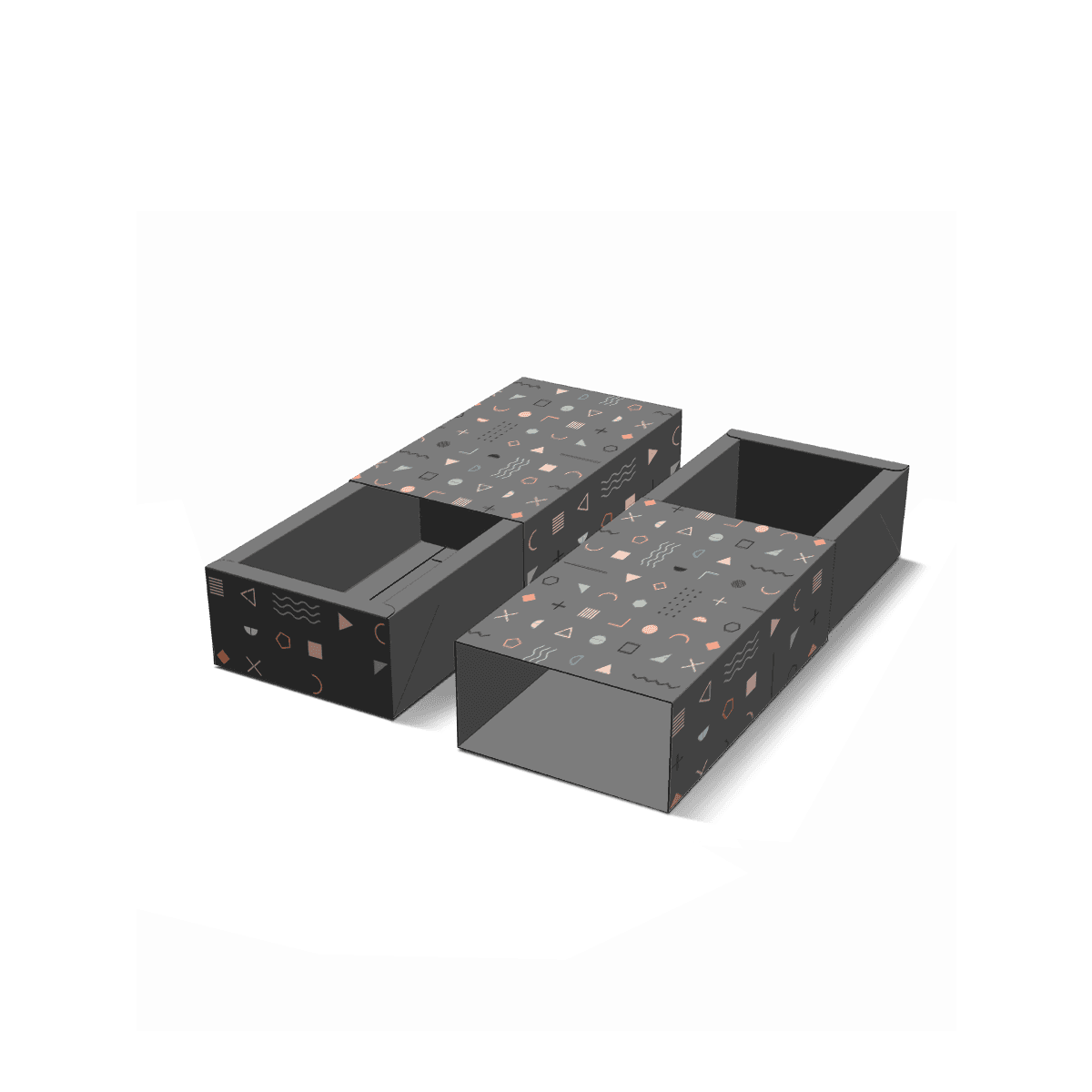
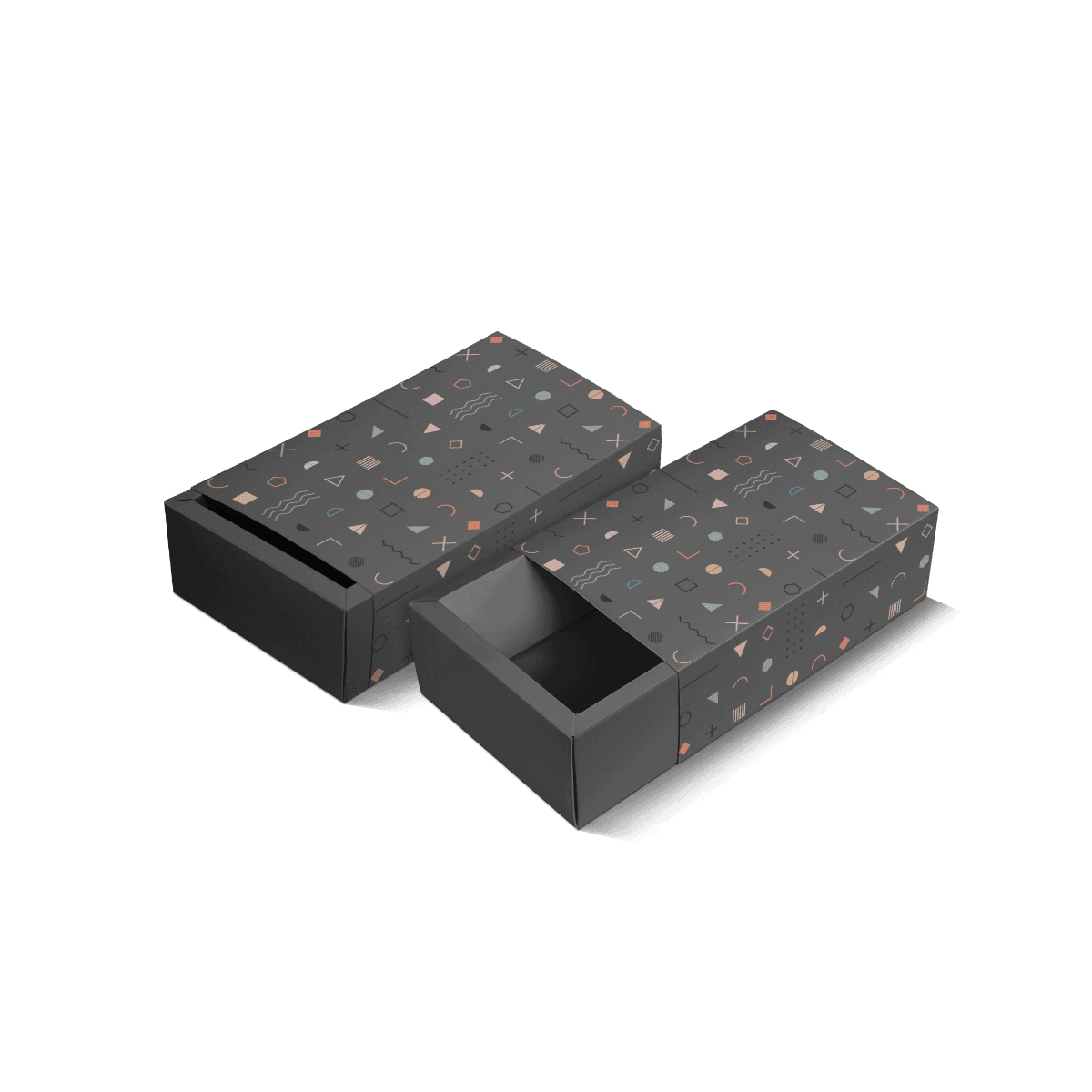
SBS or other paperboard cartons work well when the tee needs a light, printable presentation box for retail, gifting, events or pickup.

A shallow carton can arrive flat, take little storage space before assembly and give the brand large clean print panels.

Panel span still matters. T-shirt boxes are often broad and shallow. A board that feels stiff on a small cosmetic carton can flex more noticeably across a large shirt-sized lid.

Folding Cartons suit lightweight retail packs where print area and flat storage matter more than parcel strength.

Direct Shipping Needs More Structure

A presentation carton should not be expected to become a shipping box merely because a T-shirt is hard to damage.

Parcel handling can crush corners, mark printed surfaces and distort broad panels even while the fabric remains unharmed.

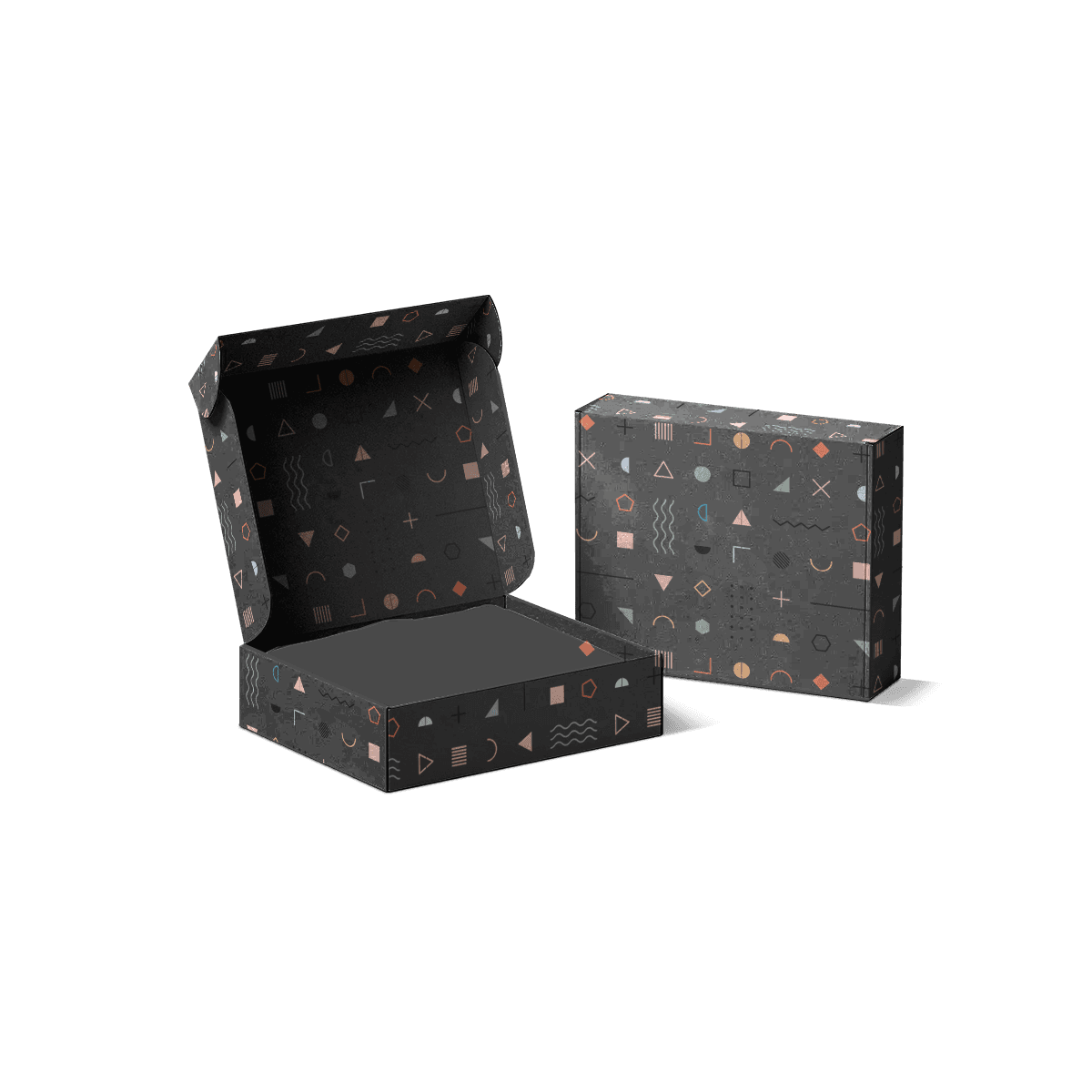
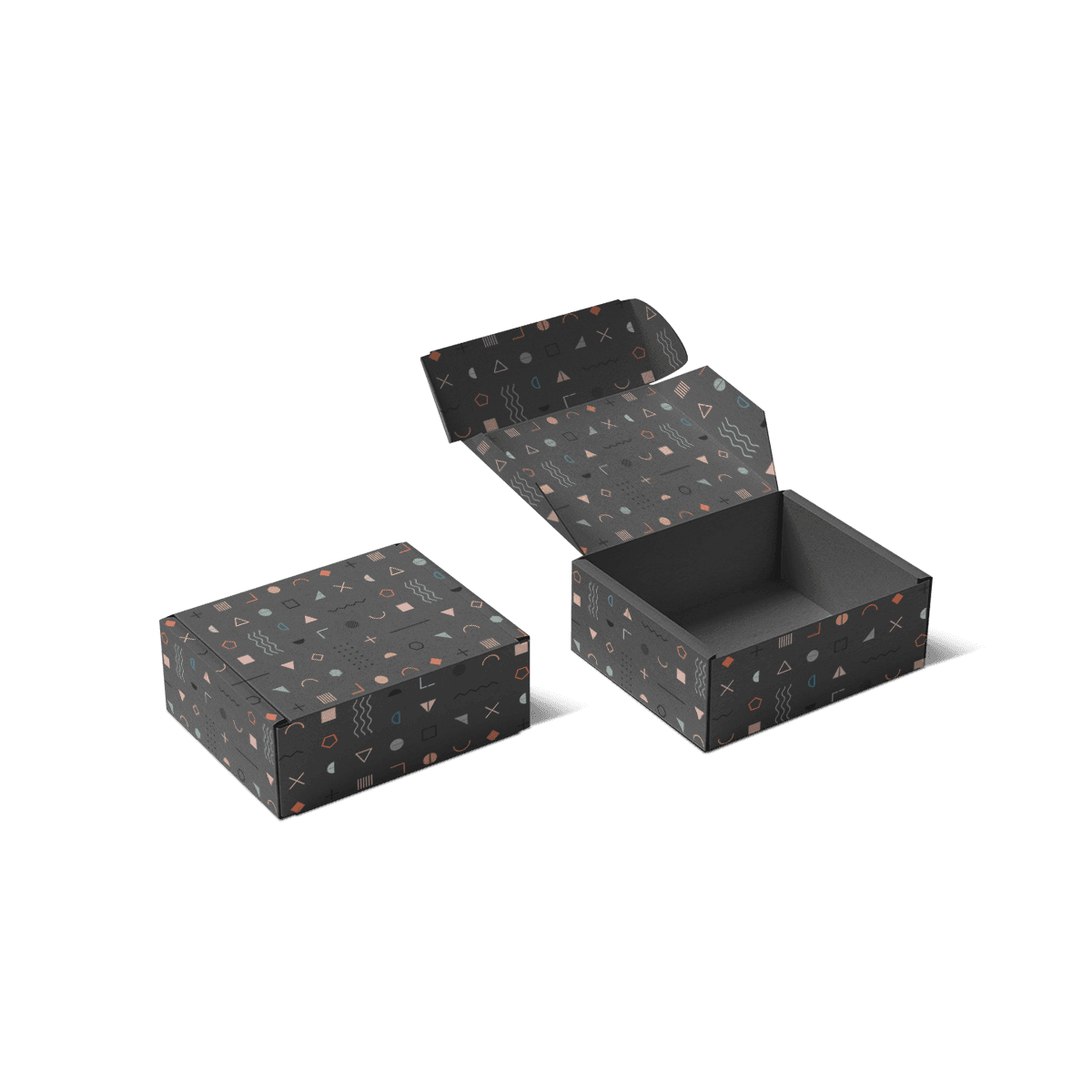
Brands that want one box to leave the packing station and travel directly to the customer can move toward corrugated construction.

Mailer Apparel Boxes make more sense when the tee pack itself must handle DTC shipping.

The choice also changes when store and online orders use different routes. Treating retail and ecommerce packaging as different operating jobs can prevent a lightweight retail box from being overbuilt for every order.

Rigid Boxes Belong to Specific Drops

A premium collaboration, commemorative tee or high-value gift pack may justify rigid board.

That does not mean every T-shirt needs a setup box.

The extra weight, storage volume and cost earn their place when the packaging is part of the product proposition, such as a numbered release, collector pack or presentation-led gift.

For everyday tees, structure should stay proportional to the product and sales channel.

Let the Shirt Artwork Lead the Reveal

Graphic tees create a packaging problem that plain garments do not: the artwork on the product may already be the strongest visual element.

The box should frame that graphic rather than compete with it.

If the shirt carries bold illustration or typography, dense graphics on every packaging panel can create visual noise when the lid opens. A calmer exterior with a stronger interior accent may create a clearer sequence.

The closed pack introduces the brand. The opening reveals the shirt. Those two moments do not need identical visual intensity.

Map Artwork to the Real Dieline

Large T-shirt boxes have broad panels, folds and glue areas that change how artwork reads after assembly.

Logos should not drift uncomfortably close to a lid edge because the flat design was judged without the assembled form. Interior messages need to land where they remain visible after tissue and the folded tee are added.

The Dieline Generator can support artwork planning once the dimensions and compatible structure are established.

Custom Packly also includes dieline and design support, plus free 3D mockups before production. A mockup is especially helpful for checking the scale of large lid graphics before committing them to a shirt-sized panel.

Use Color Control Where It Matters

Fashion brands often repeat the same identity across garments, labels, bags and boxes. A brand color that shifts noticeably on the packaging can make the set feel disconnected.

CMYK works well for multi-color artwork and imagery. Pantone may suit a specific spot color that needs tighter control.

Premium offset printing can support cleaner reproduction across branded T-shirt programs, especially when several box sizes or versions must sit together.

Board shade and coating still affect the final appearance. A bright color printed on white stock will not necessarily look identical on natural kraft.

Remove Packing Steps Before Volume Exposes Them

A packing routine that feels manageable for 150 launch orders can become tedious at several thousand.

T-shirt packs are especially vulnerable because brands often add inexpensive presentation pieces one at a time: tissue, sticker, belly band, thank-you card, promotional insert and sometimes another outer label.

None seems burdensome alone. Together they create a repetitive manual process.

Count what the packer physically does.

If the box requires erection, tissue folding, shirt positioning, sticker sealing, card placement and several label checks, decide which actions genuinely improve the customer experience.

At higher volume, packaging scale problems often show up first through extra packing labor and unnecessary package volume.

A better T-shirt box may remove a decorative component rather than add another one.

For example, printing a short message inside the lid can replace a loose card when the card carries no variable customer data. An end-panel print zone can reduce ad hoc labeling. A correctly sized shallow carton can reduce the amount of tissue needed merely to occupy space.

The objective is a box that staff can pack correctly without turning every tee order into a craft project.

Merch Drops Need Controlled Versioning

T-shirt businesses often change graphics faster than they change the physical product.

Tour merchandise, team apparel, creator drops, seasonal designs and limited releases may all use similar blanks and the same folded dimensions while carrying completely different artwork.

That creates a useful opportunity: keep the physical box specification stable when the tee footprint is stable, then change the print treatment only where the release requires it.

A master structural dieline can therefore support several campaigns without treating every new shirt graphic as a new packaging-engineering project.

Custom Packly's USA MOQ starts from 100 boxes, which can suit a smaller merch release before the program moves into larger quantities.

When a release has a fixed date, standard turnaround is 4–6 days after final artwork and specifications are approved. Complex structures, specialty materials or advanced finishes may require additional time.

Design Backward From the Merch Table

A good T-shirt box should still make sense when dozens of units are stacked in front of a customer.

Picture the finished selling environment before approving the packaging.

Can staff read sizes from the exposed edge? Can boxes stack without the lids sliding? Does the main branding stay correctly oriented when the units are arranged in rows? Can a customer carry one box comfortably after purchase? Can stock be replenished without opening cartons to find the right color?

For event merchandise, the packaging may move from backstock to sales table to customer handoff in minutes. For a boutique, it may remain stacked much longer. For ecommerce, the same visual pack may never appear on a retail fixture at all.

Those differences should influence the T-shirt box without turning one tee into an unnecessarily complicated package.

The strongest Custom T-Shirt Boxes make a repetitive product easier to fold, identify, pack, stack and hand over. When those tasks work cleanly, branding has a better surface to work on and the box stops being decoration around a shirt. It becomes part of how the T-shirt operation runs.

FAQs

Because a closer fold fit keeps the shirt flatter and reduces movement. Too much depth makes the pack look loose and usually adds unnecessary filler.

T-Shirt Boxes are better when fold consistency shelf-style presentation and size labeling matter most. Mailer Apparel Boxes fit broader apparel shipments more naturally when the order mix changes often.

End panels usually work best because staff can read size color and SKU details while the boxes stay stacked in rows.

Yes when the order includes extras like stickers thank-you cards patches or a second folded item. A simple insert keeps those pieces from sliding onto the garment face.

Paperboard is often enough for retail and giveaway programs, while corrugated stock is the stronger option for e-commerce fulfillment and repeated handling.

Process

How it works

Your Packaging Journey, From Idea to Production and Delivery

01

Tell Us Your Specs

Custom packaging boxes

Tell Us Your Specs

Provide size, quantity, printing, and finishes.

02

Get a Fast Quote

Custom packaging boxes

Get a Fast Quote

Instant transparent pricing, no hidden fees.

03

Design and Approval

Custom packaging boxes

Design and Approval

Artwork checks, revisions, and final sign-off.

04

Produce

Custom packaging boxes

Produce

Expert manufacturing to meet deadlines.

05

Ship to Your Door

Custom packaging boxes

Ship to Your Door

Hassle-free, flexible delivery options.

Get Your Quote for Custom T-Shirt Boxes

Share your product details, size, quantity and artwork needs. We’ll help choose the right packaging style and send a clear quote.