Custom Rigid Boxes
Build the box from the opening and insert outward, so board, wrap, finishes and storage all serve the product.
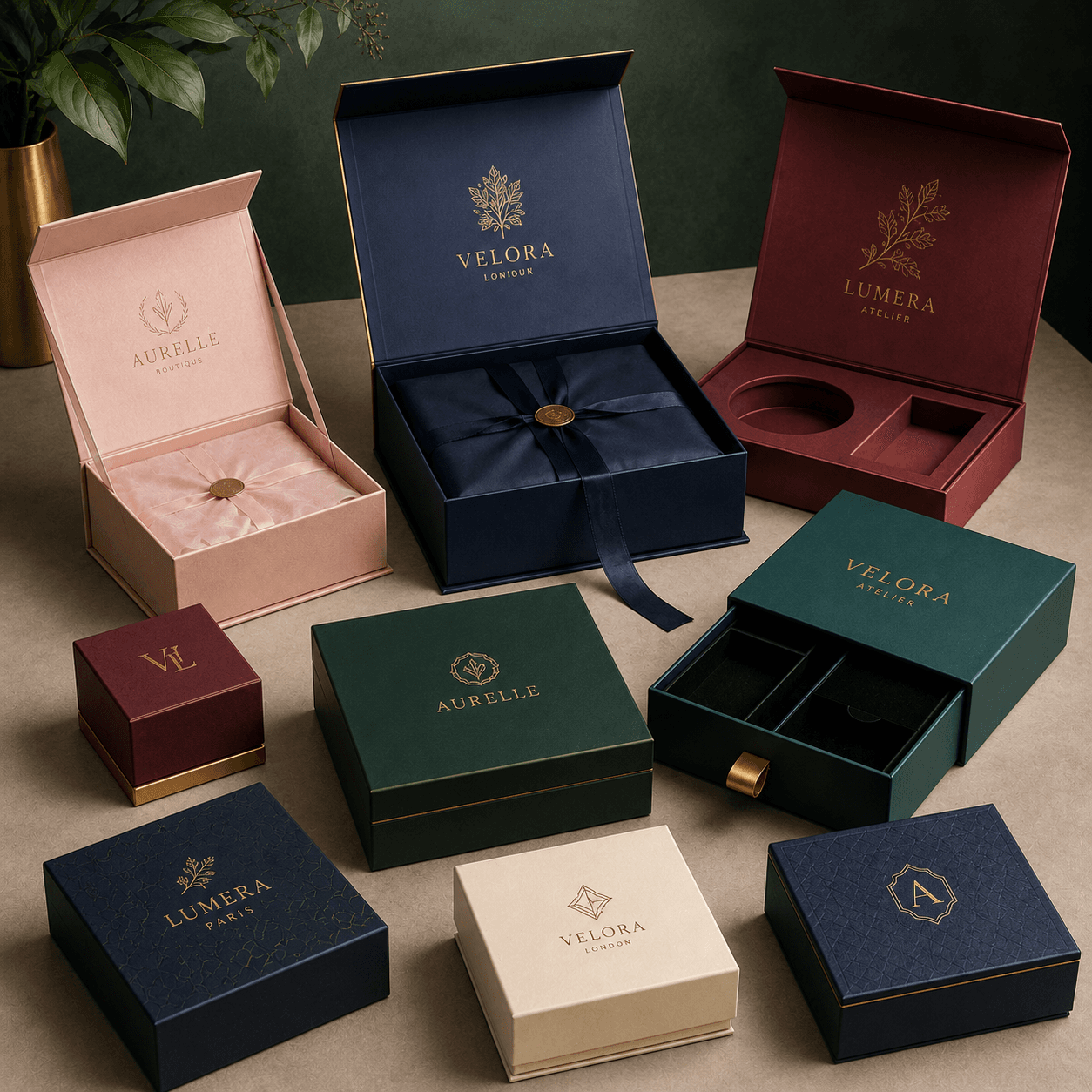
Rigid Boxes options
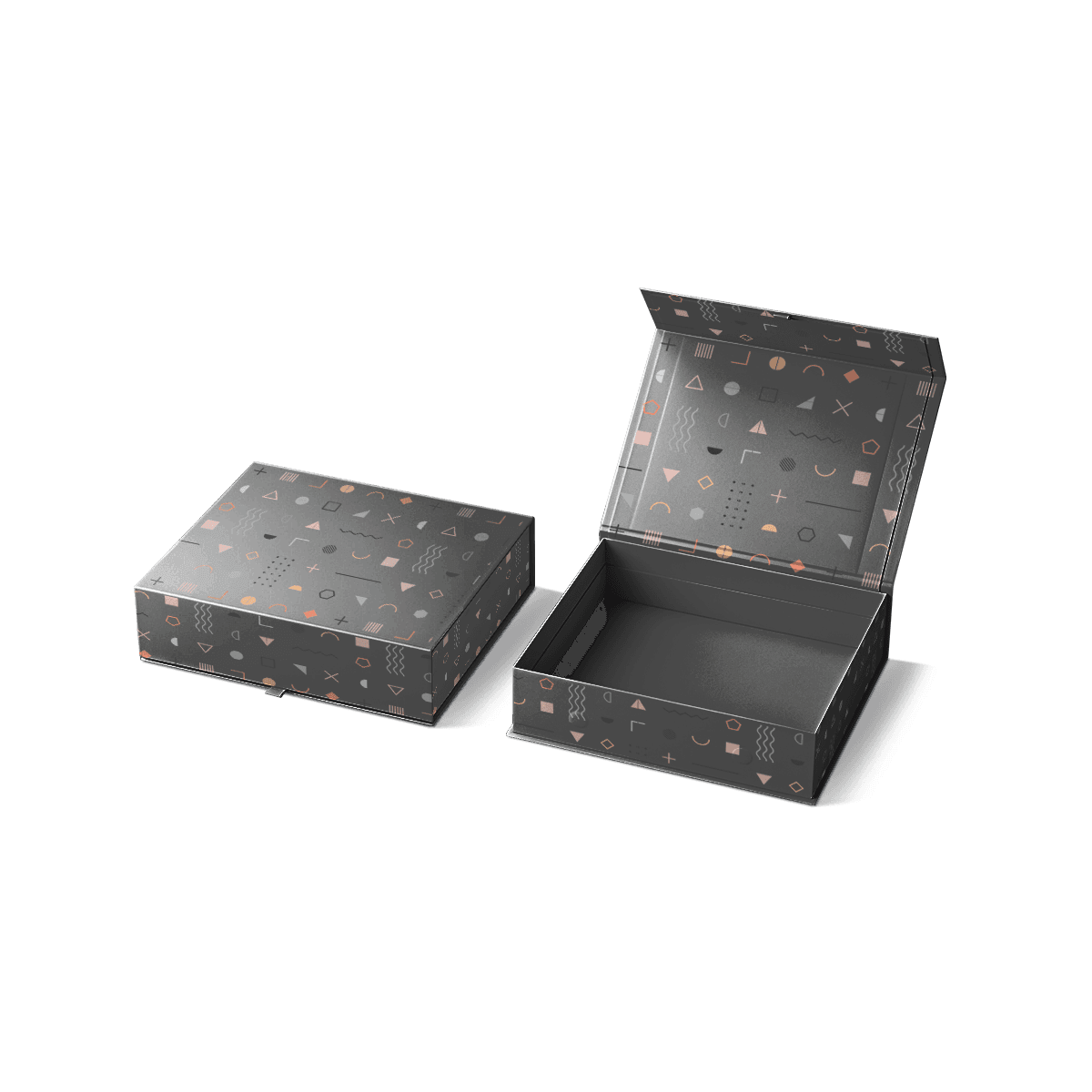
Magnetic Closure Rigid Boxes
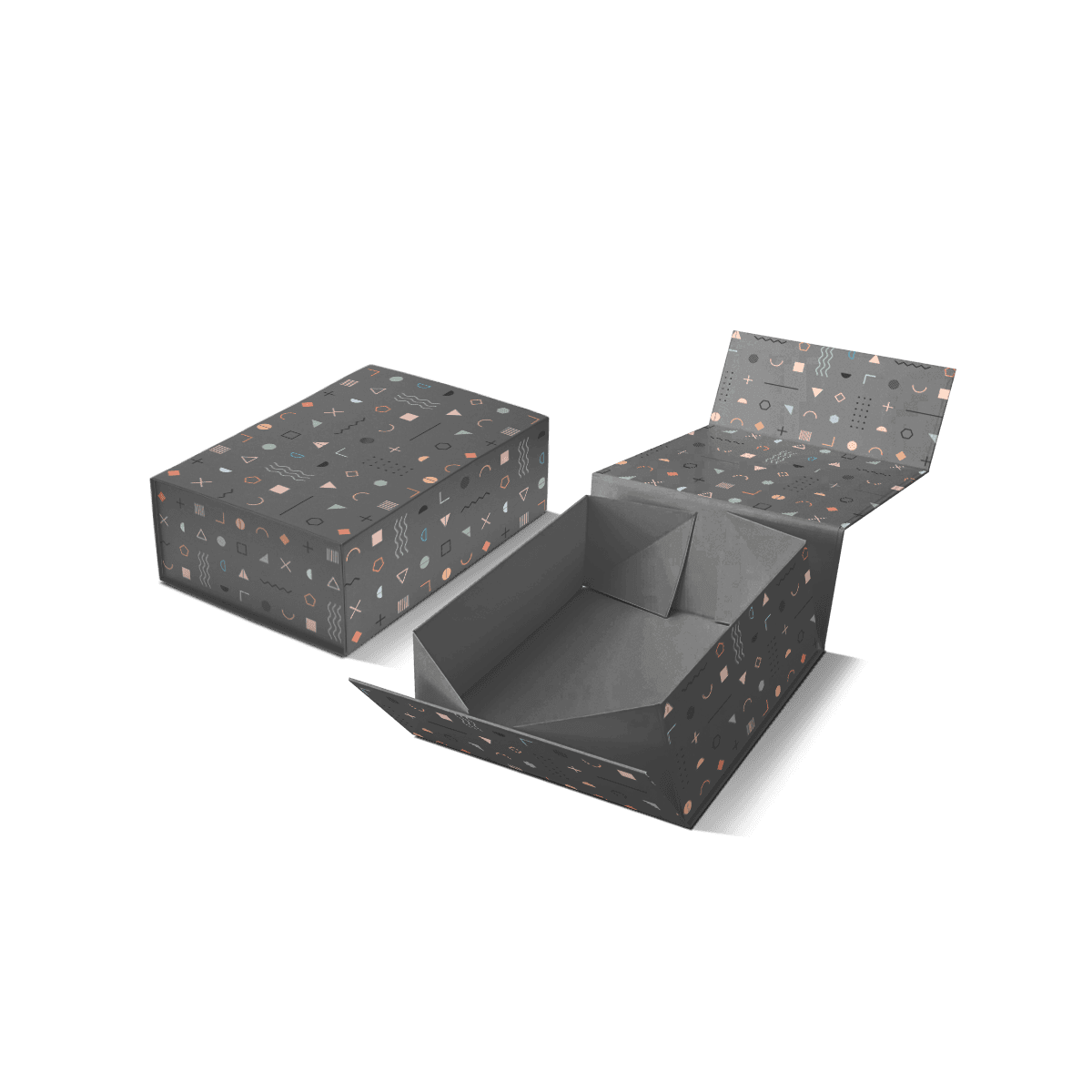
Collapsible Rigid Boxes
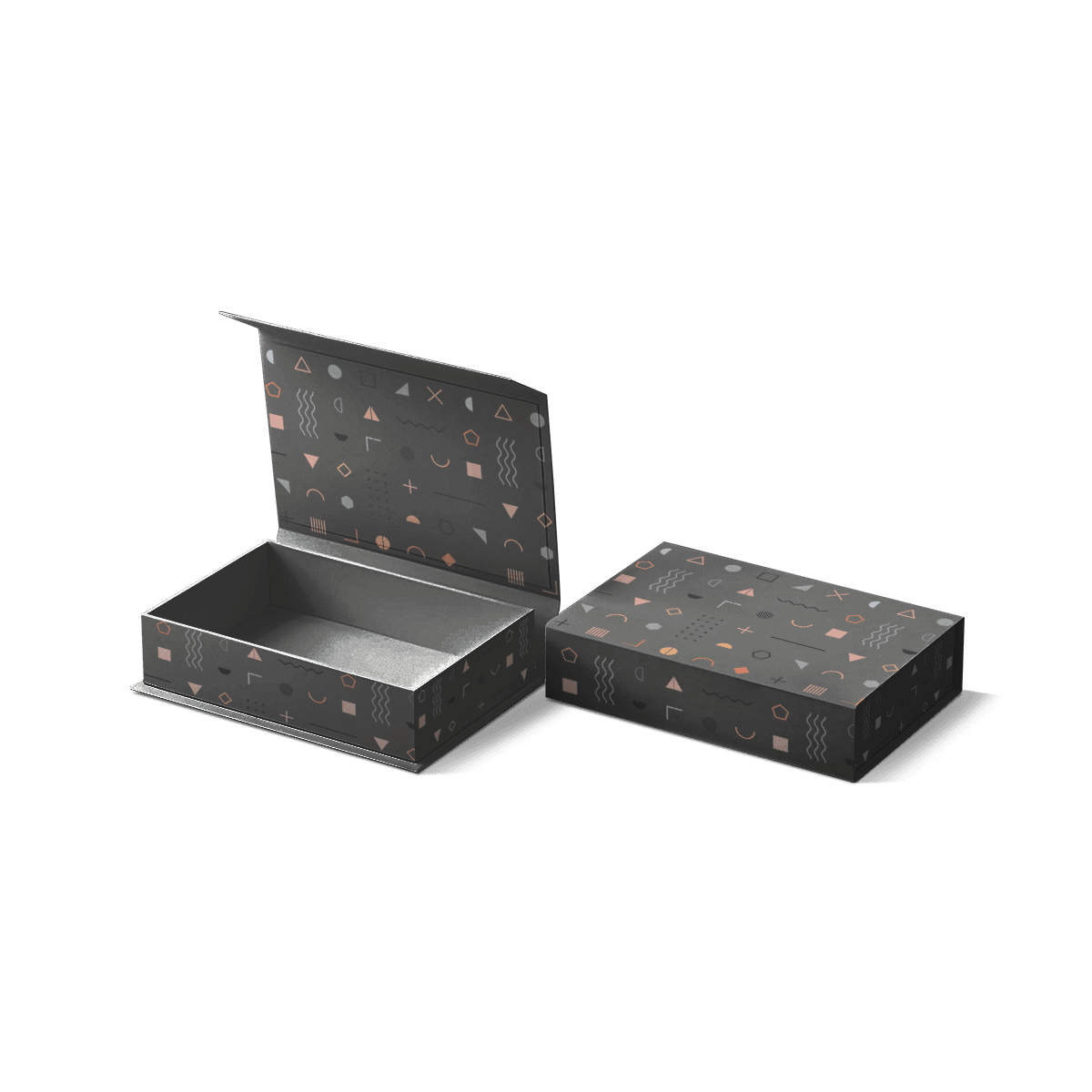
Flip-Top Rigid Boxes
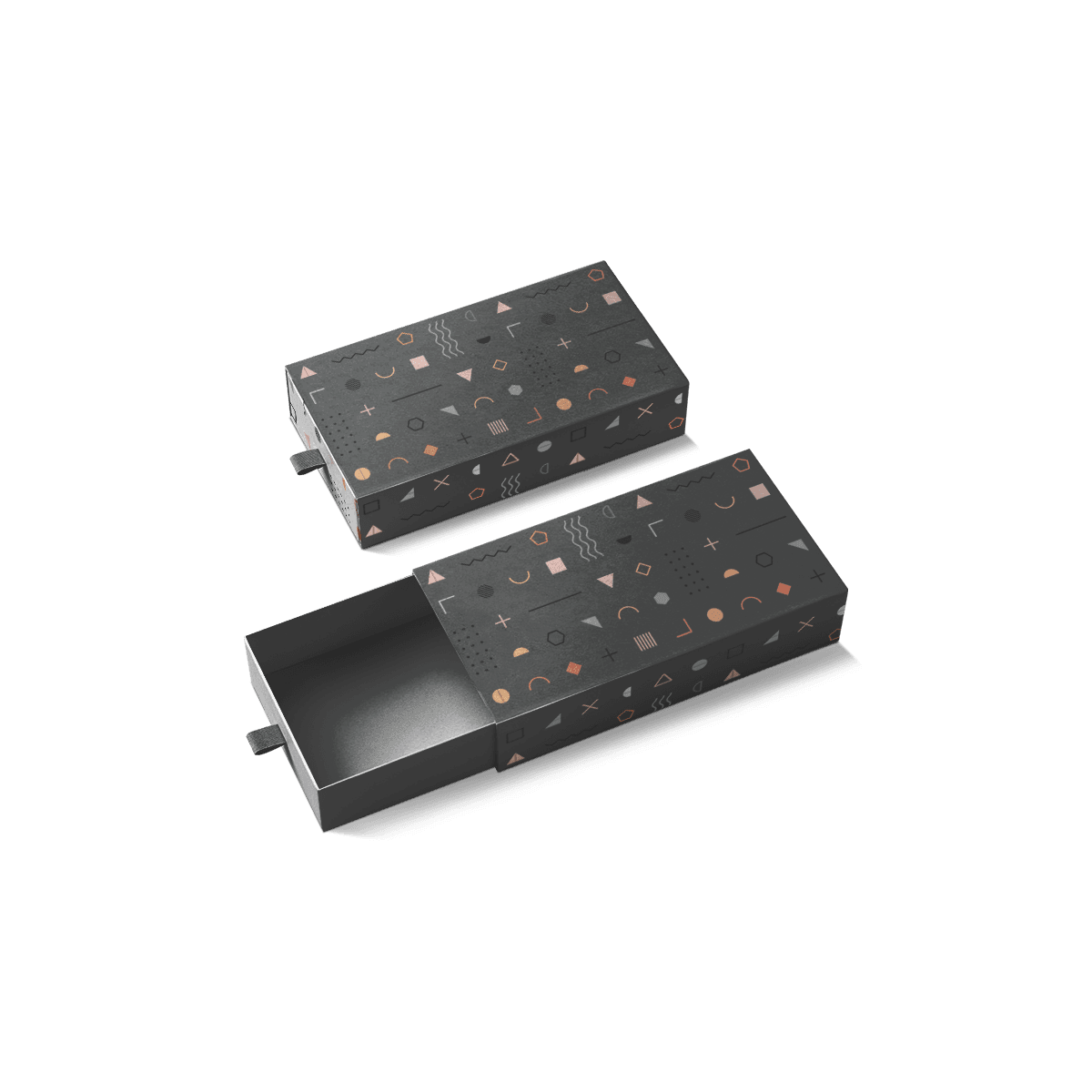
Drawer-Style Rigid Boxes
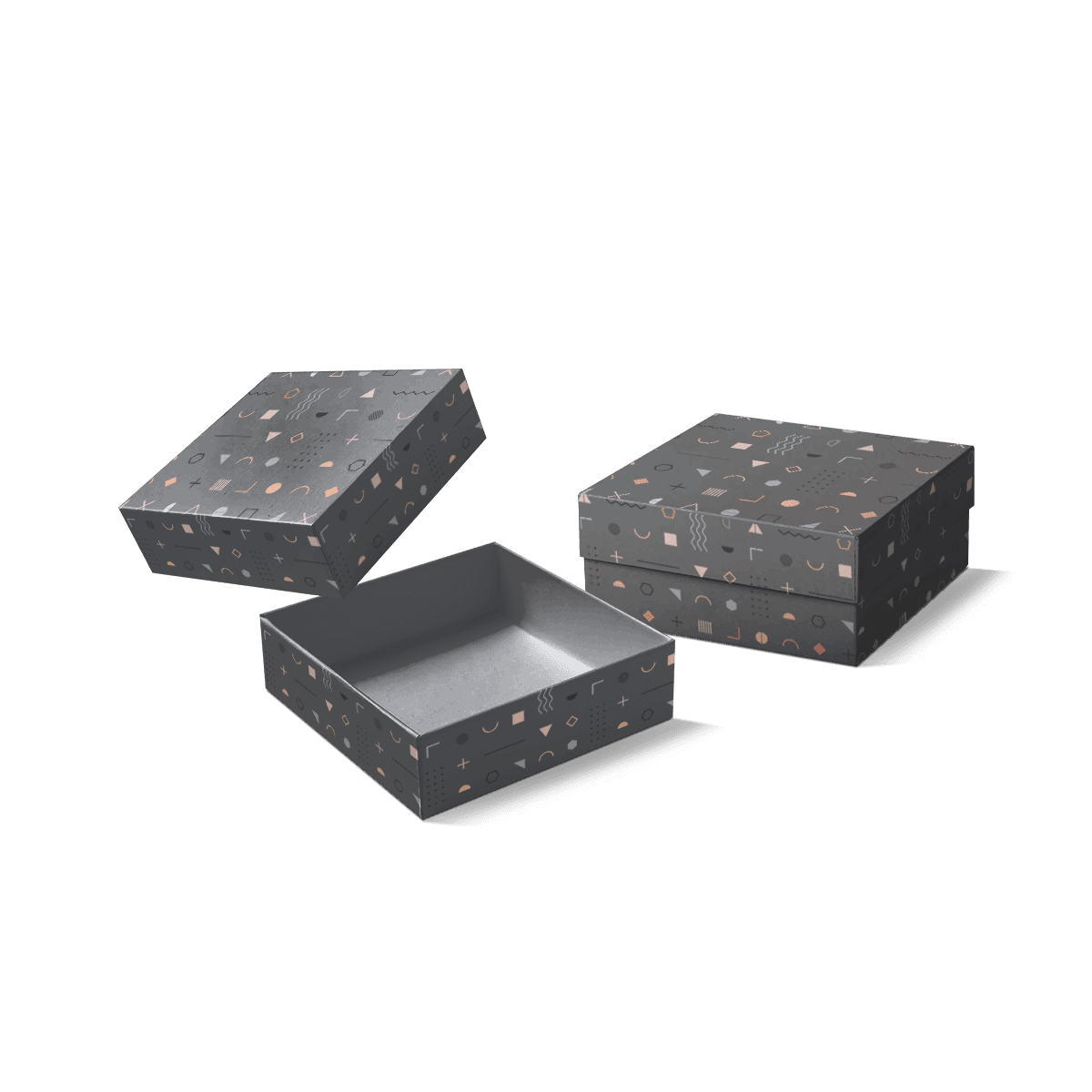
Telescopic Rigid Boxes
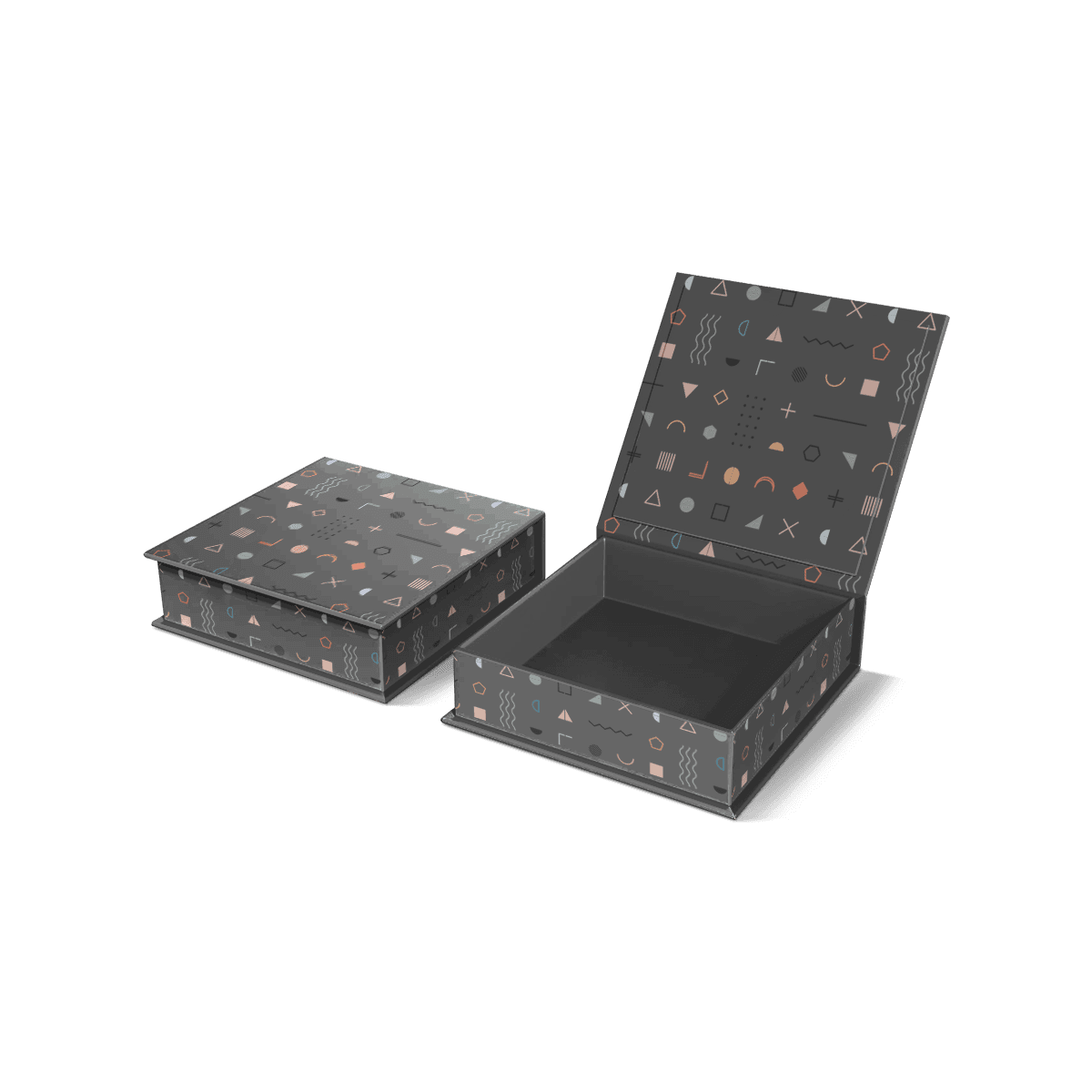
Book-Style Rigid Boxes
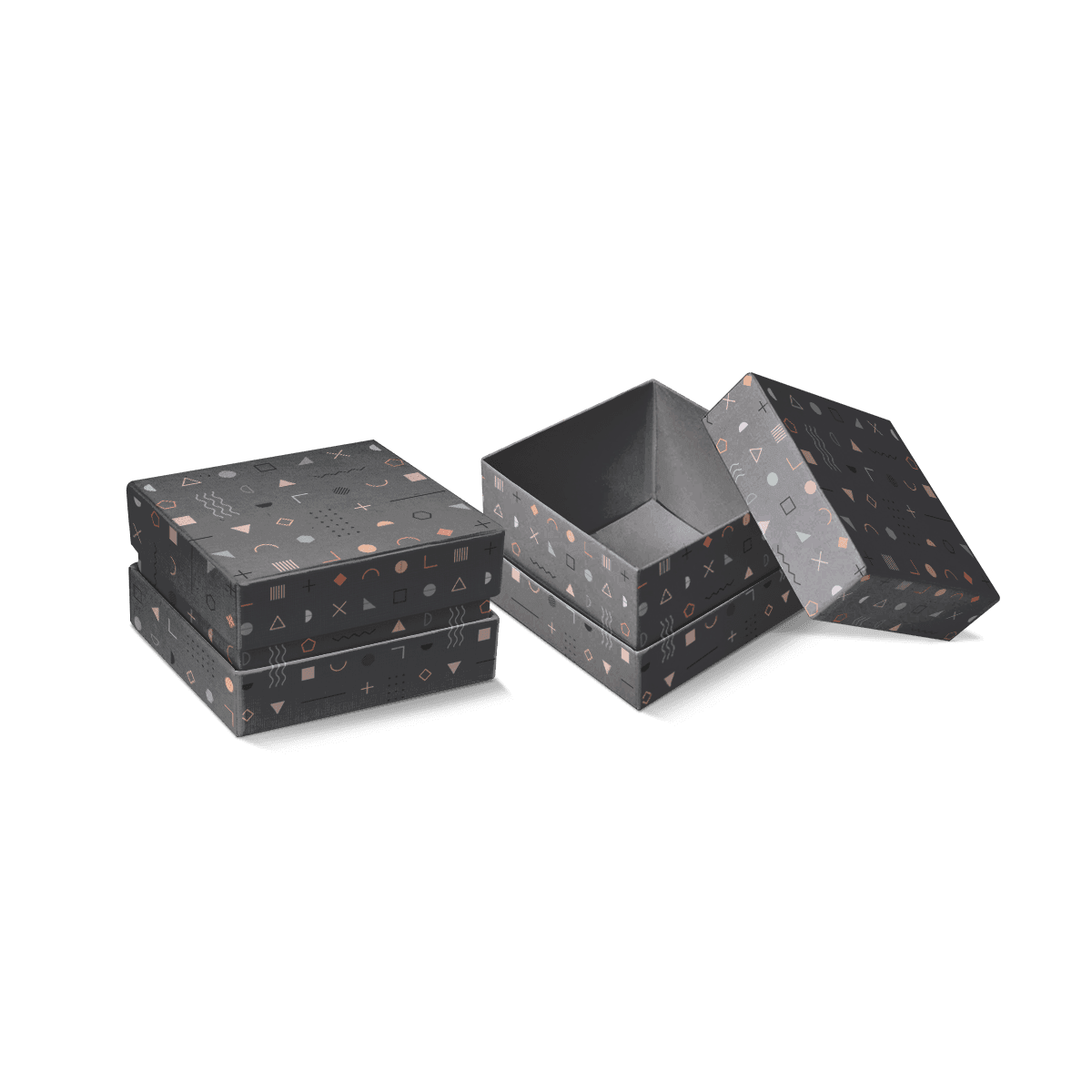
Shoulder Neck Rigid Boxes
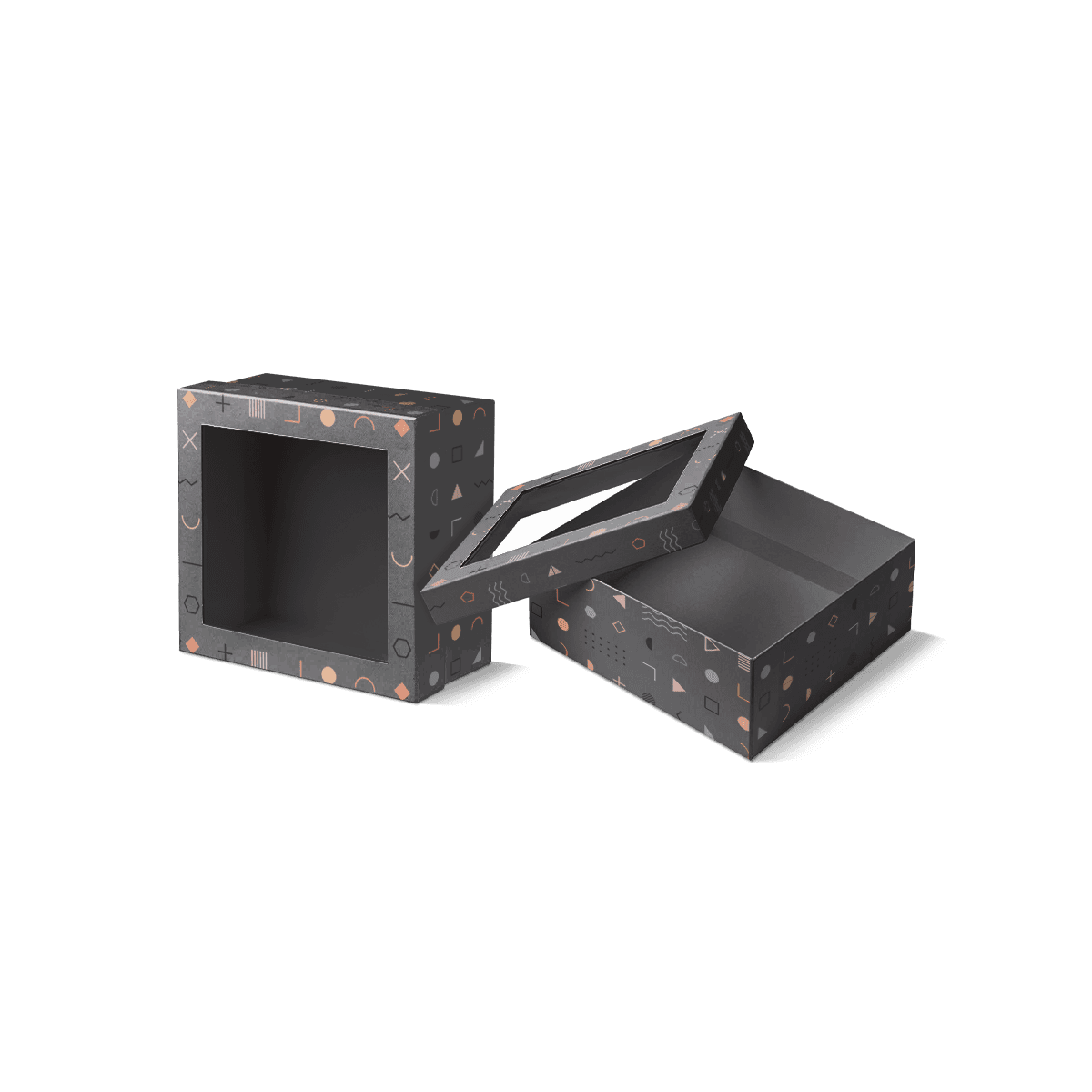
Partial Finish Rigid Boxes
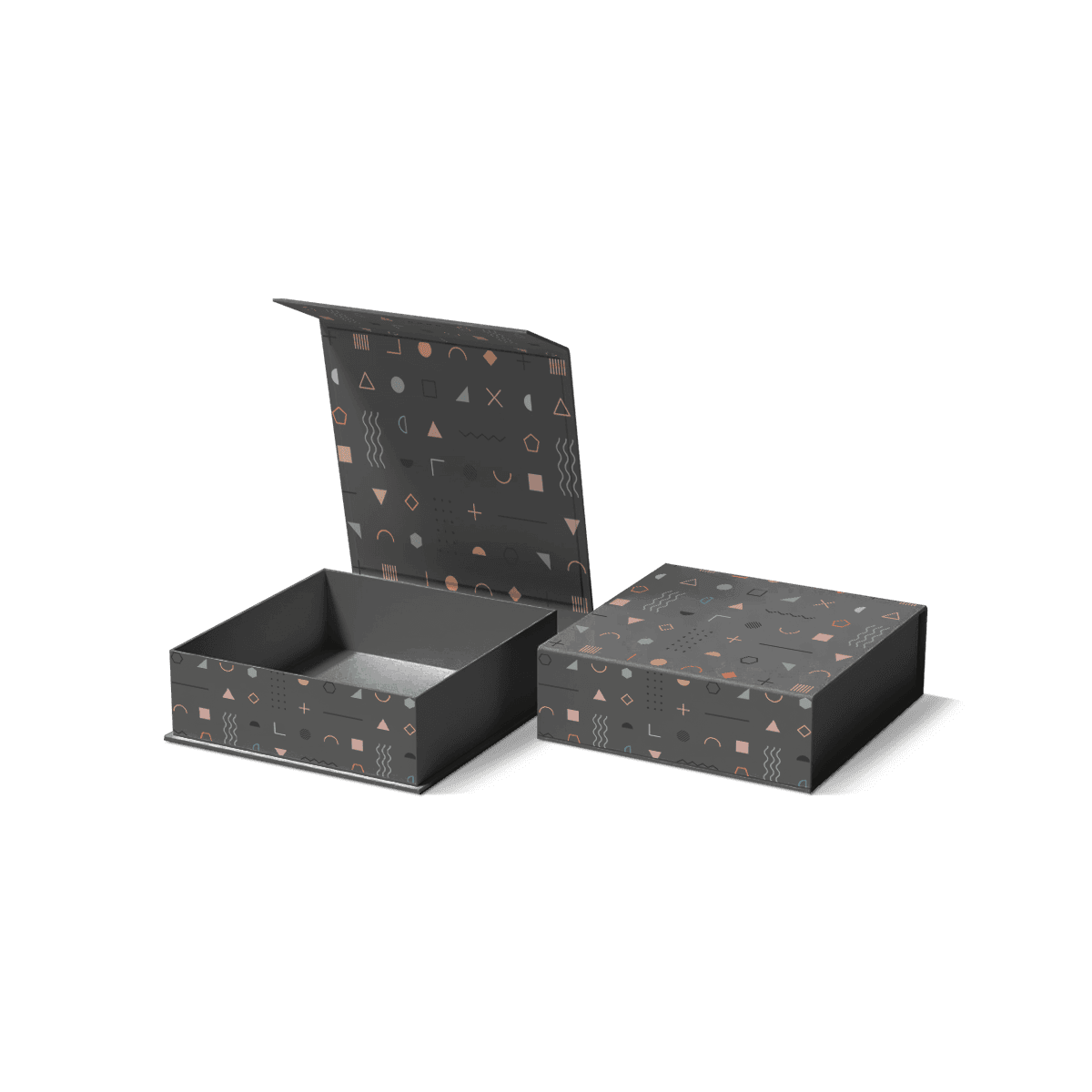
Full Finish Rigid Boxes
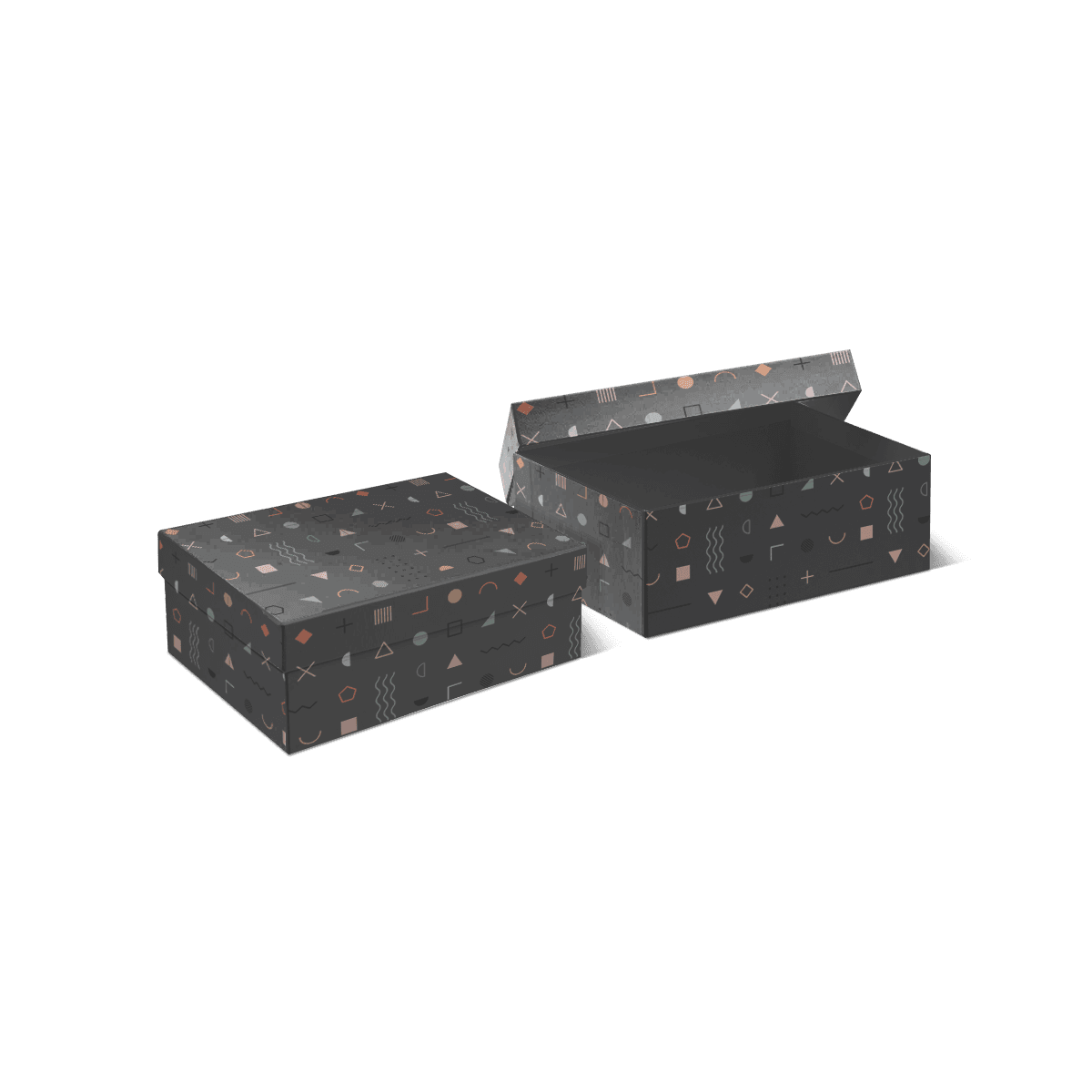
Shoe-Box Style Rigid Boxes
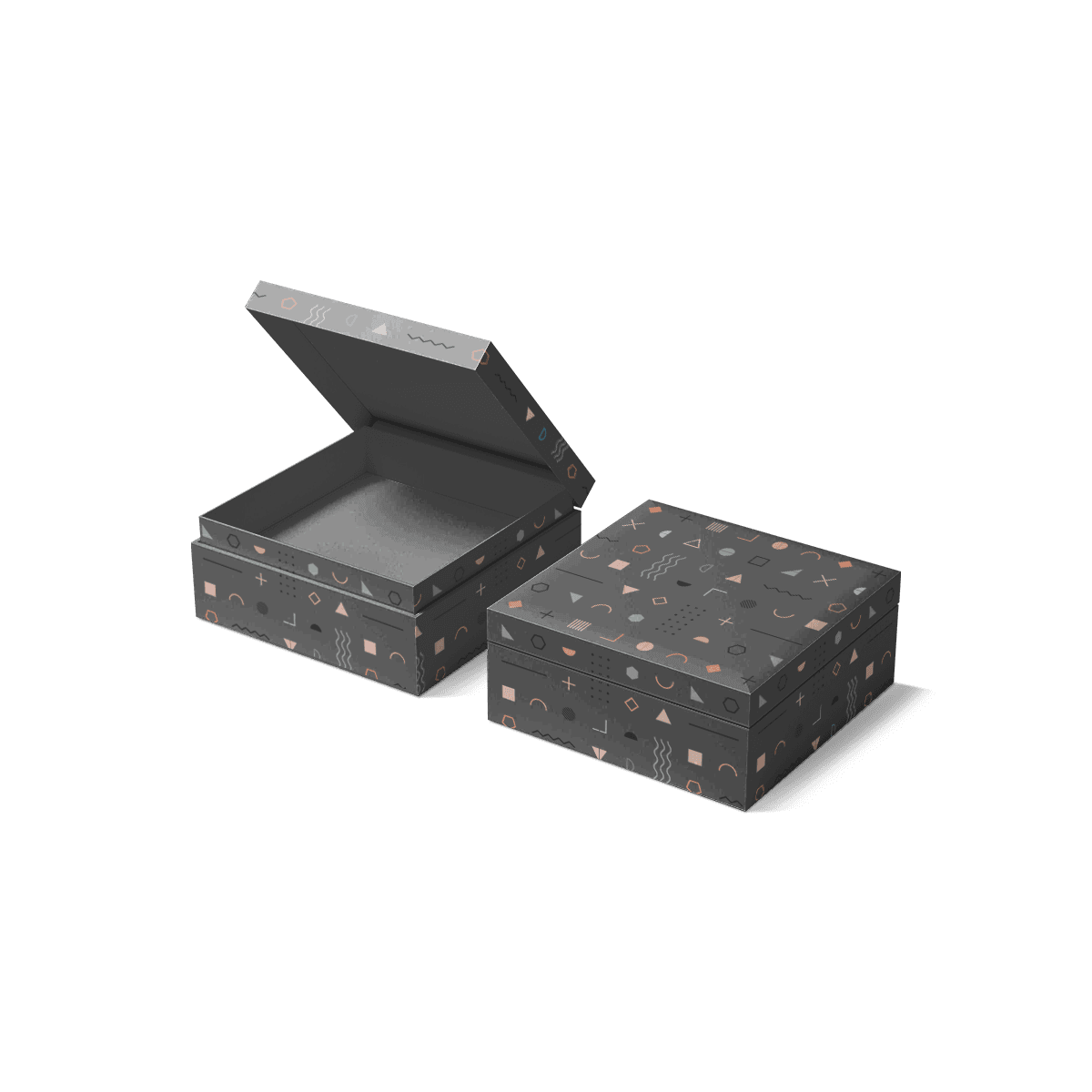
Raphe Rigid Boxes

Flap Open Magnetic Rigid Boxes
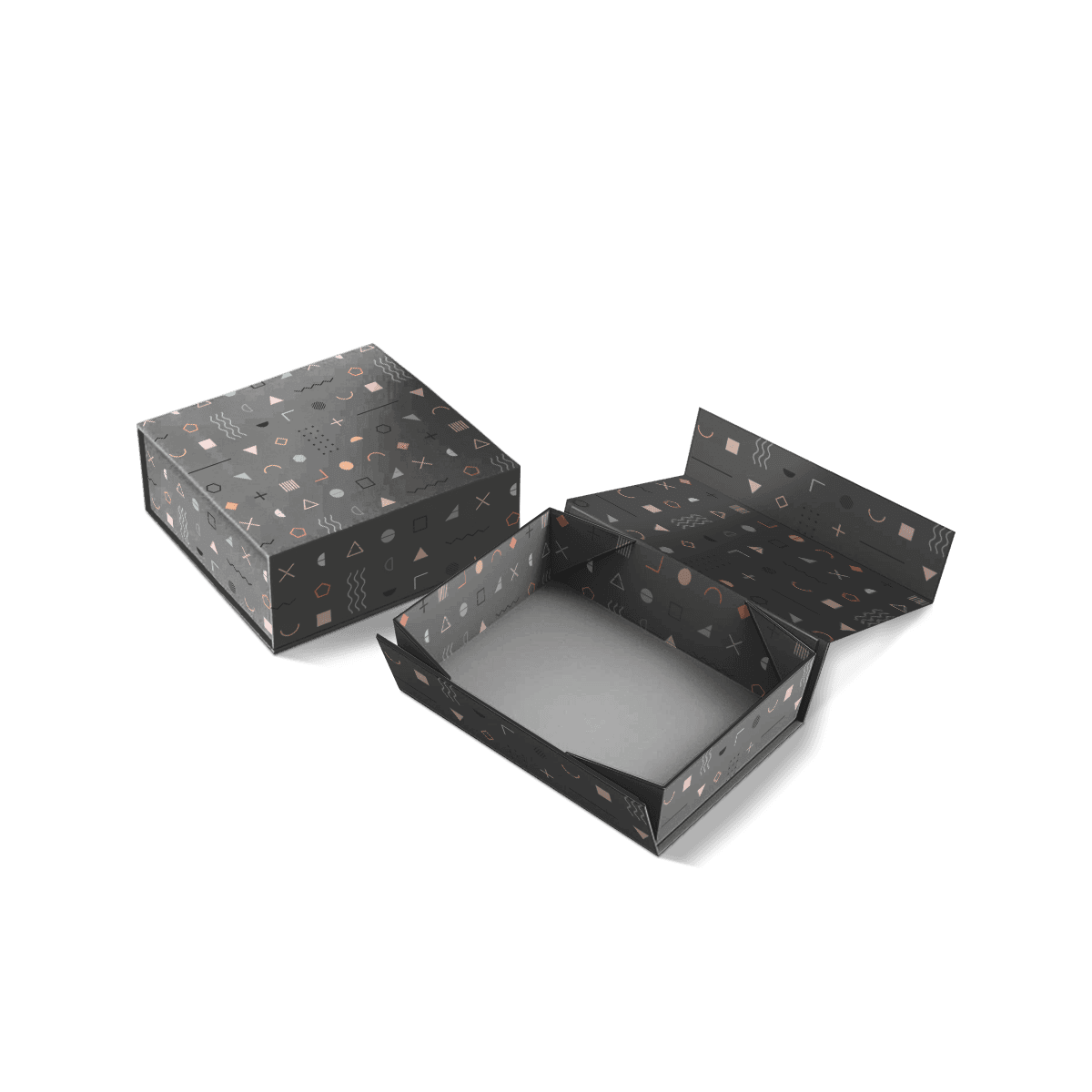
Flat Fold Rigid Boxes

Round Rigid Boxes
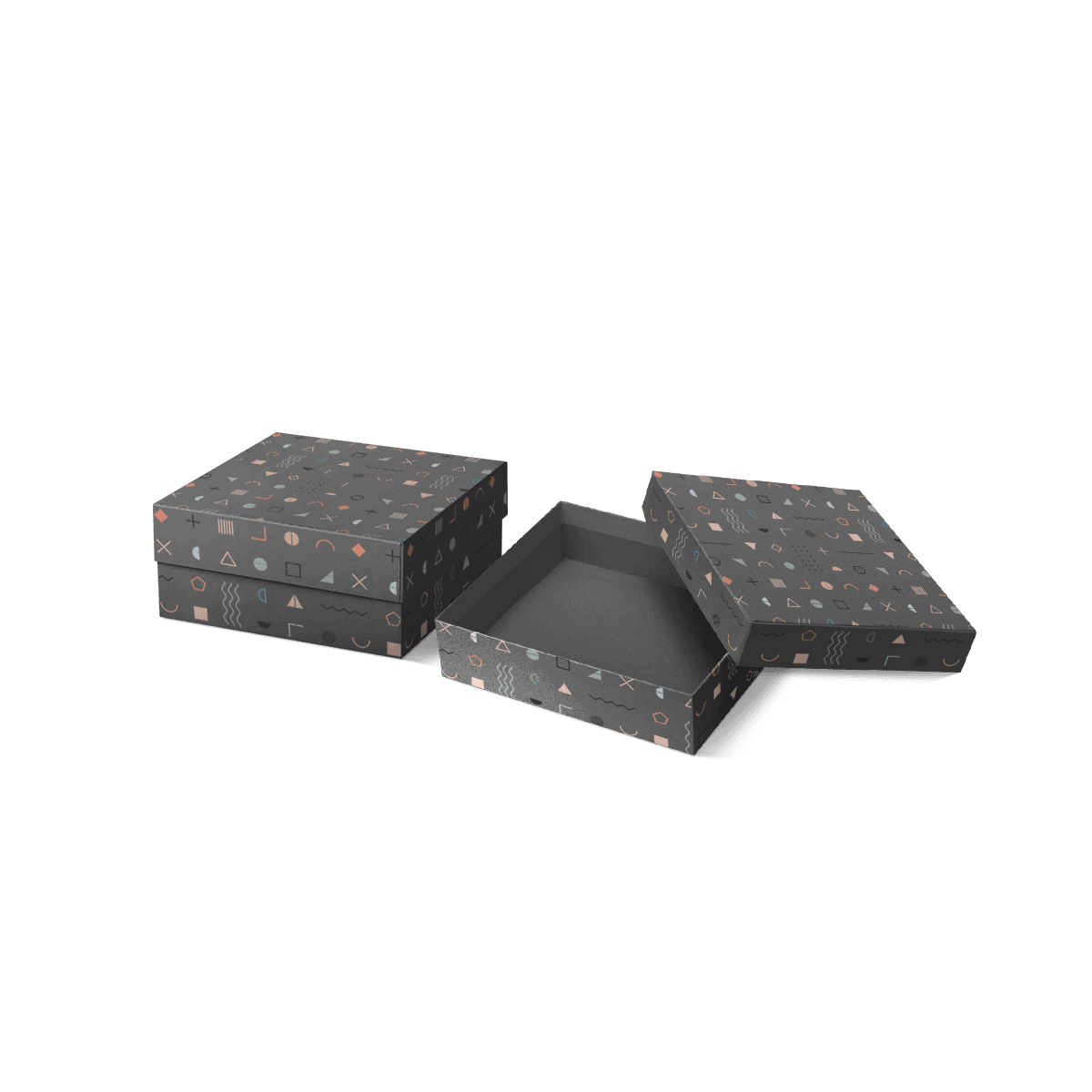
Luxury 2-Piece Rigid Boxes
Your product shouldn’t have to fit an off-the-shelf box.
Share the shape, size, material, finish, or insert you have in mind. We’ll turn the details into a tailored packaging recommendation and a clear quote.
Custom sizes · materials · finishes · inserts
The Opening Mechanism Changes The Whole Box
Rigid packaging becomes easier to specify when the opening is treated as a structural decision rather than a decorative one. A lift-off lid, sliding drawer, hinged magnetic flap and raised shoulder all change how the customer reaches the product, how the insert is engineered and how much clearance the box needs.
That is why “premium rigid box” is not a complete specification. Two boxes made from similar rigid board can behave very differently once one has a drawer sleeve and the other has a hinged lid. The correct style should control the reveal without making packing, storage or product removal harder than necessary.
A Hinged Lid Keeps The Reveal Connected
Custom magnetic closure rigid boxes keep the lid attached to the base and use concealed magnets to create a controlled close. They suit presentation-led kits where the customer should see the entire interior in one opening movement.
The important checks are hinge travel, flap alignment, magnet position and the height of the product or insert beneath the lid. If the interior sits too high, the lid can resist closing even when the external dimensions appear correct.
Book-style rigid boxes create a similar connected opening but can be useful when the box needs a more display-like, hardback presentation rather than a simple front flap.
A Sliding Tray Makes Access Part Of The Experience
Drawer-style rigid boxes separate the outer sleeve from the moving product tray. That staged movement works well for jewelry, fragrance, accessories and compact kits where the item should appear gradually rather than all at once.
The drawer needs enough tolerance to move cleanly after wrapping and finishing. Too much clearance makes the tray feel loose. Too little can create rubbing once wrap paper, lamination or minor production variation is added.
A Lift-Off Lid Keeps The Construction Direct
Luxury 2-piece rigid boxes use a separate lid and base. They remove hinges, magnets and drawer movement from the structure, which can make them a strong option when the product needs a substantial box without a complicated opening mechanism.
A shoulder neck rigid box adds a raised inner collar when the lid alignment and layered reveal need more control.
Fixed Or Collapsible Construction Changes The Operational Cost
Rigid boxes are usually associated with a fully assembled setup form, but the storage decision can be as important as the opening style. A fixed box occupies its full cubic volume before a product is packed. That can become expensive in a warehouse long before the box reaches a customer.
Collapsible rigid boxes reduce that storage burden by arriving flat and being formed during pack-out. They can preserve a rigid presentation once assembled, but they introduce an extra operation that fixed setup boxes do not have.
The trade-off is therefore not “premium versus less premium.” It is storage cube versus assembly work.
Fixed Setup Boxes Favor Immediate Pack-Out
A fixed setup box arrives ready to load. That can matter for smaller premium runs, hand-packed launch kits and products where staff should not spend time erecting each package before inserting the product.
The cost is space. Wide apparel boxes, gift kits and larger presentation boxes can consume substantial warehouse volume because every unit is already three-dimensional.
Collapsible Boxes Shift Work To The Packing Stage
A collapsible structure can reduce storage volume, especially on physically large runs, but the team must open and square the box consistently. The insert may also need to be installed after setup.
Before choosing this direction, test the actual packing sequence. A storage saving is useful only if the assembly step fits the fulfillment operation.
The dedicated breakdown of custom rigid box cost drivers is useful when quantity, size and storage volume need to be weighed together instead of comparing unit price alone.
Insert Height Should Be Solved Before Exterior Depth
The insert is not an accessory added after the box has been sized. In many rigid-box projects, it establishes the usable internal geometry.
Begin with the product in its intended presentation position. Add the cavity depth, support beneath the product, removal clearance and any space needed above the tallest point. Only then should the final box depth be locked.
A watch gift set shows why this matters. Imagine a watch on a cushion beside a spare strap and adjustment tool. If the box is sized first and the insert is forced into the remaining space, the watch crown may sit too close to the lid while the smaller accessories have enough room to move. A deeper cavity might solve movement but bury the watch and make removal awkward.
A better solution is to establish the presentation plane first. The cushion sets the watch height, the accessory cavities control movement and finger clearance allows removal without pulling against the product. The rigid shell then wraps around that working interior.
That change improves both protection and reveal without simply making the entire box larger.
The comparison of foam, paperboard and molded-pulp inserts can help when cushioning, presentation and cavity precision need to be balanced.
Rigid Board Provides Shape While The Wrap Provides The Surface
A rigid box is normally a built-up structure. The dense board core creates the walls and shape, while a separate paper wrap creates the visible printed or textured surface. Treating those two layers as if they perform the same job leads to weak specifications.
The board decision should follow box span, product weight, opening style and insert load. A small jewelry box can use a different construction from a wide apparel presentation box because the panels do not experience the same leverage or load.
The wrap decision is more visual and tactile. White printed paper can support clean color reproduction. Colored or textured papers can create a material-led finish. Kraft can produce a different surface character. Dark wraps can look controlled and premium but deserve extra attention to scuff visibility.
This distinction also explains why simply asking for a “thicker paper” does not define a stronger rigid box. Surface stock and structural board need to be specified separately.
When board construction, wrap stock, printing and insert combinations need to be reviewed together, packaging capabilities gives the more technical production path.
Finishes Need To Respect Corners, Folds And Touch Points
Rigid boxes give brands large, uninterrupted surfaces for print and finishing, but they also create wrapped edges, corners, hinges and handling points that can expose poor finish planning.
Foil can work well when the logo or a small detail needs a precise reflective accent. Embossing or debossing can introduce depth. Spot UV can create contrast against a matte surface. Soft-touch can change the tactile feel of the entire wrap.
The strongest finish is not automatically the most elaborate one. It is the finish that still looks intentional after the box is opened, handled, stacked and repacked.
Edge Conditions Matter More On Dark Or Soft Surfaces
Dark solid colors can make edge wear or scuffs more visible. Soft-touch surfaces can feel refined but should be considered in relation to handling and transit. Large foil areas may behave differently from a small logo accent.
Approval should therefore include the actual wrap stock and finish combination, not only a digital rendering. Free sample examples of previous Custom Packly work can help establish general material and finish expectations. When the exact finished construction needs physical approval, a fully custom pre-production sample can be arranged as a paid sample.
For finish-specific trade-offs, the breakdown of matte, gloss, spot UV, foil and embossing goes deeper into how surface treatments behave.
Premium Presentation Still Needs A Transit Plan
Rigid walls protect shape well, but a presentation box is not automatically a parcel shipper. The surface may be the part most likely to suffer in ecommerce handling even when the product inside remains secure.
A rigid box with foil, soft-touch wrap or a clean light surface can reach the customer with crushed corners, abrasion or shipping labels on the presentation pack if the transit layer is ignored. For many ecommerce orders, the rigid box should sit inside an appropriately sized mailer or shipping carton with enough protection to keep the premium surface clean.
That does not mean every rigid box needs a large outer carton. The product weight, box dimensions, finish sensitivity and fulfillment route decide the outer protection.
This is particularly relevant for packaging for jewelry and accessories, where the presentation box may be kept, and for cosmetics and personal care packaging, where launch kits and gift sets often combine display value with ecommerce fulfillment.
If the packaging decision is still being built from the product inward rather than from a known box style, custom product packaging is the more useful starting point.
Premium Does Not Mean Oversized
Extra empty space can make a rigid box feel less considered, not more luxurious. It increases board and wrap usage, enlarges inserts and consumes more storage and shipping volume.
A better premium effect comes from controlled proportion. The product should look intentionally framed, easy to remove and visually balanced against the interior surface.
For a multi-item kit, leave space because it improves separation, finger access or visual hierarchy. Do not leave space merely to make the box look bigger.
A folded garment may need broad surface area but little cavity depth, while a structured accessory may need a smaller footprint and deeper support. Both can justify rigid packaging, but their proportions should not be designed from the same visual template.
A non-rectangular shape should earn its footprint. Round Rigid Boxes can create a distinct presentation, but the circular format changes insert geometry, storage efficiency and the outer shipping plan.
Color Approval Happens On The Wrap, Not On The Screen
Premium offset printing can produce detailed, consistent artwork, but the final color is still affected by the selected wrap stock and finishing sequence.
CMYK works well for multi-color artwork, images and gradients. Pantone can be useful when a specific brand color needs tighter control. The important point is to judge the color on the material the box will actually use.
A color approved on bright white coated stock may not look the same on an uncoated, textured or naturally toned wrap. Foil and lamination can further change contrast and surface reflection.
Custom Packly provides free 3D mockups and design and dieline support, which help verify panel placement and visual direction before production. They do not replace physical validation when exact color, texture or closure behavior must be confirmed.
The Best Rigid Box Program Can Repeat Without Re-Engineering
A rigid box becomes much easier to reorder when the approved specification records more than exterior dimensions and artwork.
Keep the internal dimensions, board construction, wrap stock, insert material and cavity geometry, opening mechanism, magnet or ribbon positions, finish locations and approved artwork version together. For collapsible boxes, include the setup method. For drawer boxes, preserve the tray-to-sleeve fit. For shoulder-neck boxes, keep the shoulder height and lid engagement consistent.
This matters once a launch becomes a repeat program. Small unrecorded changes can alter how a lid closes, how a drawer slides or how a product sits even when the graphics look identical.
Custom Packly’s USA MOQ starts from 100 boxes, which can support launches and limited runs. US production, free shipping and a standard 4–6 business-day turnaround after final artwork and specifications are approved can support faster replenishment once the specification is ready. Warehousing and scheduled deliveries are also available when a larger repeat program needs approved packaging released in stages. Complex structures, specialty materials or advanced finishes may require additional time.
When dimensions, opening style, insert requirements and quantity are sufficiently defined, an instant custom packaging quote can price the actual construction rather than an undefined “luxury box.”
Judge The Box By What The Customer Has To Do With It
The final rigid-box decision should be tested as an interaction, not as a static object. Open it. Remove the product. Replace the product. Close it. Stack it. Pack it into the outer shipper if one is used.
A strong rigid box should make those actions feel obvious. The lid should not fight the insert. The drawer should not bind. The product should not need to be pried out. A collapsible format should not take excessive effort to square during packing.
That practical sequence is the real difference between a premium box that only photographs well and one that works through retail, fulfillment and repeat production.
The Packaging Styles hub is useful when rigid packaging no longer appears to be the best physical direction. A folding carton, mailer, shipping box or another structure may solve the product problem with less material, less storage and a simpler pack-out process.
Rigid packaging earns the added construction when its stiffness, opening behavior, fitted interior and surface presentation all contribute to the product experience. If one of those elements is doing no useful work, simplify the box before adding another premium detail.
FAQs
Start Your Custom Packaging Quote
Share your product details, size, quantity and artwork needs. We’ll help choose the right packaging style and send a clear quote.