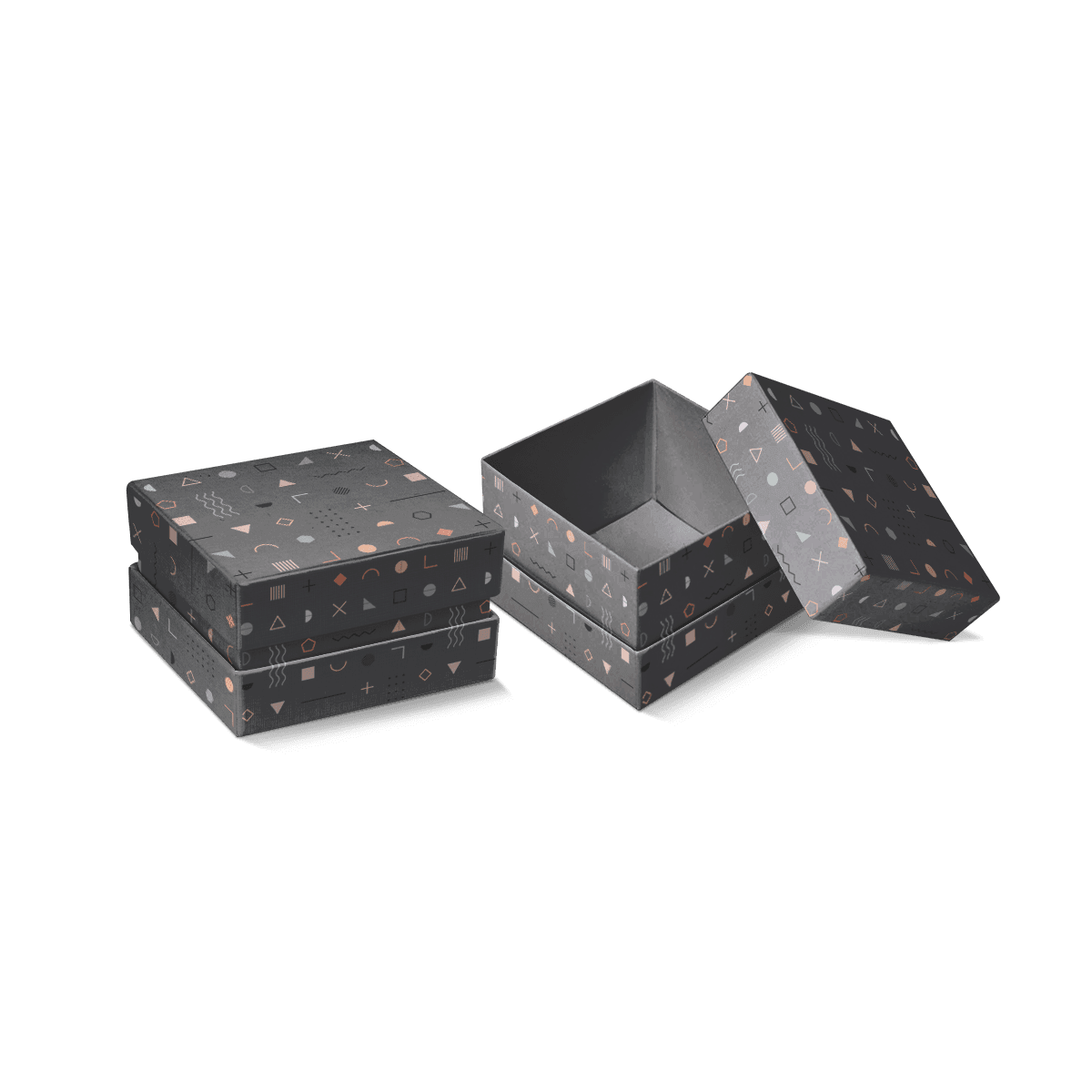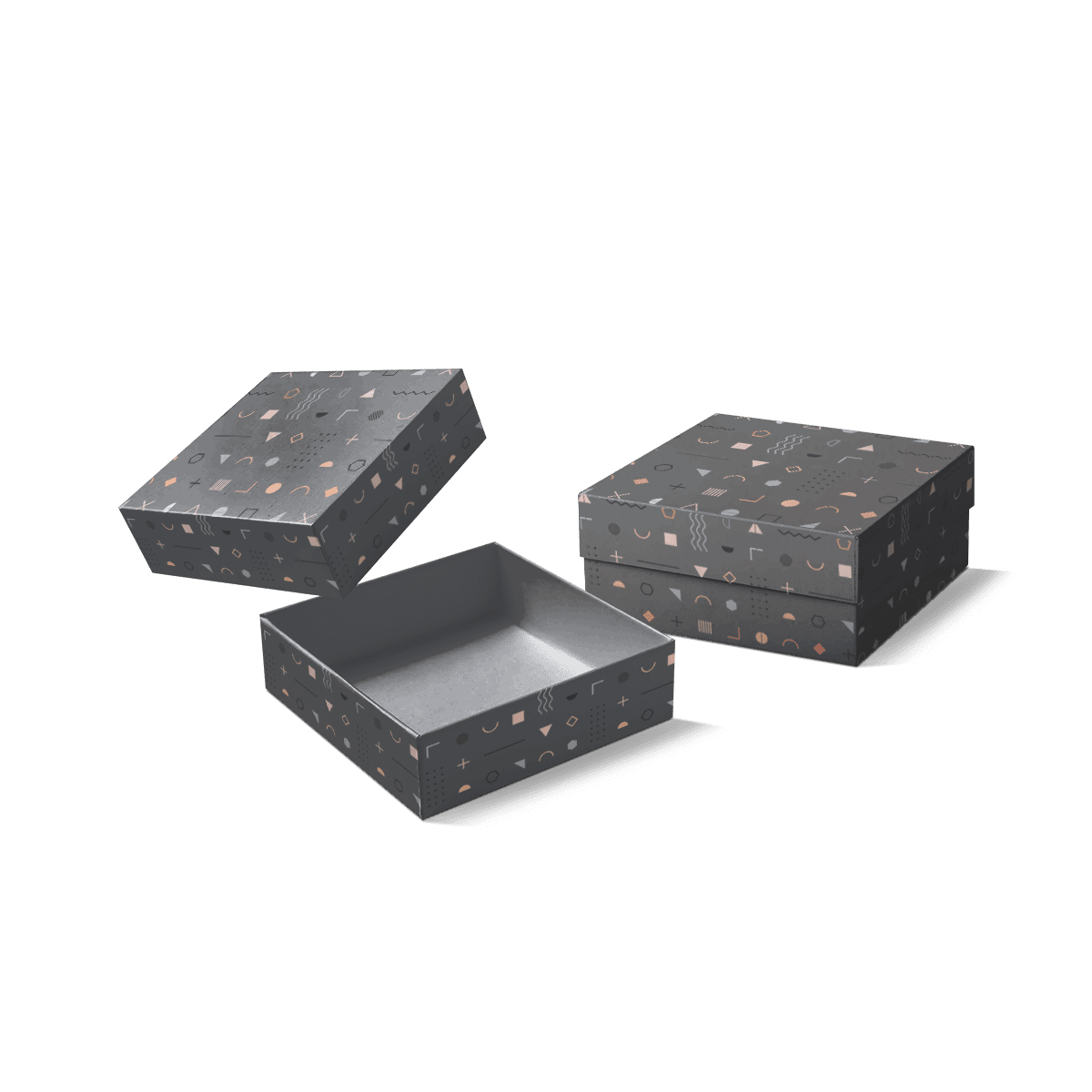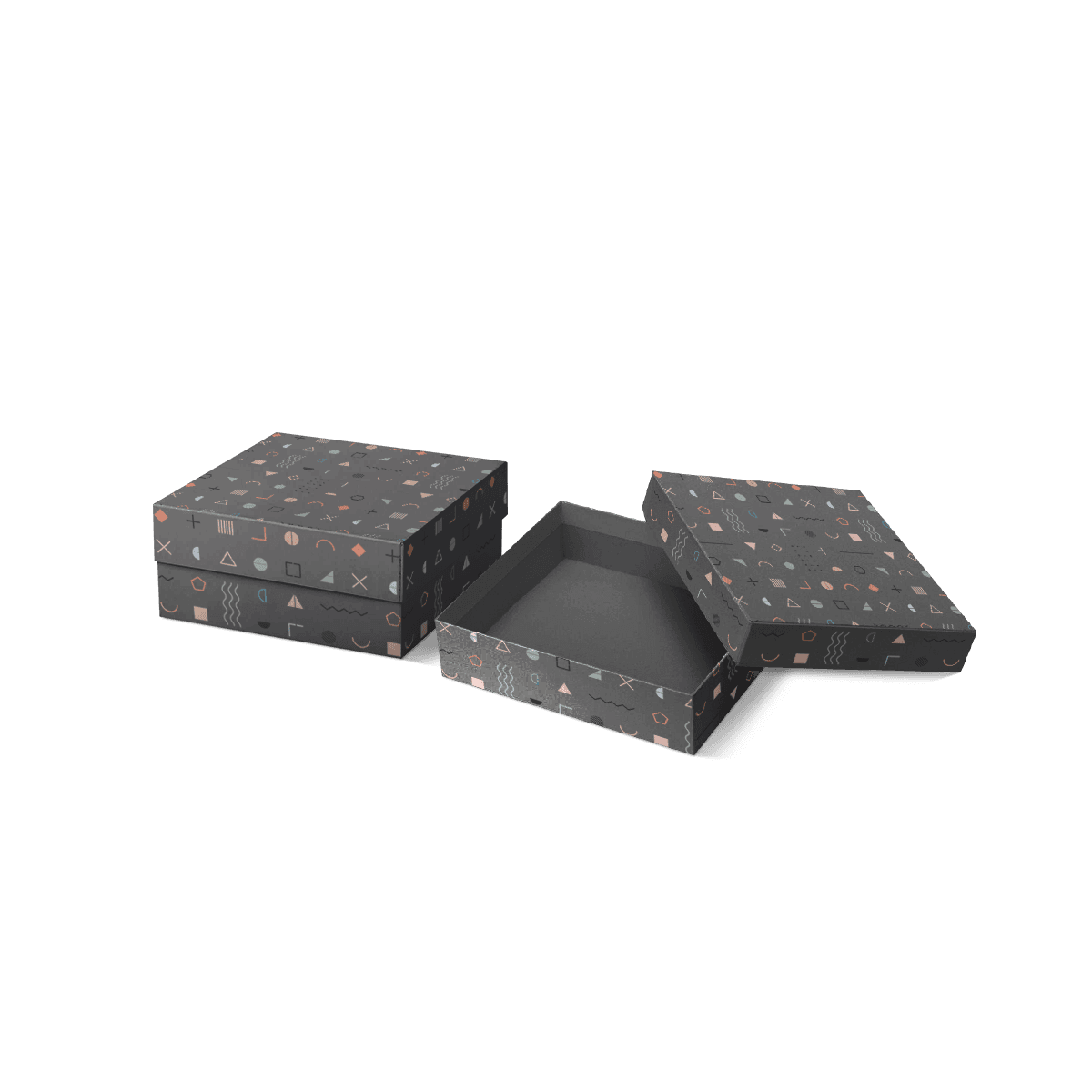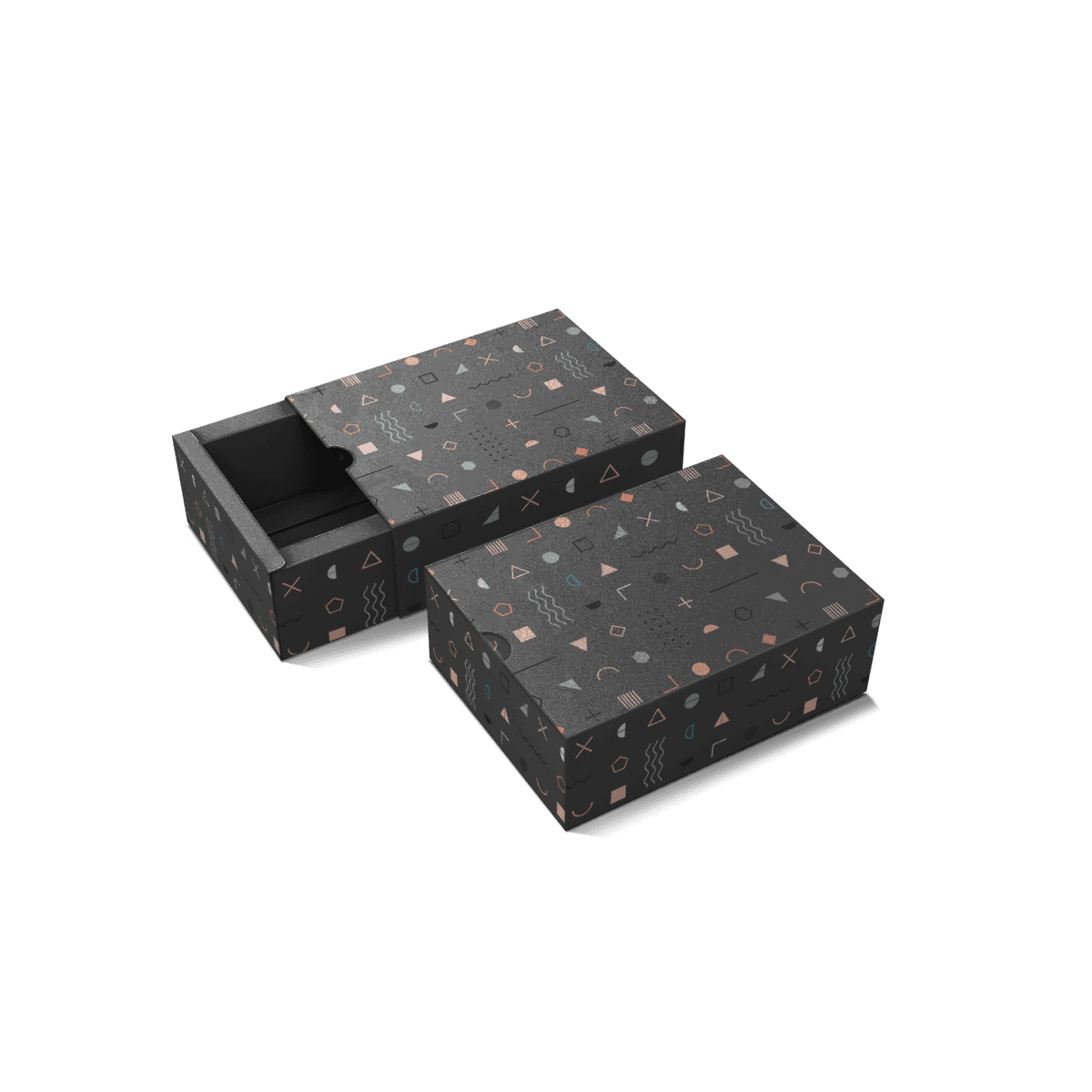
Define the Three Pieces First
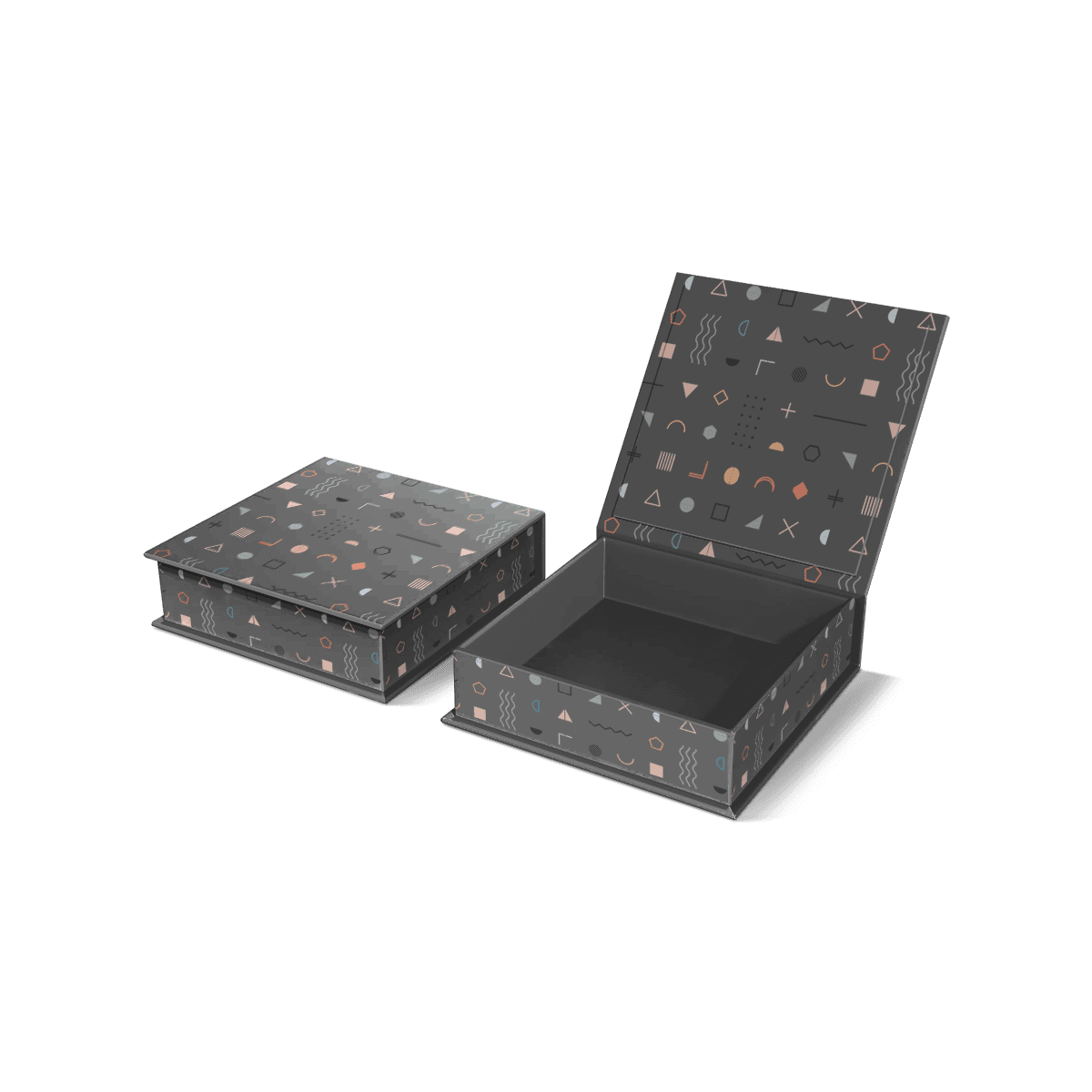
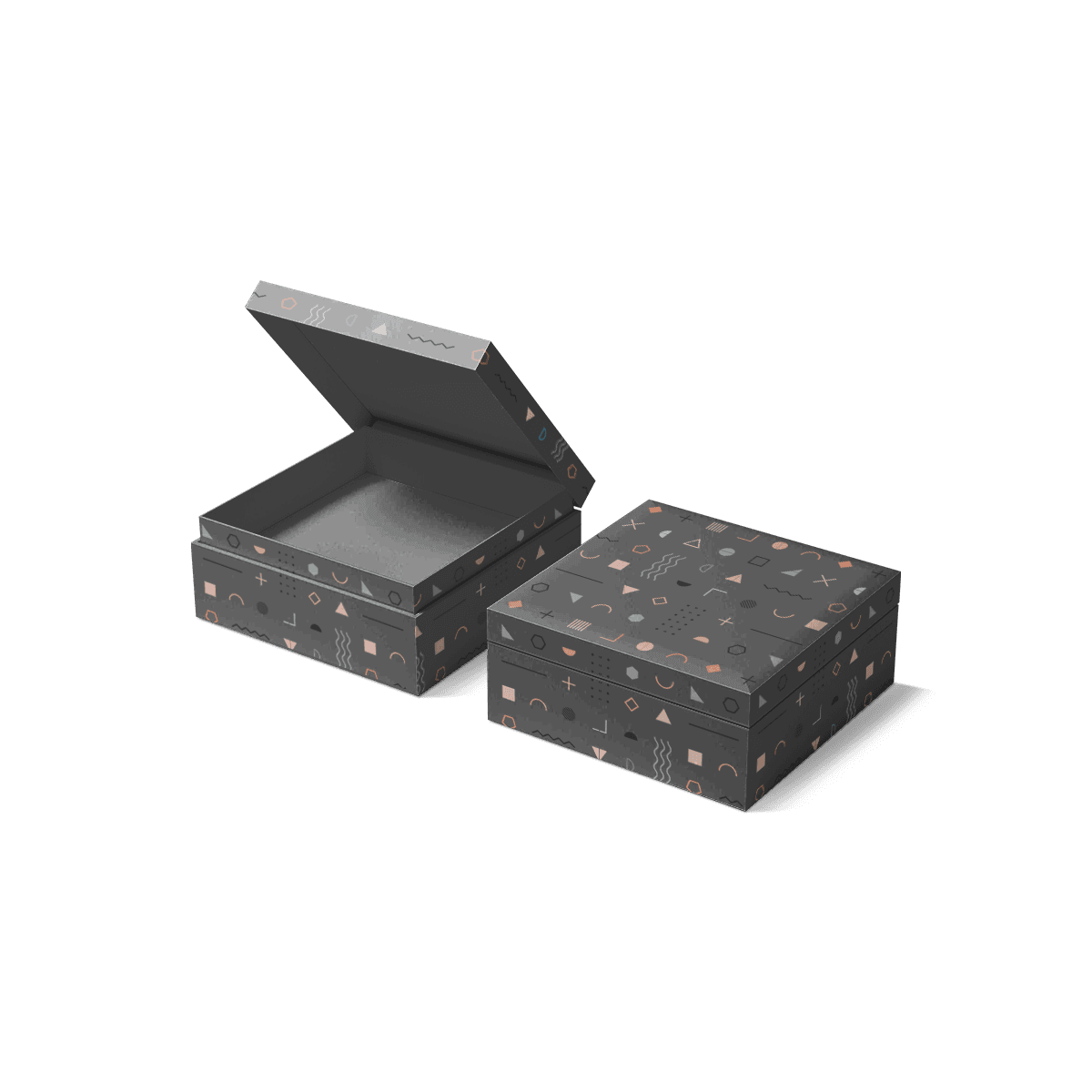
“Raphe” is not enough information to manufacture the box correctly. The production brief should identify the actual construction: a rigid base, a separate rigid lid and the inner neck or collar that joins the two visually and mechanically.
That third component changes the box.
A standard two-piece box can close by sliding the lid directly over the base. A three-piece Raphe construction introduces another rigid section between them. The inner neck can guide the lid, create a visible reveal when the box is closed and establish the level at which the product or insert appears after opening.
The first design decision is therefore not color, foil or even overall box size. It is the relationship between those three pieces.
If the defining feature is a visible raised inner collar, Shoulder Neck Rigid Boxes already describe that construction directly.
If the inner neck is unnecessary, Luxury 2-Piece Rigid Boxes use a simpler lid-and-base build.
For a Raphe specification, name the lid, base and neck separately on the drawing. That removes ambiguity before board, wrap and inserts are ordered.
The Neck Is Not Just Decoration
The inner neck has two jobs.
Mechanically, it guides the lid and creates part of the closing fit. Visually, it produces the exposed band between the outer lid and base when the construction is designed with a visible reveal.
Those two jobs need to be planned together.
A neck that is too low may contribute little to lid guidance. A neck that rises too far can dominate the box and make the lid look undersized. If its exposed height varies around the perimeter, the box can appear crooked even when the exterior lid and base are individually square.
That visible line makes dimensional consistency easy to judge.