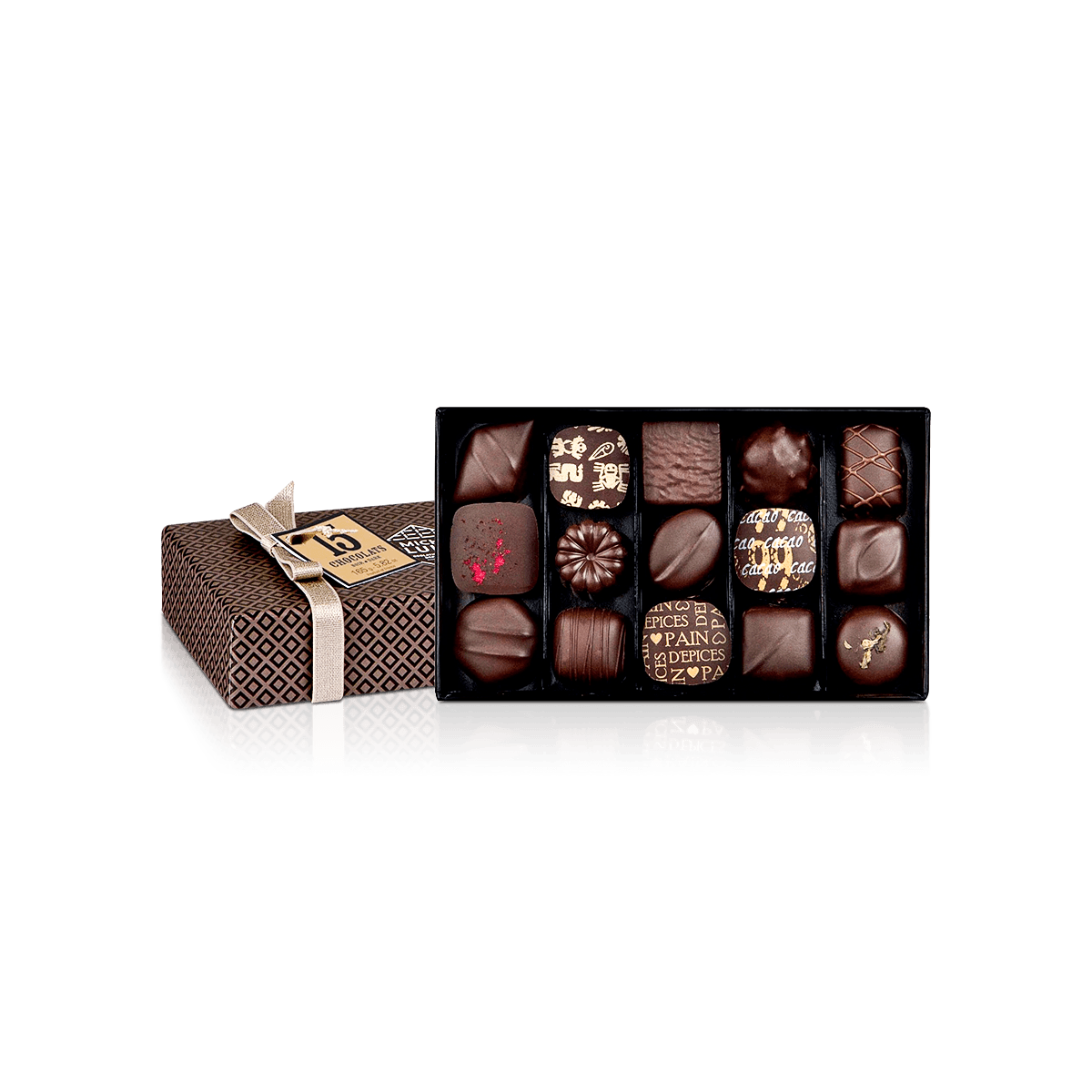
Skip to content
Details

Custom Chocolate Set Boxes

Turn a chocolate assortment into a composed hospitality gift with deliberate piece hierarchy, insert depth, message placement and an opening sequence suited to hotels, events and corporate handoffs.

Compose the Chocolate Set

A chocolate set is more than a larger box of individual pieces. The packaging has to turn the assortment into a gift with an intentional visual order.

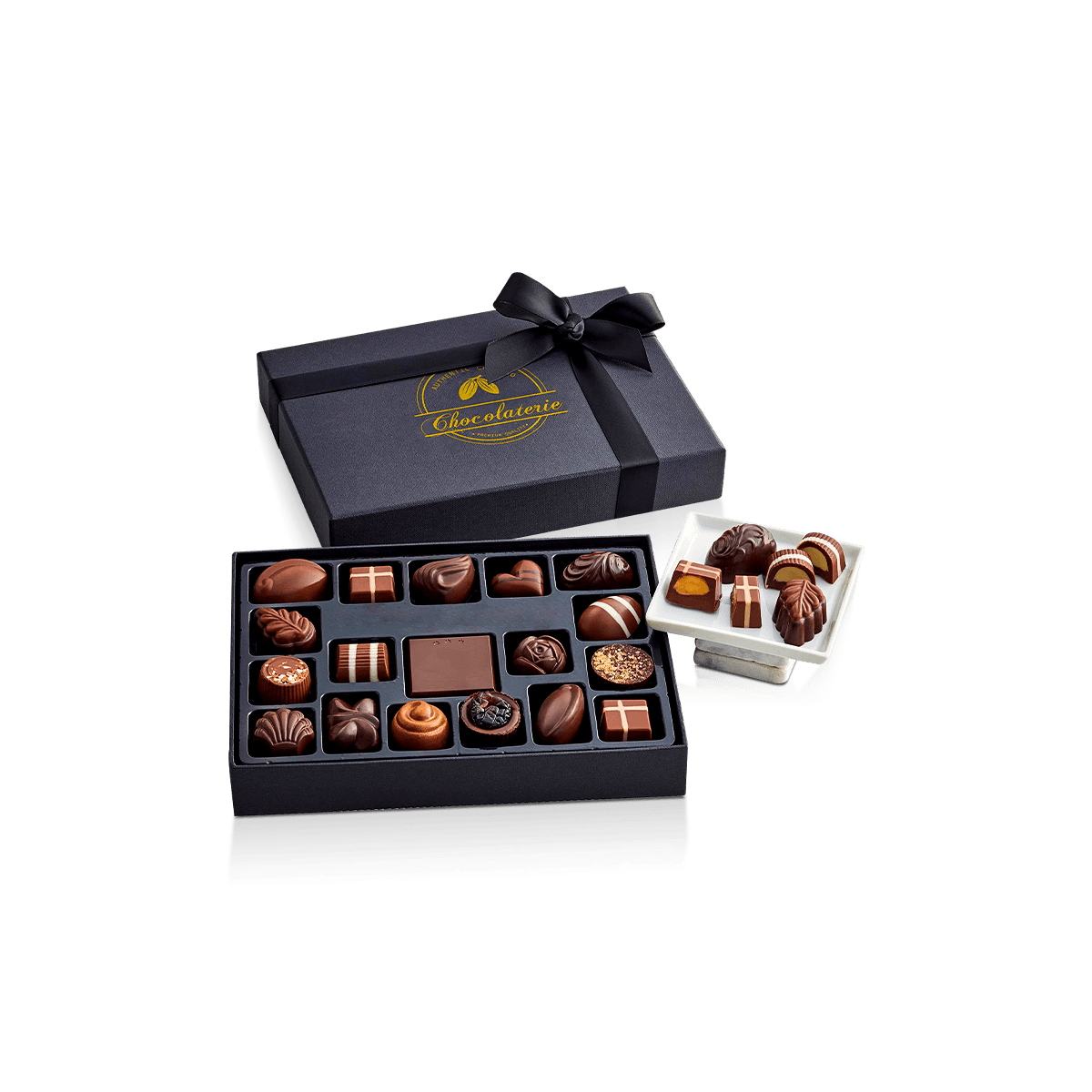
Start by deciding what the recipient should notice first. A central signature chocolate, two featured flavors or a symmetrical tasting sequence can anchor the set. Supporting pieces then occupy positions around that hierarchy rather than filling whatever space remains after the outer box is chosen.

This set-level planning is what separates the job from everyday Chocolate Boxes, where retail assortment geometry, bars and general confectionery packing carry more of the structural decision.

Establish the Gift Count

Piece count should reflect the occasion as well as the chocolate dimensions. A compact hotel amenity may need only a few carefully presented pieces. A VIP thank-you or corporate holiday gift can justify a larger assortment with multiple flavors and a slower reveal.

Give Signature Pieces Priority

Not every chocolate has to occupy an identical position. A larger molded piece, branded medallion or signature truffle can become the focal point while smaller chocolates create supporting rows.

The hierarchy should remain obvious even when the recipient does not know the flavor order. Spacing, size and position can signal which piece is the centerpiece without adding labels beside every cavity.
Stage the Opening Sequence

A strong chocolate gift set reveals itself in layers.

The first view may be a branded lid. The next may be a message card. The chocolates appear after that, followed by a flavor map or second tier if the set is more complex.

Decide What Appears First

For a hotel welcome gift, the first message may be the property name and a short greeting. For a conference gift, the sponsor or event identity may deserve the first position.

Keep the Reveal Unobstructed

Ribbon pulls, tissue and paper cards can add ceremony, but they should not cover the assortment so heavily that the recipient has to dismantle the pack before understanding it.

Opening layers should also be easy for event or hotel staff to assemble repeatedly. A beautiful sequence loses value if each gift requires several delicate alignment steps at the packing table.

Choose Structure by Gift Tier

The premium level of the gift should determine how much structure the box deserves.

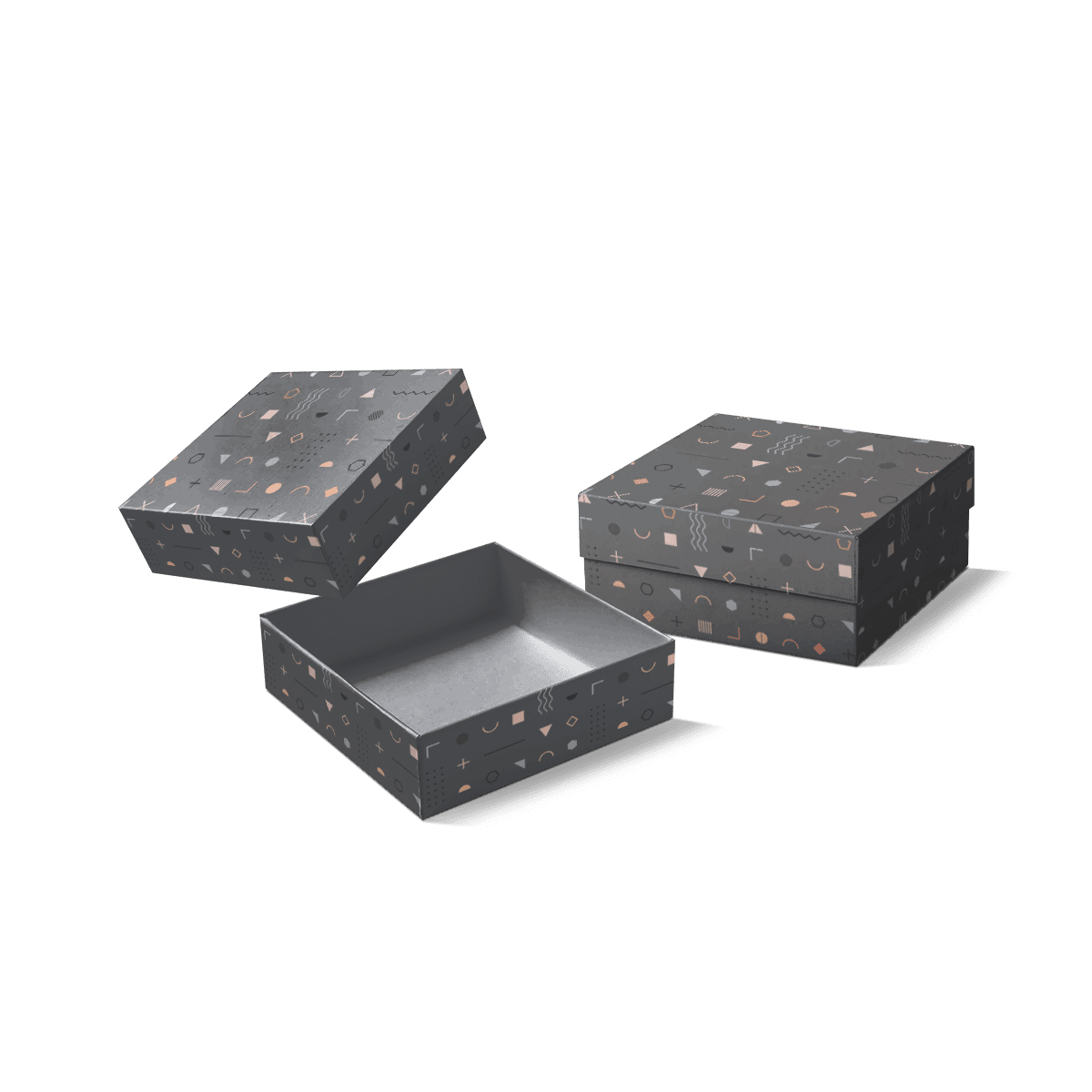
A lightweight tasting set can work in printed paperboard. A high-value hotel, executive or holiday gift may justify rigid board, a lift-off lid, drawer or magnetic closure.

Paperboard for Lighter Sets

Folding paperboard can work well when the set is compact, the chocolate weight is modest and efficient storage matters.

Rigid Board for Ceremony

Custom rigid boxes make more sense when the box itself contributes materially to the gift experience. The chocolate still needs its own correct insert geometry.

Structure should stay proportional to product value and handling duty. A premium paperboard set can feel deliberate when rigid construction would add cost and storage volume without solving another problem.

Make the Insert Disappear

The insert should organize the chocolate set without becoming the visual subject.

Its job is to keep pieces in position, create consistent spacing and establish the hierarchy planned for the gift.

Set Depth by the Piece

A cavity that sits too deep can make a premium chocolate look buried. One that is too shallow can leave the piece unstable.

Leave Removal Access

A piece that looks perfectly centered can still be frustrating if the recipient cannot lift it cleanly. Finger access can come from cavity geometry, a small relief area or the way the piece sits in its cup.

Insert color and exposed borders affect the first view. Keep enough visible tray area to frame the chocolates without letting the restraint system become the dominant visual element.

The insert should also keep its appearance after several pieces are removed. Large torn openings, exposed tabs or collapsing walls can make the remaining chocolates look less deliberate halfway through the gift experience.

Give the Flavor Map a Job

Flavor cards often become part of premium chocolate gifting, but they need a defined place in the experience.

The card should help the recipient identify the assortment without covering the chocolates, becoming lost under the tray or forcing the lid higher than necessary.

Fixed Menu or Changeable Card

If the same chocolates appear in every production run, flavor names can be integrated into the printed interior. Seasonal assortments can use a separate card.

Reserve Space for Required Copy

Ingredients, allergen statements and other required product labeling need to be handled according to the actual food product and sales context. The packaging should reserve enough usable space for the chosen labeling system.

A separate flavor card is especially practical when seasonal recipes change while the core assortment count remains stable. The structural box can continue unchanged as the menu rotates.

Match the Set to Hospitality

A chocolate set handed to a hotel guest performs a different job from a chocolate box sitting on a confectionery shelf.

The recipient may find it in the room, receive it at check-in or be handed it after an event. Hospitality packaging can connect the chocolate set with the rest of the guest experience when several touchpoints share one identity.

Room Drops Need Restraint

A room-drop gift may travel on housekeeping carts, banquet carts or in stacked transport totes before it reaches the guest.

Welcome Gifts Need Clear Boundaries

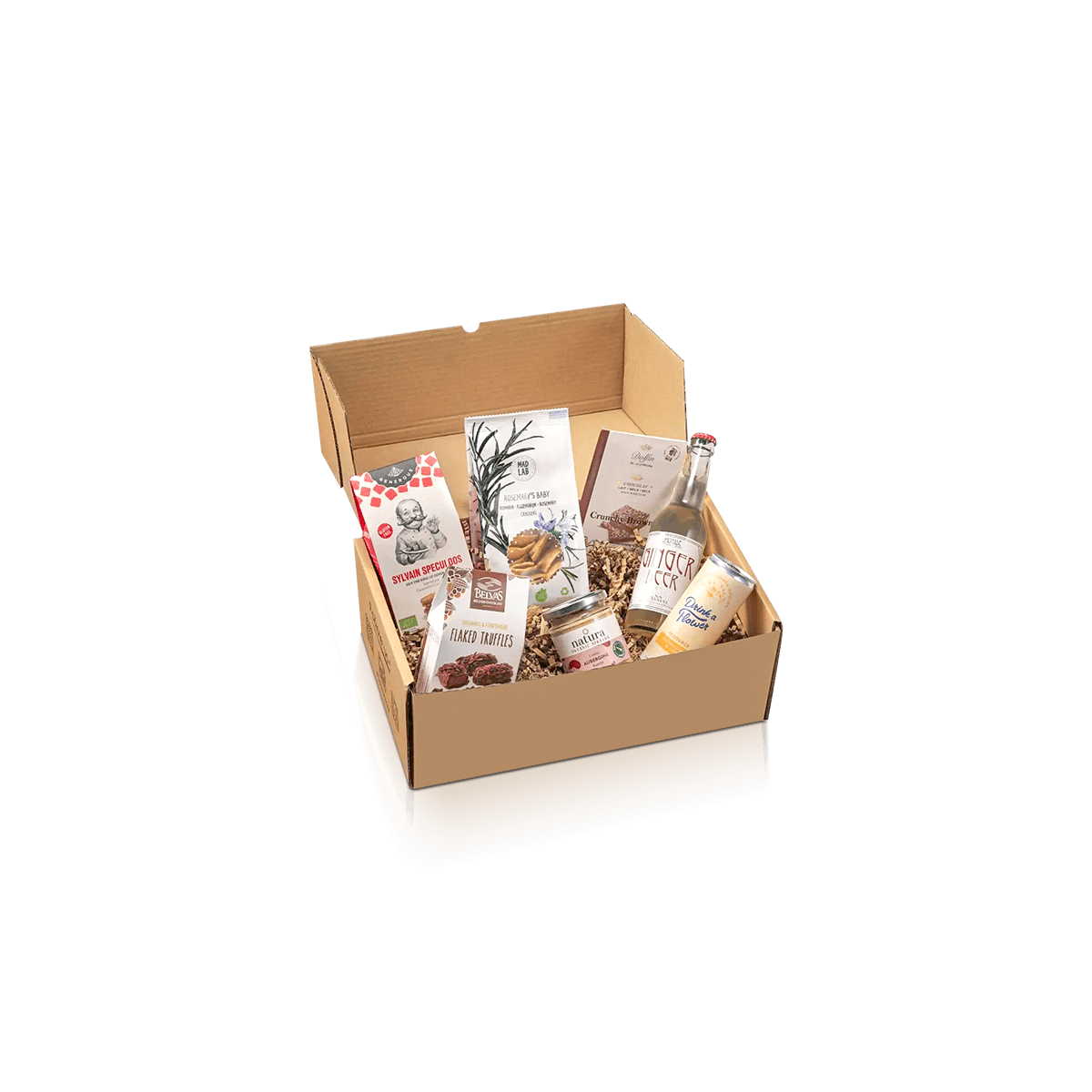
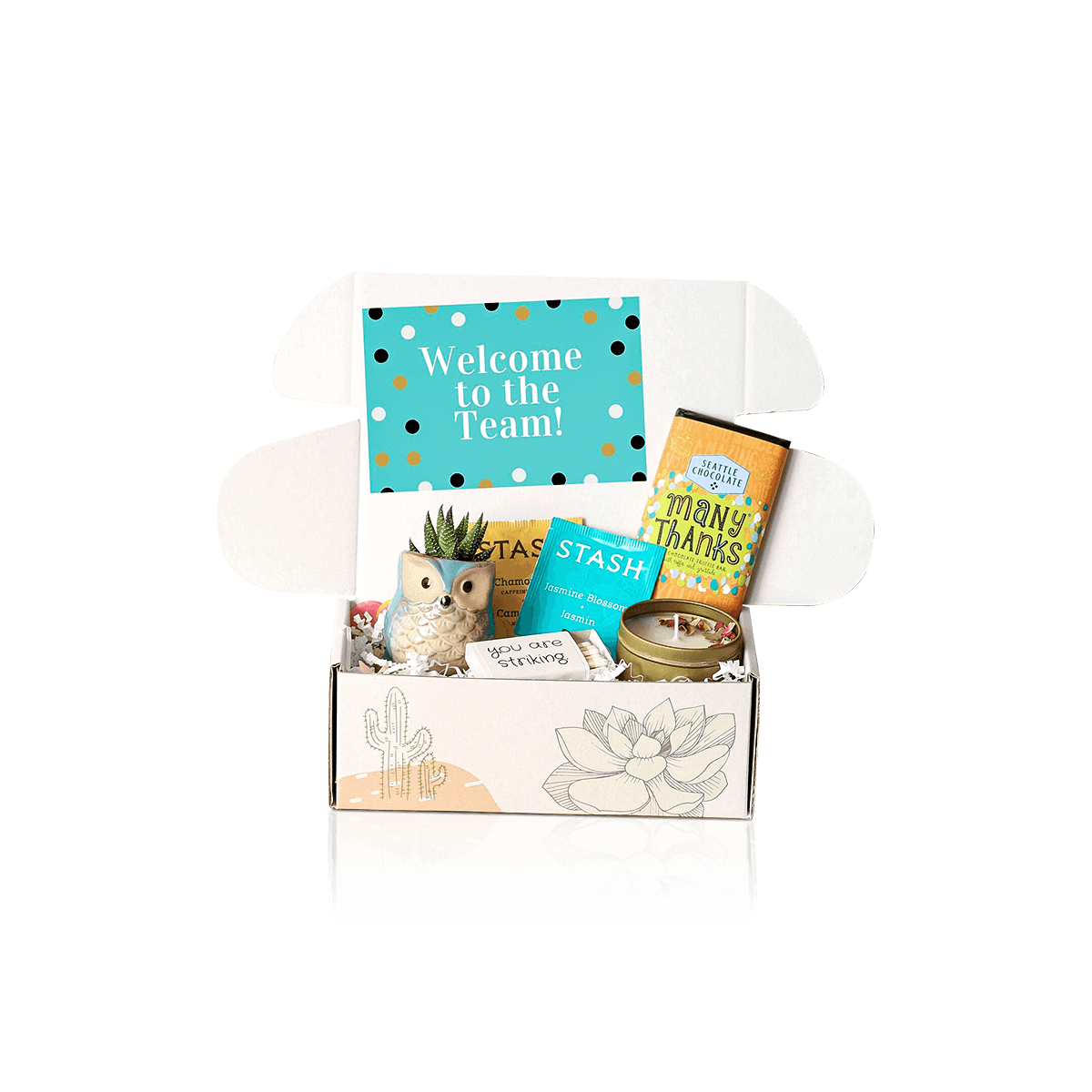
If the pack also contains maps, wellness items, room accessories or local products, Welcome Gift Boxes fit that multi-item arrival job better than forcing everything into a chocolate-specific set.

Hotel gifting often introduces internal movement before the guest sees the pack. Test the set after stacking, cart movement and room placement rather than judging only a freshly assembled sample.

Keep Chocolate Sets Chocolate-Led

Adding one message card does not turn the pack into a mixed gourmet hamper. The chocolate assortment should remain the center of gravity.

Once jars, tea, coffee, crackers, preserves or other specialty foods carry significant space and weight, Gourmet Product Boxes become the stronger fit because the structural problem shifts to mixed-item organization.

Avoid Mixed Weight Problems

A heavy jar or bottle changes the insert load, center of gravity and required board strength. It can also become the source of impact against the chocolates during handling.

Keep Nonfood Gifts Separate

If the program is really a mixed premium gift with chocolate included as one component, Luxury Gift Boxes can take ownership of the larger presentation.

The scope boundary should stay physical. Once non-chocolate items become heavy enough to change load distribution or large enough to dictate the footprint, the pack has moved beyond a chocolate-led gift.

Pick an Opening Style Deliberately

Opening mechanics change how quickly the recipient sees the assortment.

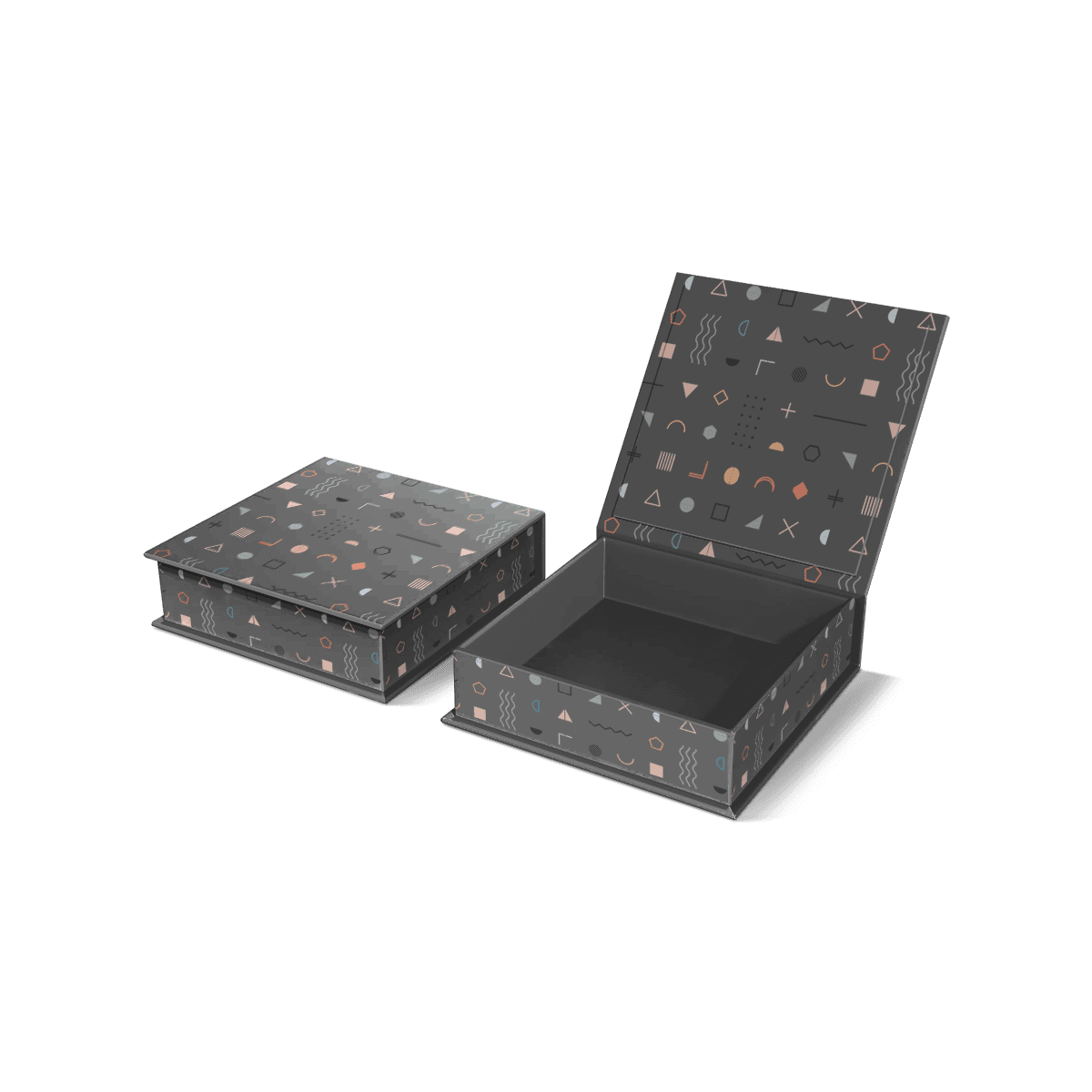
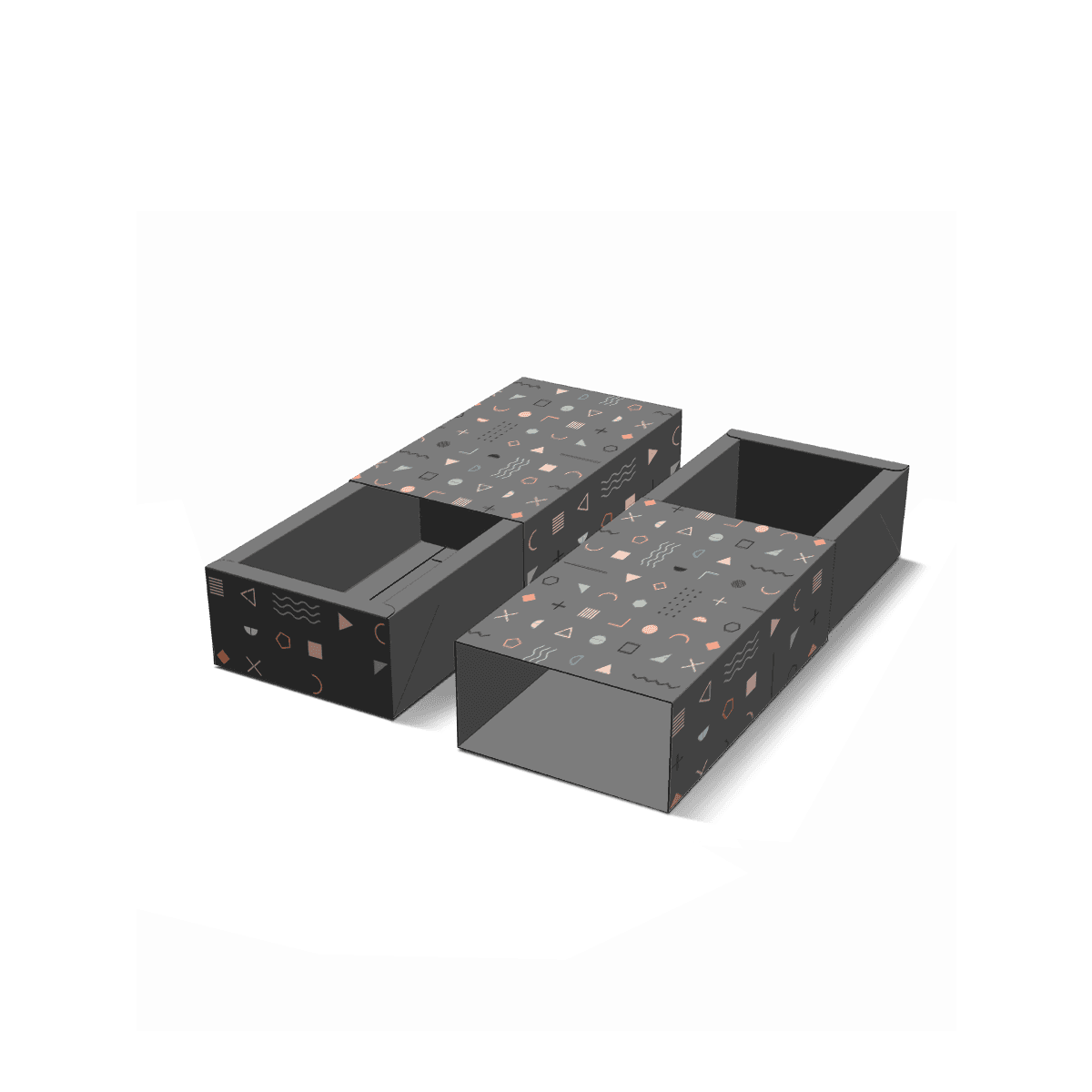
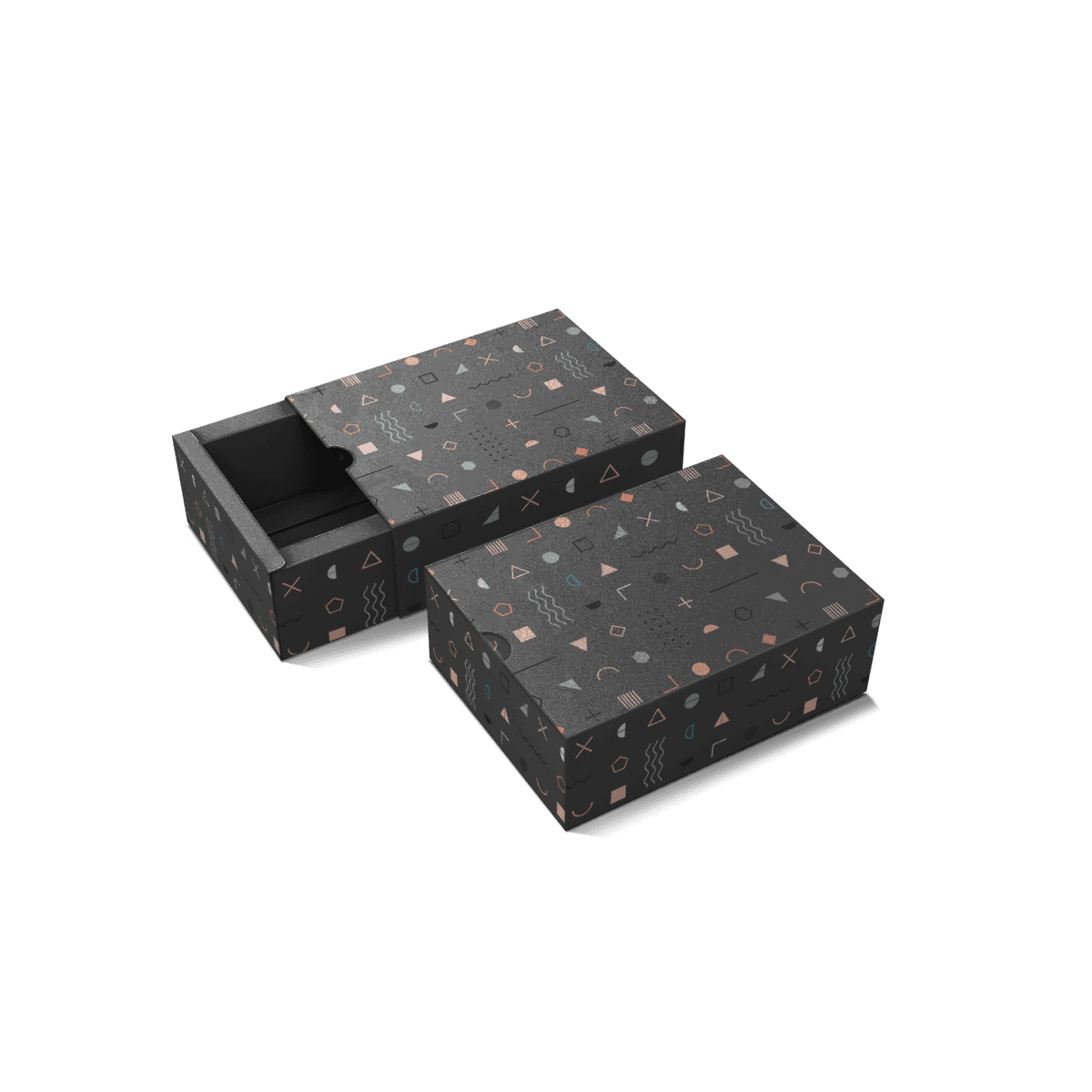
A lift-off lid exposes the whole set at once. A drawer reveals it progressively. A magnetic flap creates a book-like opening and can carry a message on the inside lid.

Drawer Reveals in Stages

Drawer-style rigid boxes can work well when the chocolate layout is long, narrow or deliberately sequential.

Magnetic Lids Create a Message Surface

A magnetic closure rigid box creates a large inside-lid surface that can carry a hotel greeting, corporate message or event identity.

Opening style also affects removal order. A drawer can encourage a staged reveal, while a lift-off lid exposes every piece immediately. Match the mechanism to the intended gifting moment.

Personalize Without Rebuilding Everything

Hospitality and corporate chocolate programs often need changing names, dates, event identities or seasonal artwork.

A stable core box can carry a changeable sleeve, bellyband, card or controlled print version when the assortment geometry remains the same.

Separate Event Copy

Keep temporary event wording away from structural elements that are expensive to change.

Recheck Changed Assortments

If a seasonal assortment introduces taller molded pieces, larger cups or a different centerpiece, reassess the insert before repeating the existing box.

Personalized artwork should not force a new insert when the chocolates remain unchanged. Separate structural identity from event identity so short-life copy can change without touching the proven fit.

Plan Kitting Before the Event

Large gifting programs can fail operationally even when the finished box looks excellent.

Someone still has to open every box, load the chocolates, place the card, close the pack, identify the destination and stage it for handoff.

Reduce Unnecessary Touches

Every additional ribbon, loose card, tissue layer or sleeve adds another packing action. Keep components that make the gift meaningfully better.

Stage Larger Programs

Warehousing and scheduled deliveries can support appropriate larger repeat orders when the economics favor a larger production run but the site cannot efficiently hold the full volume.

Kitting time deserves a trial with the real gift count. Multiply every ribbon tie, card placement and alignment step by the total number of units before deciding whether each component earns its place.

For repeat corporate gifting, packing instructions can record the order of chocolates, card position and closing method. That protects the approved presentation when a different team assembles the next event run.

Protect the Gift Box Separately

A presentation box should not be expected to take parcel abuse simply because it uses rigid board.

If chocolate sets will be sent to recipients rather than handed over in person, plan an outer transit layer around the finished gift box.

Keep the Presentation Surface Clean

The outer shipper should prevent the gift box from rubbing against corrugated walls or loose packing material.

Separate Heat From Structure

The chocolate set box controls presentation and movement. It does not independently solve heat-sensitive distribution.

Direct shipping should protect the gift surface as well as the chocolates. Wrapped rigid corners, foil and soft-touch areas can arrive visibly marked even when the structure itself remains intact.

Approve the Recipient View

The last decision is the view the recipient sees when the gift opens.

Prepare one complete set exactly as the hotel, event team or corporate gifting staff will assemble it. Add the real chocolates, message card, flavor key and every decorative component. Close it, carry it, reopen it and look at the assortment from the recipient's position.

Preserve the Final Composition

The focal chocolates should still sit where intended. The message should appear at the right moment. No card should cover the product and the insert should support the pieces without dominating them.

US orders start from 100 boxes with US production, free shipping and standard 4–6 day turnaround after final artwork and specifications are approved. More complex structures, specialty materials and advanced finishes can require additional time.

Recipient-view approval should include one person who did not assemble the pack. Fresh eyes often reveal blocked messaging, awkward removal or an unclear opening direction that the packing team has learned to work around.

For recurring hotel or corporate programs, photograph the approved recipient view and keep it with the structural specification. The image can show piece orientation, flavor-card position, ribbon direction and the intended first-open arrangement in a way that dimensions alone cannot. That record is especially valuable when assembly moves to a different team or returns months later for another event. The goal is not to freeze creative artwork forever. It is to preserve the physical composition that made the set work while allowing seasonal messaging and chocolate selections to change under controlled fit checks.

FAQs

Yes. Inserts help each chocolate stay upright, evenly spaced and easier to present, which is especially useful for truffles, filled pieces and mixed-shape collections that can smudge or shift inside the box.

The outer lid, side panel or an enclosed flavor card usually works best. That keeps selection details easy to scan before opening and gives buyers a cleaner way to review ingredients, allergens or piece counts.

Not usually. If the chocolates are traveling through parcel delivery, the set box performs better inside an outer corrugated mailer that protects corners and reduces crush during transit.

Chocolate Set Boxes are the stronger fit when the gift includes a curated assortment with multiple cavities, flavor variety or a higher-end reveal. Event Favor Boxes make more sense for single-piece treats, table handouts or smaller one-time giveaways.

Start with the exact piece count, cup size and spacing between cavities. A well-sized box should hold the assortment snugly without crowding the chocolates or leaving too much open space that weakens presentation.

Process

How it works

Your Packaging Journey, From Idea to Production and Delivery

01

Tell Us Your Specs

Custom packaging boxes

Tell Us Your Specs

Provide size, quantity, printing, and finishes.

02

Get a Fast Quote

Custom packaging boxes

Get a Fast Quote

Instant transparent pricing, no hidden fees.

03

Design and Approval

Custom packaging boxes

Design and Approval

Artwork checks, revisions, and final sign-off.

04

Produce

Custom packaging boxes

Produce

Expert manufacturing to meet deadlines.

05

Ship to Your Door

Custom packaging boxes

Ship to Your Door

Hassle-free, flexible delivery options.

Get Your Quote for Custom Chocolate Set Boxes

Share your product details, size, quantity and artwork needs. We’ll help choose the right packaging style and send a clear quote.