Custom Mailer Boxes
Build the mailer around packed height, closure behavior, corrugated strength and fulfillment speed so branding survives the shipping job.
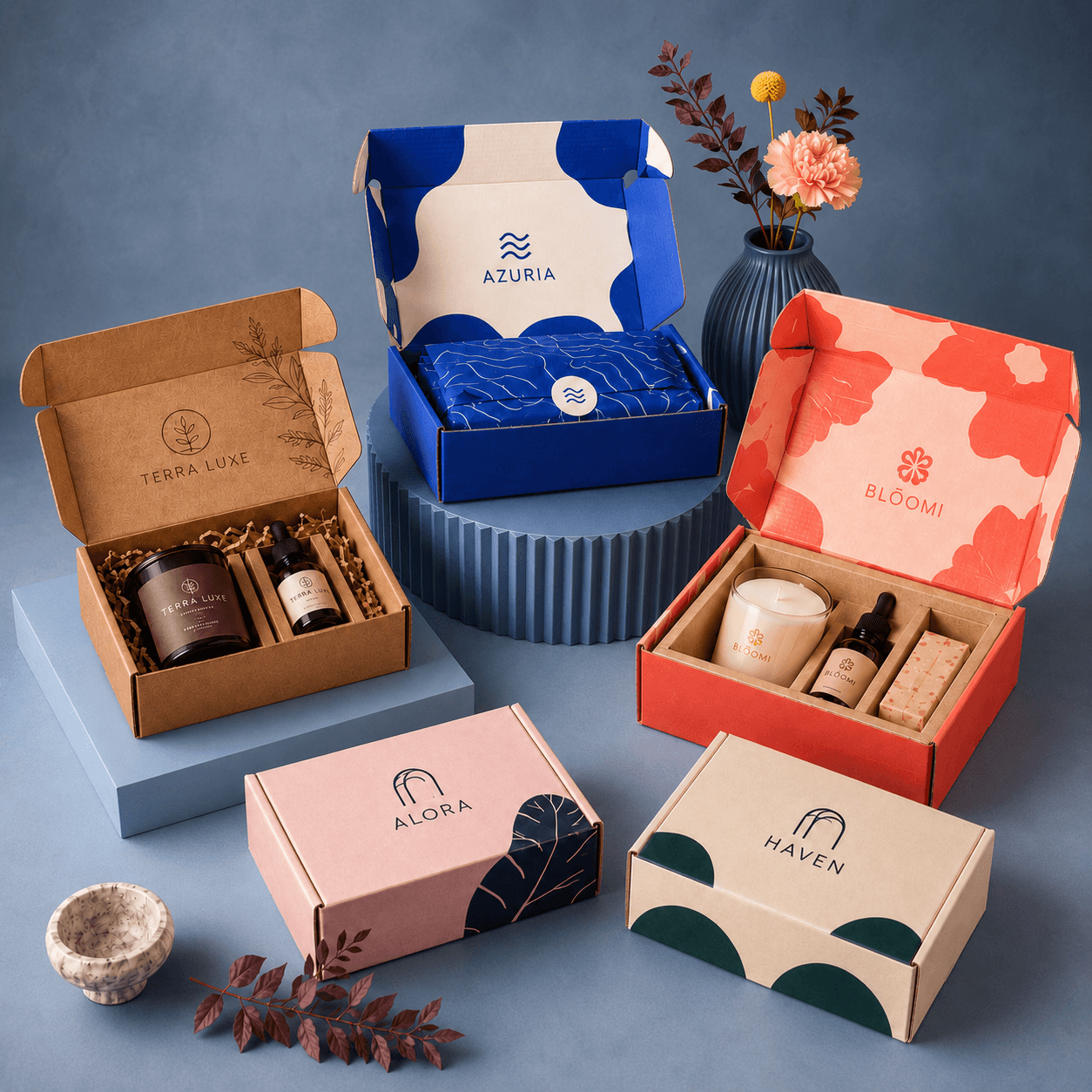
Mailer Boxes options
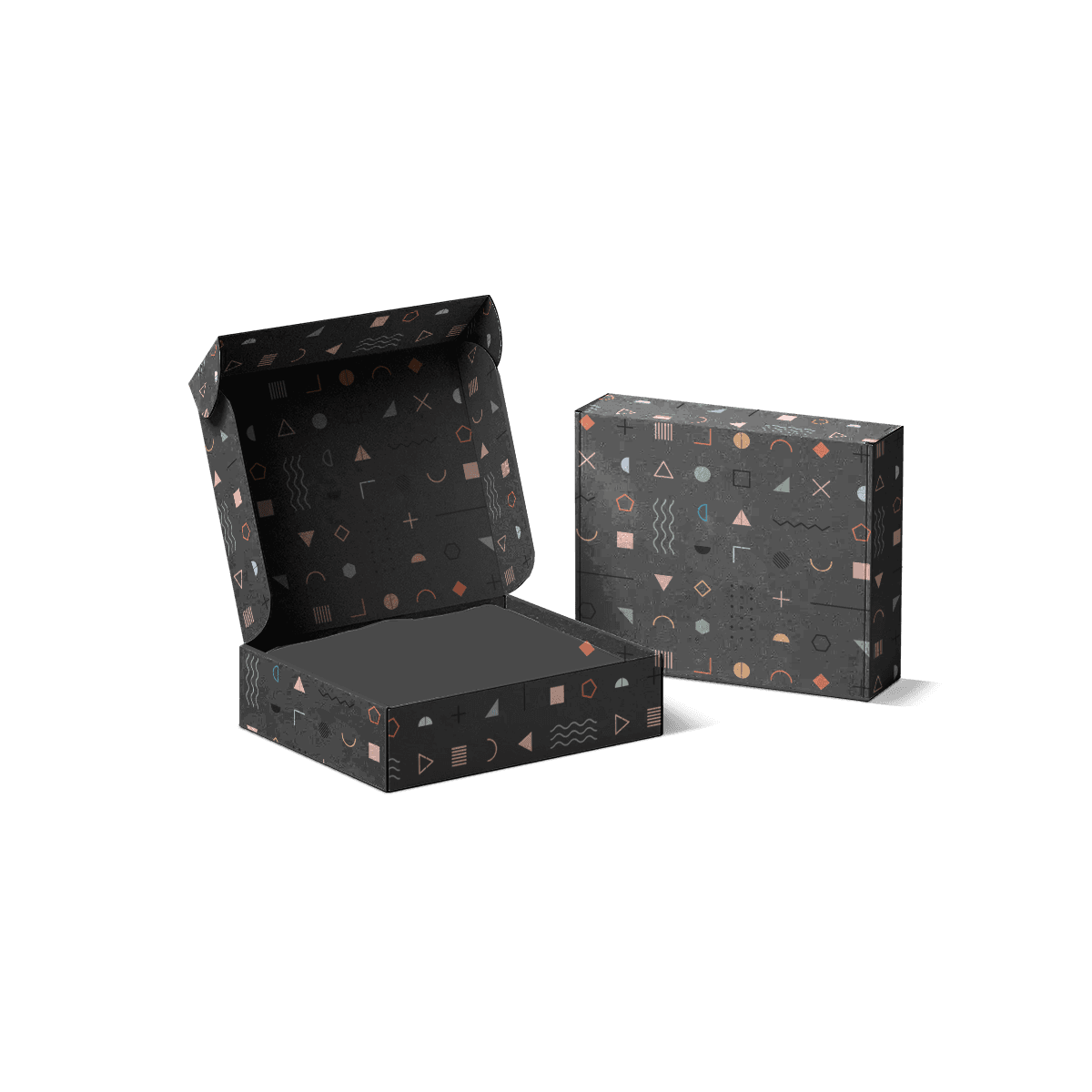
Roll End Tuck-Front Mailers
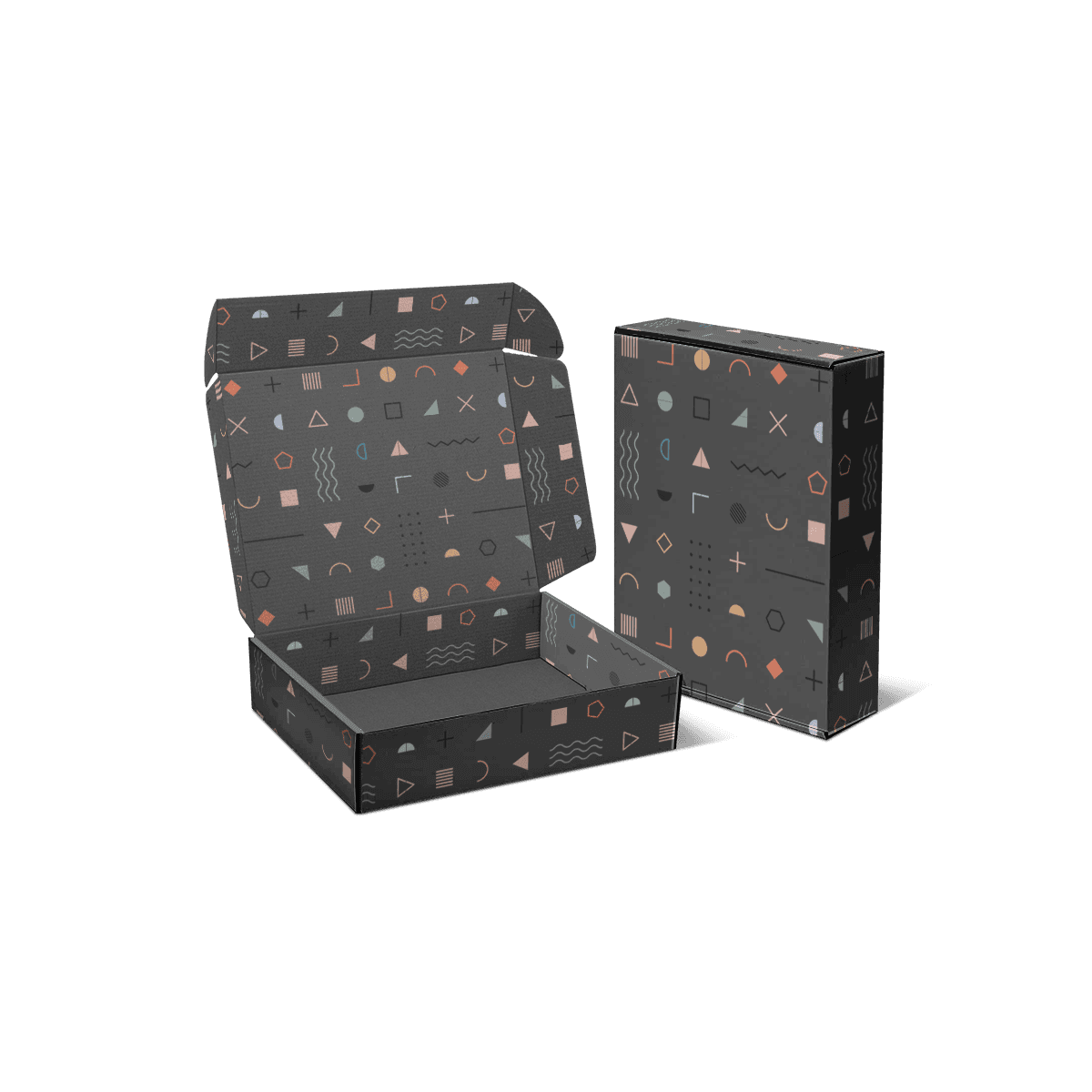
Tab-Locking Mailers
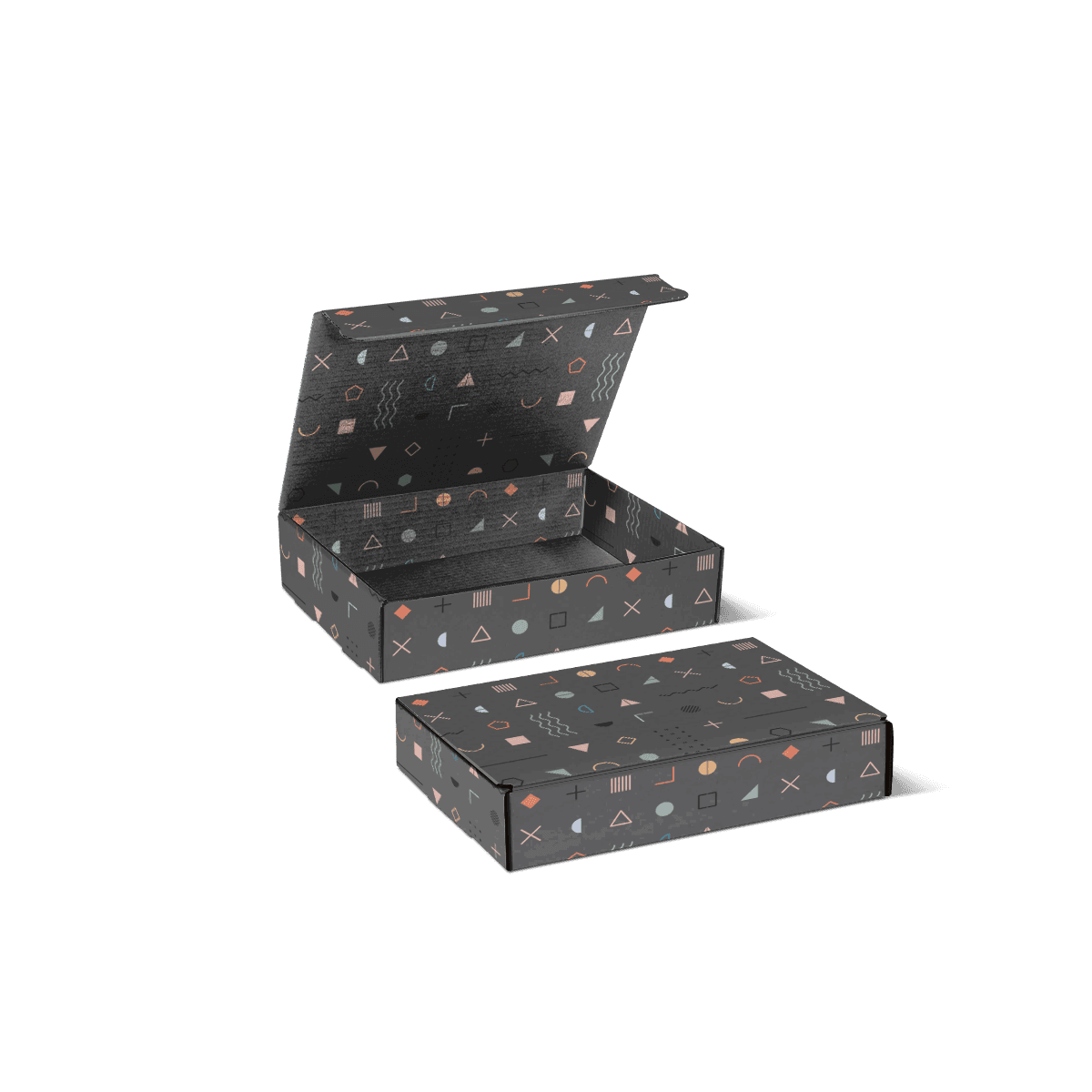
Literature Mailers
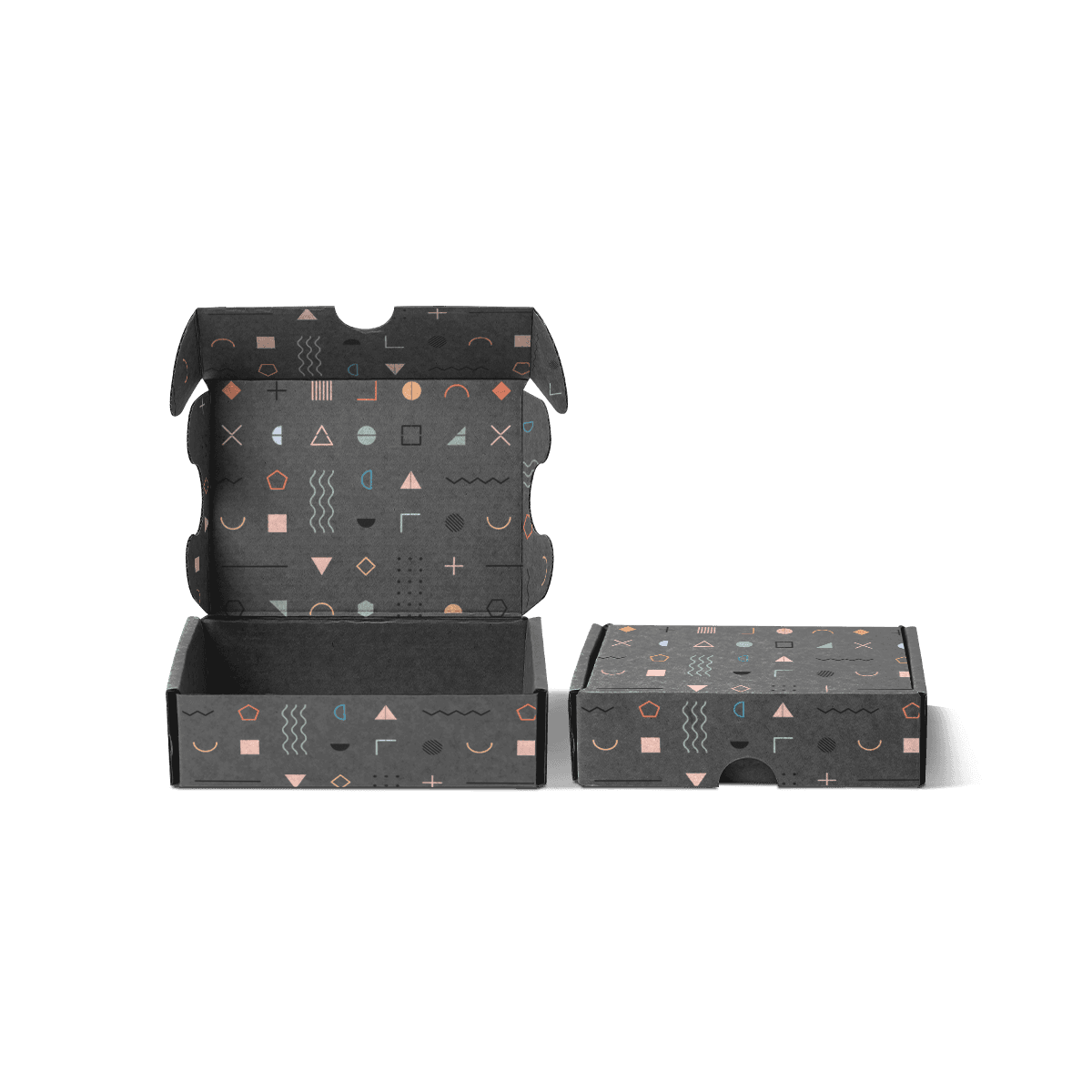
Die-Cut Mailers
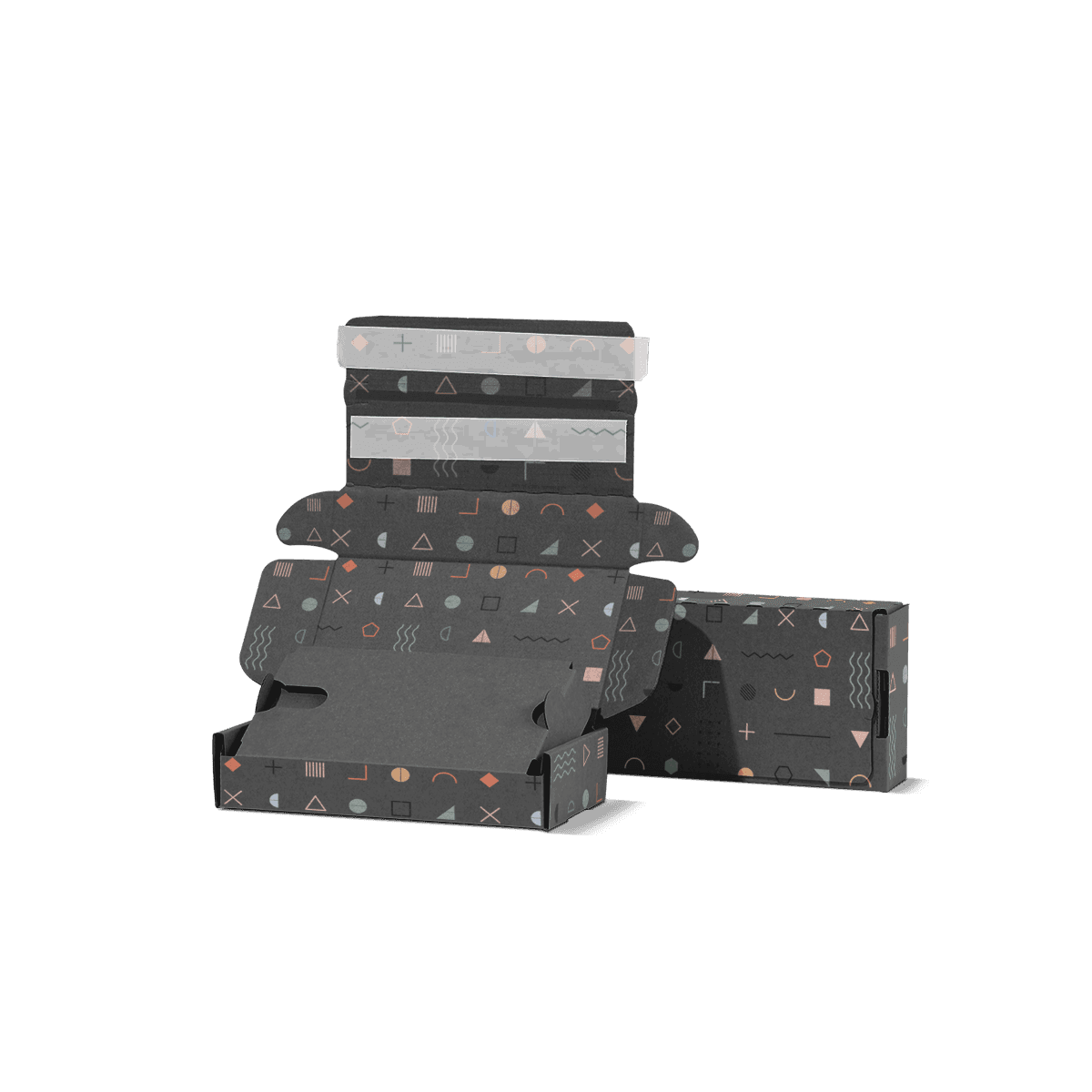
Self-Sealing Mailers
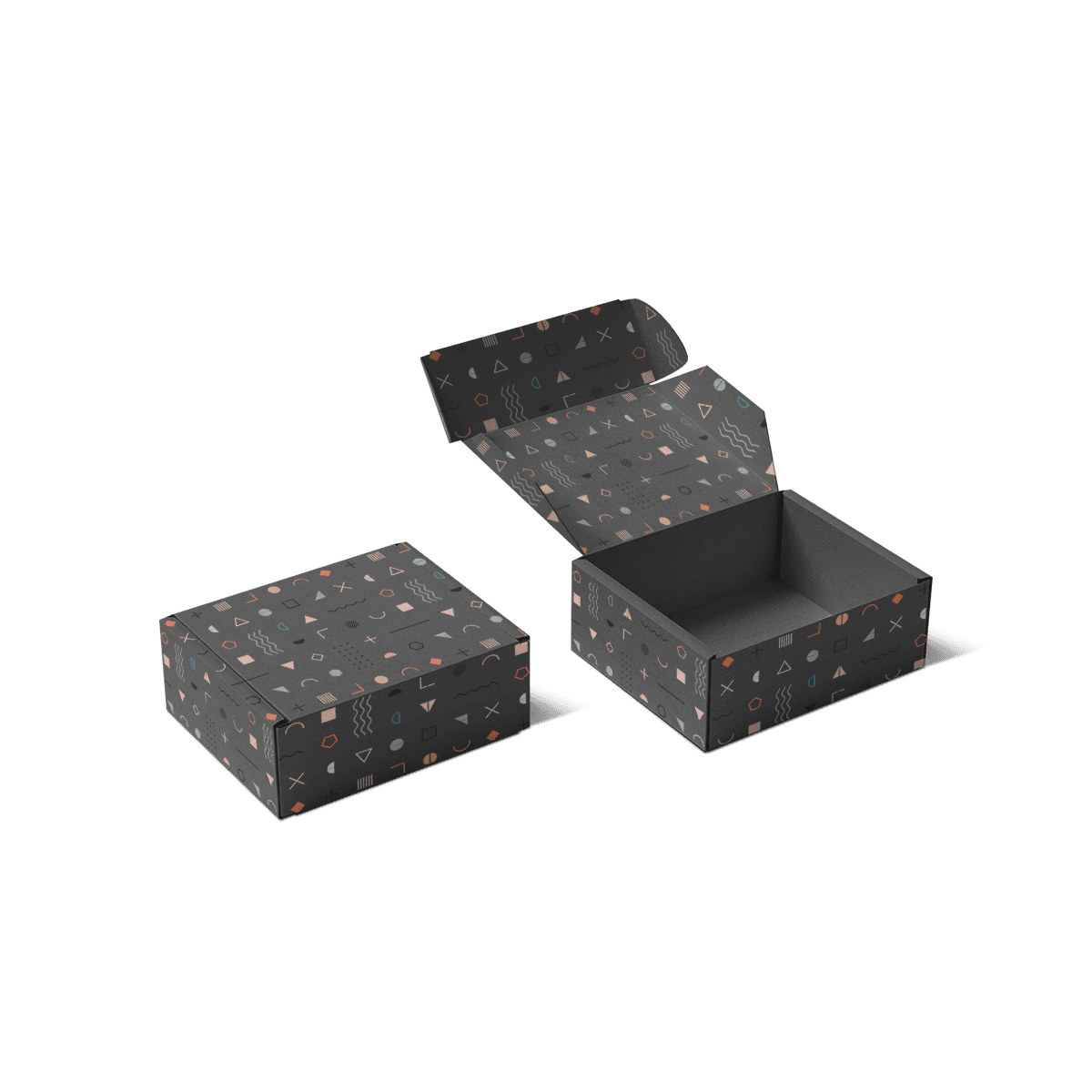
Printed Branded Mailers
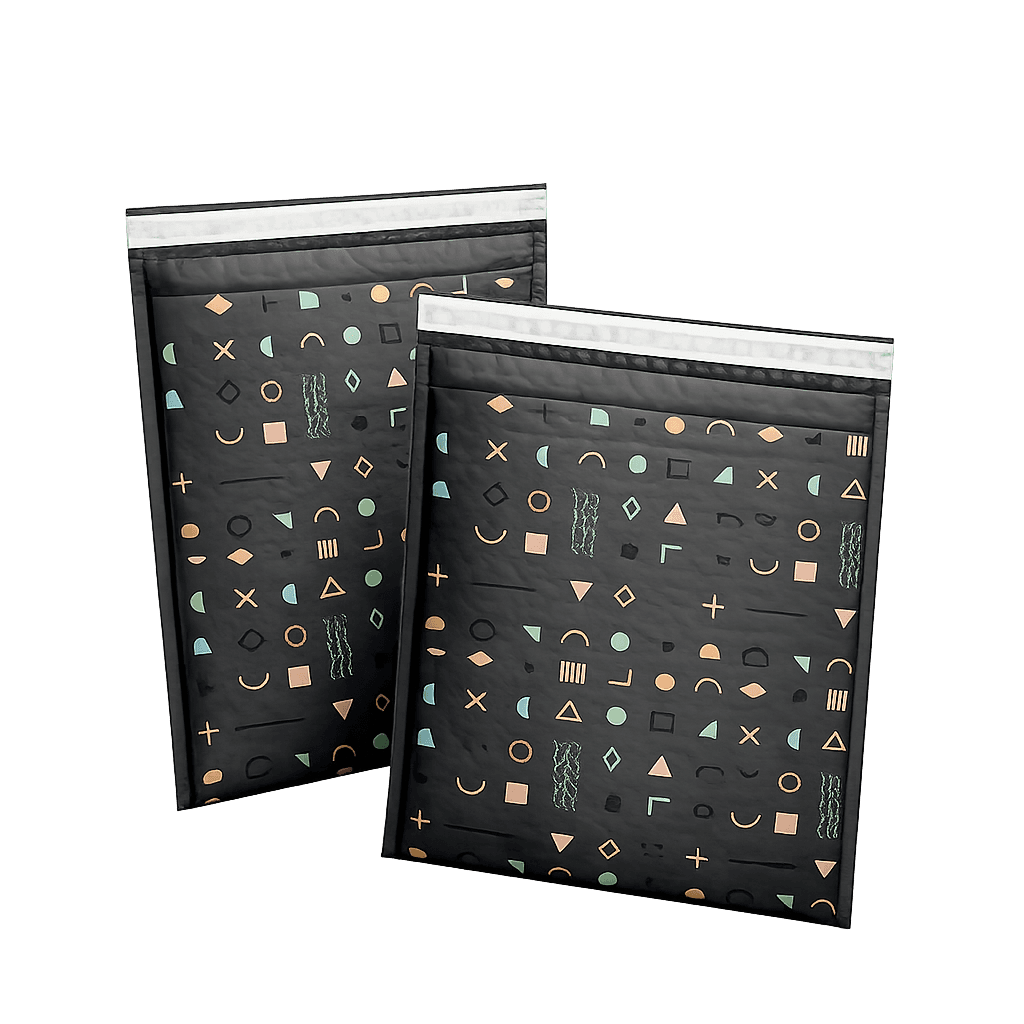
Padded Mailers
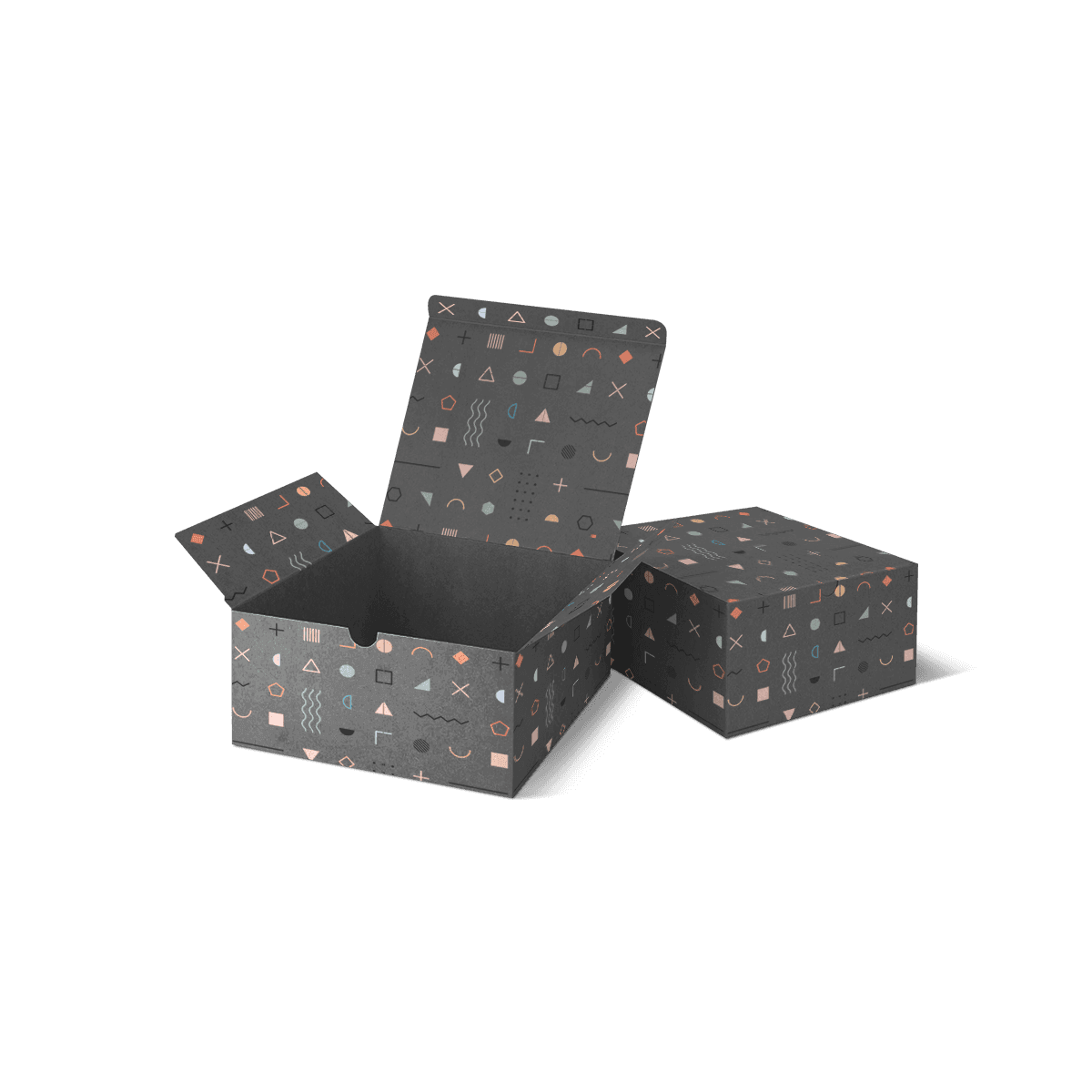
Tuck-Top Mailer Boxes
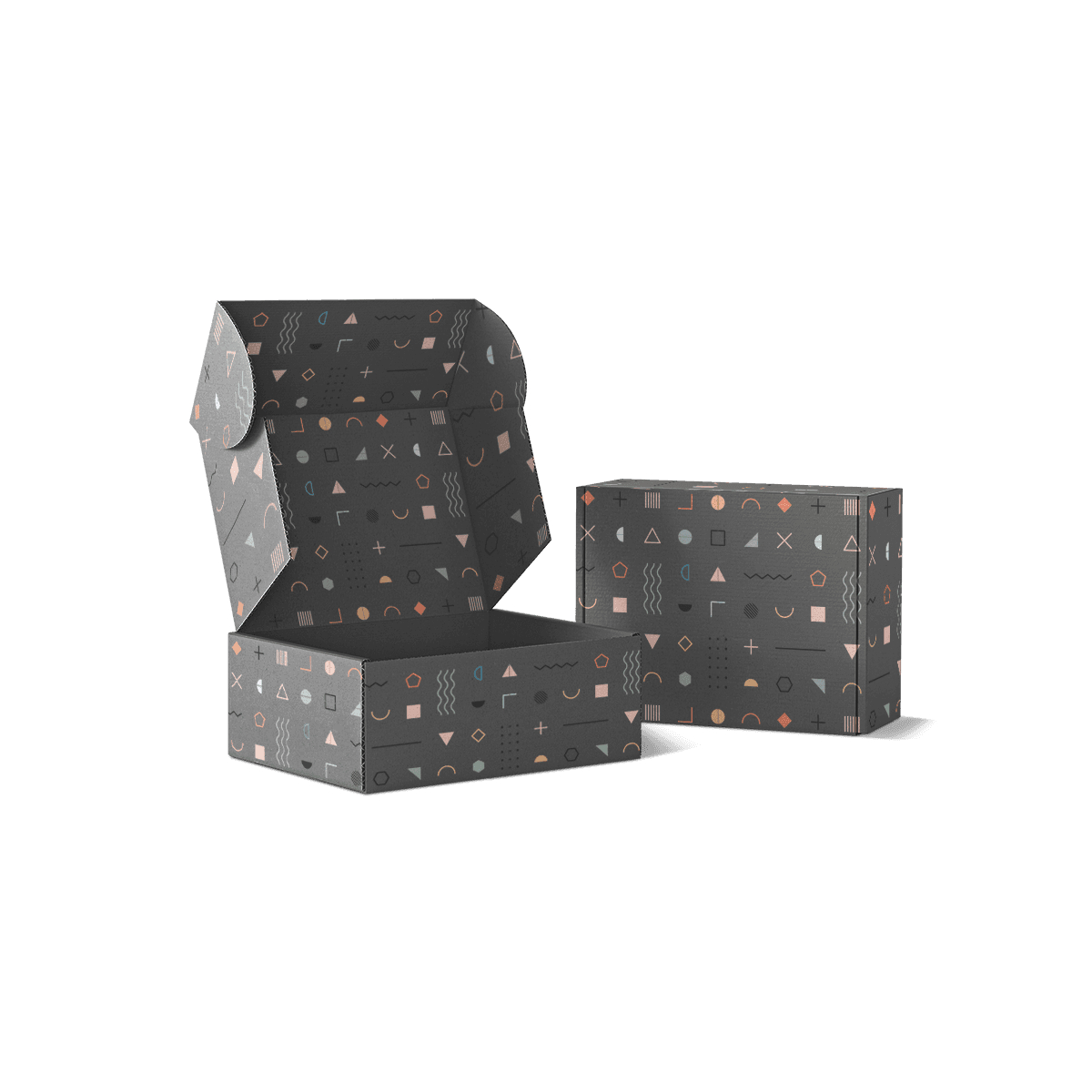
Roll-End Mailer Boxes
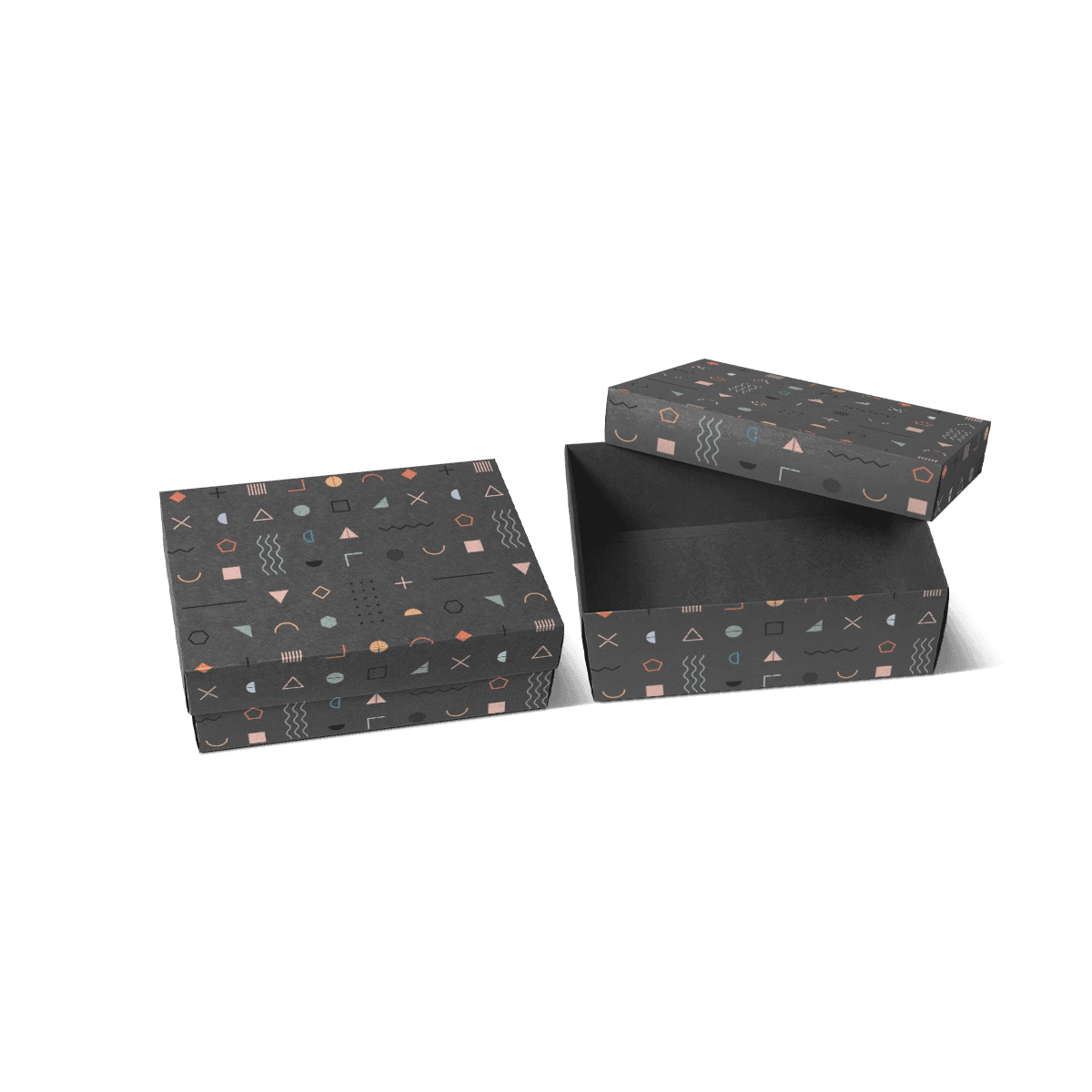
Two-Piece Mailer Boxes
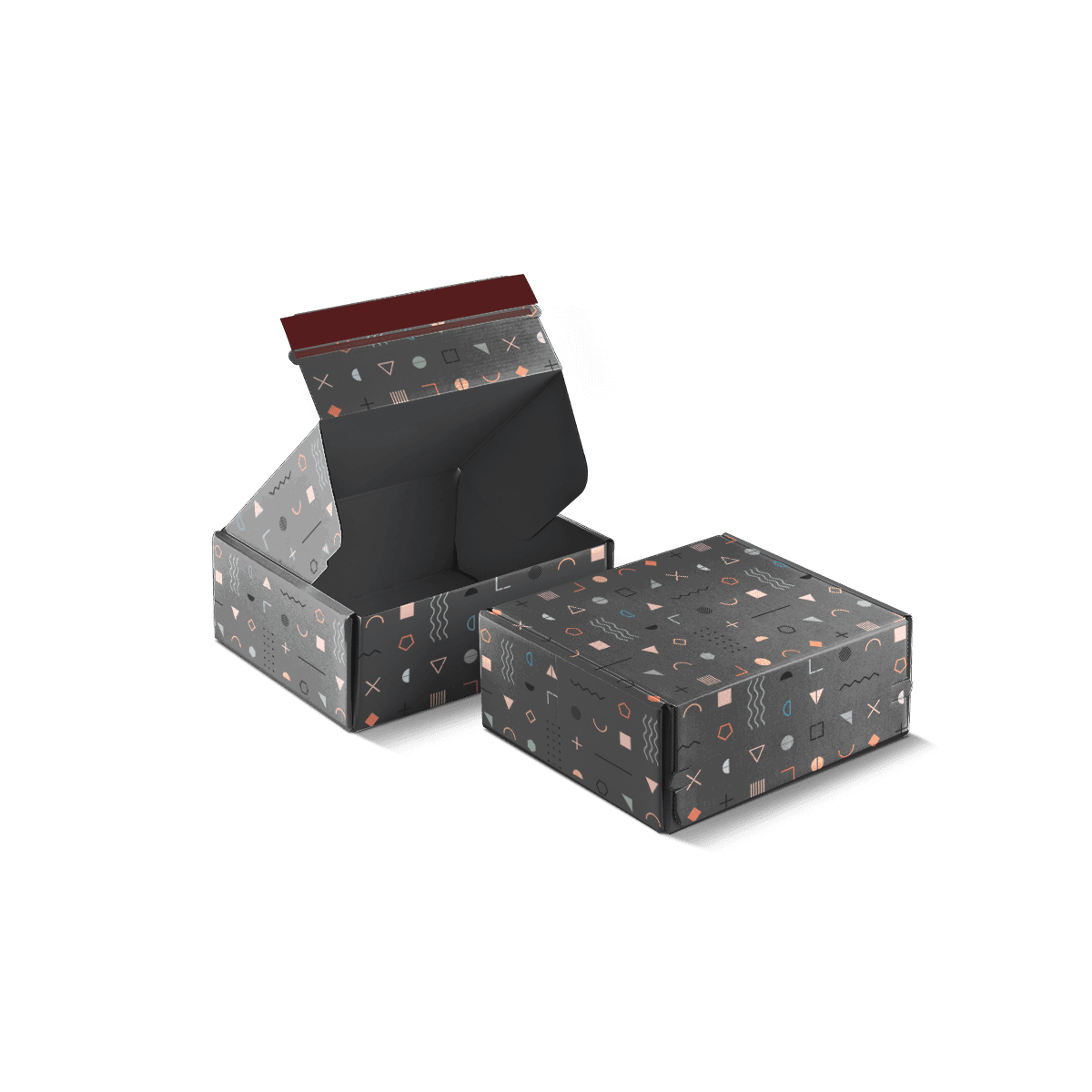
Adhesive Strip Mailer Boxes
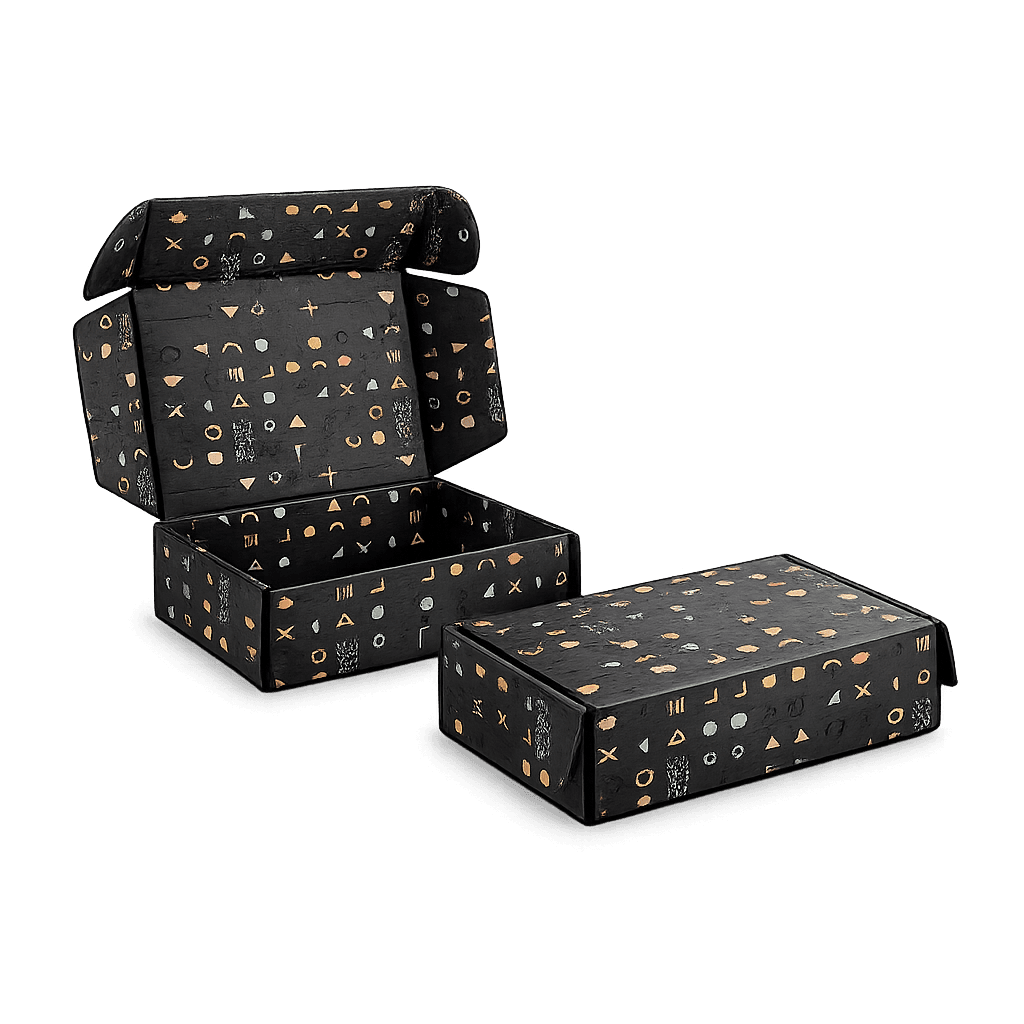
Mailer Boxes with Wings
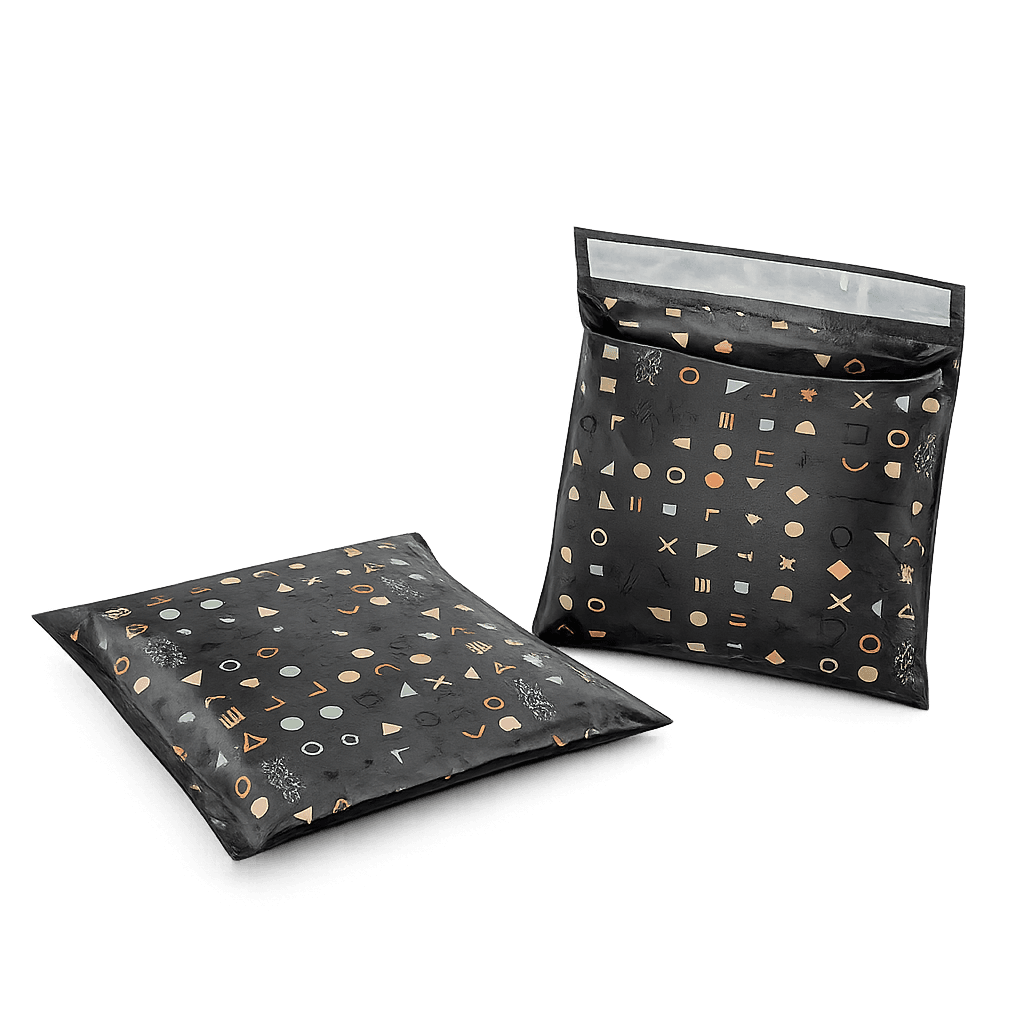
Poly Mailers
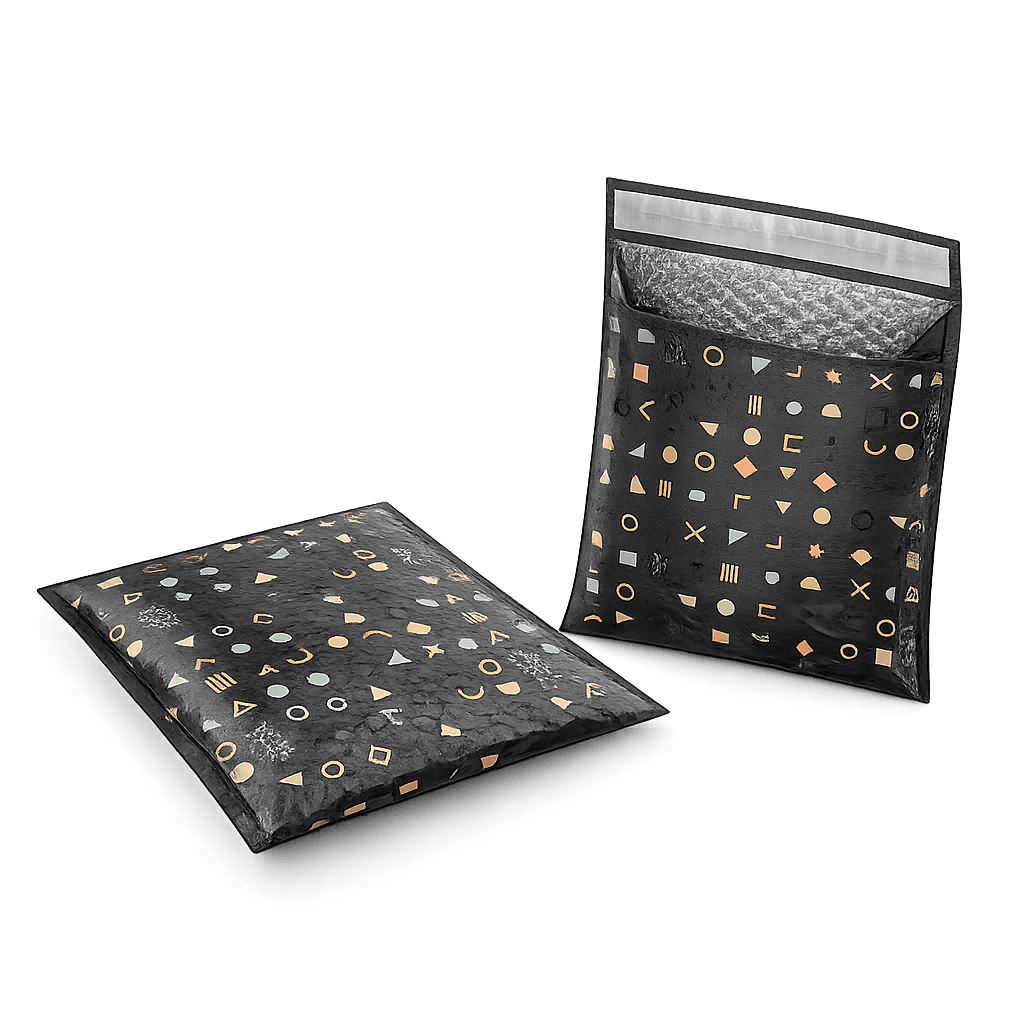
Bubble Mailers
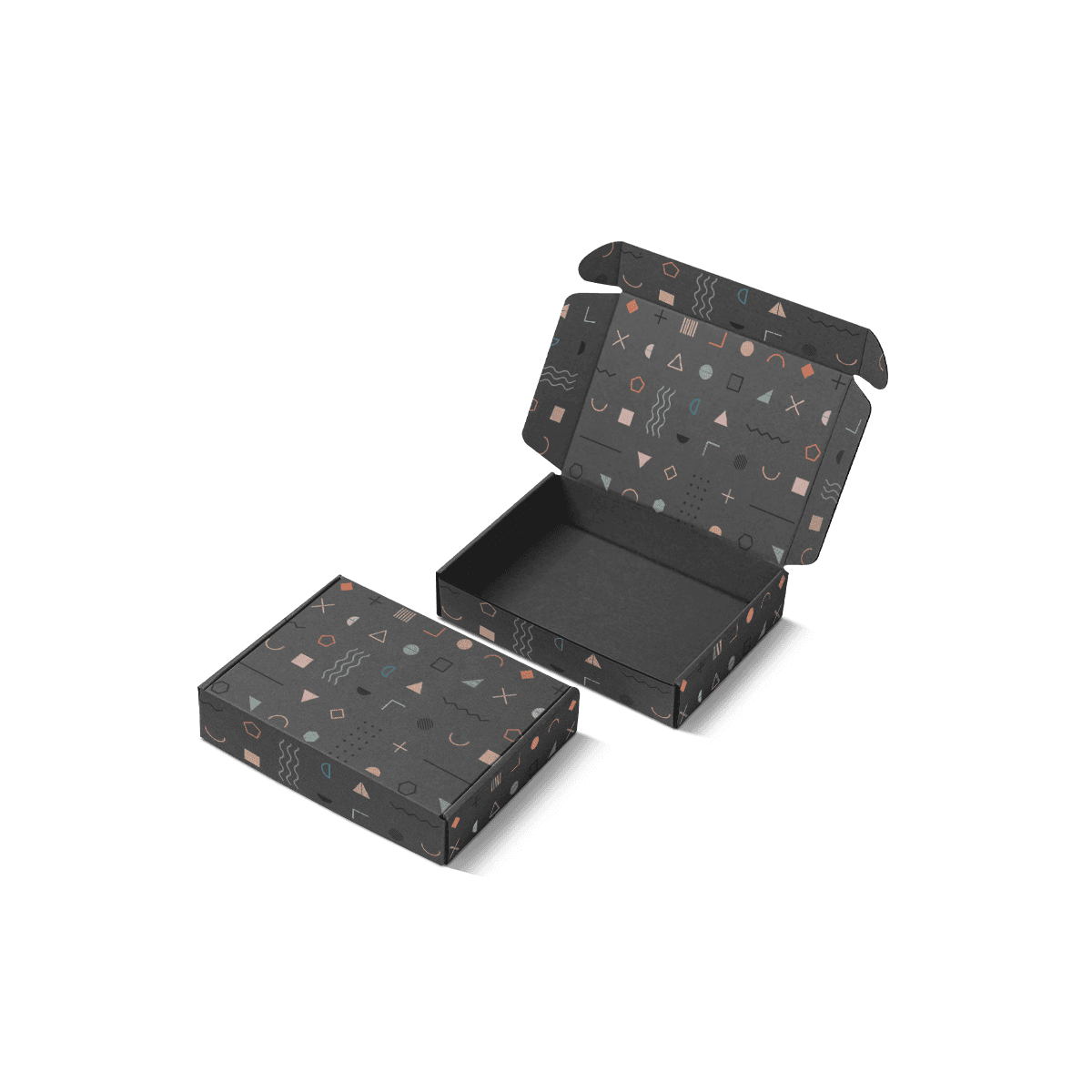
Custom Retail Mailer Boxes
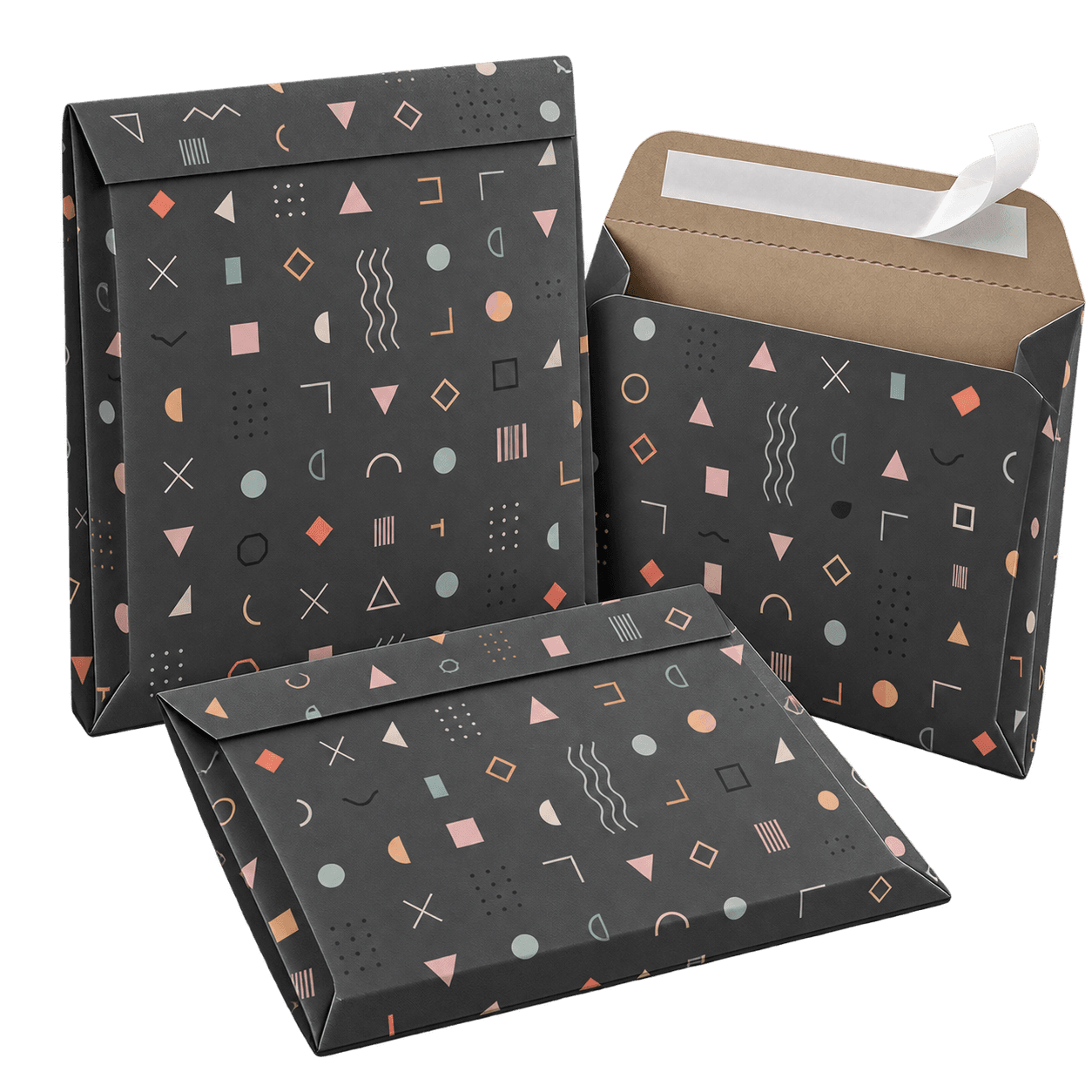
Mailing Envelopes
Your product shouldn’t have to fit an off-the-shelf box.
Share the shape, size, material, finish, or insert you have in mind. We’ll turn the details into a tailored packaging recommendation and a clear quote.
Custom sizes · materials · finishes · inserts
The Sidewalls And Front Closure Carry More Of The Parcel Load Than They Appear To
Custom mailer boxes are usually built from a one-piece corrugated blank that folds into a presentation-friendly shipper. The lid gets most of the visual attention, but the roll-over sidewalls, front closure, dust flaps and locking areas determine how well the box stays square through packing and parcel handling.
That makes mailer selection different from choosing a plain carton. The box has to survive delivery while still opening like intentional product packaging. If the sidewalls lose shape, the lid can misalign. If the front closure is too loose for the packed load, the box may arrive looking tired even when nothing inside is damaged.
Roll-End Sidewalls Create The Working Frame
Roll End Tuck-Front Mailers use folded side panels and a front tuck to create a clean, familiar ecommerce structure. The side construction helps square the box while the hinged lid gives brands a broad inside surface for artwork.
This format works well when the product is light enough for a corrugated mailer and the opening experience matters. It is especially useful for subscription packs, apparel, sample sets and organized D2C orders.
Tab Locks Add More Positive Closure Control
Tab-Locking Mailers use the front locking area more actively. They can make sense when a compact parcel needs a more definite close and a tidy front edge without moving to tape as the main closure.
The lock still has to match the packed depth. A box filled above its intended height can push upward on the lid and place unnecessary stress on the front tabs.
When lid-side engagement matters, Mailer Boxes with Wings use the side geometry as part of the closing experience. Flatter products that do not need box depth may be better suited to Mailing Envelopes rather than a full corrugated mailer.
When the closure or panel geometry has to be shaped more deliberately around the pack, Die-Cut Mailers provide a more specific structural route than treating every mailer as the same roll-end format.
Packed Height Controls How The Lid Closes And Arrives
Mailer dimensions should be based on the packed product stack, not the product alone. Tissue, inserts, cards, accessories and protective components all consume vertical space. If that height is ignored, the lid can bow or the front tuck can sit under constant pressure.
Too much height creates the opposite problem. A deep mailer around a shallow product leaves room for movement and may require extra filler. It also creates a larger parcel than the product needs.
Measure The Complete Packout Stack
Lay out the product exactly as the fulfillment team will pack it. Include the insert, folded apparel, accessories, tissue or other components that will remain in the finished parcel. Measure the maximum packed height after those elements are arranged.
For multi-item kits, check the tallest point as well as the overall footprint. A small accessory sitting on top of another product can determine lid clearance even when most of the box is much shallower.
The practical target is enough room for clean closure without compressing the contents or leaving a large unused cavity.
Shallow Mailers Need Different Support Than Deep Mailers
A low-profile mailer can feel very stable because the sidewalls have less height to flex. Deeper mailers create more wall area and can become more sensitive to product weight, empty space and stacking.
That does not mean every deep mailer needs heavier corrugated board. Product weight, footprint, sidewall height and the internal support system should be considered together.
When excess movement is already causing shipping problems, review how structure and fit reduce shipping damage before simply increasing board strength.
Fulfillment Volume Can Make The Closure More Important Than The Finish
The best mailer for a small launch is not always the best mailer for a packing station processing thousands of orders. At scale, repeated hand movements matter.
A standard tuck closure can work well when assembly volume is manageable. Higher-volume operations may benefit from adhesive or self-sealing systems that remove taping and shorten the closing sequence.
Self-Sealing Mailers Reduce A Repeated Packing Step
Self-Sealing Mailers are useful when the fulfillment team needs a cleaner close without applying separate tape to every parcel. The value comes from process consistency as much as appearance.
Before changing the structure, test the actual packing sequence. A self-seal feature saves little if most of the labor is being spent arranging products, folding tissue or correcting a poor fit.
Adhesive Strips Should Match The Shipping Workflow
Adhesive Strip Mailer Boxes can simplify outbound sealing. When returns are part of the customer experience, the closure specification should also account for how the customer will reseal the package if the chosen construction supports that workflow.
Treat that as a structural feature, not an afterthought added after artwork approval.
Custom Packly’s MOQ starts from 100 boxes, so a growing brand can validate a new mailer format without treating every structural change as a very large commitment. Once the dimensions and closure are defined, an instant custom packaging quote can price the actual mailer rather than a generic corrugated box.
Corrugated Profile Changes Both Strength And Print Character
Mailer boxes need corrugated board because the package has to hold shape through storage, packing and parcel handling. The flute profile affects thickness, stiffness and the surface beneath the print.
A slimmer flute can support a tighter presentation and cleaner printed appearance for many lightweight ecommerce products. A thicker construction can provide more support where product weight, box span or handling demands justify it.
The mistake is treating flute as a quality ranking. The strongest-looking board is not automatically the best mailer if it adds unnecessary bulk, changes folding behavior or creates a heavier package than the product needs.
White And Kraft Surfaces Create Different Print Conditions
White corrugated surfaces give bright artwork and lighter colors a more neutral base. Kraft creates a brown background that changes how inks appear and can suit simpler or deliberately natural-looking graphics.
The board surface should be selected before final color approval. Artwork designed on a bright monitor should not be assumed to reproduce identically on every corrugated liner.
When the project needs a deeper board, flute, printing or finishing review, packaging capabilities provides the technical production path.
Product Retention Should Not Turn The Mailer Into A Stuffed Box
Mailer boxes often carry several elements: the product, inserts, tissue, cards, samples or accessories. Internal organization is useful, but every added component consumes space and affects the closure.
An insert should stop meaningful movement or improve presentation. It should not exist simply because premium packaging is expected to contain one.
For a compact kit, a paperboard or corrugated fitment can separate components and keep them from migrating toward the front closure. Fragile products may require a different cushioning approach. Soft goods may need no insert at all when a right-sized mailer and controlled fold are enough.
Foam, cardboard and molded-pulp inserts differ in cushioning, stiffness and presentation, so insert material should follow the product's movement risk.
Shipping Labels Need Their Own Space In The Artwork
A branded mailer is still a shipping parcel. Carrier labels, routing stickers and warehouse marks can cover the exact panel the design team wanted customers to see first.
Plan a practical label zone before approving the exterior artwork. On many mailers, the top panel is the obvious placement because it stays visible and relatively flat. If the logo, campaign headline and shipping label all compete for that same area, the design will not survive real fulfillment as intended.
Interior Printing Can Carry The More Detailed Brand Moment
Outside printing needs to tolerate handling and shipping marks. The inside lid is protected until opening, which makes it useful for campaign artwork, instructions, a thank-you message or a controlled color field.
Printed branded mailers are most effective when exterior and interior graphics have different jobs rather than repeating the same artwork twice.
Premium offset printing is available when the project benefits from high-quality repeat print. For color-sensitive work, decide whether CMYK or Pantone control is appropriate before locking the final file.
The Dieline Shows Which Panels Actually Meet
Mailer artwork has to account for lid panels, sidewalls, front tucks, dust flaps, locking areas and fold direction. Graphics that look continuous on a flat design file can break once the box is assembled.
The packaging dieline explanation shows how cut lines, creases, bleed and safe zones relate to the finished package. When the supported mailer structure and dimensions are known, A packaging dieline maps lid panels, sidewalls, tucks, bleed and safe zones before artwork is approved.
Free 3D mockups and design and dieline support can then help review the presentation before production.
A Mailer Has A Structural Limit
Mailer boxes balance presentation and shipping protection, but they should not be forced into jobs dominated by heavy loads, severe stacking or high fragility.
A lightweight subscription kit may ship well in a fitted corrugated mailer. A dense multi-item order that concentrates weight near the bottom or needs stronger stacking performance may be better suited to Shipping Boxes.
That distinction protects the customer experience. A heavily reinforced mailer is not automatically a smarter solution than choosing a shipping structure built for the load.
The practical question is whether the hinged presentation format still earns its place after the protection requirements are met. If the answer is no, change the structure instead of endlessly adding board and filler.
When the parcel becomes heavier or more demanding, mailer boxes, shipping boxes and folding cartons should be compared by the job each structure has to perform.
Compact service and safety kits can still fit the mailer model when the load is controlled. Safety Equipment Mailer Boxes are one use case where the kit layout should determine whether a mailer remains appropriate or a stronger shipper is needed.
Large Mailer Programs Become A Supply Planning Problem
Once a brand uses thousands of mailers repeatedly, storage and release timing can matter as much as printing and board selection.
Custom Packly has worked with a California ecommerce brand needing about 60,000 custom mailer boxes per month. The previous supply setup had inconsistent print, high pricing and delivery delays, while neither taking all stock at once nor relying on late replenishment worked well for the brand’s storage situation.
The solution was not another decorative redesign. The mailer program combined repeat print control with warehousing and scheduled deliveries so finished packaging could be released as needed over a nine-month period.
That is a useful distinction for bulk buyers. A low unit price loses value if boxes arrive too late for fulfillment or consume warehouse space months before they are needed.
Large recurring orders also depend on print consistency, storage and release timing, all of which affect bulk mailer-box supply.
For approved repeat programs, Custom Packly provides US production, warehousing and scheduled deliveries. Standard turnaround is 4–6 days after final artwork and specifications are approved. Complex structures, specialty materials or advanced finishes may require additional time.
Right-Sizing Should Include Parcel Cost And Packing Consistency
A custom size is valuable when it improves more than appearance. It can reduce empty space, limit filler, improve product control and prevent the fulfillment team from improvising the packout differently each time.
A box that is one inch larger in several directions may look like a small dimensional change. Across a recurring ecommerce program, that difference can affect corrugated use, storage cube, filler and parcel volume.
This is why the mailer should be evaluated as a packed unit. Measure the product set, choose the insert or protective system, confirm the packed height and then check whether the finished exterior dimensions make sense for the shipping method.
For brands where fulfillment economics are driving the specification, ecommerce retail packaging provides the stronger product-and-channel route. Soft goods and store-to-door orders may create a different set of fit and presentation priorities.
Use Fewer Mailer Sizes Only When The Packout Still Works
Reducing the number of mailer sizes can simplify purchasing and inventory, but forced standardization creates its own cost.
A brand with eight SKUs does not automatically need eight mailer dimensions. Products with similar packed footprints, fragility and presentation needs can often share a box. The useful grouping is based on how the packed order behaves, not merely on the product name.
A smaller item should not be pushed into a much larger mailer simply to avoid creating another packaging SKU. If the extra void needs more filler, slows packing or lets the product move, the supposedly simpler inventory system is creating work elsewhere.
Group products into sensible packout families. Keep one approved size where several orders genuinely behave the same, then create another size when the product load, protection or dimensional difference is large enough to justify it.
That gives growing brands a cleaner mailer system without sacrificing fit. It also keeps repeat ordering easier because each box size has a clear operating purpose rather than being an approximate container for anything that happens to fit.
If the project extends beyond mailers into retail cartons, rigid presentation or other structures, compare the broader Packaging Styles before increasing the mailer catalog unnecessarily.
Start Your Custom Packaging Quote
Share your product details, size, quantity and artwork needs. We’ll help choose the right packaging style and send a clear quote.