Custom Apparel Packaging
Retail and apparel packaging needs to present garments neatly, protect fabric and make sizing, gifting and carryout easier at the point of sale.
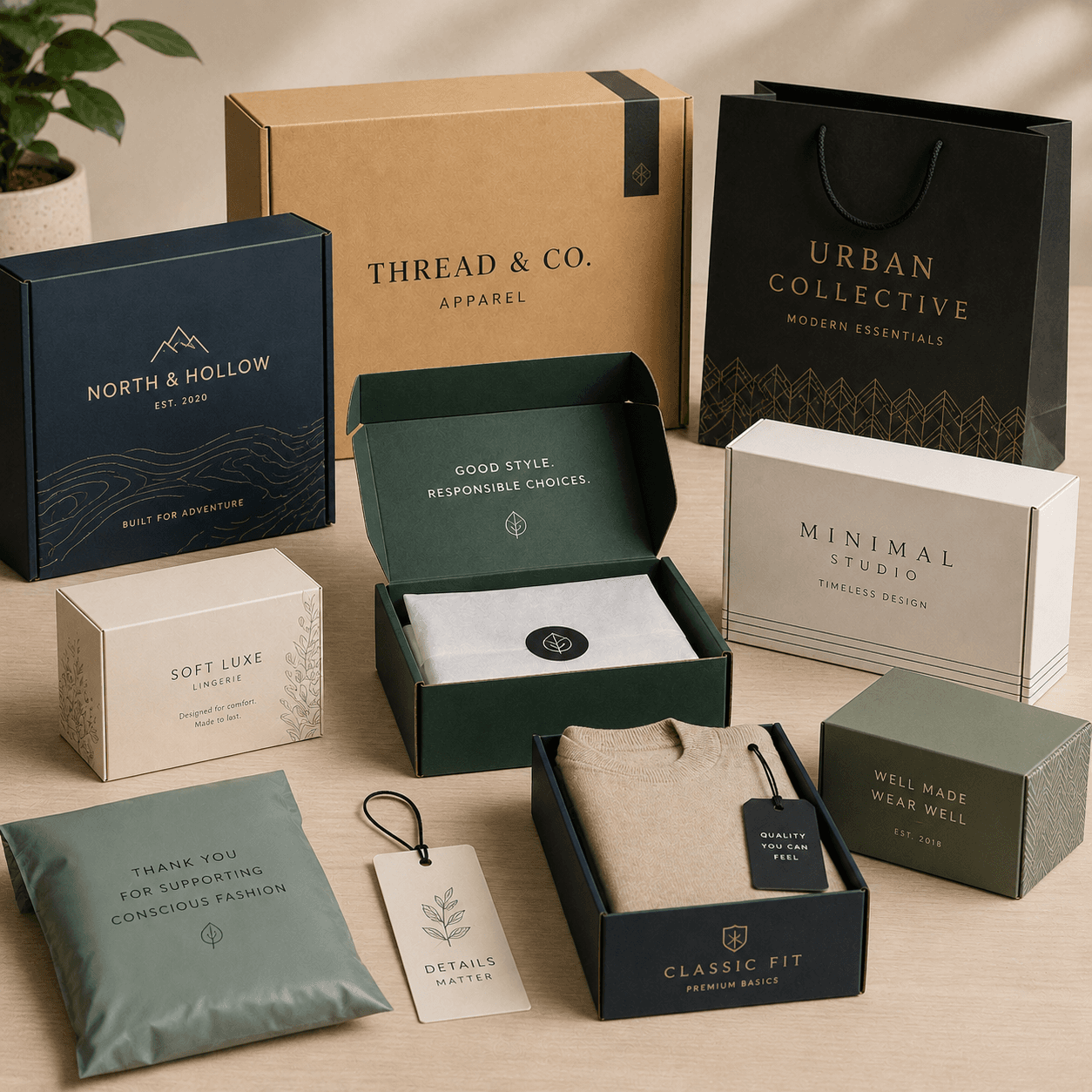
Retail & Apparel options
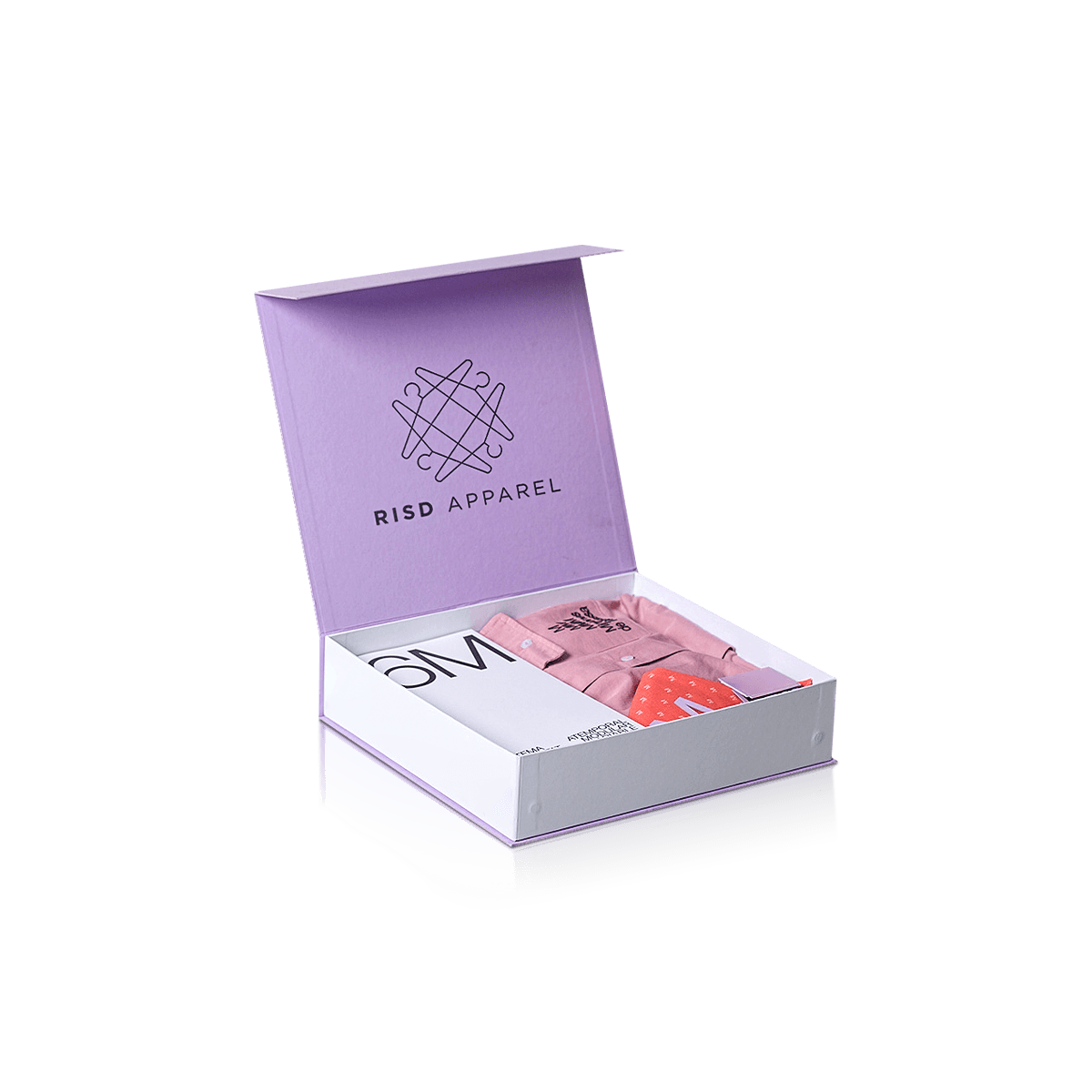
Apparel Boxes
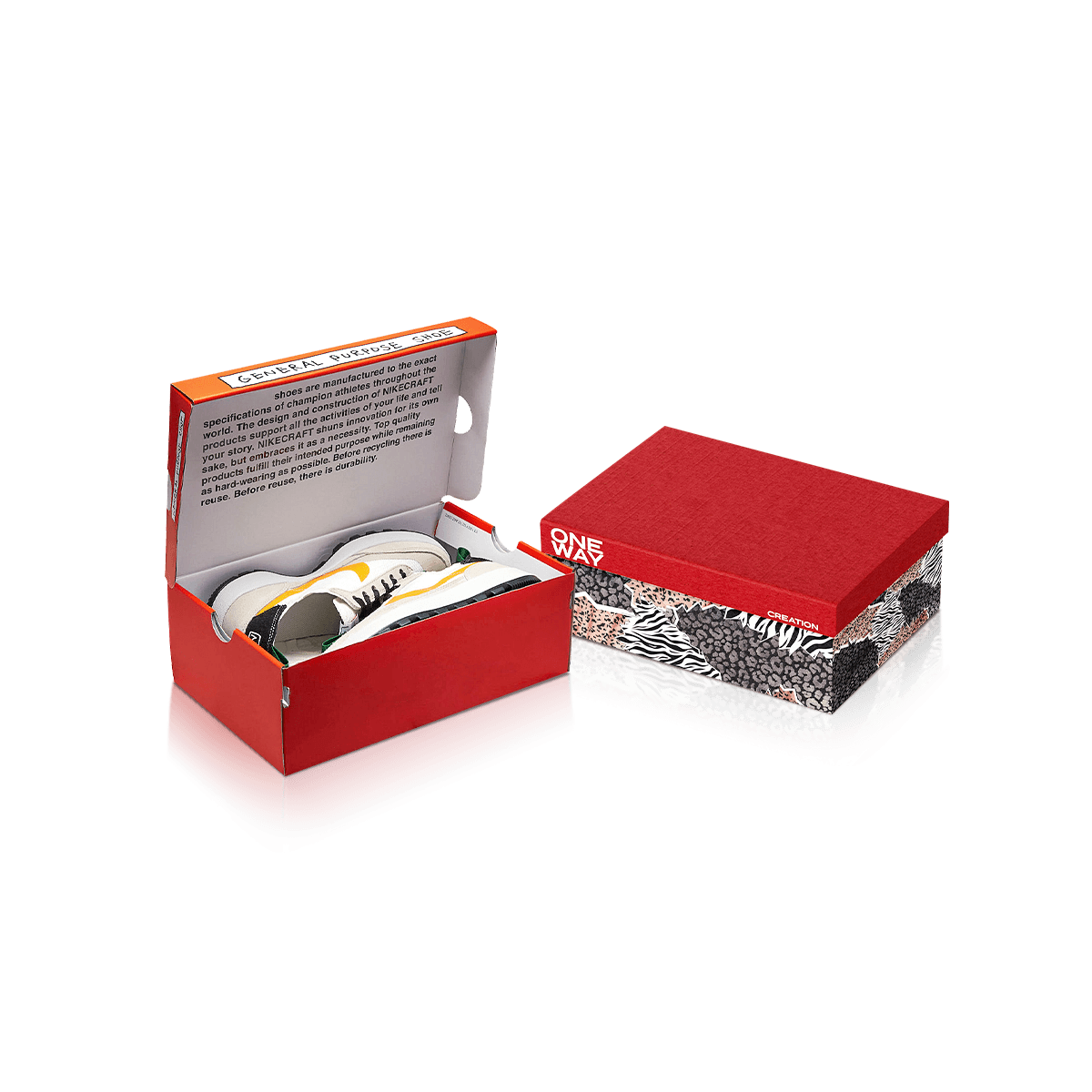
Shoe Boxes
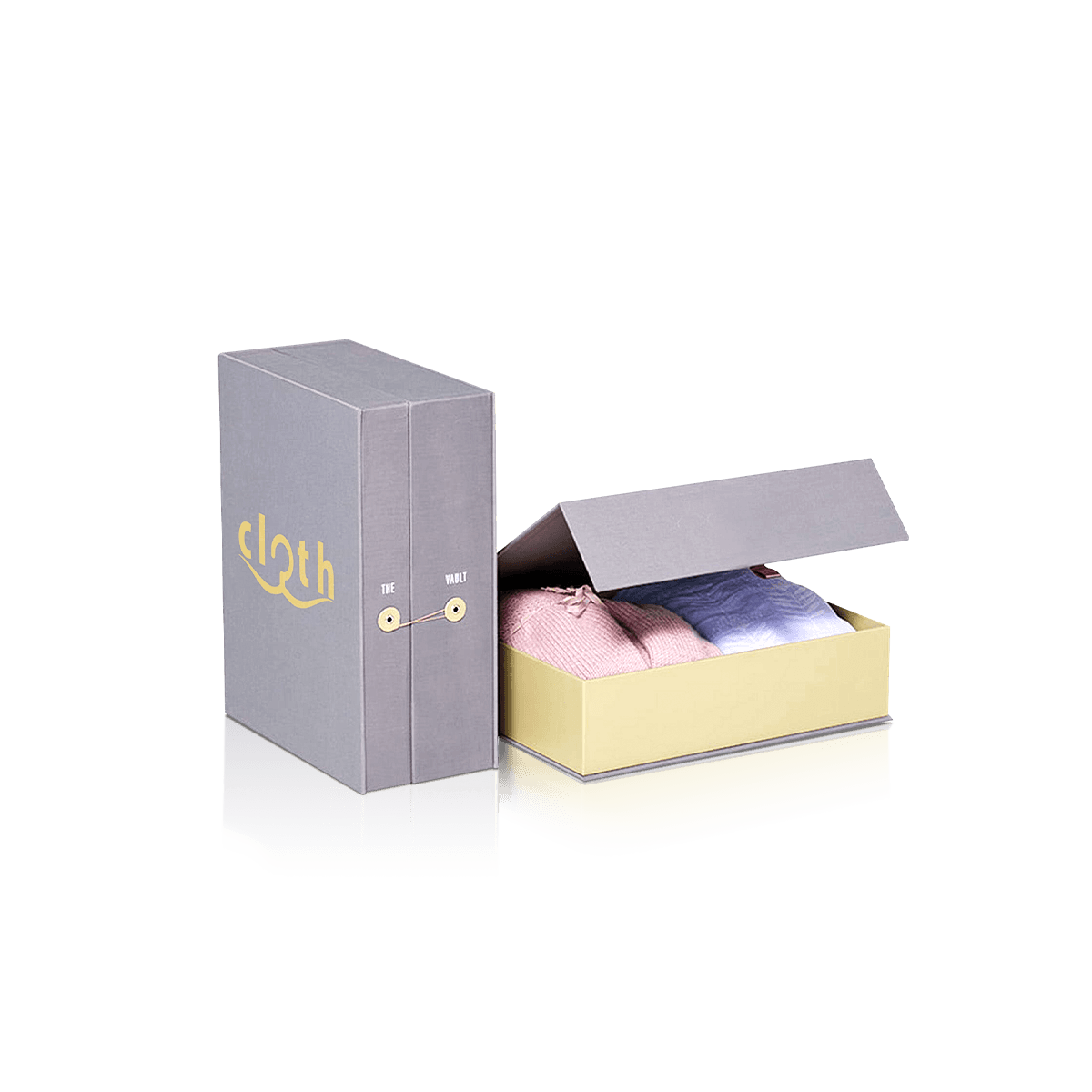
Clothing Boxes
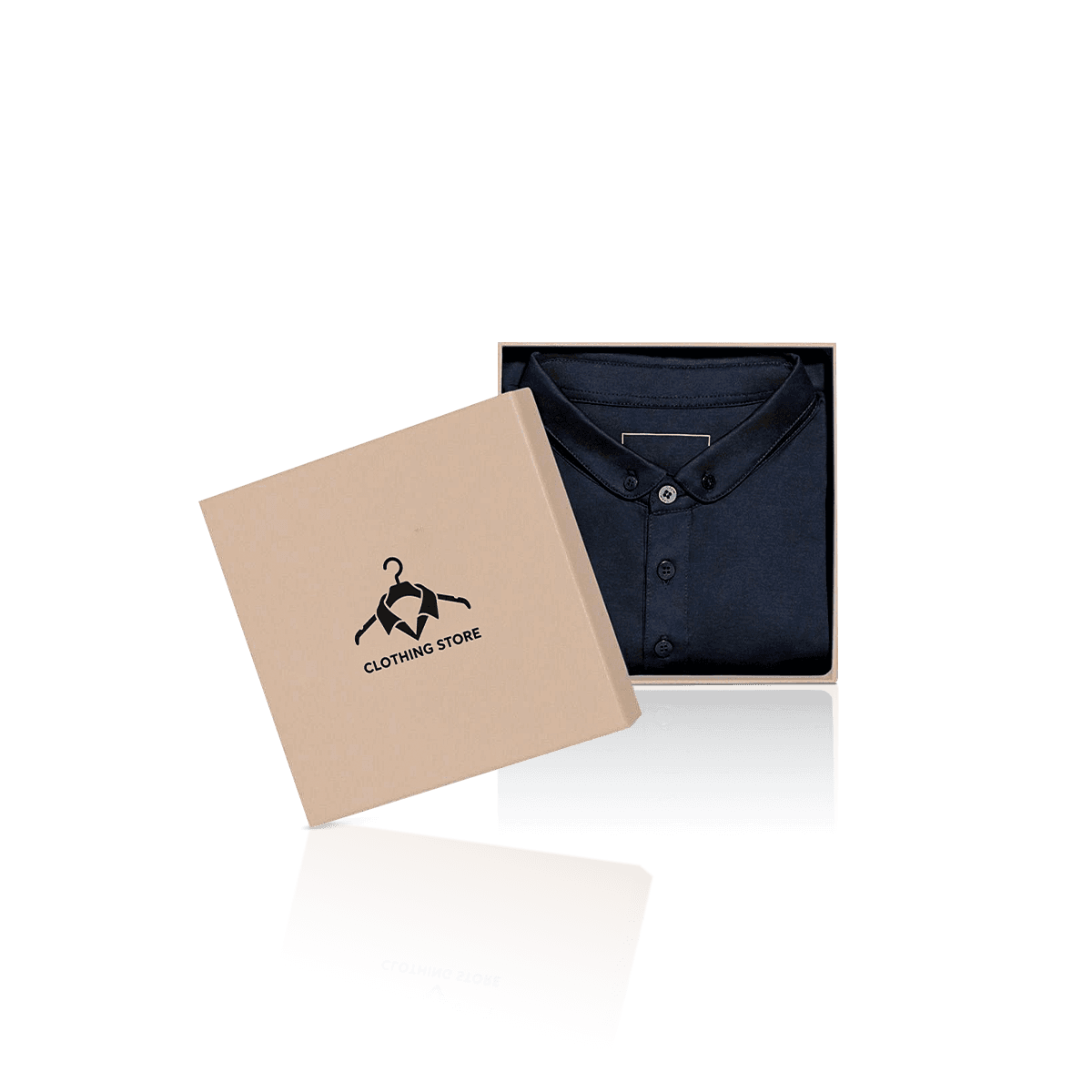
T-Shirt Boxes
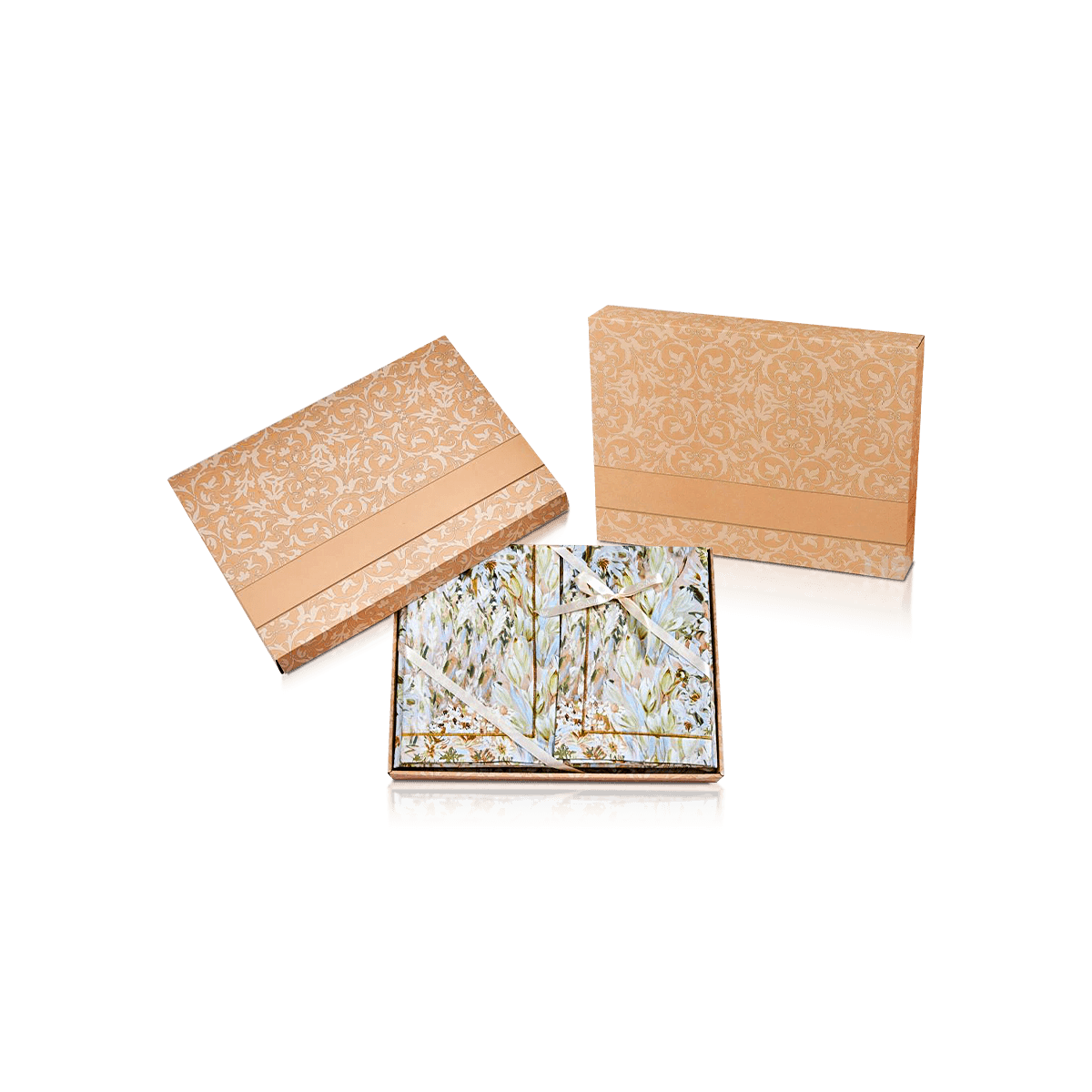
Dress Boxes
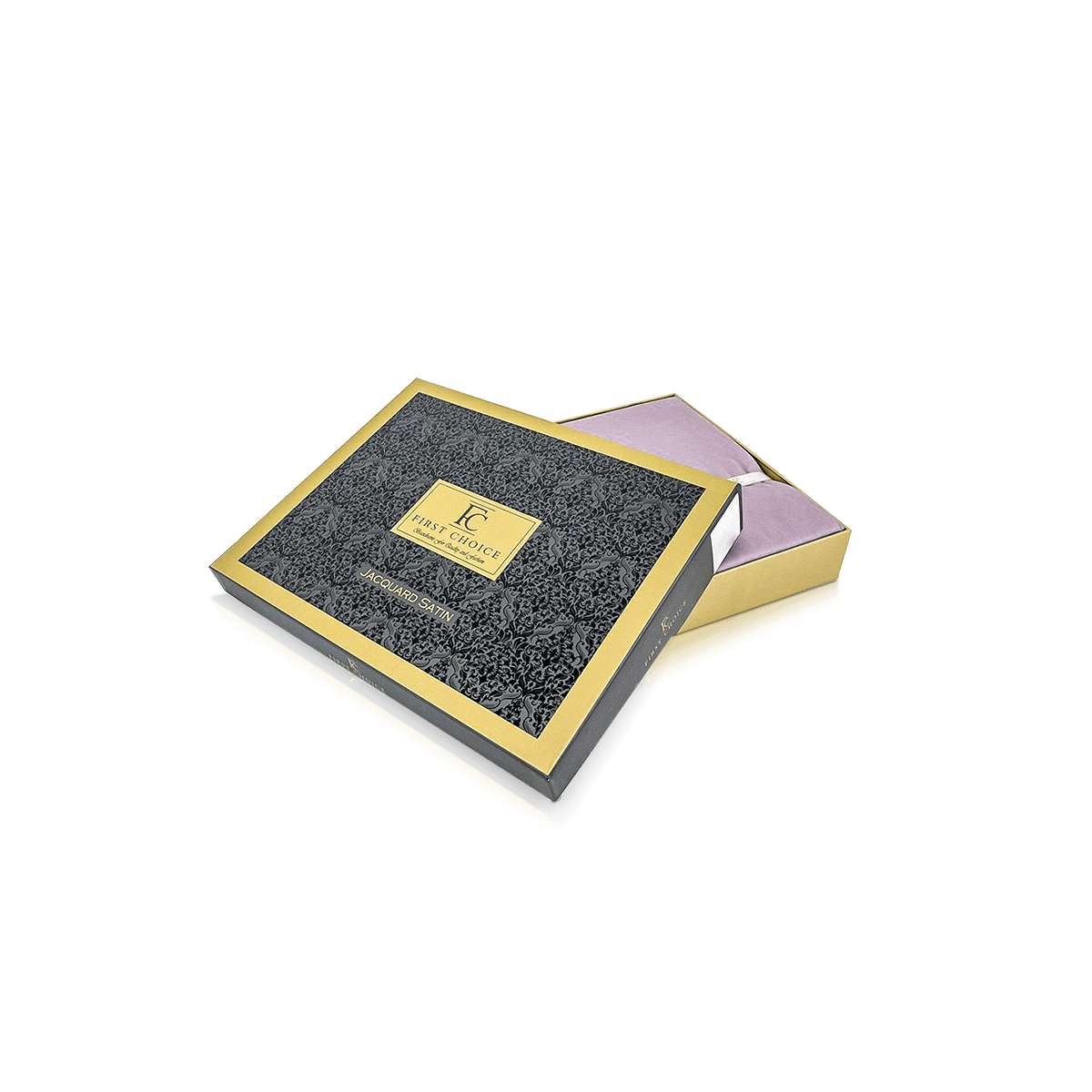
Suit Boxes
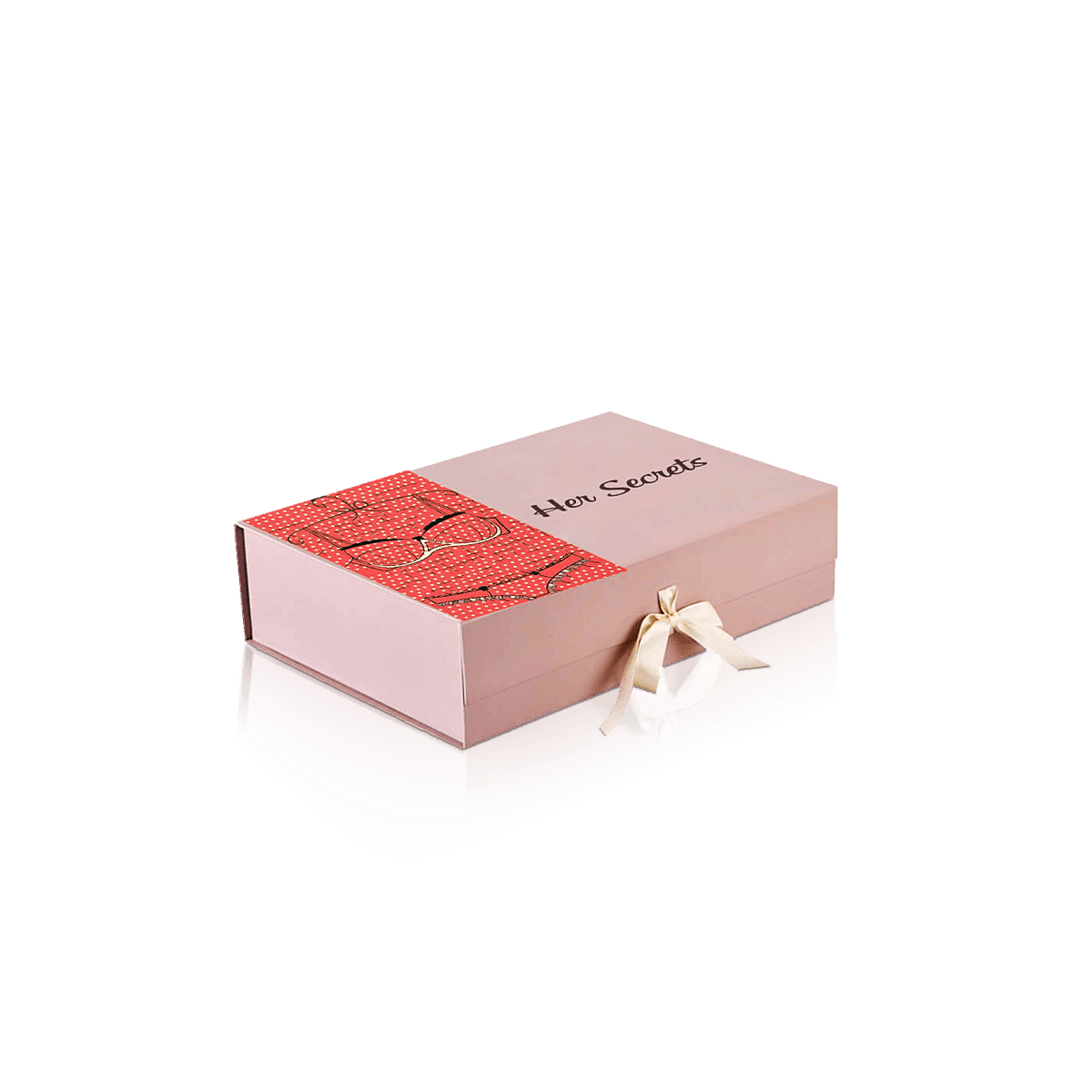
Lingerie Boxes

Scarf Boxes
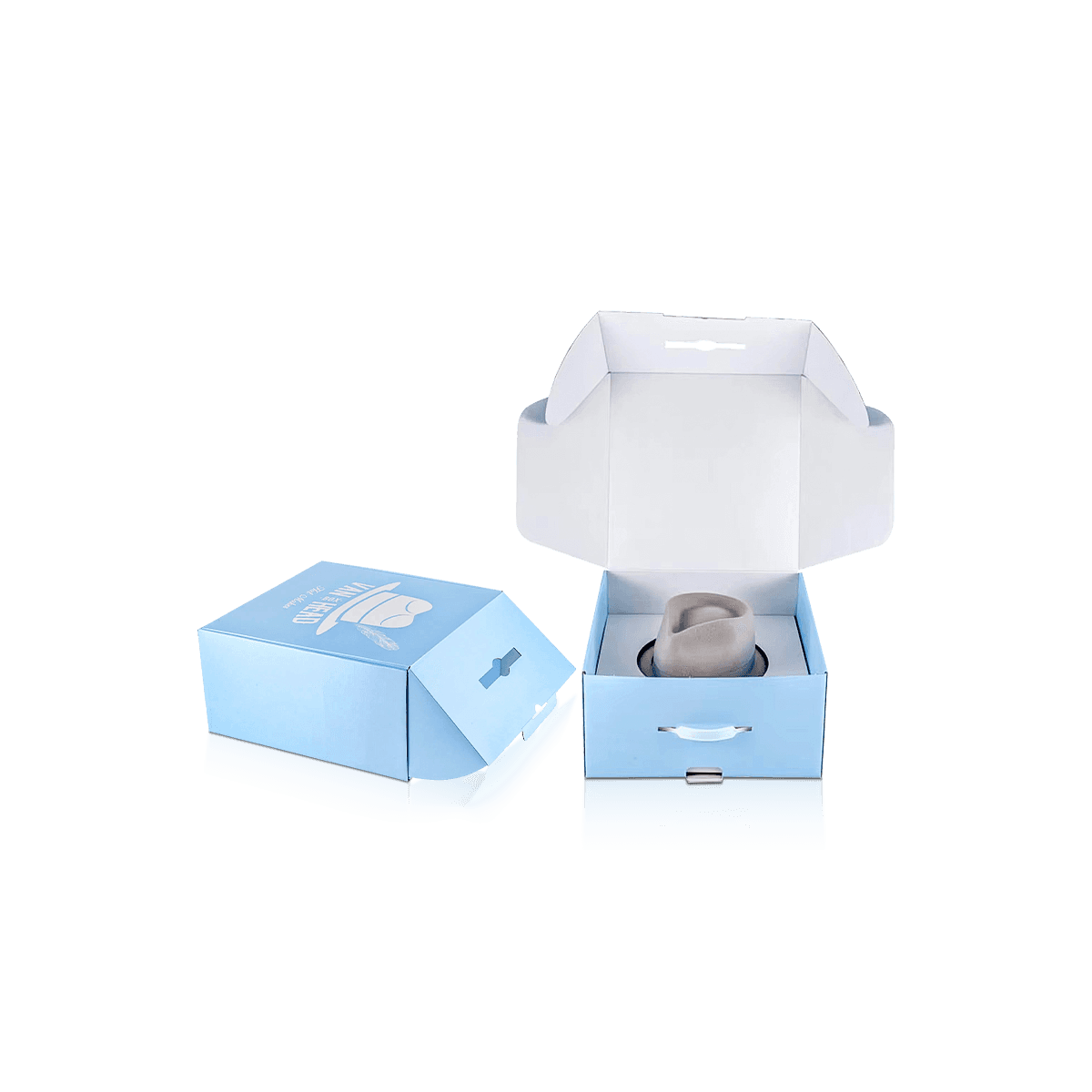
Hat Boxes
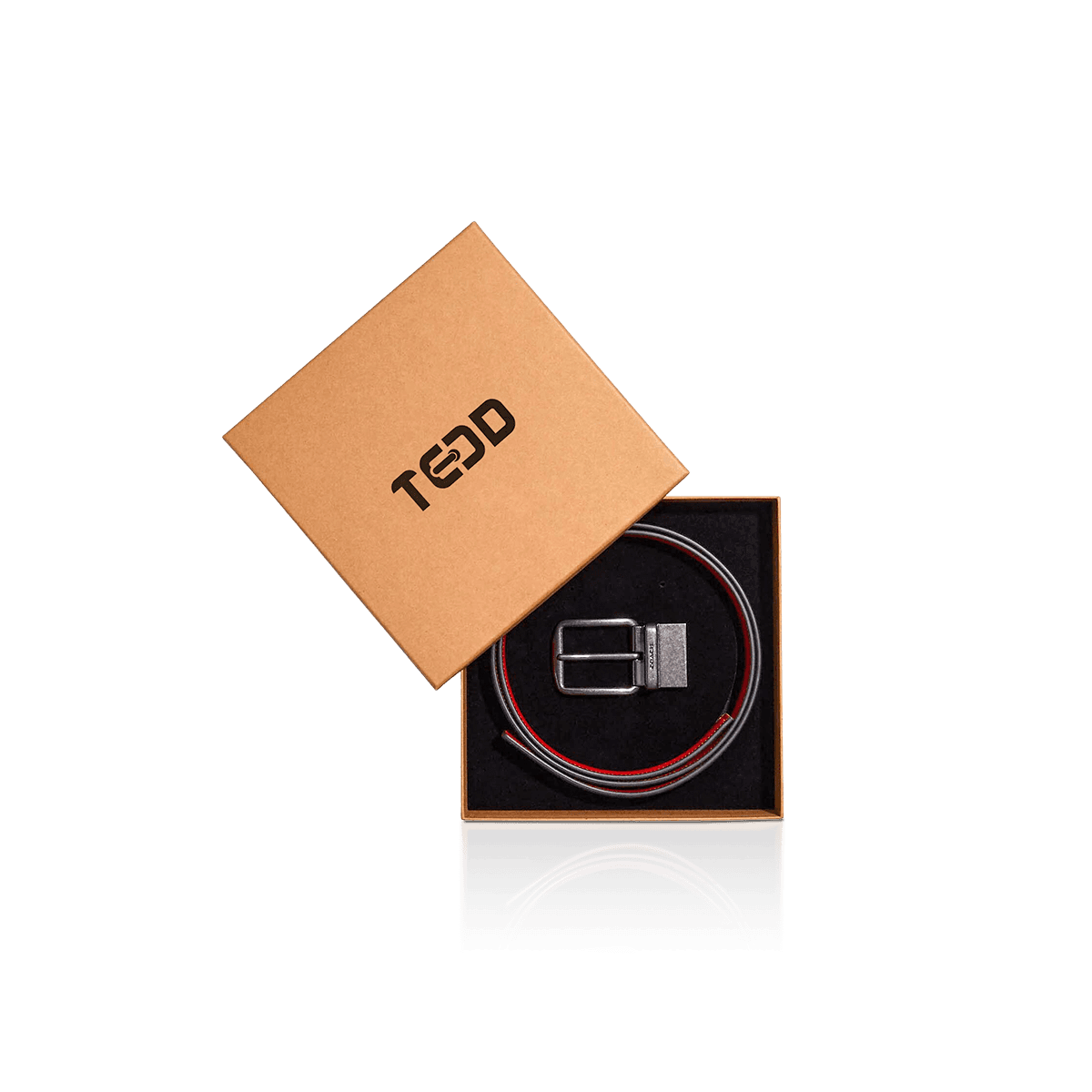
Belt Boxes
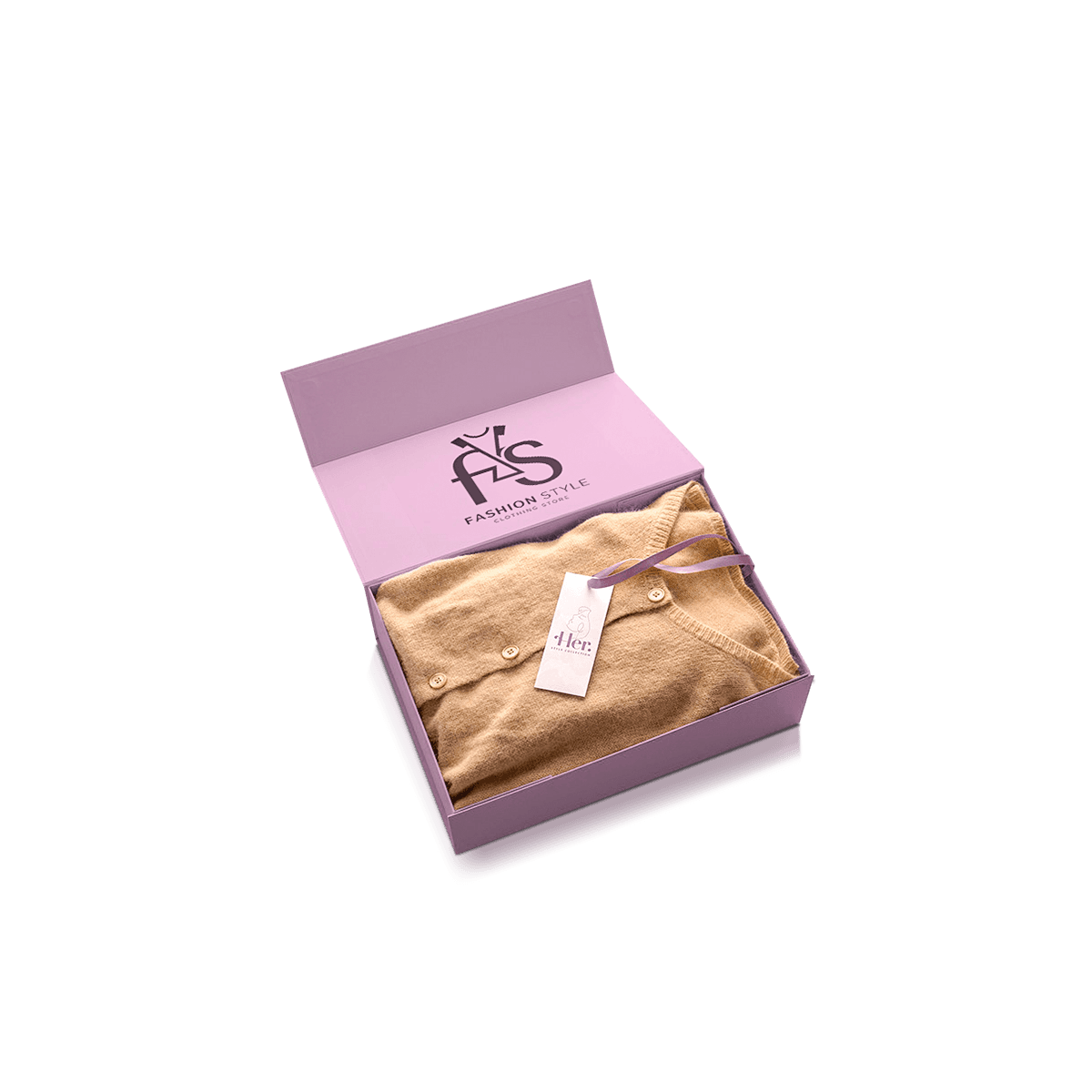
Rigid Apparel Boxes
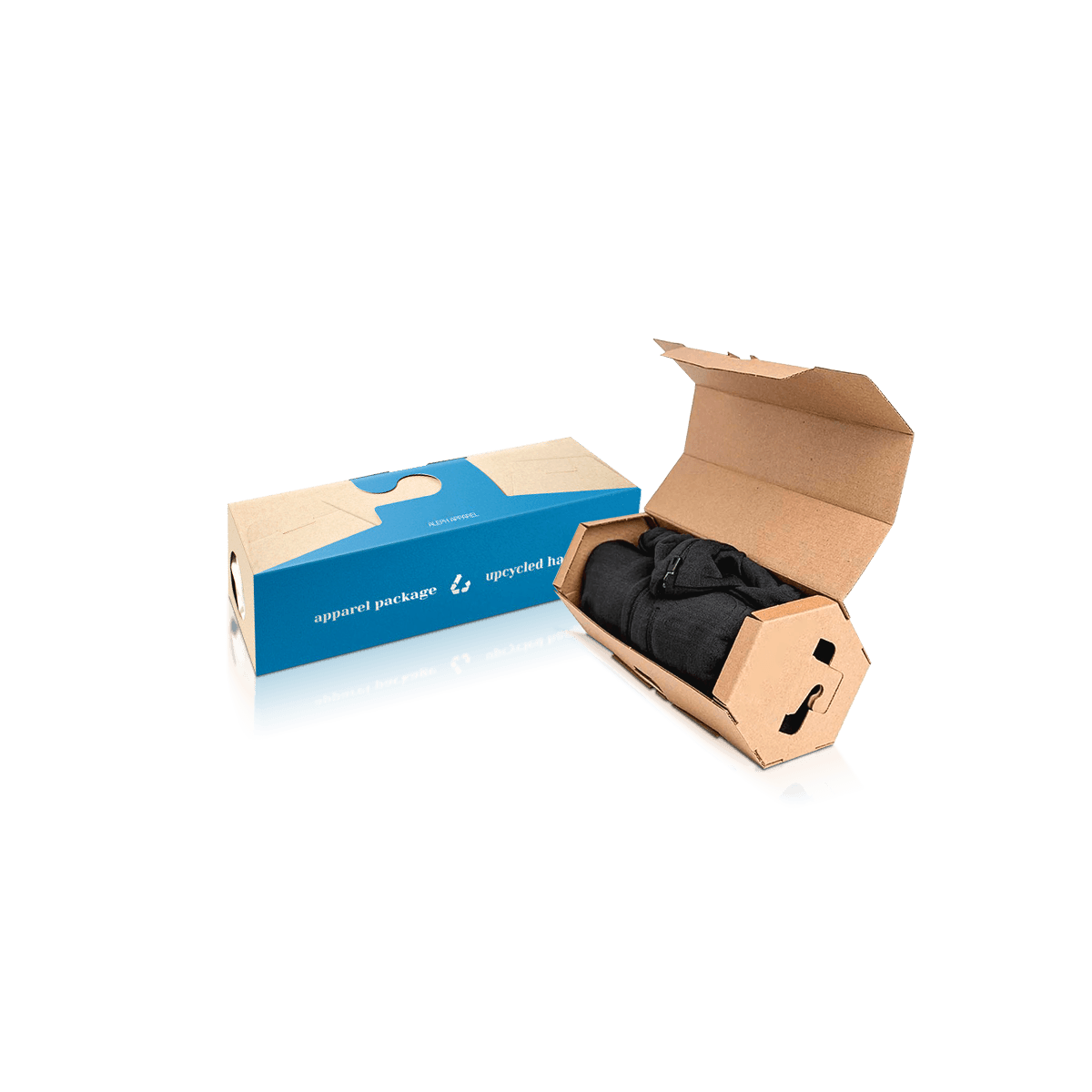
Folding Apparel Boxes
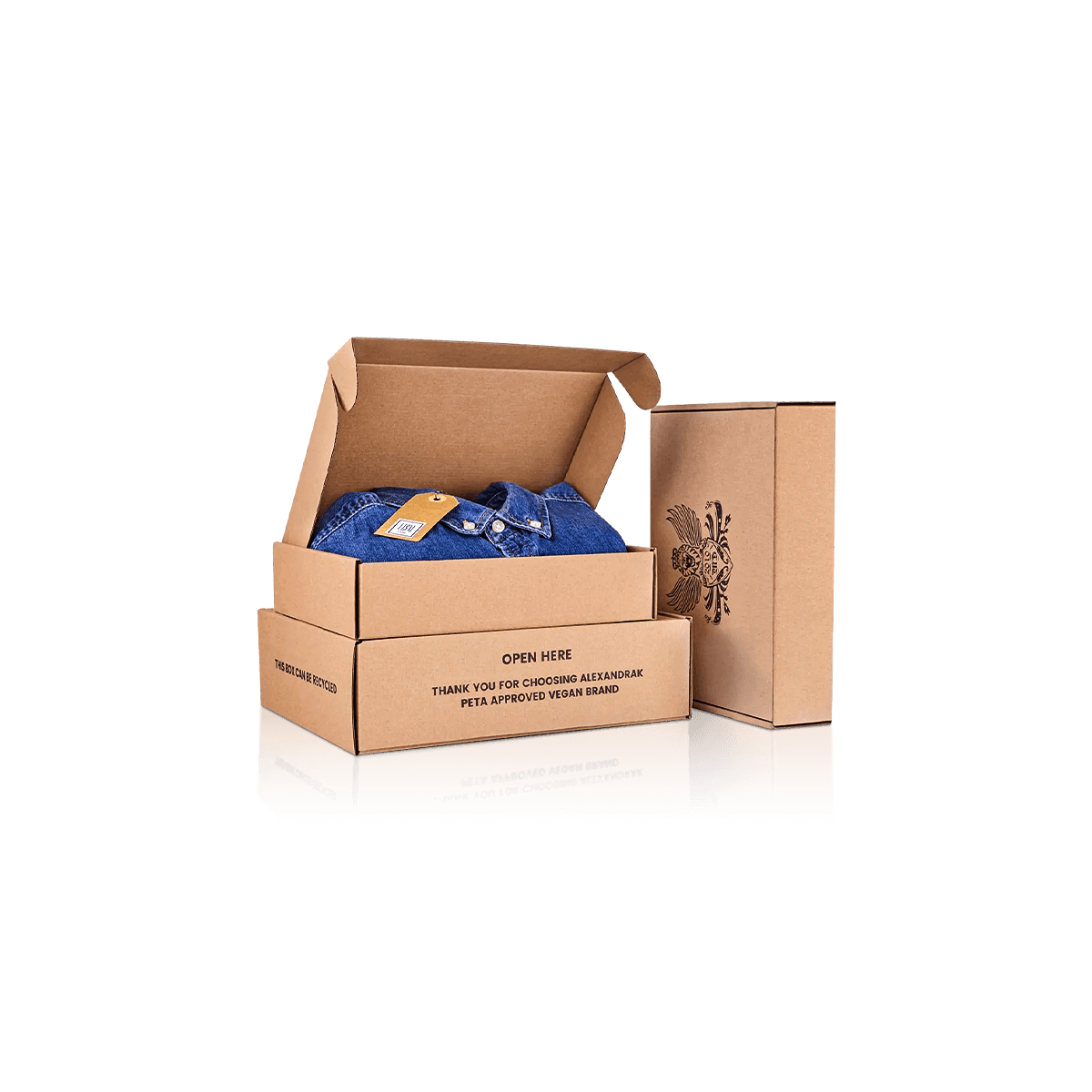
Kraft Apparel Boxes
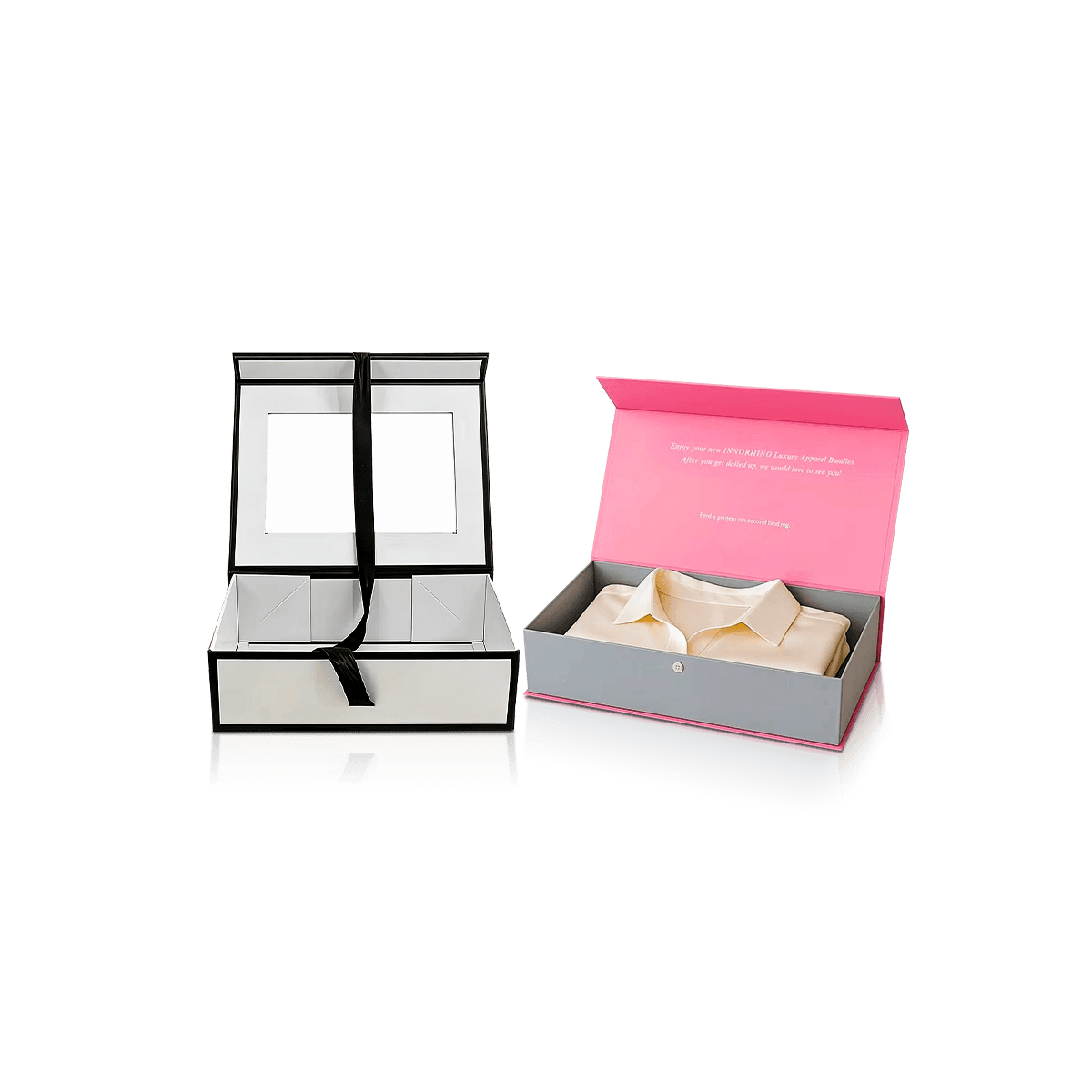
Luxury Apparel Boxes
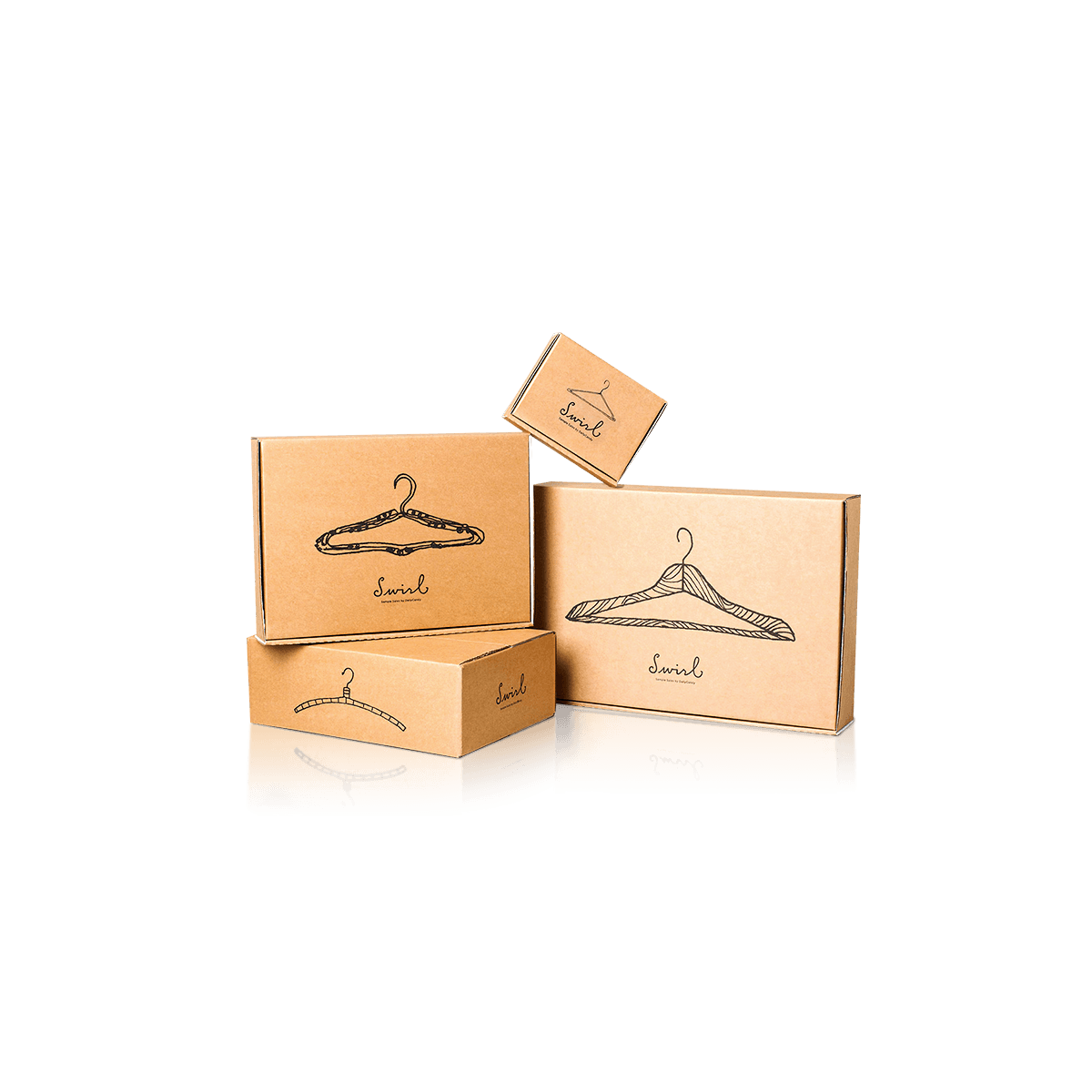
Subscription Apparel Boxes
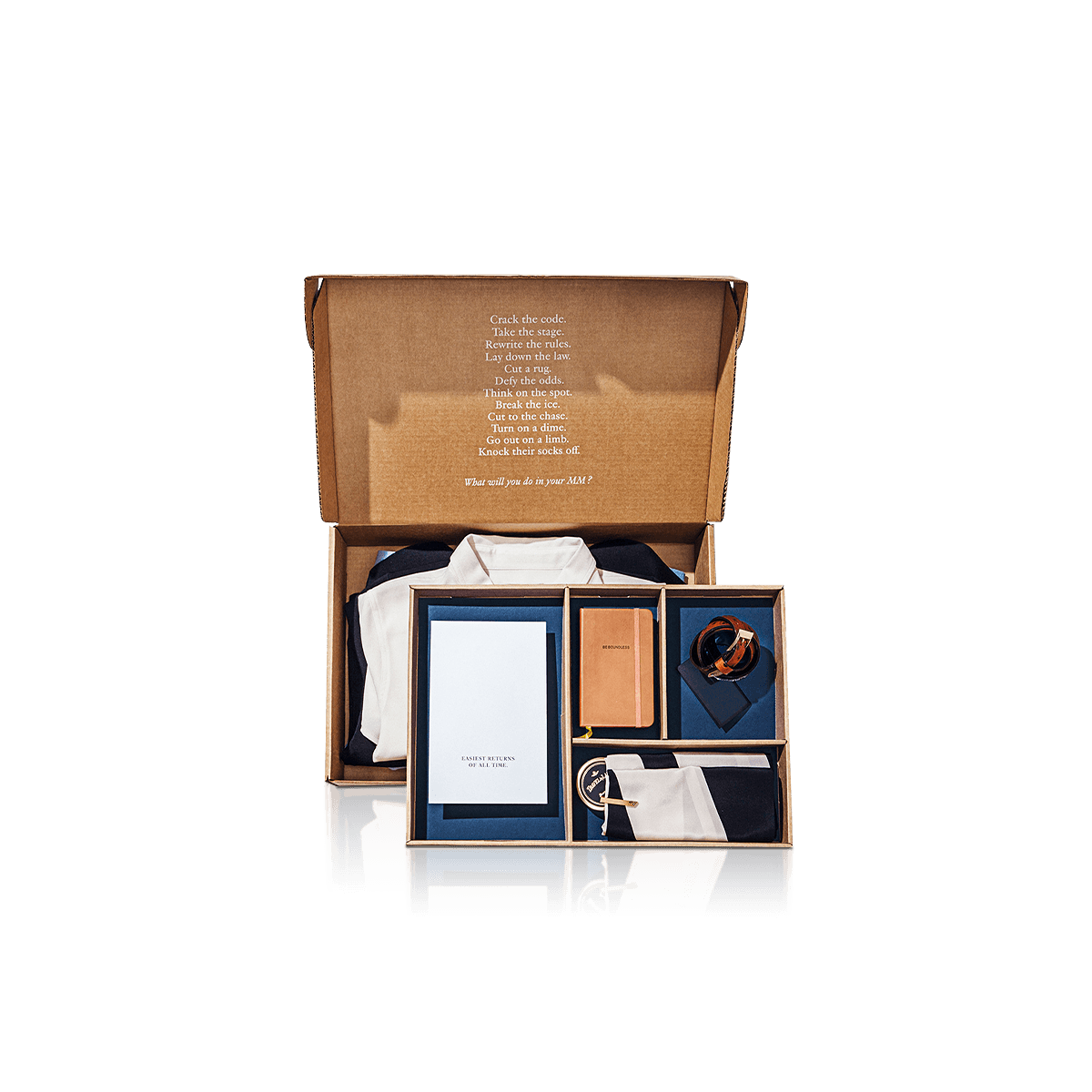
Mailer Apparel Boxes
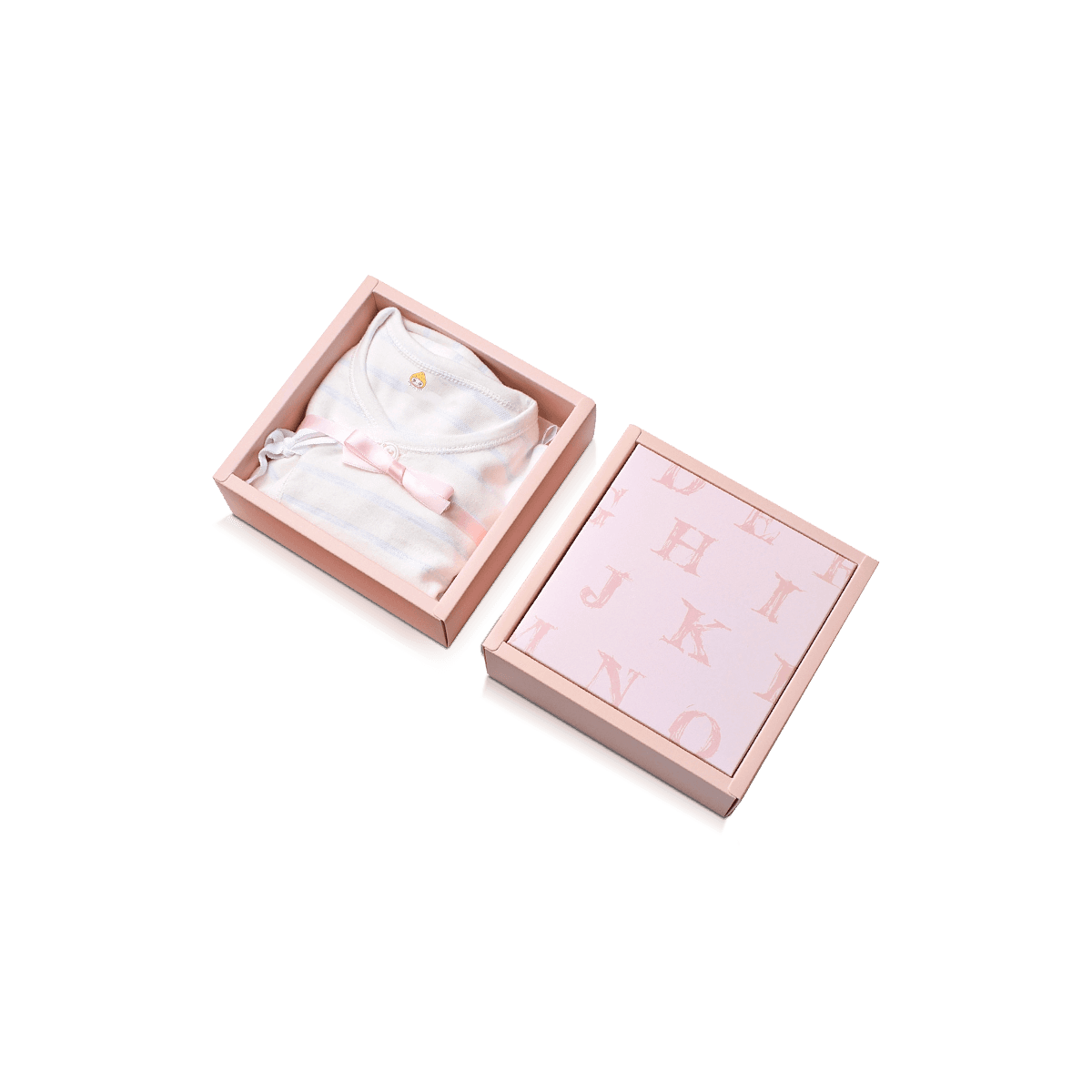
Gift Apparel Boxes
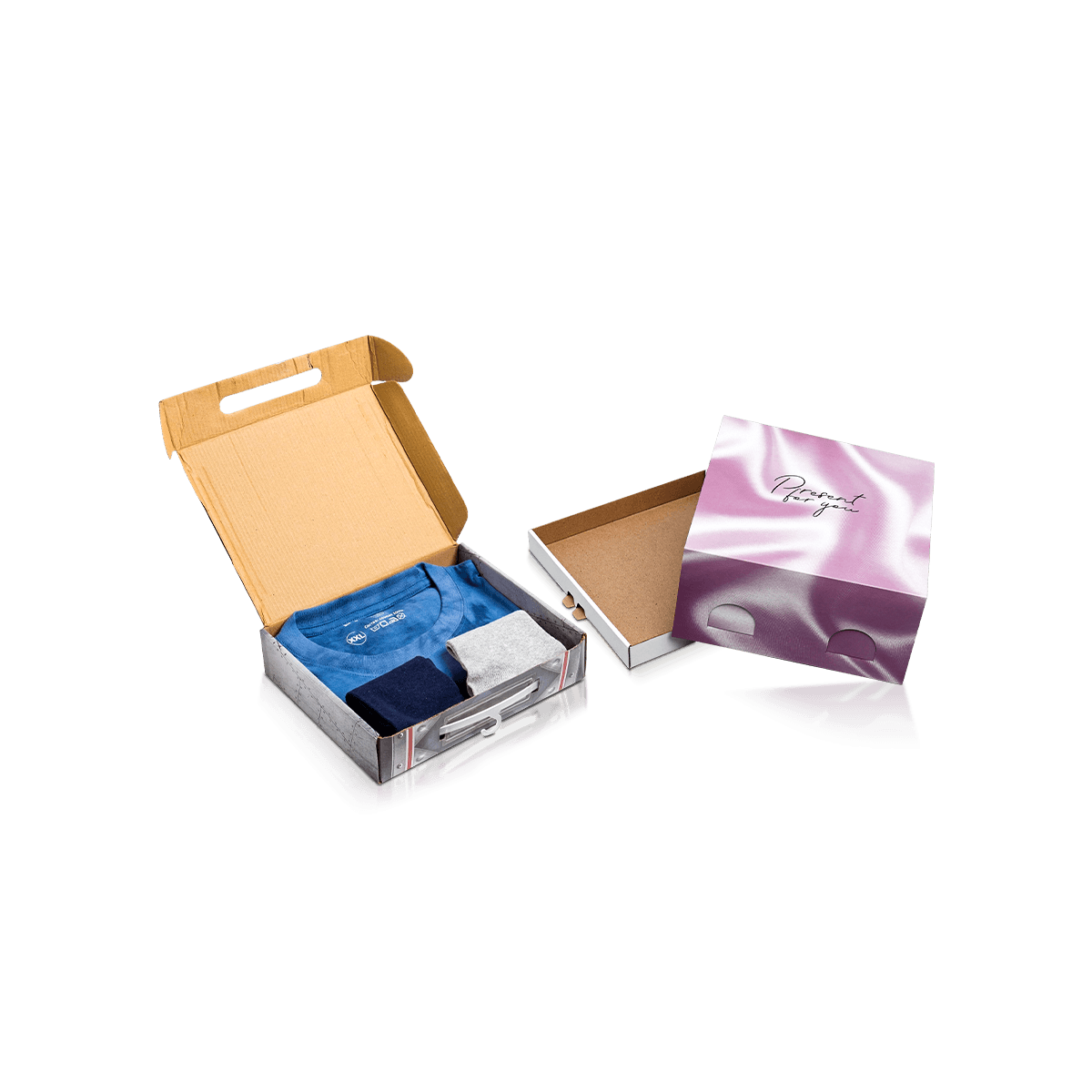
Custom Printed Apparel Boxes
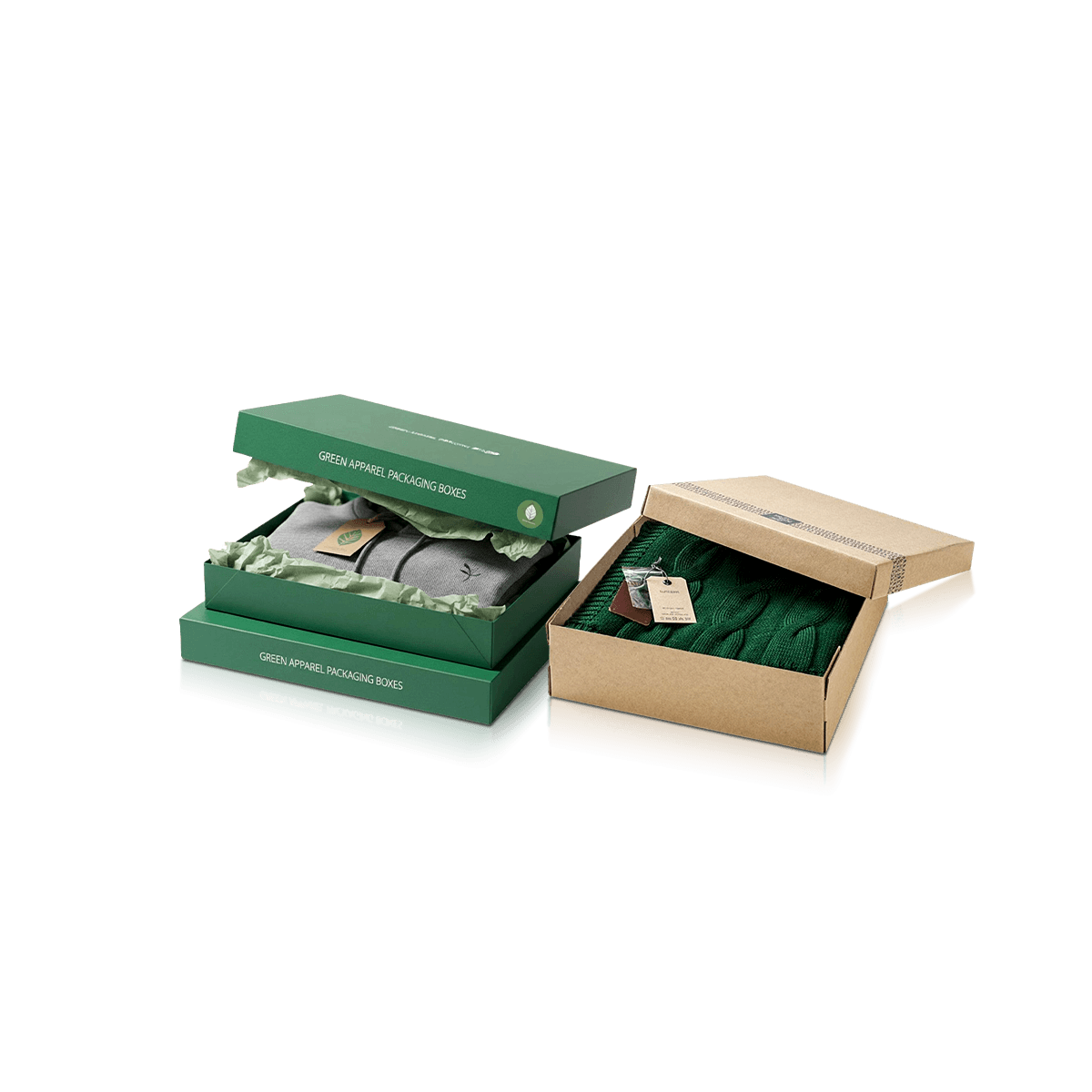
Eco-Friendly Apparel Boxes
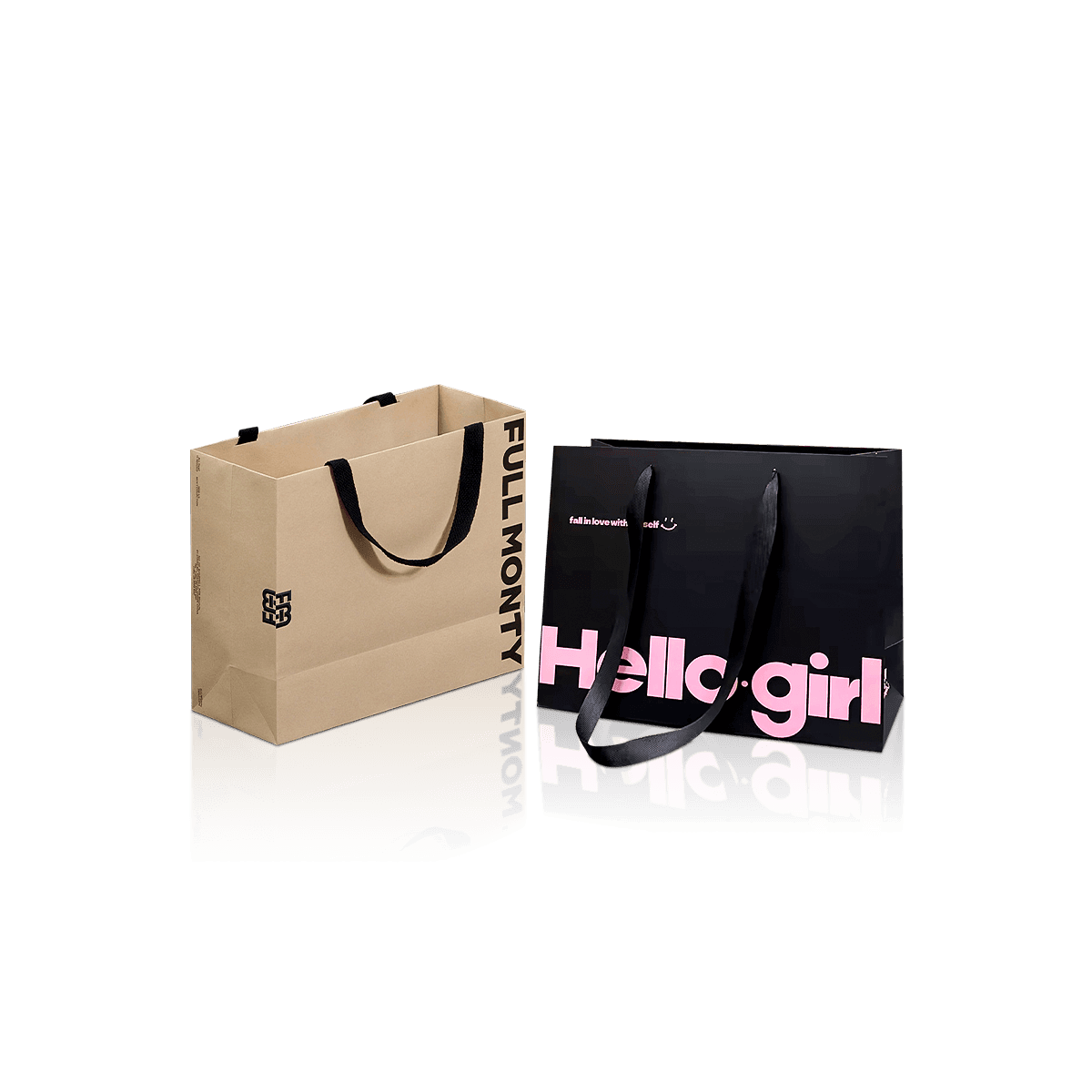
Custom Fashion Paper Bags
Your product shouldn’t have to fit an off-the-shelf box.
Share the shape, size, material, finish, or insert you have in mind. We’ll turn the details into a tailored packaging recommendation and a clear quote.
Custom sizes · materials · finishes · inserts
The Folded Garment Is The Real Packaging Dimension
Custom apparel packaging should be built around the product after it has been folded, supported and prepared for sale. Clothing dimensions on a specification sheet do not tell you how much space the packed item needs. A sweatshirt compresses. A structured shirt collar does not. A dress may need tissue between folds. A belt can be coiled or laid flat. Shoes behave more like rigid products than garments.
That difference is why apparel packaging should begin with the packed state, not a nominal clothing size.
Measure The Folded Footprint After The Product Settles
Fold the garment the way staff will actually pack it. Add tissue, collar support, tags or other components that stay inside the package, then measure length, width and thickness after the fold has settled.
This prevents two common failures. A box that is too shallow can press into collars, embellishments or folded edges. A box that is too deep can let the garment open up and slide during handling.
Apparel Boxes can then be sized around the folded product instead of forcing shirts, knitwear or accessories into a stock footprint.
Soft Products Still Need Positional Control
Clothing may not break like glass, but it can arrive creased, shifted or looking handled. The package should keep the fold stable without crushing the fabric.
A closely sized carton, tissue wrap or simple internal band can often do more than a bulky insert. Use inserts only when they organize accessories, stabilize a set or protect a feature that can be damaged through movement.
Fabric Behavior Changes The Structure
Apparel packaging has to respect what happens to the material while it is stored, carried and shipped. Soft knits, crisp dress shirts, delicate lingerie and structured outerwear do not respond to pressure in the same way.
Compression Helps Some Garments And Hurts Others
T-shirts, activewear and many soft textiles can tolerate moderate compression, which makes compact folding cartons or mailers practical. Structured shirts, embellished garments and tailored pieces need more clearance around collars, buttons, decoration and pressed folds.
T-shirt boxes can stay relatively shallow when the fold is consistent. Suit Boxes need a different approach because maintaining presentation may matter more than minimizing every inch of volume.
Surface Contact Can Matter More Than Impact Protection
Some fabrics and finishes are sensitive to abrasion, snagging or transfer from printed surfaces. Tissue, liners or internal wraps can create separation without turning the pack into an overengineered insert system.
The material touching the garment should suit the product and the way it will be stored. A rough internal surface may be acceptable for a durable accessory but inappropriate for delicate fabrics or premium garments.
Retail Packaging Has To Work Before The Customer Opens It
In a store, apparel packaging may be stacked, shelved, handled by staff, carried to checkout or presented as a gift. The package therefore needs to communicate product identity while staying easy to merchandise.
The front, top or end panel may carry size, color, style code or barcode information. Which panel matters most depends on how the packages are stored.
Size And Color Identification Should Match The Stocking Direction
If boxes are stacked with only one short end visible, important variant information belongs on that end. If packages sit face-out, the front panel can carry more of the selling message.
Do not hide size or color information on a panel that staff cannot see without moving every box. Small operational details become significant when several apparel sizes and colors share the same packaging design.
Custom Printed Apparel Boxes can keep brand artwork consistent while leaving clear locations for SKU-specific identification.
Shelf Presence Should Not Sacrifice Stockroom Efficiency
A tall or oversized box may create visual impact but also consume more shelf and back-room space. Apparel already has an advantage because many products can be folded efficiently.
Use volume when it improves presentation, protects the garment or supports gifting. Do not add empty space solely to make the package look expensive.
Folding Cartons, Rigid Boxes And Mailers Serve Different Apparel Moments
The structure should follow where the customer encounters the product.
Folding Apparel Boxes suit many lightweight garments that need clean print, flat storage and efficient store packing. They can work for shirts, scarves, lingerie, accessories and other products where the package does not need heavy structural mass.
Rigid Apparel Boxes make more sense when gifting, presentation or retained packaging is part of the product value. They occupy more storage space unless the chosen construction is collapsible, so the premium feel should justify the operational cost.
Mailer Apparel Boxes shift the job toward direct-to-customer fulfillment. Corrugated construction can protect the folded garment while the hinged opening keeps the arrival experience branded.
One clothing brand can legitimately use all three. The mistake is asking one format to do every job.
When a natural kraft surface is part of the material and print direction, Kraft Apparel Boxes can serve the same folded-garment planning problem without implying that kraft stock is the right choice for every apparel SKU.
A Fold Can Fail Even When The Box Fits
Imagine a premium button-down shirt packed in a box that matches its overall folded length and width. The dimensions look correct, but the carton is several inches deeper than the folded product.
During storage and transport, the shirt shifts enough for the collar to rotate and the sleeve fold to open. Staff add more tissue to make the package feel full, but every order is packed slightly differently.
The problem is not weak board. The carton has too much uncontrolled vertical space.
A better setup brings the internal depth closer to the finished folded thickness and uses only the support needed to preserve the collar and fold. The shirt now arrives in the position in which it was packed, while staff no longer need to improvise with extra tissue.
That is a distinctly apparel problem. Protection often means preserving presentation geometry rather than absorbing a severe impact.
Footwear Needs Its Own Packaging Logic
Shoes are part of apparel retail, but they behave more like structured products than folded garments.
A pair creates fixed dimensions, concentrated contact points and a need to keep two items organized together. The box may also stay with the product for storage after purchase.
Shoe Boxes should account for shoe size, orientation, tissue, internal clearance and stacking. A box that is too tight can mark or compress the footwear. Excess space allows the pair to move and can make stacks less stable.
Footwear packaging also places more emphasis on sidewall strength and stack behavior than a shallow garment carton. The correct board and construction should follow the actual shoe weight and box span.
Accessories Need Less Volume But More Organization
Belts, scarves, hats and small fashion accessories often create very different packaging requirements from garments.
A Belt Box may need to hold a controlled coil. A Scarf Box may need a shallow presentation footprint. A Hat Box needs enough clearance to avoid deformation. Several accessories sold as a set may need internal separation.
That is why accessory packaging should not inherit clothing-box dimensions just because the products sit in the same department.
For smaller pieces, belt boxes can focus on compact presentation and retention. Larger shaped items should be sized around the form that must not be compressed.
Store Handoff Should Feel Intentional Without Adding Another Box
Not every apparel purchase needs boxed packaging. A boutique customer buying a folded garment that has already been protected in-store may only need a clean branded carry solution.
Custom Fashion Paper Bags can handle checkout, boutique purchases, event sales and other handoff situations where a rigid or corrugated container would add unnecessary material.
Bag dimensions should still match typical purchases. A bag that is much wider than the folded garment lets the item slump to one side, while a shallow handle arrangement can become uncomfortable with heavier purchases.
Handles, paper stock and reinforcement should follow the expected load. Print should be planned around folds, handles and the areas most visible while the bag is carried.
Gifting Changes The Required Presentation Level
Gift packaging has to preserve the garment while making the opening feel deliberate. That does not automatically require the heaviest or most elaborate box.
Gift Apparel Boxes can use a clean lid-and-base, folding presentation box or another structure that suits the value of the product and how it will be handed over.
Tissue, ribbon and inserts should each have a job. Tissue can protect and organize the fold. Ribbon can support the presentation if it fits the brand. Inserts make sense for accessories or mixed sets, not simply because the packaging is positioned as a gift.
Matte, gloss, foil, embossing and soft-touch each change how apparel packaging looks and handles, so packaging finishes should fit the structure and expected handling.
Retail And Ecommerce Can Share Branding Without Sharing The Outer Pack
A fashion brand selling both in-store and online can keep one visual identity while using different outer structures.
A shirt may sit in a printed folding box at retail and travel inside a corrugated mailer for online orders. A premium accessory may use the same rigid presentation box in both channels but receive an outer shipping carton for delivery.
The decision between retail packaging and ecommerce packaging depends on whether one structure can handle both environments without adding damage risk, packing time or unnecessary volume.
This prevents the retail package from being overbuilt for every sale simply because some units enter a parcel network.
For products sold primarily in stores, Custom Retail Packaging can combine cartons, displays, rigid boxes and carryout formats around the actual merchandising setup.
Print Hierarchy Has To Survive Seasonal And Size Changes
Apparel brands often change colors, sizes, seasonal lines and campaign artwork faster than the physical box structure changes.
That makes artwork architecture important. Keep permanent brand elements separate from variable SKU information so another colorway does not require the entire layout to be reinvented.
Size, style code, color, barcode and care information should have predictable locations. Seasonal graphics can change around that operating framework.
Premium offset printing can support consistent brand presentation across repeat runs. CMYK works well for full-color fashion artwork and imagery, while Pantone may suit brand colors that require tighter control.
Custom Packly provides free 3D mockups and design and dieline support, so artwork can be reviewed on the actual panels before production.
The Packaging Program Should Follow How Apparel Inventory Moves
A store launch, seasonal capsule and evergreen core product create different packaging inventory pressures.
Limited releases may need smaller quantities and faster artwork changes. Core shirts, footwear or accessories may justify repeat runs and staged inventory. Gift packaging may spike around seasonal periods rather than move evenly all year.
Custom Packly's USA MOQ starts from 100 boxes, which can support smaller launches and controlled initial quantities. For recurring programs, warehousing and scheduled deliveries can keep approved packaging available without requiring the entire run to enter the stockroom at once.
Standard turnaround is 4–6 days after final artwork and specifications are approved, with free shipping and 24/7 expert support available when artwork, quantities or repeat orders need coordination. Complex structures, specialty materials or advanced finishes may require additional time.
Once garment dimensions, folded dimensions, structure, material, print and quantity are defined, an instant custom packaging quote can be based on the actual apparel program rather than a generic clothing box.
Review The Packaging In The Same Positions The Garment Will Be Sold
Apparel packaging should be reviewed in context before a repeat specification is treated as finished.
Stack the boxes as store staff will stack them. Put them on the shelf with the identifier panel facing outward. Carry the bag with the typical purchase inside. Ship the mailer with the garment folded exactly as fulfillment will pack it. Open the gift box after transport and check whether the presentation still looks deliberate.
Those checks reveal issues that a flat artwork proof cannot show: a size label hidden by stacking, a collar touching the lid, a bag that tilts under load or a garment that unfolds inside an oversized mailer.
Board, printing, finishes and internal support can be specified together through Packaging Capabilities when several apparel formats need consistent production.
Custom apparel packaging works when the garment stays presentable from stockroom to shelf, checkout or delivery. The package should preserve the product's intended state, make identification easy and use only the structure that the selling moment actually requires.
FAQs
Start Your Custom Packaging Quote
Share your product details, size, quantity and artwork needs. We’ll help choose the right packaging style and send a clear quote.