Custom E-commerce Packaging
E-commerce retail packaging needs to ship efficiently, protect the product and create a clean branded delivery experience.
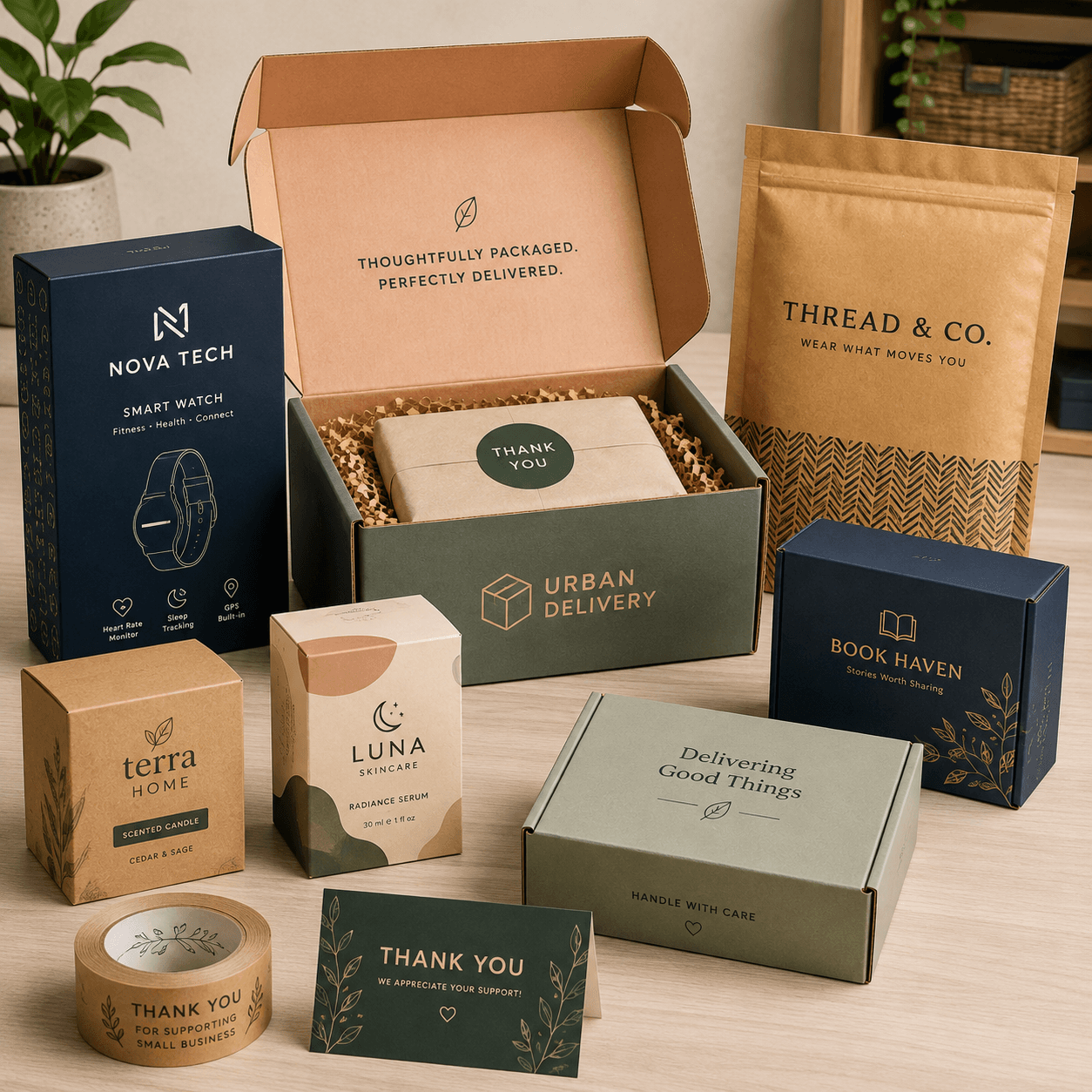
E-commerce Retail options
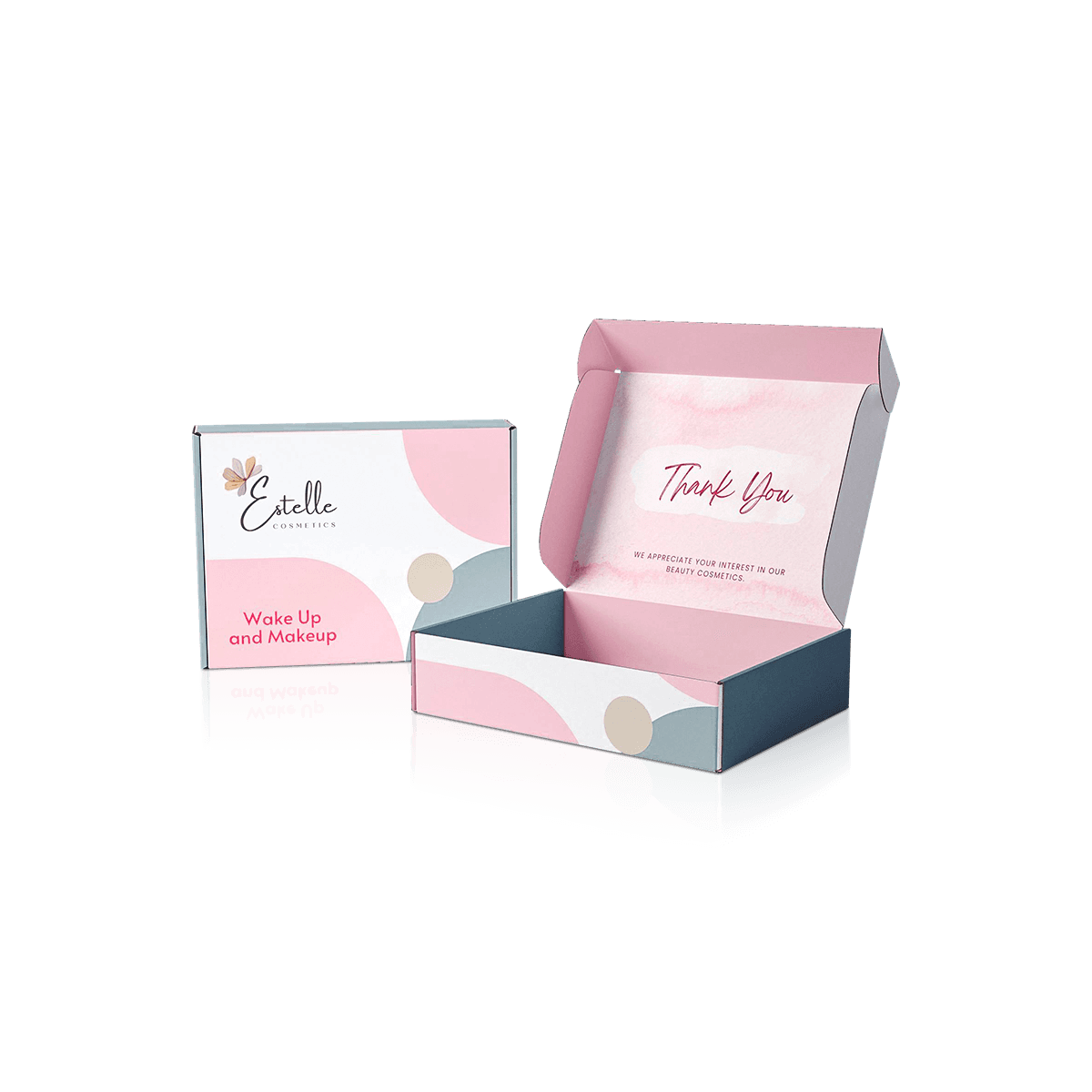
Product Mailer Boxes
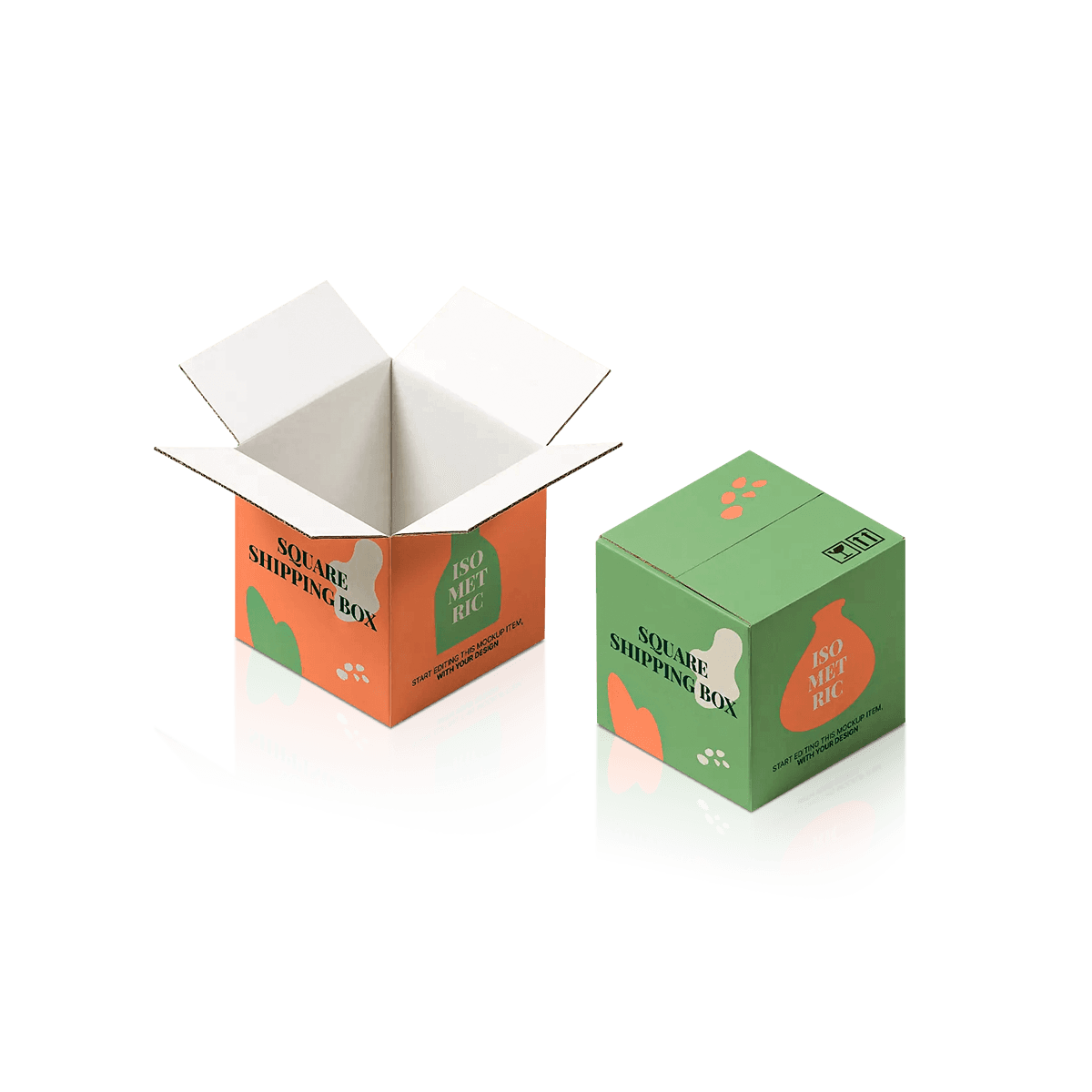
Retail Shipping Boxes
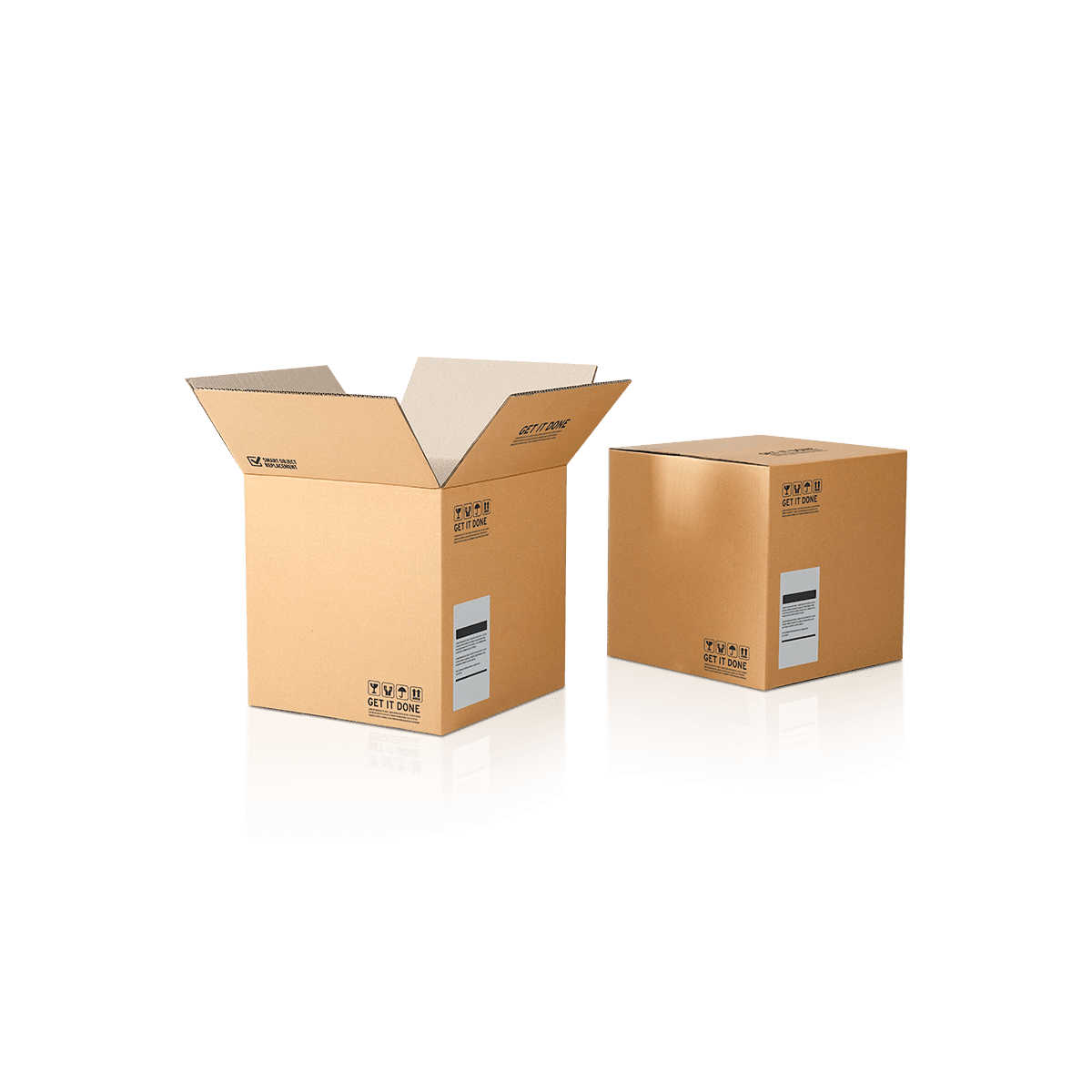
Corrugated Boxes
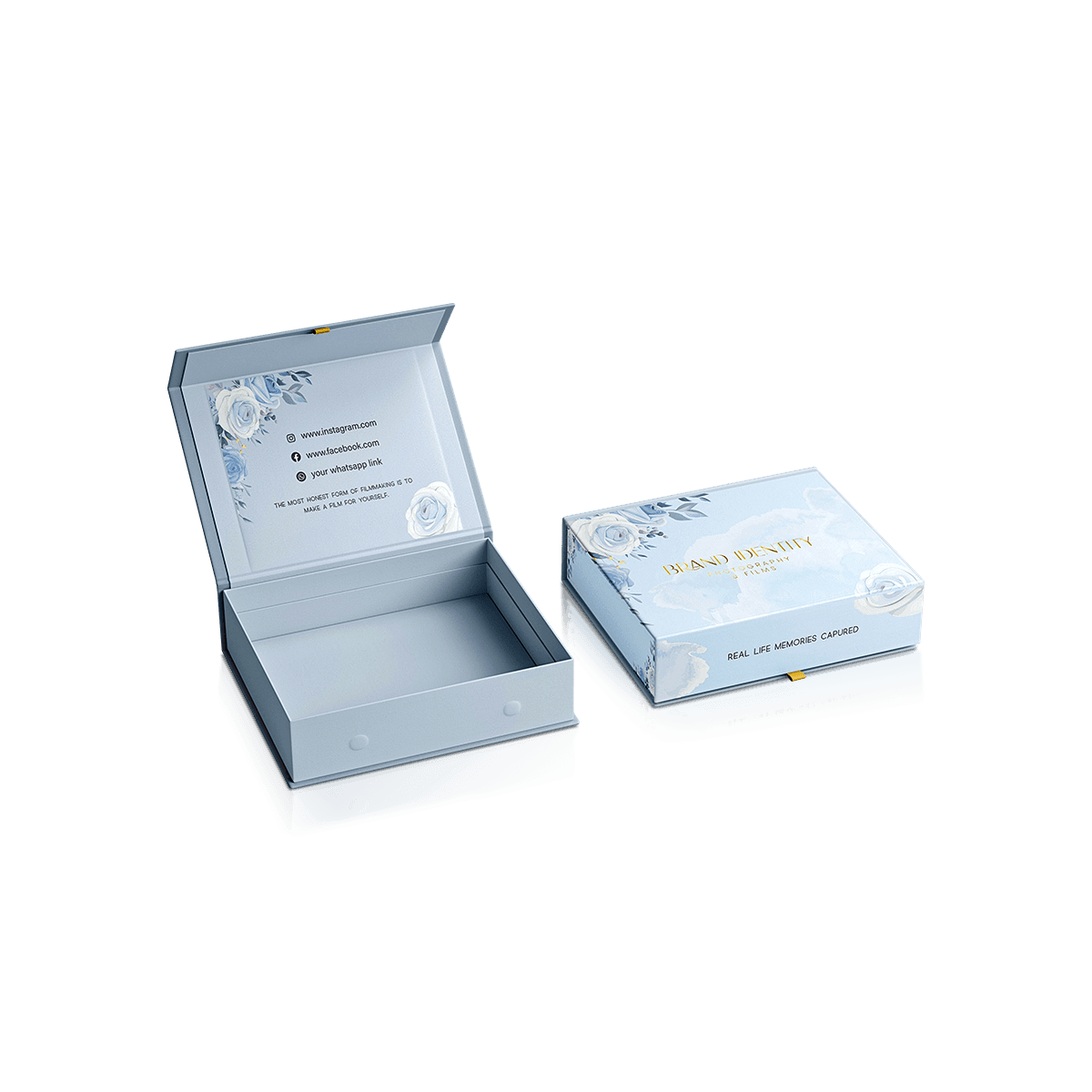
E-commerce Rigid Boxes

Custom Folding Cartons
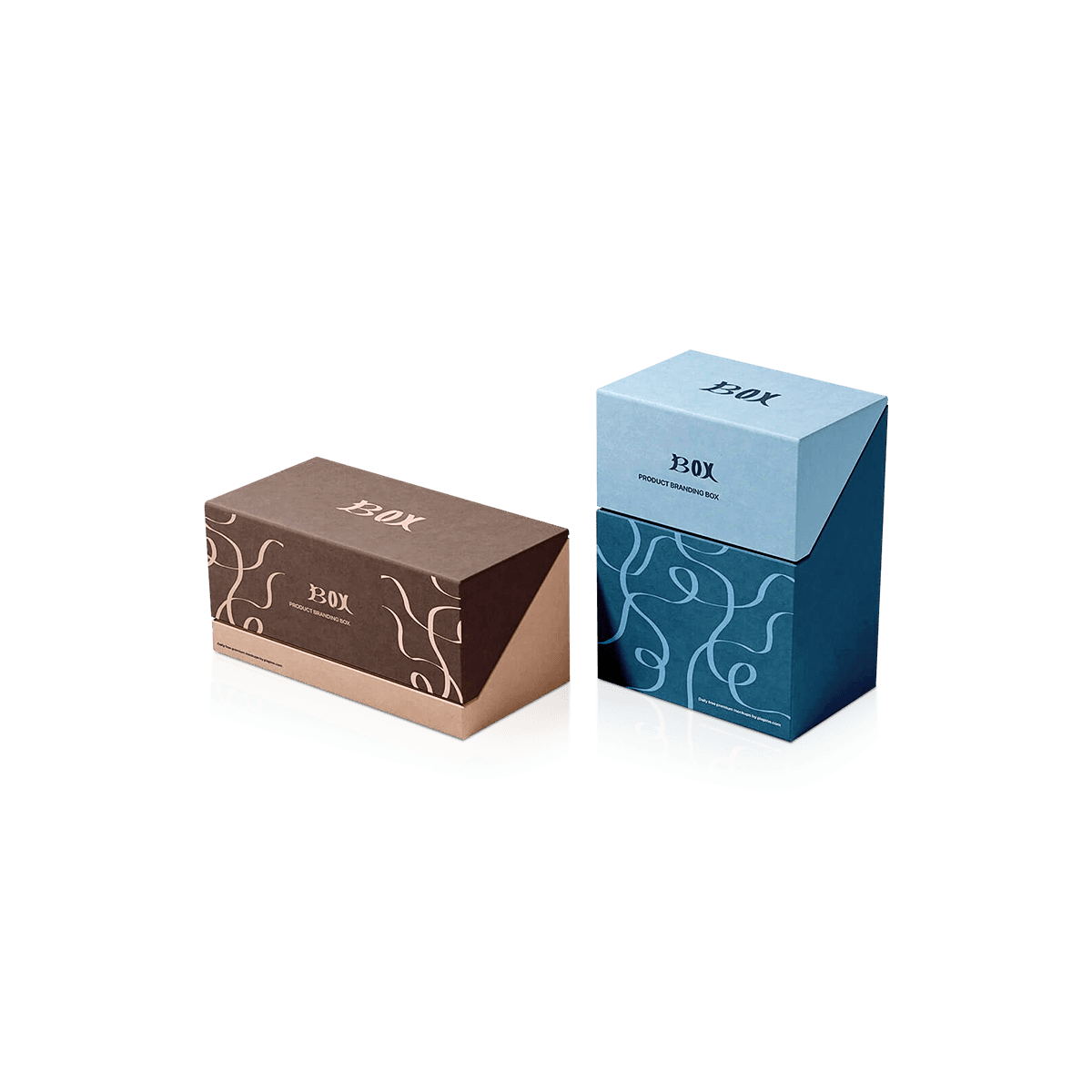
Product Boxes
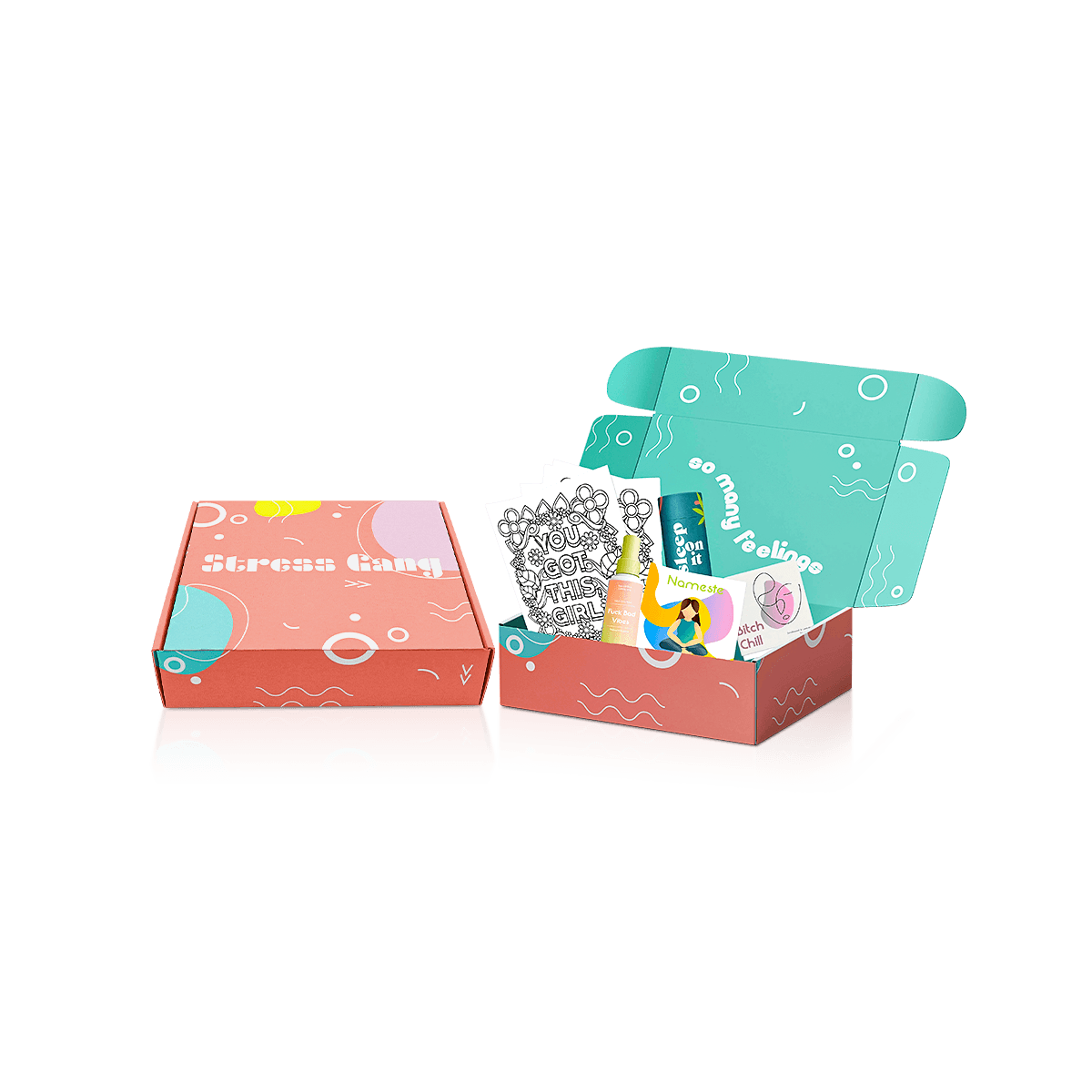
Subscription Boxes
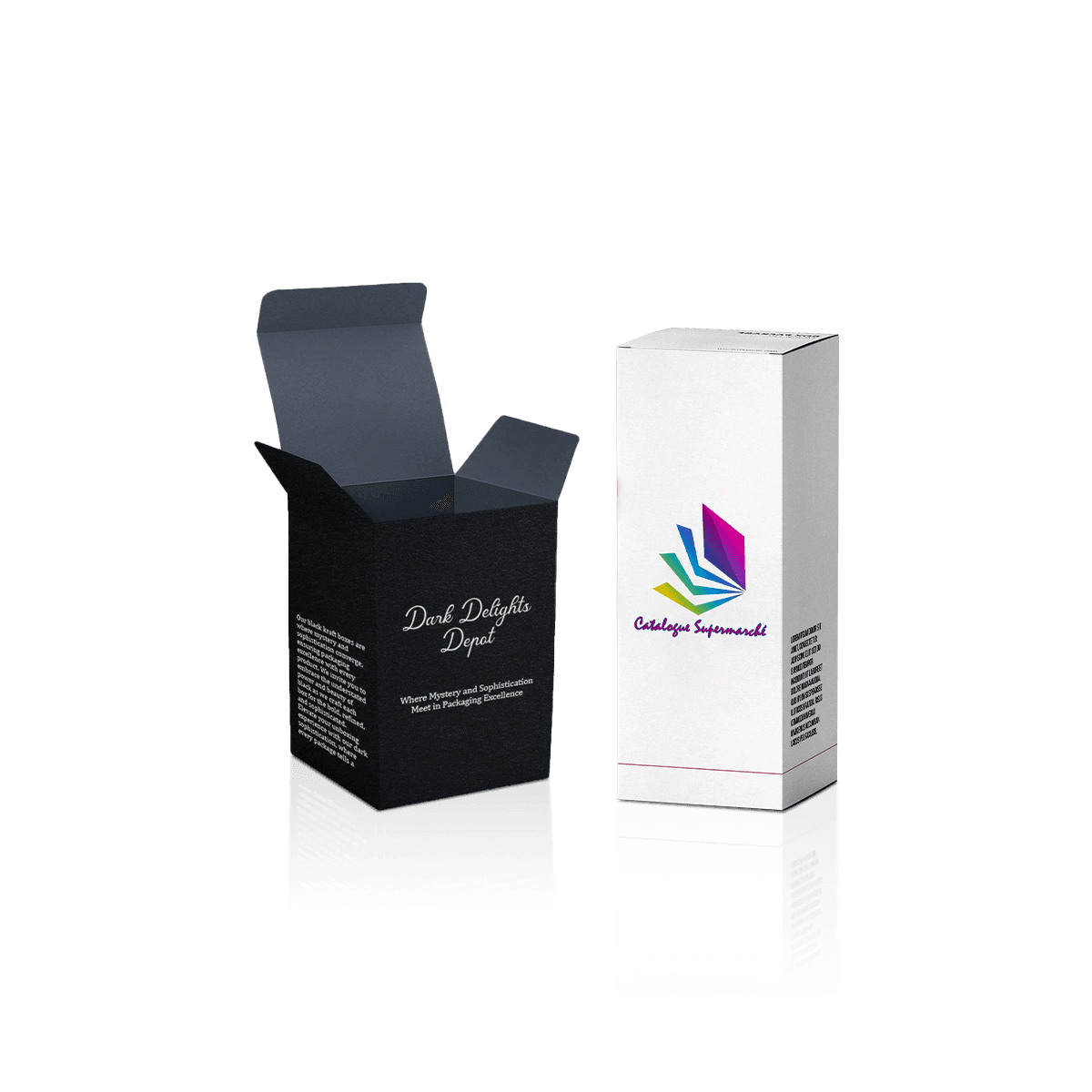
Tuck Top Boxes
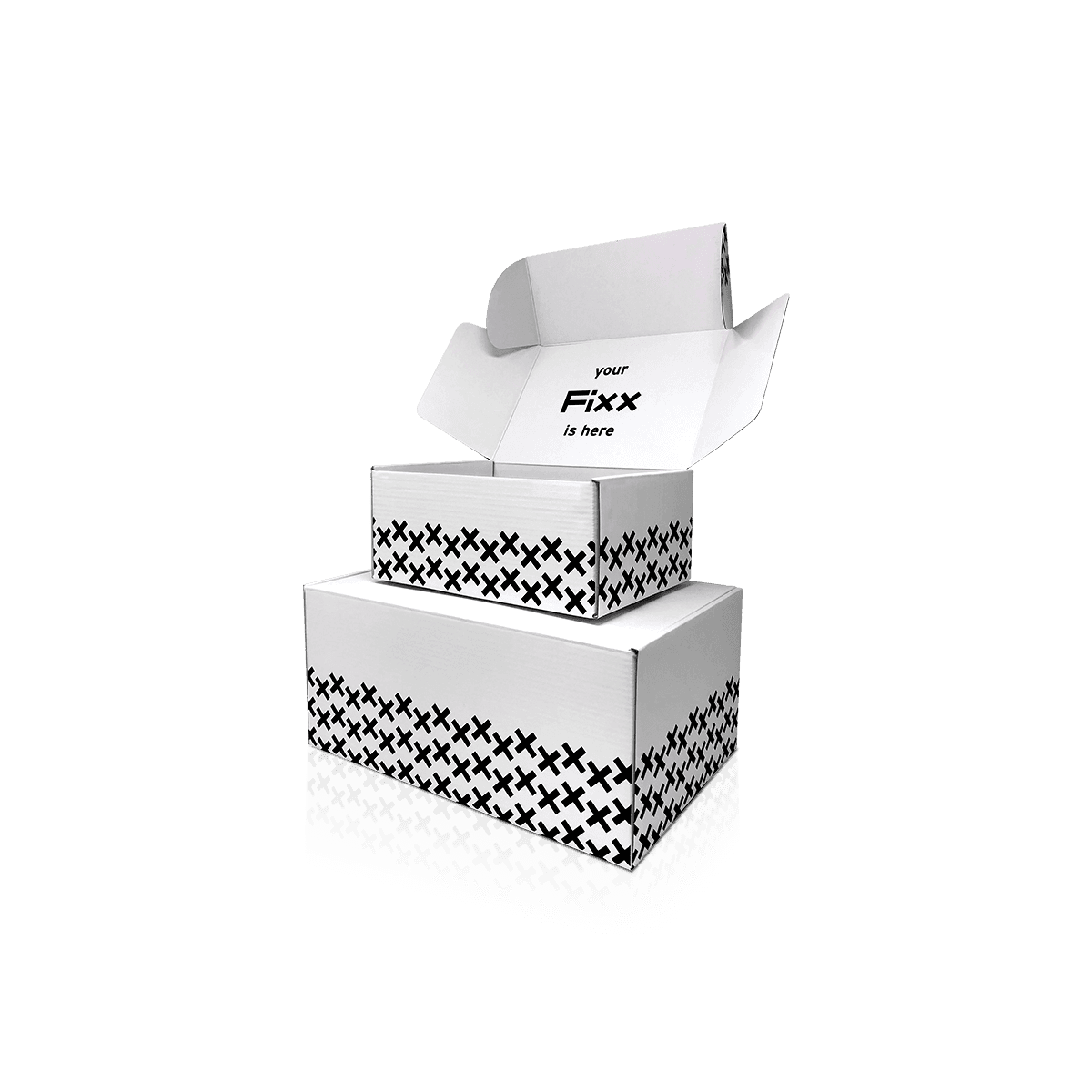
Roll End Tuck Boxes
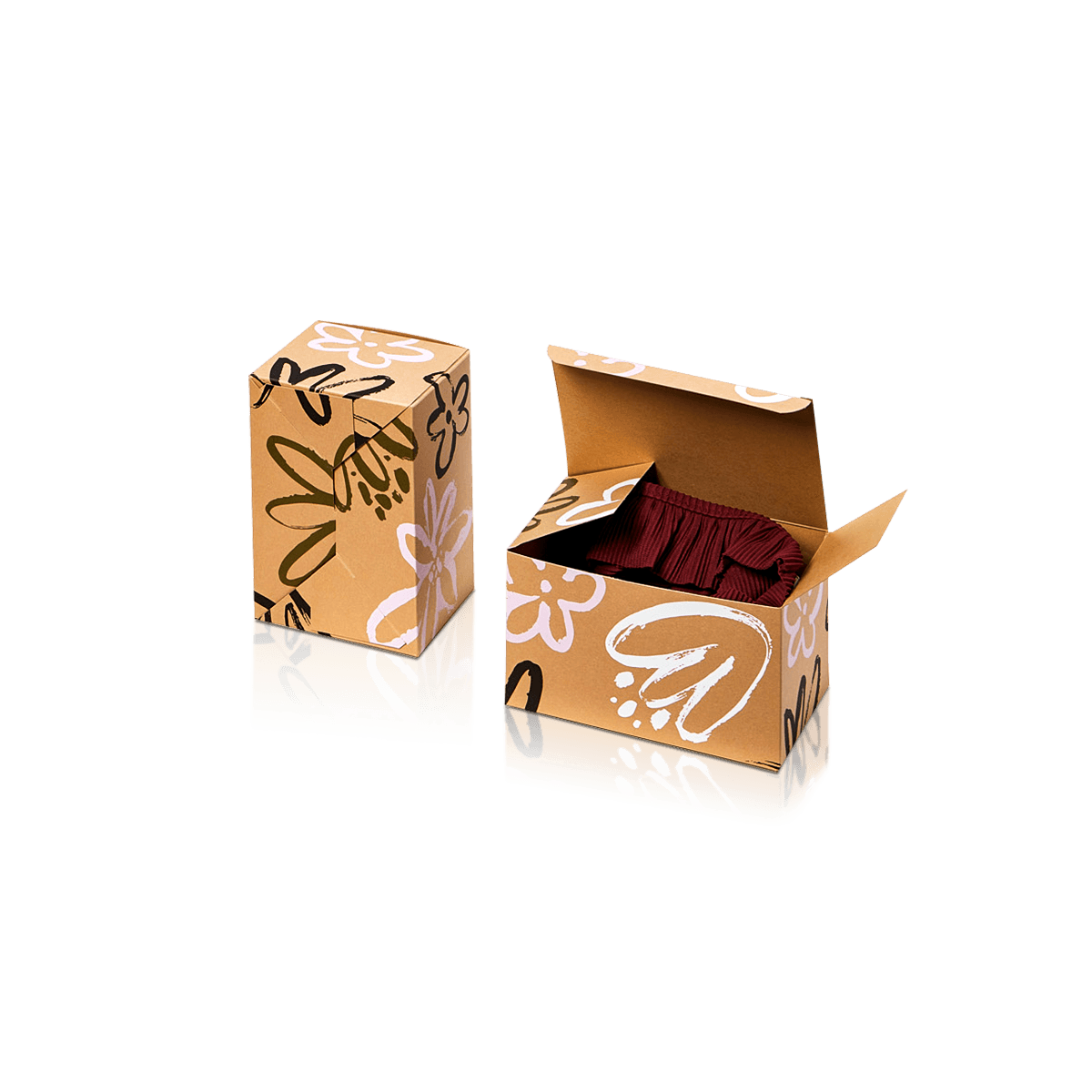
Crash Lock Boxes
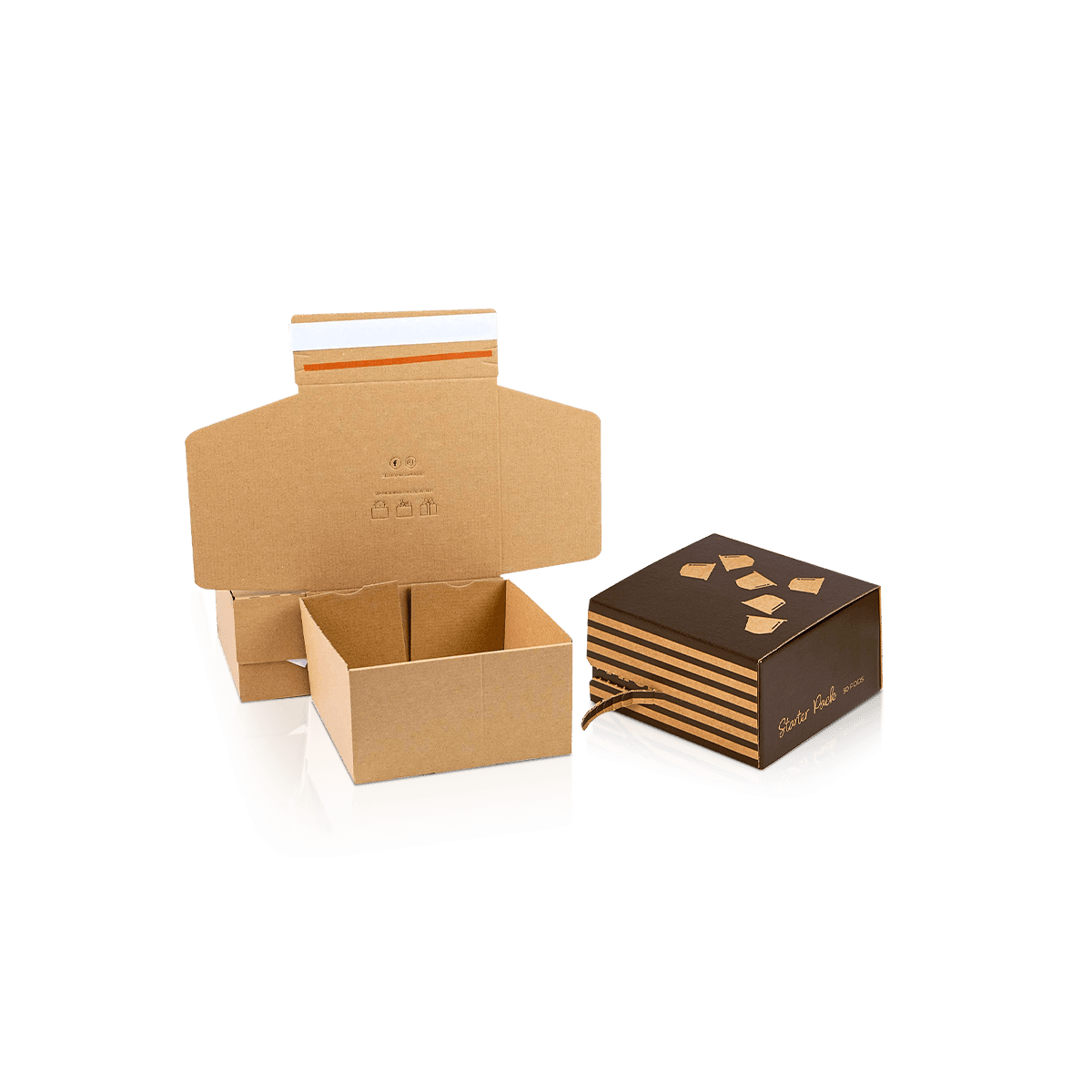
Postal Boxes
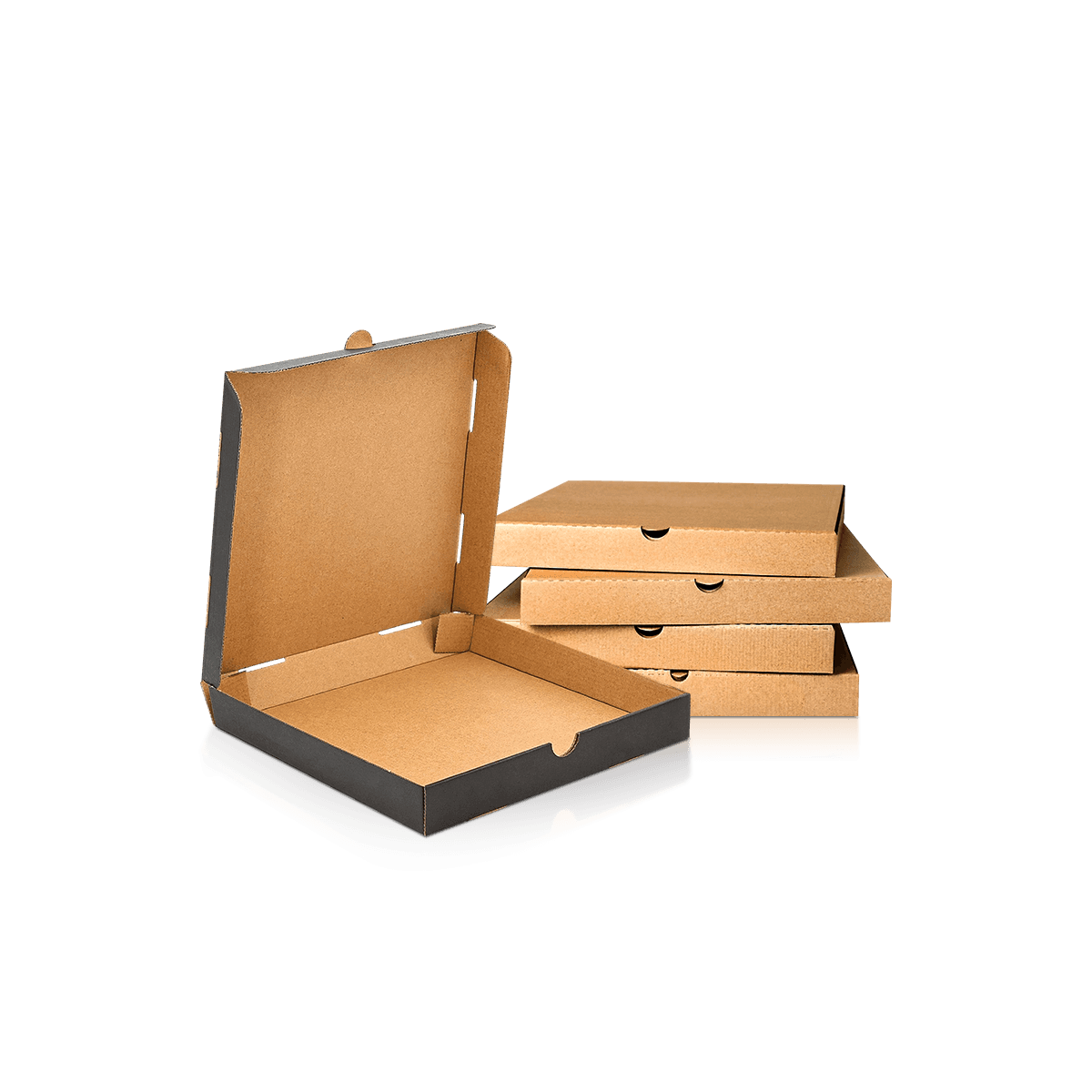
Pizza Style Boxes
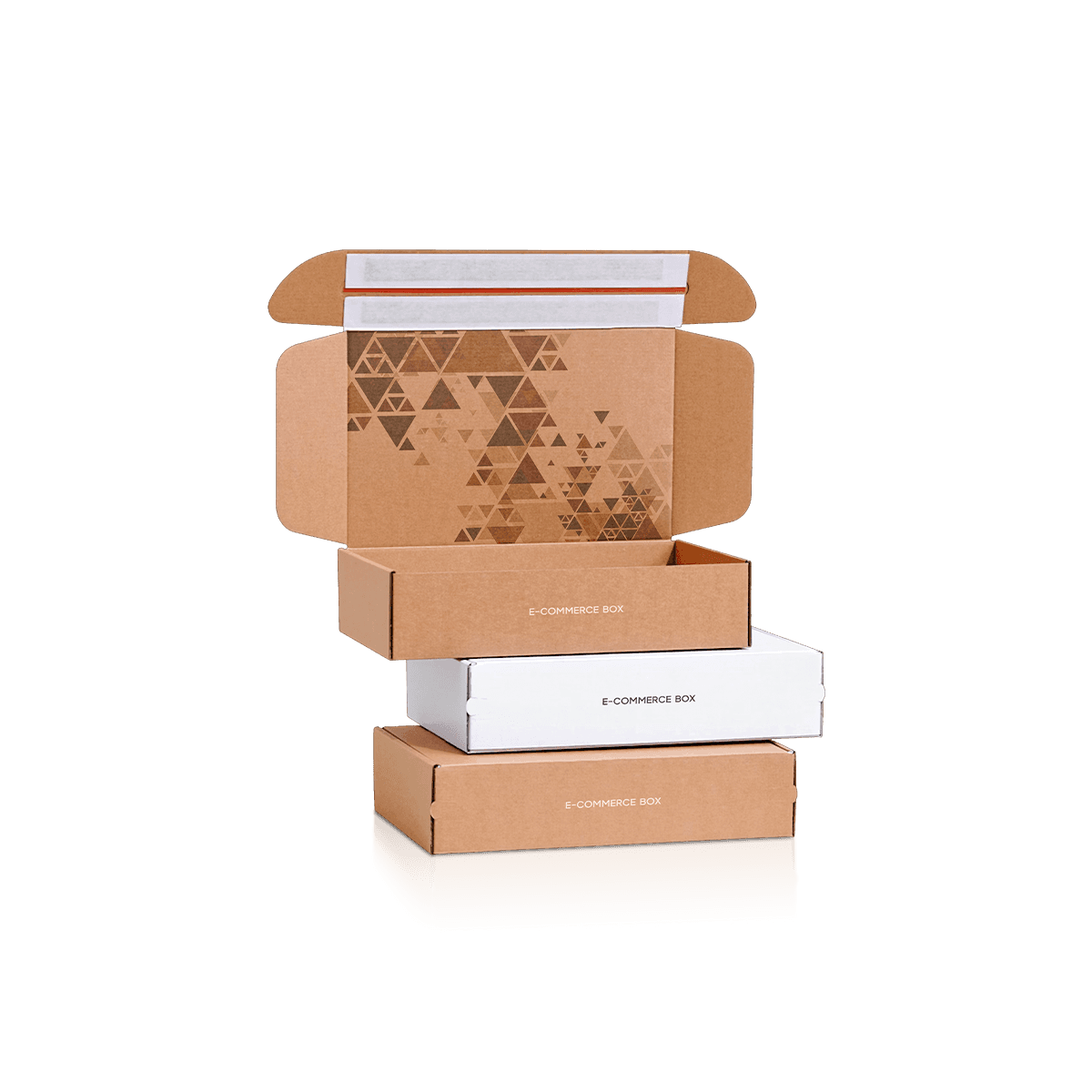
Standard E-commerce Boxes
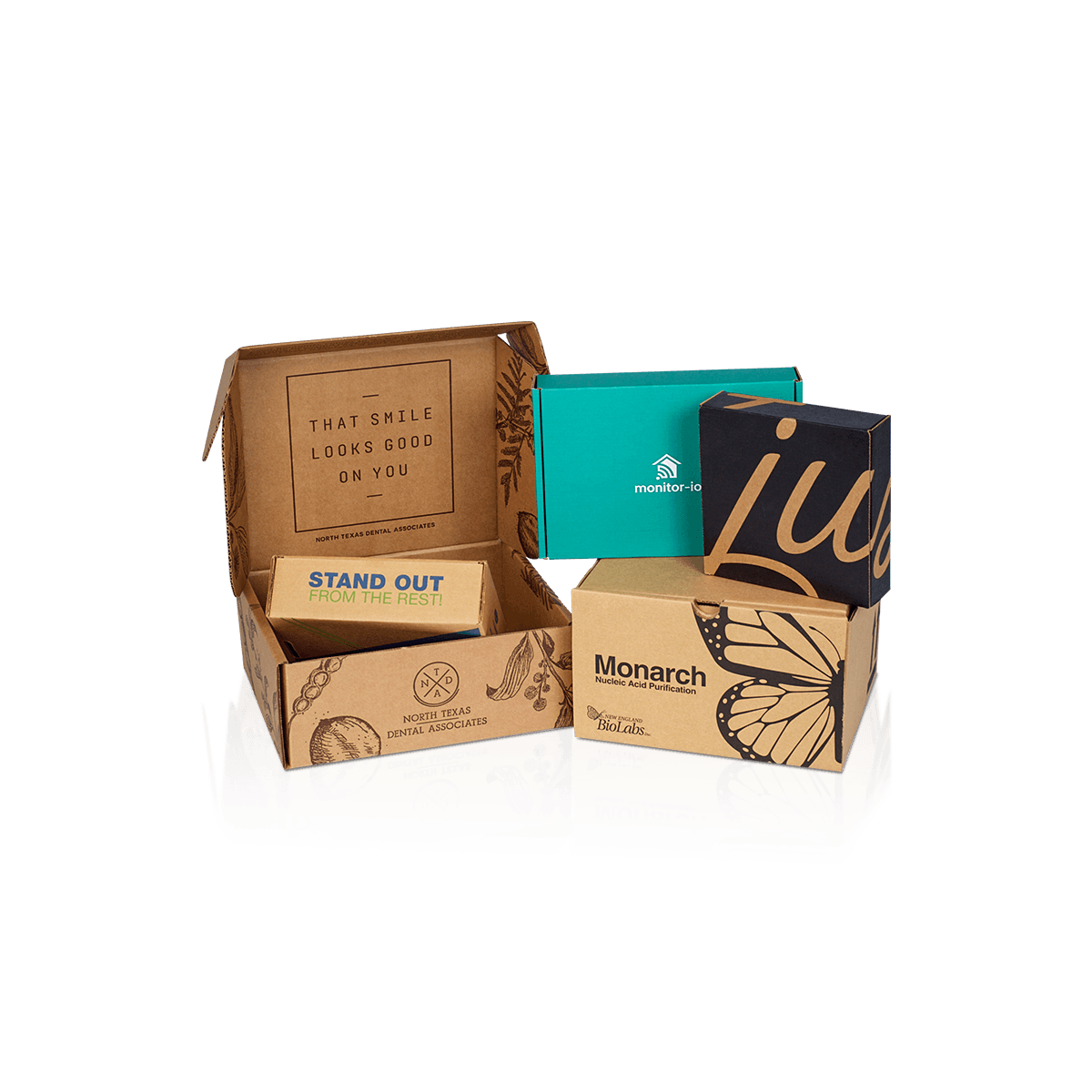
Custom Branded Boxes

Eco-Friendly Boxes
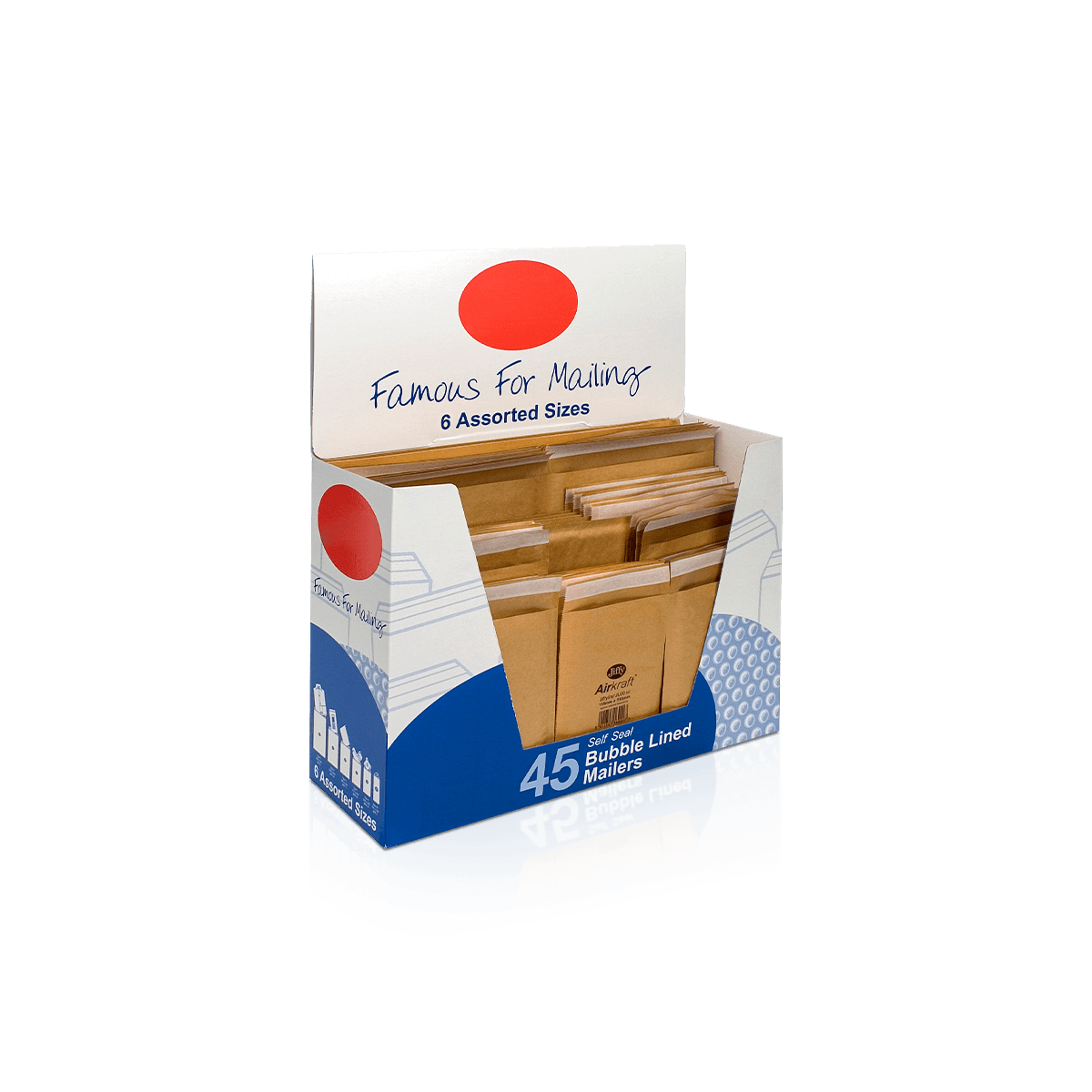
Bubble Lined Boxes
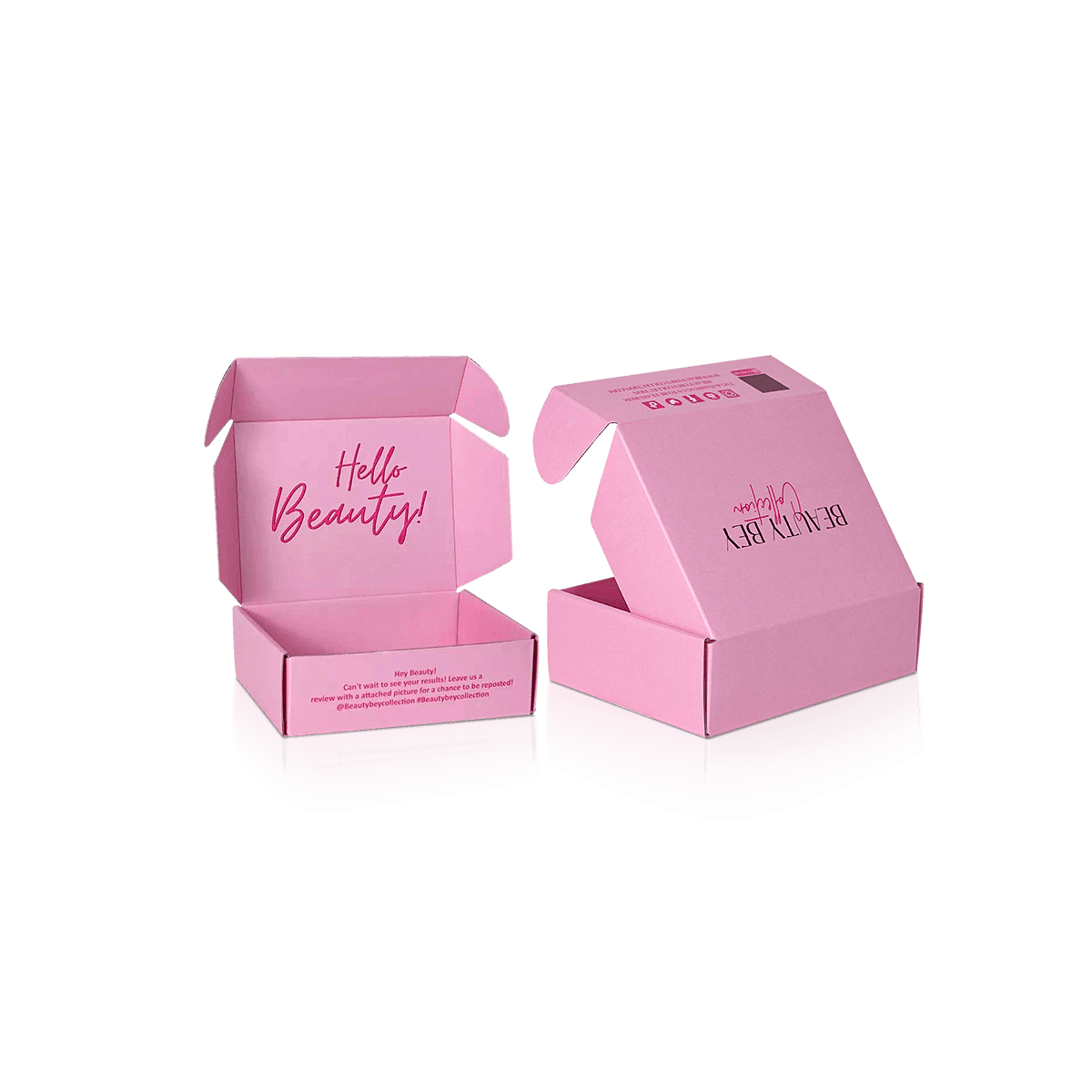
Gift Boxes for E-commerce
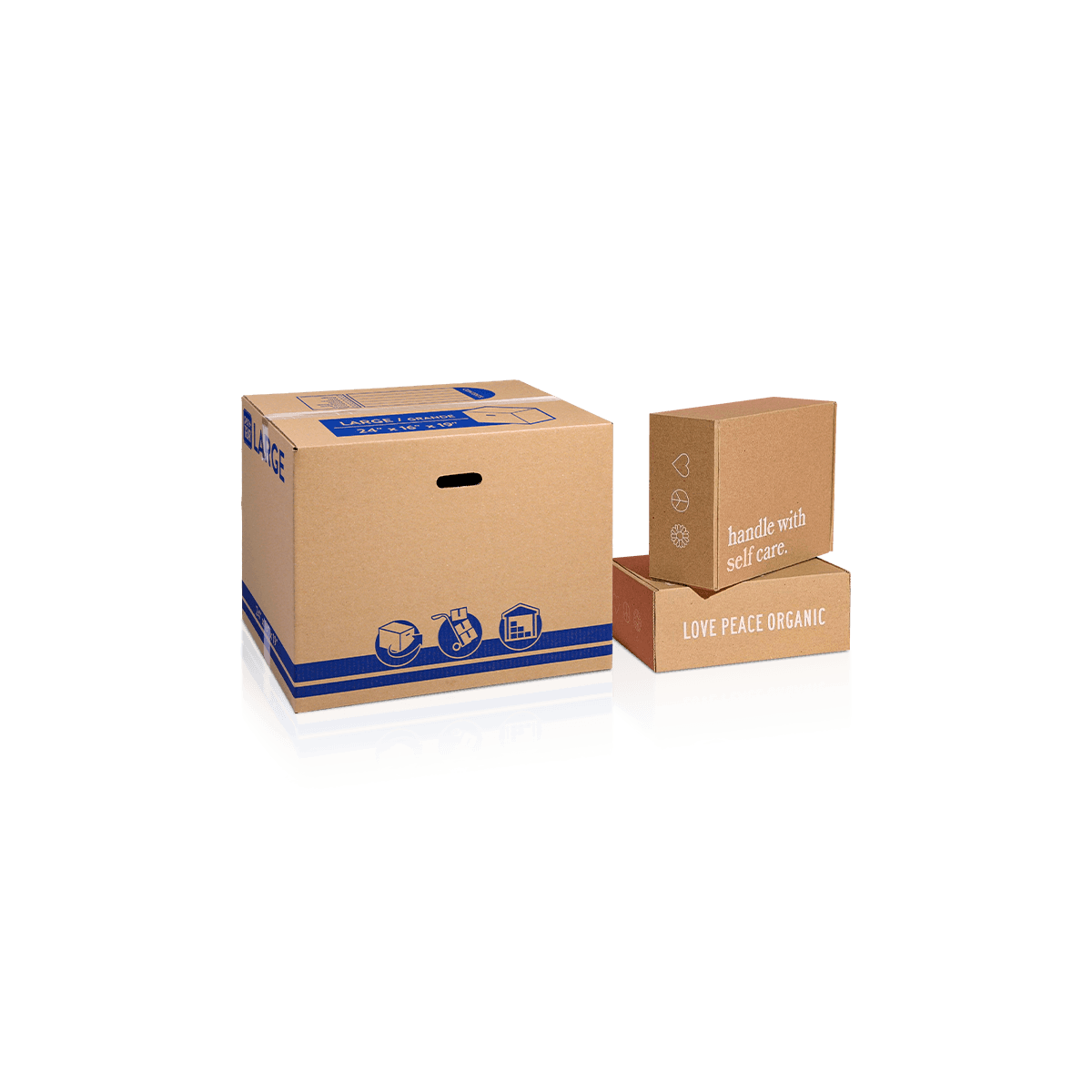
Retail Shipping Boxes
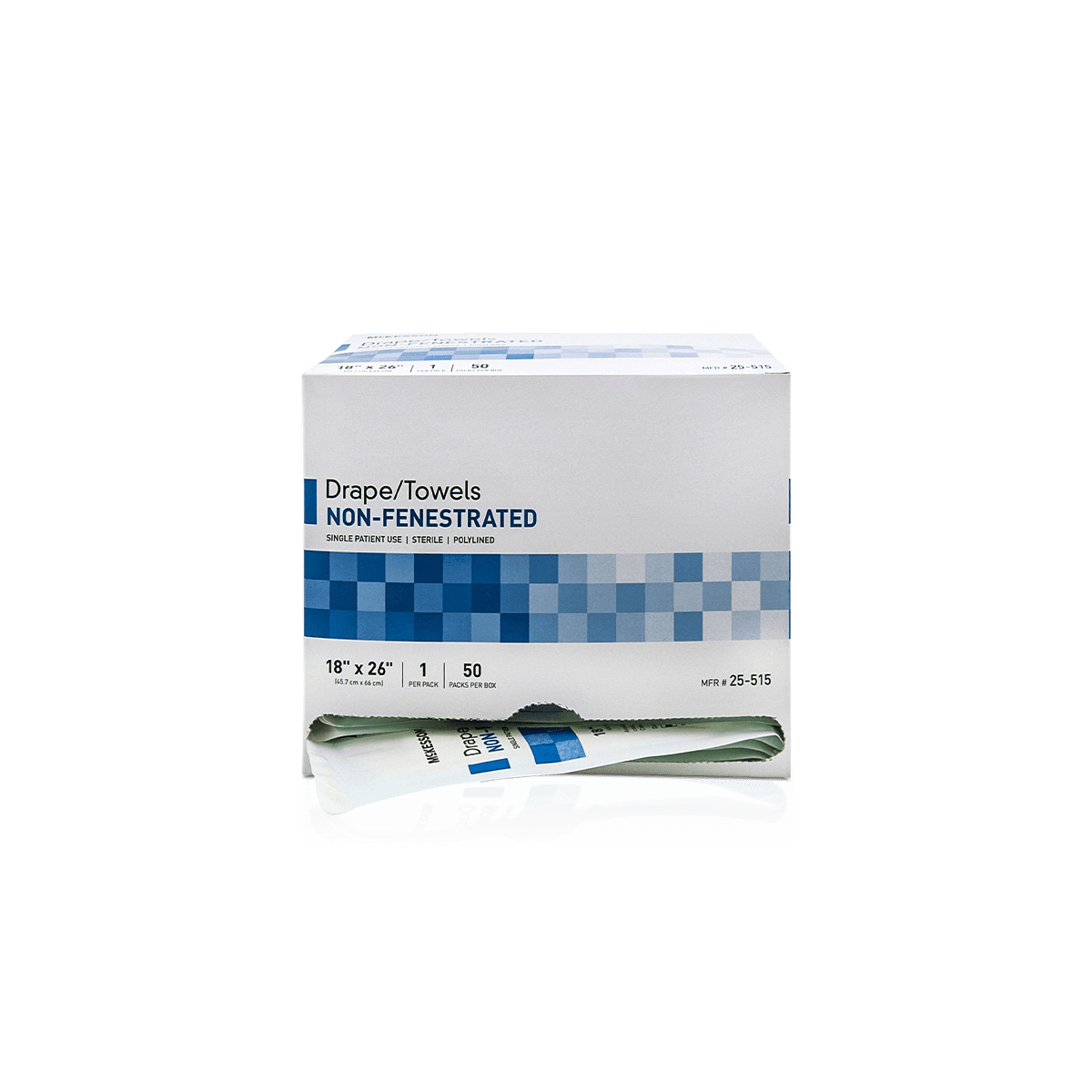
Poly-Lined Boxes
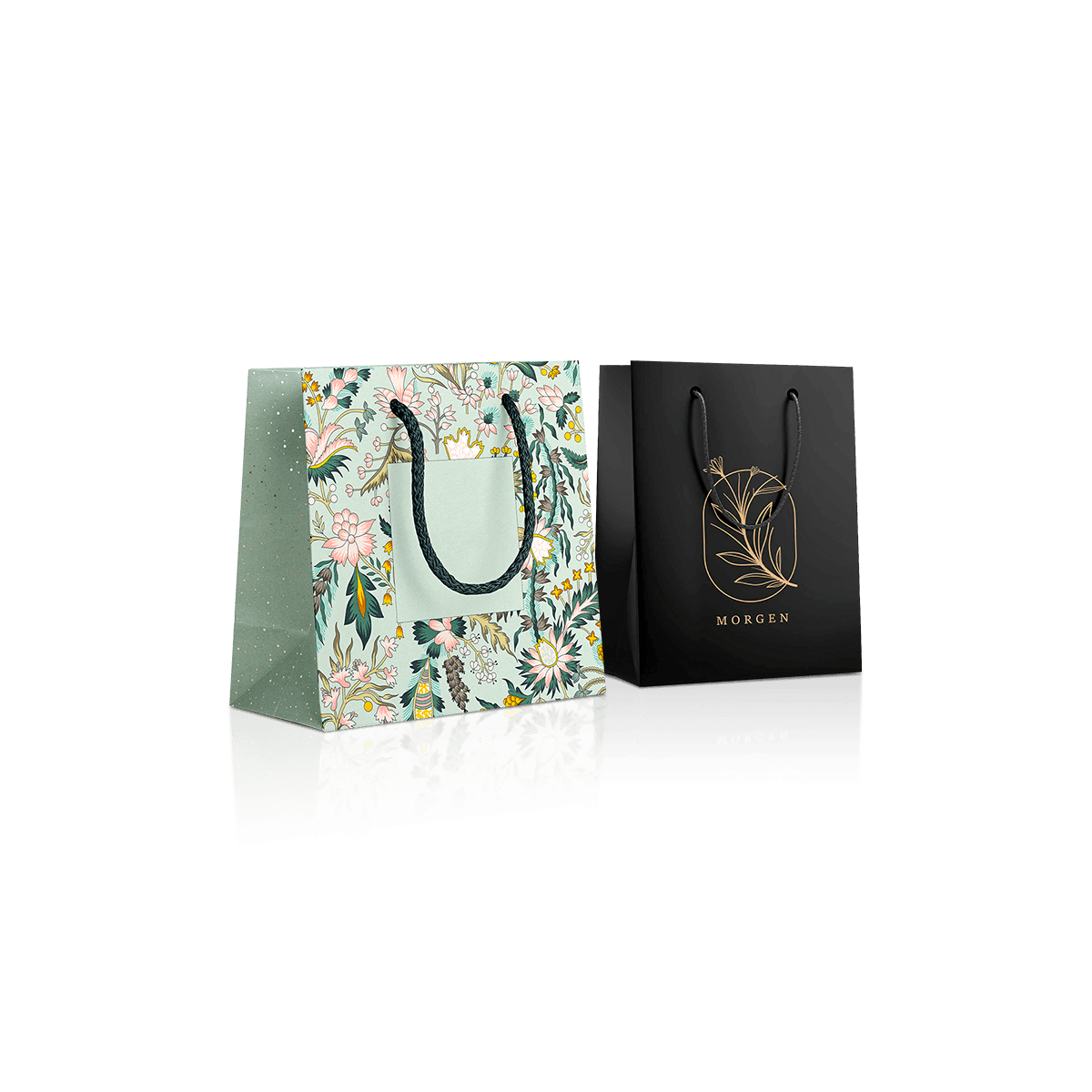
Custom Size Paper Bags
Your product shouldn’t have to fit an off-the-shelf box.
Share the shape, size, material, finish, or insert you have in mind. We’ll turn the details into a tailored packaging recommendation and a clear quote.
Custom sizes · materials · finishes · inserts
Online Stores Ship Orders, Not Individual SKUs
Custom e-commerce packaging should be planned around the combinations customers actually order. A store may sell twenty products, but that does not automatically mean it needs twenty shipping formats.
Some SKUs may usually ship alone. Others may frequently appear together. A subscription order may always contain the same group of products. Gift purchases may need another presentation level entirely.
The useful starting point is therefore the order profile, not simply the product catalog.
Map The Orders That Occur Most Often
Look at common order combinations and group them by packed footprint, weight, fragility and presentation need.
A small accessory bought alone may suit a compact mailer. Three products commonly purchased together may justify a second size. A heavier mixed order may need a corrugated shipping carton instead of forcing the largest mailer to handle everything.
This prevents one-off exceptions from controlling the entire packaging system.
Build Size Groups Around Real Packed Orders
A packaging size should have a clear operational role. One size may handle the majority of single-item orders. Another may cover common two- or three-item combinations. A heavier format can handle large baskets.
That is more useful than creating a new box whenever another SKU enters the store.
Custom Mailer Boxes are particularly useful when lighter DTC orders need corrugated protection and a branded opening experience. Shipping Boxes become more appropriate when packed weight, stacking or multi-item transit requirements take priority.
The Pack Station Is Part Of The Packaging Design
A box can protect the product and still be inefficient if it slows the person packing it.
E-commerce packaging is handled repeatedly. Someone retrieves it, erects it, loads the order, adds protection, closes it, applies labels and moves it into dispatch. Small inefficiencies repeat on every order.
That makes packout a design requirement.
Count Repeated Packing Actions
Look at how many separate movements are needed to prepare a shipment.
Does the box need tape before loading? Does an insert need several folds? Does tissue need to be adjusted because the box is too deep? Does the packer search for the correct size among several nearly identical cartons?
A packaging improvement that removes one unnecessary operation can matter more at scale than another decorative finish.
Subscription Boxes deserve particular attention because the same packing sequence is repeated again and again. Consistency matters as much as appearance.
Protect Clear Areas For Labels And Scanning
Carrier labels, warehouse barcodes and operational marks need flat, predictable surfaces.
Do not approve an exterior design that places the most important branding exactly where a shipping label will normally sit. Likewise, do not position decorative elements where sealing tape consistently covers them.
The real parcel should still make visual sense after fulfillment has finished with it.
Right-Sizing Is A Portfolio Decision
Right-sizing is often discussed as though every product should receive its own perfectly fitted box. That can create a new problem: too many packaging SKUs.
The objective is not the smallest possible box for every item. It is the smallest practical packaging system that handles the store's recurring orders without creating excessive air, damage or warehouse complexity.
One Universal Box Can Become Expensive
A single large box sounds easy to manage. The problem appears when small orders consume extra filler, products move through unused space and the outer dimensions become much larger than necessary.
Carriers can also consider package dimensions when determining shipping charges, so shipping unnecessary volume can affect more than material consumption.
A universal box is useful only when the order variation inside it remains reasonable.
Too Many Box Sizes Create Their Own Friction
The opposite extreme is a separate size for every product.
That increases purchasing complexity, storage locations, reorder points and the chance that staff select the wrong box. Very similar carton sizes can be particularly difficult to distinguish quickly at a busy packing station.
The better answer is usually a controlled set of shipping formats built around recurring order patterns.
Standard E-commerce Boxes can suit predictable routine shipments, while more specialized formats should earn their place through a genuine fit, protection or workflow advantage.
Protection Levels Should Follow The Order That Leaves The Warehouse
Not every ecommerce shipment needs the same amount of protection.
A folded textile order and a glass skincare set can be similar in external size but have completely different failure risks. Applying the glass-product protection strategy to every parcel wastes material. Applying the apparel strategy to glass creates damage.
Create protection tiers based on what actually ships.
Stable Products Need Less Intervention
Soft goods, durable accessories and products already protected by strong primary packaging may only need containment, surface protection and sensible right-sizing.
Adding foam, large amounts of paper or complicated inserts to these products can create cost and slow fulfillment without solving a real problem.
Fragile And Multi-Part Orders Need Controlled Movement
Glass, electronics, delicate finishes and mixed-product sets may need inserts, dividers or cushioning that keeps products from striking each other or the outer walls.
The goal is controlled restraint rather than simply filling empty space.
If damage continues, better packaging structure and fit should be checked before adding more filler.
Mailers And Shipping Boxes Should Divide The Work
Online retail does not need one universal ecommerce box style.
Mailer boxes and shipping cartons solve overlapping but different problems, and both can belong in the same fulfillment operation.
Mailers Suit Presentation-Led Direct-To-Customer Orders
A printed corrugated mailer can combine shipping and presentation for appropriately sized products. Inside printing, inserts and a controlled opening can make it useful for subscriptions, apparel, beauty products, accessories and curated kits.
Product Mailer Boxes are most useful when the individual ecommerce shipment itself is the main customer-facing package.
Shipping Cartons Suit More Demanding Loads
Heavier, larger or multi-item orders often benefit from a more conventional corrugated shipping structure. These cartons prioritize containment, stacking and transport efficiency over a presentation-led hinged opening.
Mailers, shipping boxes and folding cartons solve different ecommerce jobs, so structure choice should follow weight, handling and presentation.
A healthy ecommerce operation can use both rather than trying to make either structure solve every order.
For a presentation-led corrugated DTC format, Roll End Tuck Boxes provide a more specific route. Corrugated Boxes become the broader choice when load, stacking and parcel handling dominate the decision.
When the sellable pack is lightweight paperboard rather than the shipper, Custom Folding Cartons and Product Boxes can sit inside a separate mailer or shipping carton. Poly-Lined Boxes address a different requirement when an internal liner is part of the protection specification.
Within the mailer side of that split, die-cut mailer structures become useful when the packed product needs more deliberate panel geometry or locking behavior than a standard mailer provides.
Unboxing Should Not Add Components Without A Job
Branded delivery matters because the parcel may be the first physical contact a customer has with an online brand. That does not mean every order needs layers of tissue, multiple cards, stickers, filler and several printed surfaces.
Every component should have a reason.
An insert may stabilize a product. Tissue may protect a surface or organize soft goods. A printed inside lid can carry a brand message without adding another loose card. A QR code can move instructions or repeat-purchase information away from another piece of paper.
Custom Branded Boxes can make sense when the outer package itself is an important brand touchpoint.
Strong ecommerce packaging creates a deliberate opening sequence with fewer unnecessary parts. The result can feel more considered while also being easier to pack.
Returns Can Change The Closure Before The Artwork Is Finished
Some ecommerce products are much more likely than others to enter a return workflow. Apparel sizing, footwear and selected consumer goods can make resealing or straightforward repacking important.
If customers may need to return the product in the same package, think about that second journey before finalizing the closure.
A one-way seal may be efficient for products that rarely return. Other programs may benefit from a secondary adhesive strip, tear-open feature or a structure that can be closed again without improvised tape.
The decision should follow the actual returns process rather than adding return features to every shipment.
The package also needs to survive opening well enough to make a second trip. A highly destructive tear-open experience may create a strong first reveal but be poorly suited to a return-heavy business.
Retail And Ecommerce Can Share The Product Pack Without Sharing The Shipper
Brands selling through both stores and their own website often assume they need either one package for everything or two completely separate packaging systems.
There is a useful middle option.
The customer-facing product carton can remain the same across both channels while online orders add an outer mailer or shipper. The retail carton keeps its shelf graphics, product information and scanning system. The ecommerce layer handles labels, impacts and courier handling.
For lightweight durable products, one structure may sometimes perform both jobs. For fragile or presentation-sensitive products, combining a retail pack with an outer shipping layer can be more reliable.
A shared inner pack can still use different outer layers for retail and ecommerce packaging when shipping changes the protection requirement.
E-commerce Rigid Boxes are a clear example. The rigid presentation box may be valuable to the customer, but that does not automatically make it the correct exposed parcel layer.
Seven Products Do Not Necessarily Need Seven Shipping Boxes
A seven-SKU online store illustrates the difference between product architecture and order architecture.
Imagine a brand selling two small accessories, three medium personal-care products and two larger gift items. Creating a unique outer box for all seven SKUs produces seven packaging stocks to purchase, locate and replenish.
Using one large shipper for everything solves the inventory problem but creates excessive space for the smaller orders.
The useful answer may be three formats.
A compact mailer can handle the two accessories and selected single-product orders. A medium mailer can cover the three personal-care products and several common combinations. A shipping box can handle gift sets and larger mixed orders.
The exact number is not important. The method is.
Packaging sizes should correspond to meaningful groups of real orders. Add another size only when the current system creates enough wasted space, packing difficulty or protection compromise to justify it.
That turns packaging selection from a SKU-by-SKU exercise into a fulfillment system.
Growth Exposes Packaging Problems That Small Volumes Can Hide
A box that works at a few hundred orders can become inefficient when daily fulfillment increases.
Manual assembly takes longer in aggregate. Excess void fill becomes a recurring purchasing cost. Small print inconsistencies become more obvious across thousands of parcels. Ten packaging sizes occupy more warehouse locations. Late packaging replenishment can stop fulfillment even when finished products are ready.
As order volume rises, packaging that is not ready to scale exposes packing-time, dimensional, quality and packaging-SKU problems that small runs can hide.
Custom Packly supports bulk and repeat-order programs with US production, warehousing and scheduled deliveries. That can help established ecommerce operations keep approved packaging available without receiving the entire requirement at once.
Standard turnaround is 4–6 days after final artwork and specifications are approved. Free shipping, free 3D mockups, design and dieline support and 24/7 expert support are available where they solve the project requirement. Complex structures, specialty materials or advanced finishes may require additional time.
When the package sizes, quantity by format, material, printing and protection requirements are defined, an instant custom packaging quote can price the actual fulfillment system instead of one generic ecommerce box.
Build A Packaging Matrix Before Adding Another Format
A scalable ecommerce system can be summarized in a simple internal matrix.
For every packaging format, define which orders use it, the packed weight range it is intended to handle, which protection components belong inside it, how it closes, where the shipping label goes and which artwork version is current.
That matrix gives the warehouse a clear operating rule. It also exposes redundant packaging.
If two boxes handle nearly identical order combinations, ask whether one can be removed. If one format constantly requires extra filler or packing improvisation, ask whether another size is missing. If a premium insert is being used for products that do not need it, separate presentation preference from protection necessity.
When product geometry or internal fit is still unresolved, Custom Product Packaging can help define the package around the contents. When the system reaches serious repeat volume, Bulk Custom Boxes becomes relevant to production consistency and recurring supply.
Custom e-commerce packaging works best when every format has a clear reason to exist. The objective is not more packaging choices. It is fewer exceptions at the packing table, less unnecessary volume in the parcel network and a consistent branded delivery experience across the orders customers actually place.
FAQs
Start Your Custom Packaging Quote
Share your product details, size, quantity and artwork needs. We’ll help choose the right packaging style and send a clear quote.