Custom Wellness Packaging
Healthcare and wellness packaging needs safe structure, clear labeling and dependable protection for regulated products, daily-use supplements and patient-friendly formats.
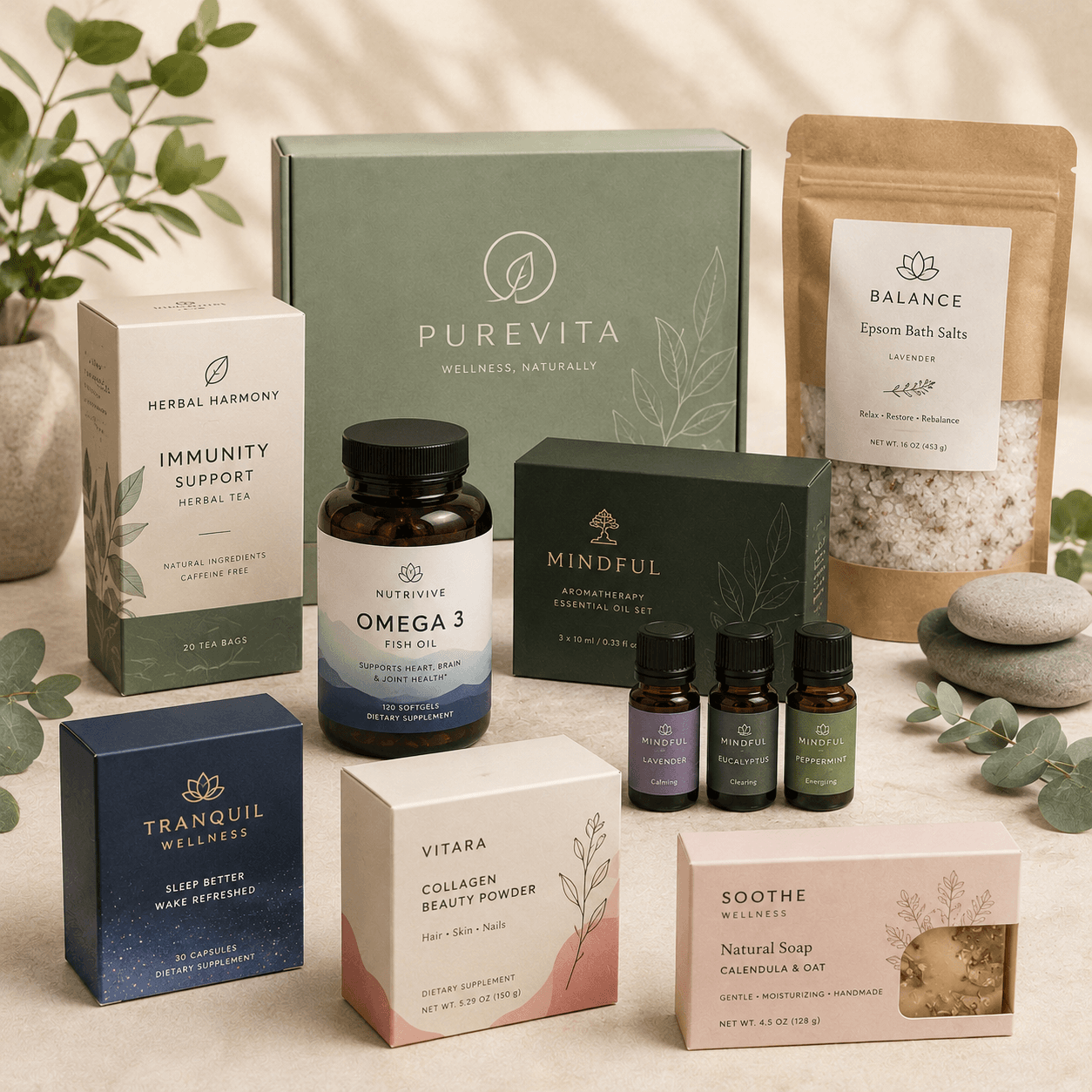
Wellness Packaging options
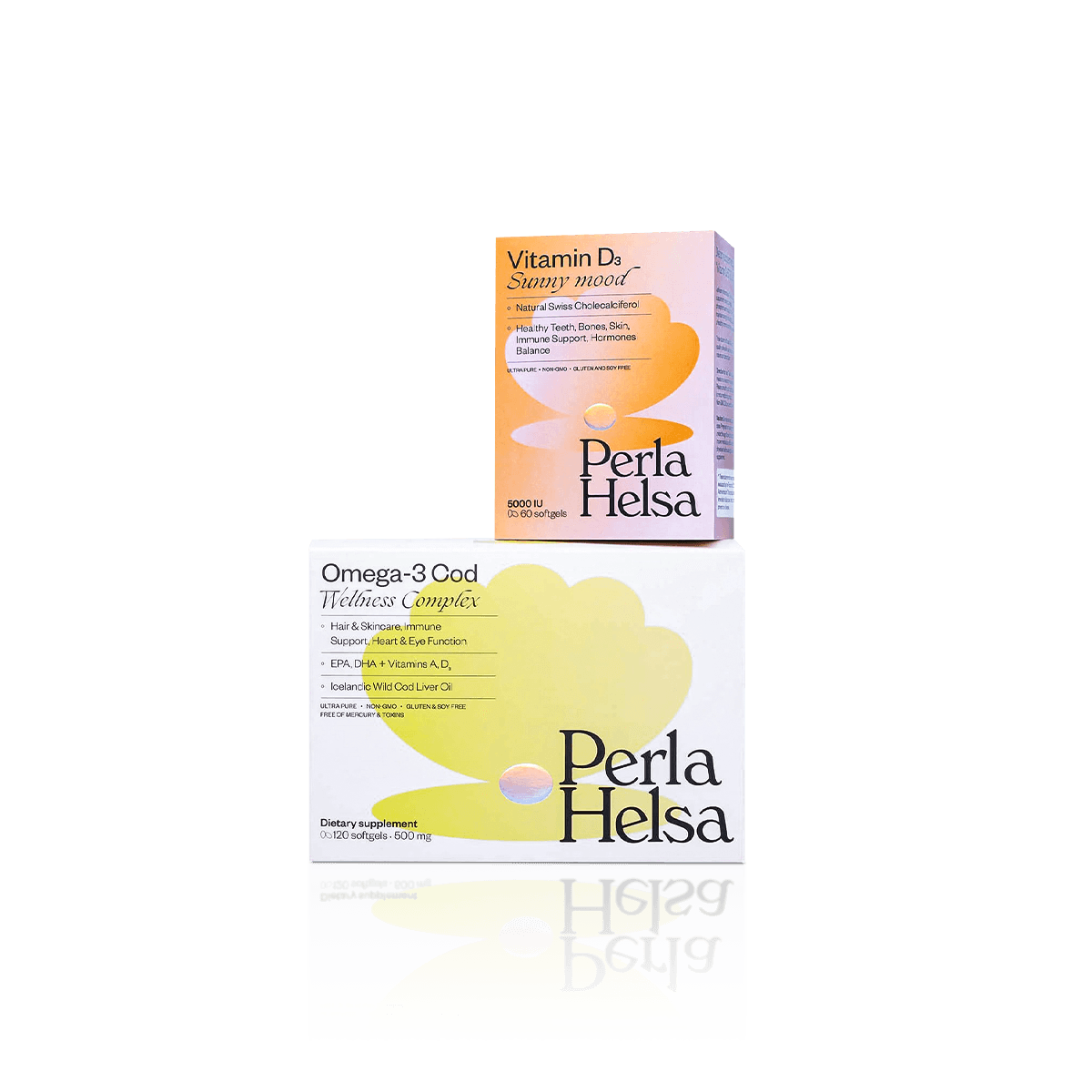
Supplement Boxes
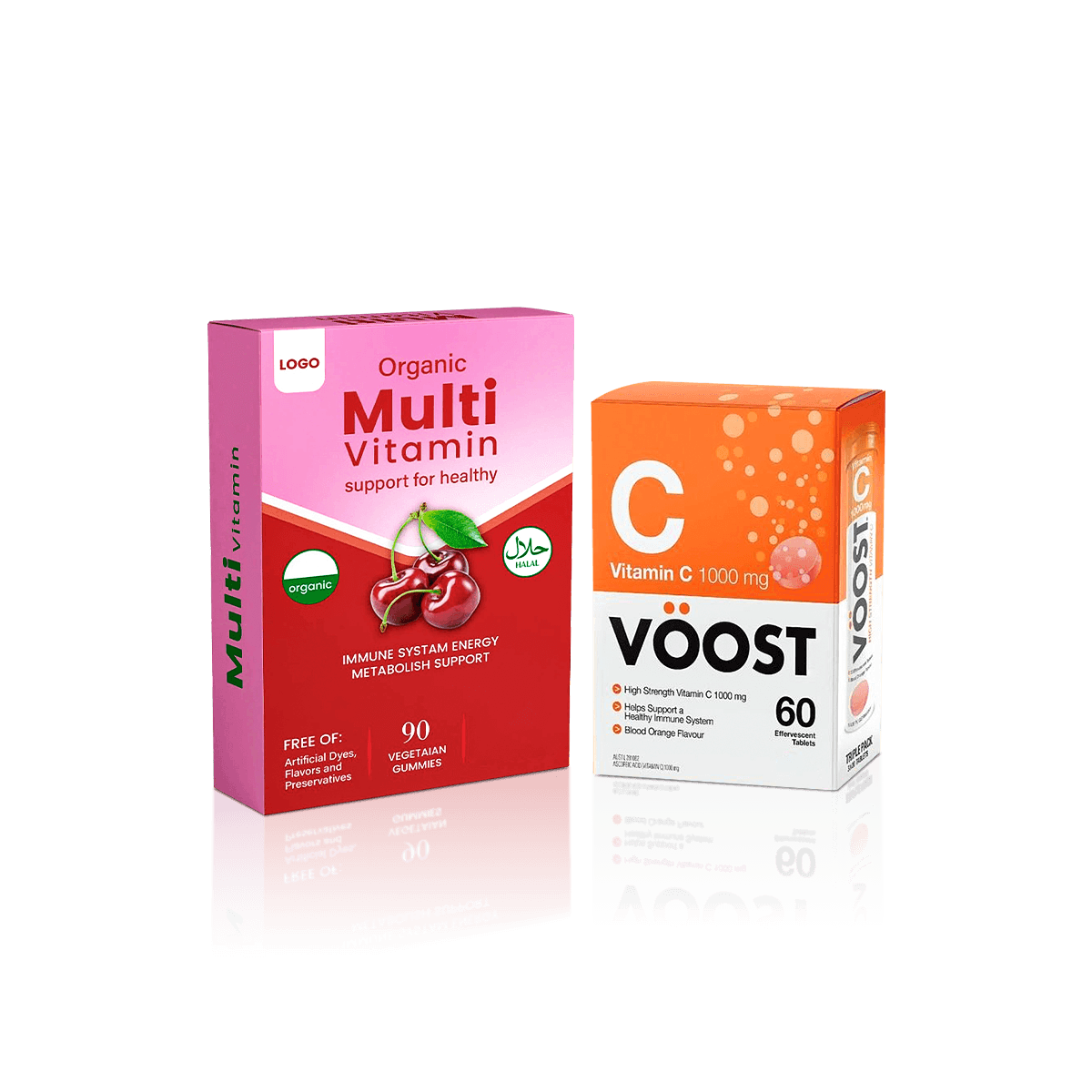
Vitamin Boxes
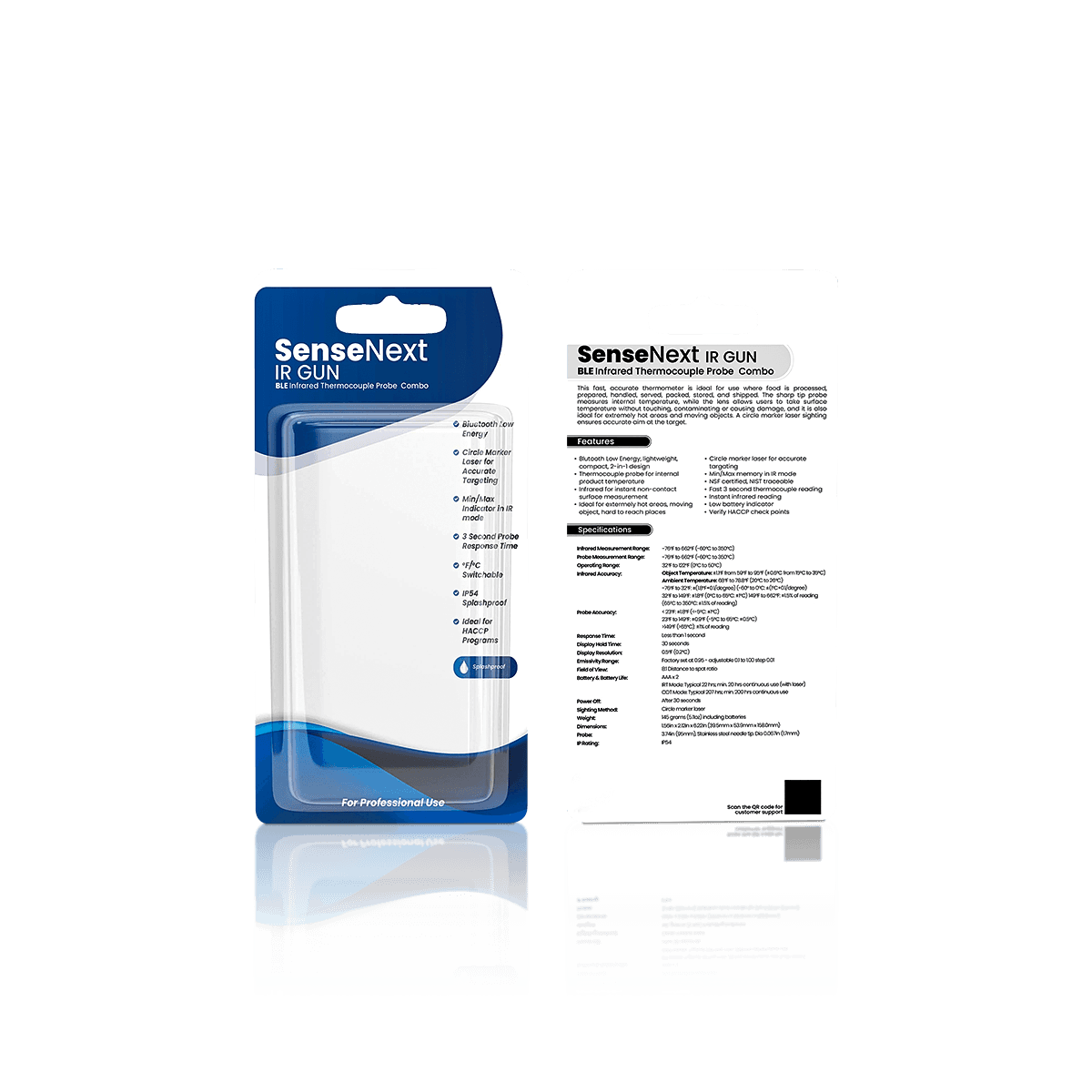
Blister Pack Outer Boxes
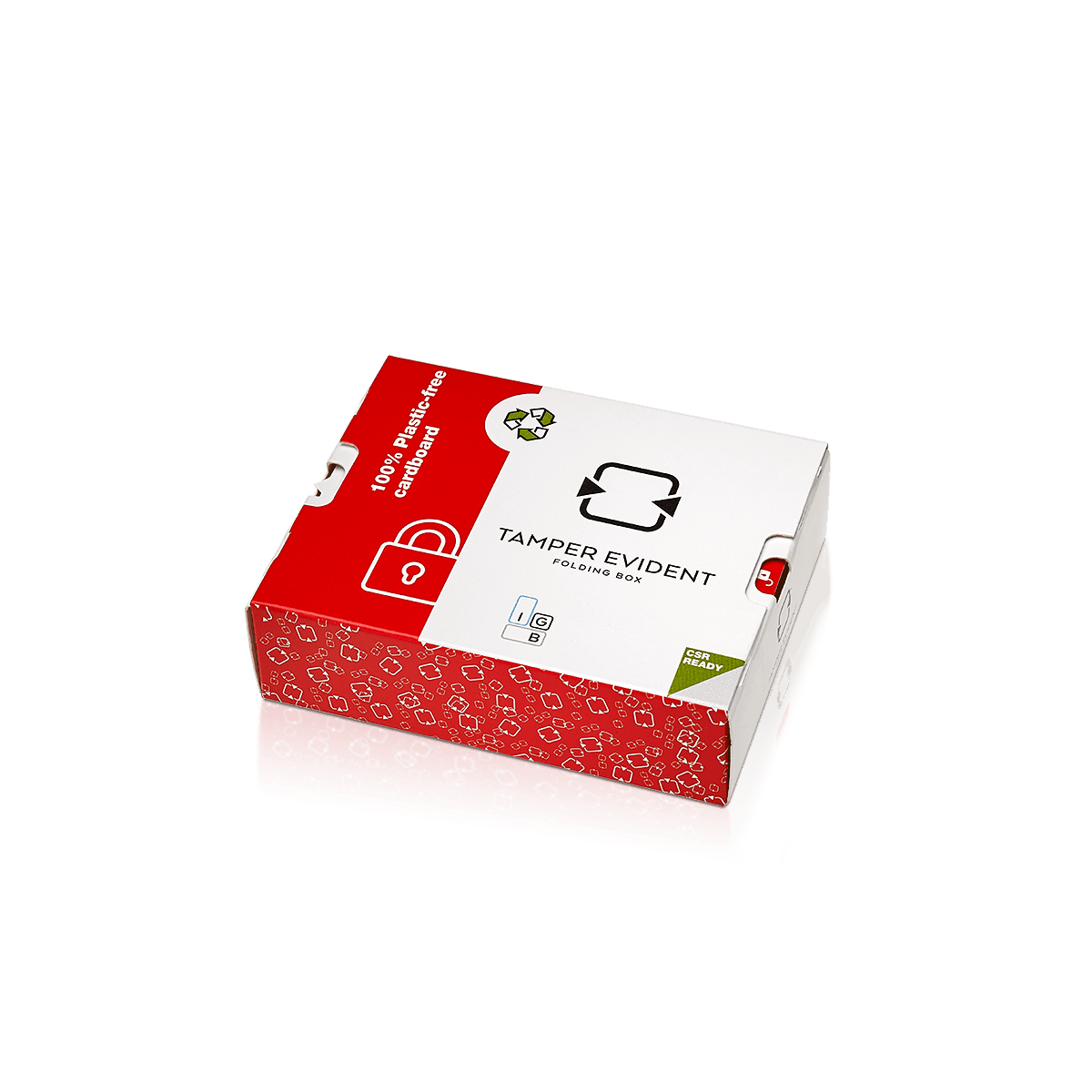
Tamper-Evident Boxes
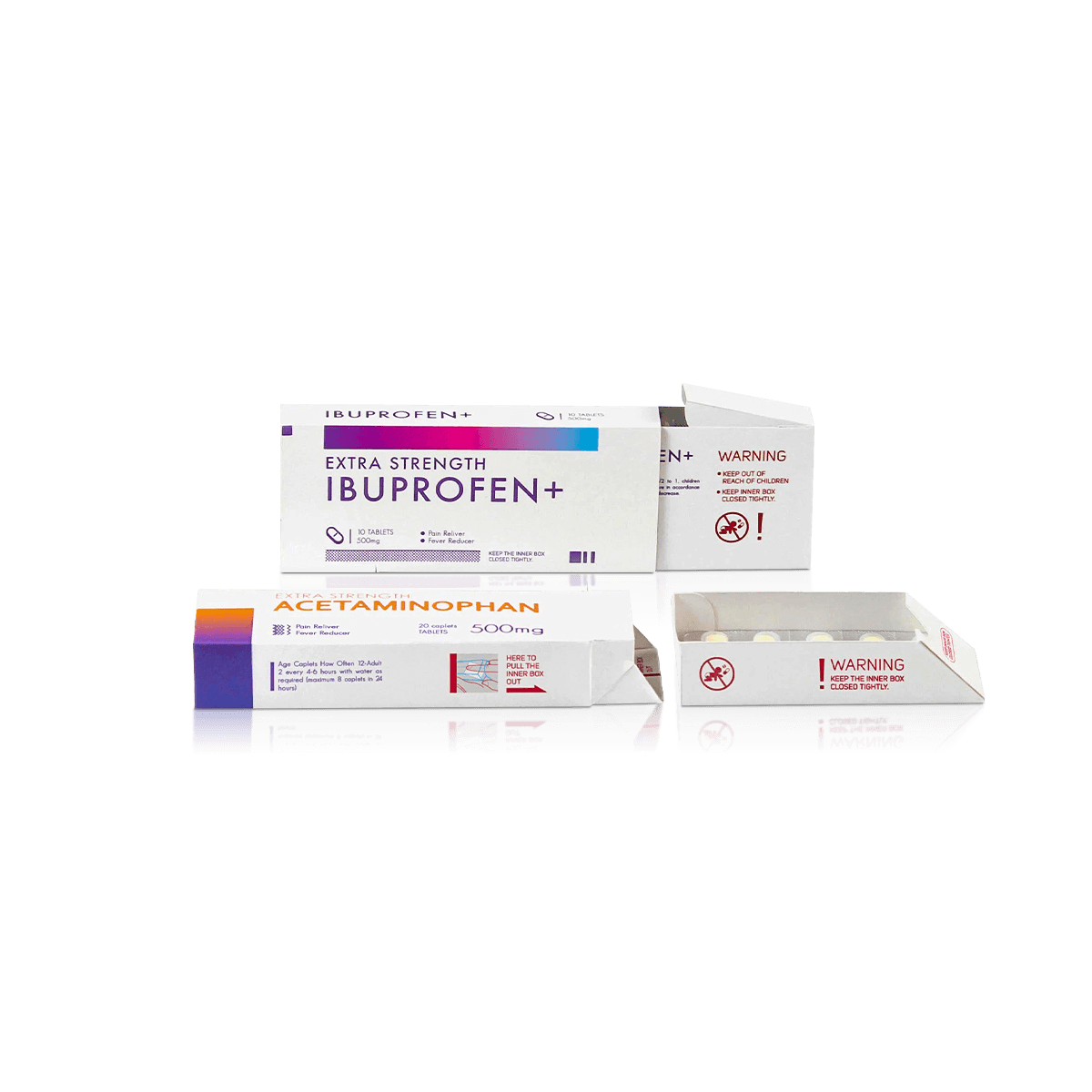
Child-Resistant Boxes
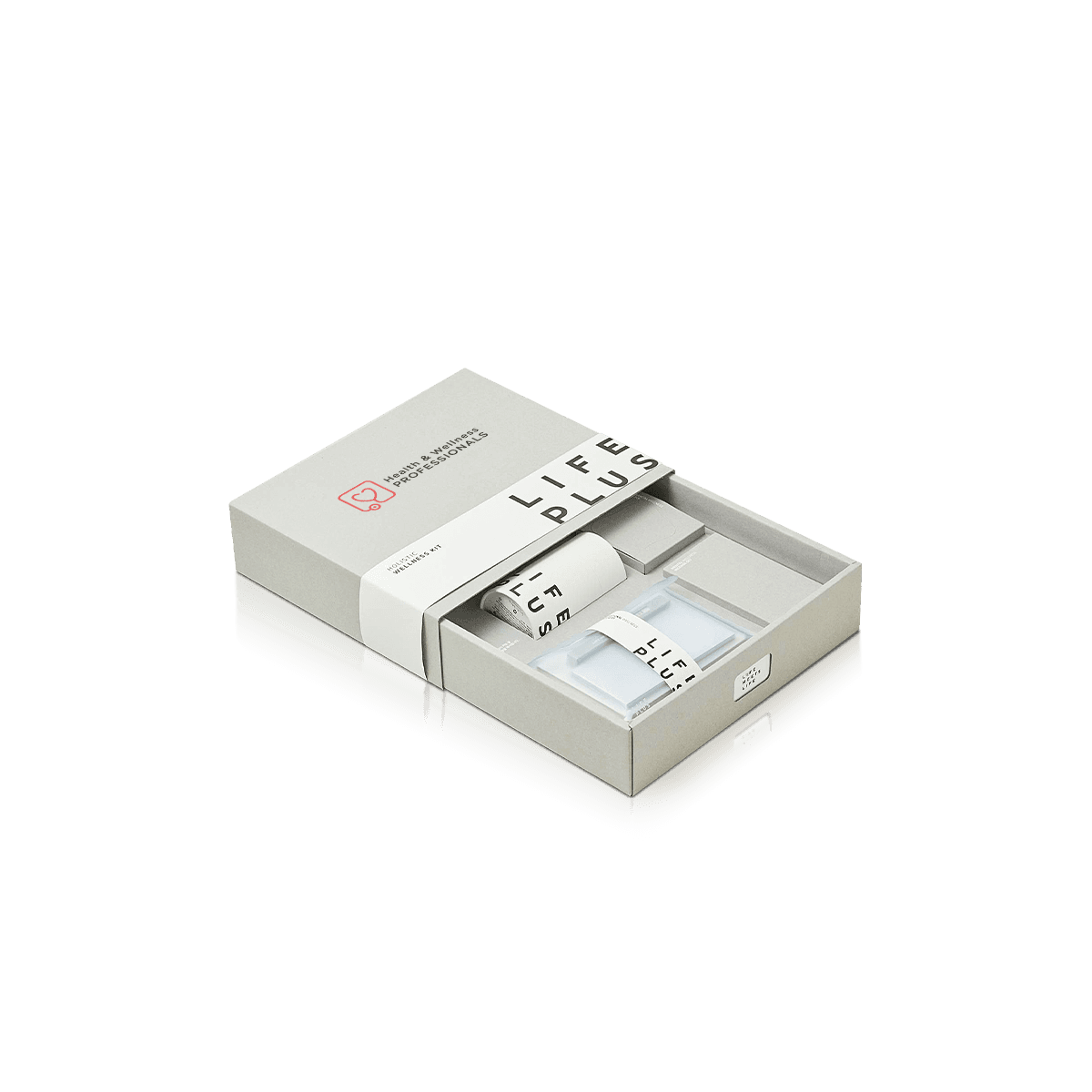
Wellness Kit Boxes
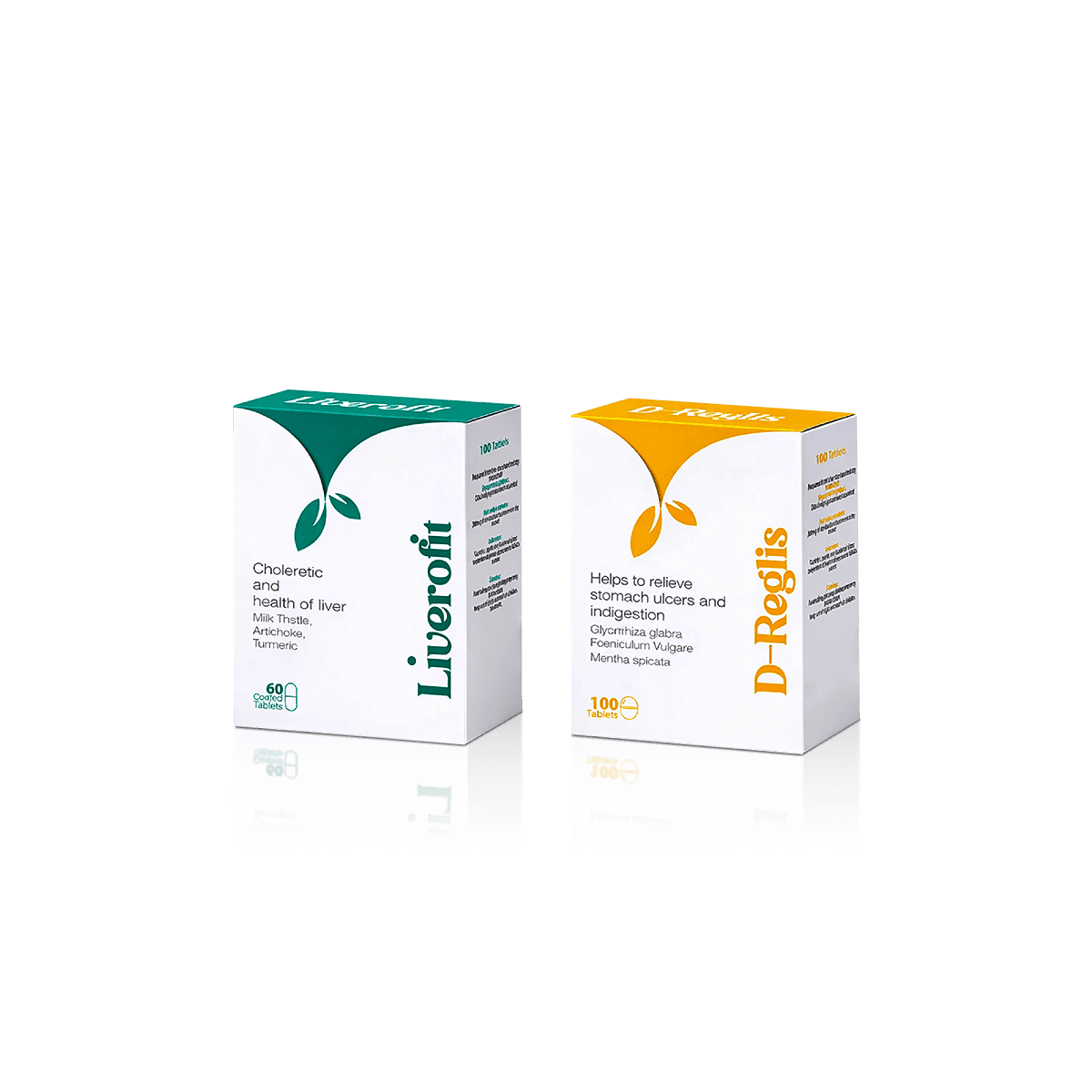
Herbal Product Boxes
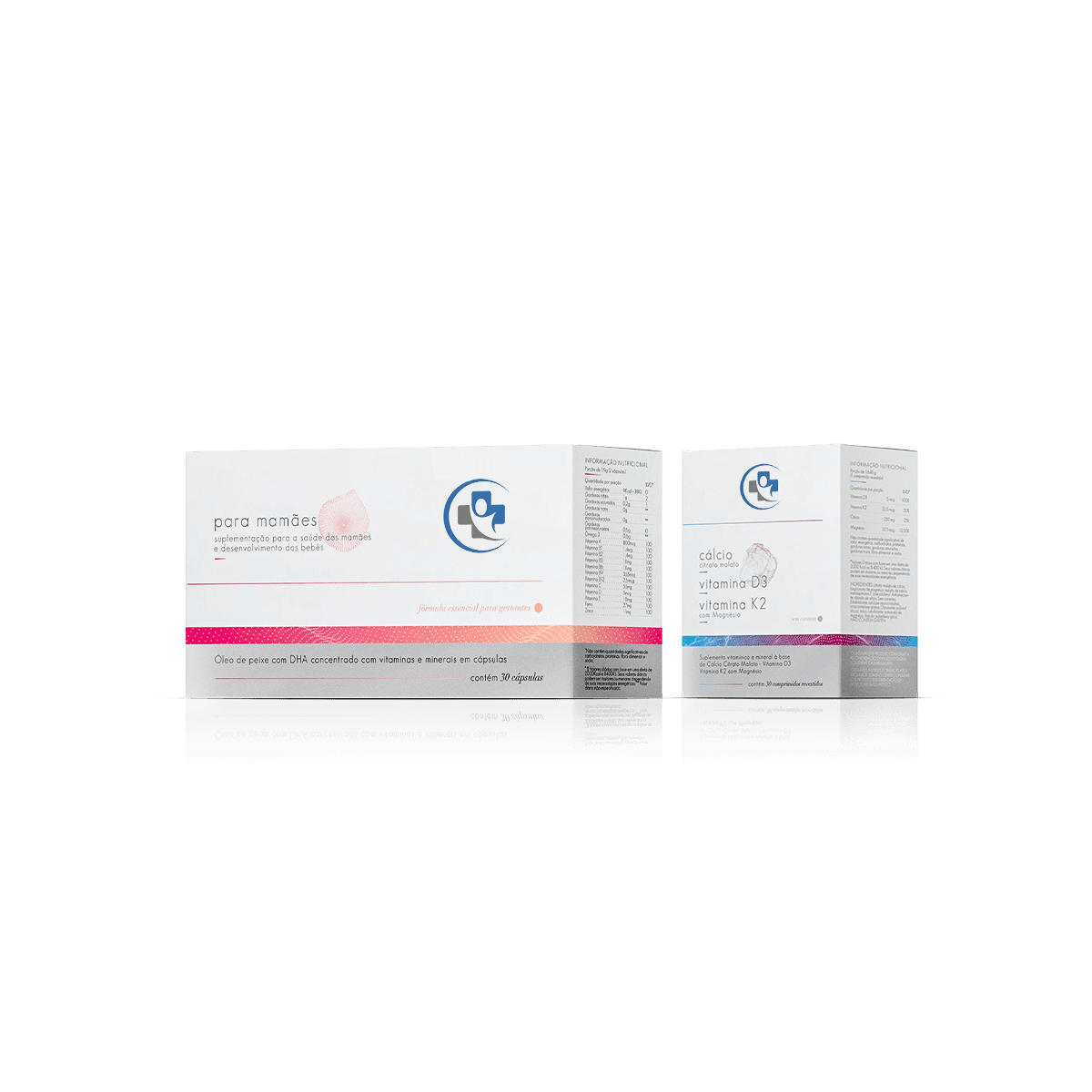
Nutraceutical Boxes
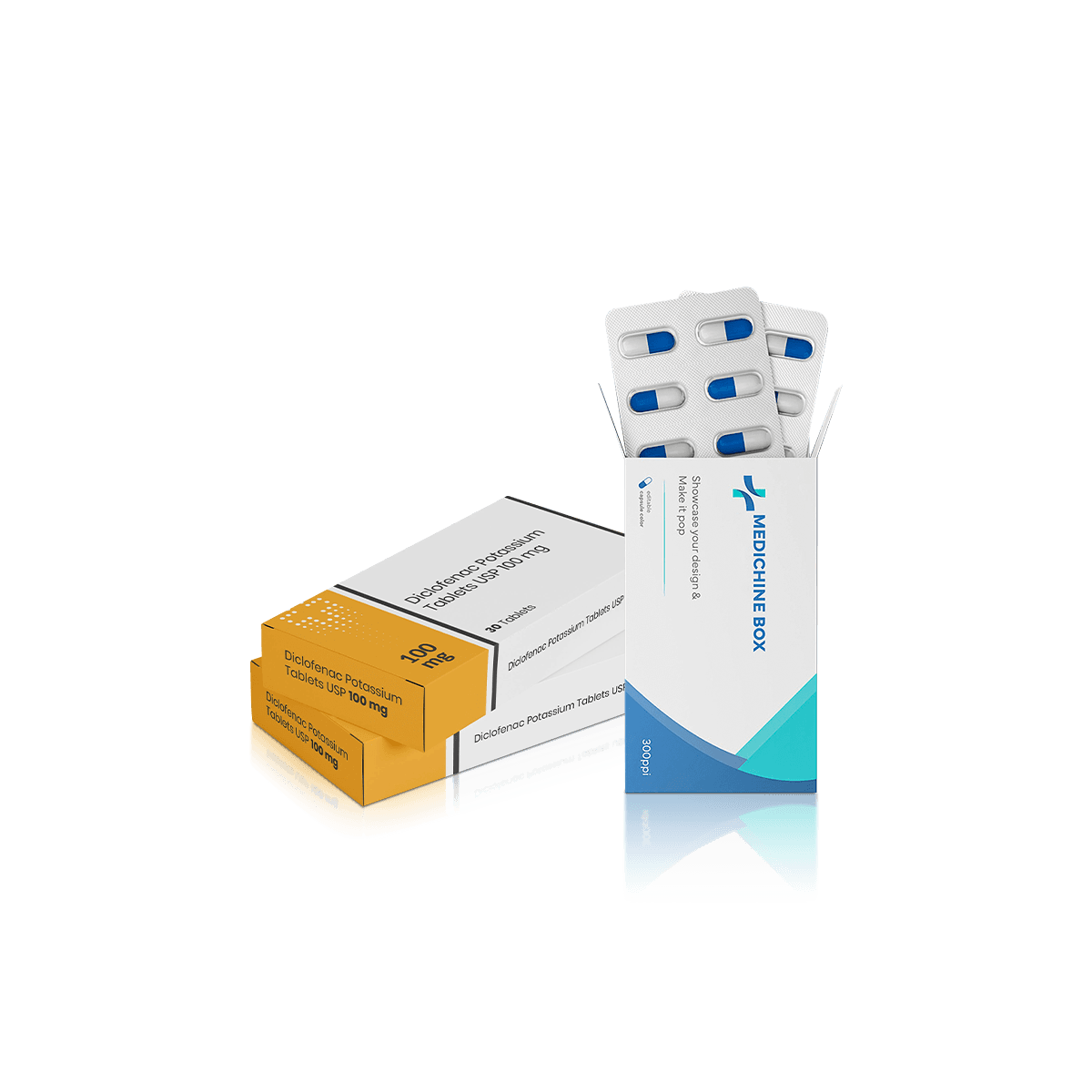
Custom Printed Pharma Boxes
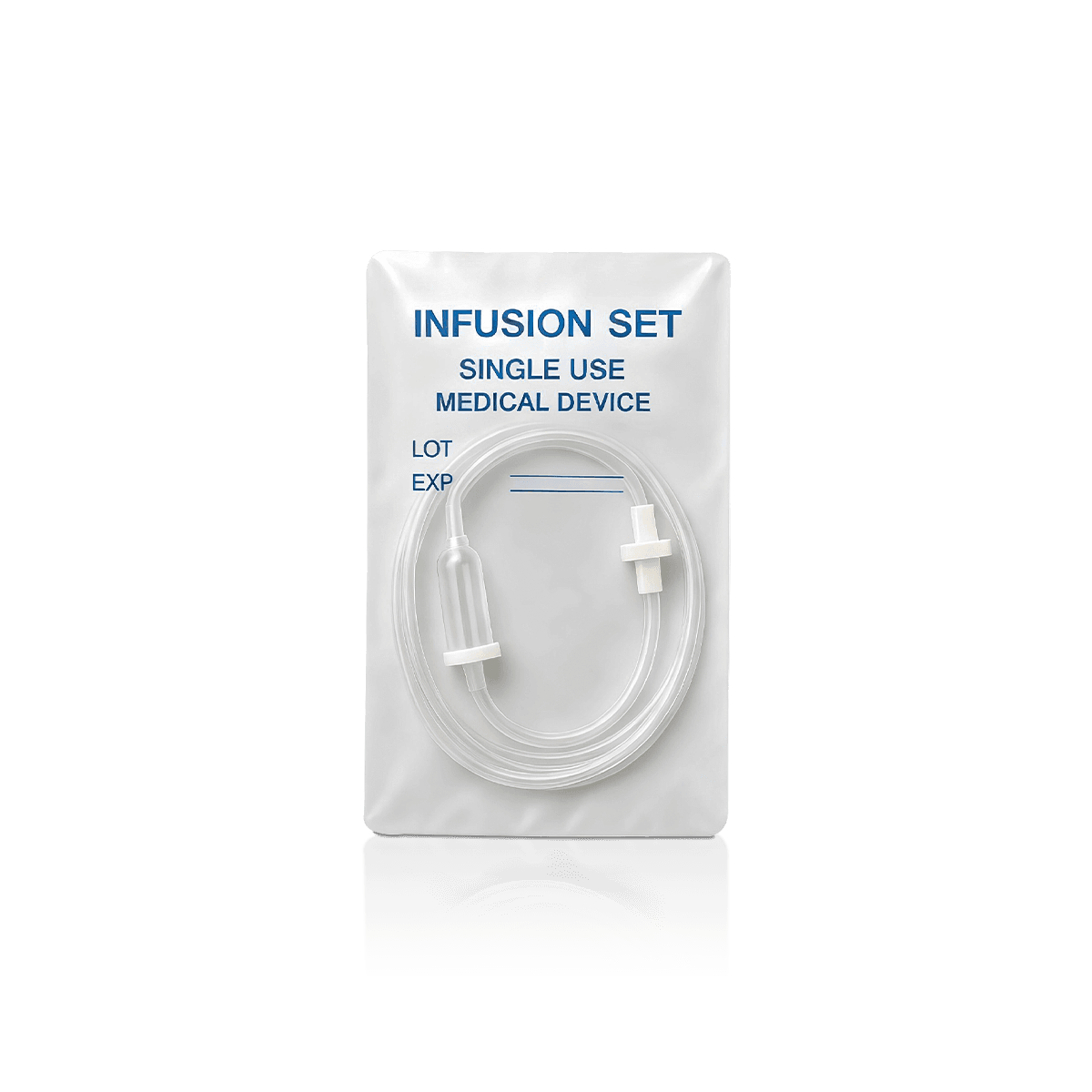
Device Tubes
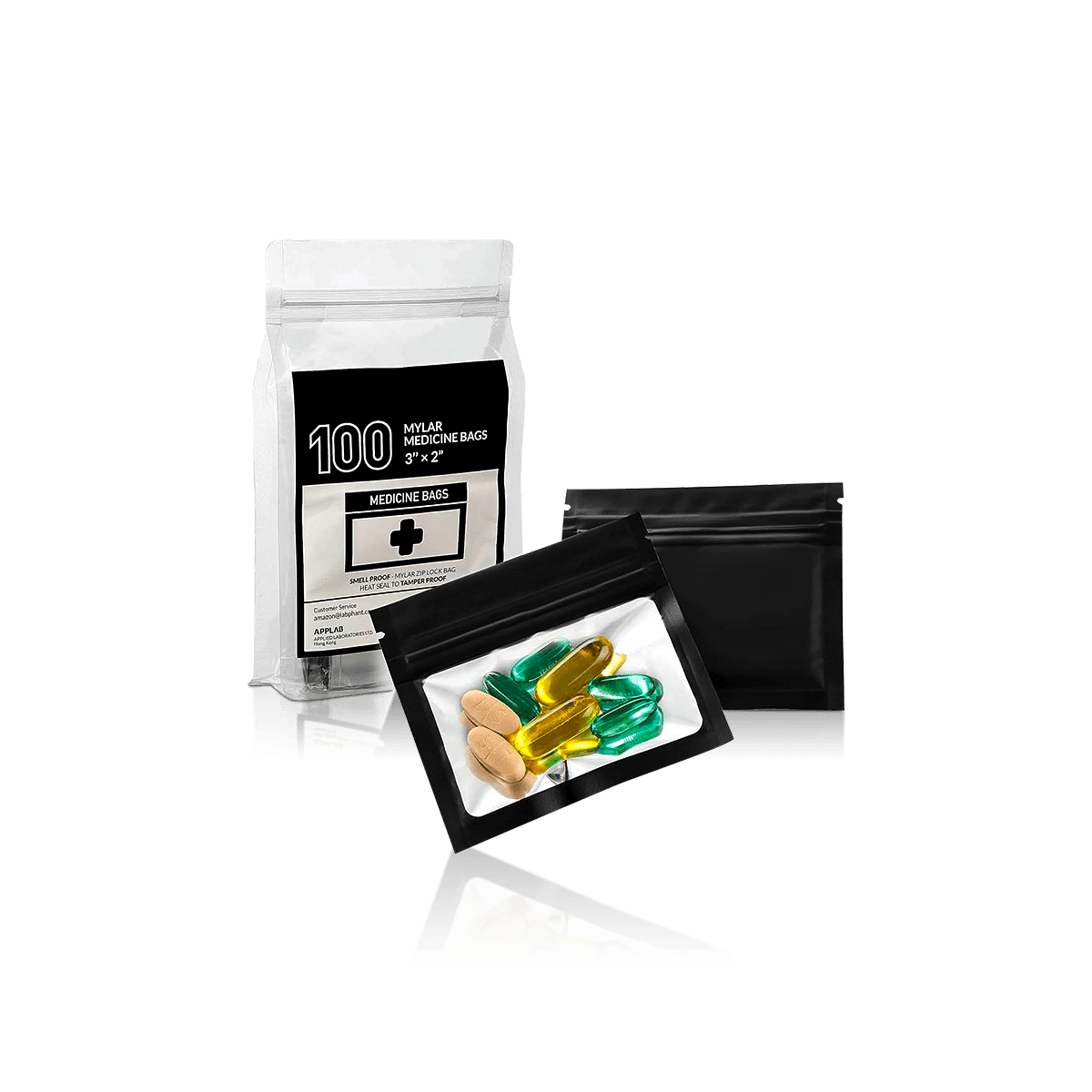
Supplement Mylar Bags
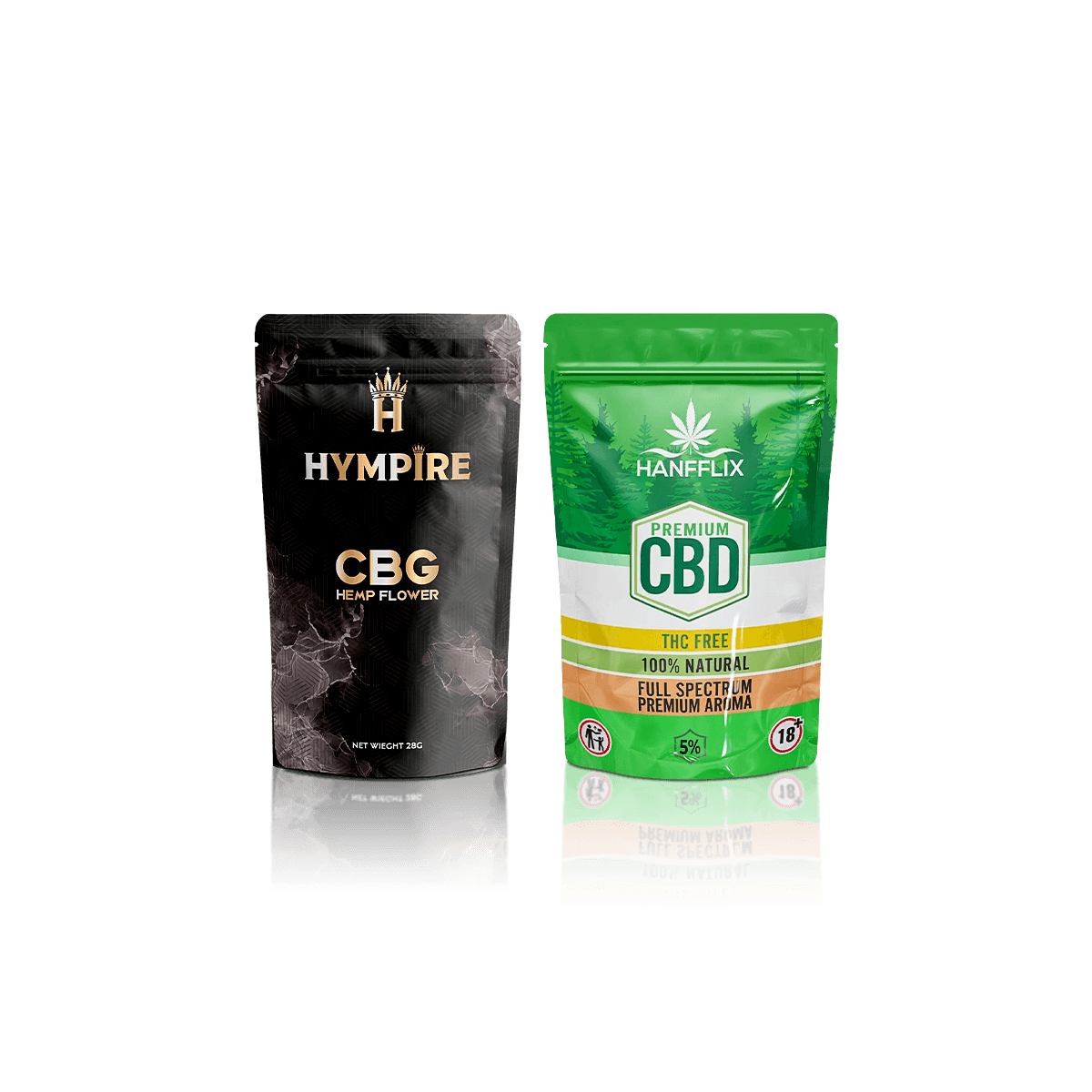
CBD Flexible Pouches
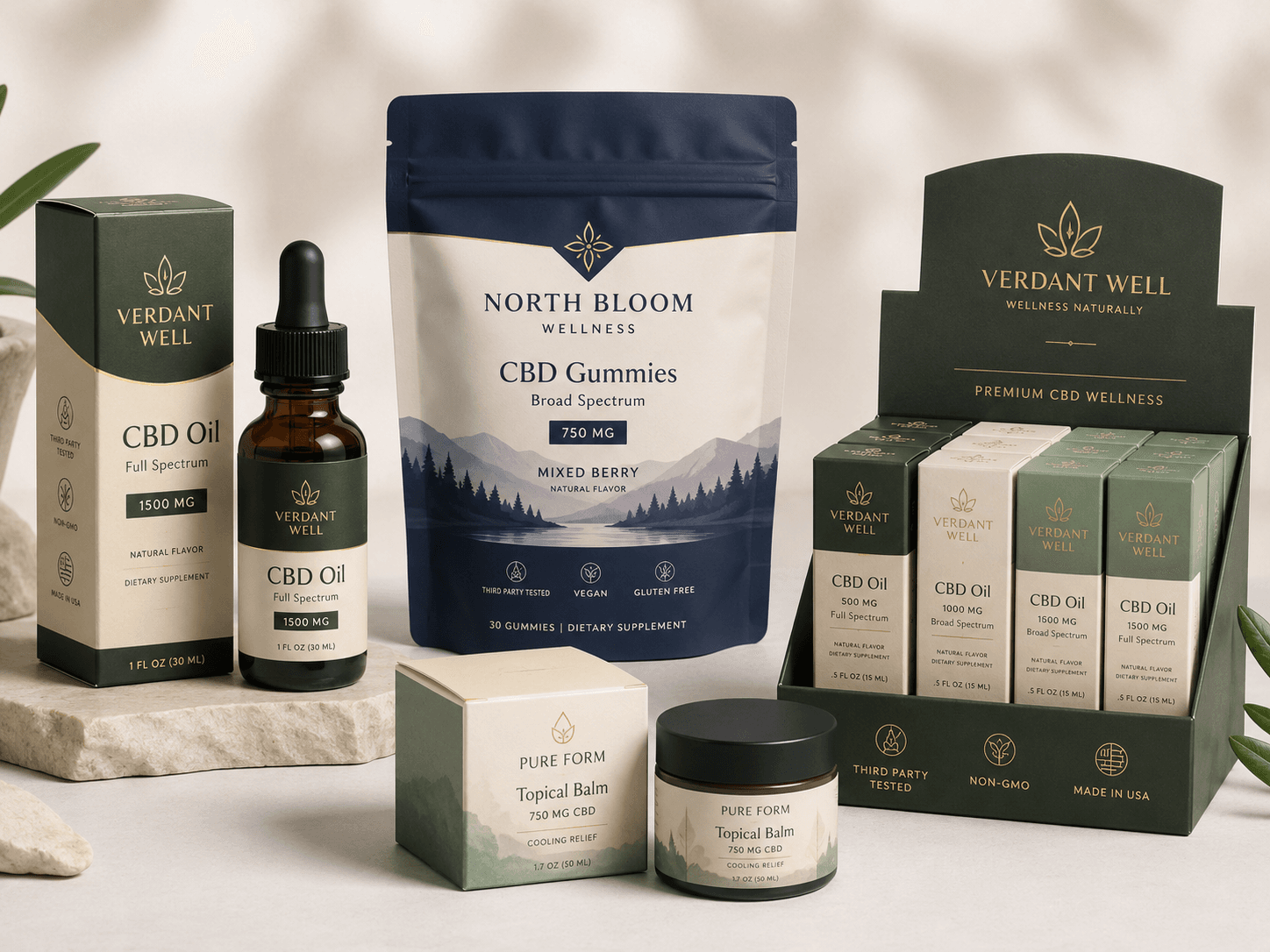
Custom CBD Packaging
Your product shouldn’t have to fit an off-the-shelf box.
Share the shape, size, material, finish, or insert you have in mind. We’ll turn the details into a tailored packaging recommendation and a clear quote.
Custom sizes · materials · finishes · inserts
Design Around the Daily Routine
Wellness packaging is often handled more than once. A supplement bottle may be opened every morning, a powder pouch may be resealed for weeks, a blister carton may be carried in a bag and a wellness kit may contain several products used in a particular order.
That makes routine part of the packaging brief.
Custom Wellness Packaging should help the user identify the right product, understand the approved information, access it appropriately and put it away without making the pack harder to use than necessary. The outer structure also has to work for retailers, fulfillment teams and repeat production.
The first useful distinction is between the product’s primary container and any secondary packaging around it. A bottle, blister, pouch or tube may provide the immediate product containment. A printed carton can add protection, organization, information space and retail presentation, but it should not be assumed to replace a performance requirement that belongs to the primary pack.
For supplement bottles and similar products, Supplement Boxes provide the narrower route when the outer carton needs to fit the container and carry a controlled information layout.
Product Form Changes the Packaging Job
Capsules, gummies, powders, blister-packed products, tubes and bundled wellness sets do not create the same packaging problem.
Bottles and Jars Need Secondary Fit
A bottle carton needs enough clearance for the finished primary container, including the cap, label and any shoulder or pump profile. Too much space lets the bottle move. Too little can make automated or manual loading difficult.
The outer box can provide printable panels and a cleaner retail unit, but the bottle itself still owns direct product containment.
Blisters Need Panel Space Around the Dose Format
A blister card may already organize individual units, while the outer carton provides additional protection, product identification and printed information. Blister Pack Outer Boxes should be sized around the actual blister footprint, stack count and loading direction rather than a generic tablet-box size.
Powders and Refills Need Flexible-Pack Decisions
Powders, gummies and selected refill products may work better in Flexible Pouches when resealability, compact storage or barrier requirements matter more than a rigid outer shape.
The pouch structure, closure and material should be chosen for the exact product and intended storage conditions. A printed carton around the pouch may still be useful for retail presentation, but it does not automatically improve the pouch’s barrier performance.
Tubes Suit Selected Devices and Long Formats
Some applicators, compact devices or elongated wellness products are better suited to Custom Tube Packaging than a conventional rectangular carton. The decision should follow the product geometry, access method and presentation goal rather than the idea that a tube is inherently more premium.
Device-led wellness products can move outside the usual carton or pouch logic. A more specific route is tube packaging for wellness devices when the product profile and protection plan genuinely benefit from a cylindrical outer format.
Tamper Evidence and Child Resistance Solve Different Problems
These terms should never be used as interchangeable marketing language.
Tamper evidence is about showing whether a package has been opened or interfered with. Child-resistant packaging is designed around restricting access by young children while remaining usable by adults. Which requirement applies depends on the product, applicable rules and the packaging system.
Custom Tamper-Evident Boxes belong to projects where visible package integrity is part of the specification.
Child-Resistant Boxes belong to a different access-control decision. A difficult tuck flap, strong adhesive or warning statement does not by itself establish child-resistant performance.
For any product subject to regulated packaging requirements, use the exact specification and validation required for that product and market. Custom Packly can build packaging to an approved brief, but artwork or structural appearance should not be treated as proof of regulatory compliance.
Give Mandatory Copy Its Space Before Decoration
Wellness packaging often needs significant information space.
Depending on the product, approved artwork may include product identity, ingredients, directions, serving information, warnings, barcodes, lot or batch coding areas and other required or commercially useful information. The exact content should come from the brand’s regulatory or compliance process.
Reserve those areas before decorative artwork consumes the panels.
A front panel should communicate the product and variant quickly. Side and back panels can carry denser information when the structure allows it. Coding areas should remain usable after coatings and finishes are chosen. A QR code should not be placed across a fold or in a location likely to distort.
For paperboard retail packs, Folding Cartons provide a practical structure when efficient storage, printable panels and lightweight secondary packaging are the main requirements.
Premium offset printing, CMYK and Pantone options can support repeat brand presentation, but print quality cannot compensate for a panel plan that leaves no room for approved content.
For pharmaceutical-oriented programs, Custom Printed Pharma Boxes need the required information areas and approved artwork structure resolved before decorative finishing is allowed to crowd the panels.
Similar SKUs Need Stronger Version Control
Wellness brands often build families of products that share one bottle size and one carton structure.
That efficiency can create a picking problem.
Consider a supplement company with six gummy products using identical carton dimensions. Each SKU has a different formula and serving information, but the brand system relies on small color changes near the bottom of the front panel. At fulfillment speed, several closed cartons look almost identical. The physical box is correct, yet staff can place the wrong product into the wrong printed carton or pick the wrong finished SKU.
The cause is weak visual separation between variants.
The adjustment is not necessarily six different box structures. Keep the shared dieline where it works, but create a more obvious SKU identifier in a consistent location and control artwork versions carefully. Flavor, formula, count or strength distinctions should be easy for the intended user and packing team to identify without relying on tiny copy.
That improves packing accuracy while preserving manufacturing efficiency across the product family.
Barrier Protection Belongs Close to the Product
An outer carton can protect against scuffing, add structure and create printable space. It should not be treated as the main moisture, oxygen or aroma barrier unless the complete packaging system has been specified to perform that function.
For powders and other products that use flexible primary packaging, the pouch material and seals are the more direct barrier decision. Supplement Mylar Bags give that format its own specialist route.
This is especially important when brands are moving from a rigid container into a lighter refill pack. The new pouch should be evaluated around the formula, expected storage period, opening frequency and actual barrier requirements rather than selected because another supplement uses a similar-looking film.
Product stability and shelf-life requirements should come from the product owner and relevant technical or regulatory process. Packaging should then be specified to support those requirements rather than creating unsupported shelf-life claims from material names alone.
Daily Use Changes the Opening Experience
A package that is easy to open once may still be poor for a product used every day.
Repeated-use products need an opening sequence that remains practical after the first interaction. A pouch zipper has to be reachable after the top is torn. A carton that surrounds a daily-use bottle should not make removal unnecessarily awkward. A kit used over several weeks should make it clear where each component returns after use.
This is where accessibility, portability and protection can pull in different directions.
A highly controlled closure may be necessary for one product. Another may simply need fast adult access and clear reclosure. Do not make the opening more complicated than the product specification requires.
The useful design question is how the user will interact with the package on the fifth or twentieth use, not only how it looks during the first unboxing.
Multi-Product Kits Need a Use Sequence
Wellness kits can combine supplements, applicators, skincare items, devices, printed instructions or several products intended for different stages of a routine.
Wellness Kit Boxes work best when the interior arrangement makes that routine understandable.
The largest item does not automatically deserve the center position. If the user needs an instruction card first, it should remain visible. If two products are used together, placing them in separate corners may weaken the experience. If a small tool is essential, it should not disappear below filler or printed collateral.
Inserts can help separate components and maintain a repeatable pack-out. Premium Custom Rigid Boxes can be appropriate when the kit is gift-led, subscription-led or positioned at a higher price point, while lighter cartons may make more sense for frequent replenishment.
The packaging structure should follow the use sequence and product value rather than treating every wellness set as a luxury presentation box.
CBD Programs Need Their Own Compliance Review
CBD-related packaging should not simply copy a vitamin or ordinary supplement carton.
Product type, formulation, claims, sales channel and the states where the product will be sold can change the compliance questions. Child-resistant or tamper-evident needs may also differ by product and jurisdiction.
Custom CBD Packaging provides the more specific route for CBD-specific packaging decisions.
For CBD projects, CBD packaging resource explains why formula, primary container, labeling and distribution should be reviewed together.
For these projects, finalize packaging artwork only after the brand has confirmed the current requirements that apply to its exact product and markets.
Retail Presentation and Daily Recognition Work Together
Wellness packaging has to compete visually without hiding what the product is.
At retail, a shopper may compare several products with similar colors, ingredient themes and benefit language. Clear product identity and variant separation are usually more useful than filling every panel with decorative claims.
Display Boxes can help organize smaller wellness products, sachets or compact retail packs when multiple units need to be presented together at a counter or shelf.
For an individual SKU, the package should communicate the product type and variant quickly, then let supporting information follow in a controlled hierarchy.
Free design and dieline support can help organize the printable areas, while a free 3D mockup can help review panel flow and variant recognition before production.
Quote From the Approved Product System
A useful wellness packaging quote begins with the product format and approved packaging requirements.
Include the primary container dimensions, packed weight, product form, number of SKUs, quantity, required information areas, insert needs, tamper-evident or child-resistant requirements where applicable, barrier requirements, sales channel and artwork status.
MOQ starts from 100 units for USA orders. Instant free quotes and transparent pricing with no hidden charges make it easier to compare practical structures against the same approved brief.
Free sample examples of previous work can help compare general stock, print, finish and construction. When exact fit, access behavior, insert geometry or a specialized closure needs physical review, a paid fully custom pre-production sample may be more appropriate.
Custom Packly provides US production, free shipping and a standard 4–6 business-day turnaround after final artwork and specifications are approved. Warehousing, scheduled deliveries and repeat-order support can also help brands that replenish several wellness SKUs throughout the year. Complex structures, specialty materials or advanced finishes may require additional time.
When the approved inputs are ready, request an instant custom packaging quote with the primary container and version details included.
Preserve the Approved Version, Not Just the Dimensions
Repeat wellness packaging needs tighter version control than “same size as last time.”
Record the dieline, material, print reference, finish, closure, insert and approved artwork version together. If there are several formulas or strengths on the same structure, keep each SKU tied to the correct file and revision.
This becomes especially important when regulatory or product teams update copy. A text change can require a new artwork version even when the box dimensions remain identical. Old and new packaging should not become interchangeable simply because they fit the same bottle.
The most efficient wellness packaging system is one where the physical structure stays stable when it can, while information and variant changes remain controlled.
That gives the brand room to scale without turning every new formula into a structural redesign or allowing old artwork to drift into a repeat production run.
FAQs
Start Your Custom Packaging Quote
Share your product details, size, quantity and artwork needs. We’ll help choose the right packaging style and send a clear quote.