Skip to content
Details

Custom Supplement Mylar Bags

Custom barrier pouches for supplement powders, capsules, gummies and refills, with product-specific sizing, clean sealing and practical access for everyday use.

Grams Do Not Set Volume

Two supplement powders sold at the same net weight can occupy very different amounts of space. A fine, dense powder may fill considerably less of a pouch than a lighter, aerated blend.

This difference matters when developing Custom Supplement Mylar Bags. A pouch selected using weight alone may be too small for the actual fill or unnecessarily large once the product settles.

The correct size depends on the supplement's physical behavior, intended serving method and the space needed for filling and closing.

Custom supplement pouches are suitable for many protein powders, collagen blends, greens, electrolyte mixes, capsules, gummies and refill products. However, these products do not share identical capacity, handling or protection requirements.

A bag that accommodates one formula comfortably may be unsuitable for another sold at the same weight.

Bulk Density and Fill

Bulk density describes the relationship between a product's mass and the volume it occupies.

For powder supplements, it is one of the main factors affecting pouch capacity.

Consider two hypothetical 500 g supplement products. One is a relatively dense powder, while the other contains a lighter blend that occupies more space.

Using the same bag dimensions for both could leave one package looking underfilled and the other too full to seal correctly.

The physical product, rather than an assumed capacity printed on a stock pouch, should determine the size.

For custom sizing, use the actual formula and the intended fill weight. The filling team should establish its packed volume under realistic production conditions.

Settling After Filling

Powder may occupy more space immediately after filling than it does after settling.

This difference can affect both production and presentation.

A pouch needs enough capacity to accept the product during filling without bringing loose powder into the sealing area.

Once the contents settle, the finished package should still have proportions that suit the intended retail presentation.

Excessive empty space can create a visibly underfilled pack and unnecessary shipping volume. Insufficient space can interfere with sealing, closing and subsequent use.

A filled pouch should be evaluated both immediately after packing and after the product has settled under the expected handling conditions.

This is particularly important for lightweight blends and products whose bulk density changes significantly during handling.
The Opening After Twenty Servings

A supplement pouch must remain practical as its contents are consumed.

A powder bag that opens comfortably when full may become awkward when only a small amount remains. The customer may have to reach deeper into the package, fold its upper edges or tip the contents into another container.

These actions affect the required opening width, pouch height and serving method.

Scoop Access

For powders supplied with a measuring scoop, account for the scoop's complete dimensions.

The opening must accommodate the scoop and allow it to be withdrawn without repeatedly scraping against the zipper or seal area.

The user's hand also needs adequate access when the powder level falls.

A narrow, tall pouch can make the final servings difficult to retrieve. Increasing the opening width or changing the proportions may improve access without adding unnecessary capacity.

The scoop's position during packing matters too.

If it is placed on top of the powder, the package needs sufficient room for the scoop and the intended initial fill. If it is placed inside the powder, its retrieval method should be considered.

A scoop should not need to be forced through the zipper opening.

Powder at the Zipper

Fine powder can collect in a zipper track during repeated use.

A poorly positioned closure may be exposed to loose product whenever the customer reaches into the bag.

For multi-serve supplements, zipper pouches make repeated opening and closing practical, but the surrounding pouch geometry must also suit the product.

The zipper should sit high enough to leave usable space between the filled product and the closure.

A larger opening can make controlled scooping easier, particularly for products supplied in larger quantities.

The customer's ability to close the pouch after each serving should be checked using the actual supplement.

A zipper improves convenience, but it must not be assumed to reproduce the protective performance of the original factory heat seal.

Seal Cleanliness During Filling

Fine supplement powders introduce a particular production risk: loose particles can reach the pouch's sealing surfaces.

Even a well-specified barrier film cannot compensate for a compromised seal.

The pouch construction must therefore account for the filling method, powder behavior and the uninterrupted area required for sealing.

The Product-Free Seal Zone

The upper seal area should remain free from powder, oil and other contamination that could interfere with the intended bond.

Fine powders may become airborne during filling. Other products can leave particles on the interior walls as they move into the pouch.

The filling operation must control this exposure.

For a pre-made pouch, establish how the product enters the bag and how the filled package is transferred to the sealing equipment.

The final pouch height must accommodate the required fill and closure arrangement without forcing the product into the seal area.

Adding an unnecessarily tall empty top is not the answer. The dimensions should follow the actual filling process and intended customer use.

The First-Open Seal

A multi-serve supplement pouch may use a permanent heat seal positioned beyond its resealable zipper.

The permanent seal establishes the initial factory closure. The zipper is then used after the customer opens the package.

These are different functions.

A tear notch can establish the intended opening position, but it must leave the zipper intact and preserve enough material for comfortable handling.

The product's safety and packaging requirements determine whether a particular tamper-evident arrangement is needed.

An ordinary zipper must not be described as a validated tamper-evident feature or a child-resistant closure.

Products requiring controlled access may need a separately specified child-resistant pouch. The responsible brand must establish the applicable requirements and verify the selected construction.

Barrier Performance Follows the Formula

Supplement Mylar bags are commonly made using laminated films that combine structural, barrier and sealing functions.

The required laminate depends on the actual formula and its sensitivity to environmental conditions.

The term Mylar alone does not establish a material's moisture resistance, oxygen barrier, light protection or suitability for direct product contact.

Different constructions can perform differently even when their finished appearance is similar.

Moisture Exposure

Moisture control matters for supplements whose quality may change when they absorb water.

The appropriate barrier depends on the formula's characteristics, intended shelf life and storage conditions.

Water vapor transmission rate, or WVTR, is one property used to evaluate the moisture-barrier performance of a film.

A lower WVTR generally indicates less water vapor passing through the tested material under the specified conditions.

However, film performance is only part of the package's overall protection.

Seals, closure construction and repeated opening also affect the product's exposure.

The formula owner should establish the required moisture protection using suitable stability and packaging assessments rather than assuming that every metallized pouch will perform identically.

Oxygen and Light

Some supplement formulations may require additional protection from oxygen or light.

Oxygen transmission rate, or OTR, helps characterize the oxygen-barrier performance of a specified film.

Metallized films and foil laminates can be considered where their barrier characteristics meet the product's established requirements.

The choice should account for the complete laminate, including its sealing layer and intended manufacturing process.

A clear window introduces a separate consideration.

It may help customers identify a product's appearance, but it changes the film construction and the amount of light reaching the contents.

For light-sensitive formulas, an opaque structure may be preferable. Any windowed construction should be assessed against the required protection.

Direct Product Contact

Supplements packed directly into flexible pouches require materials suitable for the intended contact conditions.

The relevant factors include the product's composition, filling conditions, storage temperature and duration of contact.

A film selected for an ordinary dry product should not automatically be assumed suitable for every supplement formulation.

The brand and filling team must confirm the required food-contact documentation and material suitability for the actual application.

Custom Packly can review the intended pouch construction and material requirements during specification. Product-specific regulatory approval and shelf-life validation remain the responsibility of the appropriate qualified parties.

Different Products Change the Pack

The physical form of the supplement affects more than the amount of space it occupies.

Powders, capsules and gummies create different demands on the packaging during filling, handling and use.

A successful supplement pouch accommodates these differences without adding features that the product does not need.

Protein and Powder Blends

Multi-serve powders generally benefit from an opening that supports scooping or controlled pouring.

The intended serving method affects the opening width and overall pouch proportions.

Larger fills may justify a gusseted base that creates a practical working position on a shelf or countertop.

The gusset must support the actual filled weight. A pouch that stands comfortably when empty may lean or deform after filling.

Consider how the base behaves once the product has settled and again when only a small quantity remains.

Powder movement during distribution also matters. The package needs adequate strength at the base and seals for its intended packed weight.

Capsules and Softgels

Capsules and softgels occupy space differently from powders.

The count, individual dimensions and how the units settle determine the necessary capacity.

An oversized pouch can allow unnecessary movement, while an overly tight one can place pressure on the contents.

Capsule shape, shell characteristics and any product-specific vulnerability should be considered.

Softgel products may introduce additional material-compatibility or leakage concerns. The appropriate film and sealing requirements must be confirmed for the actual formulation.

Where rigid protection or an established bottle presentation is necessary, supplement boxes can serve as secondary packaging around the appropriate primary container.

Gummies and Chewables

Gummies may require special consideration for moisture, surface stickiness and temperature sensitivity, depending on the formulation.

Their weight alone does not establish pouch capacity.

Individual pieces need enough space to settle without creating excessive pressure on the film or closure.

The selected laminate must also suit the product's composition and intended storage conditions.

If the gummies are prone to sticking together, a larger pouch is not necessarily the correction. The formulation, handling conditions and packaging requirements need to be reviewed together.

Trial Portions Have Different Economics

A small supplement trial pack should not automatically be treated as a miniature version of a multi-serve pouch.

Trial portions may be intended for a single use, inclusion inside a starter kit or distribution as promotional samples.

Those purposes change the opening mechanism, filling process and material requirements.

A single-serve powder portion normally does not need a resealable zipper. It needs an appropriate sealed construction and a practical opening.

For products filled on suitable form-fill-seal equipment, pillow pouches may be considered for compact portions.

The actual choice depends on the product, filling equipment, intended unit size and required barrier.

For small trials, additional empty space has a relatively large effect on the package's appearance and shipping efficiency.

A pouch sized generously enough for a full scoop may be unnecessary when the entire serving is intended to be poured out at once.

The package should also account for how the product will be dispensed.

An opening that tears cleanly but leaves a narrow, irregular outlet may make fine powder difficult to empty without spillage.

Where trial pouches form part of a multi-product introductory set, wellness kit boxes can organize the portions alongside instructions and other components.

The trial pouch still needs its own suitable containment and approved labeling.

Supplement Facts on Flexible Film

A supplement pouch needs enough usable print space for its approved product identity, net quantity, Supplement Facts and other required labeling.

Unlike a rigid carton, a flexible pouch changes shape as the product is added or removed.

This affects how customers see the printed panels and how the packaging should be prepared for production.

The Main Display Panel

For dietary supplements sold in the United States, the FDA identifies required labeling elements including the statement of identity, net quantity, nutrition labeling, ingredient list and the responsible business's name and place of business. Applicable placement requirements must also be followed.

The brand's responsible regulatory team should establish and approve the final content.

The principal display panel needs enough uninterrupted space for the required identity and net-quantity statements.

On a pouch, the usable panel should be evaluated in its filled condition.

A large graphic placed near the bottom gusset may become distorted as the base expands. Product identification positioned too close to the upper seal may lose visibility once the pouch is opened.

The package's actual printed geometry should determine the artwork layout.

Supplement Facts and Ingredients

Supplement Facts can require substantial space, depending on the formulation and required declarations.

The approved panel should be positioned where it remains readable on the assembled, filled pouch.

Avoid treating the back panel as unlimited space.

Seams, zipper placement, the bottom gusset and expected pouch deformation all affect its practical dimensions.

The required Supplement Facts presentation follows applicable FDA formatting rules, including prescribed headings and type treatment.

The product's regulatory team should review the final artwork for the applicable requirements.

Batch Codes and Print

Lot or batch identification and any required date coding need a suitable position for the intended production method.

Variable coding should not interfere with the required labeling or fall on an area that becomes difficult to read after filling.

The pouch's fixed artwork must also account for seams, folds and any unprinted coding area.

Custom Packly provides free design and artwork support, including dieline assistance and prepress review before production.

A digital proof helps confirm the approved graphic layout, text positioning and print treatment. Free 3D mockups can help assess the intended package appearance.

Premium printing and suitable surface finishes can support a consistent brand presentation, but decorative treatments should remain secondary to readable product identification and required labeling.

Refills Need a Destination

A refill pouch has a different job from a supplement bag that serves as the customer's main storage container.

Some refills are intended to be poured into an existing jar or canister. Others remain in their original pouch and are opened repeatedly.

This distinction affects the mouth, seal arrangement and size.

For a transfer refill, the opening should be appropriate for the intended receiving container. A large opening may make filling easier but can be difficult to control when the receiving jar has a narrow neck.

The filled pouch must also be manageable during pouring.

A package that becomes difficult to grip as the powder moves can increase the risk of spills.

A flexible pouch may help reduce rigid packaging bulk in a refill program, but the final material and environmental claims need to reflect the actual construction.

If the pouch is intended to remain the storage container, it needs a practical method for repeated access and closing.

The product's established storage instructions must still be followed. Refilling an existing container does not automatically make the contents suitable for indefinite storage.

Where customers transfer supplements into reusable containers, the brand should establish appropriate handling and storage instructions for that use.

The Filled Pouch in Transit

A supplement pouch that looks proportionate on a retail shelf may behave differently when shipped alongside other products.

Flexible film conforms to the contents and can change shape under handling pressure.

The actual filled product determines how that pressure is distributed.

A dense powder may settle toward the base, while capsules can create irregular contact points against the pouch walls.

The selected construction must account for the expected handling conditions and packed weight.

For direct-to-consumer orders, the outer shipping package should prevent unnecessary crushing, puncture or movement.

A protective mailer or shipping carton may be appropriate depending on the product and order configuration.

Individual supplement pouches should not automatically be treated as suitable outer parcel packaging.

Retail presentation introduces another requirement.

A stand-up pouch must retain an acceptable position after filling. The expanded gusset and settled contents determine its balance, not the appearance of an empty sample.

Custom sizing can reduce unnecessary space, but compression should not be used to force a supplement into a pouch that cannot accommodate it safely.

A retail pouch and an ecommerce refill may share the same film specification while requiring different dimensions or external protection.

Production Around the Actual Fill

Production planning for supplement Mylar bags should begin with the actual formula, expected fill behavior and intended packaging equipment.

A pre-made pouch and a pouch formed during filling introduce different operational requirements.

The correct approach depends on how the product enters the package, how the seals are formed and how the completed unit is handled.

For powder products, the filling team should establish the appropriate pouch capacity and a reliable method of maintaining clean sealing surfaces.

For capsules or gummies, the filling method must account for count accuracy, product movement and the intended closing operation.

Where several formula variants share the same pouch dimensions, each should still be assessed for its actual filled volume.

A common printed structure may be practical for products with sufficiently similar physical requirements, but different formulas should not be forced into one size simply to reduce the number of packaging specifications.

Custom Packly's general USA box minimum starts at 100 boxes. Confirm the minimum for the selected supplement pouch construction before planning the production order.

The standard turnaround is 4–6 days after final artwork and specifications are approved. Specialist materials or complex constructions may require additional time.

US production, free shipping and 24/7 packaging expert support can assist with coordination during specification and ordering.

For a new supplement formulation, request custom pouch pricing using its actual fill requirements rather than relying on an assumed weight-based bag capacity.

The instant pricing system can establish an initial commercial direction. Specialist material, barrier or filling requirements may need individual review.

The Package After Opening

The final decision is how the supplement will be handled once the initial factory seal has been removed.

A single-serve trial pack is usually emptied and discarded. A multi-serve powder pouch may remain in use for several weeks. A refill may transfer its entire contents into another container immediately.

These are different use patterns.

For a multi-serve product, the pouch must remain accessible as the fill level drops. The zipper and opening should still be practical after repeated use, and the base should not make the remaining contents unnecessarily difficult to retrieve.

For a refill, controlled transfer may matter more than repeated opening.

For a trial portion, a clean opening and complete dispensing are more important than a permanent reclosure.

Those decisions should determine the final pouch proportions and functional features.

A successful supplement Mylar bag accommodates the product during filling, maintains the required protection before first use and supports the intended method of consumption or transfer.

FAQs

Pouches are often a strong fit for powders, gummies, chewables, capsules and refill formats that benefit from lower shipping weight and easy reclosure. They are also useful when the product does not need the rigidity of a jar or carton.

It depends on how the product will be sold and used. Health Supplement Mylar Bags are usually the better option when barrier performance, portability and refill efficiency matter most, while Supplement Boxes make more sense when the pack needs a bottle carton, a more rigid structure or a stronger pharmacy-style shelf format.

More than many brands expect. Wellness products often need room for Supplement Facts, ingredient details, directions, net contents, warnings and barcode placement, so panel planning should happen before the artwork is finalized.

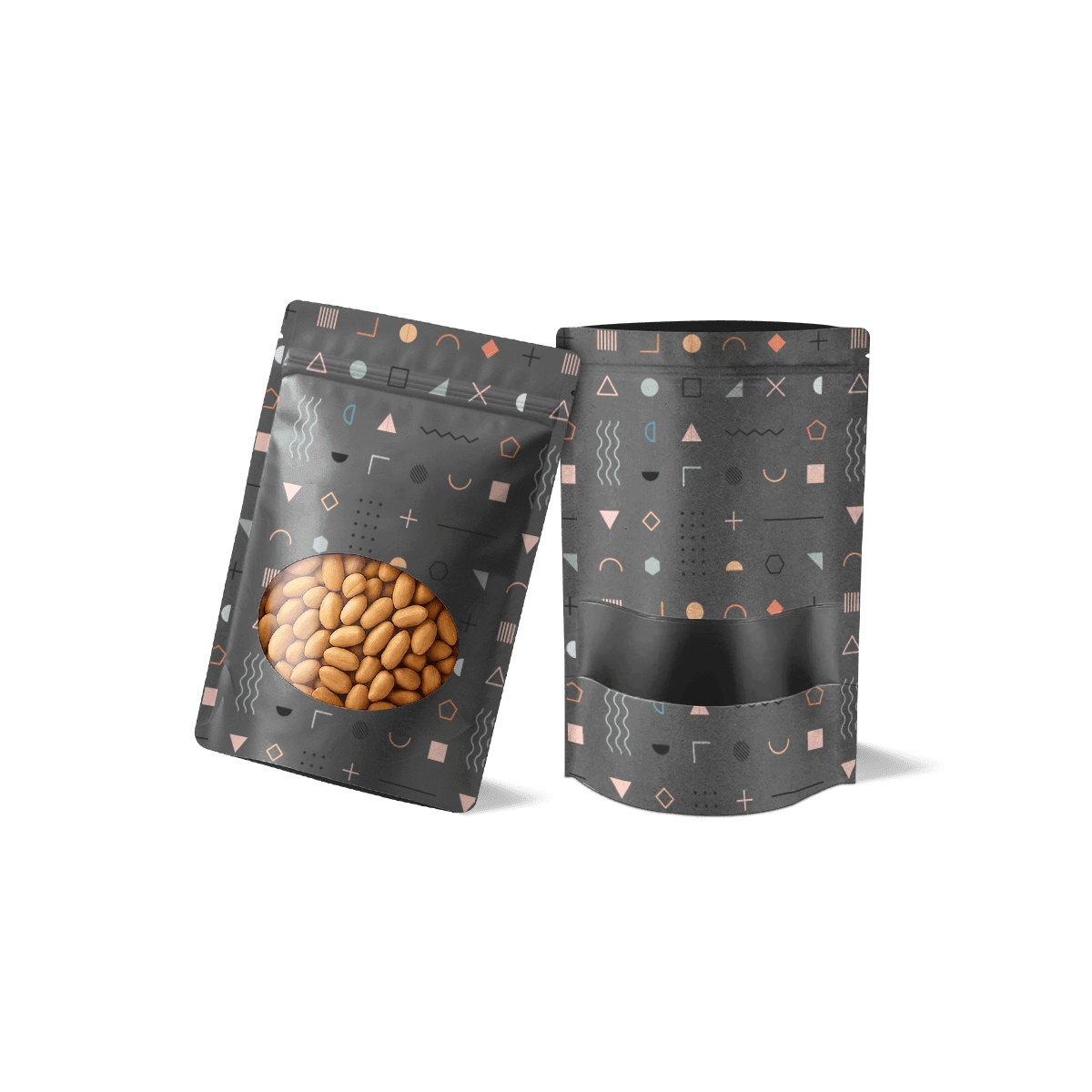
A window can help when buyers want product visibility, but opaque or metallized structures are often chosen when light sensitivity, discretion or a cleaner graphic surface matters more.

Often yes. A zipper helps after opening, while a top seal supports filling, shipping and first-use control. The right combination depends on fill type, shelf life goals and whether the pouch is single-use or multi-use.

Process

How it works

Your Packaging Journey, From Idea to Production and Delivery

01

Tell Us Your Specs

Custom packaging boxes

Tell Us Your Specs

Provide size, quantity, printing, and finishes.

02

Get a Fast Quote

Custom packaging boxes

Get a Fast Quote

Instant transparent pricing, no hidden fees.

03

Design and Approval

Custom packaging boxes

Design and Approval

Artwork checks, revisions, and final sign-off.

04

Produce

Custom packaging boxes

Produce

Expert manufacturing to meet deadlines.

05

Ship to Your Door

Custom packaging boxes

Ship to Your Door

Hassle-free, flexible delivery options.

Get Your Quote for Custom Supplement Mylar Bags

Share your product details, size, quantity and artwork needs. We’ll help choose the right packaging style and send a clear quote.