Skip to content
Details

Custom Pillow Pouches

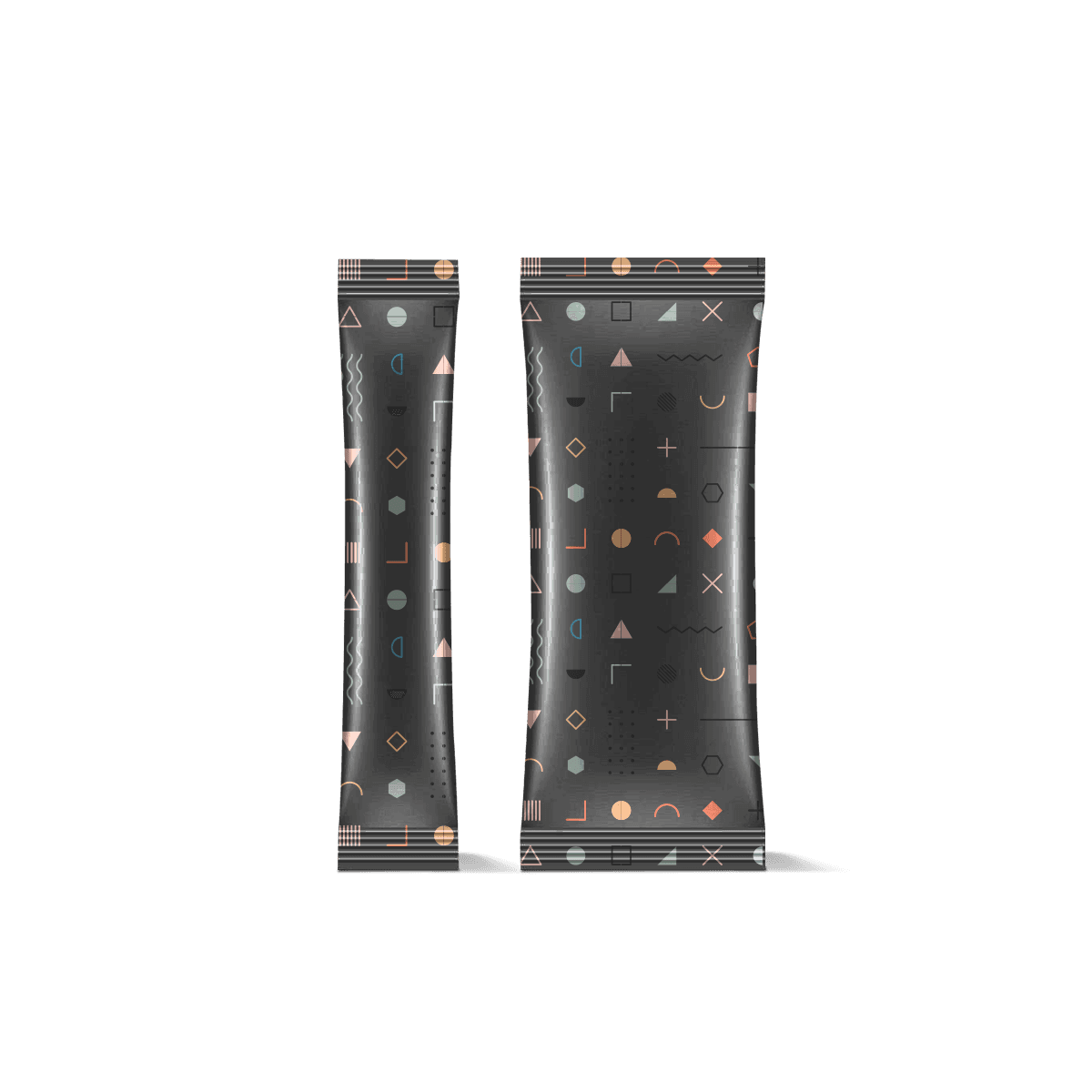
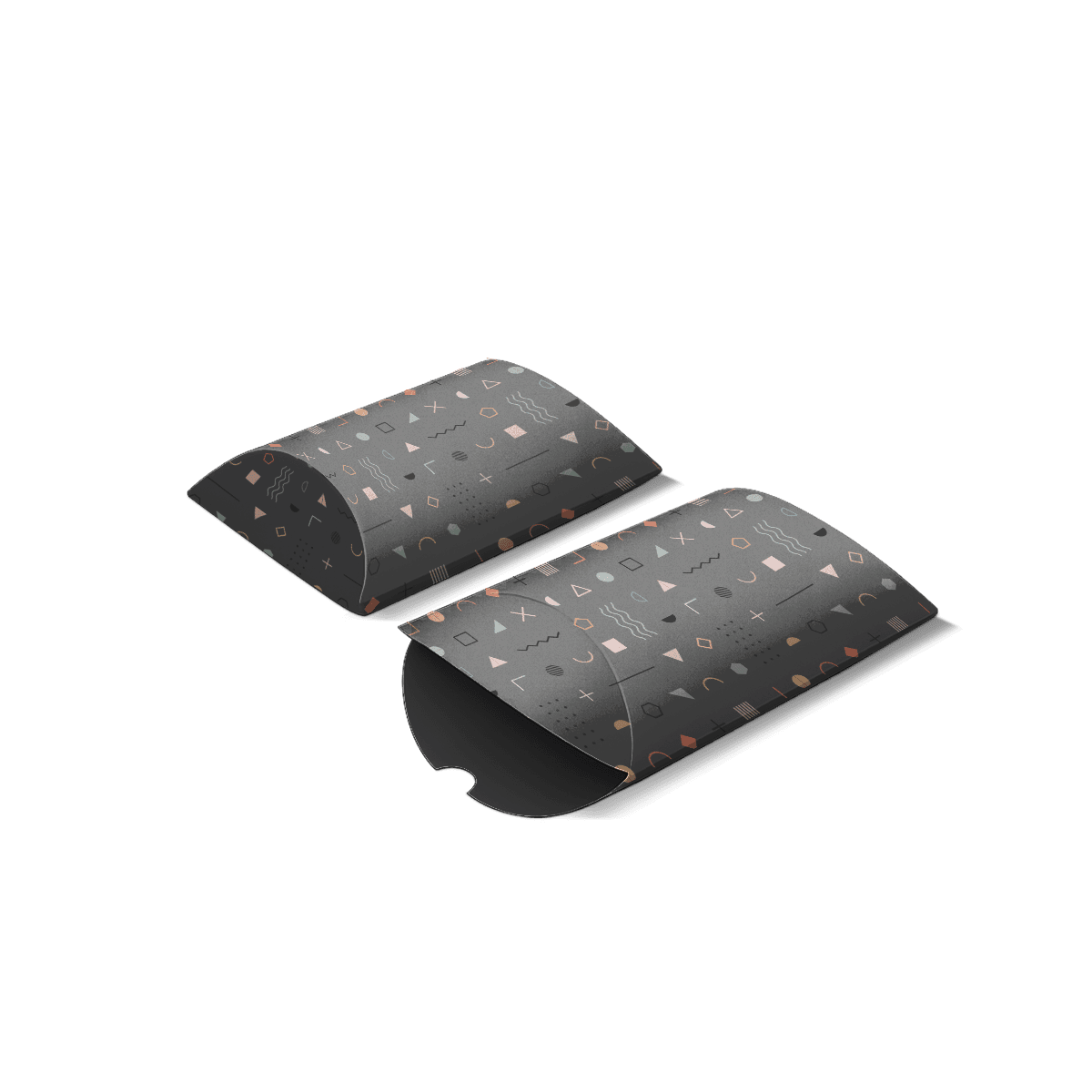
Custom printed pillow pouches for snacks, pet treats, samples and single-use products, with center-back seams, efficient form-fill-seal production and practical tear-open access.

The Cross-Seal Moment

A pillow pouch must be clear of its contents when the sealing jaws close. If a snack, pellet or loose particle enters the sealing area at that moment, the machine may produce a damaged product, an incomplete seal or a rejected pack.

This is why Custom Pillow Pouches need to be specified around the filling operation rather than their finished appearance alone.

The conventional construction uses a longitudinal back seam and two transverse end seals. The film forms a tube around the product path, the contents enter and the end seals close and separate the individual packs.

This arrangement suits individually portioned snacks, pet treats, small consumer products and other items packed on compatible form-fill-seal equipment.

The correct film, pouch dimensions and seal positions depend on the product and the machinery being used.

Custom Packly supports custom sizing, printed film and structural packaging guidance so the finished pouch can be specified around its intended use.

One Web, Three Seams

A conventional pillow pouch is formed from a continuous film web. Its longitudinal seam joins the film edges, while the two end seals close the package.

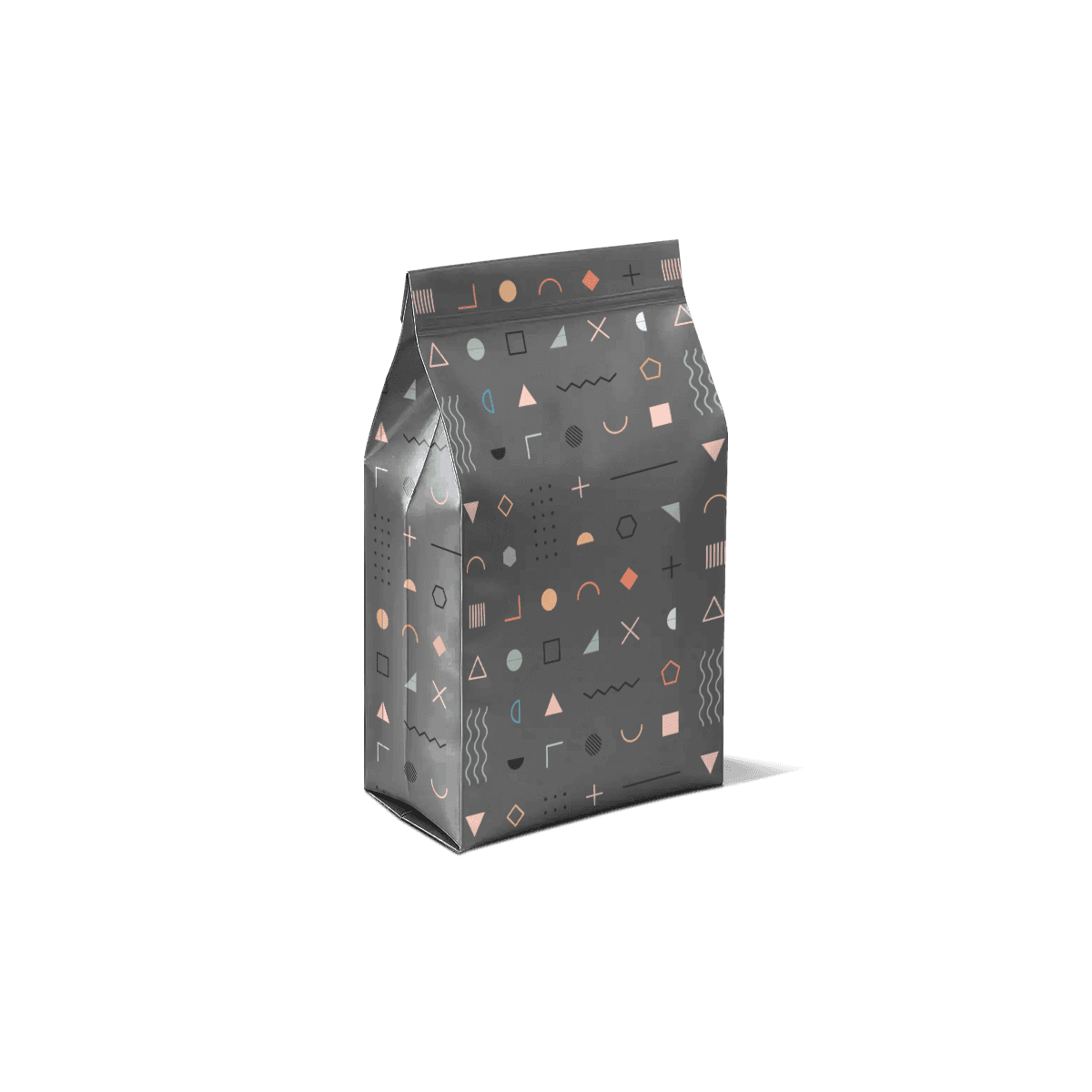
Unlike a side-gusseted pouch, the conventional pillow construction has no intentionally expandable side panels or formed standing base.

The product creates the filled shape.

This distinction matters because the back seam, film width and end seals all influence the amount of material needed and the finished package's appearance.

Fin-Seal Construction

A fin seal joins the inner sealing surfaces of the film along the pouch's length.

The joined edges form a projecting seam, normally positioned on the back of the finished package.

This construction leaves the principal front surface uninterrupted by the longitudinal seal.

The fin requires an appropriate allowance in the film width and must be compatible with the forming and sealing equipment.

Its position should be established before the printing layout is approved.

Lap-Seal Construction

A lap seal joins overlapping film edges rather than bringing the two inner surfaces together.

This requires a compatible film construction and an appropriate sealing arrangement.

Fin and lap seals are not interchangeable on every machine or with every film. Neither is inherently stronger in all applications. The selected seal depends on the materials, equipment and operating conditions.

The finished package still retains its pillow shape.

Transverse End Seals

The two end seals close the formed film tube around the product.

On compatible continuous packaging equipment, the sealing operation can close one pack while establishing the adjacent seal of the next.

The sealing area must have sufficient clearance from the contents.

The end-seal width also affects the space remaining for the product and artwork.

A seal that performs correctly on an empty piece of film may behave differently when the actual product, filling conditions and machine speed are introduced.

The Filling Machine Comes First

A pillow pouch's production route determines its practical dimensions and film requirements.

Vertical and horizontal form-fill-seal machines can produce pillow-style packs, but they handle the product differently.

The intended machinery should be identified before finalizing the material, seam arrangement or printed film.

Vertical Filling

Vertical form-fill-seal equipment typically forms film around a filling tube and introduces the product from the upper part of the machine.

This arrangement suits many loose products that can be measured and discharged through an appropriate feeding system.

Applications may include small snacks, confectionery, dry ingredients and individually portioned pet food.

The product must reach the developing package without interfering with the longitudinal or transverse seals.

The forming collar, filling tube, film-feed system and sealing jaws must suit the proposed construction.

Horizontal Flow Wrapping

Horizontal flow wrapping is suitable for many individually fed products that can be positioned and moved through the machine.

Products such as snack bars, wrapped confectionery and compact nonfood items may follow this production route.

The film forms around each product as it moves through the equipment.

Product spacing becomes particularly important because the sealing jaws need sufficient room between consecutive items.

The wrapper should accommodate the product's maximum dimensions, including any irregular edges or components that affect its orientation.

Premade Pillow Pouches

Some packing operations may use premade pillow-style pouches rather than forming each package directly from roll stock.

Their suitability depends on the selected construction, filling opening and closure equipment.

A premade pouch may suit an operation that does not have compatible form-fill-seal machinery.

However, the cost and operating requirements can differ from those of a continuous packaging line.

The choice should reflect the existing equipment and intended production quantity rather than assuming that one manufacturing route is always more efficient.

Pack Length and Product Clearance

The finished pouch needs enough length for the product and both end seals.

The nominal package length should not be confused with the space the contents can occupy.

Part of the film is committed to forming the seals. Additional clearance may be necessary for product movement, irregular dimensions or the intended filling operation.

End-Seal Allowance

A short pillow pouch can lose a substantial proportion of its total length to the end seals.

This becomes important for small sample packs and individually wrapped products.

If the product occupies nearly all the space between the seals, it may enter the sealing area during production.

Increasing the pouch length slightly may improve clearance, but the required allowance should be established around the actual equipment and product.

An oversized package can create unnecessary material consumption and a poor finished appearance.

Finished Pouch Width

The width of the finished pouch depends on the film web, longitudinal seam allowance and forming geometry.

The flat film width cannot simply be treated as the finished front-panel width.

The material must wrap around the intended product profile and still leave sufficient film for the back seam.

A relatively thick product may require more film than a thinner product with the same front-facing dimensions.

Custom sizing should therefore account for both the product's width and its maximum thickness.

Irregular Products

A product with an uneven shape can create inconsistent clearance if the pouch is dimensioned only around its nominal measurements.

A confectionery piece with projecting edges, for example, may require a different allowance from a uniformly shaped snack bar.

The product should enter the package in its intended orientation without forcing the film tightly around vulnerable areas.

If the product changes shape during packing, representative production samples should be used to establish its practical dimensional limits.

Air Changes the Filled Shape

The amount of air inside a pillow pouch affects how the finished package looks, handles and occupies space.

For some delicate snacks, a controlled gas-filled package can help provide cushioning around the contents.

However, a puffed-up pouch should not automatically be assumed to protect fragile products.

Its protective behavior depends on the gas volume, internal pressure, film, seals and expected handling conditions.

Delicate Snacks

Chips and other brittle snacks can be damaged by compression and repeated movement.

A suitable pillow pouch may create space around the contents so the film does not press directly against every piece.

The required amount of headspace depends on the product and the intended packing process.

An excessively tight package can increase contact pressure. Too much unused space can create unnecessary pack volume.

The food manufacturer should establish any required gas-flushing process and the product's preservation requirements.

The shape of the pillow pouch alone does not establish freshness or protective performance.

Dense Product Portions

A pouch containing a compact portion of dense material may not need the same expanded profile.

Excessive air can make the package unnecessarily bulky and complicate case packing.

For individually portioned products, the appropriate filled shape should reflect the product's intended handling and retail presentation.

A densely filled pouch should still leave sufficient room for reliable sealing.

Product-Specific Containment

Air retention and product preservation are separate technical decisions.

A package may require particular oxygen, moisture or aroma-barrier properties according to the product's sensitivity and intended shelf life.

Those properties depend on the actual film construction, closure and validated packaging process.

They should not be inferred from how inflated or tightly filled the pouch appears.

Film Performance at Line Speed

A film can meet the desired printing and barrier requirements yet behave poorly on the intended packaging machine.

Pillow pouch production involves continuous film handling, forming and sealing.

The material must tolerate the equipment's operating conditions without creating persistent feeding, registration or sealing problems.

This makes machinability part of the material specification.

Film Movement

The film must move consistently through the machine's rollers, forming equipment and feed system.

Its surface friction affects how it interacts with those components.

A film that slips excessively or resists movement can create problems with feeding or registration.

The appropriate coefficient of friction depends on the machinery and production process.

It should be assessed alongside the film's stiffness, thickness and intended print treatment.

Heat-Sealing Performance

The sealant layer must form an appropriate bond under the machine's operating conditions.

Temperature, pressure and contact time influence the sealing process.

A film that requires a longer sealing time may not be compatible with the intended operating speed without changing the process.

Hot tack, the strength of a seal while it is still hot, can also matter when the finished pack is subjected to movement or product weight shortly after sealing.

The exact requirements should be established for the intended material and machine.

Seal Intersections

The transverse seal crosses the longitudinal back seam at each end of the pouch.

This creates an area where the sealing jaws may encounter additional film layers.

Depending on the seam construction, the local thickness can affect how evenly heat and pressure reach the sealing surfaces.

Research on flexible packaging has identified these seal intersections as a technical concern, particularly when conventional sealing equipment is used with some alternative film structures.

The complete seam construction should therefore be assessed rather than assuming that successful sealing on an uninterrupted film sample establishes performance at every part of the pouch.

Product Barrier Requirements

PET, PE, PP and appropriate laminated films can be considered according to the product, construction and intended converting process.

Metallized or other barrier layers may be appropriate when the contents need greater protection against particular environmental conditions.

The exact material must be selected around the required performance rather than a generic assumption that every multilayer film offers equivalent protection.

Food-contact suitability must be verified for the complete intended construction and application.

Custom Packly can assist with material selection, but product-specific barrier and compliance requirements must be confirmed before production.
Artwork Across the Film Web

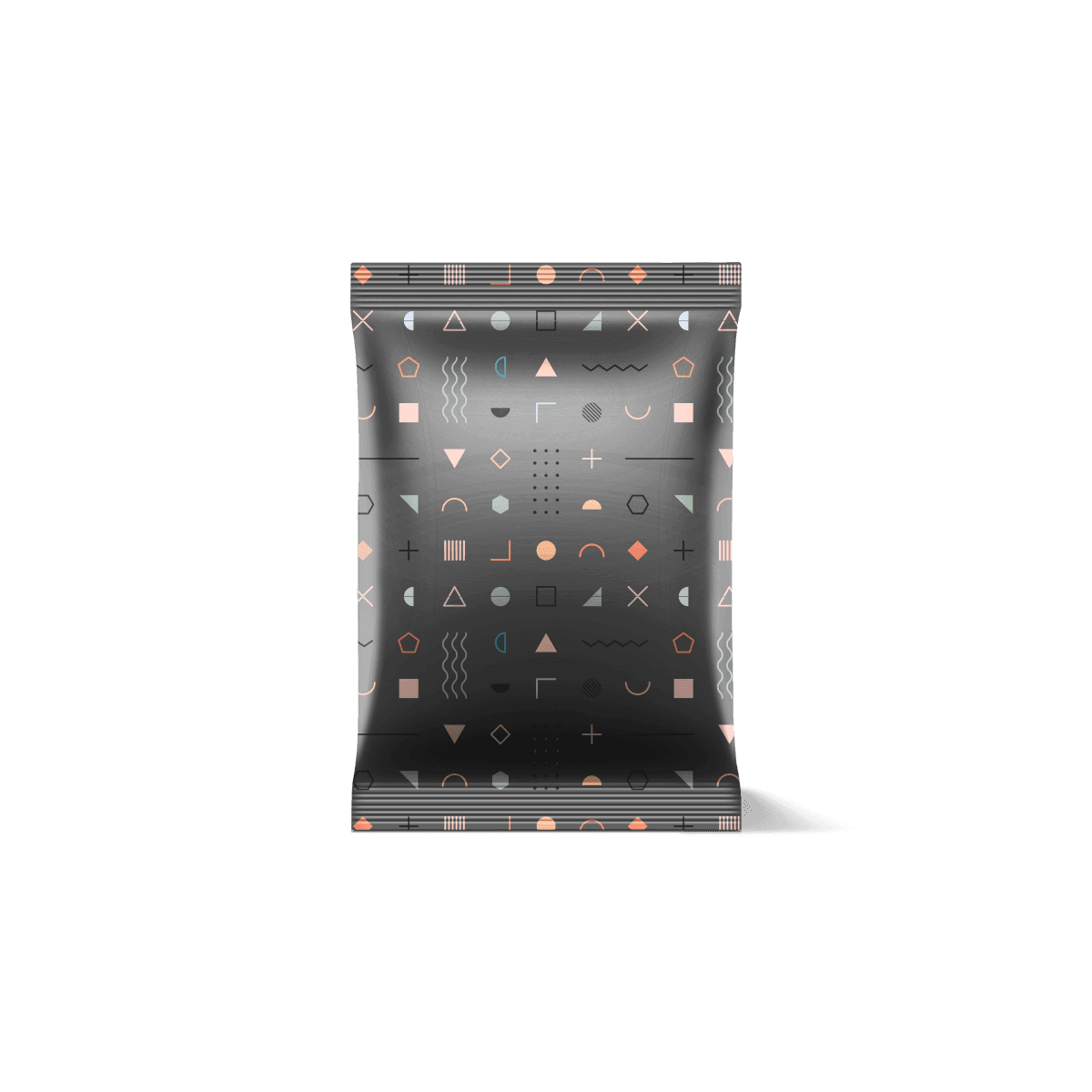
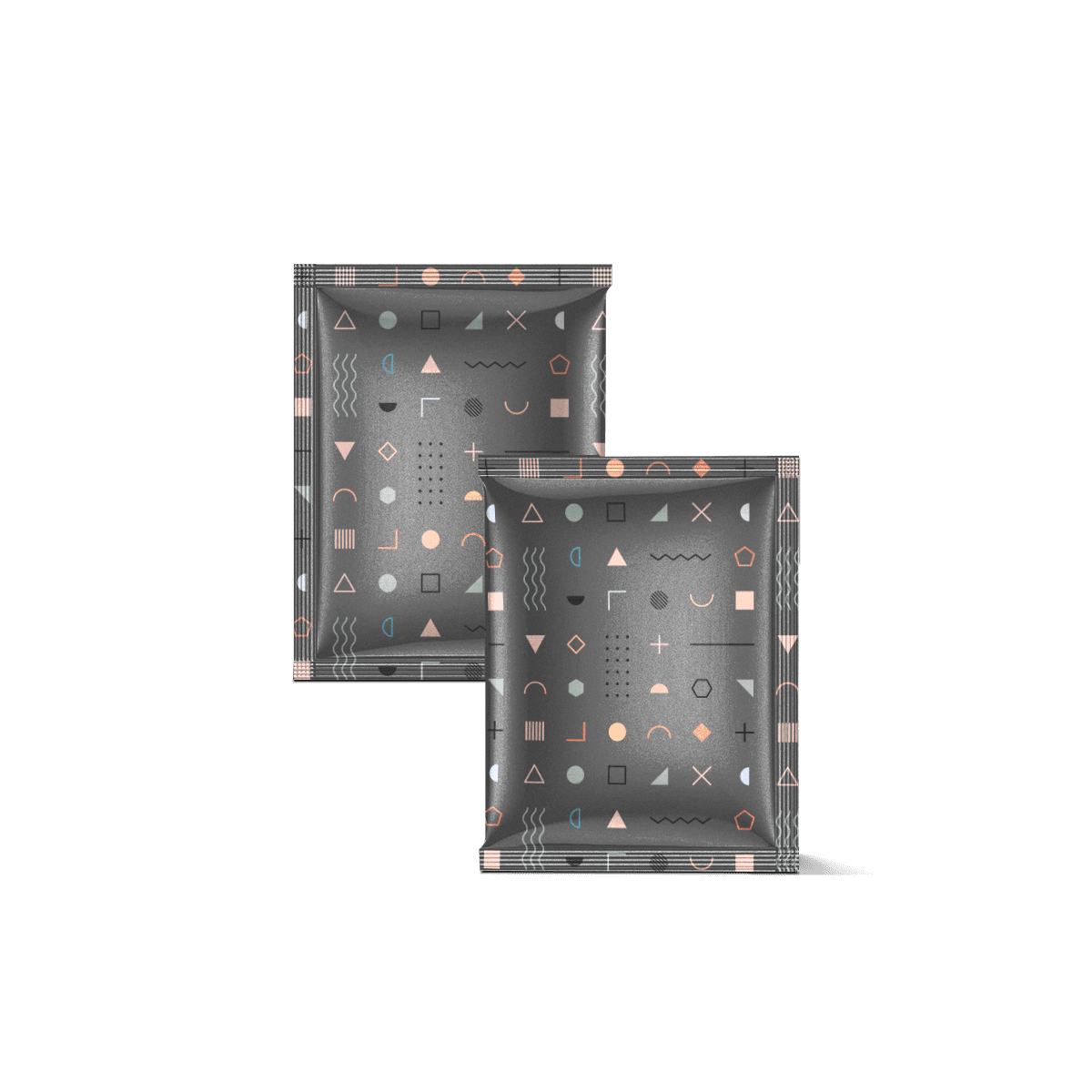
A pillow pouch's principal artwork needs to remain correctly positioned after the flat film has formed into a tube.

The longitudinal seam uses material from the film edges, and the end seals occupy part of each printed repeat.

Artwork should account for those areas before printing begins.

Uninterrupted Front Graphics

The front panel is the natural position for the principal product name and branding.

Important graphics should remain clear of the intended back seam.

A design that looks centered on the flat film may not appear centered on the finished pouch if the seam and forming geometry have not been incorporated into the artwork layout.

Custom Packly's free design and prepress support can help establish the correct relationship between the printed design and finished structure.

Print Registration

Registered film uses marks that compatible machinery can detect to control the position of the printed design relative to the package length.

The print repeat must correspond to the intended cutting and sealing positions.

If registration is incorrect, graphics may shift toward a seal or become interrupted by the cut.

For a continuous printed design, the production process may have different registration requirements.

The printing specification should reflect the actual equipment rather than assuming that every machine processes the film identically.

Barcode and Variable Coding

A pillow pouch needs appropriate space for the product's barcode, approved labeling and any required variable production information.

The back seam should not pass through a barcode or important printed text.

Variable coding should also remain clear of areas where the sealing or cutting process could interfere with legibility.

The intended coding method and location should be confirmed before finalizing the print layout.

For several printed variants, the print process should suit the film, artwork quantity and production requirements.

A digital proof can confirm the intended artwork arrangement. It does not replace physical verification of how the film registers and seals on the equipment.

One Opening, One Portion

A conventional pillow pouch is particularly practical for products intended to be opened and consumed or used in one occasion.

The end seal can accommodate an appropriate opening feature, but that feature should not interfere with the original closure.

Tear-Notch Position

A tear notch should be positioned so the customer can initiate the opening without excessive force.

It needs sufficient clearance from the contents and must remain compatible with the intended sealing construction.

A notch placed too close to an important graphic or variable code can also create an artwork problem.

The intended tear direction should be considered during the structural and printing stages.

Opening Fragile Products

Products such as brittle confectionery or delicate snacks may be damaged when customers apply too much force to open the package.

An opening feature can help establish a controlled tear rather than requiring the customer to pull unpredictably against the end seal.

The finished construction should be assessed with the actual product inside.

A successful opening should not require the customer to crush or bend the contents.

Repeated Use

A conventional heat-sealed pillow pouch does not automatically retain a practical closure after opening.

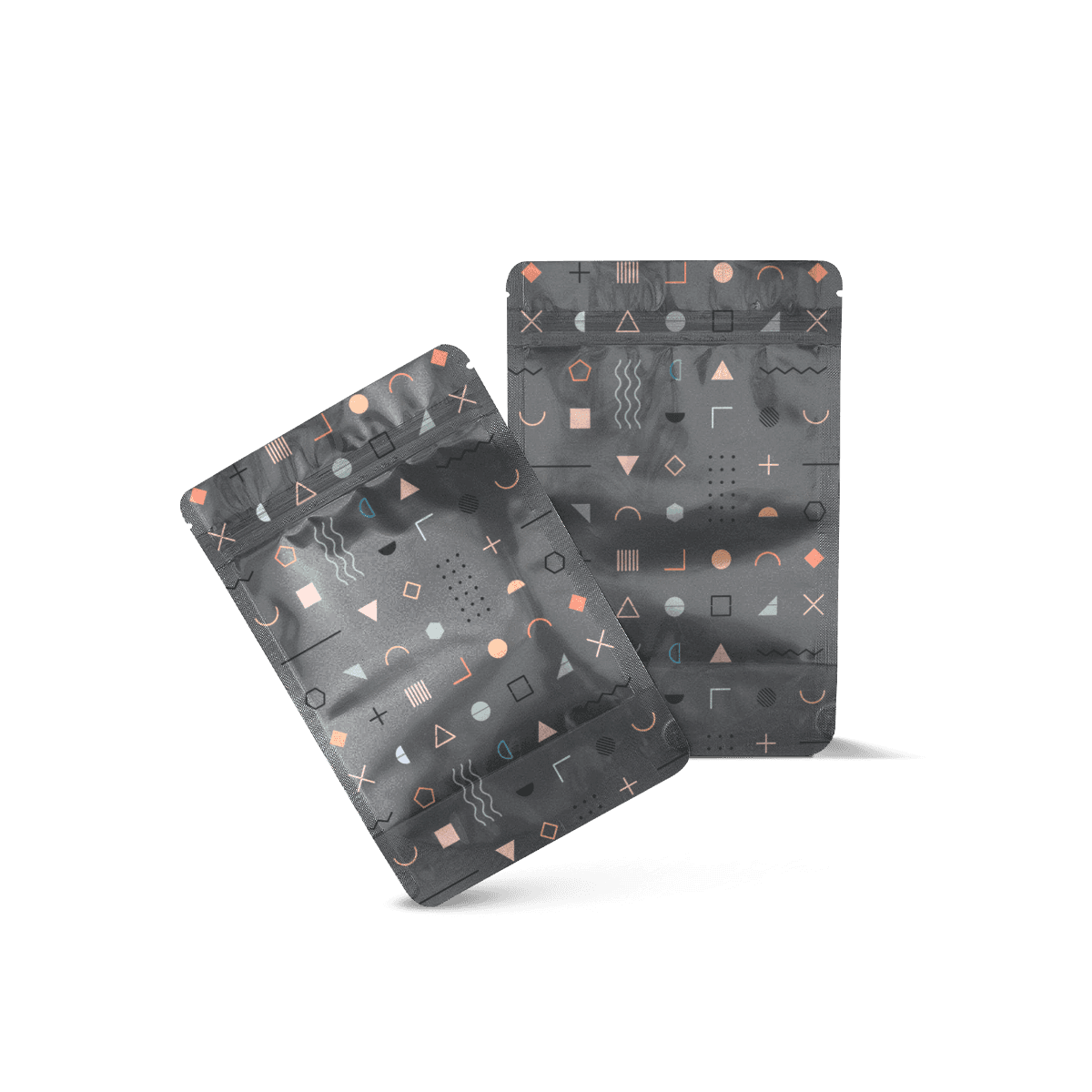
For products consumed over several occasions, zipper pouches can offer a more suitable primary package.

Specialized pillow-style constructions may incorporate additional closure features when the manufacturing process supports them.

However, those features introduce additional material and converting requirements.

For a single-use product, a straightforward heat seal and suitable tear opening may be the more appropriate construction.

One-Portion Products and Samples

Pillow pouches suit products that need a compact individual selling or dispensing unit.

Their construction can accommodate portioned snacks, promotional samples and lightweight products without requiring the expandable base of a stand-up pouch.

The intended product still determines the material and sealing requirements.

Pet Treat Portions

Individually portioned training rewards and trial-size pet snacks can suit pillow packaging when the film and seal construction match the actual product.

A small pouch may hold a defined number of treats intended for one use.

For larger everyday snack packs that customers repeatedly open and close, treat Mylar bags may be more appropriate.

The distinction is the intended consumption pattern rather than the animal or product name.

Promotional Food Samples

A small pillow pouch can enclose a trial quantity of a snack or dry food product.

The package should contain the intended amount without creating unnecessary empty space.

Its printed design also needs enough room for applicable product identification and labeling.

A promotional sample is not exempt from food-contact or labeling requirements simply because it is distributed without a retail purchase.

Nonfood Products

Compact accessories, disposable amenities and other suitable nonfood products can also use pillow-style packaging.

The material must be compatible with the product's physical and chemical characteristics.

An item with a sharp edge may require greater puncture resistance or a protective component.

For wipes or other products with liquid contents, the sealing and material requirements must be assessed for the actual formulation.

A film suitable for a dry snack should not automatically be reused for a liquid-containing product.

Pack Counts After Sealing

The pillow pouch's soft shape affects how completed units are collected, counted and packed into larger containers.

Individual packs may be distributed loose inside an outer carton, arranged in retail display trays or grouped into multipacks.

The preferred arrangement depends on how customers purchase the product.

Retail Display Trays

Pillow pouches generally do not have a formed standing base.

Their retail presentation may therefore rely on a display tray, hanging feature or suitable shelf arrangement.

A tray can organize several individual packs while keeping the printed fronts visible.

The appropriate tray dimensions should reflect the filled pouch rather than the empty film width.

A heavily inflated pouch may require more space than a compact, densely filled one.

Counted Multipacks

Several pillow pouches may be grouped into one retail carton.

This can suit individually wrapped snacks, portioned pet products or trial assortments.

The outer carton should accommodate the intended pack count without squeezing the contents or placing excessive pressure on their end seals.

For assorted products, the printed contents statement must correspond to the actual combination of individual packs.

The pouch remains the primary containment unit, while the carton organizes the selling quantity.

Distribution Cases

A shipping case containing multiple pillow pouches should account for the actual expanded dimensions and combined weight.

Fragile contents may require an arrangement that avoids excessive compression.

The outer case should carry the required stacking load rather than relying on the flexible individual packs to perform that function.

For products shipped in larger quantities, corrugated shipping boxes can be specified around the completed case configuration.

The individual pouch and outer case should each perform their intended packaging task.

Price the Production Setup

The cost of a custom pillow pouch depends on more than the finished package dimensions.

Film width, printed repeat, material construction, seam arrangement and production quantity can all affect manufacturing requirements.

The intended filling process is particularly important.

A printed film specification for an established form-fill-seal machine may require different preparation from a project using premade pouches.

Film and Machine Specifications

For a machine-formed pillow pouch, the production specification should establish the required film width, print repeat, unwind direction, registration requirements and longitudinal seal arrangement.

The intended product and fill quantity are equally important.

The machine's forming and sealing requirements should be confirmed before the final film is approved.

This avoids treating a finished pouch sample as sufficient technical input for a production film order.

Printing Quantities

Several products may share a pouch construction while requiring different artwork.

However, the number of printed versions can affect the production economics even when the physical dimensions remain identical.

A single artwork printed in a substantial quantity is not necessarily commercially equivalent to several smaller runs using the same film.

The printing method and production arrangement should be assessed against the actual quantities per design.

Custom Packly supports custom printed packaging and instant pricing for suitable requirements.

Pouch-specific minimum order quantities should be confirmed for the selected film and construction. The general USA minimum of 100 boxes should not be assumed to apply to every flexible-film production method.

Production Approval

Free design support, artwork and prepress review and a digital proof can help establish the final visual specification.

A free 3D mockup can also help assess the intended finished appearance.

Free sample examples of previous work can assist with material and print selection. A fully custom physical sample may be arranged as a paid sample where the intended construction requires it.

For machine-formed pillow pouches, the actual film's compatibility with the equipment remains a separate technical requirement.

US production, free shipping and Custom Packly's standard 4–6 day turnaround after final artwork and specifications are approved can support suitable orders. Specialized film structures or more complex production requirements may require additional time.

With the product, fill quantity, machine requirements and intended print run established, request custom pillow pouch pricing for the selected construction.

The Finished Pack on Display

The finished pillow pouch should suit its intended selling position without relying on features the structure does not have.

A conventional pillow pack has no formed standing base. If it is intended for retail display, the merchandising arrangement must accommodate that characteristic.

A horizontal shelf arrangement can suit certain products, while a display tray may be more practical for individual snack portions.

Hanging presentation may also be considered where the film construction and hanging feature are appropriate for the packed weight.

For products that need to stand independently, a different pouch construction may be more suitable.

The finished product should also remain recognizable after the pouch has expanded around its contents. Important graphics must be visible from the intended display direction, and the opening should remain accessible.

These decisions establish whether the simplicity of the pillow construction is appropriate for the product's actual retail use.

A pillow pouch earns its place when its seam arrangement, filled shape and opening suit the production process and the way the individual product will be sold and used.

FAQs

One-time use is usually the stronger fit. Pillow Pouches are commonly selected for single-serve, sample, and quick-open formats rather than repeat-opening storage.

Choose Pillow Pouches when filling speed, a softer pack profile, and streamlined production are the priority. 3 Side Seal Pouches are the better option when you want a flatter shape with more formal panel presentation.

Yes. They can suit dry snacks, powdered portions, wipes, hotel amenities, and small accessory packs as long as the film structure matches the product needs.

Print treatment helps a lot. Matte or gloss surfaces, high-resolution graphics, and a clear artwork hierarchy can make a simple pouch look far more retail-ready.

Mostly in production speed, compact inbound material storage, and easy case packing for smaller units and promotional quantities.

Process

How it works

Your Packaging Journey, From Idea to Production and Delivery

01

Tell Us Your Specs

Custom packaging boxes

Tell Us Your Specs

Provide size, quantity, printing, and finishes.

02

Get a Fast Quote

Custom packaging boxes

Get a Fast Quote

Instant transparent pricing, no hidden fees.

03

Design and Approval

Custom packaging boxes

Design and Approval

Artwork checks, revisions, and final sign-off.

04

Produce

Custom packaging boxes

Produce

Expert manufacturing to meet deadlines.

05

Ship to Your Door

Custom packaging boxes

Ship to Your Door

Hassle-free, flexible delivery options.

Get Your Quote for Custom Pillow Pouches

Share your product details, size, quantity and artwork needs. We’ll help choose the right packaging style and send a clear quote.