Skip to content
Details

Custom Pillow Boxes

Curved, fold-flat gift cartons with crescent tuck ends, custom printing and a compact shape for small retail products, accessories and promotional gifts.

A Gift Without a Lid

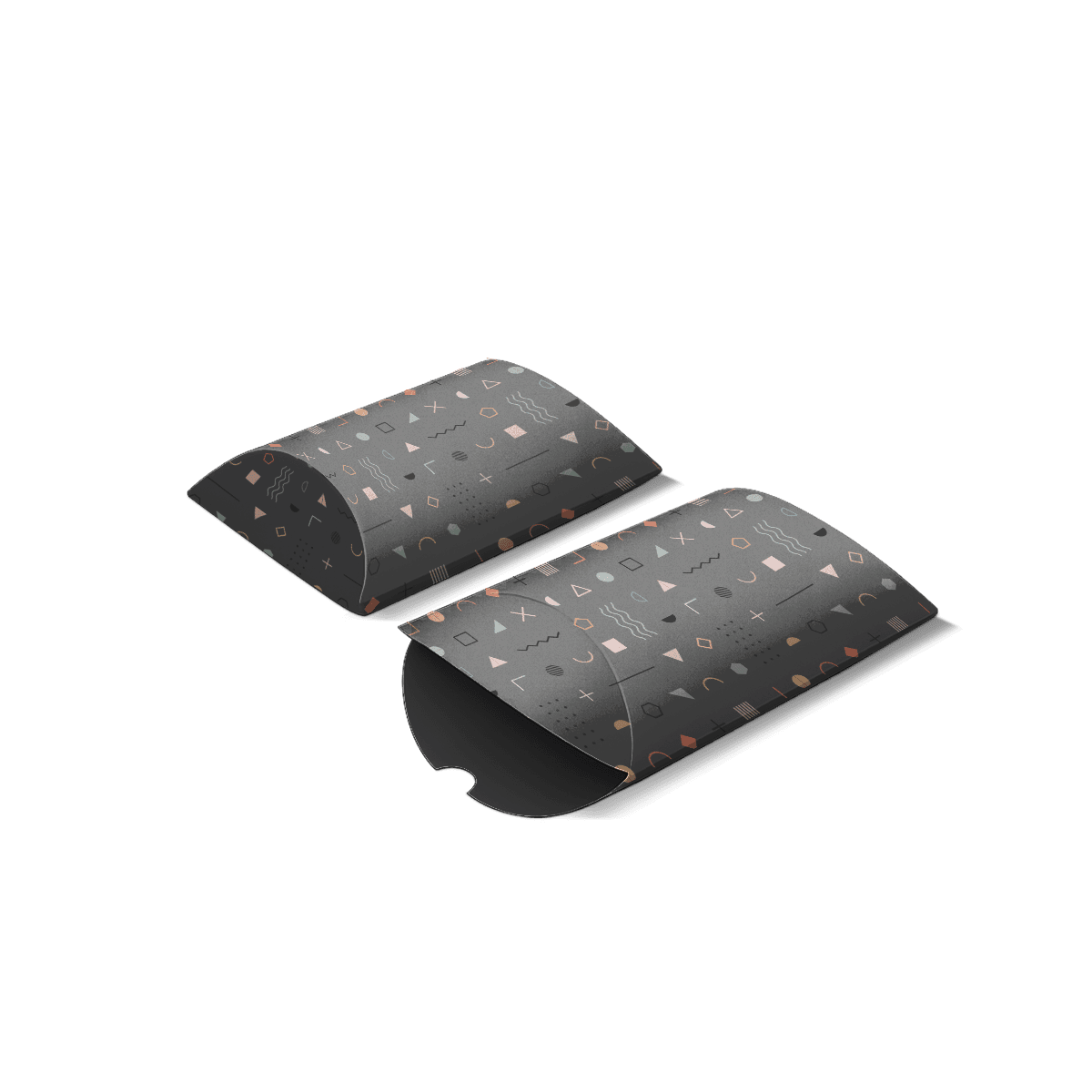
Custom Pillow Boxes are fold-flat paperboard cartons that form a bowed body when their curved end flaps are closed. They create a compact gift presentation without a separate lid, rigid base or conventional rectangular carton.

Their shape suits lightweight products that can sit comfortably inside a curved enclosure. Jewelry accessories, folded fabric items, small personal care products and promotional gifts are common applications.

The main advantage is the combination of a recognizable silhouette and a simple hand-packing process.

A typical pillow carton arrives flat, opens into its rounded shape and closes through overlapping crescent flaps at both ends.

That construction also has limits. The curved body offers less predictable internal space than a rectangular carton, and the ends are not intended to carry substantial product weight.

The decision is therefore about more than appearance. The product must fit the usable interior while allowing both ends to close without excessive pressure.

The Finished Presentation

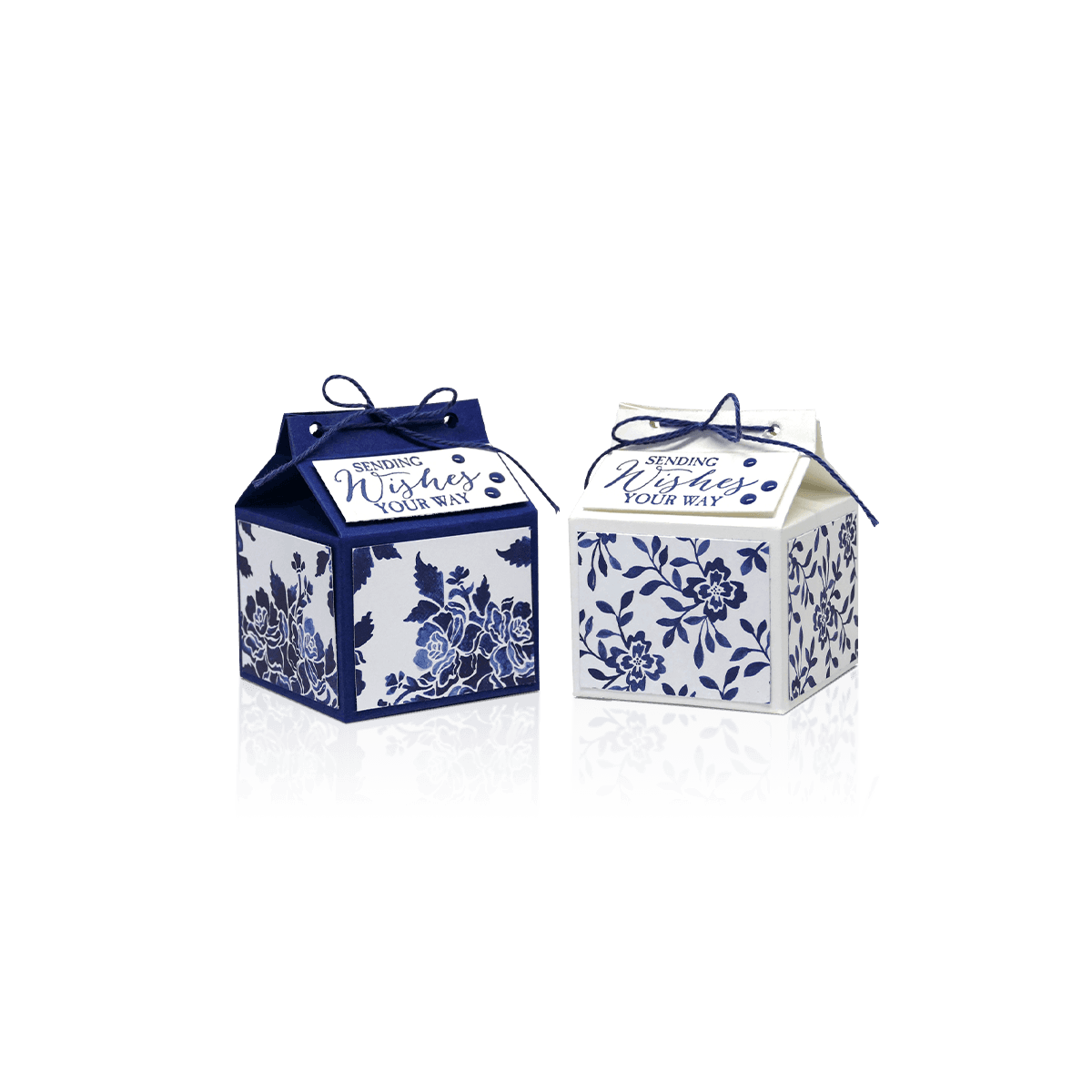
The bowed body creates a softer outline than a conventional retail carton. It can make a small gift feel complete without additional decorative packaging.

A printed logo, restrained pattern or carefully positioned product name may be enough to establish the presentation.

A ribbon or small label can add a gifting element where the packing method permits it.

However, the box should remain functional without depending on decorative accessories to hold its structure together.

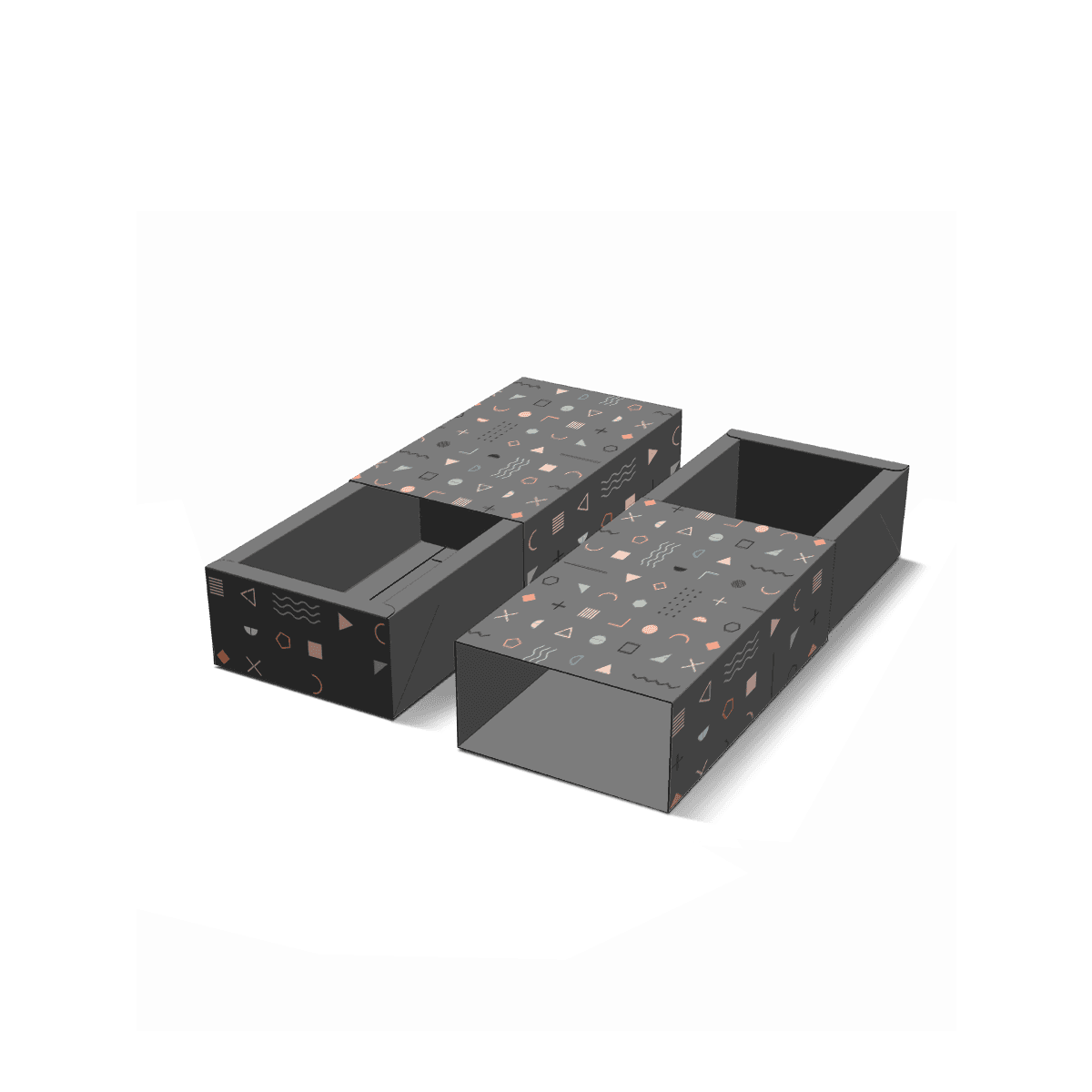
For an accessory that requires a more substantial reveal or a fitted presentation tray, drawer boxes use a different opening arrangement.

The pillow carton earns its place when the curved enclosure and simple end closures are sufficient for the product.
Two Ends Control the Opening

The crescent closures are the defining feature of a pillow box. Their shape allows the carton to form its characteristic curved body while enclosing the product from both ends.

The flaps must retain their intended overlap without requiring so much force that they distort the finished carton.

The Crescent Tuck Sequence

A conventional pillow box has curved flaps that fold inward at each end.

One flap is normally folded before the other, creating an overlapping closure. The exact sequence depends on the approved structural design.

The flap geometry must work with the body curvature and paperboard thickness.

If the flaps are too short or have insufficient overlap, the closure may open too easily. If they are too long or poorly creased, they can resist folding and distort the curved body.

The closing action should feel consistent from one finished box to the next.

This matters for products packed manually, especially when several people are preparing the same promotional order.

Opening Without Damage

Customers should be able to open one end without tearing the body or destroying the opposite closure.

A suitable thumb notch may improve access where the design requires it.

The opening should also be large enough to remove the intended product without forcing it through the curved end.

A tightly fitted accessory may be difficult to retrieve even when the carton itself closes correctly.

For products intended to be opened and reclosed, the flap construction and board should tolerate the expected handling.

Seals and Tamper Evidence

A sticker can be applied across a closure when the product requires an additional sealing step.

However, an ordinary decorative sticker should not automatically be described as tamper-evident.

An actual tamper-evident requirement needs a suitable label, adhesive and application method that produces the intended visible indication of interference.

The seal must also be positioned so it does not damage essential artwork or interfere with the customer's intended opening method.

A ribbon can serve a decorative purpose, but it should not compensate for an inadequate structural closure.

Usable Space Is Not Rectangular

Pillow box dimensions must account for the curved body and the space occupied by the closing flaps.

The internal capacity cannot be established accurately by treating the carton as a rectangular box with the same external length, width and depth.

Its greatest thickness usually occurs around the center of the formed body, while the available space reduces toward the closing ends.

The Three Finished Dimensions

A custom pillow box is generally specified by its finished length, width and formed depth or thickness.

The exact dimension convention should be confirmed on the production drawing.

The important measurements are:

  • Length along the main body, accounting for the space occupied by the end closures.
  • Maximum formed width across the intended product area.
  • Usable internal thickness after the body has been opened into its curved shape.

These measurements establish a starting point, but they do not describe every part of the interior.

The usable envelope narrows around the closure areas.

A rigid product that fits the box at its thickest point may still prevent the curved flaps from closing.

Clearance at Both Ends

The contents should not extend into the space required for the crescent flaps to fold inward.

Consider a hypothetical pillow box containing a wrapped soap bar.

The bar fits comfortably across the center of the carton, but its ends press against the closing flaps.

Increasing the board thickness would not correct that problem.

A suitable adjustment would be to increase the usable body length or revise the product's orientation so the bar sits clear of both closures.

This allows the flaps to complete their intended movement without compressing the product.

For a folded fabric accessory, the opposite adjustment might be appropriate. The item may fit more comfortably after its fold arrangement is changed rather than increasing the box dimensions.

The Filled Profile

Flexible products can settle or spread after they are inserted.

A folded scarf, pair of socks or soft accessory may initially appear compact but expand against the curved walls.

That behavior should be considered during sizing.

The finished product should be measured in its intended packed condition, including tissue, protective wrapping or any other component that will remain inside the carton.

For unfamiliar product geometry, an exact sample can establish the usable internal profile more reliably than external dimensions alone.

Artwork Follows the Bow

The printable surface of a pillow box changes orientation when its flat blank is formed into a curved body.

Artwork that appears centered on the dieline may not occupy the expected viewing position after assembly.

The longitudinal seam, curved crease lines and overlapping end flaps must all be considered before the final artwork is approved.

The Main Viewing Area

The primary logo or product name should sit where customers will naturally see it when the carton is presented.

For a pillow box placed horizontally on a counter, that may be the central area of the bowed body.

A package intended to be handed directly to a customer can be viewed from several angles.

The design should therefore establish a clear front-facing orientation without assuming the box will always remain perfectly positioned.

Oversized graphics that extend across the curved edges can become difficult to interpret after the carton is formed.

A smaller, deliberately positioned design may communicate the brand more clearly.

The Glued Side Seam

Many pillow cartons use a pre-glued longitudinal seam.

That connection should normally sit away from the main branding area.

Artwork crossing the seam may require careful registration, and essential text should not depend on two surfaces meeting perfectly.

The seam also needs a suitable adhesive area free from finishes or coatings that would compromise the intended bond.

The final packaging dieline establishes the printing panels, curved scores, closure flaps and glue area before artwork is approved.

Custom Packly provides free design and dieline support to help prepare the final structural artwork.

Barcodes on Curved Surfaces

A barcode printed across a pronounced curve can create scanning difficulties.

The same concern applies to QR codes and other machine-readable graphics.

Their placement should account for curvature, print contrast, quiet zones and the scanner's intended approach.

A relatively low-curvature area may be suitable for some designs, but that should be verified rather than assumed.

If the finished carton does not have a suitable scanning surface, an appropriately positioned flat label or alternative packaging arrangement may be necessary.

Essential product information must remain readable when the carton is assembled.

Board With the Right Flex

The curved body depends on paperboard that can bend and retain its intended form without cracking, excessive spring-back or uncontrolled distortion.

Selecting the thickest stock is not automatically the best way to improve a pillow box.

The material must support both the body curvature and the repeated movements of the end closures.

White and Coated Paperboard

White paperboard, including suitable SBS grades, can provide a smooth printing surface for small retail and gift packaging.

It suits detailed graphics, brand colors and compact typography.

The specified thickness should provide enough stiffness for the filled product without making the crescent flaps unnecessarily difficult to close.

Heavy coatings or unsuitable lamination can affect bending behavior.

Material selection should account for the completed construction, not simply the appearance of a flat printed sample.

Kraft Stock

Kraft paperboard can suit minimal artwork, simple gifting and product lines where the natural paper appearance is part of the design.

Its surface color affects the appearance of printed inks.

Light colors and delicate graphics may require a different printing approach from the same artwork on white stock.

Kraft is not automatically recycled, recyclable or suitable for direct food contact merely because of its appearance.

Those properties depend on the actual material specification and any additional components.

Creasing and Spring-Back

The body should open into its intended curved shape without creating uncontrolled folds.

Scoring and board grain direction can influence the result.

If the material resists the intended curvature, the box may become difficult to form or place additional pressure on the closures.

If it is too flexible for the product weight, the body may lose its intended profile during handling.

The appropriate material must balance flexibility with sufficient structural support.

Finishes on Moving Areas

Premium offset printing can support detailed branding on suitable pillow box stock.

Matte or gloss coatings may be selected according to the artwork and handling requirements.

Foil stamping, embossing and spot UV can emphasize a logo or another focal point, but these treatments should be positioned with the curved body and flap movement in mind.

A heavily embossed design crossing a closure crease may interfere with the intended folding behavior.

The differences between packaging finishes matter when combining tactile decoration with a carton that must bend into shape.

Packing at the Counter

The short assembly process makes pillow boxes practical for small gifts and hand-packed promotions.

A conventional pre-glued pillow carton can be supplied flat, opened into shape and closed after the product has been inserted.

However, the exact packing sequence depends on the construction and the contents.

Opening the Body

The packer first forms the curved body from its collapsed position.

One end is then closed to create an enclosed space for the product.

The merchandise is inserted through the remaining opening, followed by any tissue or lightweight protective component required by the specification.

The final end is then tucked closed.

This sequence is straightforward when the product slides into the curved body without catching on the flaps.

An oversized item can make the last closing movement difficult and slow the entire packing operation.

Tissue and Lightweight Supports

Tissue can help present lightweight merchandise and reduce direct contact with the paperboard.

For some accessories, a small card support or simple retaining component may improve the arrangement.

However, inserts should not be added automatically.

A complicated insert can be difficult to position inside the curved body, particularly when the opening is narrow.

For a small product requiring precise restraint, a rectangular presentation carton may accommodate a fitted insert more effectively.

Guest-Count Packing

Pillow boxes can suit events where each guest receives one compact item.

For example, an individually wrapped confection, small keepsake or lightweight accessory may be packed in a printed carton carrying the event identity.

The packing operation can be organized around the final guest count and the product assigned to each carton.

For coordinated hospitality projects, event favor boxes can accommodate different gift sizes and presentation requirements.

If several products must be placed together, their combined packed shape should be established before deciding whether a pillow carton is appropriate.

Small Products, Different Needs

The pillow shape works across several product types, but each application places different demands on the closures, internal space and presentation.

The most suitable contents are generally lightweight and compact enough to sit comfortably inside the bowed body.

Jewelry and Accessories

Lightweight earrings, bracelets, charms and similar accessories can use pillow packaging when they have suitable primary protection.

Delicate jewelry should not move freely against hard surfaces or exposed metal components.

A jewelry card, soft pouch or suitable protective wrap may be needed to keep the pieces organized.

For high-value jewelry that requires substantial presentation and fitted support, a rigid jewelry box may be more appropriate.

The pillow carton suits a simpler retail or gifting presentation rather than replacing every protective function of a dedicated jewelry case.

Folded Apparel Accessories

Socks, scarves and other small fabric accessories are practical candidates because their flexibility allows them to follow the curved interior.

However, the intended fold arrangement determines the required size.

A scarf folded into a thick bundle may create more pressure on the body than the same scarf arranged in a flatter shape.

The final package should retain an intentional presentation without forcing the fabric into the closing ends.

For coordinated retail and apparel packaging, pillow cartons can hold compact accessories alongside larger garment packages.

Personal Care Products

Small soaps, individually wrapped bath products and lightweight beauty accessories may fit the pillow shape.

Products containing liquids require secure primary containers. The paperboard carton should not be treated as a liquid barrier.

Similarly, exposed soaps or products sensitive to moisture may require an appropriate protective wrapping.

The material and finish should be specified for the actual product and its storage conditions.

Wrapped Confectionery

Individually wrapped chocolates, candies and small confectionery gifts may suit pillow packaging.

The individual wrapper can establish the primary product barrier while the carton serves as the outer presentation.

If food will contact the pillow box directly, the board, coating, adhesive and any relevant printed or treated surfaces must be assessed for the intended application.

Food-contact suitability should never be assumed from the use of kraft or white paperboard.

Ordering Curved Cartons

The cost of custom pillow boxes depends on the finished dimensions, board, printing, finishing and production quantity.

The curved blank also introduces die-cutting and creasing requirements that differ from a conventional rectangular carton.

The Die-Cut Blank

A pillow box requires a blank that incorporates its curved end flaps and body-forming scores.

The dimensions and shape affect how efficiently multiple blanks can be arranged on a printing sheet.

An unnecessarily large box can increase material consumption and reduce sheet efficiency.

Adding a window, hanging feature or unusual closure may introduce additional converting requirements.

These features should serve an actual product or merchandising need.

The relationship between printing setup, material consumption and quantity is discussed in custom printed box costs.

Small Runs and Bulk Orders

Custom Packly's USA minimum order quantity starts from 100 boxes.

A smaller order may suit an initial product launch, seasonal promotion or event. An established product with stable artwork may benefit from comparing larger production quantities.

For pillow cartons, the specification should also establish whether the blanks will be supplied pre-glued and flat-packed.

That decision affects the manufacturing process and the work required during filling.

When the construction, quantity and artwork requirements are established, request a custom packaging quote for the intended product.

Instant pricing is supported, while unusual structural additions may require a more specific assessment.

Production Timing

Standard USA turnaround is 4–6 days after final artwork and specifications are approved.

Complex structures, specialty materials and advanced finishes may require additional time.

Custom Packly provides US production, free shipping and free 3D mockups.

Free examples of previous work can assist with material and printing decisions. Fully custom physical samples can be arranged as paid samples when the exact construction requires approval.

The production turnaround should not be treated as a guarantee that an order will arrive within six days.

Presentation Beyond the Gift Table

Pillow boxes are naturally suited to handoff and compact gifting, but their curved body affects how they behave in retail displays and distribution.

Unlike a rectangular carton, a conventional pillow box does not have a broad, level base on which it can stand reliably.

That limitation should influence how the finished merchandise is presented.

Countertop Arrangements

A pillow carton can be displayed horizontally in a suitable tray or arranged with other packaged products.

A shallow retaining tray may help prevent individual cartons from rolling or shifting.

The visible brand panel should face the intended customer approach.

For retail operations that need clear product facings, a rectangular carton may be more practical because it has predictable stacking and shelf orientation.

Hanging Presentation

A die-cut hanging feature may be incorporated where the approved construction supports it.

The mounting area needs sufficient strength for the filled weight and must not interfere with the curved closures.

Adding a hanging hole does not automatically make every pillow box suitable for peg merchandising.

The attachment geometry and actual product weight need to be considered together.

Parcel Shipping

A pillow box is generally a product-facing package rather than a substitute for a protective parcel shipper.

Its curved walls and lightweight end closures are not intended to resist the same compression and handling conditions as a corrugated shipping carton.

For ecommerce orders, suitable custom mailer boxes can carry pillow-packaged products with appropriate internal restraint.

The outer packaging should prevent the inner cartons from being crushed or moving excessively during transit.

Where the Curve Stops Helping

The pillow shape works when a lightweight product benefits from compact presentation and simple hand assembly.

It becomes less suitable when the merchandise requires substantial stacking strength, a rigid flat base or a high-capacity internal arrangement.

The closing method can also be restrictive for products that need a larger opening.

For Products That Must Stack

A rectangular carton has flat exterior panels and more predictable stacking behavior.

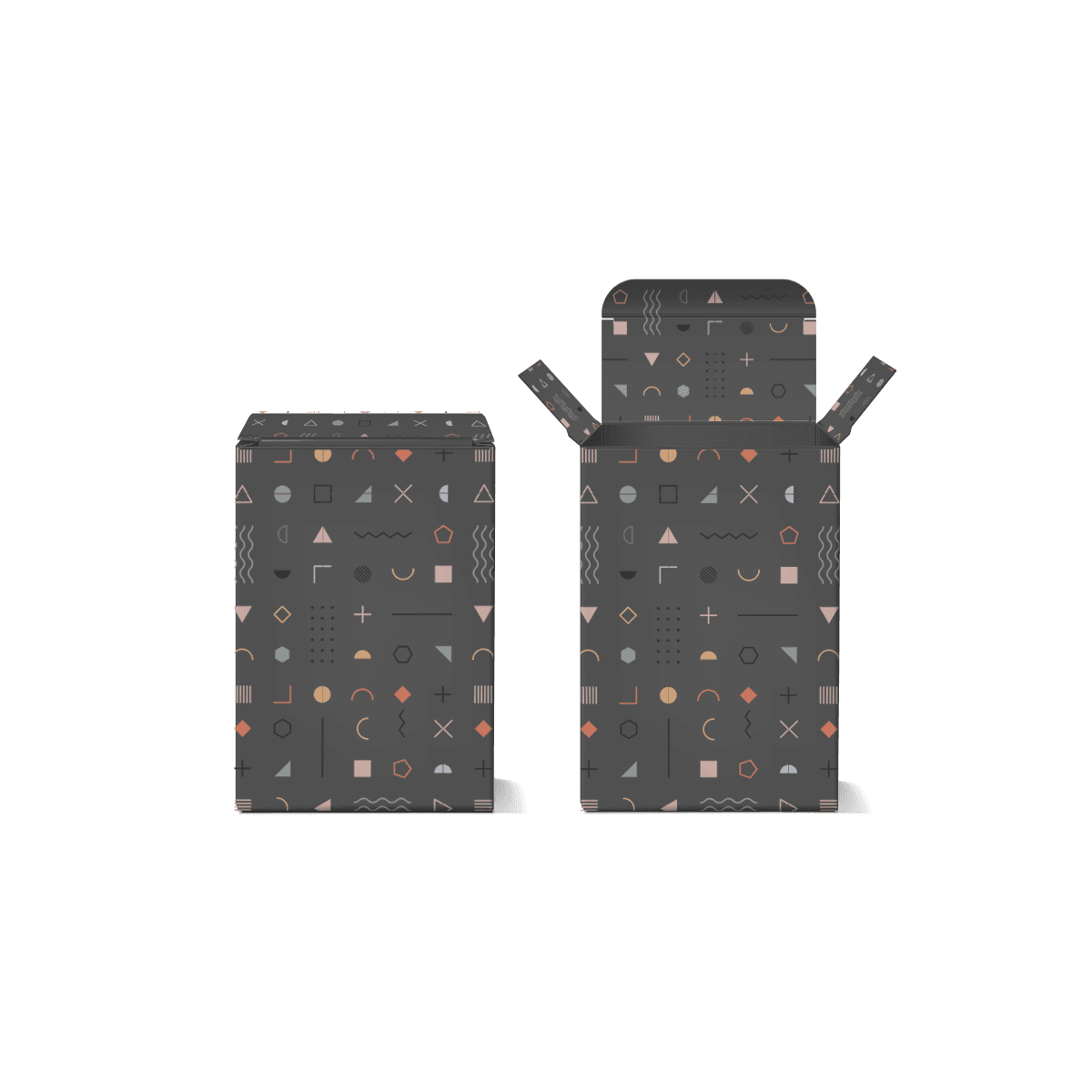
Straight tuck-end cartons have a conventional rectangular body with closing flaps at opposite ends.

They may be more practical when shelf alignment, readable flat panels and predictable case packing are important.

For Gifts That Need Handles

A pillow box can be handed directly to a customer, but its conventional structure does not incorporate a substantial carry handle.

Custom gable boxes combine an enclosed carton body with an integrated top handle.

They suit gifts that benefit from a level base and a carry-ready structure.

For Products That Need Sealed Film

The pillow shape should not be confused with a flexible pillow pouch.

Pillow pouches use flexible material and sealed seams rather than a formed paperboard body with curved tuck flaps.

They serve different filling, containment and production requirements.

A paperboard pillow carton is primarily a structural presentation package. It does not automatically establish the barrier properties associated with a specified flexible film.

The choice comes down to the product's physical requirements and the role of its packaging. Where the curved body, simple closures and lightweight construction work together, a pillow box creates a complete presentation without adding a separate lid or unnecessary structural components.

FAQs

Light products are the better fit. This style is designed for compact items that do not need the stacking strength or rigid support of a heavier carton.

That is one of the main advantages. Pillow Boxes ship flat, take up less storage space, and are practical for seasonal promotions or limited-run packaging programs.

Pillow Boxes are better when shape and presentation matter more than stackability. Straight Tuck-End Boxes offer flatter panels and a more conventional retail structure, while Pillow Boxes create a softer, more distinctive look for smaller items.

Foil accents, soft-touch lamination, matte coatings, and selective gloss details tend to work well because the format is often chosen for presentation value. Simple kraft printing can also work when the brand wants a more natural feel.

Yes, for certain product types. A light insert, sticker seal, ribbon detail, or small window feature can improve product hold and make the pack feel more refined without overcomplicating the structure.

Process

How it works

Your Packaging Journey, From Idea to Production and Delivery

01

Tell Us Your Specs

Custom packaging boxes

Tell Us Your Specs

Provide size, quantity, printing, and finishes.

02

Get a Fast Quote

Custom packaging boxes

Get a Fast Quote

Instant transparent pricing, no hidden fees.

03

Design and Approval

Custom packaging boxes

Design and Approval

Artwork checks, revisions, and final sign-off.

04

Produce

Custom packaging boxes

Produce

Expert manufacturing to meet deadlines.

05

Ship to Your Door

Custom packaging boxes

Ship to Your Door

Hassle-free, flexible delivery options.

Get Your Quote for Custom Pillow Boxes

Share your product details, size, quantity and artwork needs. We’ll help choose the right packaging style and send a clear quote.