Skip to content
Details

Custom Pet Accessory Boxes

Custom printed packaging for pet collars, leashes, harnesses, bandanas and travel accessories. Organize straps, control hardware movement and give every product a clear retail presentation.

The Buckle Sets the Clearance

Metal buckles, D-rings and leash clips often determine how a pet accessory fits inside its packaging. The fabric or webbing may fold neatly, but a projecting metal component can prevent the carton from closing, rub against its printed surface or interfere with the intended presentation.

Custom Pet Accessory Boxes must accommodate these hard components without placing unnecessary pressure on the accessory.

For collars, leashes and harnesses, the packaging needs to control flexible material and rigid hardware at the same time. That requires a different approach from simply selecting a rectangular carton around the product's overall dimensions.

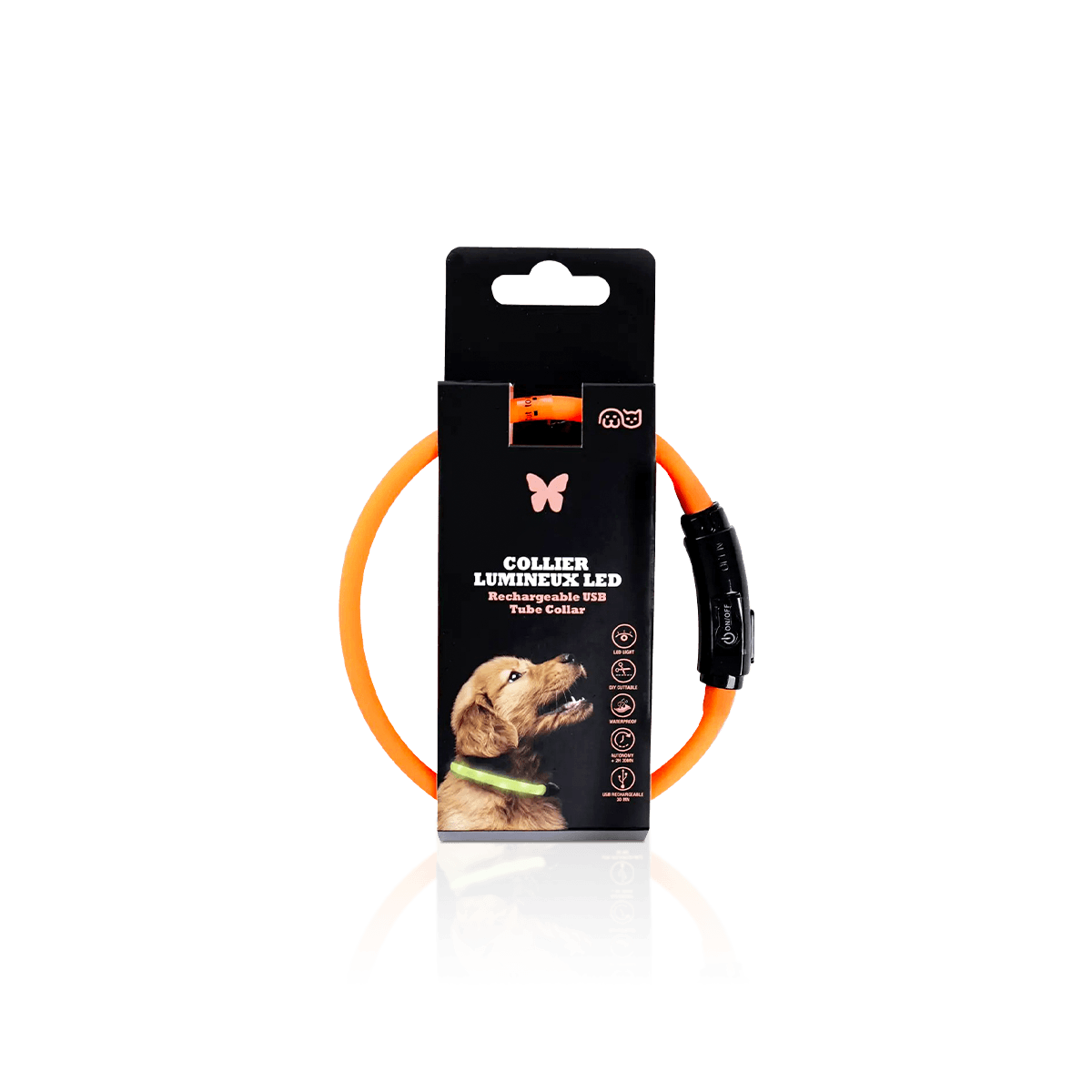
A collar may need a shallow printed box with its buckle facing forward. A coiled leash may require retention points that stop the coil from expanding. A harness can need additional space for its padded panels and adjustable straps.

Custom Packly produces made-to-order packaging for these products, with custom dimensions, paperboard structures, printed branding and internal supports where appropriate.

Metal Hardware and Panel Contact

Buckles, clips and rings should not repeatedly strike the carton walls or rub against finished accessory surfaces.

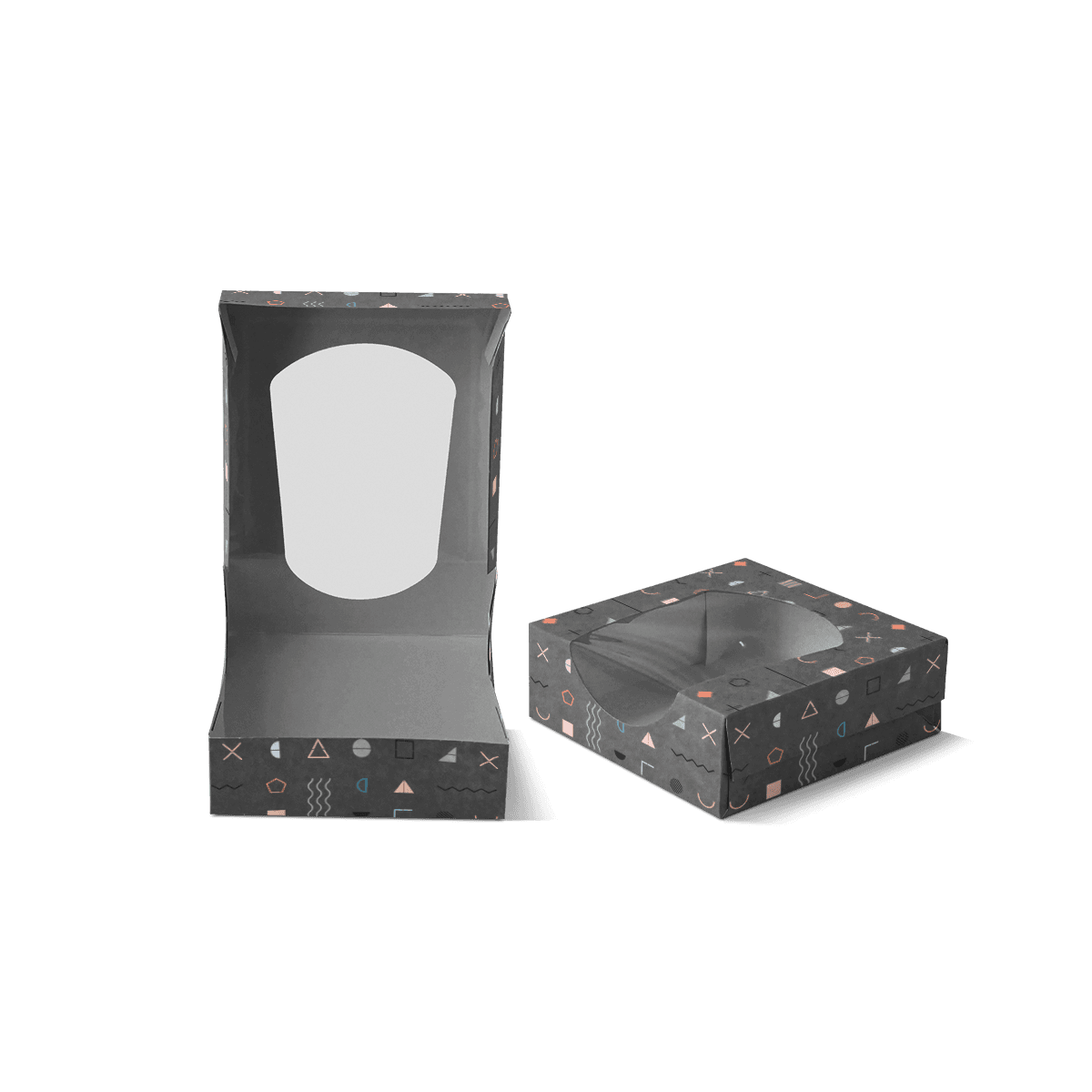
An exposed metal buckle can also create pressure against a large die-cut window.

Positioning the hardware inside a suitable paperboard support can reduce unnecessary movement while maintaining its intended retail appearance.

The support should not obstruct a buckle's release mechanism or place excessive force on the accessory's attachment points.

Product Clearance

The packed dimensions should account for the accessory in its intended folded or coiled position.

Measure the hardware at its widest points, including any projecting release buttons, adjustment components or attachment rings.

A few millimeters of additional clearance may be necessary around a particular component, but increasing every carton dimension is not automatically the right correction.

The aim is to allocate space where the accessory genuinely needs it.

For irregular products, custom product packaging can be developed around the finished accessory and its intended internal arrangement.
Collars, Leashes and Harnesses Have Different Shapes

Pet accessories do not occupy a fixed shape in the same way as a bottle or a rigid retail product.

Flexible straps can be folded, coiled or laid flat. The packaging method changes their dimensions, appearance and handling requirements.

Collar Packaging

A collar's presentation depends on its width, length, stiffness and fastening hardware.

For a compact retail carton, the collar can be arranged in a controlled loop or folded position if the material permits it.

The adjustment buckle and D-ring should remain identifiable, particularly when hardware quality and appearance influence the purchase.

A fitted paperboard card can establish the collar's position without requiring a deep internal cavity.

Leather and other materials that can retain creases need a packing arrangement that avoids unnecessary sharp bends.

Leash Packaging

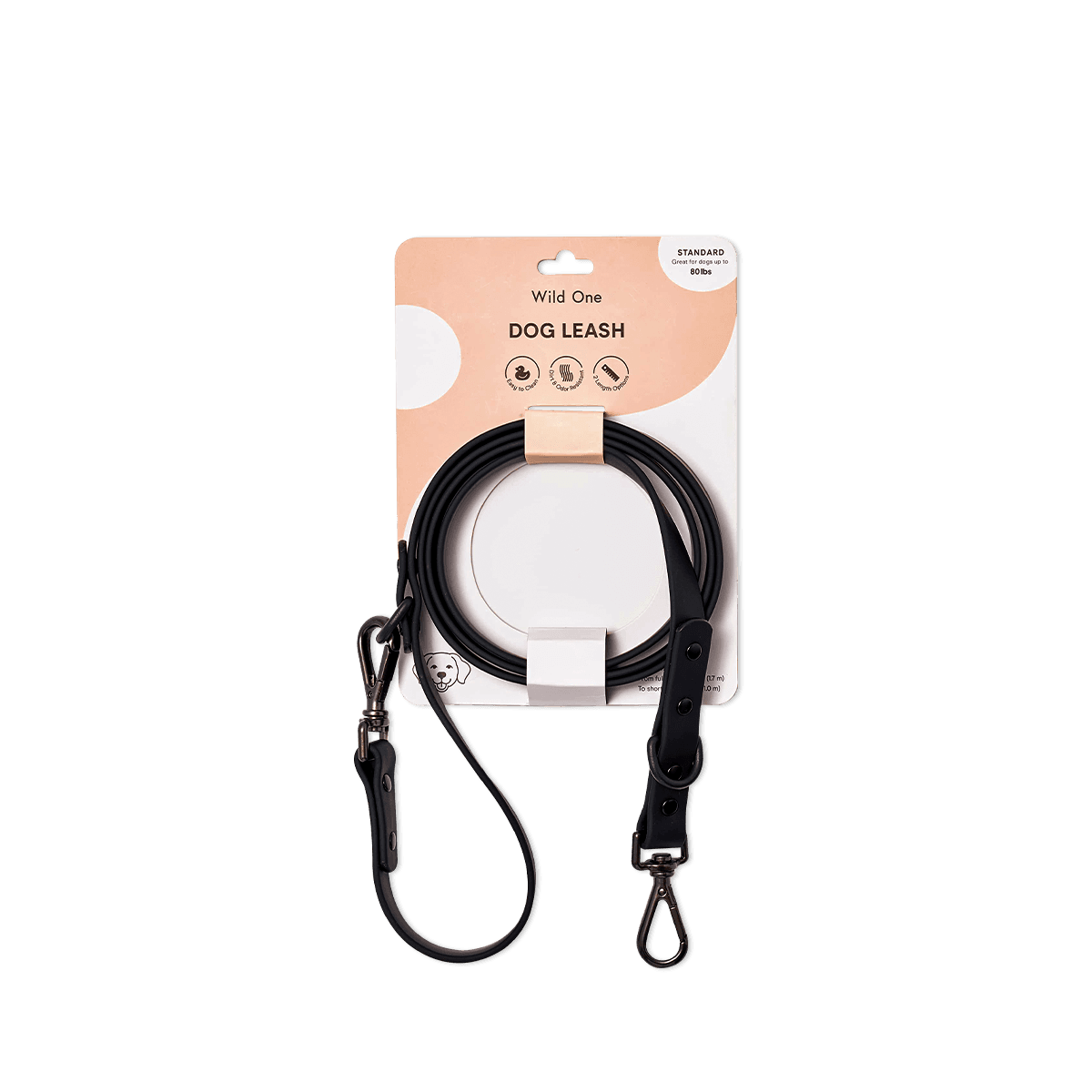
A long leash introduces more flexible material and often a heavier metal clip.

The coil diameter determines the usable internal footprint. Its thickness depends on the webbing, number of turns and position of the handle.

An internal retaining band or paperboard tab can prevent the coil from expanding against the carton.

For lightweight leashes that do not need a rigid retail exterior, a flexible pouch may be a more economical packaging choice.

A box becomes valuable when the product needs a defined display shape, more printed surface or a coordinated retail presentation.

Harness Packaging

A harness is harder to arrange because its straps connect at several points.

Compressing the entire harness into a small carton can conceal its construction, distort padded sections and create a confusing presentation.

A shallow tray may work when the harness can be arranged with its main body panel facing upward.

A deeper carton may be necessary for larger products with shaped padding or multiple adjustment components.

The internal arrangement should preserve the harness's intended structure without requiring excessive folding.

Bandanas and Travel Accessories

Pet bandanas, bow ties and similar fabric accessories can often use relatively shallow packaging.

Their main requirements are controlled folding, clean presentation and clear size identification.

Travel bowls introduce a different consideration. A collapsible bowl may fit a shallow carton when folded, while a rigid bowl requires a structure that accommodates its actual height and diameter.

The folding carton structures used for these accessories can vary according to the packed shape and intended retail position.

Retail Placement Changes the Packing Method

A collar displayed on a retail hook needs a different packaging arrangement from a harness presented flat on a shelf.

The product's weight and orientation determine which parts of the carton carry the load and which surfaces remain visible.

For brands selling through independent pet stores and larger retail outlets, the display method should be established before the packaging structure is finalized.

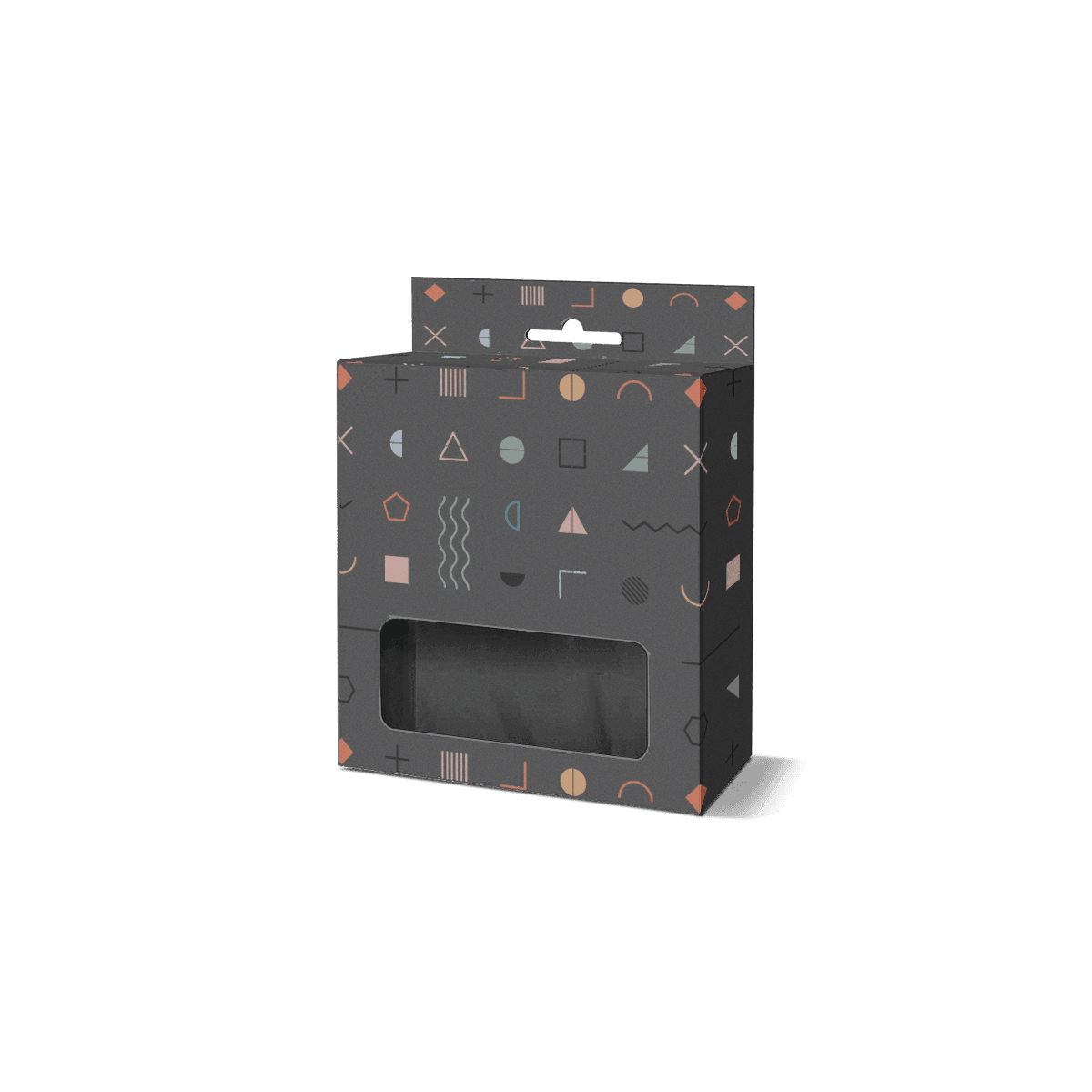
Hanging Accessory Boxes

A hanging carton needs a suitable tab or slot, with sufficient board strength to support the complete packed accessory.

The product's center of gravity affects how the carton hangs.

A collar with a relatively heavy buckle may pull one side downward, even when the fabric is centered.

The hardware and retention points should therefore be positioned so the finished carton hangs as intended.

This is particularly important for custom display boxes used for compact pet accessories on hooks and retail fixtures.

Shelf-Standing Cartons

A shelf-standing accessory carton needs a stable base and an appropriate viewing panel.

For harnesses, collapsible bowls and travel kits, the carton should maintain its intended position when shoppers pick it up and return it to the shelf.

An internal tray can help retain the product's orientation without requiring an excessively deep box.

The exterior dimensions should also accommodate the intended shelf spacing and neighboring products.

Countertop Merchandising

Small accessories such as bow ties, tag holders and waste-bag dispensers may be sold in compact cartons at checkout.

When several retail units are displayed together, the product names and sizes need to remain identifiable.

A printed counter display can organize these units, but the individual packages should still be easy for shoppers to remove.

For a brand supplying multiple retail outlets, custom retail packaging should account for product placement, retailer handling and the amount of space needed for each selling unit.

A Coil That Stays in Position

A collar-and-leash set presents a particular packaging challenge because the two products have different lengths and hardware arrangements.

Consider a matching set with a padded collar, a long braided leash and metal clips.

The collar can sit neatly near the top of a shallow carton. However, the leash coil may gradually expand, pushing its metal clip toward the front panel.

If that clip rests against a window or printed surface, ordinary handling can create pressure and unwanted contact.

Making the carton deeper adds space but does not control the movement.

A more practical construction uses a shaped paperboard platform. The collar occupies an upper retention area, while the leash sits in a controlled coil beneath it.

A separate retaining tab positions the clip away from the front panel.

The platform can also preserve the intended arrangement when the package is lifted or placed horizontally.

The result is a more dependable presentation without requiring an oversized outer carton.

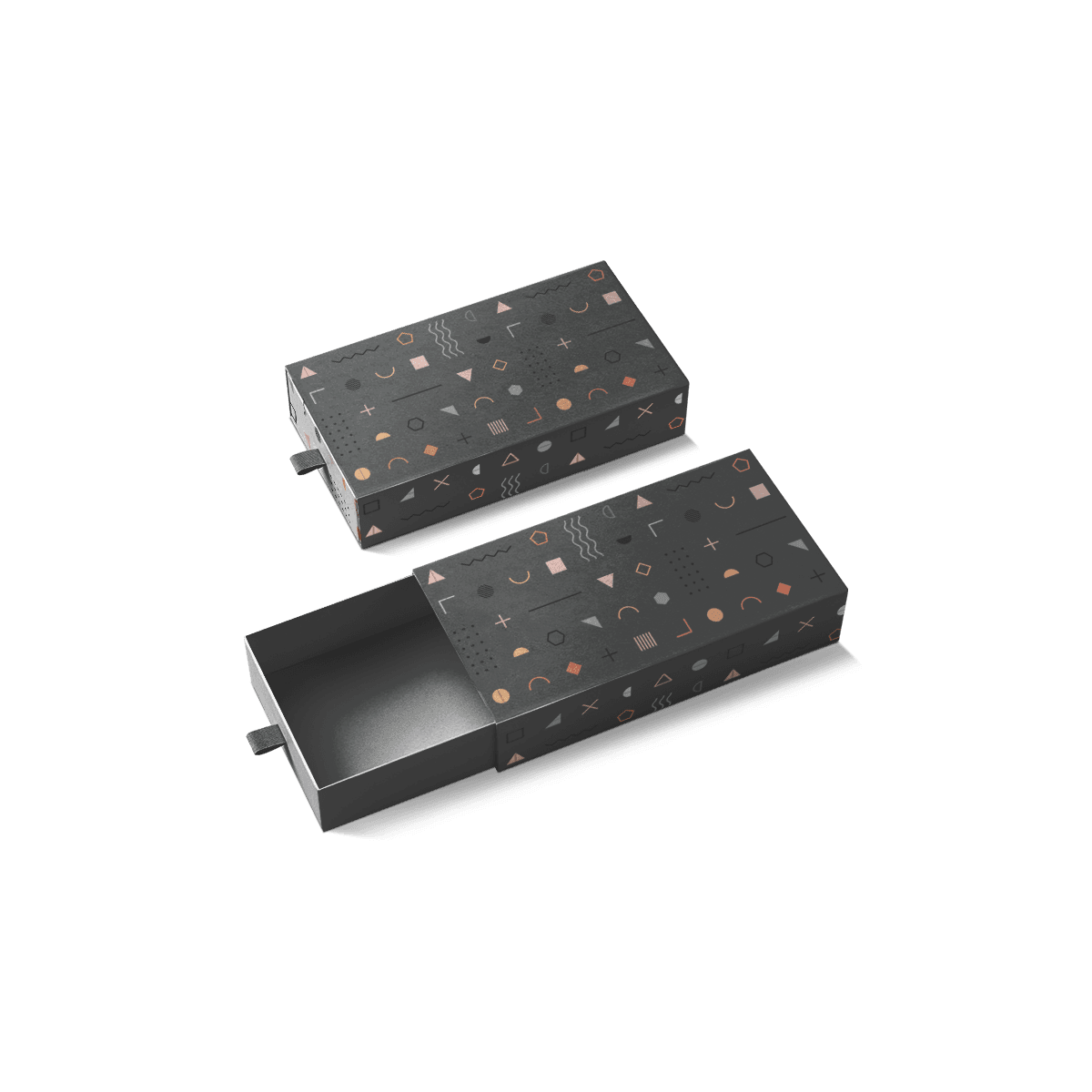
For an accessory set that needs a substantial gift presentation, rigid pet product boxes can accommodate deeper fitted interiors and alternative opening styles.

An everyday collar-and-leash set may need only a correctly designed paperboard carton.

Windows That Show the Product's Features

Pet owners often want to inspect a collar's fabric, buckle or stitching before purchasing it.

A display opening should reveal the feature that helps them make that decision.

For a collar, a narrow window may show the webbing and fastening hardware. A harness may benefit from an opening that exposes its padded chest panel.

An open-front construction can allow customers to touch the material, although it also increases exposure to handling.

A film-patched window can preserve visibility while maintaining a physical barrier between the product and the customer.

Neither approach is automatically preferable.

The decision depends on the product's surface, retail environment and retention requirements.

Window Position

A window must leave enough surrounding board to maintain the carton structure.

Avoid cutting through an important fold or placing the opening directly against a projecting buckle.

The product should remain in a consistent position behind the opening rather than rotating out of view.

For an accessory with several important features, a carefully selected viewing area may be more practical than exposing the entire product.

Artwork Around the Opening

Printed graphics should work with the visible accessory rather than compete with it.

A prominent size label can occupy the upper corner, while the product name and material information remain on uninterrupted printing panels.

The interaction between typography, contrast and packaging that stands out on store shelves matters when customers compare several collars with similar designs.

Custom Packly's free 3D mockups can help assess the finished proportions, window position and artwork before production.

Paperboard Tabs and Retaining Features

Internal retention does not always require a separate foam insert or a thick molded tray.

For many lightweight pet accessories, paperboard tabs, folded supports and die-cut slots can organize the product effectively.

The correct arrangement depends on the accessory's shape and the surfaces that can safely be restrained.

Retaining a Collar

A collar can be held against a paperboard platform using suitably positioned tabs.

The tabs should support the intended folded shape without pressing against a release button or pulling the collar excessively tight.

An adjustable collar should retain enough space around its buckle and adjustment hardware to remain easy to remove.

Supporting a Leash

A coiled leash may need support at more than one position.

A single retaining point can allow the coil to rotate, while several appropriately positioned tabs can help maintain its intended shape.

The clip should have a defined resting position.

Any retaining feature must be compatible with the leash material. An excessively narrow slot can create pressure marks or damage delicate surface treatments.

Holding Small Accessories

ID tags, bow ties and compact travel accessories may require a different type of support.

A small die-cut card can position a lightweight product without creating an unnecessarily large cavity.

For metal tags, the support should limit contact with other hard components.

Where a product has a separate attachment ring or clip, the packaging should account for that component rather than allowing it to move freely inside the carton.

Physical validation is appropriate when the proposed retention feature has an uncertain fit. A fully custom pre-production sample can be arranged as a paid sample when the actual accessory needs to be checked before production.

The Cost of Each Construction

A shallow printed collar carton, a windowed harness box and a presentation box for a matching accessory set involve different manufacturing requirements.

The main cost differences come from the structure, material consumption, die-cutting, printing, internal supports and quantity.

A straightforward folding carton may be sufficient for an individual lightweight accessory.

Adding a custom window, retaining platform or reinforced hanging feature introduces additional production considerations.

Those features are worthwhile when they solve a specific packaging problem. They should not be added automatically.

For an established pet accessory line, the number of artwork versions also affects purchasing.

A single carton design produced at a substantial quantity is different from the same total quantity divided across numerous sizes and colors.

Custom Packly's USA minimum order quantity starts from 100 boxes. Instant pricing is available, with free design support to help establish a workable specification.

An established custom packaging company with extensive customization capabilities and 24/7 expert support, Custom Packly can assess the construction before an order is finalized.

Once the required structure and production quantities are established, brands can request a custom packaging quote for the actual accessory packaging.

Retail Information That Helps With Fit

A collar or harness purchase depends on the customer's ability to identify the correct product size.

The printed carton should make that distinction clear without requiring the customer to remove the accessory.

Color, material and design are important, but they should not obscure the product's actual fitting information.

Collar and Harness Sizes

The manufacturer-approved size designation should appear prominently on the retail-facing panel.

Where the product uses a fitting measurement, the printed information should accurately represent the manufacturer's stated dimensions and adjustment limits.

Avoid relying entirely on labels such as small, medium and large when customers also need a specific measurement.

Different product lines may use different sizing systems.

The packaging should reflect the actual accessory specification rather than implying that every product bearing the same size designation has identical dimensions.

Material and Hardware Information

Material descriptions should accurately identify the product being sold.

Nylon, leather, coated webbing and other accessory materials may require different care instructions.

Where a product includes reflective components, specific hardware or other functional features, printed claims should follow the manufacturer's approved specifications.

Packaging should not introduce unsupported strength, durability or safety claims.

Barcode and Product Identification

Barcodes and item identification should remain readable when the carton is assembled.

For hanging products, avoid placing important scanning information on a panel that becomes obstructed by the hanging tab or folded closure.

Consistent barcode placement can also simplify retail handling when several products share the same structural carton.

Printing Across Sizes and Colors

Pet accessory brands often sell several sizes of the same product in multiple colors.

That creates an artwork-management problem even when the carton dimensions remain unchanged.

A collar line with four sizes and five colors may require distinct product identifiers and printed versions.

The packaging system should distinguish between physical construction and graphic variation.

Two collars can share a carton dieline when their packed dimensions, hardware arrangement and retention requirements are compatible.

However, an additional size that introduces a larger buckle or substantially longer strap may require a different construction.

Consistent Branding

A coordinated print system can maintain the same logo position, typography and visual identity across the product line.

The size and color identification should remain easy to find.

Premium offset printing can reproduce detailed graphics and consistent brand colors across established production runs.

CMYK supports multicolor artwork, while Pantone specifications may be appropriate where tighter control of a particular brand color is required.

Artwork Versions

Different artwork versions can change the economics of a packaging order.

A new accessory launch with uncertain demand may need a different printing strategy from a stable product line with predictable repeat quantities.

The distinction between digital, offset and flexographic packaging printing becomes important when quantities are divided across numerous designs.

The final printing method should suit the board, artwork, quantities and actual manufacturing requirements.

Dieline and Print Approval

The final artwork needs to follow the approved carton construction.

This is especially important where a hanger, viewing window or retaining feature affects the printable panels.

A packaging dieline establishes the cut lines, creases and structural boundaries that the artwork must respect.

Custom Packly provides free design and dieline support to help prepare artwork for the selected construction.

For supported standard structures, the dieline generator can assist with initial dimensional planning. Custom internal supports and specialty openings require a project-specific layout.

Packing Accessories for Delivery

An individual retail carton may be appropriate for shelf presentation without being sufficient for standalone parcel shipping.

The outer shipping package should account for the retail carton's dimensions and any projecting structural features.

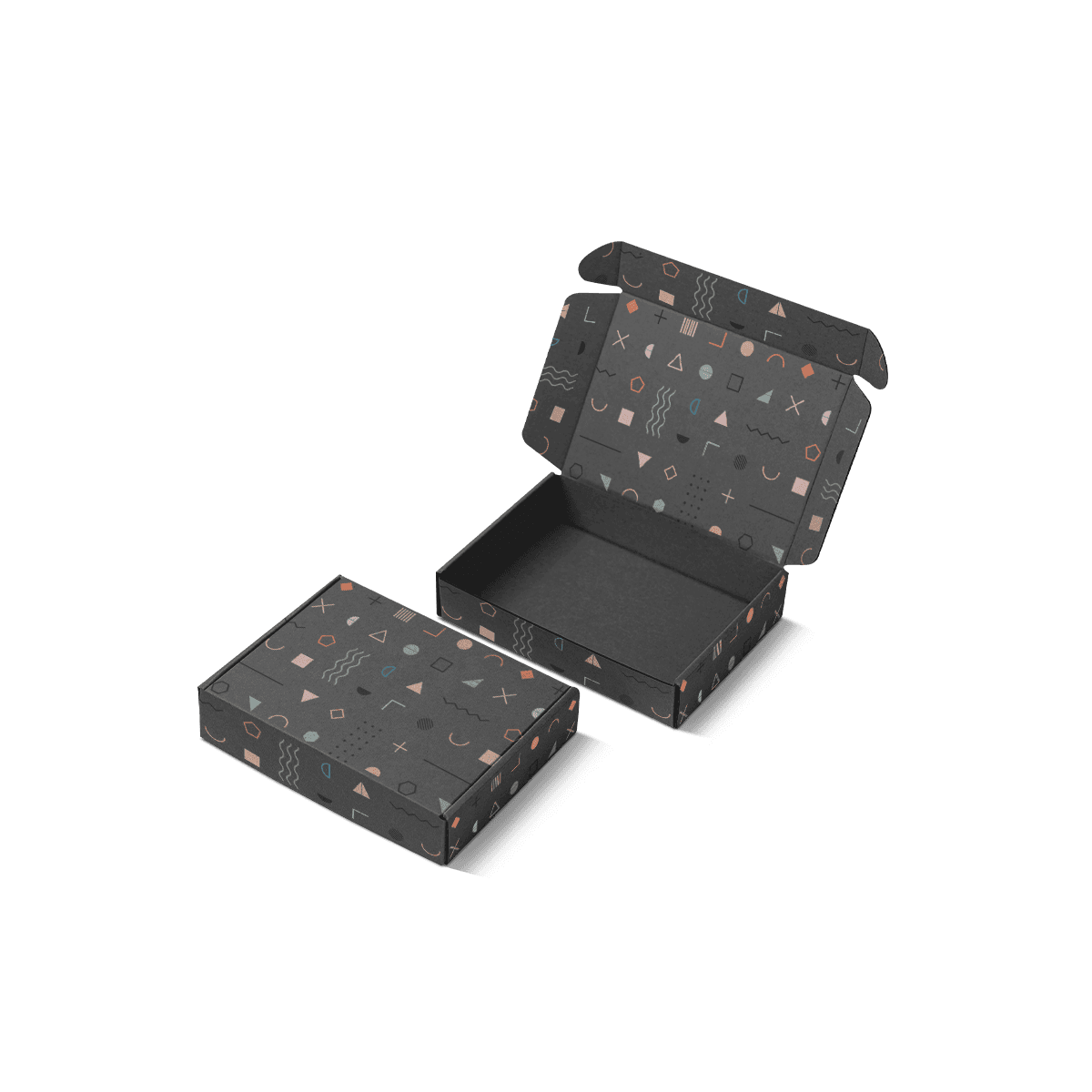
For lightweight accessories, a properly sized custom mailer box can accommodate the individual retail pack while supporting branded ecommerce fulfillment.

A collar may require little additional cushioning, but its hardware still needs to remain under control.

For accessories with fragile components, sensitive finishes or rigid parts, the protective arrangement should address the actual points of vulnerability.

Multiple retail cartons should not be packed together in a way that allows their hanging tabs or projecting components to damage neighboring units.

Wholesale case packing also needs to preserve the intended carton orientation and prevent unnecessary movement.

The Size Must Match the Accessory

The final production specification should preserve the connection between the physical accessory and its printed identification.

This matters when a brand changes hardware suppliers, introduces a new material or adjusts a product's dimensions.

A replacement buckle may look similar to the original but extend farther from the collar. A redesigned harness may fold differently because of changes to its padding or adjustment straps.

If the accessory changes, the previously approved carton should not automatically be treated as an exact fit.

The appropriate review depends on what has changed.

A color variation may require only updated artwork. A substantial change to hardware or packed dimensions can affect the carton structure and retention method.

For established product lines, Custom Packly supports bulk and repeat production, warehousing and scheduled deliveries for suitable larger orders.

Standard USA production turnaround is 4–6 days after final artwork and specifications are approved. Complex constructions, specialty materials and advanced finishes may require additional time. Free shipping is available.

The practical objective is to preserve an approved carton specification for each distinct accessory configuration while allowing straightforward artwork changes where the construction remains compatible.

A customer should receive a collar, leash or harness whose physical size, printed identification and packaging presentation agree.

FAQs

They work especially well for collars, harnesses, leashes, ID tag kits, bandanas, waste bag dispensers, grooming tools and bundled walking accessories that need shape and better organization.

Boxes are the better option when the product needs stronger structure, more visible merchandising or room for inserts and hardware separation. Flexible pouches suit lighter and flatter items when hanging convenience matters more than presentation depth.

Not every SKU does, but inserts are useful for premium collars, gift sets and mixed-component kits. They help hold the product in place and stop clips, tags and fasteners from shifting around.

Clear sizing should be easy to find fast. Front panels can show the core size callout, while side or back panels can carry neck range, chest measurements, material notes and care instructions.

Yes, especially when color, texture or hardware finish influences the sale. A window lets buyers preview the item while the box still provides branding space and better shape retention.

Process

How it works

Your Packaging Journey, From Idea to Production and Delivery

01

Tell Us Your Specs

Custom packaging boxes

Tell Us Your Specs

Provide size, quantity, printing, and finishes.

02

Get a Fast Quote

Custom packaging boxes

Get a Fast Quote

Instant transparent pricing, no hidden fees.

03

Design and Approval

Custom packaging boxes

Design and Approval

Artwork checks, revisions, and final sign-off.

04

Produce

Custom packaging boxes

Produce

Expert manufacturing to meet deadlines.

05

Ship to Your Door

Custom packaging boxes

Ship to Your Door

Hassle-free, flexible delivery options.

Get Your Quote for Custom Pet Accessory Boxes

Share your product details, size, quantity and artwork needs. We’ll help choose the right packaging style and send a clear quote.