Skip to content
Details

Custom Grooming Product Boxes

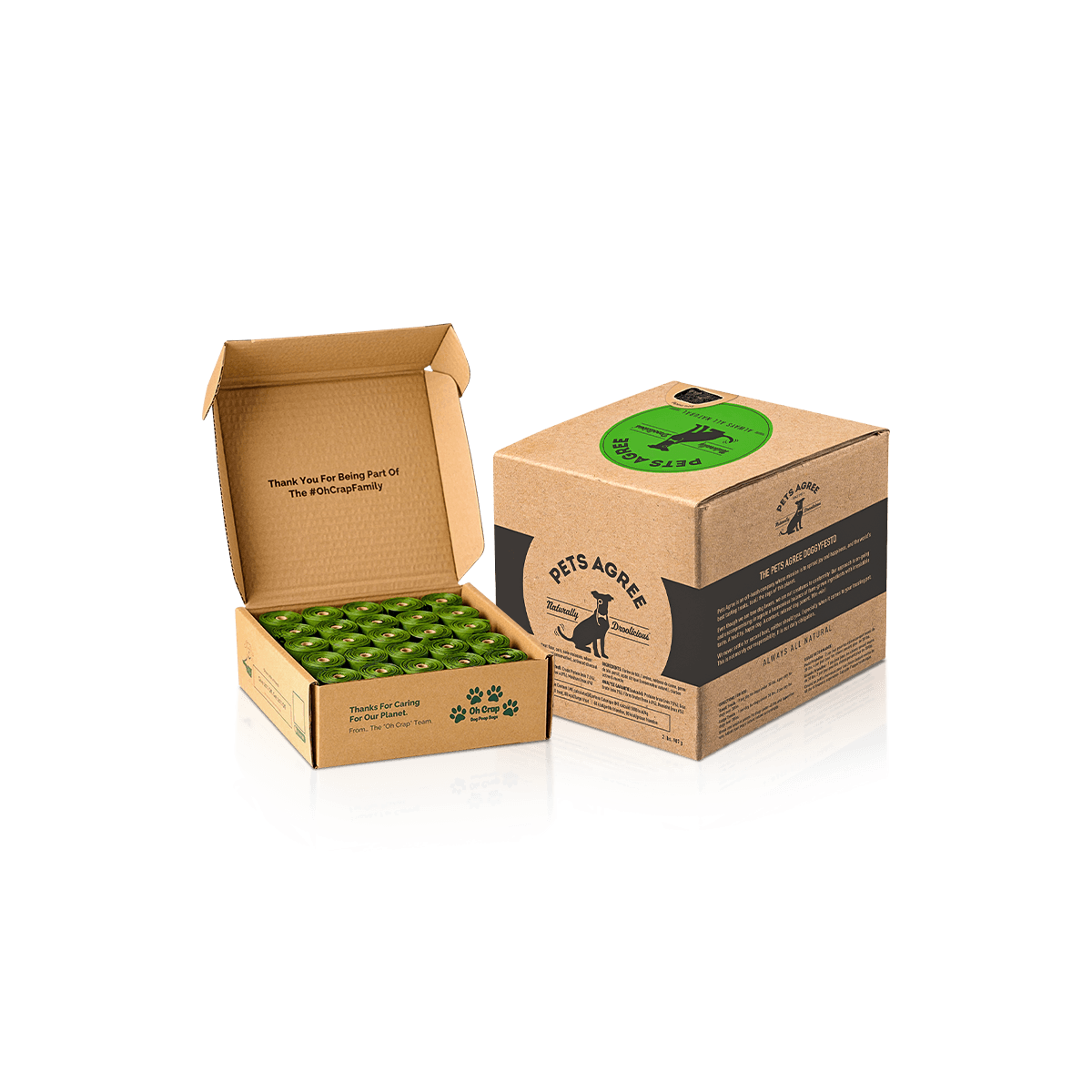
Custom printed pet grooming packaging for shampoos, conditioners, sprays, balms and care sets. Protect dispensing components, organize different product shapes and create clear retail packaging for your pet care line.

Prevent Pressure on Pumps and Caps

Pressure on a pet shampoo pump can turn a perfectly fitted retail carton into a source of leakage. The bottle may sit securely inside the box, yet the top flap can press against the dispenser when cartons are stacked or handled.

Custom Grooming Product Boxes need to accommodate the complete primary container, including its closure and any parts that extend beyond the bottle body.

For dog shampoos, conditioners, coat sprays and liquid cleansers, this means supporting the container without transferring unnecessary pressure to the dispensing mechanism.

The same principle applies to smaller products. A paw balm jar needs enough space around its lid, while a grooming spray with a trigger head may require a different carton profile from an ordinary cylindrical bottle.

Custom Packly produces custom printed cartons for individual grooming products and coordinated pet care sets. The construction can be adapted to the container, its filled weight and the way customers will purchase and handle it.

The distinction is important: the primary container retains the formulation, while the outer box supports its protection, presentation and printed product information.
A Carton Cannot Seal the Bottle

Leak prevention begins with the primary container, not the printed box.

A properly specified bottle, cap or pump must retain the formulation under the intended storage and handling conditions. The carton can help prevent accidental activation and reduce movement, but additional paperboard cannot correct an unsuitable bottle closure.

For liquid grooming products, establish how the bottle will be sealed before finalizing its secondary packaging.

Pump Bottles

A pump may arrive with a locking mechanism, protective clip or other dispensing restraint, depending on the container.

The carton must accommodate the closure in its intended shipping condition.

Do not use the upper carton panel to push an extended pump downward. Likewise, a fitted insert should not press against a pump collar if that contact could loosen or activate the mechanism.

Support the bottle body and base instead.

Flip-Top and Screw Caps

Flip-top caps can protrude beyond the bottle shoulder. Screw caps may also have raised features that affect the maximum package dimensions.

Check the complete closed container, including any tamper-evident component or separate protective seal.

If the bottle can rotate inside the carton, consider whether that movement could bring the closure into contact with a structural tab or inner support.

The solution may be as simple as changing the bottle's orientation or adjusting the support geometry.

Trigger Sprays

A trigger head often extends beyond the bottle's main profile.

Its length, height and direction can affect both the carton footprint and the position of the top closure.

Measure the complete assembly in its intended locked or secured condition.

If the trigger requires a separate restraint during distribution, that component needs to be established as part of the primary packaging specification.

The outer carton can then be developed around the secured product rather than being expected to immobilize the trigger itself.

The Bottle Carries Its Own Weight

A shampoo bottle should transfer its weight through its base or another suitable supporting surface. The pump, cap and dispensing neck should not become structural load-bearing points.

This becomes important when a relatively heavy bottle sits inside a close-fitting paperboard carton.

A narrow bottle may remain upright when packed but lean against the top panel during handling. If the carton constrains the closure rather than the body, repeated movement can place stress on the wrong component.

An appropriately positioned paperboard support can improve stability without making the entire carton unnecessarily tight.

Base and Side Support

The carton footprint should accommodate the bottle's widest stable portion.

For a rectangular bottle, its flat sides may help limit rotation. A cylindrical bottle may need a closer fit or a separate support, particularly when it is tall and relatively narrow.

The base should carry the filled container, while the sidewalls or insert control lateral movement.

Use the actual filled weight rather than the weight of an empty sample bottle when assessing the proposed construction.

Shoulder and Neck Clearance

Bottle shoulders, pumps and caps can have significantly different dimensions.

An internal support positioned near the shoulder may help control a tall bottle, provided it does not obstruct the closure or place inappropriate pressure on the neck.

The carton also needs enough clearance for normal manufacturing variation and straightforward product removal.

A tight fit that requires excessive force during packing can create problems even when the dimensions appear correct in a digital drawing.

For grooming products that need a precise fit, custom product packaging can accommodate the actual container geometry and its intended position.

Where the proposed support is difficult to evaluate digitally, a fully custom pre-production sample can be arranged as a paid sample to check the physical fit.

Different Grooming Products Need Different Cartons

Grooming products share a retail environment, but their containers and handling requirements differ considerably.

A tall shampoo bottle, compact balm jar and individually sealed wipe pack should not automatically use the same construction.

Shampoo and Conditioner Boxes

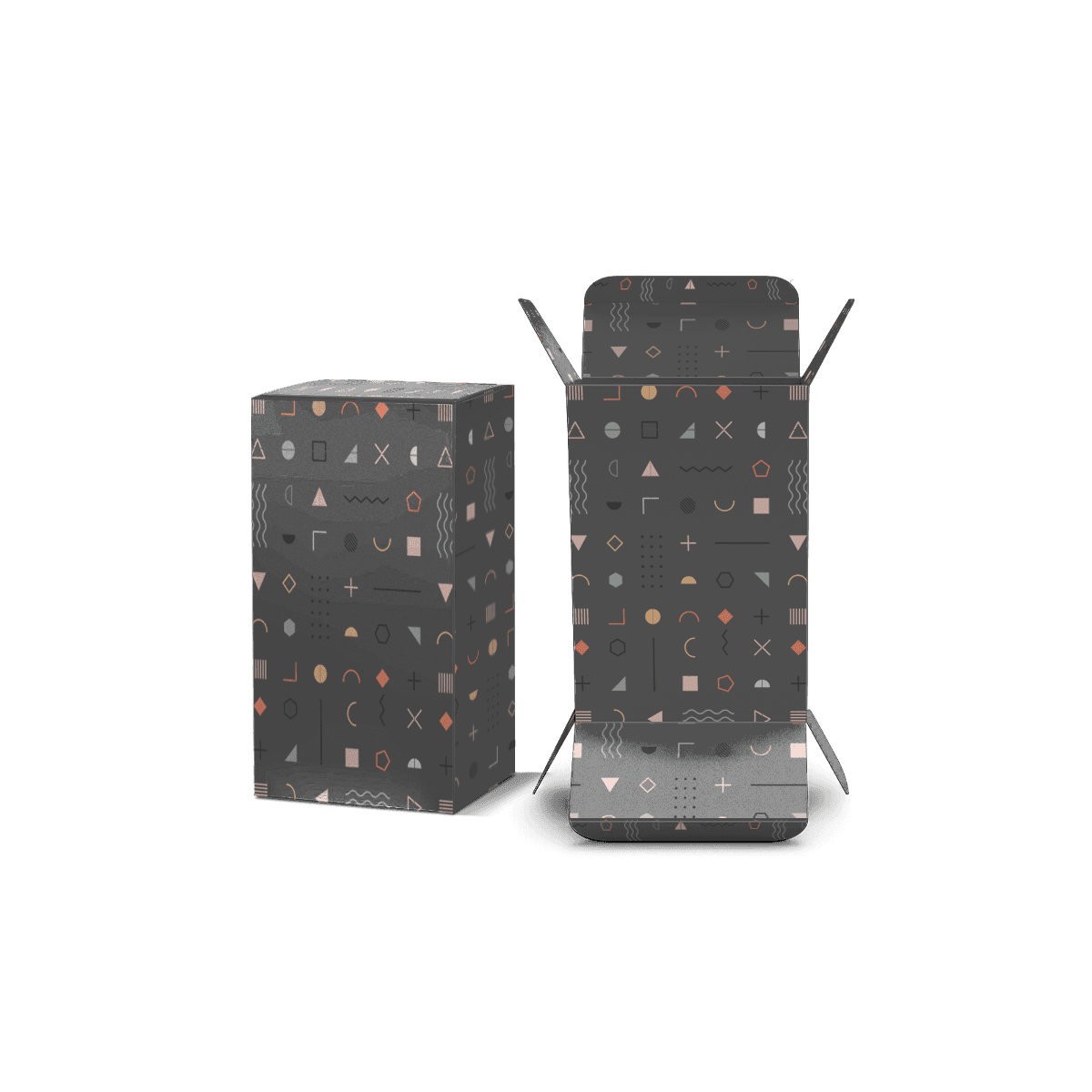
Single-bottle cartons can use conventional tuck closures when the filled weight and container geometry are appropriate.

A stable rectangular footprint creates defined printing panels and can make retail stacking easier.

For heavier bottles, the bottom closure and board specification may need additional consideration.

Where a shampoo and conditioner share identical containers, the same structural dieline may accommodate both products with separate printed artwork.

Paw Balm and Grooming Cream Boxes

Small jars and tins often have a low profile but a relatively concentrated weight.

A compact carton can establish a clear retail identity without introducing excessive empty space.

For round containers, a paperboard cradle may improve positioning when an ordinary rectangular carton leaves too much room for movement.

If a grooming cream is supplied in a flexible tube, the carton should accommodate the final cap and any sealed outer packaging.

Grooming Wipe Boxes

Wipes are commonly supplied in sealed primary packs that already handle moisture retention.

A secondary carton may be appropriate for multipacks, starter sets or products that require a more structured retail presentation.

The carton should accommodate the filled wipe pack without compressing its resealable opening or interfering with its intended use.

For a single wipe pack, an additional box may be unnecessary unless it serves a meaningful retail or commercial purpose.

Shampoo Bar Boxes

Solid grooming bars introduce different packaging considerations.

The bar may be wrapped or otherwise protected by a suitable primary package before being placed inside a carton.

Its condition at packing matters. Any residual moisture or formulation characteristics that affect the packaging must be addressed through the approved primary pack and material specification.

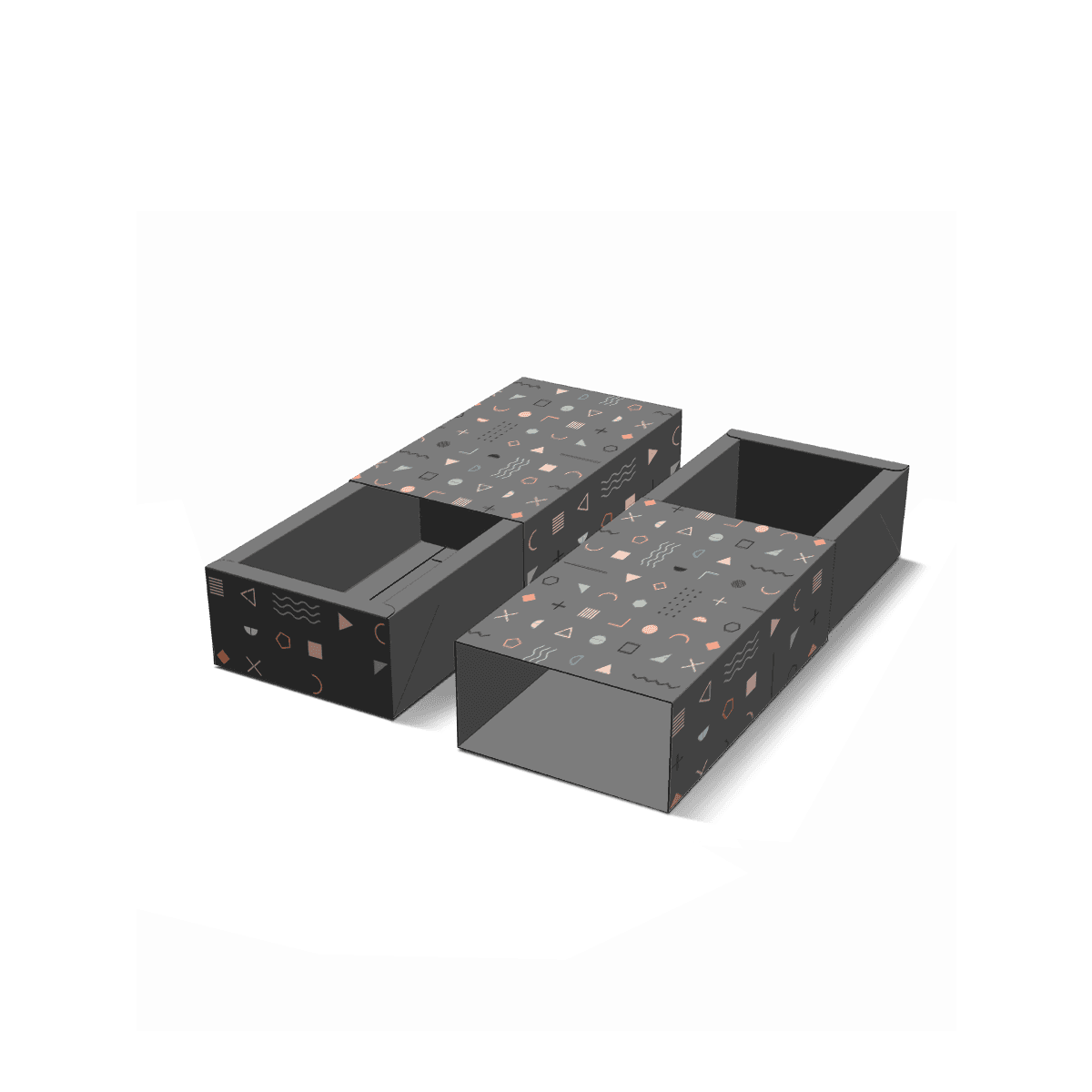
A compact paperboard carton or sleeve may provide sufficient external presentation.

The folding carton structures used for these products should follow the finished item and its packing method rather than a standard bottle specification.

A Grooming Set Needs a Packing Order

A multi-product grooming kit introduces a different problem from an individual shampoo carton.

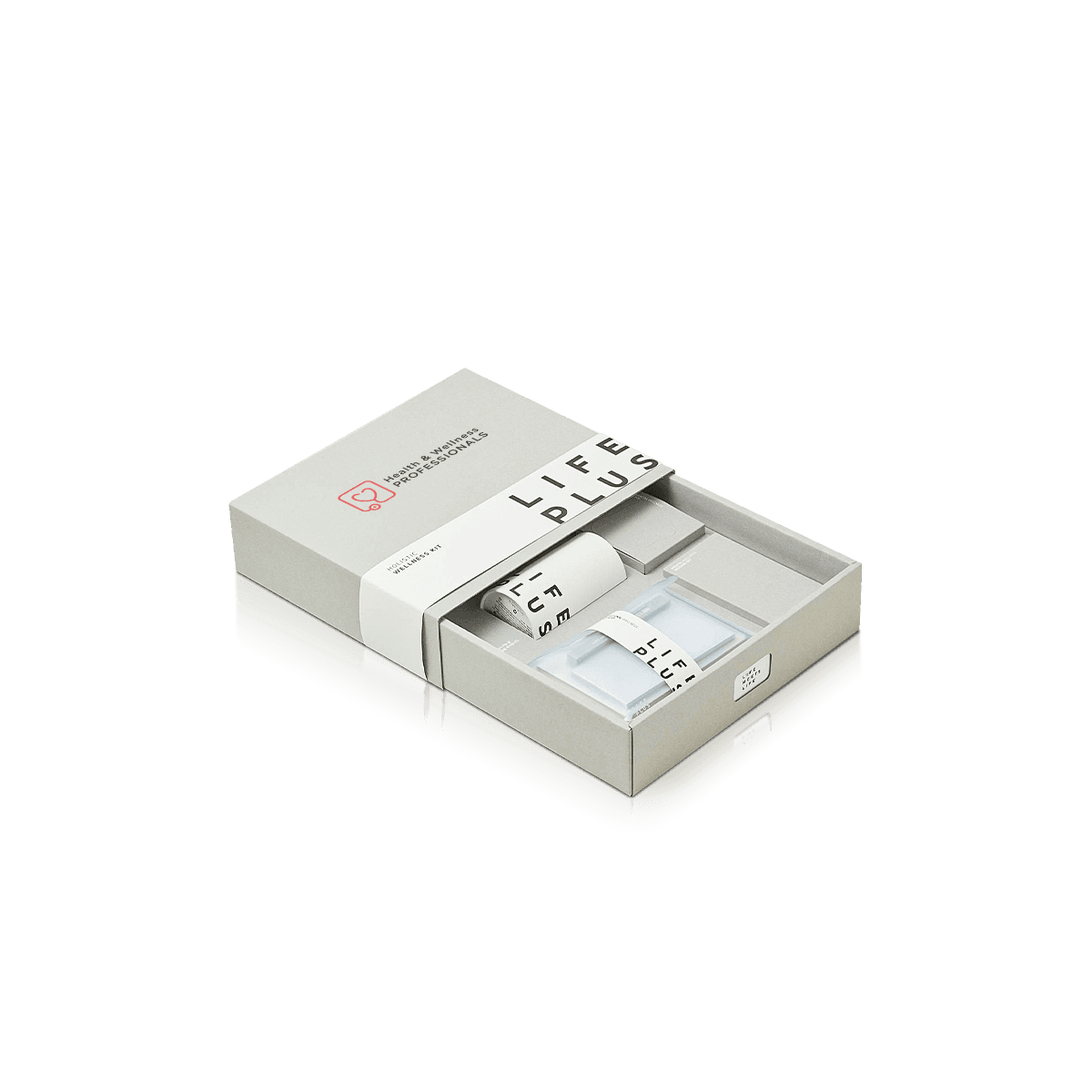
The products must remain organized, but the internal arrangement also needs to accommodate their differences in weight, shape and accessibility.

Consider a hypothetical dog grooming set containing a shampoo bottle, a small paw balm jar and a grooming brush.

If all three products are placed into one open cavity, the bottle can move against the jar during handling. The brush may also rub against the bottle label or become trapped beneath the heavier products.

Making the outer box larger would give those items more room to move.

A better arrangement assigns each product a defined position.

The shampoo bottle can sit in a supported compartment. The balm jar can occupy a separate cavity, while the brush is positioned where it cannot strike the other containers.

The packing order should follow that arrangement. Heavier items should not need to be balanced against lighter accessories while the carton is being assembled.

Paperboard Dividers

Folded paperboard dividers can separate bottles and small containers without requiring a thick protective insert throughout the entire box.

Their geometry should accommodate each item's actual profile.

Where a product has a vulnerable cap or pump, the divider should restrain the body rather than rely on the dispensing component.

Fitted Product Cradles

A shaped cradle can be appropriate when ordinary separation does not adequately control movement.

The support can hold a bottle, jar or other container at the required position.

Material selection should reflect the finished weight and the level of retention needed.

For a premium gift assortment where the presentation structure is itself part of the purchase, rigid pet product boxes can accommodate a more substantial interior.

Everyday grooming sets do not automatically require rigid construction. A well-organized folding carton may achieve the intended result with simpler assembly and less storage space.

Instructions Need Space on the Carton

Grooming products often require more explanatory copy than ordinary pet accessories.

Pet owners may need to identify the intended animal, understand the product's use and distinguish between formulations before making a purchase.

The packaging must also accommodate whatever labeling, instructions and warnings are required for the specific product and its approved claims.

A shampoo, coat spray and cleansing product should not be given identical messaging simply because they share a brand.

Front-Panel Priorities

The front panel should establish the product name, intended pet and main approved product function.

Where the formulation is intended for a particular coat type or use, that distinction should be easy to identify.

Size and net quantity should appear in appropriate positions.

Avoid allowing decorative artwork to obscure the difference between two products that perform different grooming tasks.

The principles behind packaging decisions for beauty products also apply to liquid pet care products, particularly where container fit, formulation characteristics and retail presentation intersect.

Directions and Product Claims

Side and back panels can accommodate approved directions, ingredients, warnings, manufacturer information and other applicable labeling.

The precise requirements depend on the formulation, intended use and claims.

A routine cleansing product and a product making therapeutic or pest-control claims may have different regulatory obligations. Those obligations should be established through the appropriate product compliance review before the packaging artwork is approved.

The printed carton must accurately represent the product. A packaging supplier's artwork approval does not replace product-specific regulatory review.

Product Identification

Lot numbers, batch information and other product identifiers should have an appropriate location when required.

If the information will be applied during filling or packaging, reserve a suitable surface for the intended marking method.

Avoid placing variable data across a fold, glue seam or heavily textured finish without confirming that the marking method works there.

The artwork should also leave enough space for barcodes and any retailer-specific information.

Retail Printing for Pet Care Brands

The visual identity should help customers recognize the grooming line without making its products difficult to distinguish.

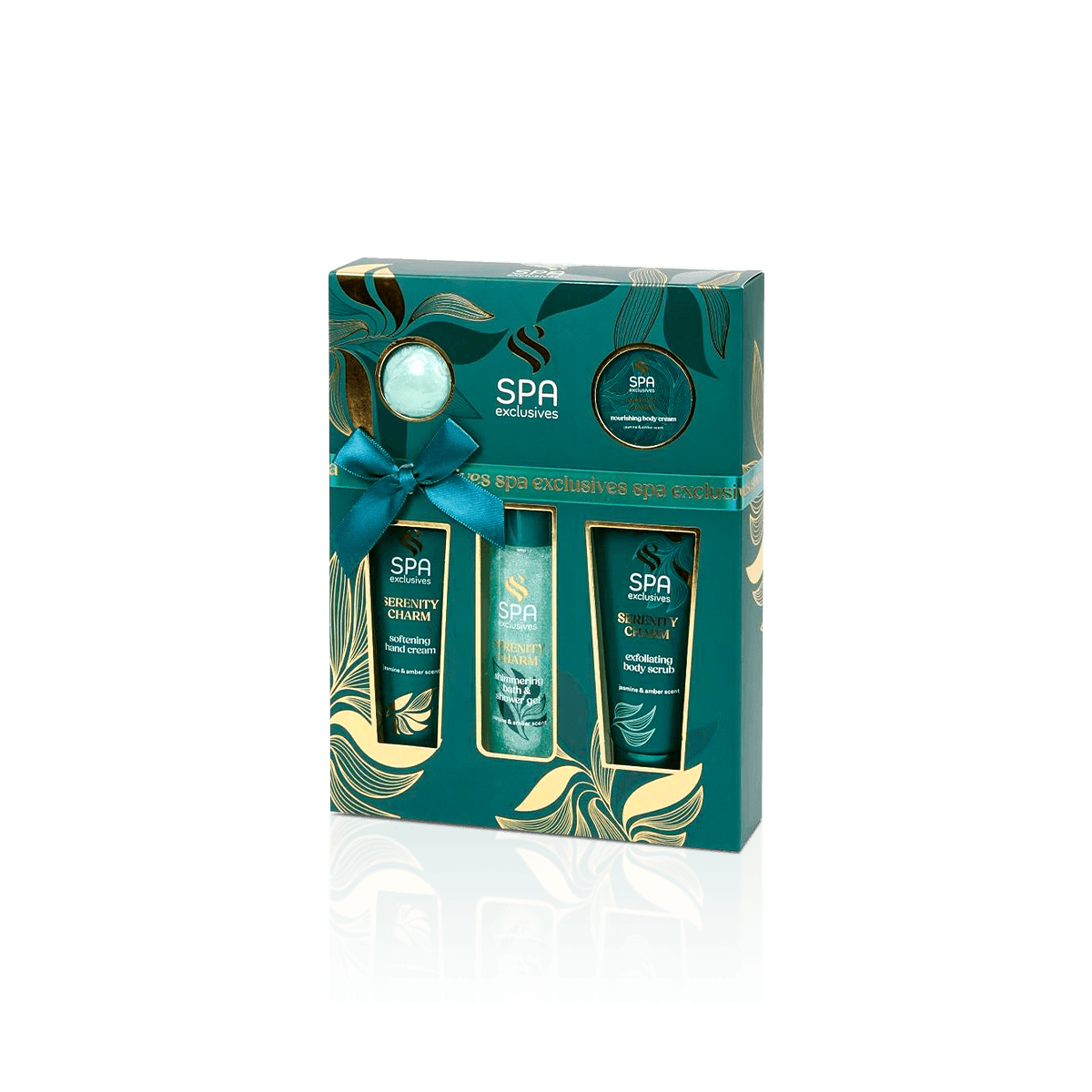
A coordinated shampoo and conditioner set can share typography, logo placement and structural proportions while using different product names and identifiable variant cues.

For brands selling through pet stores, grooming salons and ecommerce channels, that consistency can carry across the individual cartons and the surrounding retail presentation.

Custom Packly supports premium offset printing, CMYK artwork and Pantone color specifications where appropriate.

A free 3D mockup can help assess the assembled design, including the visibility of product names and the relationship between front and side panels.

Carton Surface and Finish

SBS paperboard can support sharp graphics and clean printed surfaces.

Kraft stock may suit a simpler visual direction where its natural color works with the brand.

Matte and gloss treatments can change the appearance and handling characteristics of the finished carton.

However, a decorative coating should not be treated as a substitute for liquid containment.

A carton exposed to leaking shampoo may still suffer staining, adhesive failure or structural damage even if its exterior has been finished.

Windows and Product Visibility

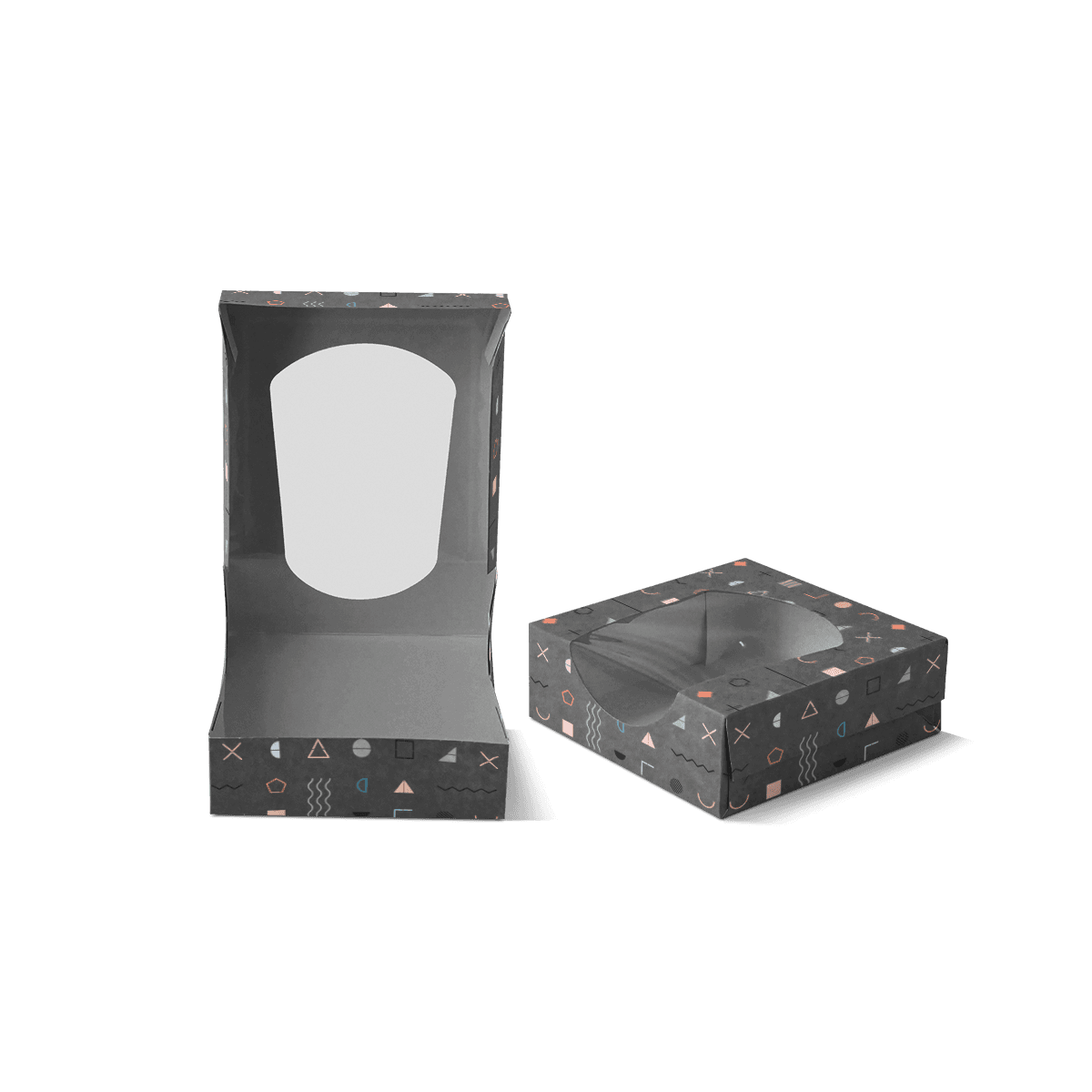
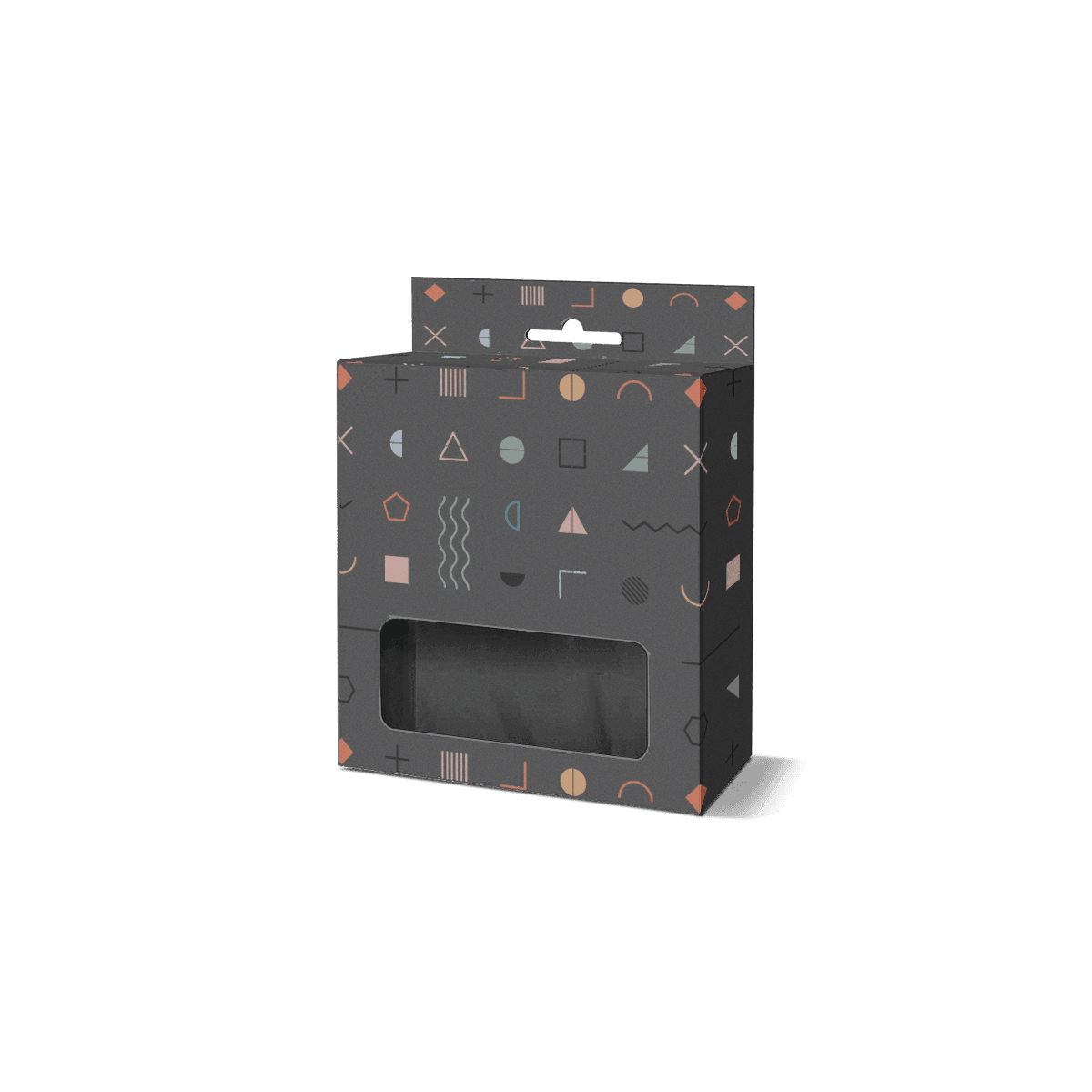
A window can help customers identify an unusual container or distinguish between products sold in similar cartons.

It should serve a specific merchandising purpose.

For a grooming bottle, the opening must not remove the printed space needed for important instructions or create a weak area near a loaded panel.

The visible product should also be positioned consistently so that the intended part of the bottle appears through the opening.

For routine shampoo packaging, a closed carton with strong product identification may be more practical than a window that adds manufacturing complexity without improving the purchase decision.

The Extra Carton Must Earn Its Cost

Not every pet grooming product needs an individual printed box.

A durable shampoo bottle with a complete label may already be suitable for its intended retail environment.

An outer carton becomes commercially worthwhile when it performs a job the primary container cannot perform as effectively.

That may involve additional printing space, a coordinated multi-product presentation, protection for vulnerable dispensing components or a consistent retail footprint.

A compact folding carton can be appropriate for an individual bottle. A more substantial construction may be justified for a heavier container or multi-product set.

For a grooming line with several products, the decision should be made individually rather than automatically boxing every SKU.

Custom Packly's USA minimum order quantity starts from 100 boxes, allowing brands to introduce an appropriate retail carton without requiring a substantially larger first production run.

The instant custom packaging quote can be based on the intended carton construction, quantity, printing and any genuinely necessary internal support.

For an established product sold primarily in its own bottle, eliminating an unnecessary secondary carton may be the more sensible packaging decision.

Grooming Cartons on the Packing Line

The carton needs to work with the way the manufacturer fills, closes and packs the primary container.

A technically suitable box can still create unnecessary packing labor if each bottle must be manipulated repeatedly to fit into the structure.

Establish whether the cartons will be assembled manually or by packaging equipment, and identify the intended loading direction.

Bottom Closure and Assembly

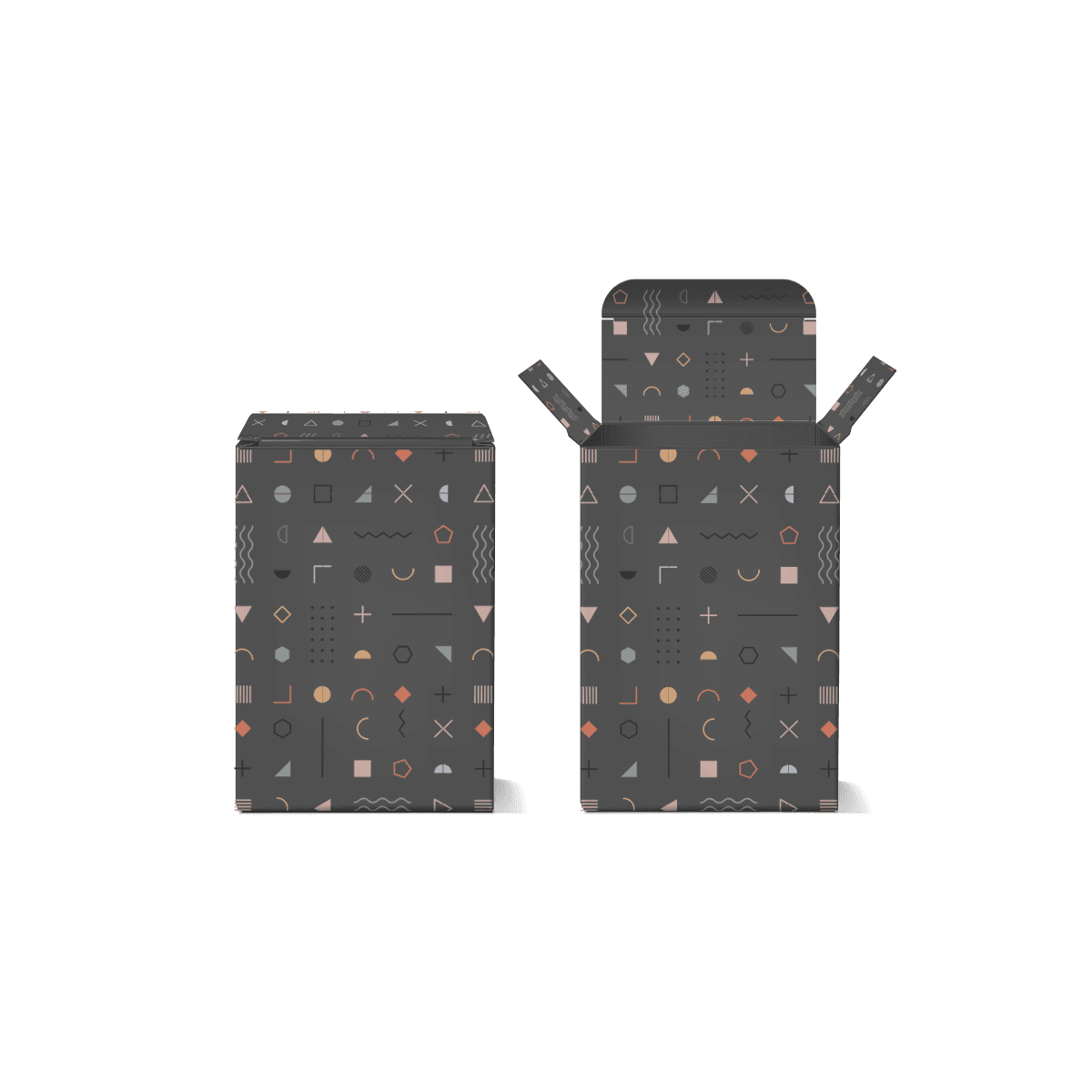
A conventional tuck-bottom carton may be suitable for lighter products and manual packing.

An appropriately specified automatic-bottom construction can reduce some assembly steps where the packaging process justifies it.

The required bottom strength still depends on the filled product and the actual construction.

For a grooming bottle, the packer should be able to insert the container without forcing the closure against the carton.

Packing Orientation

The bottle's intended position should be established before the carton is developed.

An upright bottle may be the natural choice for retail display, but the loading method needs to account for any dispenser, clip or seal.

For a multi-item grooming set, the internal supports should remain in their intended positions as the contents are inserted.

Any separate restraint used for a pump or trigger must be consistent with the primary container manufacturer's approved packing method.

Artwork and Dieline Approval

The packaging dieline connects the finished carton dimensions to its folds, flaps, glue areas and printed panels.

For grooming products, this is especially important where a tall closure, product insert or dispensing feature affects the structure.

The free dieline generator can support initial planning for compatible standard structures. Specialty constructions and custom internal supports need a project-specific layout.

Custom Packly provides free design and dieline support to help prepare the final packaging specification.

From the Retail Shelf to the Customer

Grooming products can reach customers through pet stores, professional salons, online orders and subscription shipments.

The individual retail carton should be specified for its intended handling conditions rather than assuming it must perform every distribution job.

For store sales, the main priorities may be a stable footprint, readable instructions and appropriate bottle retention.

For ecommerce orders, the surrounding parcel needs to protect the retail pack and its contents during distribution.

A tall bottle should not be allowed to move freely inside an oversized shipping carton. Likewise, another product in the same parcel should not press against its pump or cap.

The distinction between retail and ecommerce packaging becomes especially important for liquid care products because their primary closures remain vulnerable during transit.

A suitably specified mailer box may be appropriate for lighter grooming products or organized care sets.

Heavier orders, fragile containers and larger wholesale quantities may require a stronger shipping construction.

The retail carton and outer shipping package should perform complementary jobs rather than adding unnecessary material to both.

Refills Change the Packaging Decision

A grooming brand may sell its main shampoo in a rigid bottle while introducing a refill in a flexible pack.

These products can share a visual identity without requiring identical packaging.

The original bottle may benefit from a printed carton when it needs additional retail information or a coordinated launch presentation.

A refill may already have sufficient printed space and an appropriate primary barrier. Adding an individual carton could introduce unnecessary material and cost.

If several refill packs are sold together, a secondary carton may make sense for multipacking or retail organization.

For an established pet care line, pet product packaging can use different structures for individual grooming products, accessories and replenishment packs while maintaining a consistent brand identity.

Where the same bottle construction is used across several formulations, a common carton dieline may be practical.

However, a change to the pump, trigger, cap or container dimensions should trigger a review of the existing carton fit.

For suitable larger orders, Custom Packly supports US production, warehousing and scheduled deliveries. Standard turnaround is 4–6 days after final artwork and specifications are approved, although complex structures, specialty materials and advanced finishes may require additional time.

The Pack Should Follow the Care Routine

The final packaging decision is how the customer will use the grooming product after purchase.

A customer may remove a shampoo bottle from its carton and discard the secondary packaging immediately. A coordinated grooming kit may remain in its box until the individual products have been used.

These are different customer experiences, and the carton should reflect the intended use.

For an individual shampoo, the box should make the product easy to identify and leave the customer with the instructions and labeling needed for its continued use.

For a grooming kit, the internal arrangement can help customers identify each product and understand the intended sequence, provided the structure remains practical for the actual contents.

The carton should never become the only location for essential instructions that must remain with the product after the outer packaging is discarded.

Custom Packly's packaging experts can help assess the construction, printing and product arrangement for an individual grooming item or coordinated care set. The aim is to produce a carton that supports the actual grooming product rather than adding an unnecessary layer around it.

FAQs

Usually no. They are most often secondary packs around bottles, jars, tubes, bars or wipe tubs while the primary container handles direct product contact.

Shampoo and conditioner bottles, paw-care balms, detangling sprays, brush sets, wipe tubs and multi-product grooming kits are all strong candidates when they need clearer shelf presentation.

Yes. Cartons give more usable panel space for scent notes, skin-sensitivity claims, usage steps, caution copy and barcode placement than many primary containers alone.

Grooming Product Boxes are usually better for faster-moving retail products and everyday care lines that need lower pack weight and easier case packing. Rigid Pet Product Boxes fit premium gift sets or higher-end presentation programs better.

It can when the structure is planned as a family. A tailor-made range can keep one visual system while adjusting depth, inserts and closure style for each product format.

Process

How it works

Your Packaging Journey, From Idea to Production and Delivery

01

Tell Us Your Specs

Custom packaging boxes

Tell Us Your Specs

Provide size, quantity, printing, and finishes.

02

Get a Fast Quote

Custom packaging boxes

Get a Fast Quote

Instant transparent pricing, no hidden fees.

03

Design and Approval

Custom packaging boxes

Design and Approval

Artwork checks, revisions, and final sign-off.

04

Produce

Custom packaging boxes

Produce

Expert manufacturing to meet deadlines.

05

Ship to Your Door

Custom packaging boxes

Ship to Your Door

Hassle-free, flexible delivery options.

Get Your Quote for Custom Grooming Product Boxes

Share your product details, size, quantity and artwork needs. We’ll help choose the right packaging style and send a clear quote.