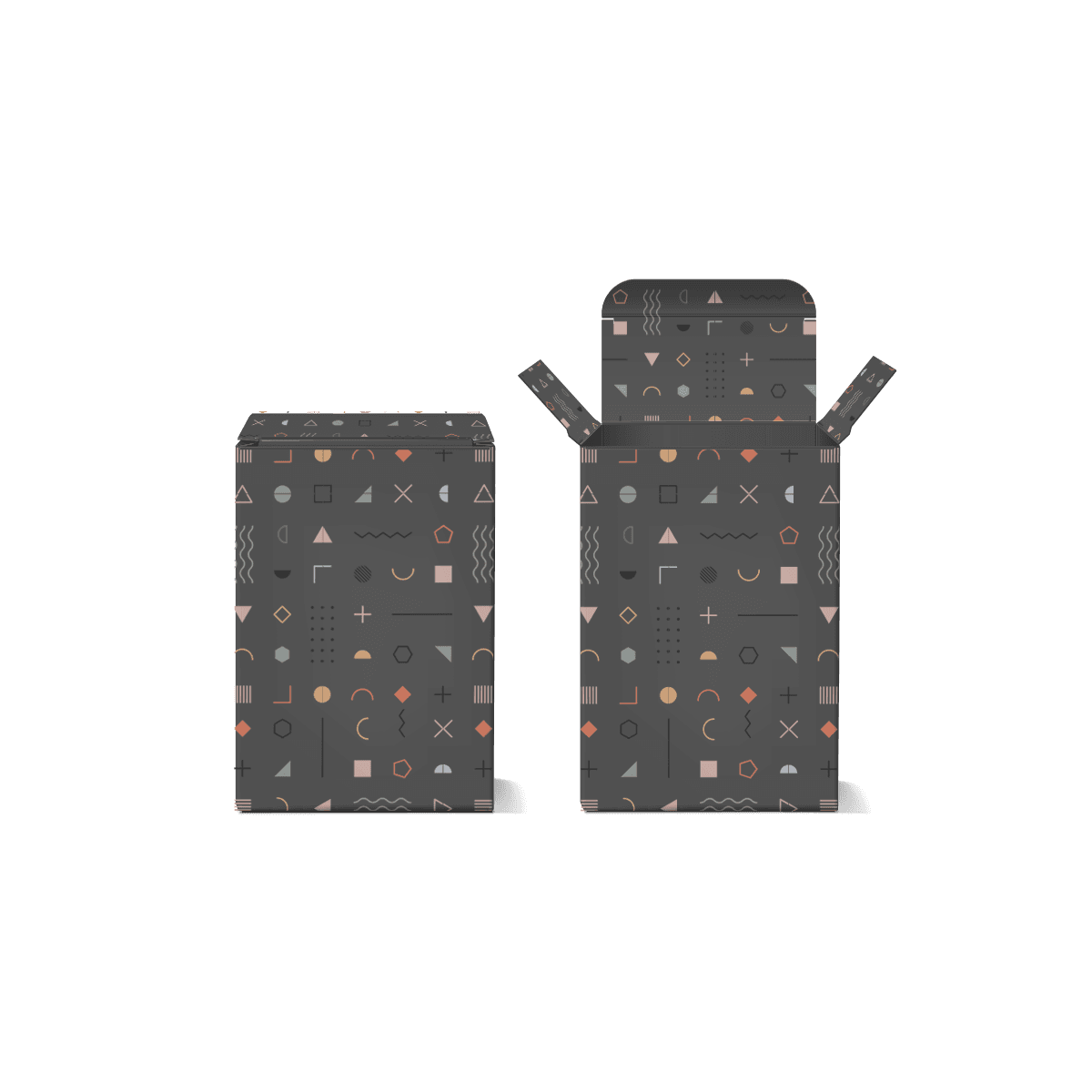
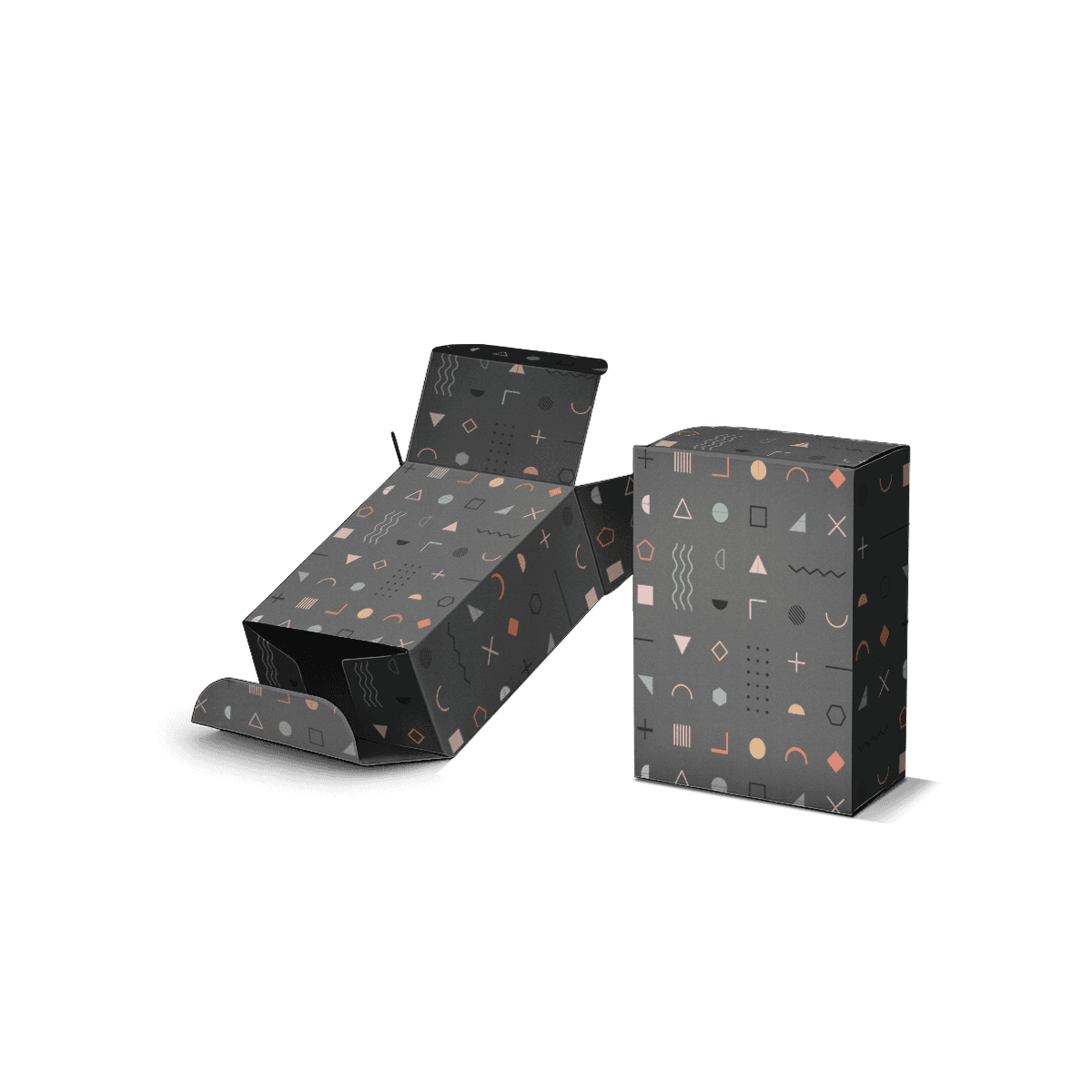
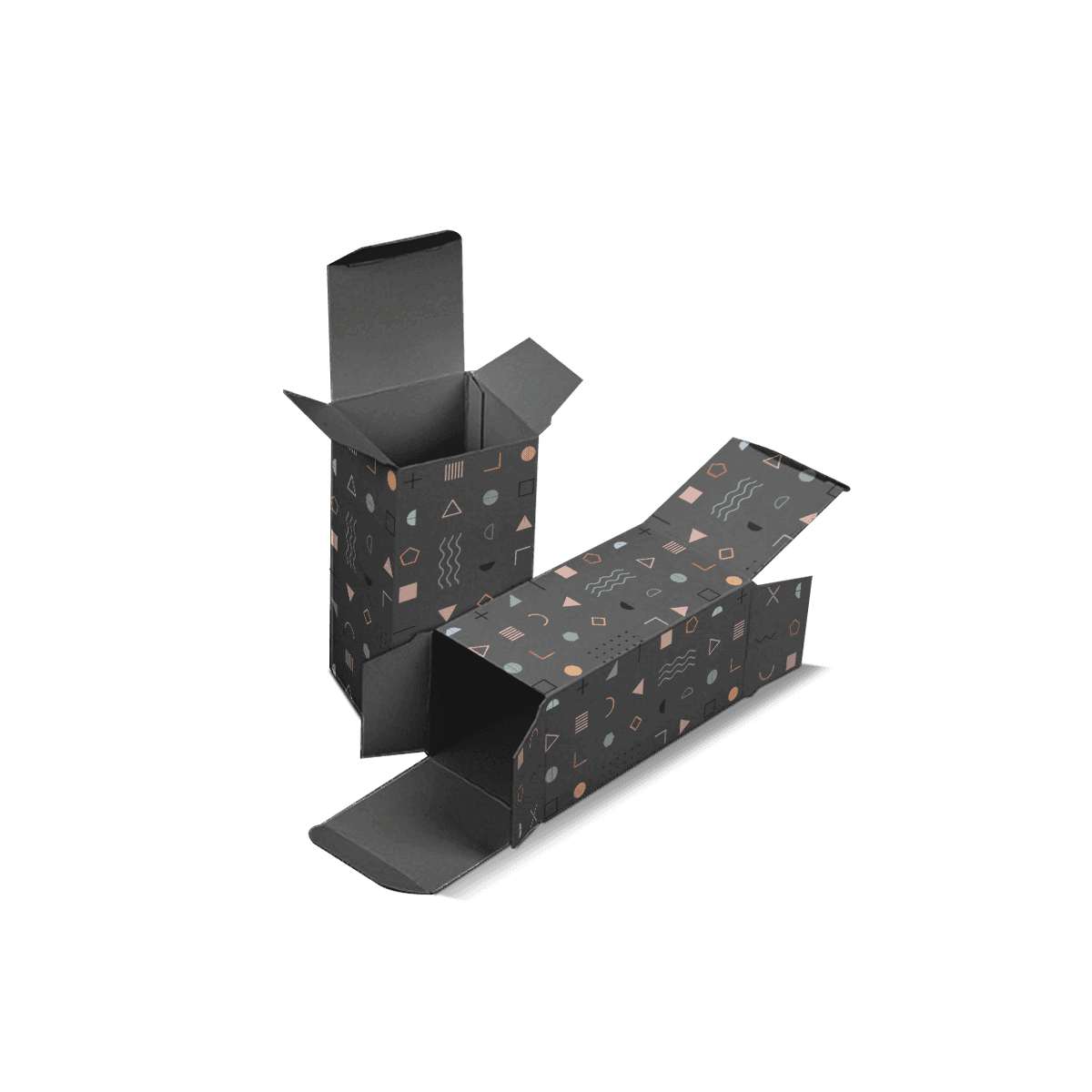
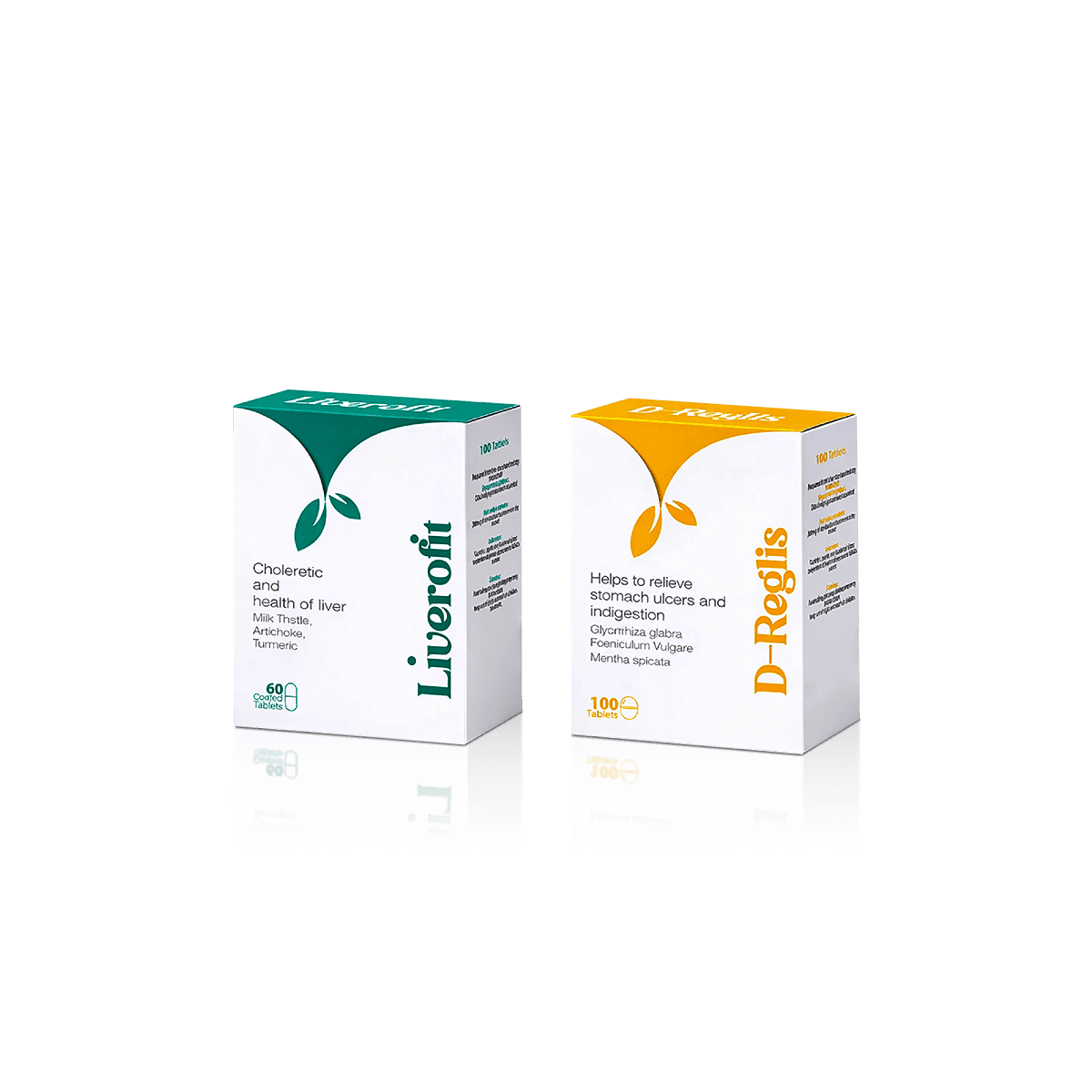
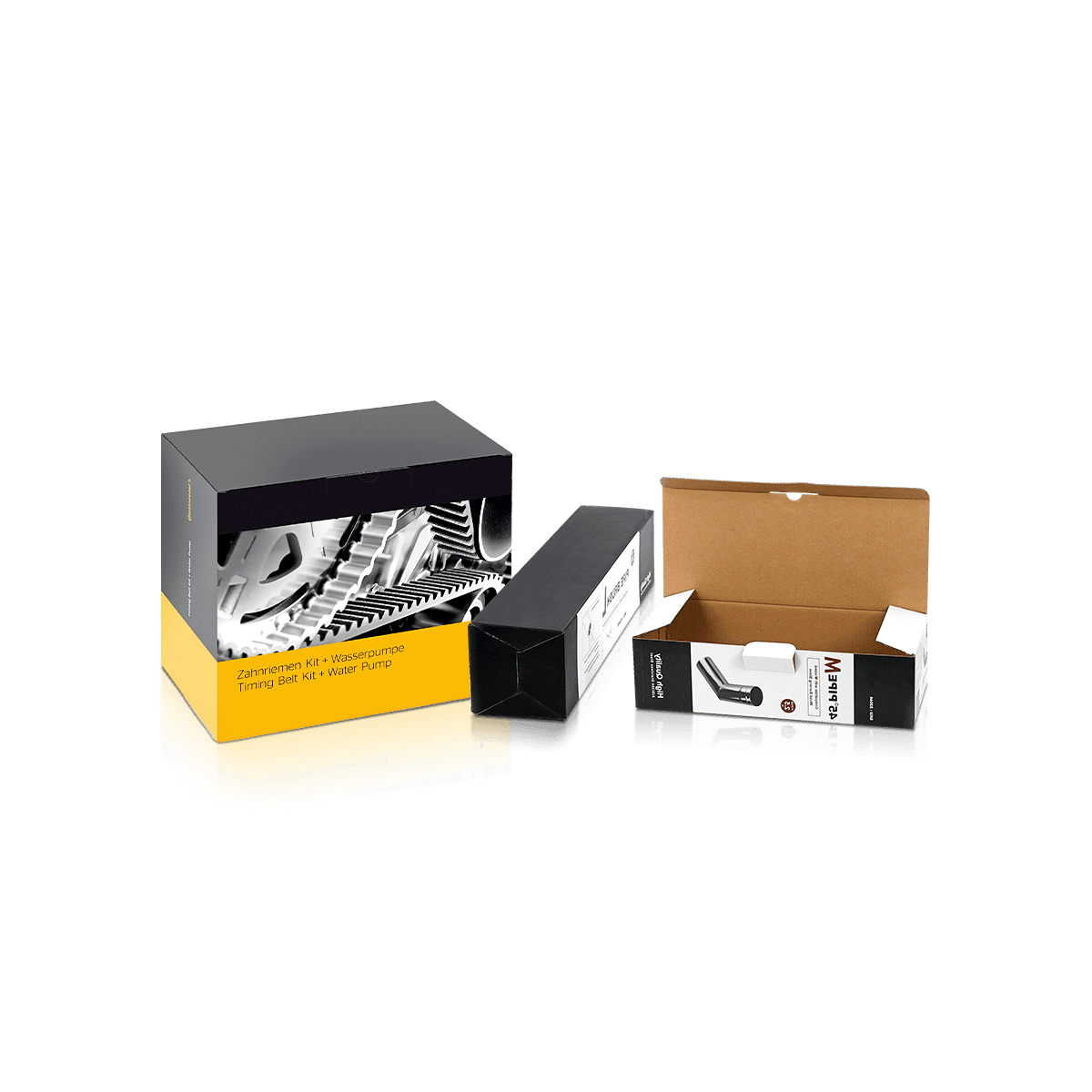
Opposed Tuck Closure
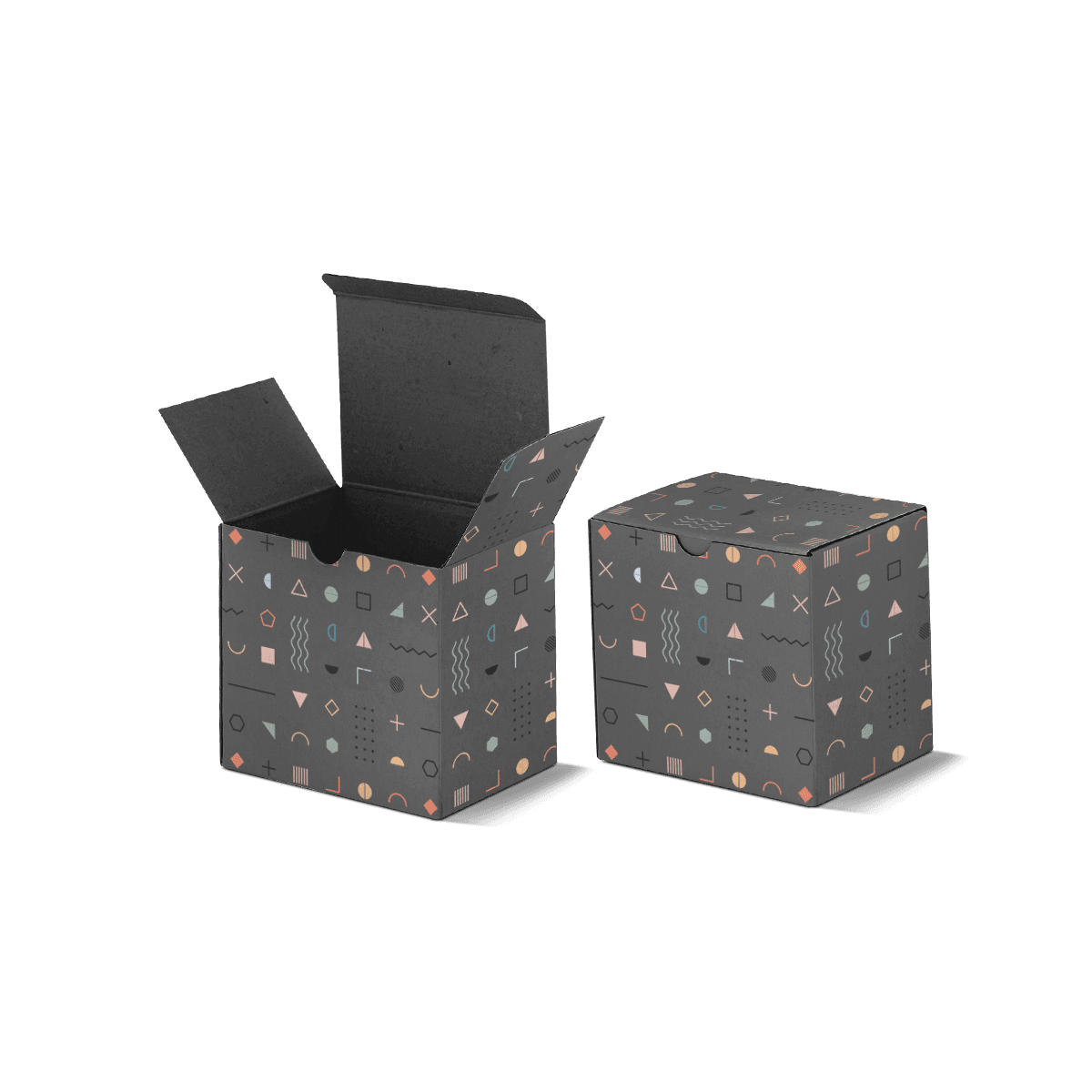
Top and bottom flaps close in opposite directions for a compact, efficient carton layout.
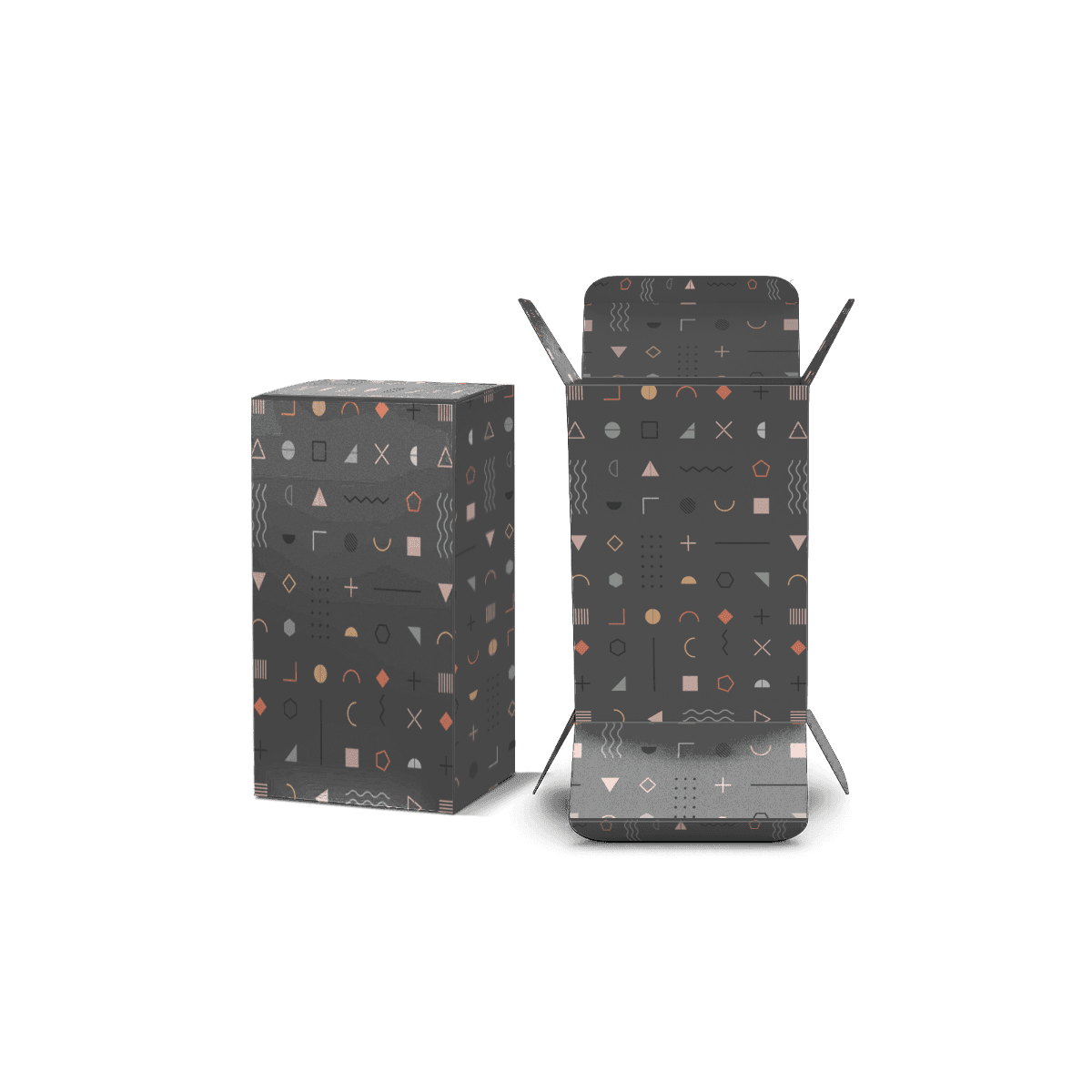
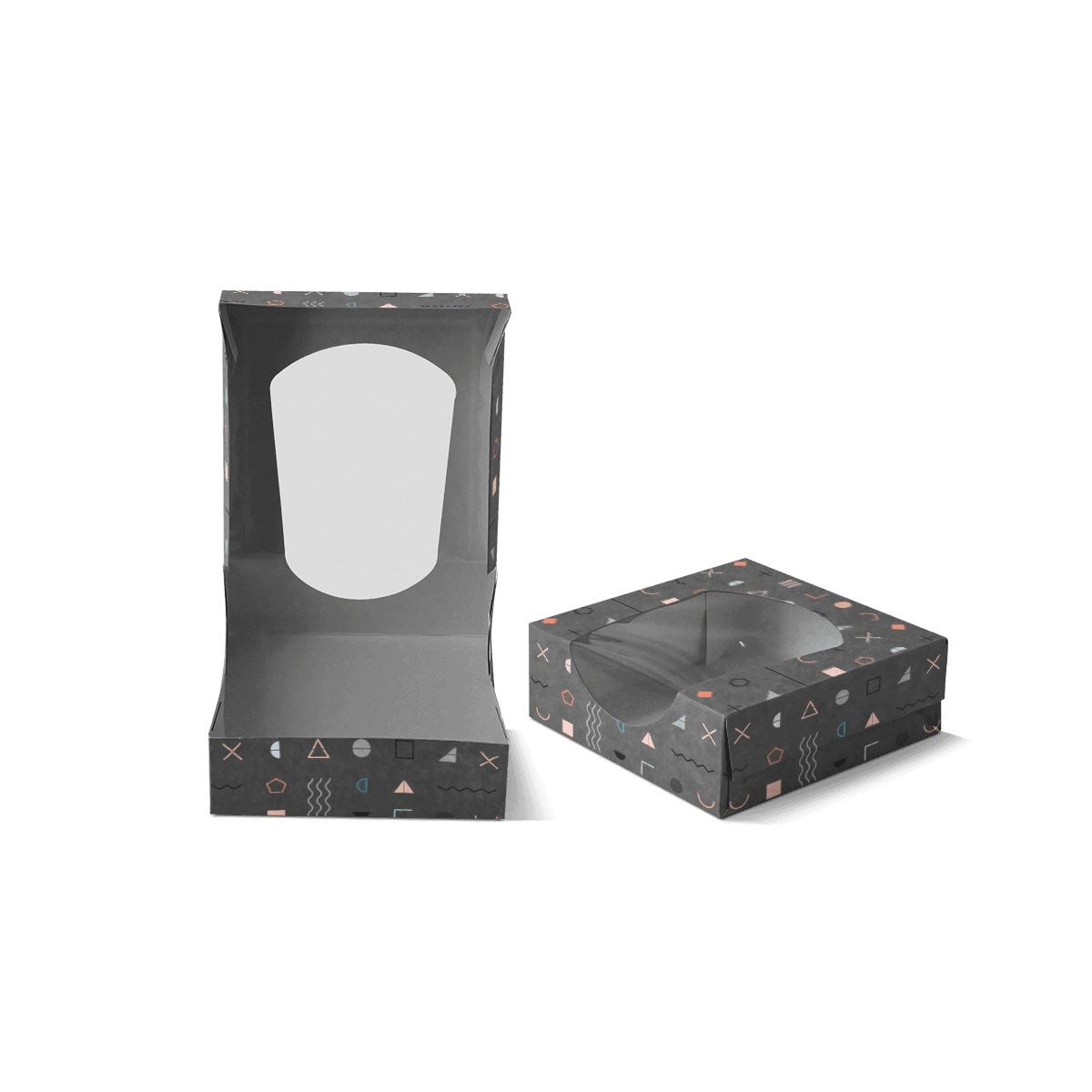
Choose Reverse Tuck-End Boxes when pack-out speed, shelf presentation, and efficient material use matter more than heavy-load strength. This folding carton style uses opposite-direction tuck flaps to keep the structure simple, practical, and easy to reopen, which makes it useful for retail packaging, sample packs, pharmacy cartons, and compact consumer goods. It works well in SBS paperboard, kraft board, and recycled paperboard, and it supports high-resolution printing, Pantone matching, aqueous coating, die-cut windows, and bespoke sizing when a brand needs a cleaner fit without moving into a more complex box style.
Quick to fill for hand-packed orders
Clean panel space for retail artwork and product info
Economical choice for lightweight cartons
Easy for end users to open and reclose
Flexible enough for short runs or bulk production
Top and bottom flaps close in opposite directions for a compact, efficient carton layout.
Front, side, and back panels hold branding, ingredients, instructions, and barcode copy more cleanly.
The structure supports steady hand packing and fulfillment-friendly assembly for light products.
Apply matte, gloss, soft-touch, spot UV, or window patching based on shelf and product needs.
Add customizable dimensions, thumb notches, or a tailor-made insert for a better product fit.
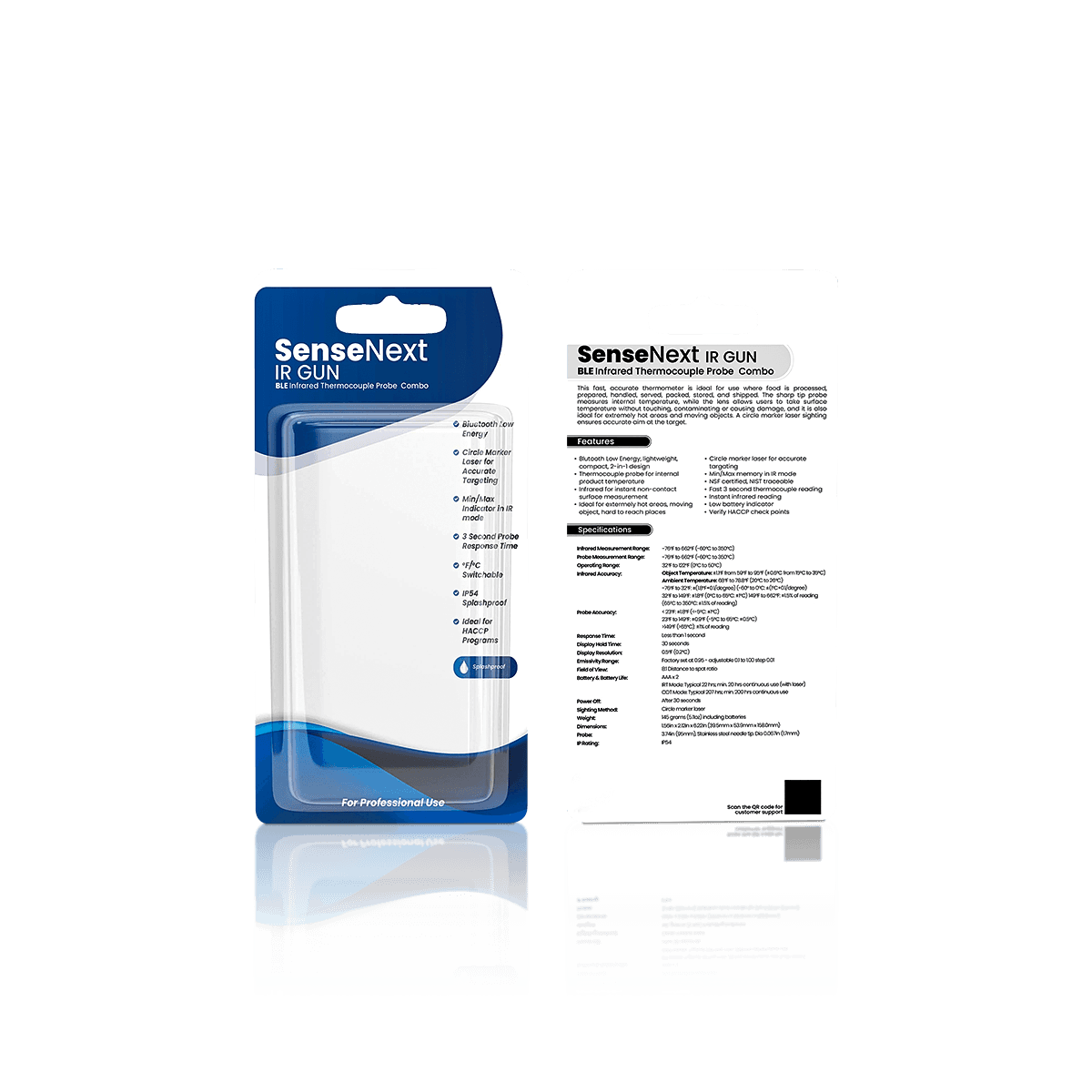
Blister cards, ointments, tablets, and other pharmacy cartons
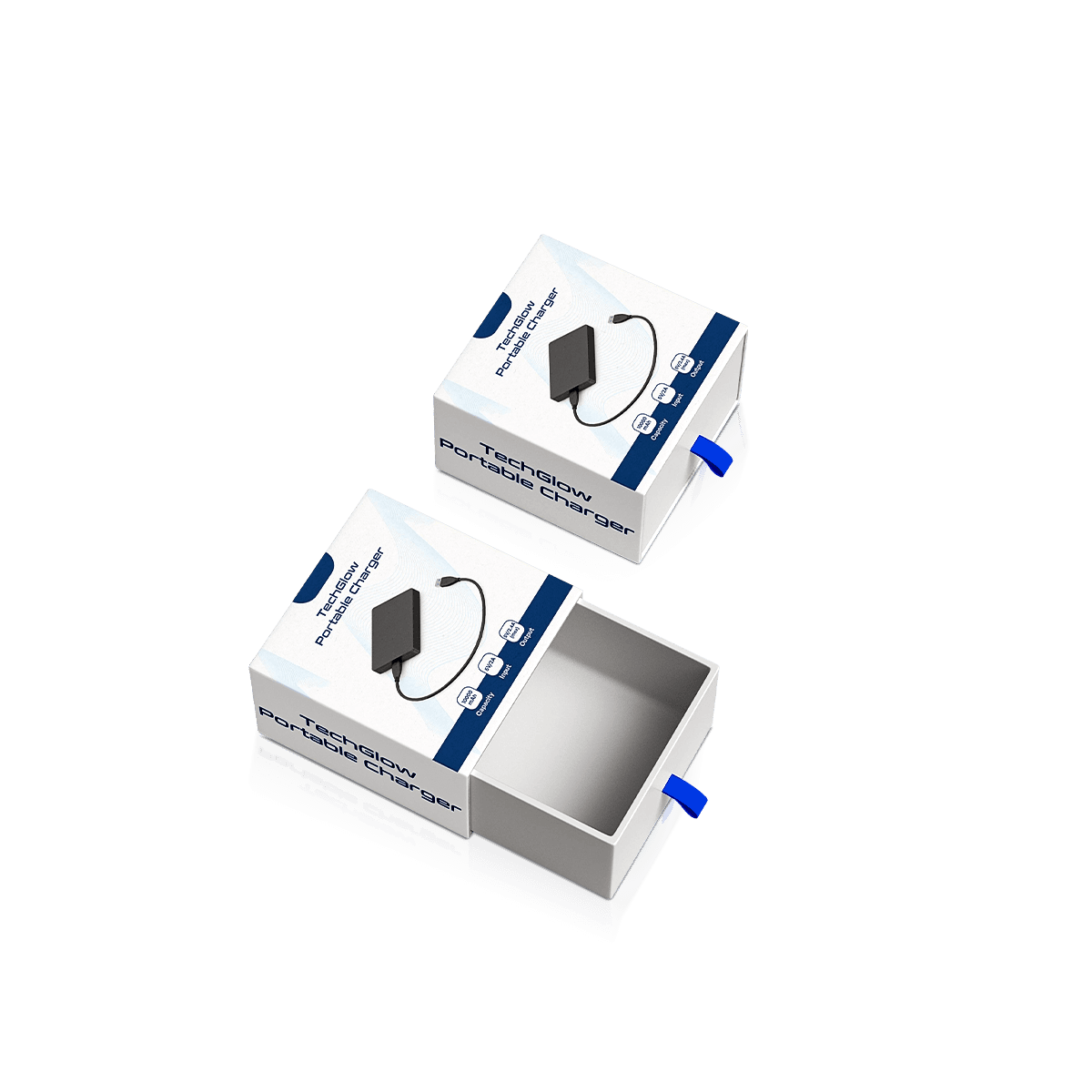
Chargers, cables, adapters, and compact electronics accessories
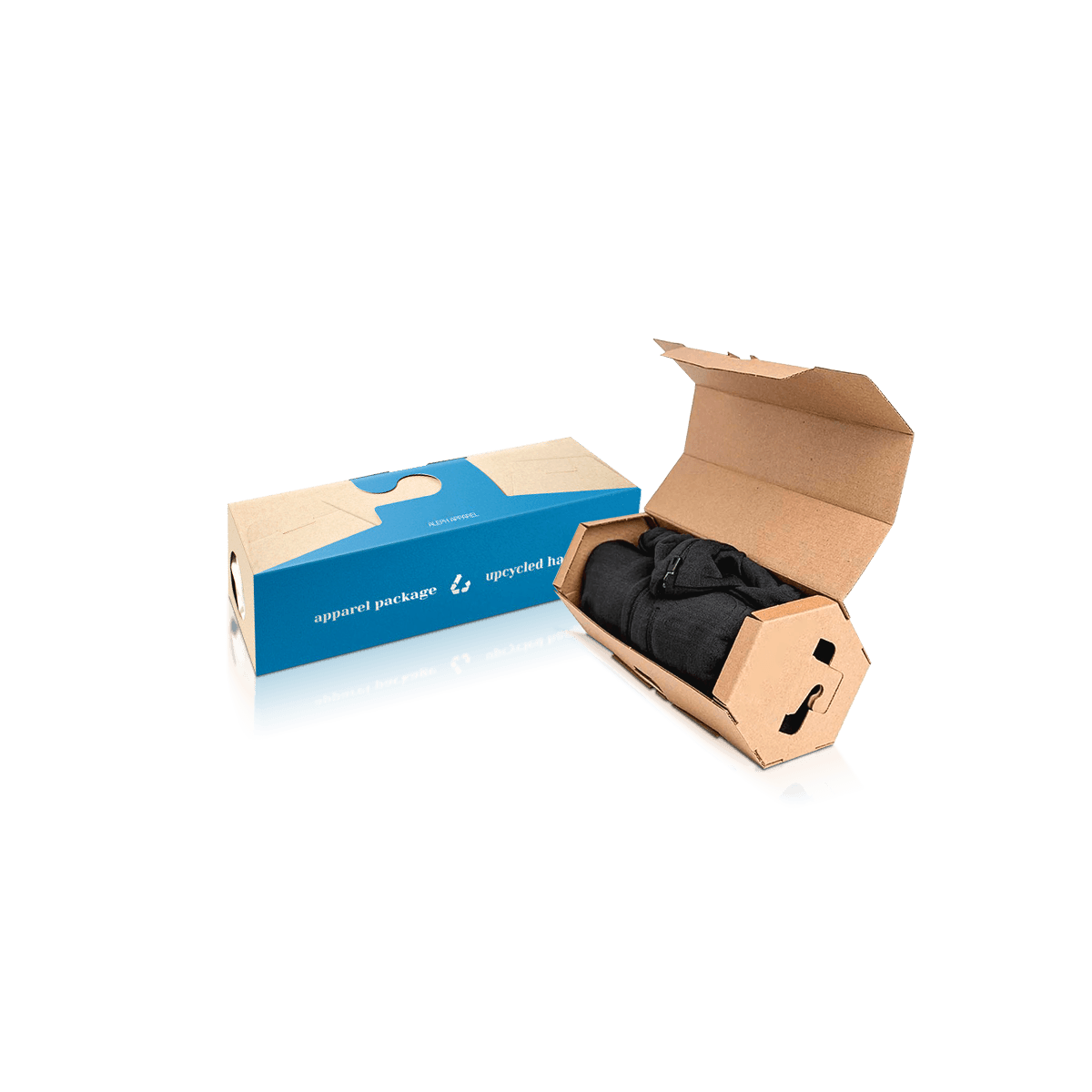
Socks, ties, and other folded apparel add-ons
Tea sachets, nutrition bars, and lightweight dry product packs
Small repair parts, hardware components, and maintenance consumables
Simple steps from idea to delivery
Tell Us Your Specs
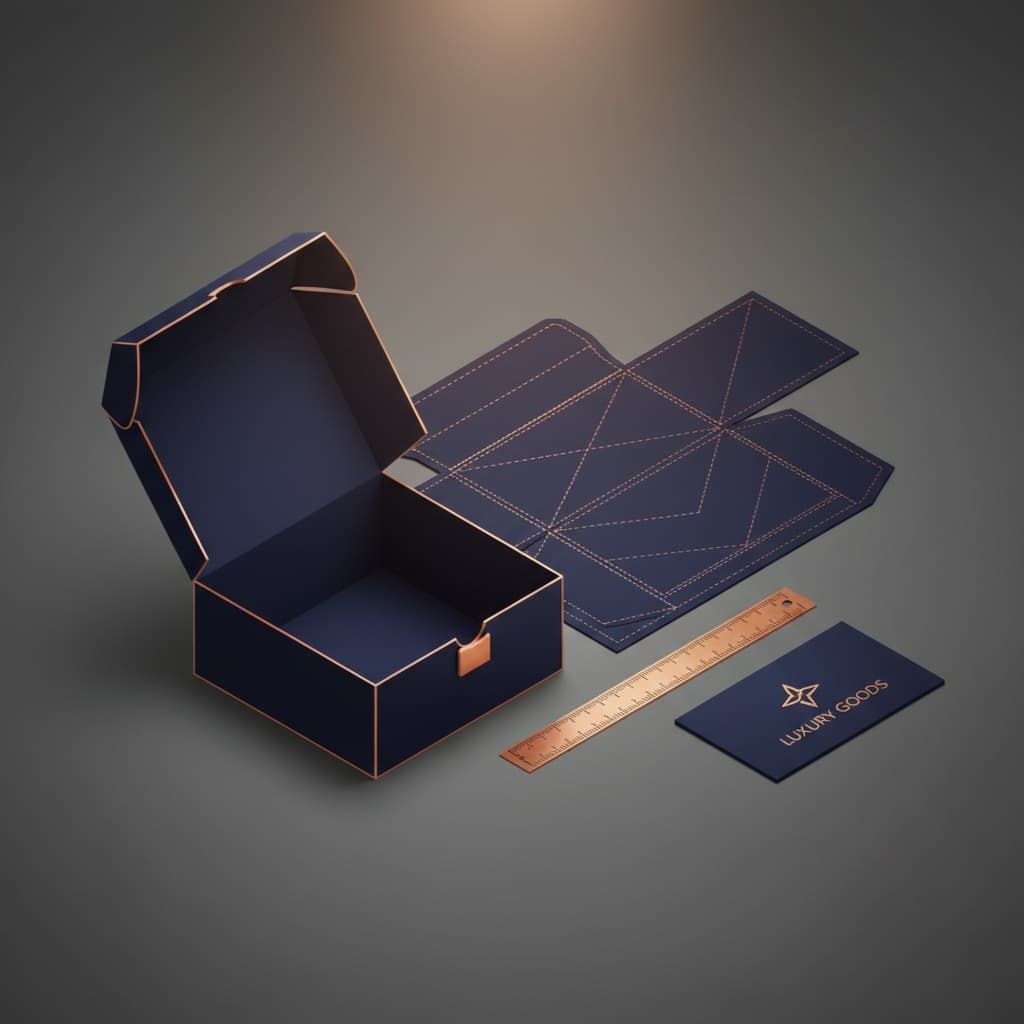
Provide size, quantity, printing, and finishes.
Get a Fast Quote

Instant transparent pricing, no hidden fees.
Design and Approval

Artwork checks, revisions, and final sign-off.
Produce

Expert manufacturing to meet deadlines.
Ship to Your Door

Hassle-free, flexible delivery options.
Share your product details, size, quantity and artwork needs. We’ll help choose the right packaging style and send a clear quote.