Protect the Formed Blister Cavities
A blister card is not a flat sheet. Its formed cavities project beyond the backing material, creating raised areas that need clearance inside the outer carton.
If the box is too shallow, its panels can press against those cavities. If it is unnecessarily deep, the blister cards may move during handling.
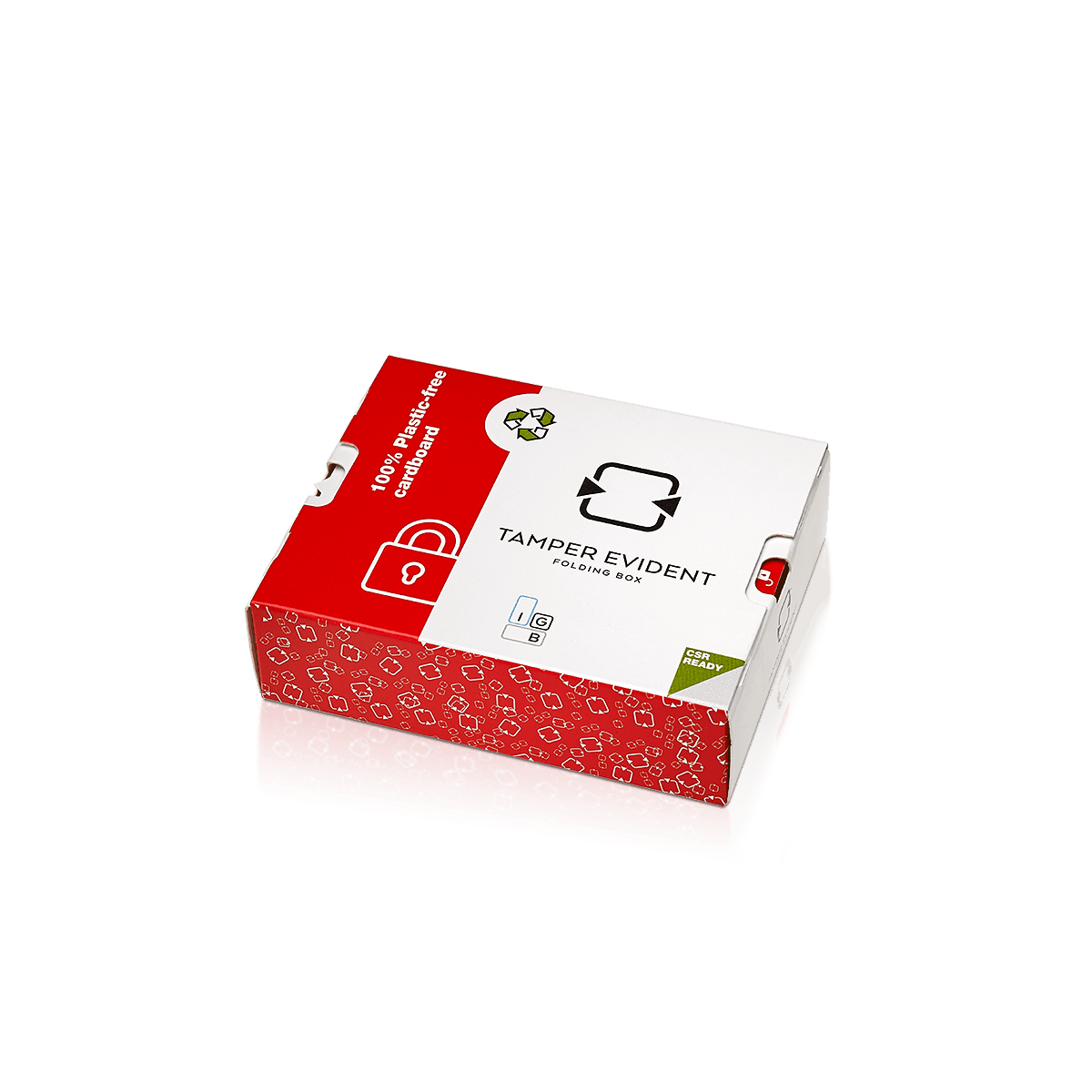
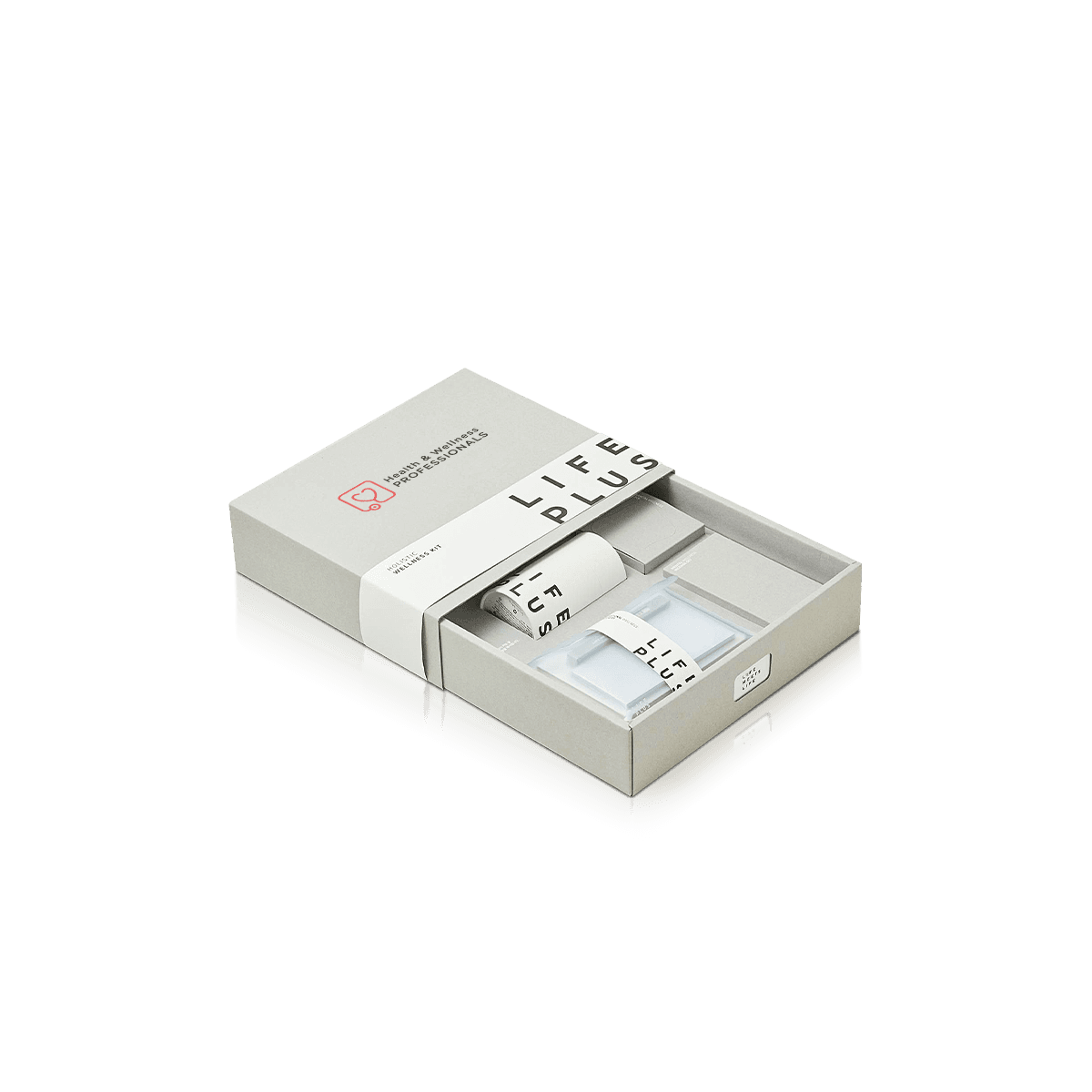
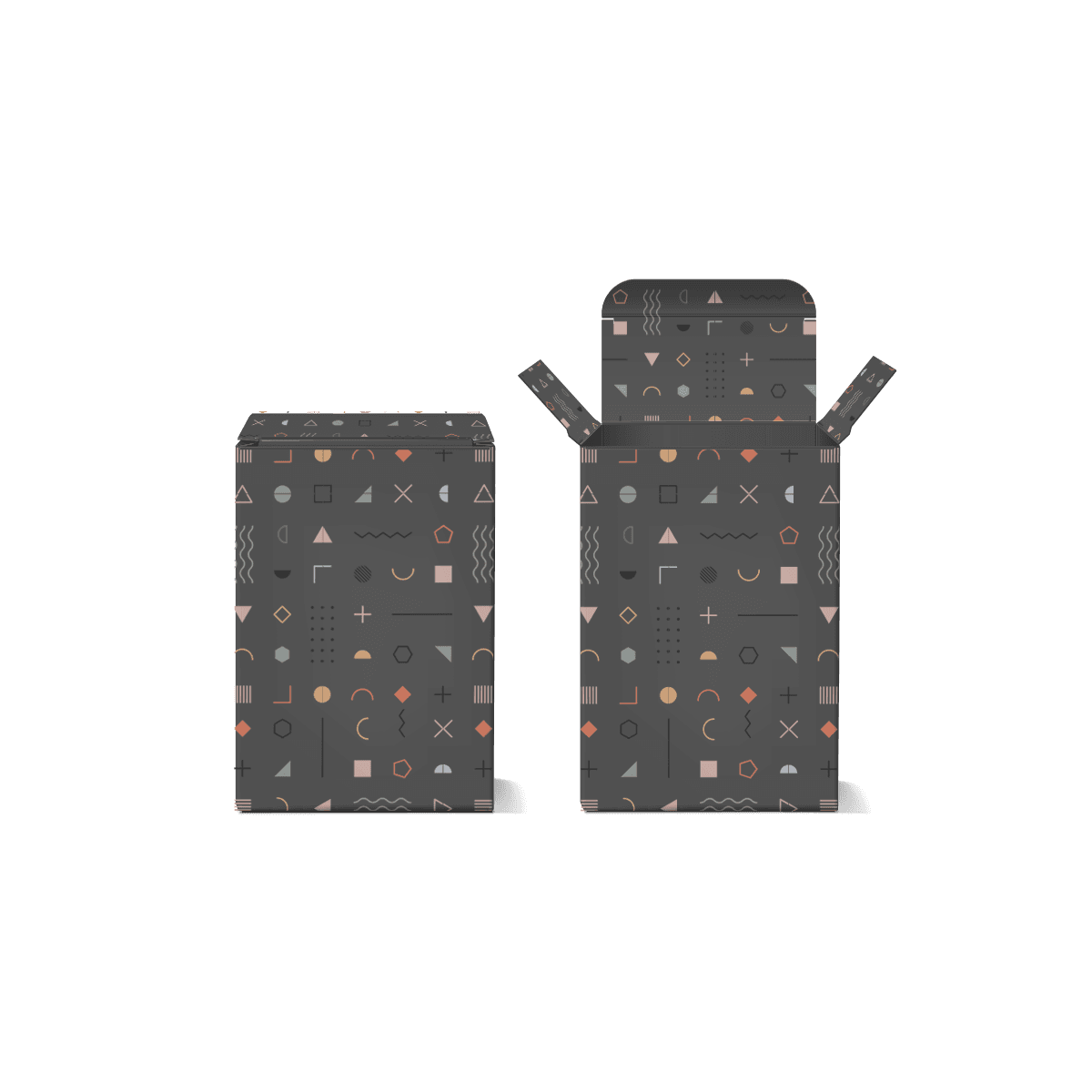
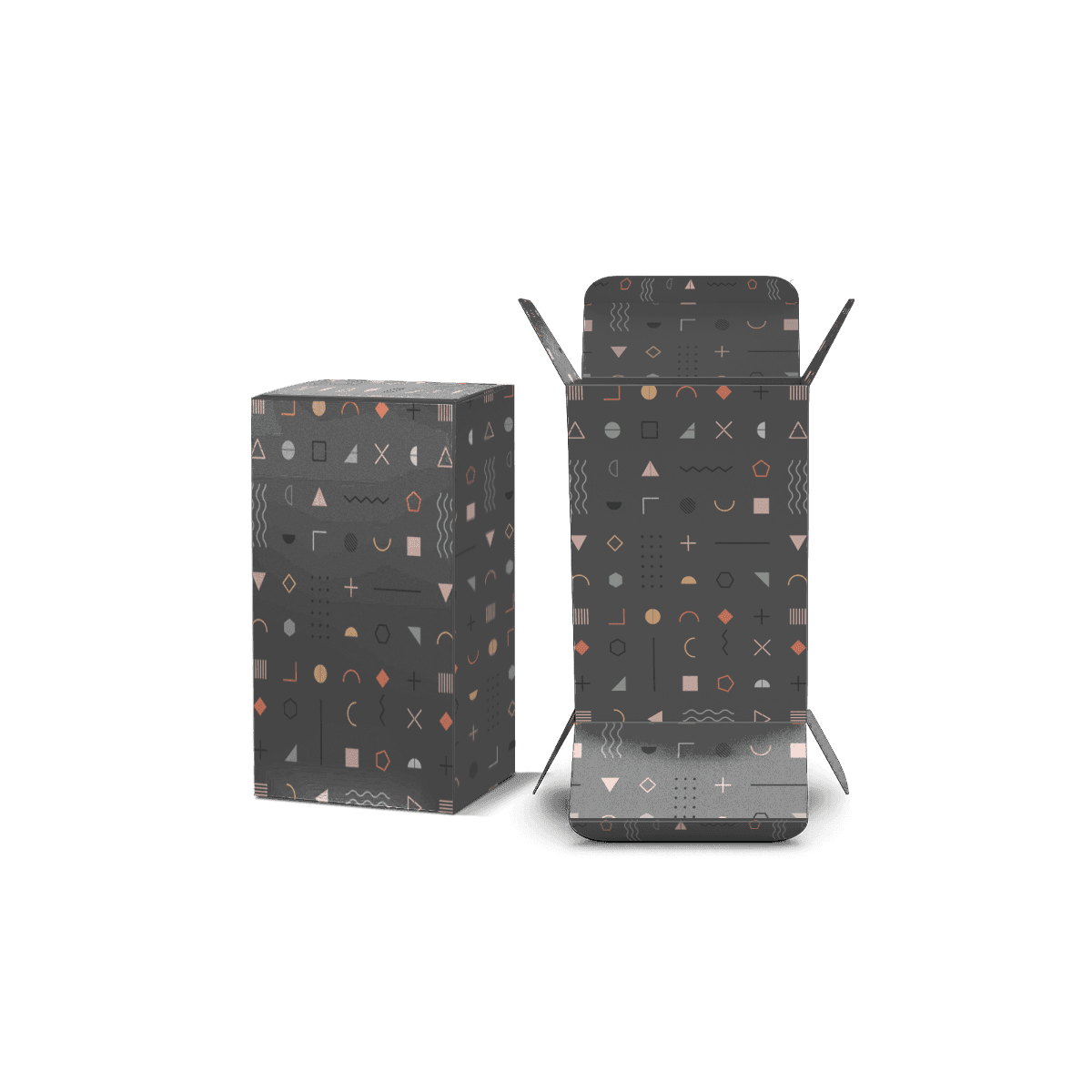
Custom Blister Pack Outer Boxes are secondary paperboard cartons made to accommodate blister cards, folded leaflets and the required number of packaged doses.
They give pharmaceutical and wellness products additional printed surfaces while helping organize the primary packs during packing, storage and distribution.
The first structural decision is how the actual blister cards will sit inside the carton.
A single blister sheet, a stack of identical cards and a combination of cards with a folded leaflet can require substantially different internal arrangements.
Custom Packly's structural guidance and custom sizing support help establish a suitable carton around the finished blister pack rather than relying on nominal card dimensions alone.
Clearance Around Each Cavity
The overall thickness of a blister card is determined by its deepest formed cavity, not the thickness of its backing material.
A carton must accommodate that projection without placing excessive pressure on the blister.
The position of the cavities matters as much as their height. If a card is loaded with its cavities facing an internal carton panel, the available clearance must account for those raised areas.
The objective is to retain the card without making its formed cavities carry the carton load.
For an unfamiliar blister construction, assess the finished card in its intended orientation before finalizing the box depth.
Support the Card Edges
The flat perimeter of a blister card can be a practical support area.
When the card has sufficient unformed margins, a suitable carton or paperboard fitment can help retain it without pressing directly against the cavities.
The required support depends on the card material, cavity arrangement and intended packing orientation.
Excessively tight retention can bend the card or make removal difficult. Loose retention can allow its corners to strike the carton walls.
A well-proportioned outer carton controls unnecessary movement without interfering with the primary package.