Skip to content
Details

Custom Supplement Boxes

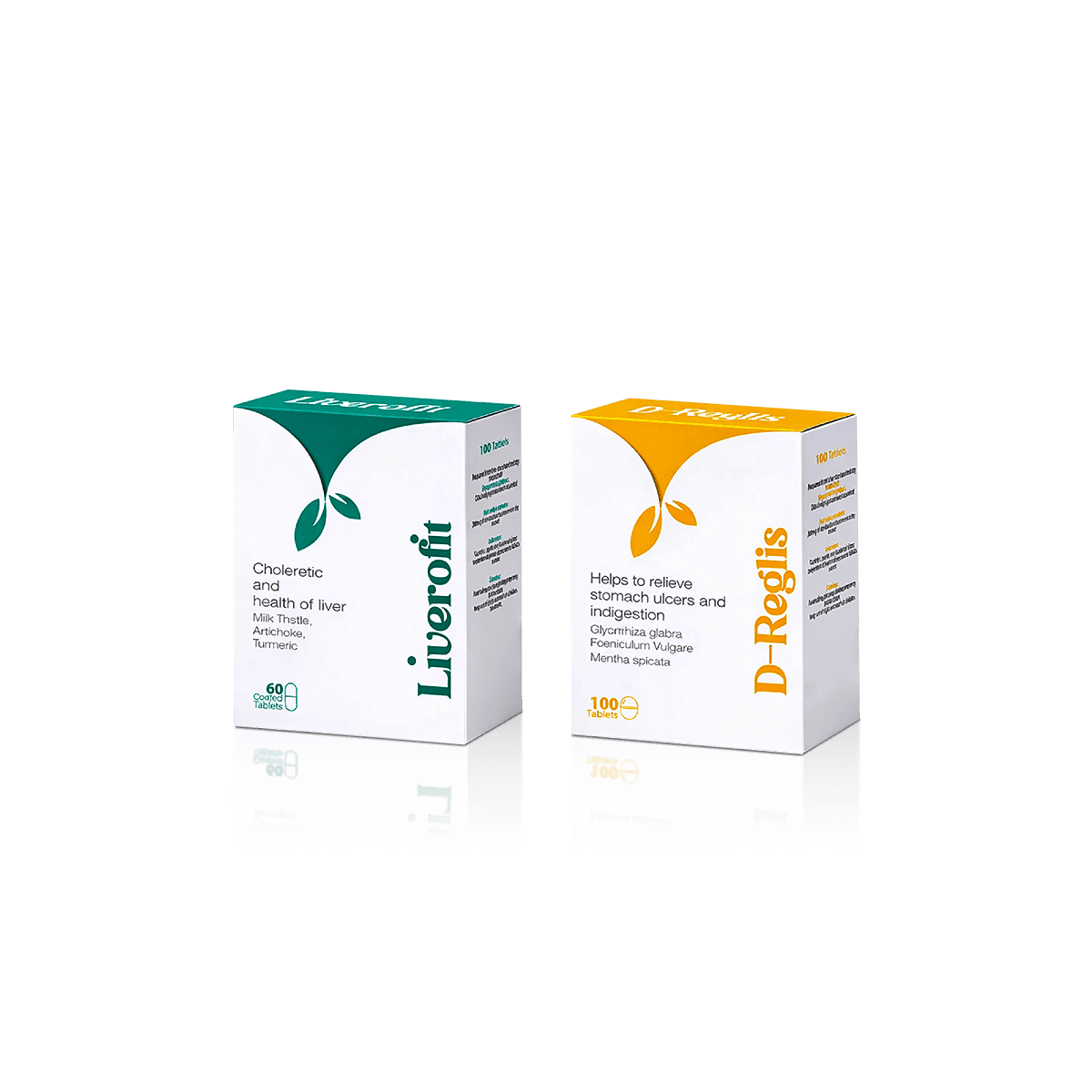
Paperboard supplement cartons built around the filled bottle, tub or sachet set, with controlled fit, readable copy panels and load-matched construction.

Start With the Filled Container

Custom Supplement Boxes should be sized around the production bottle, tub, jar, blister card or sachet bundle in its finished filled state. Closure height, cap diameter, label thickness, tamper band, leaflet and any accessories all affect the usable internal dimensions.

The outer carton is secondary packaging. Its job is to organize the primary container, create readable panel space, improve shelf presentation and support handling. It should not be expected to create product stability, freshness or compliance that belongs to the primary package.

Measure the Production Pack

Record the maximum width, depth, height and filled weight of the actual unit that will enter the carton. A lightweight capsule bottle and a dense powder tub can need very different board stiffness and bottom support even when their outside dimensions are similar.

Leave enough clearance for repeatable packing without making the carton so loose that the container rattles or shifts into the closure.

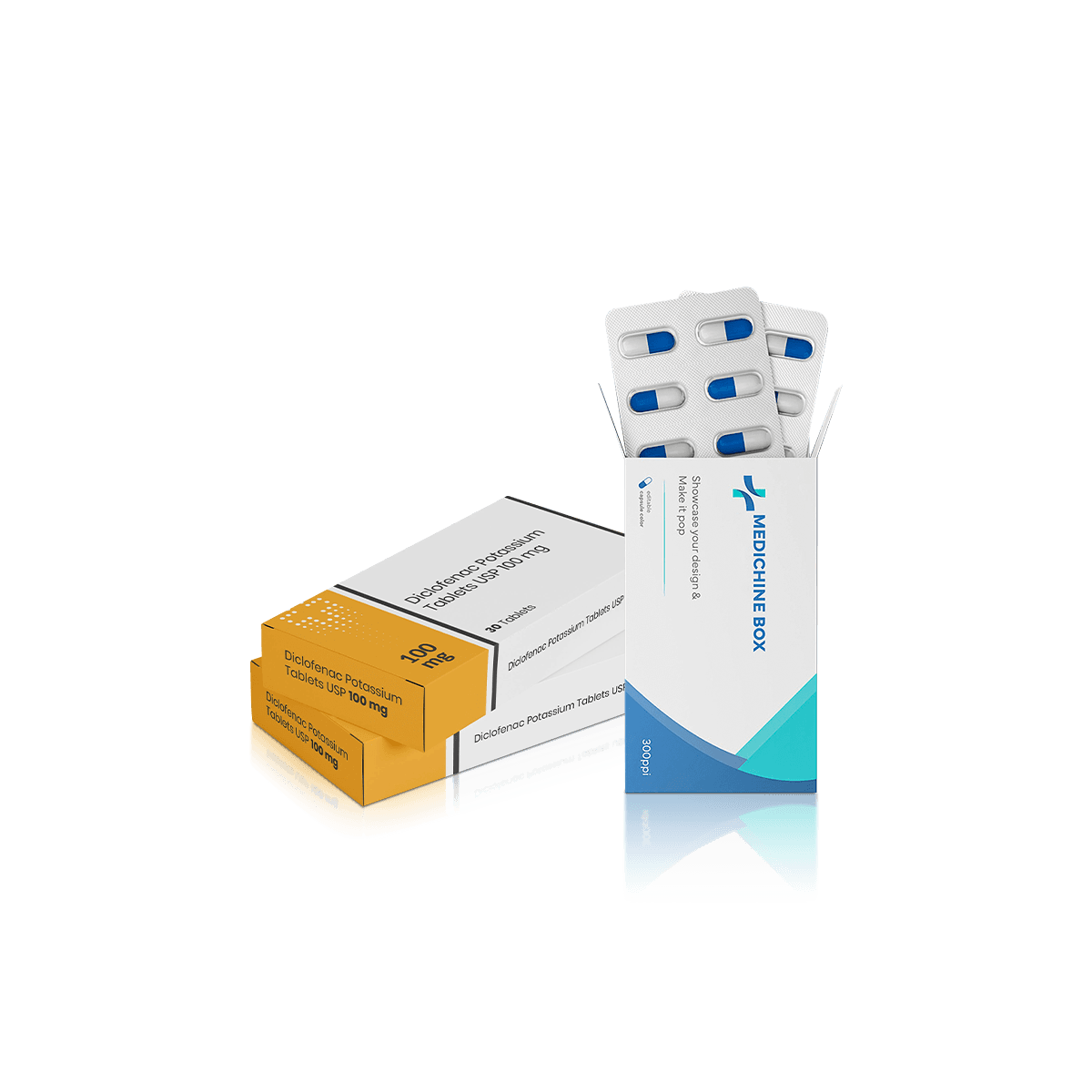
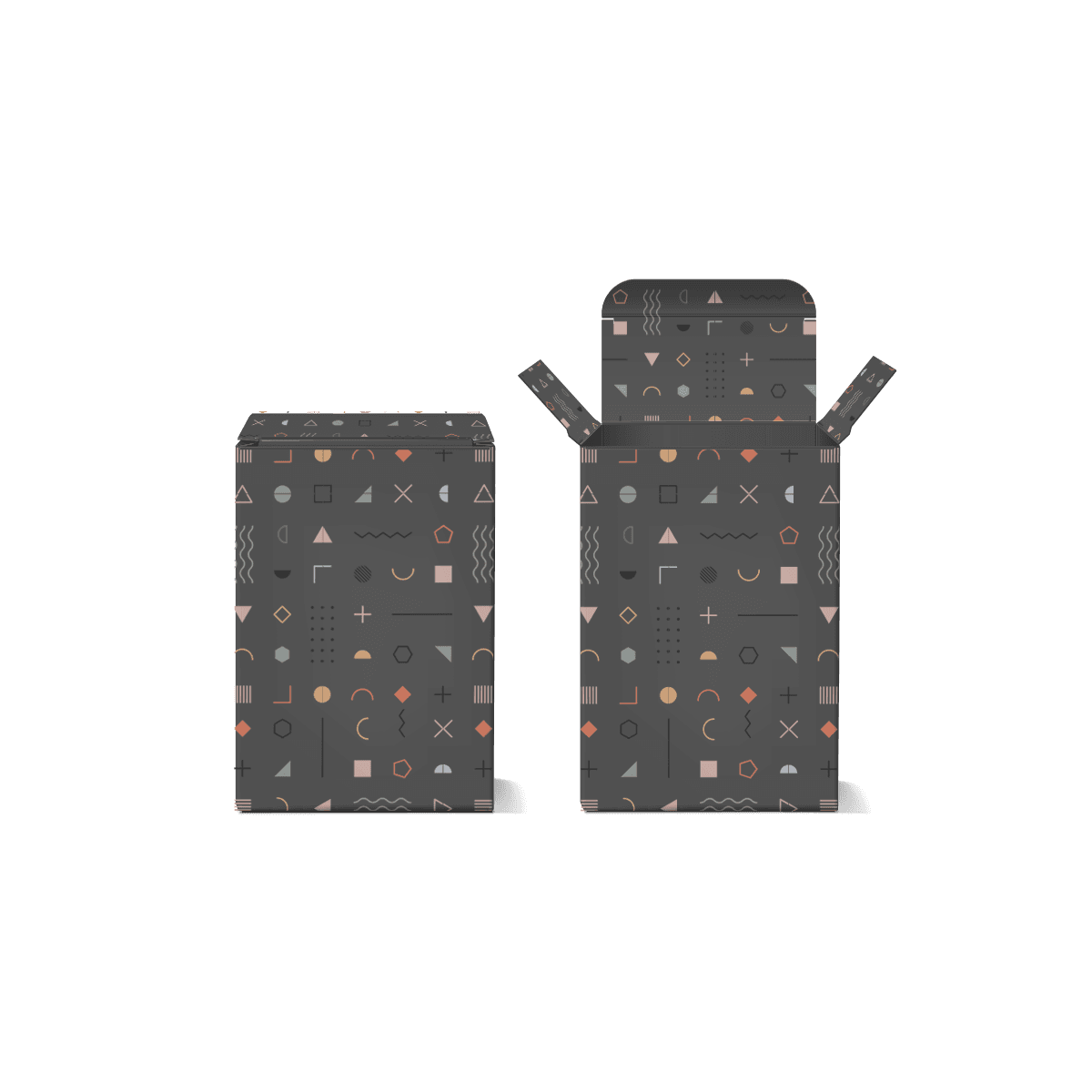
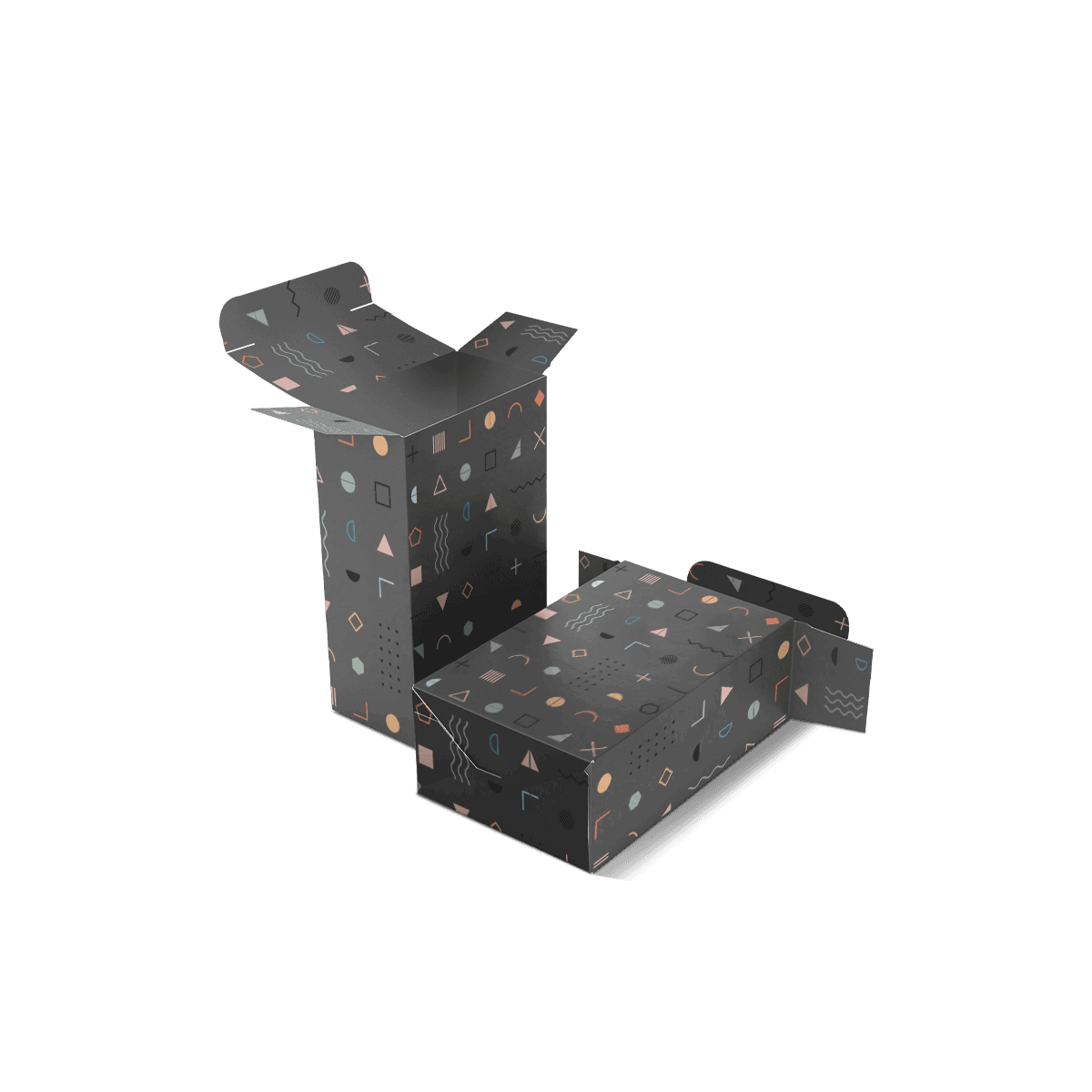
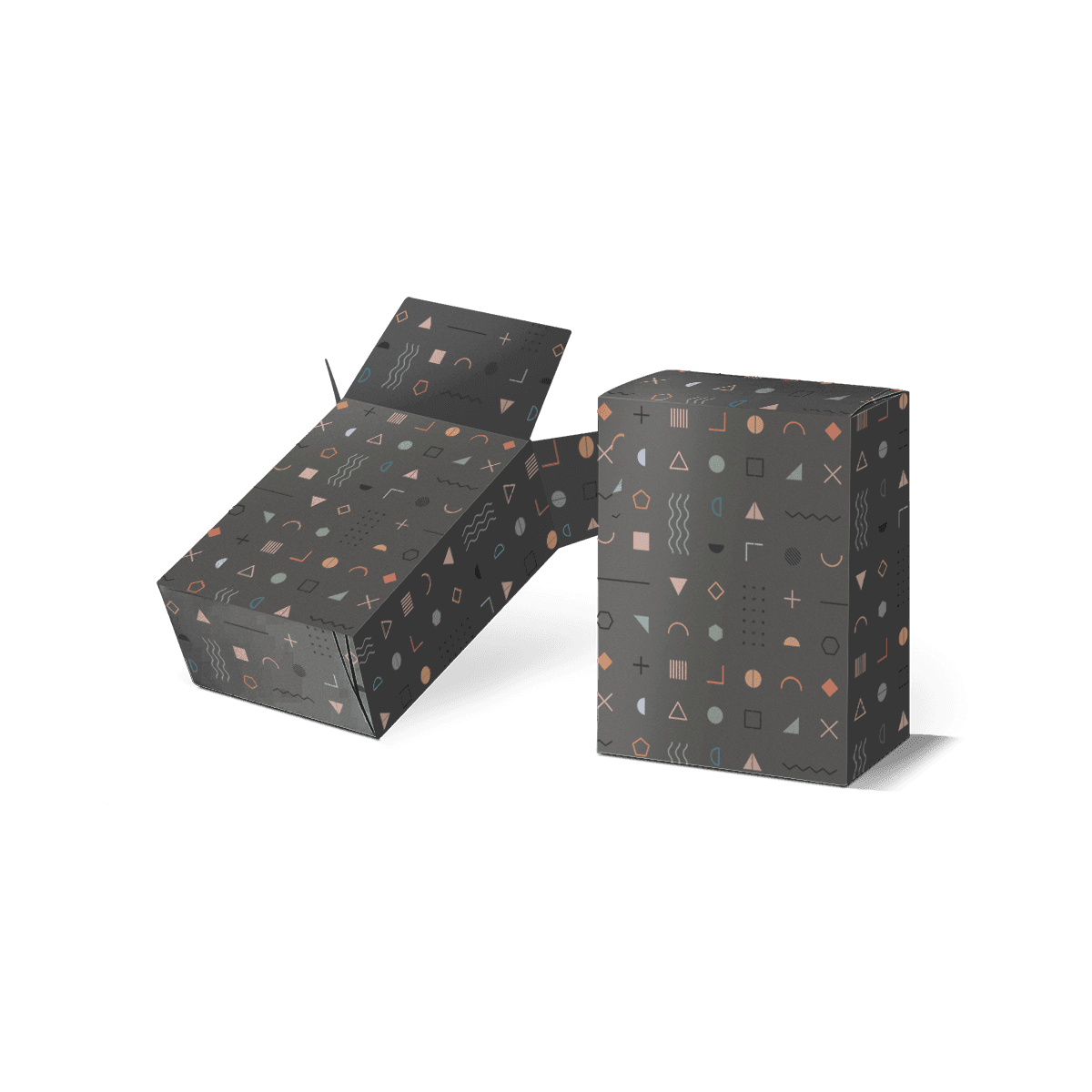
For conventional lightweight bottle cartons, Straight Tuck-End Cartons can keep packing simple while leaving broad printable panels around the container.
Reserve Space for Required Copy

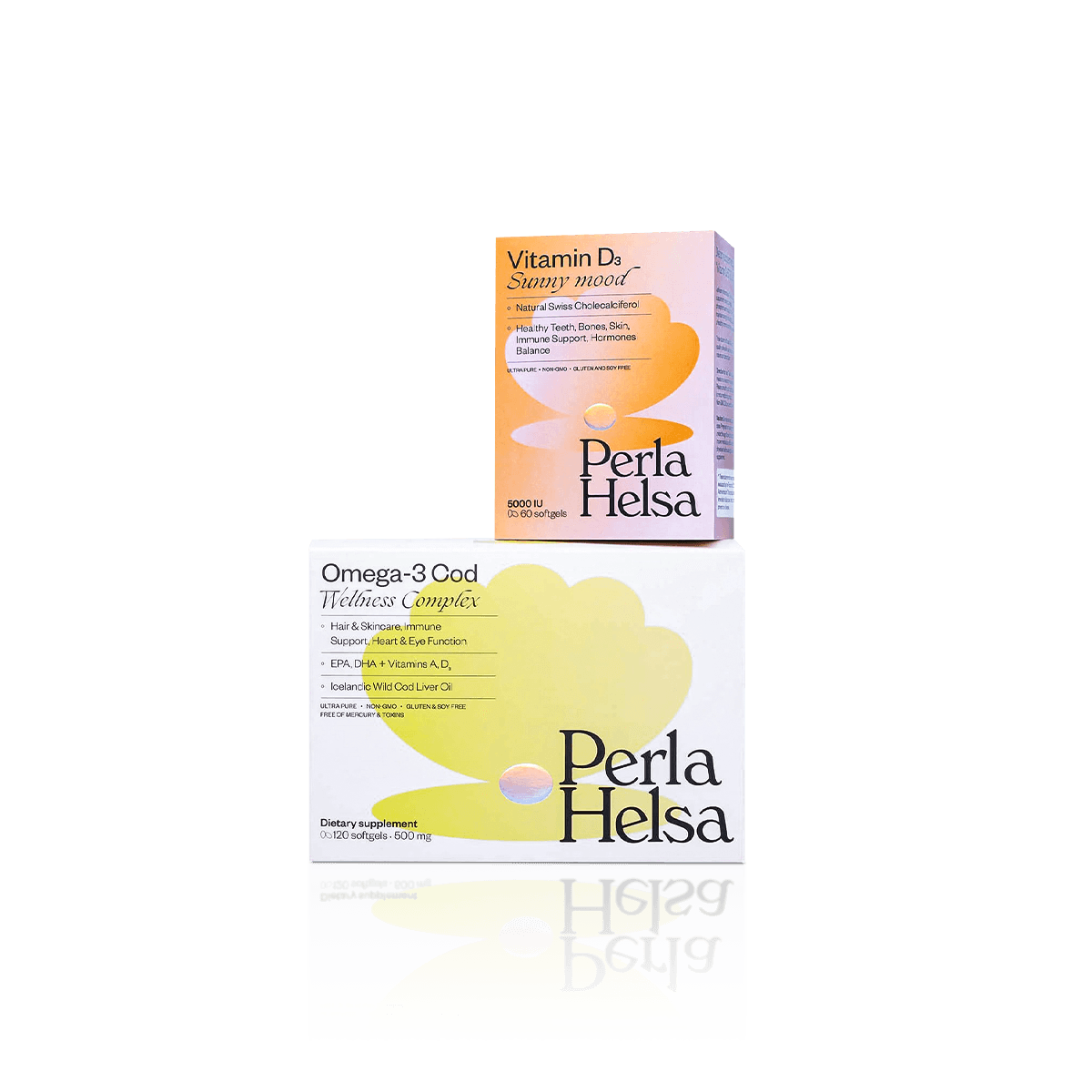
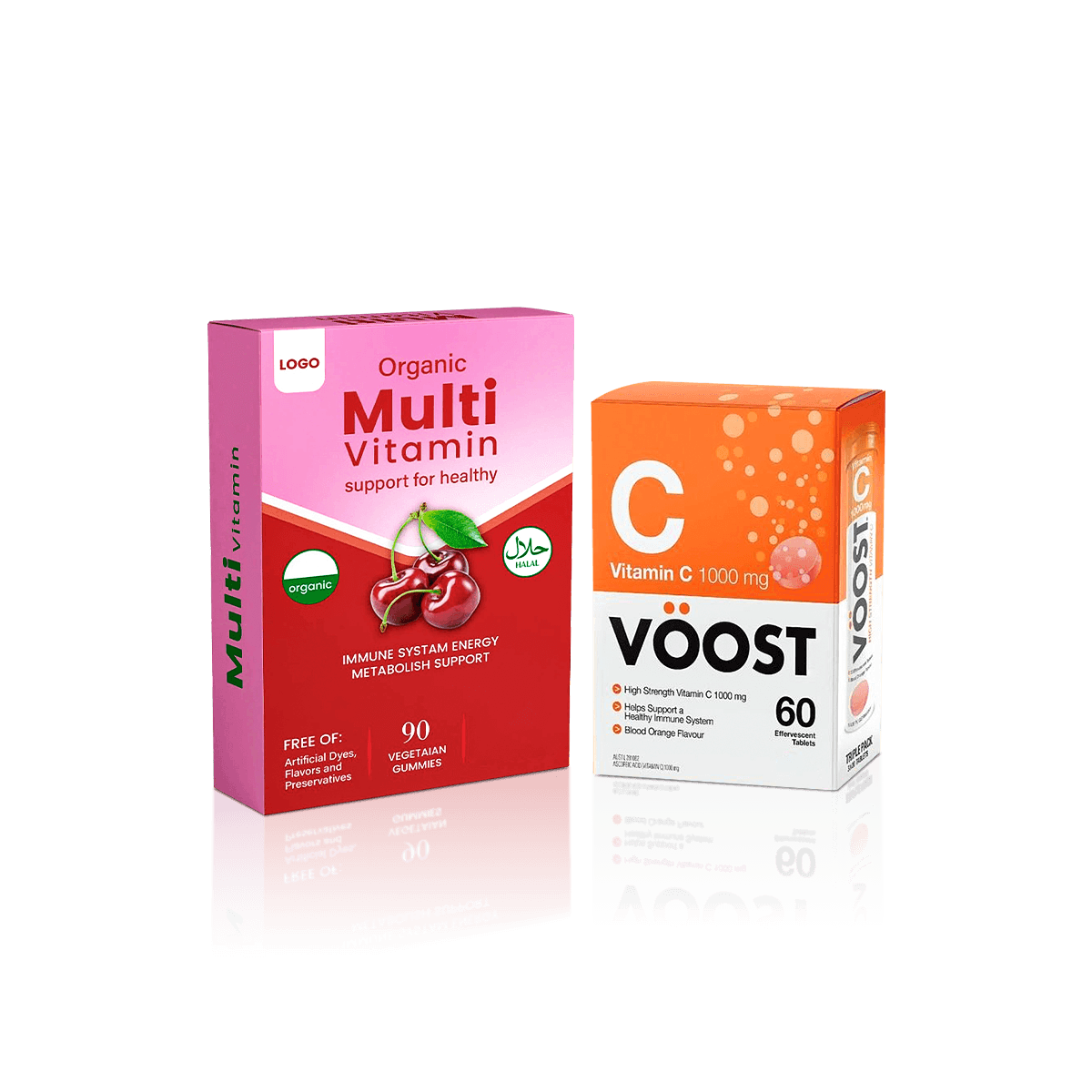
Supplement packaging often carries more text than a typical retail carton. The panel map should be planned before decorative artwork consumes the usable space.

Build the Copy Map First

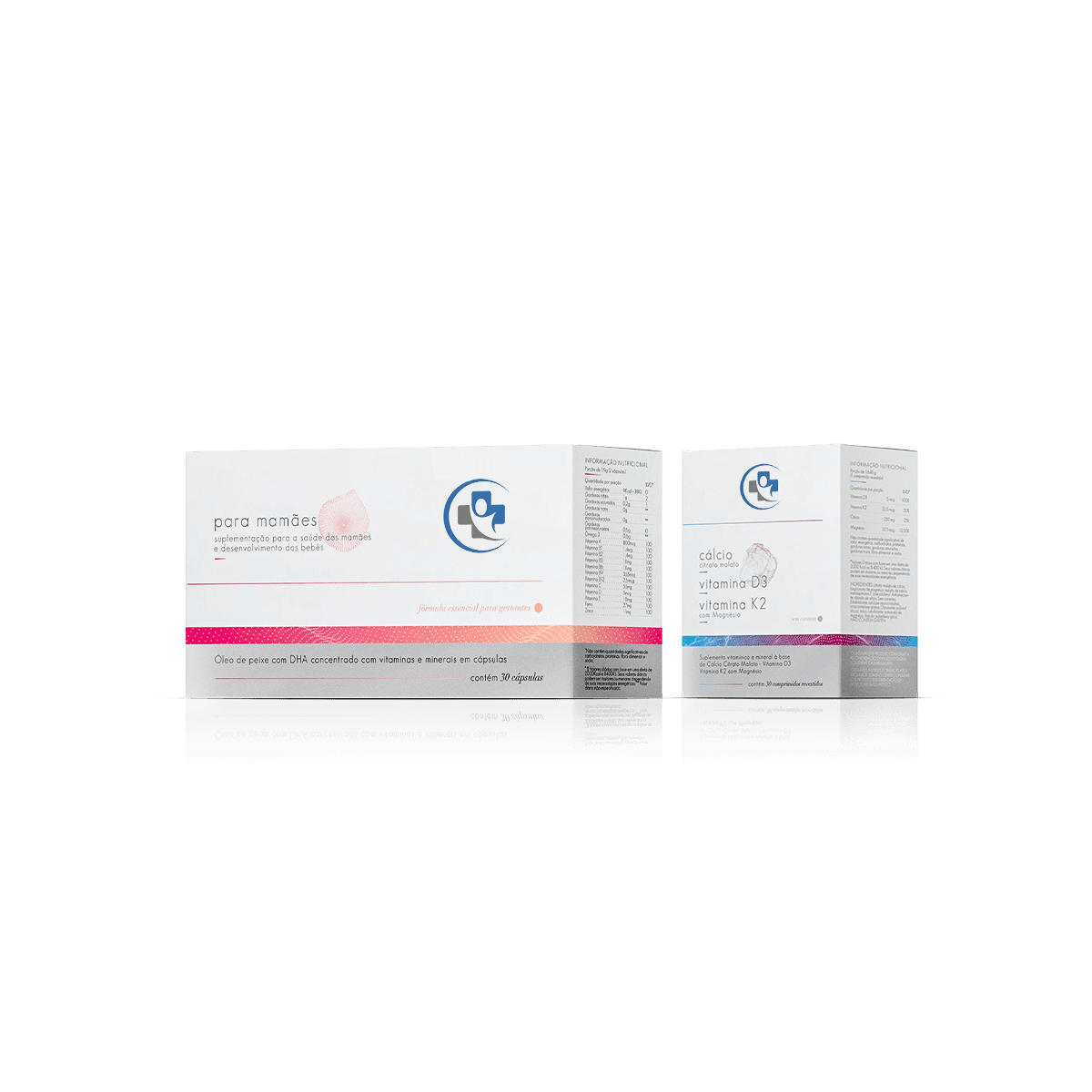
Identify the panels needed for product identity, quantity, directions, barcode placement, lot or date coding and any labeling required for the actual supplement and market. The brand is responsible for confirming the final regulatory copy and claims.

Keep small text away from glue seams, tuck edges, deep creases and finish areas that reduce contrast. Variable coding zones should also remain accessible to the intended production process.

Vitamin Boxes are a more specific fit when the program centers on vitamin bottle presentation rather than a mixed supplement portfolio.

Nutraceutical Boxes fit products positioned specifically as nutraceutical formulas, while Supplement Boxes remains focused on the general bottle, tub and sachet packaging job.

Match the Bottom to the Weight

A basic tuck carton may be appropriate for a small lightweight bottle, but larger tubs, dense powder containers and multipacks can place much more force on the base.

Do Not Solve Load With Caliper Alone

Thicker paperboard can increase panel stiffness, yet bottom construction still matters. A dense product can push through or distort an unsuitable closure even when the board feels rigid in the hand.

Evaluate the filled weight, footprint and packing method together. If the carton will be stacked, handled repeatedly or packed at speed, the bottom should stay square without requiring excessive manipulation.

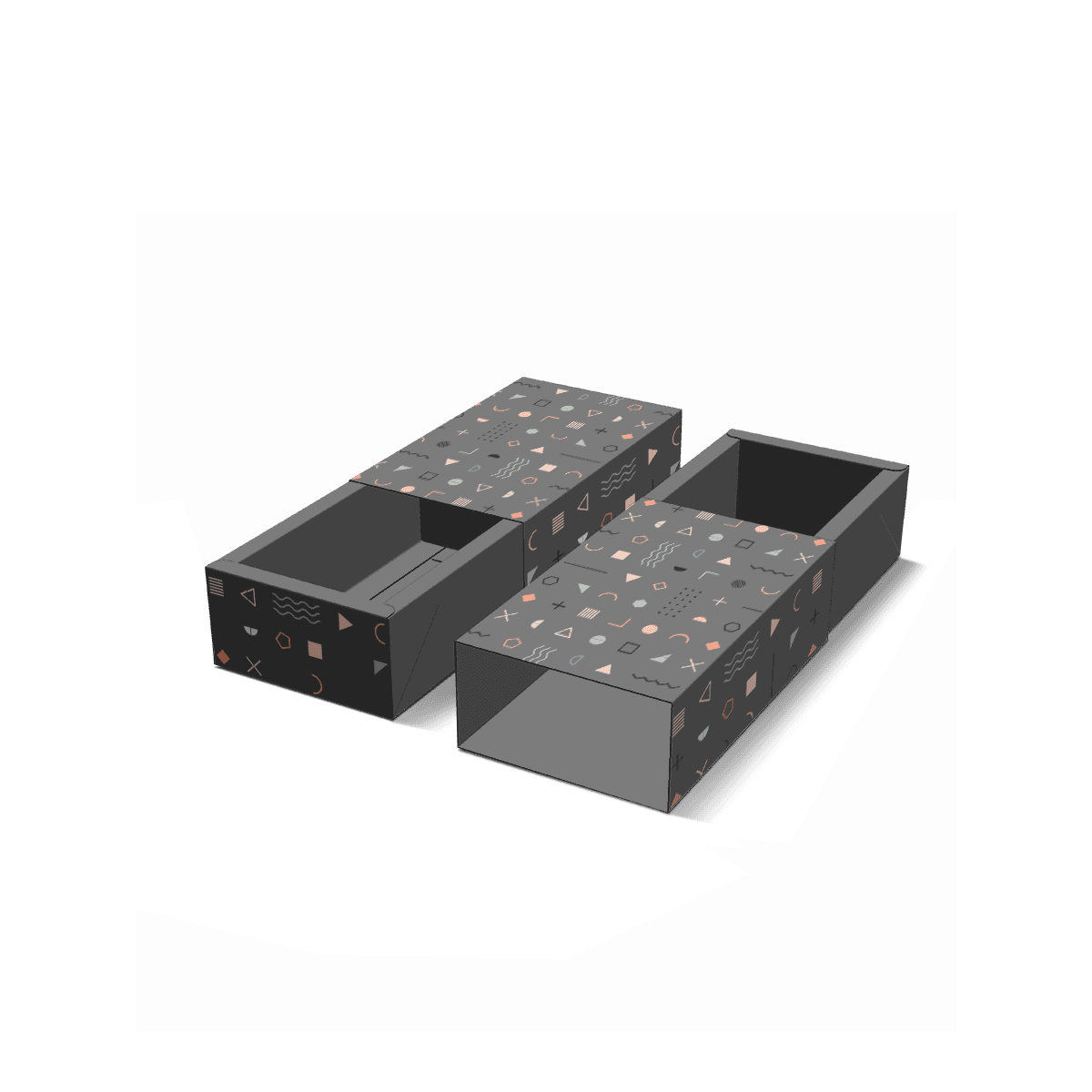
For programs that need a glued permanent end rather than repeated tuck access, Seal End Boxes use a different closure approach that should be matched to the actual packing operation.

Use Inserts for Real Organization

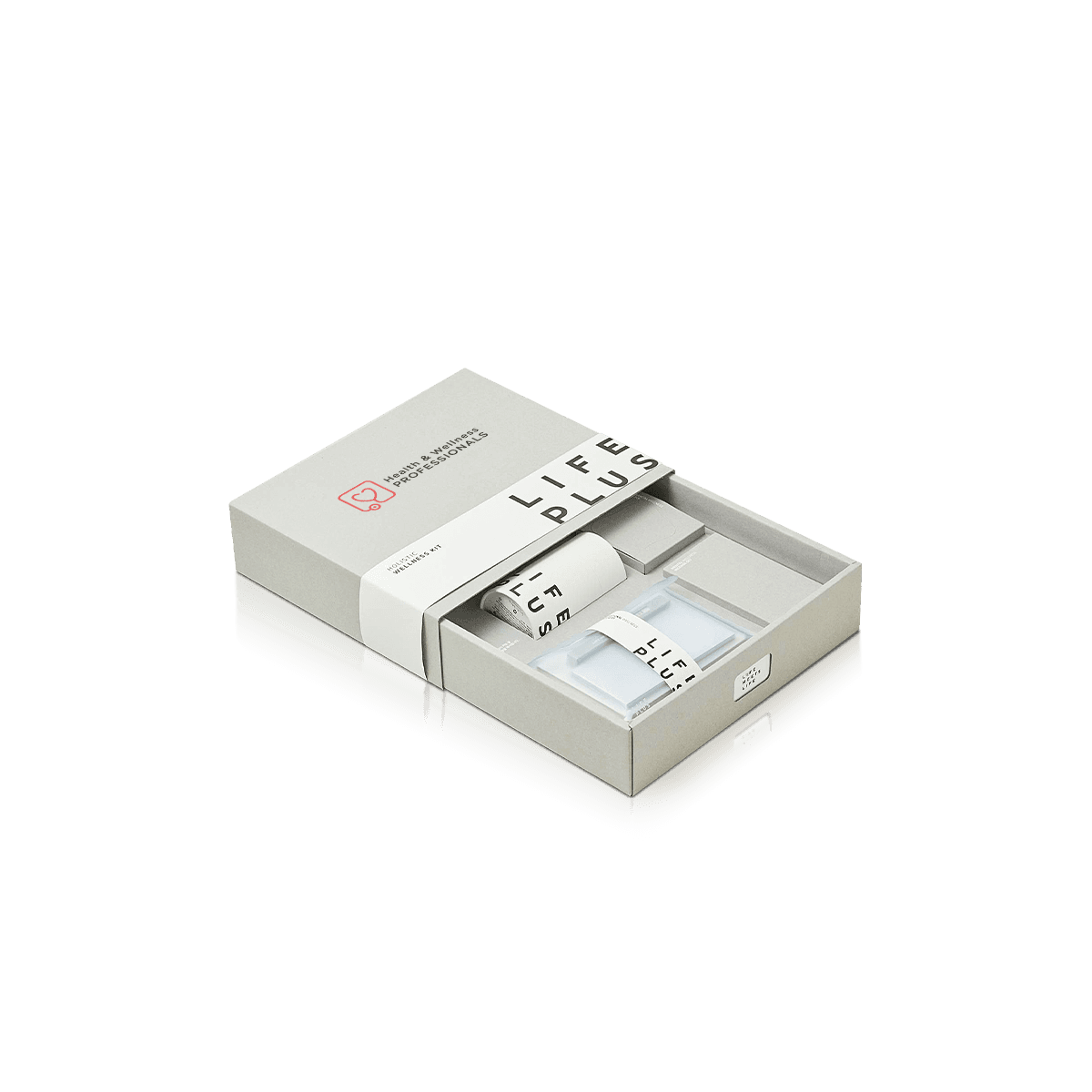
Single bottles that already fit closely may not need an insert. Inserts become more valuable when the carton holds multiple units, mixed sachets, a bottle plus dropper, trial packs or other components that would otherwise move or present unevenly.

Support the Contact Points

A paperboard fitment can separate components and control orientation without filling the entire carton. The insert should support the product at deliberate contact points and still leave enough access for packing and removal.

Adding an insert after the outer carton has already been sized can consume critical internal space. Develop the insert and carton together when the kit layout matters.

The packaging insert options differ in cushioning, structure and presentation, so the insert should follow the product rather than a default material choice.

Keep SKU Systems Manageable

Supplement lines often expand through flavors, counts, formulas and serving formats. Packaging can become difficult to manage when every SKU receives a slightly different carton without a clear operational reason.

Share Structures Where Fit Allows

Several variants may be able to use one approved structural size with different artwork if the container dimensions and packed weight remain compatible. That can simplify dielines, inventory and repeat production.

Do not force materially different containers into one carton merely to reduce SKU count. Excessive clearance can create movement, weaken presentation and complicate packing.

Make Variants Easy to Identify

Use consistent panel hierarchy while giving each formula a clear variant cue. The goal is to help warehouse staff, retailers and customers distinguish SKUs quickly without changing the structural packaging every time.

The shelf-readability principles work best when product identity and variant cues remain clear before decorative effects are added.

Choose Cartons or Pouches Deliberately

Not every supplement needs a paperboard outer carton. Bottles and tubs may benefit from boxed presentation or extra panel space, while powders, refills and lightweight products may be more efficient in a flexible pouch.

Use the Outer Pack Only When It Earns Its Space

A carton can add organization, stackability, shelf communication and a consistent branded shape. If the primary container already carries all required copy and the outer carton adds little protection or merchandising value, the extra layer may not be necessary.

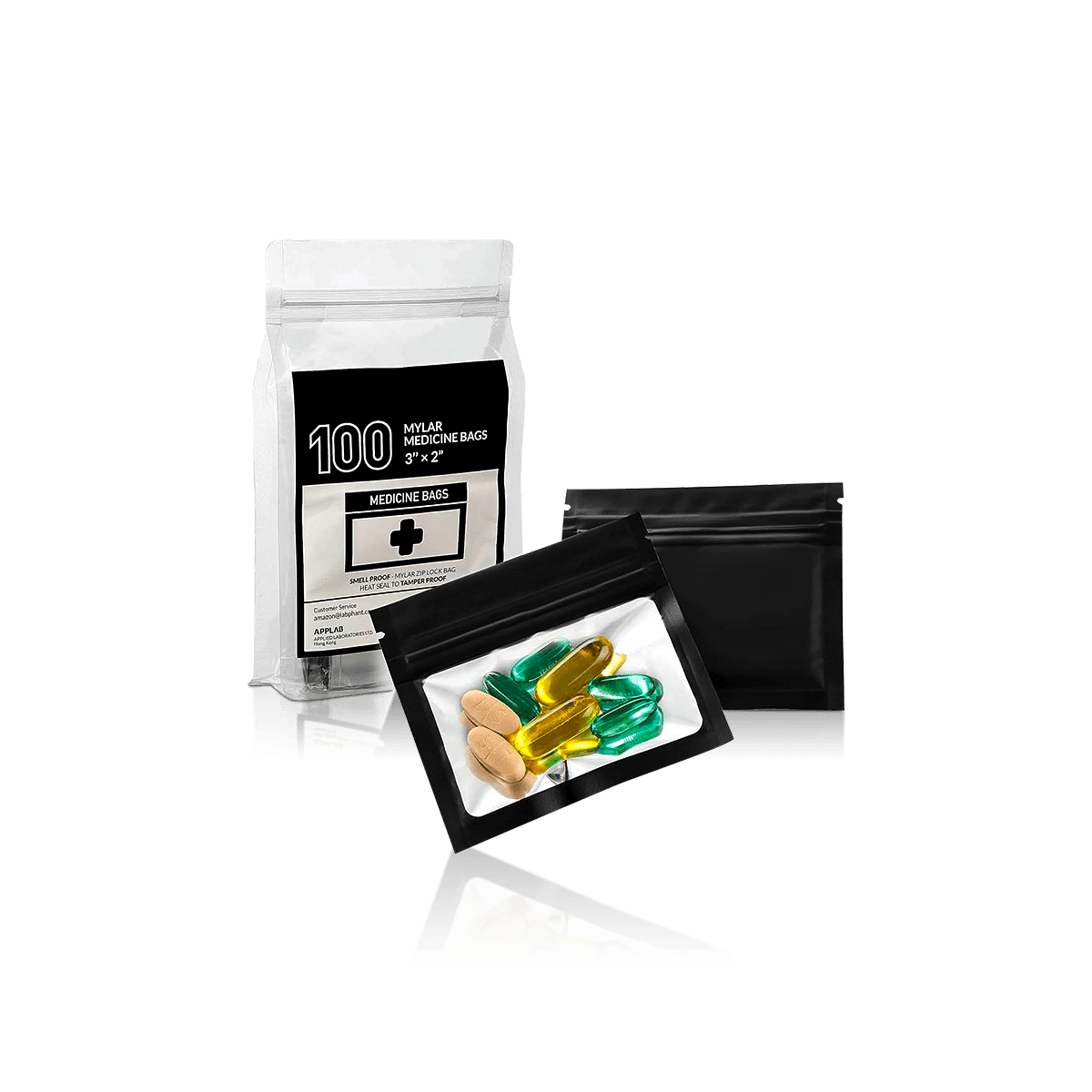
Supplement Mylar Bags suit products where compact storage, flexible fill volume and pouch-style sealing matter more than a rigid retail silhouette.

For mixed programs, the right packaging system may use cartons for bottles and pouches for refills while keeping the visual identity coordinated across both.

Approve Print and Production Together

The dieline, artwork and coding plan should be approved as one production specification. A digital proof can confirm layout, but it cannot establish every physical interaction between board, folds, glue, finishes and the packed product.

Check the Actual Selling Unit

Pack the real filled container, close the carton and inspect panel alignment, closure engagement, barcode placement and any areas reserved for variable codes. If an insert is used, confirm that the product can be loaded and removed without forcing the carton.

The packaging testing process should include the real filled product, inserts, closures, print and any coding step that could affect the finished selling unit.

Custom Packly's USA minimum order starts from 100 boxes. Free design and dieline support plus free 3D mockups can help settle the structure and artwork before production. Previous-work samples may help assess general material and print quality, while an exact custom sample may be paid when physical validation is needed.

Standard USA turnaround is 4–6 days after final artwork and specifications are approved. Complex structures, specialty materials or advanced finishes may require additional time, and free shipping applies to the current USA offer.

FAQs

Boxes work well for bottle-packed capsules, tablets, softgels, gummies, powder canisters, blister-backed units and grouped sachet sets that need a stronger outer presentation.

Yes. Heavier fills often need sturdier bottom construction and better load distribution so the carton stays square during filling, stocking and shipment.

Supplement Boxes are the better fit when shelf presence, stacked display, insert handling and stronger front-panel communication matter most. Health Supplement Mylar Bags are often the smarter option for lightweight powders, refills or space-saving flexible packaging programs.

Plenty, when the panel layout is planned well. Outer cartons can support formula details, count callouts, flavor variants, barcode zones, usage directions and promotional messaging without overloading the primary container.

They do when the program includes multiple units or mixed formats. Inserts help keep sample packs, paired products and daily-dose assortments from shifting or presenting unevenly.

Process

How it works

Your Packaging Journey, From Idea to Production and Delivery

01

Tell Us Your Specs

Custom packaging boxes

Tell Us Your Specs

Provide size, quantity, printing, and finishes.

02

Get a Fast Quote

Custom packaging boxes

Get a Fast Quote

Instant transparent pricing, no hidden fees.

03

Design and Approval

Custom packaging boxes

Design and Approval

Artwork checks, revisions, and final sign-off.

04

Produce

Custom packaging boxes

Produce

Expert manufacturing to meet deadlines.

05

Ship to Your Door

Custom packaging boxes

Ship to Your Door

Hassle-free, flexible delivery options.

Get Your Quote for Custom Supplement Boxes

Share your product details, size, quantity and artwork needs. We’ll help choose the right packaging style and send a clear quote.