Skip to content
Details

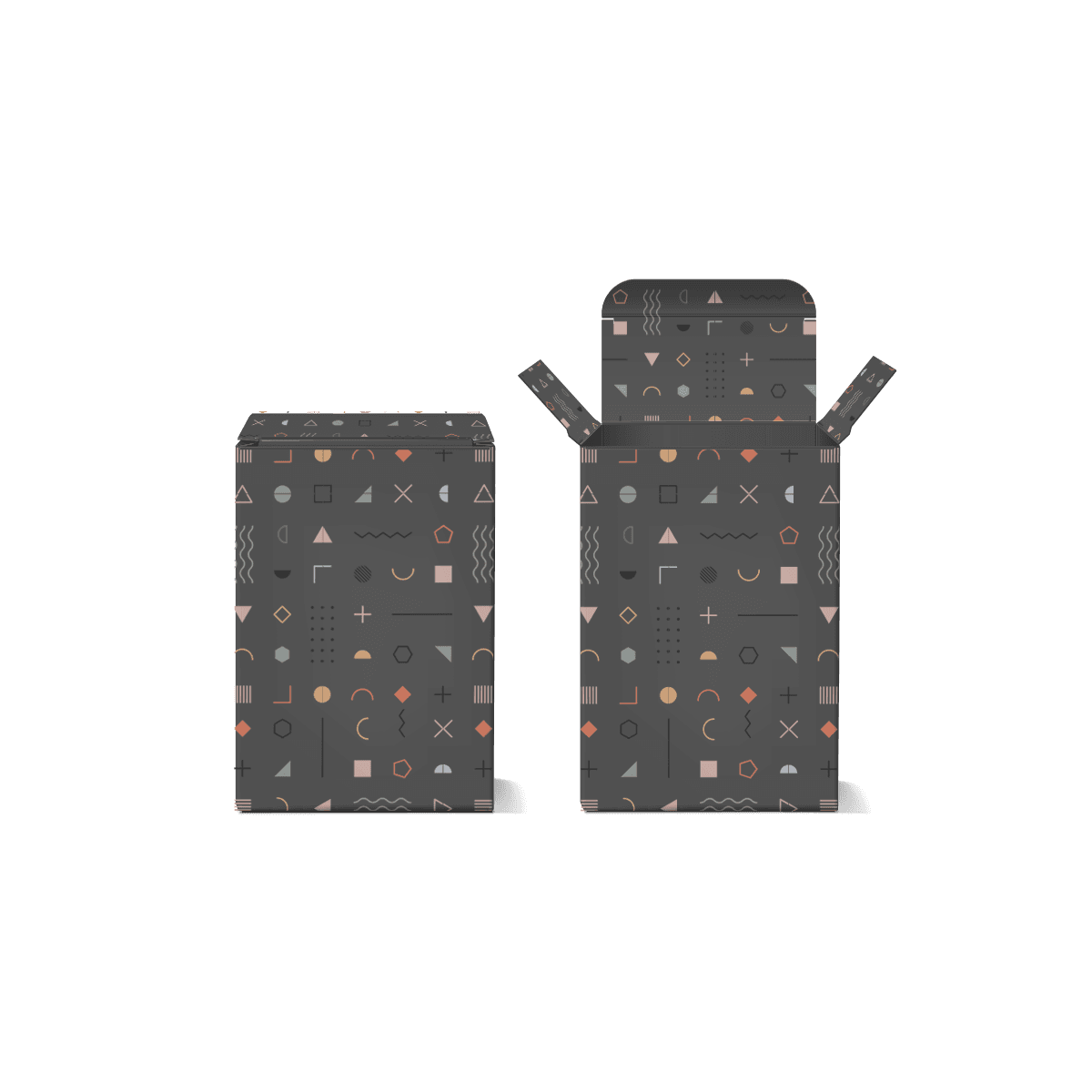
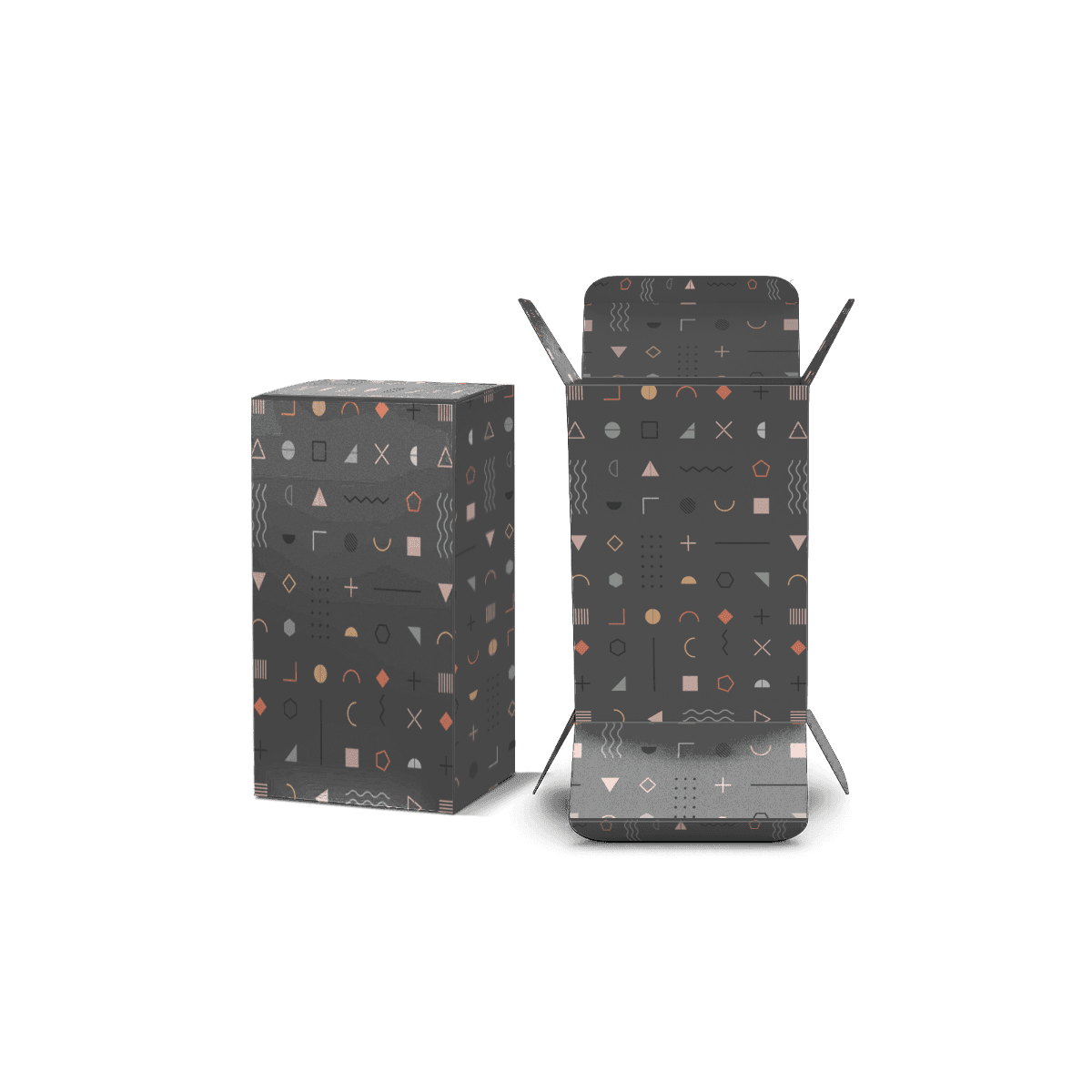
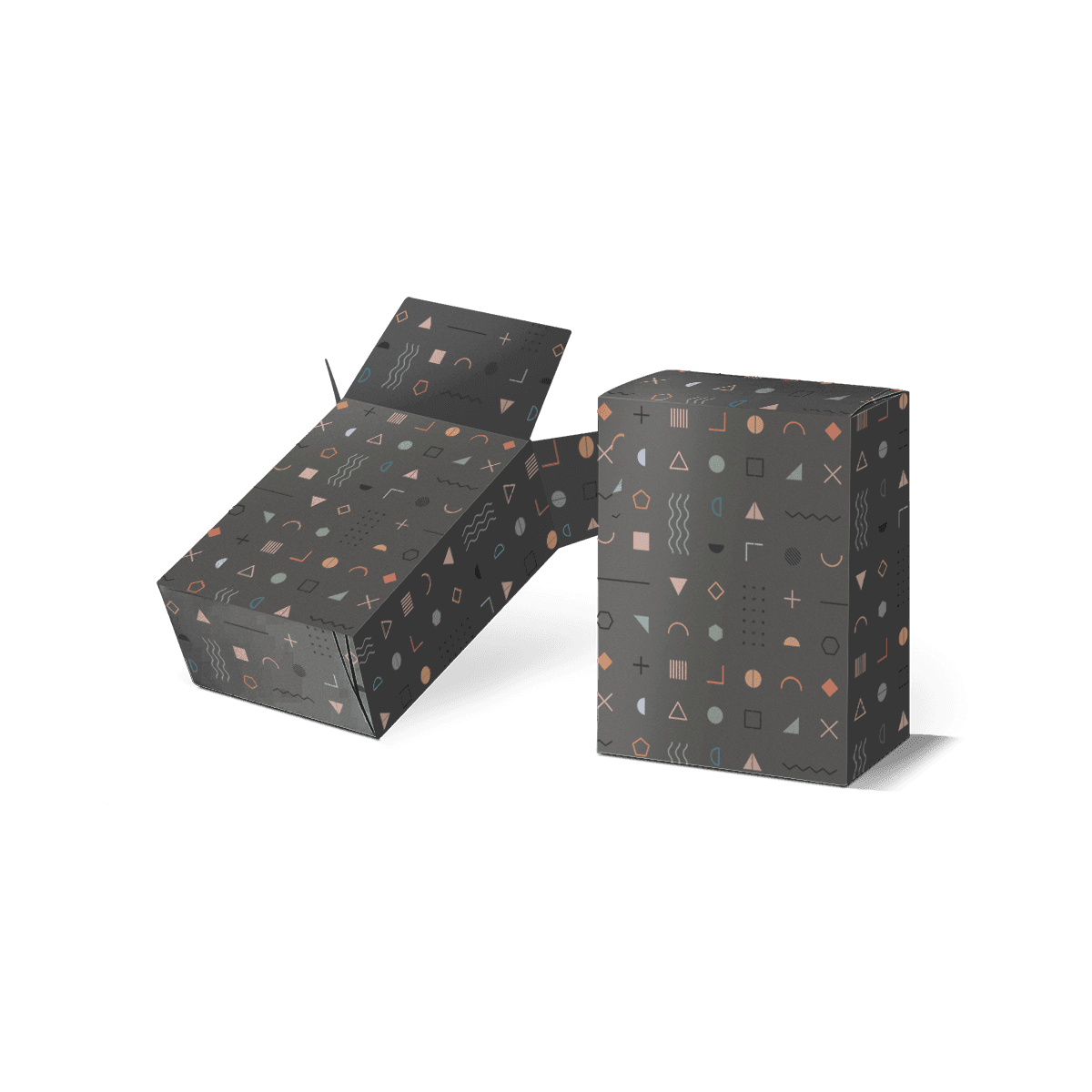
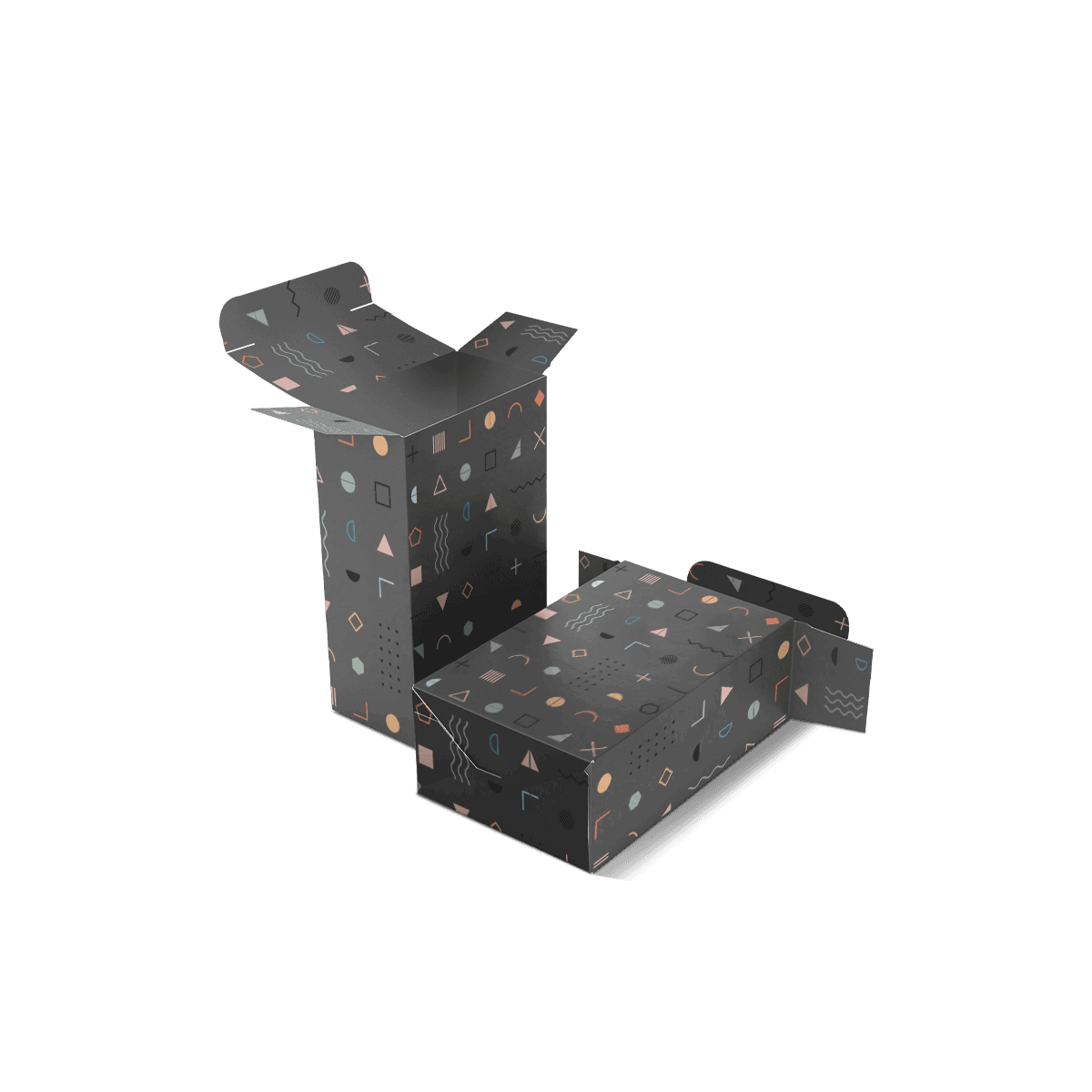
Custom Printed Pharma Boxes

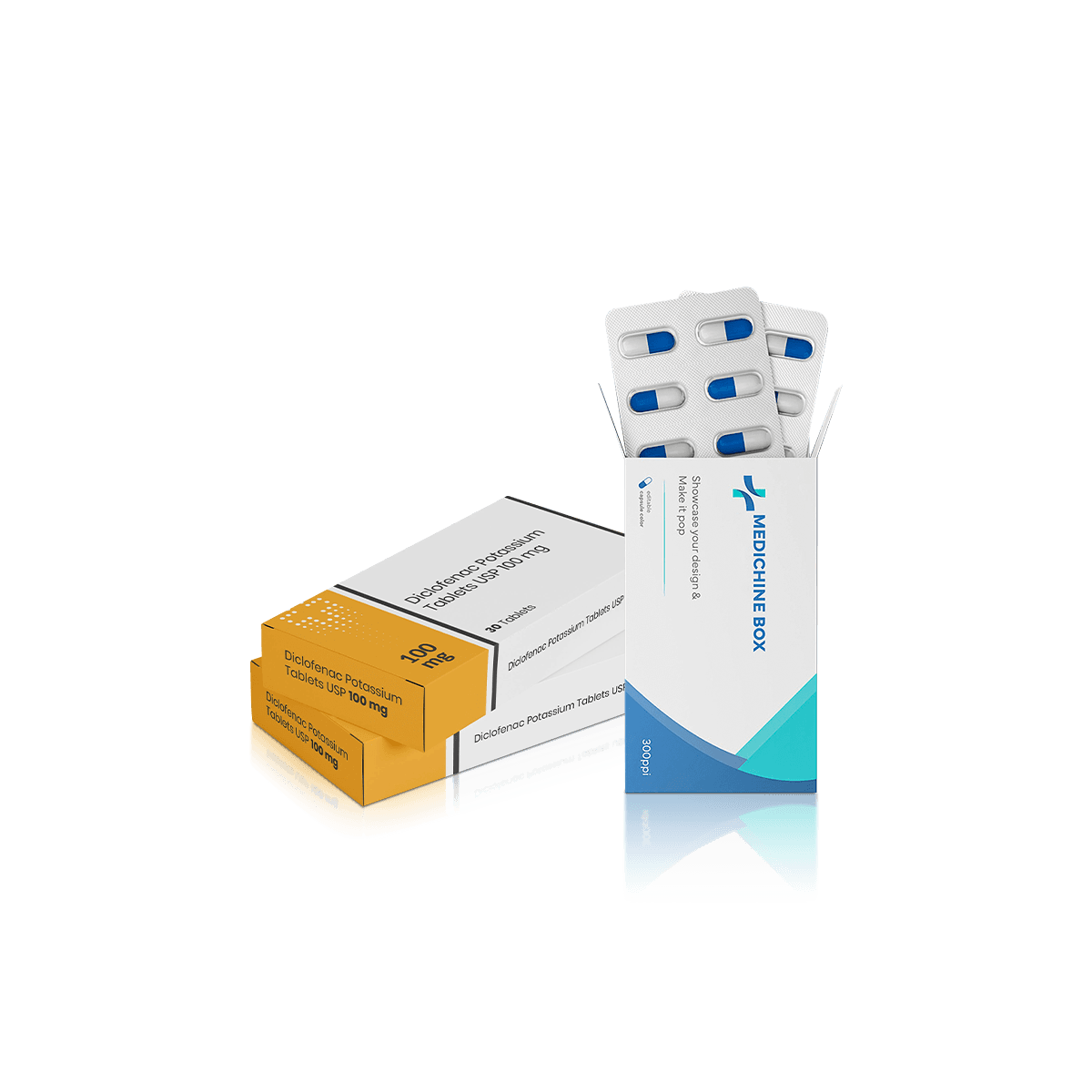
Custom pharmaceutical cartons with clear drug identification, controlled artwork, barcode and coding space and printing suited to the intended packing process.

Release the Correct Drug Artwork

A pharmaceutical carton can be structurally perfect and still be unsuitable for production because it carries an outdated label, the wrong drug strength or an incorrect product identifier.

The printed carton must correspond to the exact medicine and packaging configuration it will contain.

Custom Printed Pharma Boxes combine made-to-order paperboard construction with artwork developed around approved drug labeling, product identification and the intended manufacturing process.

The priority is to reproduce the correct information accurately on a carton that can be handled, filled and closed as required.

For pharmaceutical manufacturers and contract packers, this means distinguishing the packaging supplier's print-production responsibilities from the manufacturer's regulatory approval and quality-control obligations.

Custom Packly supports custom sizing, structural development, artwork preparation and prepress review. The pharmaceutical manufacturer remains responsible for approved drug labeling, applicable regulatory requirements and qualification of the packaging used in its operations.

Approved Artwork Versions

Every pharmaceutical carton should have an identifiable artwork version corresponding to its intended product.

A change to the drug strength, dosage form, package quantity or approved labeling may require a new print file even when the physical carton remains unchanged.

The production artwork should correspond to the version released by the manufacturer's authorized personnel.

An earlier file should not be reused simply because its appearance or dimensions are similar.

For drug manufacturing operations subject to 21 CFR Part 211, labeling and packaging material controls include appropriate identification, examination and handling procedures to prevent unsuitable or incorrect materials from entering production.

Printed Master Identification

An approved artwork master should identify the carton to which it belongs.

Product name, strength, dosage form and package quantity are particularly important when several versions share the same structure.

A distinct packaging-material identifier and revision designation can help the manufacturer's quality system distinguish the correct print file from an obsolete one.

These controls should correspond to the pharmaceutical manufacturer's established procedures.

The carton printer can work from the supplied approved artwork and specifications, but printing approval does not replace the manufacturer's formal labeling release.
Drug Identity Takes Priority

Pharmaceutical packaging must make the correct medicine distinguishable from other products, particularly when several cartons share similar dimensions or brand artwork.

The principal display panel should support the identification requirements established for the actual product.

For prescription drugs and biological products, FDA's May 2022 guidance addresses carton and container labeling practices intended to reduce medication errors, including the presentation of critical product information and differentiation between similar products.

Drug Name and Strength

The product name and strength should follow the manufacturer's approved labeling and applicable requirements.

Their visual prominence must support accurate identification rather than compete with decorative graphics.

A product sold in several strengths may require distinct artwork, even when the cartons share the same dimensions and general design.

Color can reinforce the distinction, but it should not be the only identifying feature.

The printed drug name and strength must remain readable independently of the carton color.

Dosage Form and Route

Tablets, oral solutions, topical preparations and injectable products have different handling and labeling requirements.

Where the approved labeling requires dosage-form or route-of-administration information, the carton must accommodate the prescribed wording and presentation.

Abbreviations, symbols and strength expressions should be checked against the approved artwork.

A packaging printer should not independently shorten or reinterpret medication information to make it fit a smaller panel.

If the supplied content cannot be reproduced appropriately, the structure or artwork arrangement needs review before printing.

Separate Static and Variable Print

The printed carton may contain two types of product identification: information that remains the same throughout a production run and information assigned to individual batches or packages.

The production plan must establish which information is preprinted and which is added during pharmaceutical packing.

This distinction affects the artwork, surface finish and space required for coding equipment.

Lot and Expiration Zones

A carton may need a designated area for lot numbers, expiration dates or other variable information.

The exact requirements depend on the product and the manufacturer's approved specifications.

If this information will be applied after carton manufacture, the selected panel must accommodate the intended coding method.

The print design should reserve sufficient space for the required characters without interfering with mandatory labeling.

A coating or laminate may affect how the coding ink adheres to the surface. The actual material and marking process should be checked for compatibility.

A blank coding area is not proof that the finished carton can be marked successfully.

Serialization and DataMatrix Codes

Certain prescription drug packages are subject to product-identifier requirements under the Drug Supply Chain Security Act (DSCSA).

For products subject to those requirements, the identifier includes prescribed human-readable information and a machine-readable carrier. A two-dimensional DataMatrix barcode is required when the identifier is applied to the package, subject to the applicable statutory requirements and exceptions.

The pharmaceutical manufacturer must establish the applicable identification requirements and the process responsible for generating, applying and verifying variable data.

For a carton that will receive a code during packing, the dieline should accommodate the coding area without placing it across a crease, glue seam or unsuitable surface.

Custom Packly can develop carton artwork around a specified coding position. Variable-data printing, serialization, verification and associated system integration require separate capability confirmation and the manufacturer's approval.

Barcode Verification

A barcode is a functional printed element, not merely a graphic.

Its final dimensions, contrast, quiet zones and position must suit the applicable symbology and scanning requirements.

A code that scans on a digital screen may not perform identically after printing on coated paperboard.

If variable coding occurs after carton manufacture, the finished printed code must be verified using the appropriate method.

The barcode should remain accessible in the orientation in which the product will be scanned.

OTC and Prescription Labeling

Over-the-counter and prescription medicines do not necessarily require the same carton-labeling arrangement.

The applicable drug classification, approved product information and labeling rules determine the content.

A pharmaceutical carton should therefore be developed around the actual regulatory requirements rather than a universal medicine-box artwork template.

OTC Drug Facts

OTC drug products generally require Drug Facts labeling according to 21 CFR 201.66, subject to the applicable provisions and exceptions.

The regulation specifies content and formatting requirements, including the arrangement of active ingredients, uses, warnings and directions.

The finished carton must accommodate the approved panel at its required printed dimensions.

A small carton may qualify for particular formatting provisions, but those provisions must be assessed against the actual product and its labeling requirements.

Mandatory text should not be reduced or reorganized solely to accommodate decorative branding.

Prescription Drug Cartons

Prescription drug labeling must follow the requirements applicable to the actual product and its approved labeling.

The carton may need to communicate the drug name, strength, dosage form, route of administration, package quantity and other required information.

The applicable requirements must be established by the pharmaceutical manufacturer and its regulatory team.

The carton should also accommodate any approved cautionary statements and other required markings.

Artwork preparation must not introduce claims, remove warnings or alter approved medication information.

Product-Specific Approval

A digital proof is valuable for checking artwork placement, print colors, bleed and the relationship between text and carton folds.

It is not a substitute for regulatory approval.

Custom Packly's free design and prepress support can help identify production-layout problems before printing.

The pharmaceutical manufacturer must approve the product-specific content and establish any additional documentation or inspection requirements.

Carton Geometry for Production Lines

The approved artwork must work on the actual carton construction.

A printed panel that looks correct in a flat layout may become unsuitable if essential information crosses a fold or disappears beneath a closure.

The production dieline determines the relationship between printable panels, crease lines, glue areas and the finished carton.

Folding Carton Construction

Paperboard folding cartons are suitable for many pharmaceutical products that already have a sealed primary container.

The construction should match the product's dimensions and the intended packing process.

A conventional tuck-end carton may suit suitable manually packed products. A glued-end construction may be appropriate where the packing operation requires a more permanent closure.

Seal end boxes can suit pharmaceutical products packed through compatible filling and sealing operations.

The final structure must be assessed against the actual product and equipment.

Glue and Crease Clearance

Glue flaps and crease lines occupy space that cannot be treated as an uninterrupted printable surface.

Important text, barcodes and variable coding areas should be positioned away from structural features that could interfere with readability or printing.

A coding area placed too close to a crease may also become difficult for production equipment to access consistently.

The final artwork must follow the approved production dieline.

Custom Packly's structural guidance and free dieline support help establish the carton geometry before artwork proceeds to printing.

Cartoner Compatibility

An automated pharmaceutical packing line may have specific requirements for carton dimensions, blank orientation, board stiffness and closure construction.

Those requirements should be established by the manufacturer or contract packer.

A carton that folds correctly by hand may behave differently during automated erection, loading and sealing.

The proposed construction should be checked against the intended equipment before production.

Custom Packly can work from the supplied dimensional and structural requirements. Compatibility with regulated pharmaceutical production equipment must be confirmed through the customer's qualification process.

Paperboard and Print Reproduction

The selected board must support both the carton structure and the required printed content.

Solid bleached sulfate (SBS) paperboard is a practical option for many pharmaceutical folding cartons because its smooth white surface supports fine typography and detailed graphics.

Its suitability depends on the intended dimensions, filled product weight and production requirements.

Fine Text Reproduction

Pharmaceutical artwork can contain substantial amounts of small text.

The paperboard surface, printing method and artwork preparation must support readable reproduction at the approved size.

Premium offset printing can reproduce fine text and detailed graphics on suitable stock.

However, printing quality cannot compensate for insufficient text size, poor contrast or incorrect artwork.

The finished design should be assessed at its actual printed dimensions.

Board Stiffness

The carton must retain its intended shape through printing, die-cutting, folding and the customer's packing operation.

Board caliper is one consideration, but stiffness and grain direction also affect how the finished carton behaves.

A shallow blister carton and a heavier glass-bottle carton may require different material specifications.

The material should follow the structural requirement rather than being selected solely for its printing surface.

Surface Finishes

Matte and gloss coatings may be suitable for pharmaceutical cartons where they meet the required print and handling specifications.

Specialty finishes should be considered carefully.

Foil or spot UV should not interfere with mandatory text, barcode scanning or variable coding.

A heavily laminated surface may also affect certain marking methods.

Custom Packly supports recyclable material options and eco-friendly packaging options where suitable for the intended construction.

The finished carton's recyclability depends on its actual materials, coatings and other components.

Prevent Printed Carton Mixups

Pharmaceutical packaging requires particular attention when several products use similar carton constructions.

Two strengths of the same medicine may have identical external dimensions and nearly identical artwork.

The printer must work from the correct approved file. The pharmaceutical packing operation must then use the correct printed material for the intended product.

These are separate controls.

Strength-Specific Artwork

Each drug strength needs the correct approved artwork.

Color and other visual distinctions can help staff identify different cartons, but they should not replace printed product identification.

Where the relevant drug manufacturing regulations apply, 21 CFR 211.122 establishes requirements for separating and identifying labeling materials for different drugs, strengths, dosage forms and package quantities.

The manufacturer should establish the appropriate material identification and control procedures.

Print-Run Identification

A packaging order containing multiple artwork versions should distinguish the specifications for each version.

The production documentation should identify the intended artwork, carton construction, material and quantity.

A shared dieline does not mean that printed cartons are interchangeable.

Custom Packly's artwork and prepress review can help check the supplied production files before printing.

The manufacturer's quality system remains responsible for material approval, receiving inspection and release for pharmaceutical packing.

Packing-Line Clearance

Printed cartons from an earlier pharmaceutical packing operation must not be allowed to enter an unrelated production run.

For operations subject to 21 CFR 211.130, the manufacturer must follow written packaging and labeling procedures that include appropriate separation, inspection and removal of unsuitable materials from previous operations.

The packaging supplier's role is to deliver the agreed printed cartons and associated documentation according to the approved commercial and production specifications.

The customer must establish the receiving, storage, line-clearance and reconciliation procedures required for its operation.

Primary Pack Compatibility

Printed pharmaceutical cartons can accommodate bottles, blister cards, tubes and other suitable primary packages.

The carton should be dimensioned around the finished product and the intended packing arrangement.

The primary package remains responsible for any required drug-contact compatibility, container-closure integrity and barrier performance.

Bottles and Liquid Medicines

A bottle carton must accommodate the complete container, including its cap, label and any projecting components.

The filled weight affects the required board and bottom construction.

Glass containers may require additional consideration because movement inside the carton can increase the risk of damage.

A suitable paperboard fitment may help retain the bottle where the carton alone cannot provide adequate support.

For liquids, the primary container and closure must meet the manufacturer's established product requirements.

Blister Cards and Leaflets

Blister cards introduce a different dimensional requirement because their formed cavities project beyond the backing material.

A carton must accommodate the actual card arrangement and any folded patient leaflet.

Blister pack outer boxes address the physical containment and handling requirements of those unit-dose products.

The approved pharmaceutical artwork remains a separate consideration.

A common printed design should not be forced onto different primary-pack constructions without checking the available panels and labeling requirements.

Security Beyond the Printed Carton

Pharmaceutical printing and packaging security are different functions.

A correctly printed drug carton does not automatically establish tamper evidence or child resistance.

Those requirements must be determined for the actual product and complete packaging system.

For example, an OTC medicine may require a tamper-evident feature, while another product may rely on an appropriate primary-container closure.

A carton-level security mechanism must be specifically developed and evaluated where required.

Tamper-evident boxes address visible first-opening evidence through appropriate structural or sealing features.

The artwork must accommodate any required security statements without interfering with the actual opening mechanism.

Child resistance is a separate requirement that must be supported by applicable performance evidence.

A standard printed tuck-end carton should not be represented as child-resistant merely because its closure is difficult to open.

Establish the Print Production Scope

A pharmaceutical carton order should distinguish ordinary custom printing from any specialist requirements.

A straightforward folding carton with approved static artwork is a different manufacturing project from a carton requiring integrated security features, specialist coding operations or additional qualification.

That distinction affects pricing, feasibility and production timing.

Custom Packly's USA minimum order quantity starts from 100 boxes. Instant pricing is supported, with specialist specifications reviewed where necessary.

Premium offset printing, custom sizing and free design support can help establish a suitable printed carton for the intended product.

The intended structure, approved artwork, board specification, number of printed versions and required quantities establish the pharmaceutical carton pricing scope.

Any specialist coding, serialization, security or qualification requirements must be identified separately and confirmed before they become part of the agreed supply specification.

Custom Packly supports US production and free shipping. Its standard 4–6 day turnaround applies after final artwork and specifications are approved, with additional time potentially required for complex or specialist work.

Free 3D mockups and examples of previous packaging work can support design assessment. Fully custom physical samples may be paid.

Customer-required supplier qualification, regulated production validation and external testing must be scheduled separately where applicable.

Packaging Supply for Pharma Operations

The finished cartons must reach the customer's facility in a condition suitable for the intended receiving and packing procedures.

Their identification and handling requirements should be agreed before production.

For programs involving several medicines or artwork versions, the customer should establish how the different packaging materials need to be identified upon receipt.

The applicable pharmaceutical quality system determines the receiving inspection, storage and release procedures.

For suitable larger repeat orders, Custom Packly supports warehousing and scheduled deliveries.

That service must be distinguished from the pharmaceutical manufacturer's regulated material-storage and release responsibilities.

A carton held in a packaging supplier's warehouse should not be assumed to have completed the customer's required inspection or approval process.

The same distinction applies to the finished printed material.

A correctly manufactured carton still requires the receiving and release controls established by the customer before it enters the pharmaceutical packing operation.

Printed Information After Opening

The carton may remain with the medicine throughout its intended use.

A patient, pharmacist or healthcare professional may need to identify the product after the package has been opened.

For that reason, essential information should not be unnecessarily lost when a removable opening feature is used.

The final artwork must follow the applicable approved labeling and accommodate the intended opening construction.

A tear strip or removable security component should not unintentionally remove information that must remain on the package.

Where a medicine has an accompanying leaflet or other printed component, the carton should also accommodate the approved arrangement.

The finished packaging needs to retain its intended identification and handling functions for as long as the product requires them.

A successful pharmaceutical carton is therefore more than a correctly printed blank. Its approved artwork, structural construction and production requirements must work together while remaining consistent with the manufacturer's regulatory and quality specifications.

FAQs

Because the outer carton gives more room to communicate. It can carry dosage details, warnings, directions, count callouts and scannable information in a layout that is easier to read than a crowded bottle or blister label.

SBS and other folding carton grades are common choices because they print cleanly, crease well and hold shape through packing and shelf handling. The right caliper depends on product weight, insert volume and how the pack will be distributed.

Printed folding cartons are usually the better fit when the priority is efficient volume packing, clear panel communication and lighter cost per unit. Rigid Pharma Boxes make more sense for presentation-led kits, premium launches or specialty sets that need a heavier structure.

The cleanest approach is to build a repeatable system around color cues, count placement and strength hierarchy so each carton looks related without becoming hard to distinguish during stocking or dispensing.

Yes, when the structure is matched to the channel. Retail packs often need stronger shelf recognition while clinic or institutional packs may prioritize coding space, inserts and fast product identification.

Related Industry Packaging

Process

How it works

Your Packaging Journey, From Idea to Production and Delivery

01

Tell Us Your Specs

Custom packaging boxes

Tell Us Your Specs

Provide size, quantity, printing, and finishes.

02

Get a Fast Quote

Custom packaging boxes

Get a Fast Quote

Instant transparent pricing, no hidden fees.

03

Design and Approval

Custom packaging boxes

Design and Approval

Artwork checks, revisions, and final sign-off.

04

Produce

Custom packaging boxes

Produce

Expert manufacturing to meet deadlines.

05

Ship to Your Door

Custom packaging boxes

Ship to Your Door

Hassle-free, flexible delivery options.

Get Your Quote for Custom Printed Pharma Boxes

Share your product details, size, quantity and artwork needs. We’ll help choose the right packaging style and send a clear quote.