Skip to content
Details

Custom Straight Tuck End Boxes

Same-direction tuck closures for light retail products, planned around the display face, internal fit, board stiffness, window position and packing motion.
Dieline preview

Generate a Straight Tuck End Dieline

Use custom dimensions to view the dieline for this box style and plan artwork with more confidence.

Bleed
Crease
Trim

No preview available

Straight Tuck End

Calibrated controls

Current size120 × 60 × 160 mm
Preview scale100% centered
StateValidated
Next Step

Turn Your Dieline Into Custom Packaging

Share your box size, quantity, material, print and artwork details on the quote page. We’ll review your dieline and email your custom packaging quote with the dieline file.

Continue to quote

Same-Direction Tucks Protect the Main Face

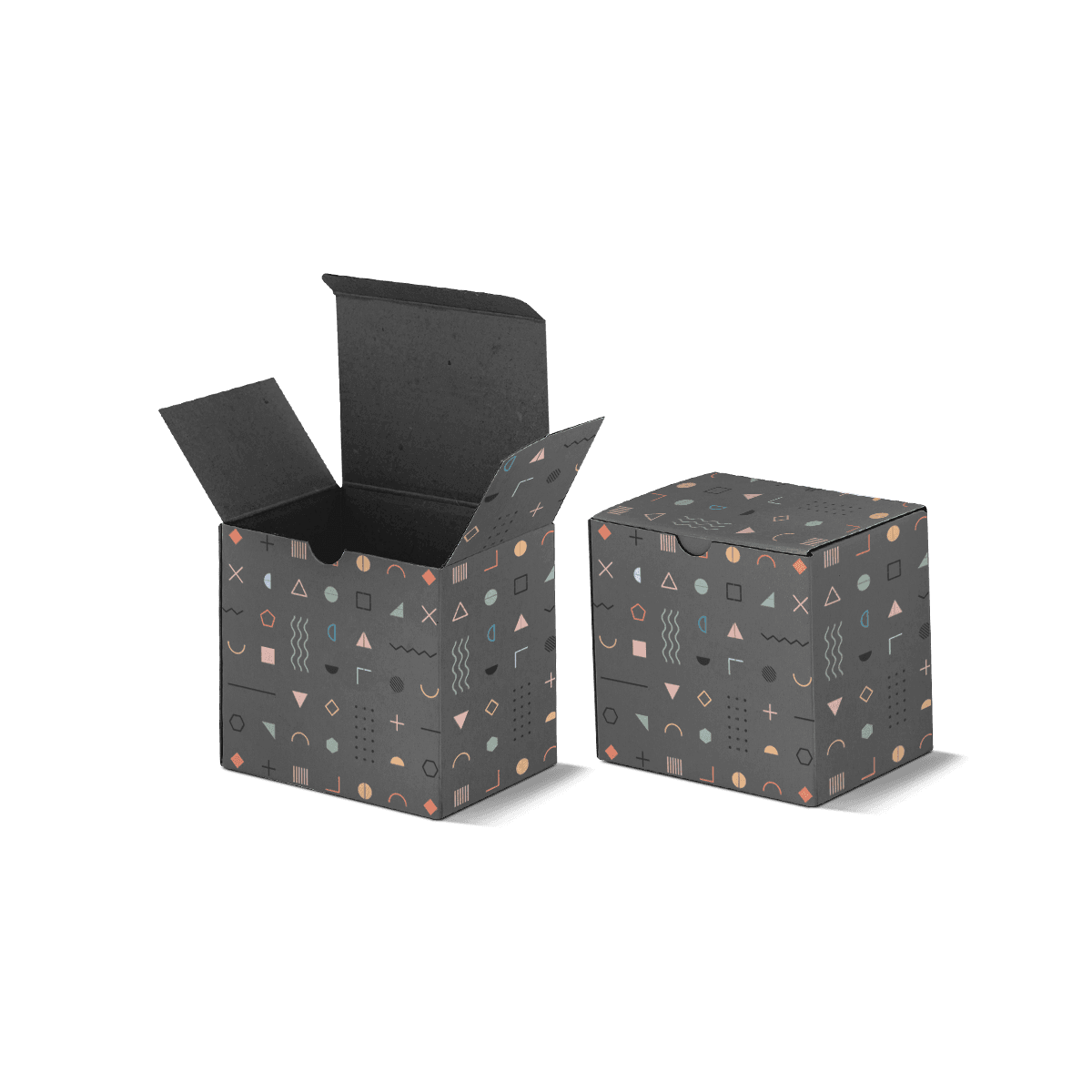
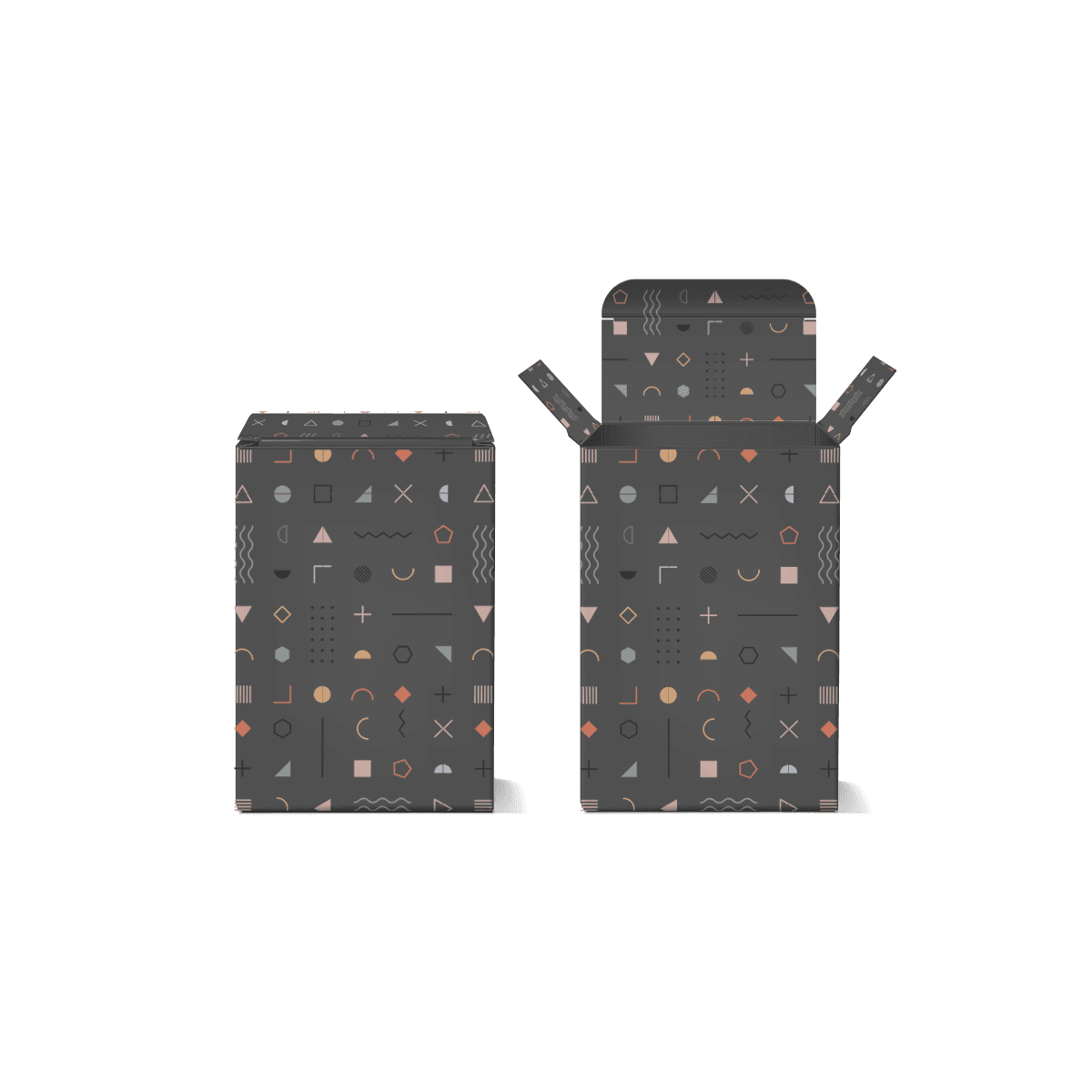
Custom Straight Tuck End Boxes use top and bottom tuck closures that work in the same direction. That arrangement matters most when one front panel needs to read cleanly from top edge to bottom edge and the product is light enough for a standard paperboard base.

The box is normally supplied flat with a glued side seam. At packing, the carton is opened into a tube, one end is closed, the product is loaded and the opposite end is tucked shut. The closure is simple, but the dieline must coordinate dust flaps, tuck depth and the panel chosen for presentation.

The surviving straight-tuck URL should therefore be treated as the main same-direction tuck specification. It is not a generic carton name.
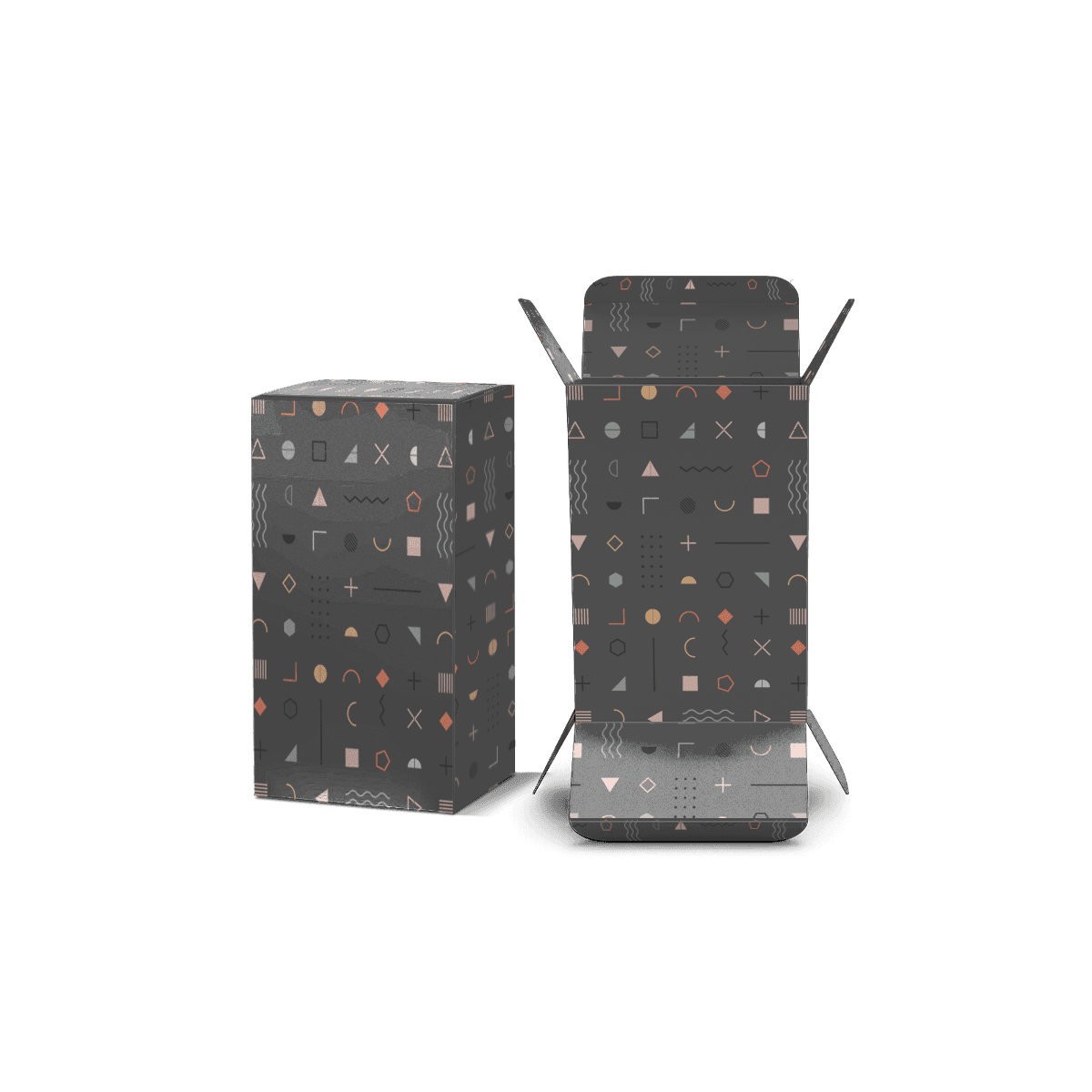
Choose the Shelf Face Before the Dieline

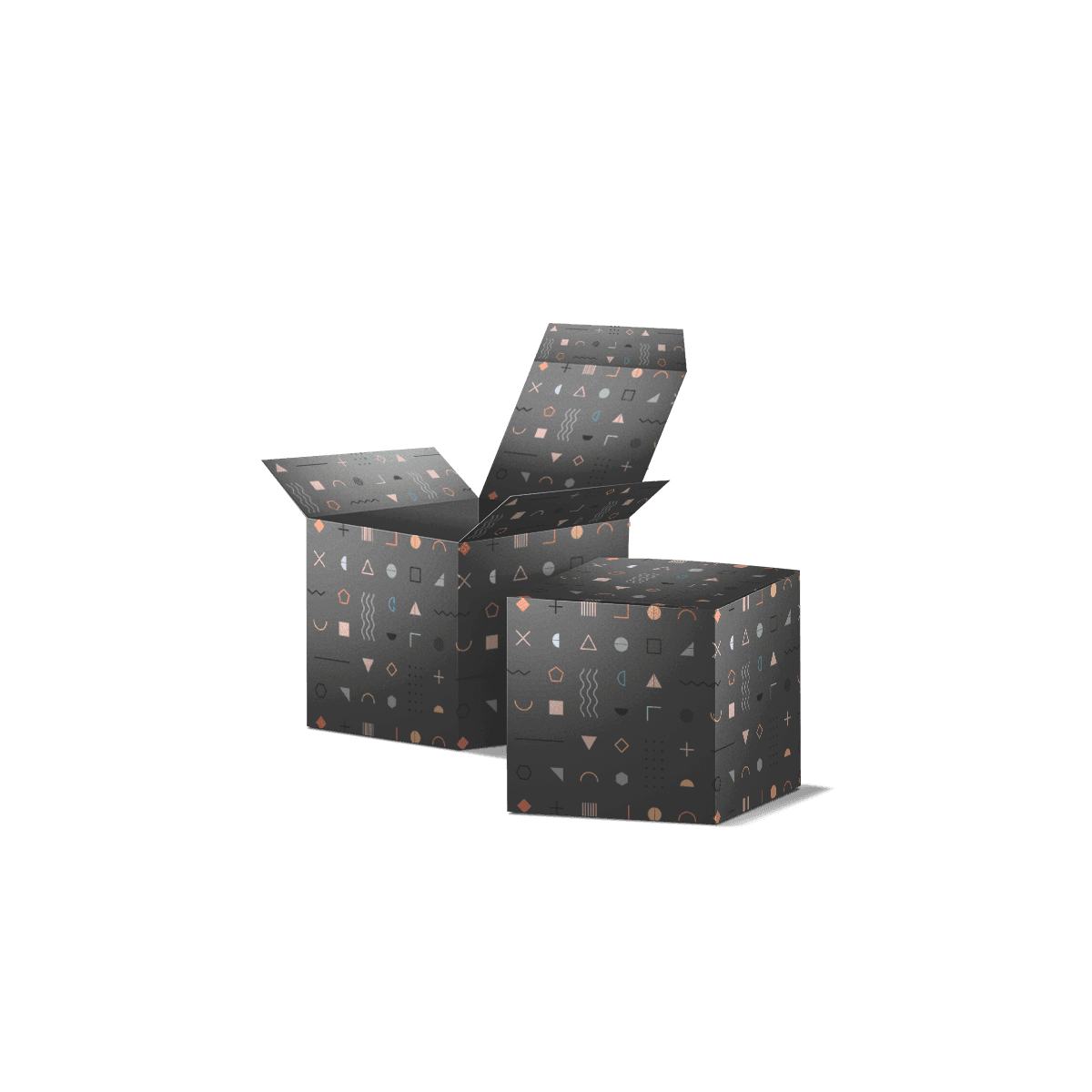
The display face should be decided before artwork is assigned to panels. Both main tucks can be arranged so their raw edges and closing motion stay away from the face the shopper sees first.

This is especially useful for cosmetics, wellness products, accessories and other cartons where a clean front panel carries the product name, variant and key visual.

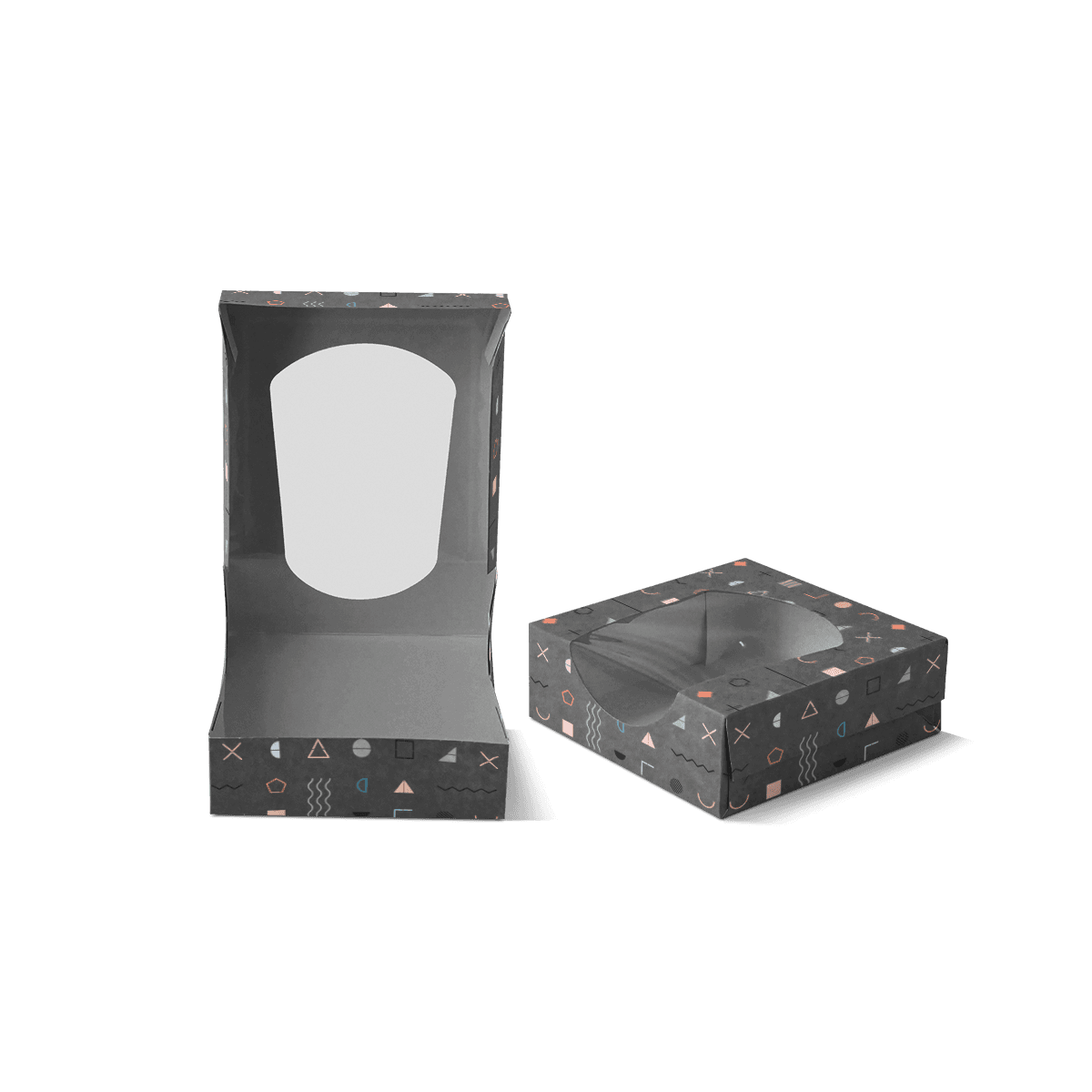
If the front panel also contains a window, the closure geometry becomes more important because the tuck and dust flaps must not interfere with the window film or weaken the frame around the cutout.

Side Seam Placement Affects the Back Panel

The manufacturer's joint is normally glued before the cartons arrive. Its position should be treated as a structural zone rather than a convenient place for small copy or a precision graphic edge.

On narrow cartons the seam can consume a noticeable share of the back or side panel. Keep barcodes, small instructions and color-critical alignments clear of the overlap so the printed result does not depend on an exact glue-edge position.

If a wraparound pattern crosses the seam, approve it with realistic registration tolerance rather than expecting the joint to disappear.

Internal Size Includes Closure Clearance

Measure the packed product at its widest, deepest and tallest points, then account for any insert, folded leaflet, pump, cap or raised feature. The internal size needs enough room for loading without forcing the tuck or bowing the side panels.

A carton that is too tall can let the product move and make the top closure feel loose. Too little height can push the product into the tuck flap and create a lid that springs upward.

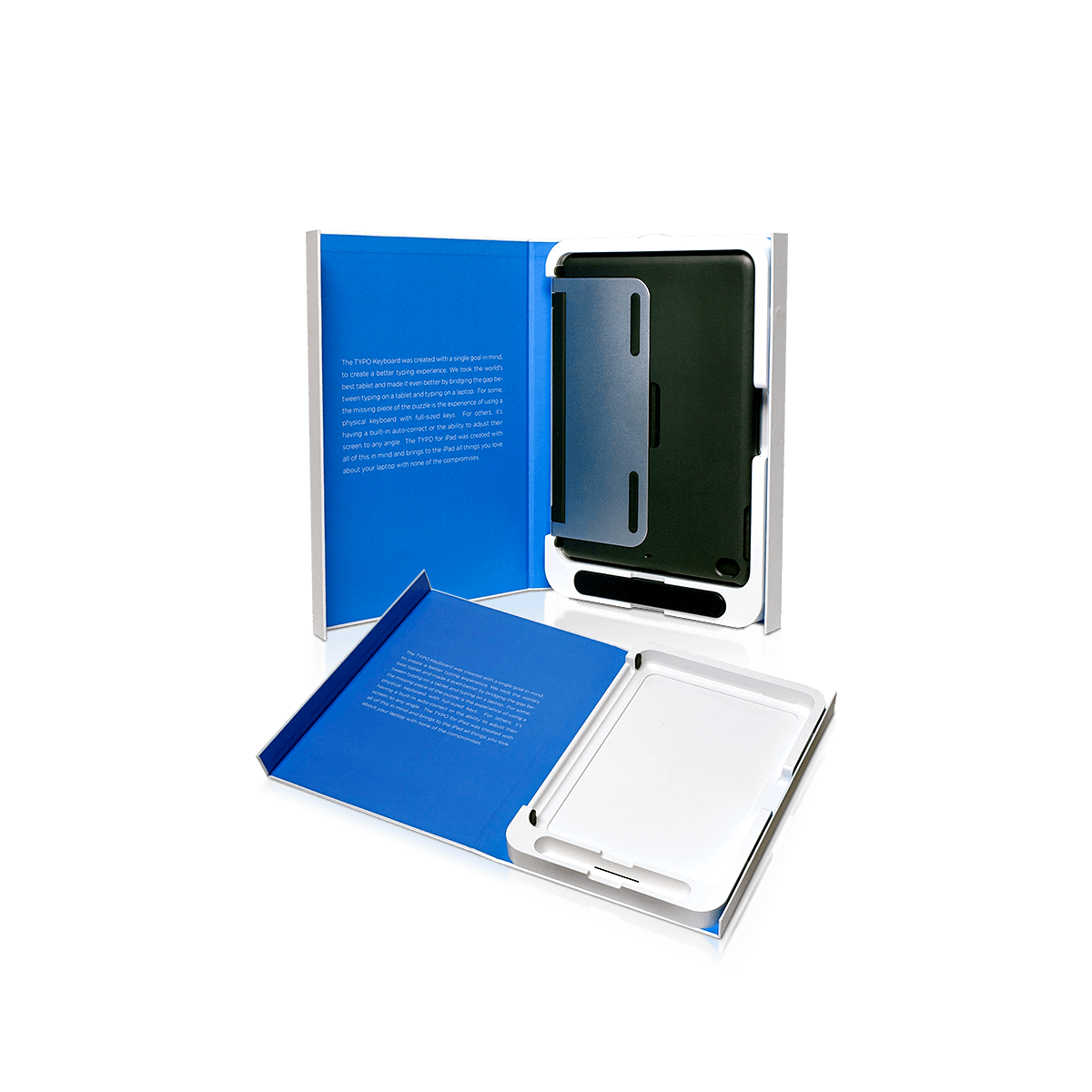
When the package needs a fitted insert, Custom Product Packaging can keep the insert and outer dimensions in the same fit decision.

Tuck Depth Controls How the Ends Hold

A tuck flap needs enough engagement to stay seated through handling, but extra depth is not automatically better. Long tucks consume board and can make opening stiffer on a shallow carton.

Dust flaps also matter. They close the side gaps, guide the main tuck and help the end feel complete. Their proportions should follow the carton depth and the opening experience rather than a fixed template.

For products that need more positive end security, friction locks or slit locks may be considered where the structure supports them.

Leaflets and Inserts Can Block the Tuck

A carton may fit the product correctly and still close badly after a leaflet, instruction card or paperboard insert is added. Loose components often migrate toward the end panel during packing and can sit directly under the tuck flap.

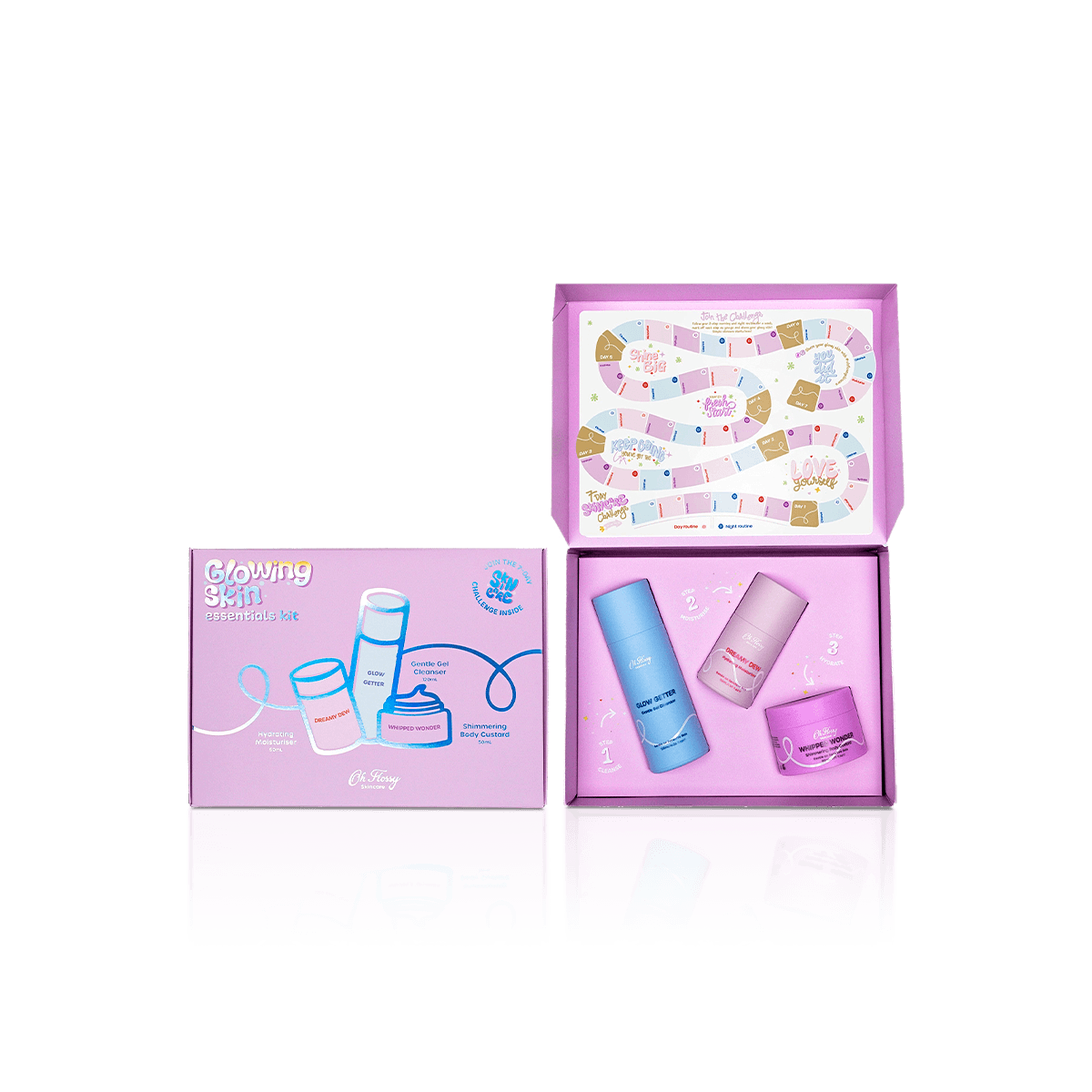
Define where inserts and literature sit in the finished pack. If a leaflet belongs beside the product, give it a controlled pocket or enough side clearance that it cannot rise into the closure path.

The end should close with the complete sales unit inside, not an empty box or product-only sample.

Board Stiffness Changes the Closing Feel

SBS, kraft and recycled paperboard can all work when the stock is appropriate for the carton size, print and product weight. Thicker board increases stiffness but also changes crease behavior and the force needed to tuck the ends.

A narrow carton can often use lighter stock than a wide panel carrying the same product weight. Large panels may bow even when the material caliper sounds substantial.

When board choice is still open, packaging materials differ by structure and use can help separate paperboard needs from heavier corrugated or rigid formats.

Window Placement Favors a Clean Front

Straight tuck construction is often selected when a large display window belongs on the primary face. Keeping the tuck geometry away from that face can make the window frame easier to design and the product easier to present.

The window still removes paperboard from the panel, so the cutout size and location need enough material around the edges to retain shape. A window is a merchandising decision, not a substitute for internal product control.

If the product must be held at a precise angle behind the window, plan the insert before the exterior dimensions are finalized.

Retail Automation Changes Blank Tolerances

Straight tuck cartons can move from hand packing into semi-automatic or automatic cartoning as volume grows. The same overall structure may remain suitable, but the acceptable variation in squareness, crease response and flap position becomes tighter.

Share equipment requirements before production if the cartons will be machine erected or closed. Grain direction, board stiffness, score depth and glue seam quality can affect whether the blank opens consistently.

A carton that an operator can coax into shape is not automatically a carton that will run cleanly on equipment.

Artwork Follows the Closing Direction

Top, bottom, front and back should remain obvious on the flat dieline. If artwork is rotated independently panel by panel, the assembled carton can put copy upside down or make top-opening instructions face the wrong direction.

Keep barcodes, fine text and critical marks away from creases and tuck slots. Extend backgrounds through bleed and treat glue areas as production zones rather than printable real estate.

A production dieline turns the flat blank into the actual panel map, and packaging dielines show how cut lines, creases, bleed and safe areas affect finished artwork.

Reverse Tuck Solves a Different Blank Layout

Straight and reverse tuck are close relatives, but the bottom closure changes sides in reverse tuck construction. That can improve how blanks nest on some press sheets and may suit a different packing or artwork orientation.

Use Custom Reverse Tuck-End Boxes when opposing end closures fit the product and production plan better. Do not switch purely because one structure is assumed to be universally cheaper.

The actual material yield depends on dimensions, imposed sheet layout, board and run configuration.

Case Packing Can Stress the End Panels

Retail cartons are often packed into corrugated cases before reaching a store or fulfillment center. If the outer case is too tight, compression can press directly on the tuck ends and make otherwise acceptable closures pop or crease.

Check the retail carton and its shipping case as a system. The case count should hold the units securely without forcing the carton ends inward or allowing enough movement for repeated edge impacts.

This is especially important when a window, embossed area or delicate finish sits close to the top or bottom panel.

Heavier Products Need a Different Base

A standard tuck bottom is best for light products. Dense bottles, jars or hardware can place more force on the lower closure than this structure is meant to carry.

For a pre-glued base that opens into position during carton erection, Custom Auto-Lock Bottom Boxes move the support decision to a stronger bottom mechanism.

The right move is to change structure when the load requires it, not keep adding paperboard thickness to a closure that is doing the wrong job.

Approve the Closing Motion With the Product Inside

Review a physical or production-equivalent sample with the real product loaded. Close both ends, reopen the intended access end and inspect tuck engagement, panel bowing, corner gaps and the effect of any insert or leaflet.

Custom Packly supports custom sizing, free design and dieline help and 3D mockups. USA MOQ starts from 100 boxes, with US production, free shipping and standard 4–6 day turnaround after final artwork and specifications are approved.

For a quote, send internal size or product dimensions, product weight, quantity, board preference, print coverage, window or insert needs and artwork status. Those inputs define the actual carton rather than a generic straight-tuck price.

Repeat Orders Need the Blank, Not Just the Dimensions

Length, width and height do not fully define a straight tuck carton. Tuck depth, dust-flap geometry, side-seam position, board, crease setup, print orientation and any window or insert all belong to the repeat specification.

Keep the approved dieline and material callout with the artwork version. If only the outer dimensions are copied into a later purchase order, a supplier can reproduce the size while changing the closing behavior.

For multi-SKU programs, reuse a proven blank only when the packed product and opening requirements remain genuinely compatible.

Frequently Asked Questions

Custom straight tuck end boxes are paperboard cartons with top and bottom flaps that close in the same direction. They are also known as STE cartons and are made to fit light retail products.

Yes. Dimensions are based on internal length, width and height.

Yes. Open the carton, close the bottom, add the product and close the top.

Yes. Inside print can carry directions, product details or a branded message.

Yes. Inserts improve hold while windows show part of the product. Plan both with the dieline.

Process

How it works

Your Packaging Journey, From Idea to Production and Delivery

01

Tell Us Your Specs

Custom packaging boxes

Tell Us Your Specs

Provide size, quantity, printing, and finishes.

02

Get a Fast Quote

Custom packaging boxes

Get a Fast Quote

Instant transparent pricing, no hidden fees.

03

Design and Approval

Custom packaging boxes

Design and Approval

Artwork checks, revisions, and final sign-off.

04

Produce

Custom packaging boxes

Produce

Expert manufacturing to meet deadlines.

05

Ship to Your Door

Custom packaging boxes

Ship to Your Door

Hassle-free, flexible delivery options.

Get Your Quote for Custom Straight Tuck End Boxes

Share your product details, size, quantity and artwork needs. We’ll help choose the right packaging style and send a clear quote.