Skip to content
Details

Custom Straight Tuck (Airplane Style) Boxes

Airplane-style straight tuck cartons with top and bottom closures swinging rear-to-front, suited to light products, fast loading and defined lock details.

Both Closures Swing Rear to Front

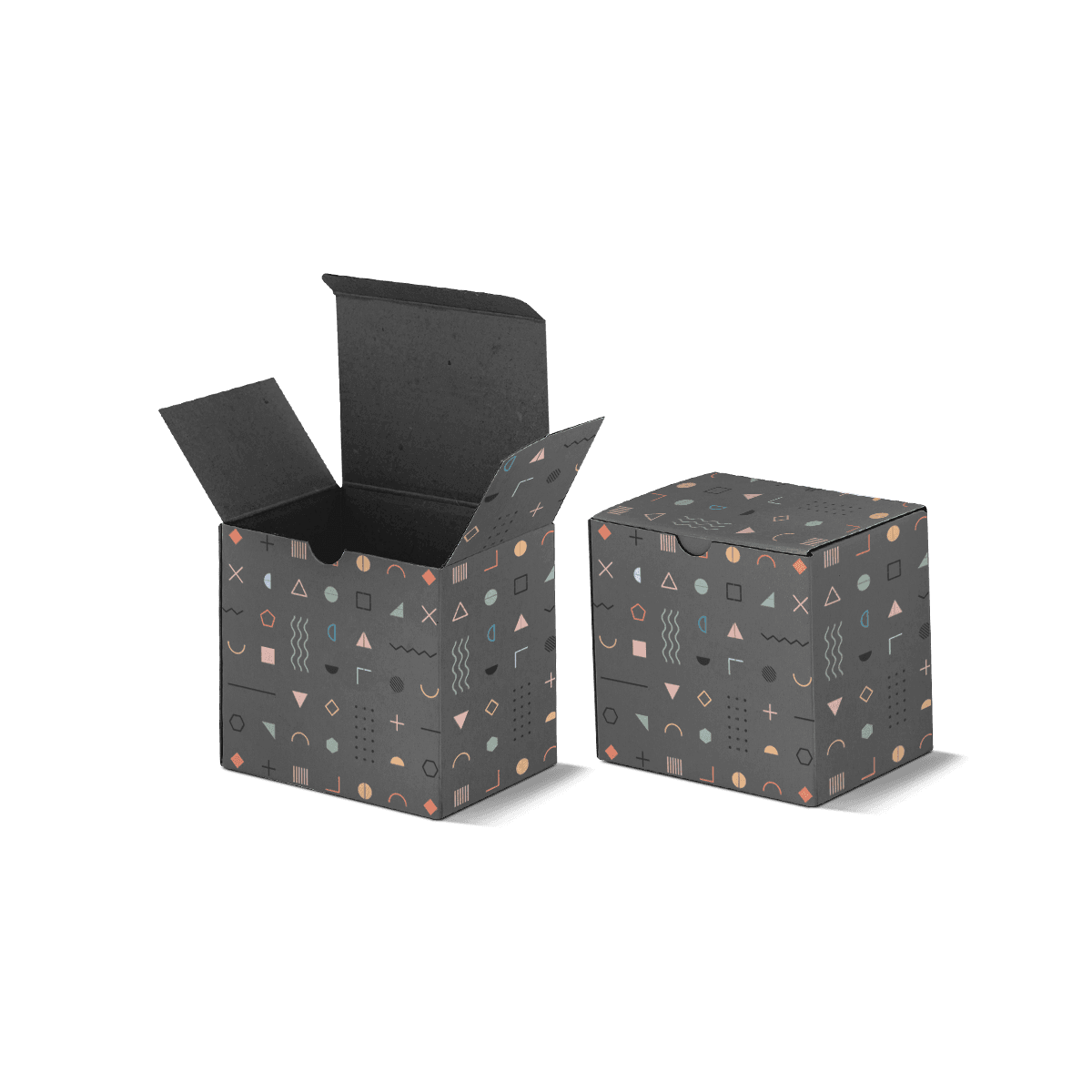
Custom Straight Tuck (Airplane Style) Boxes are a specific straight-tuck variation in which the top and bottom closure panels swing from the rear and tuck toward the front. That is the structural feature that gives this page its own purpose.

Industry carton references distinguish Airplane Style Straight Tuck from Standard Straight Tuck because the closure-panel arrangement and lock options are not identical on the flat blank.

The construction is best suited to lighter products that benefit from fast end loading and a controlled retail face.
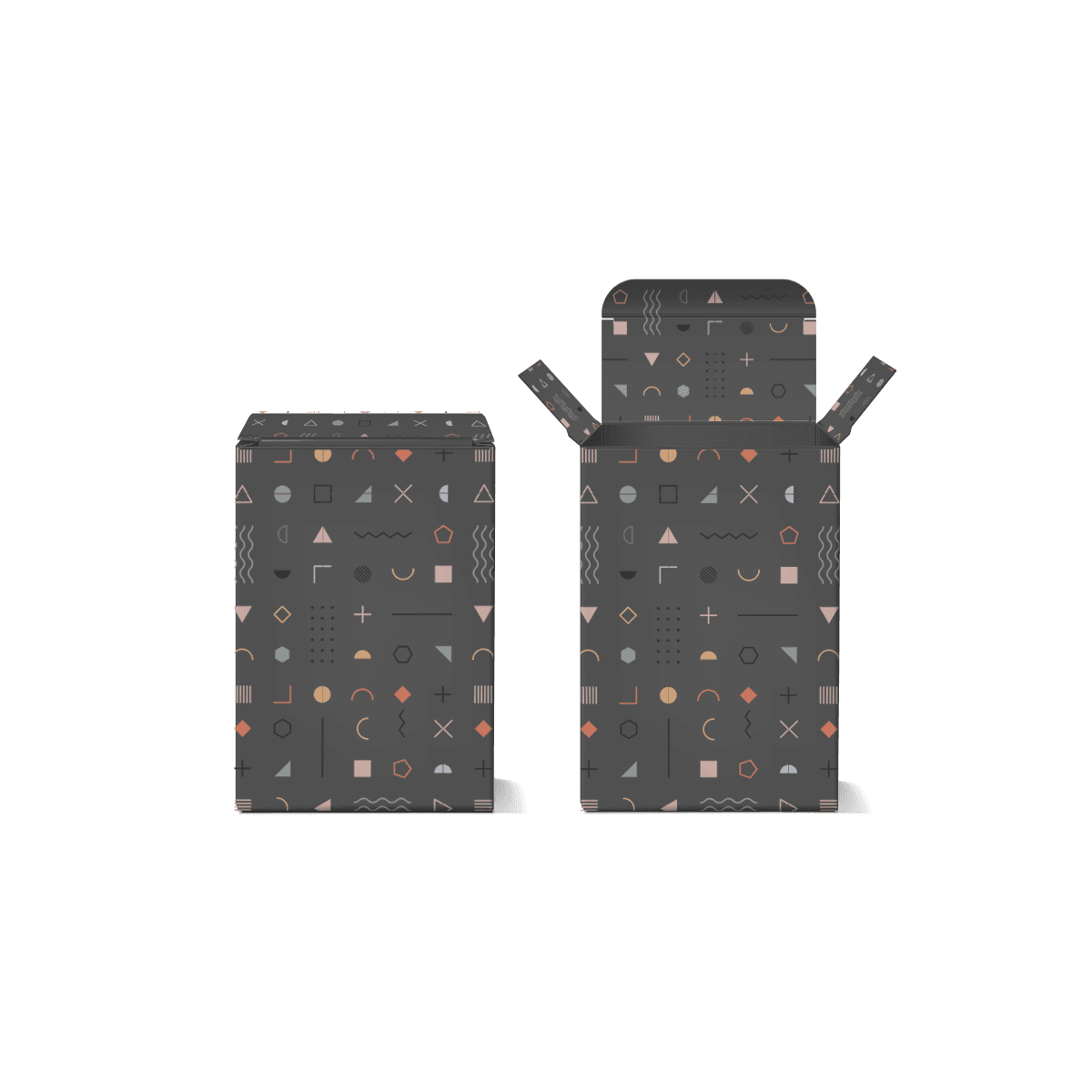
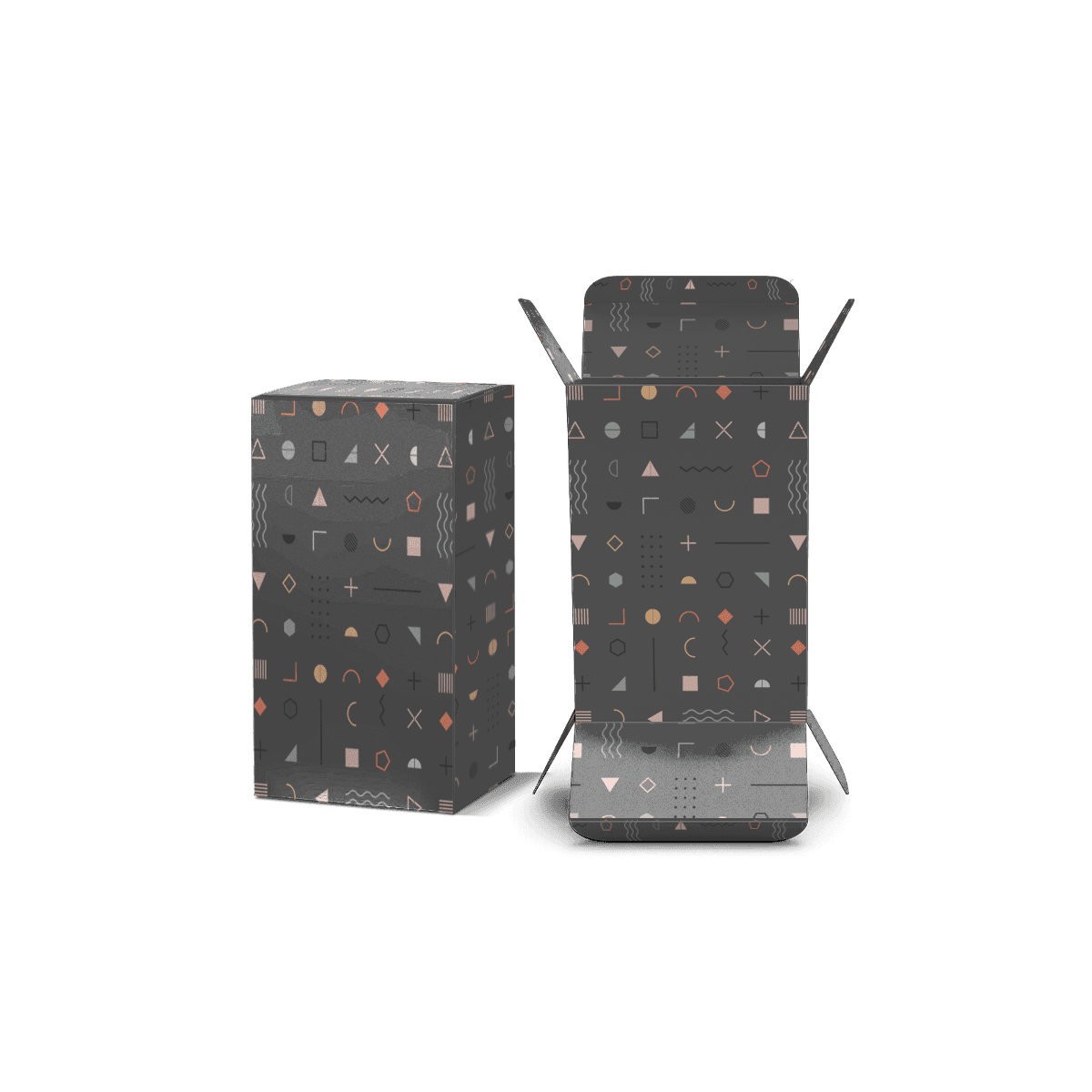
Loading From Either End Can Speed Hand Packing

Because both ends are designed as active tuck closures, the packing operation can load from the end that best fits the workstation. That can reduce unnecessary carton rotation when products are inserted manually.

The benefit only appears when the product geometry supports it. A tall bottle with a directional insert may still have one sensible loading end, while a compact accessory or flat product may be easier to load from either side.

Map the actual packing motion before artwork labels one end as the only opening.

Rear-to-Front Closure Changes the Hand Position

The airplane-style closing motion brings both main end flaps from the rear toward the front. That can be convenient when operators hold the carton with the front face toward them, but only if the product and workstation support that motion.

Observe where the packer grips the carton while loading. A large front graphic or window may be touched repeatedly during closing, while a slippery coated surface can change how easily the box is held.

Packing ergonomics are part of the structure. A distinctive flap pattern has little value if it forces extra carton rotation on every unit.

Friction and Slit Locks Add Closure Control

Airplane-style straight tuck cartons can be built with friction-fit or slit-lock details where additional retention is useful. The lock should match board caliper, carton depth and the intended opening force.

A lock that is too aggressive can slow packing or tear the edge on repeated use. A weak lock can let the end relax during handling.

Approve the lock on the production-equivalent board rather than judging it from a digital dieline.

The Product Should Stay Light

This remains a folding carton with tucked ends, so product weight matters. Small electronics, personal care items, printed kits and other light retail goods are more natural fits than dense glass or heavy components.

If bottom load is the dominant risk, a locking or pre-glued base is the better structural change. Custom Auto-Lock Bottom Boxes move support into a bottom mechanism designed for heavier fills.

Do not use the airplane-style name to justify a load the tuck closure was not meant to carry.

Lock Geometry Needs the Correct Board Caliper

Friction and slit locks depend on the relationship between the cut geometry and the board. A lock designed around one caliper can become loose or overly tight when the material is changed without adjusting the dieline.

Finish layers can also affect the feel at the edge. Lamination, heavy coating or a thick ink build may slightly change stiffness even when the base paperboard is unchanged.

Treat a material substitution as a structural review when the closure depends on a precise slot or friction fit.

The Display Panel Needs a Planned Edge

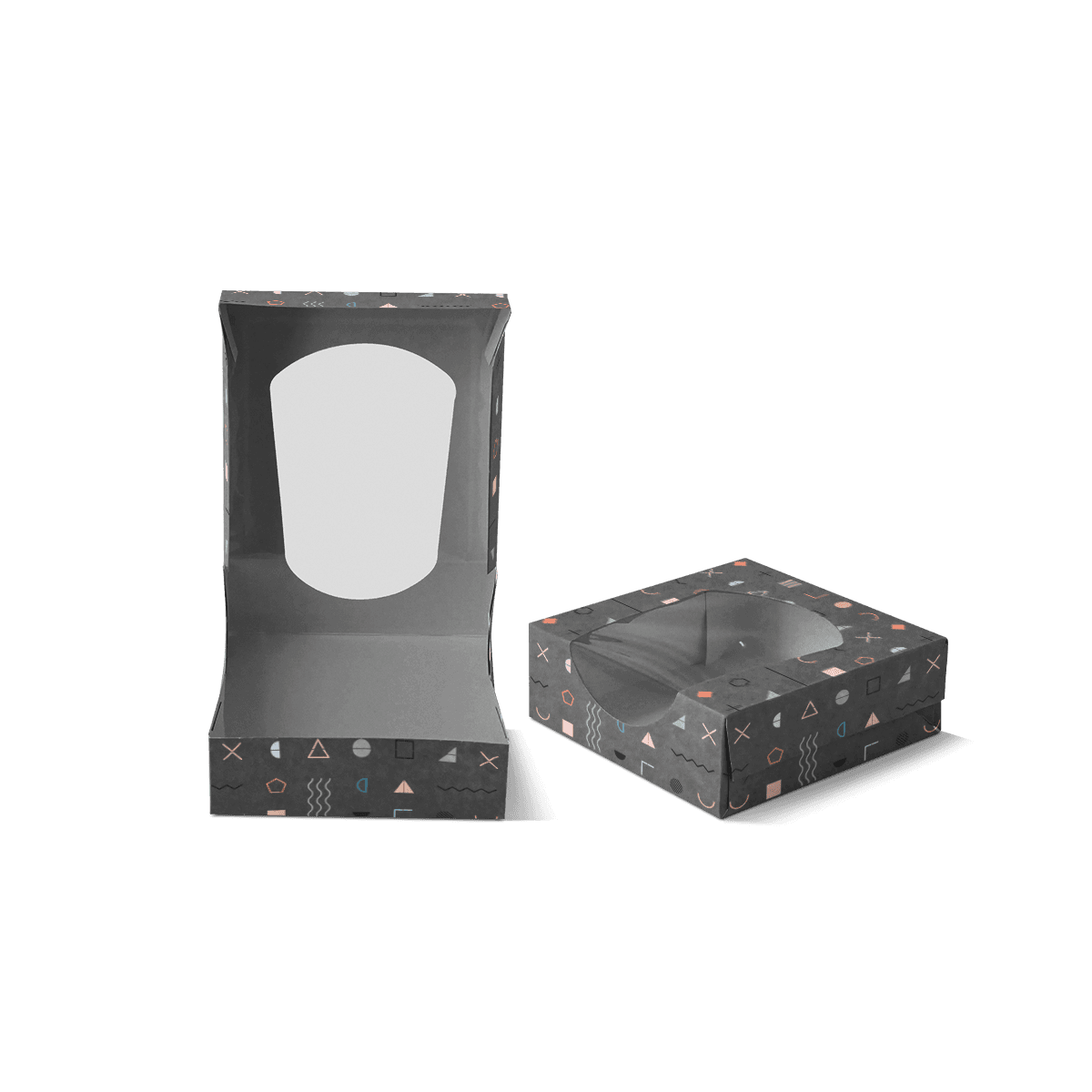
Rear-to-front closure changes where the tuck edge appears relative to the primary panel. That should be resolved before a large logo, window or product image is positioned.

A clean display face is useful for retail, but the design still has to account for the front tuck entry and any lock detail. Keep critical text clear of the edge where fingers repeatedly open the carton.

If a large front window is central to the pack, test the frame stiffness after the cutout and closure are combined.

Standard Straight Tuck Is Not the Same Blank

The closest alternative is Custom Straight Tuck End Boxes. Both are straight-tuck structures, but the airplane-style closure arrangement should remain visibly different on the dieline.

Use the standard straight tuck when its same-direction closure and primary-face relationship are enough. Use airplane style when the rear-to-front closure pattern, loading behavior or lock option is the reason for the choice.

A naming distinction without a different blank is not a useful product distinction.

Shallow Boxes Need More Care at the Dust Flaps

On a shallow carton, the dust flaps and main tuck have little depth in which to move past one another. Poor proportions can create flap collision, corner bulging or a closing motion that feels disproportionately stiff.

Very deep boxes create a different problem because long flaps use more board and may drag across the contents during closing. The correct geometry follows carton depth rather than a fixed tuck percentage.

Prototype the actual depth when the structure is being pushed toward a very shallow or very deep proportion.

Dimensions Need Room for the Tuck Path

Internal length, width and height should be based on the packed product, then checked against how the closure enters the carton. A product that sits too close to the end can block the tuck or make the lock hard to engage.

Include inserts, booklets and accessories in the packed dimensions. A shallow accessory sitting near one end can create more closure interference than the main product body.

The finished box should close without compressing the contents or leaving so much clearance that the product slides into the tuck area.

Artwork Has to Follow the Rear-to-Front Motion

Mark the rear panel, front panel and both closure ends clearly on the dieline. Graphics that cross from the body into a tuck should be reviewed assembled because the visible relationship changes when the flap disappears inside the box.

For color-critical work, choose CMYK or Pantone control before proofing. CMYK and Pantone printing can help when the same artwork must stay consistent across several carton styles.

Keep barcodes, small legal copy and finish boundaries away from folds and locking cuts.

Instructions Can Use the Opening Logic

Products with a setup sequence, promotional insert or first-use message can use the defined opening end to control when information appears. The instruction should sit where it is naturally seen after the front-facing tuck is opened.

Do not place a card so close to the end that the tuck catches it during closing. If the card must remain aligned, a small paperboard feature or insert may be better than leaving it loose.

The opening experience should come from the product workflow, not from adding decorative layers that slow packing.

Flat Storage Helps Until Setup Becomes the Bottleneck

Like other folding cartons, airplane-style boxes can be stored flat before use. That is valuable for brands carrying several SKUs or seasonal artwork versions.

At higher packing volumes, the main question becomes whether operators can erect, load and close the carton fast enough. Time the real motion rather than assuming every tuck-end structure performs the same.

If the line needs a base that forms automatically as the carton opens, a different construction may remove more labor than this style.

Approve Both Loading and Opening

A good sample should be packed the way production will pack it and opened the way the customer will open it. Check tuck engagement, lock behavior, panel bowing, product clearance and whether artwork remains correctly oriented.

Custom Packly supports custom sizing, free design and dieline help and 3D mockups. USA MOQ starts from 100, with US production, free shipping and standard 4–6 day turnaround after final artwork and specifications are approved.

For pricing, send product size and weight, quantity, board preference, print, lock preference, opening direction and artwork status.

Keep the Airplane Variant in the Production Record

Straight-tuck names are similar enough that a repeat purchase order can lose the distinction. Record the exact airplane-style dieline, closure direction and any lock feature with the SKU.

If another straight-tuck carton shares the same external dimensions, do not assume the artwork files are interchangeable. Panel orientation and flap relationships can move copy to the wrong face even when length, width and height match.

The approved structural file should remain the master reference whenever artwork is refreshed, a new SKU is added or production moves to another die.

FAQs

Usually both. It gives the carton a cleaner front presentation while still staying practical for hand filling and routine retail packing.

Straight Tuck (Airplane Style) Boxes are often preferred when buyers want a tidier face panel and a slightly more controlled tuck presentation. Straight Tuck-End Cartons are still very useful, but they are more of a general-purpose choice for everyday retail cartons.

They are best for lightweight to moderately weighted products. If the contents are denser or need more base strength, an auto-lock or automatic bottom style is usually the better option.

Yes. This format gives enough flat panel space for dosage text, barcode areas, batch information, directions, and branded messaging without making the carton feel crowded.

Matte or gloss lamination, spot UV, foil stamping, embossing, and window patching all work well when the goal is stronger shelf appeal without overcomplicating the carton.

Process

How it works

Your Packaging Journey, From Idea to Production and Delivery

01

Tell Us Your Specs

Custom packaging boxes

Tell Us Your Specs

Provide size, quantity, printing, and finishes.

02

Get a Fast Quote

Custom packaging boxes

Get a Fast Quote

Instant transparent pricing, no hidden fees.

03

Design and Approval

Custom packaging boxes

Design and Approval

Artwork checks, revisions, and final sign-off.

04

Produce

Custom packaging boxes

Produce

Expert manufacturing to meet deadlines.

05

Ship to Your Door

Custom packaging boxes

Ship to Your Door

Hassle-free, flexible delivery options.

Get Your Quote for Custom Straight Tuck (Airplane Style) Boxes

Share your product details, size, quantity and artwork needs. We’ll help choose the right packaging style and send a clear quote.