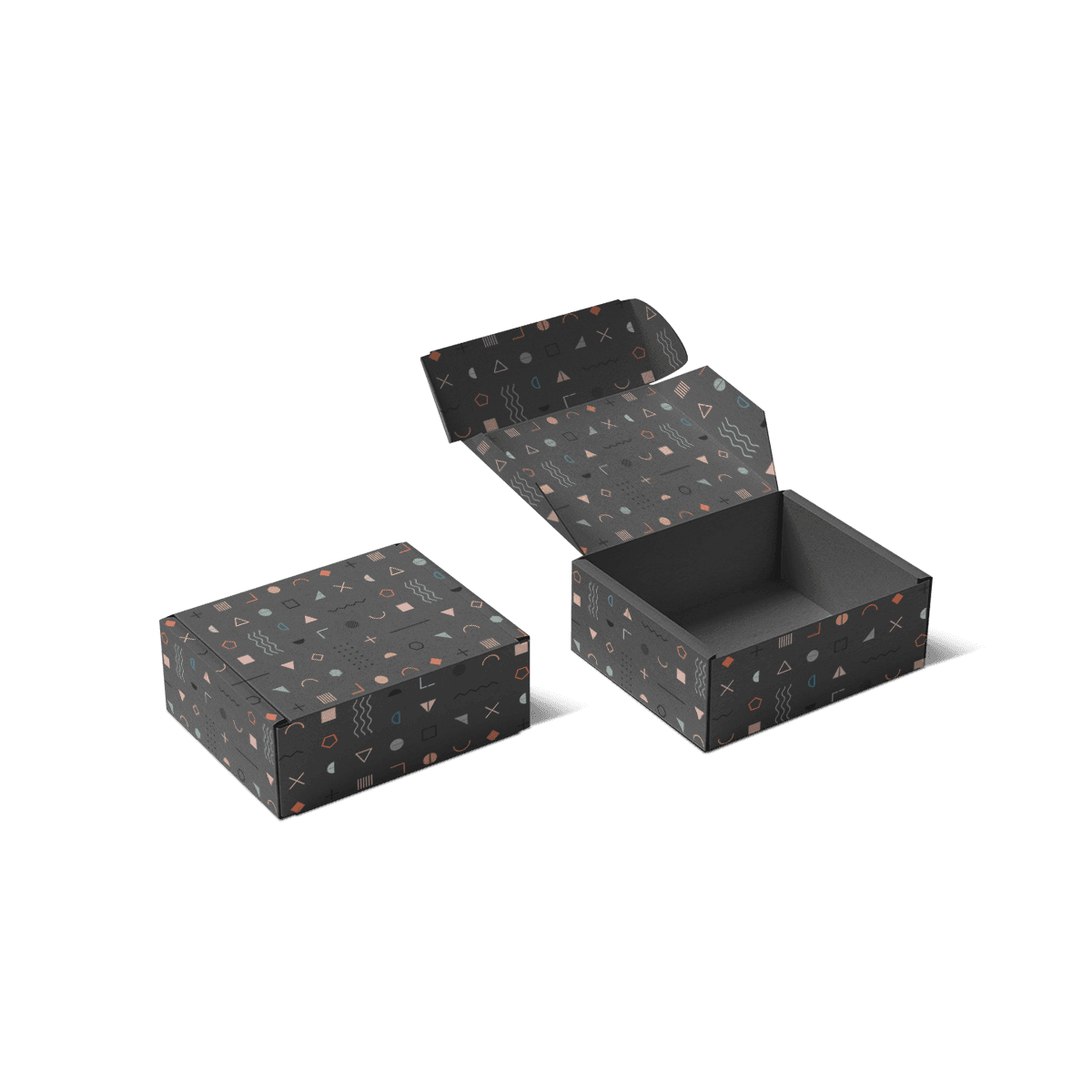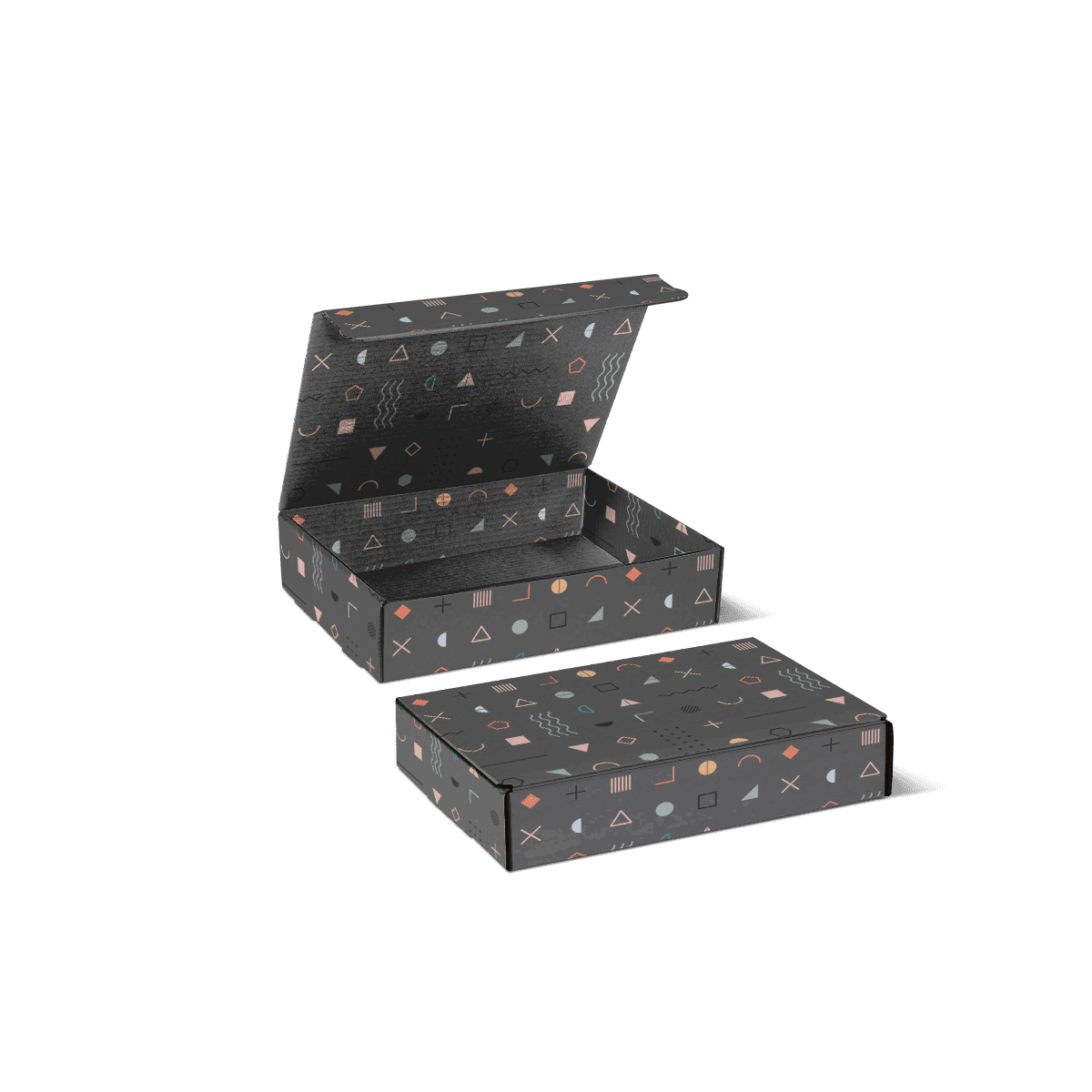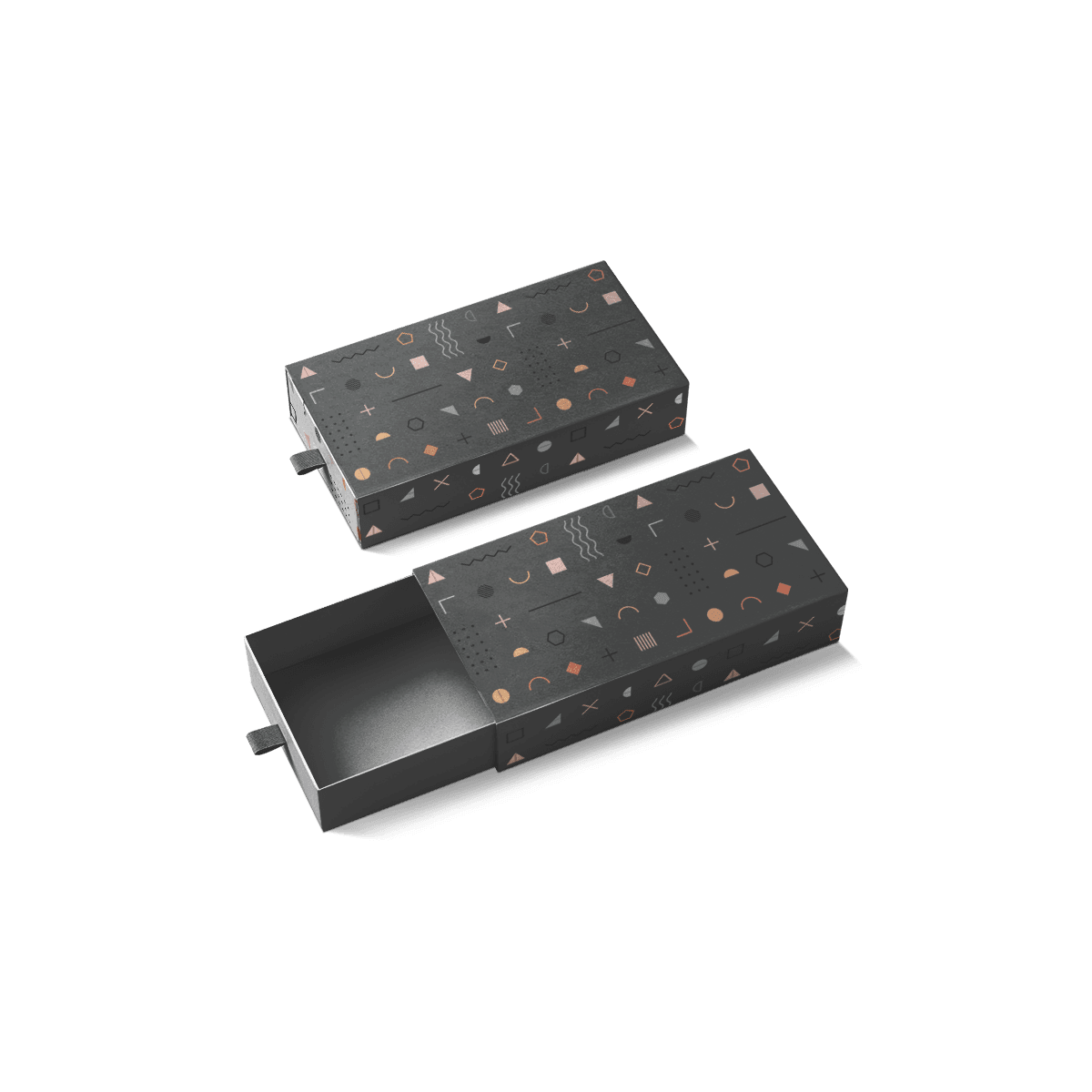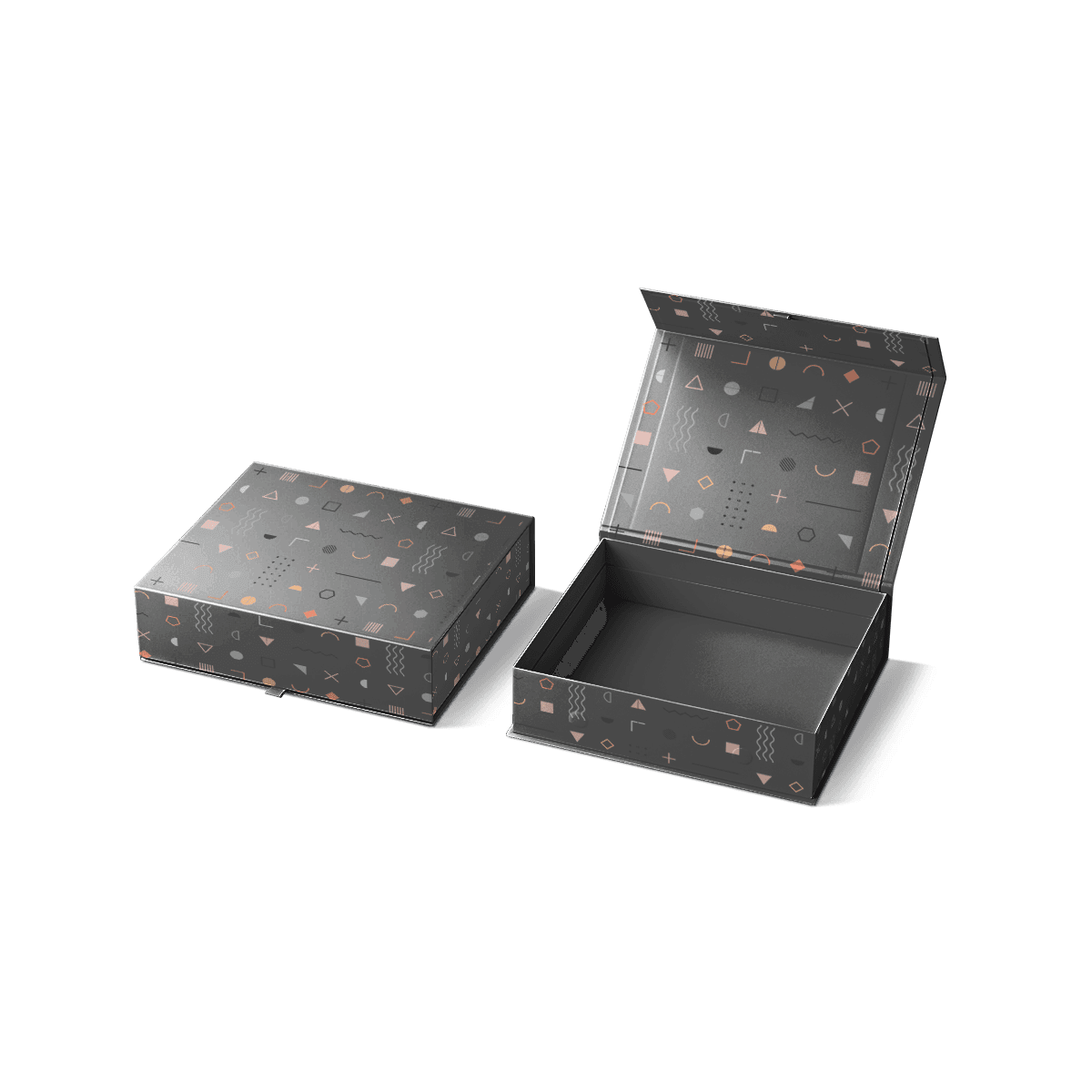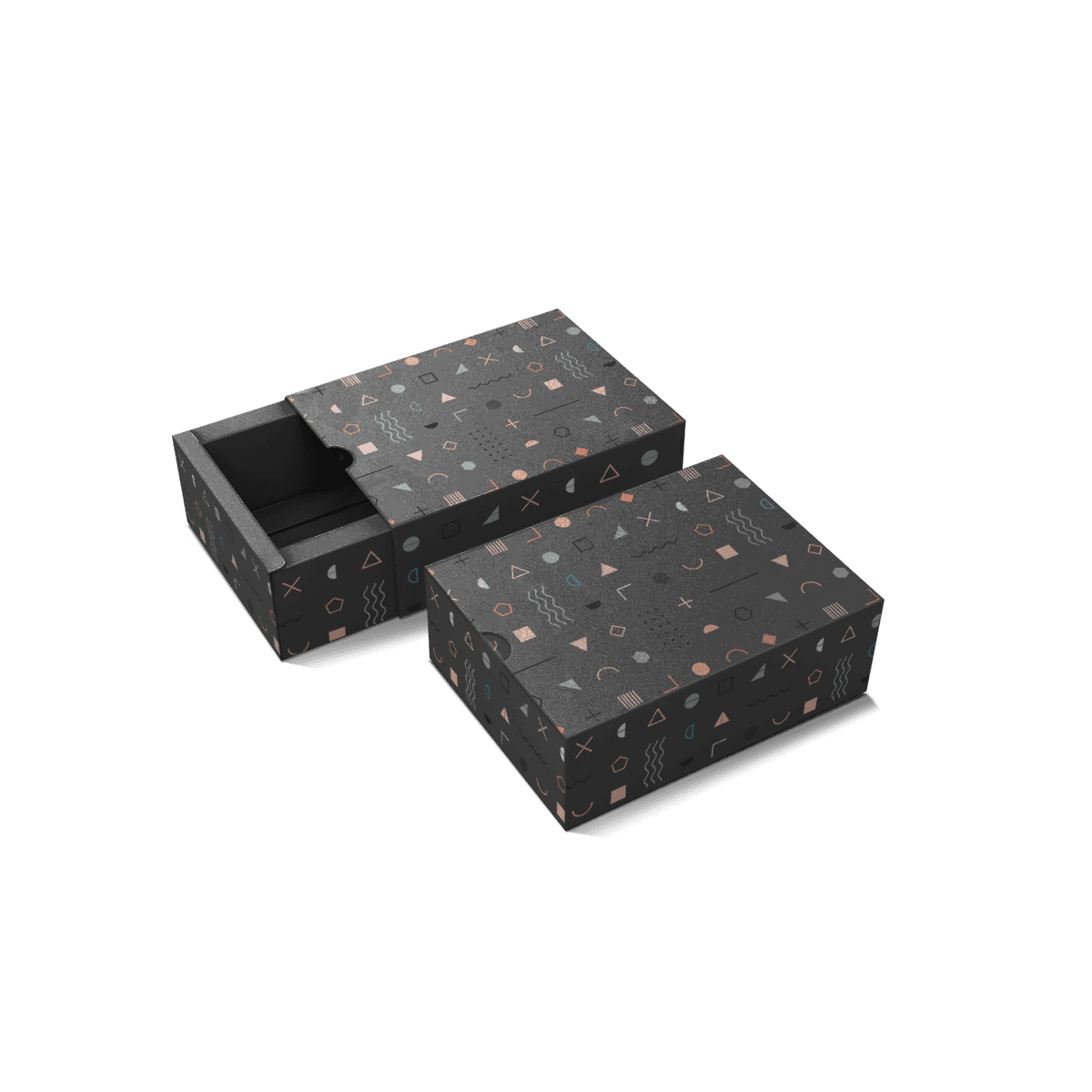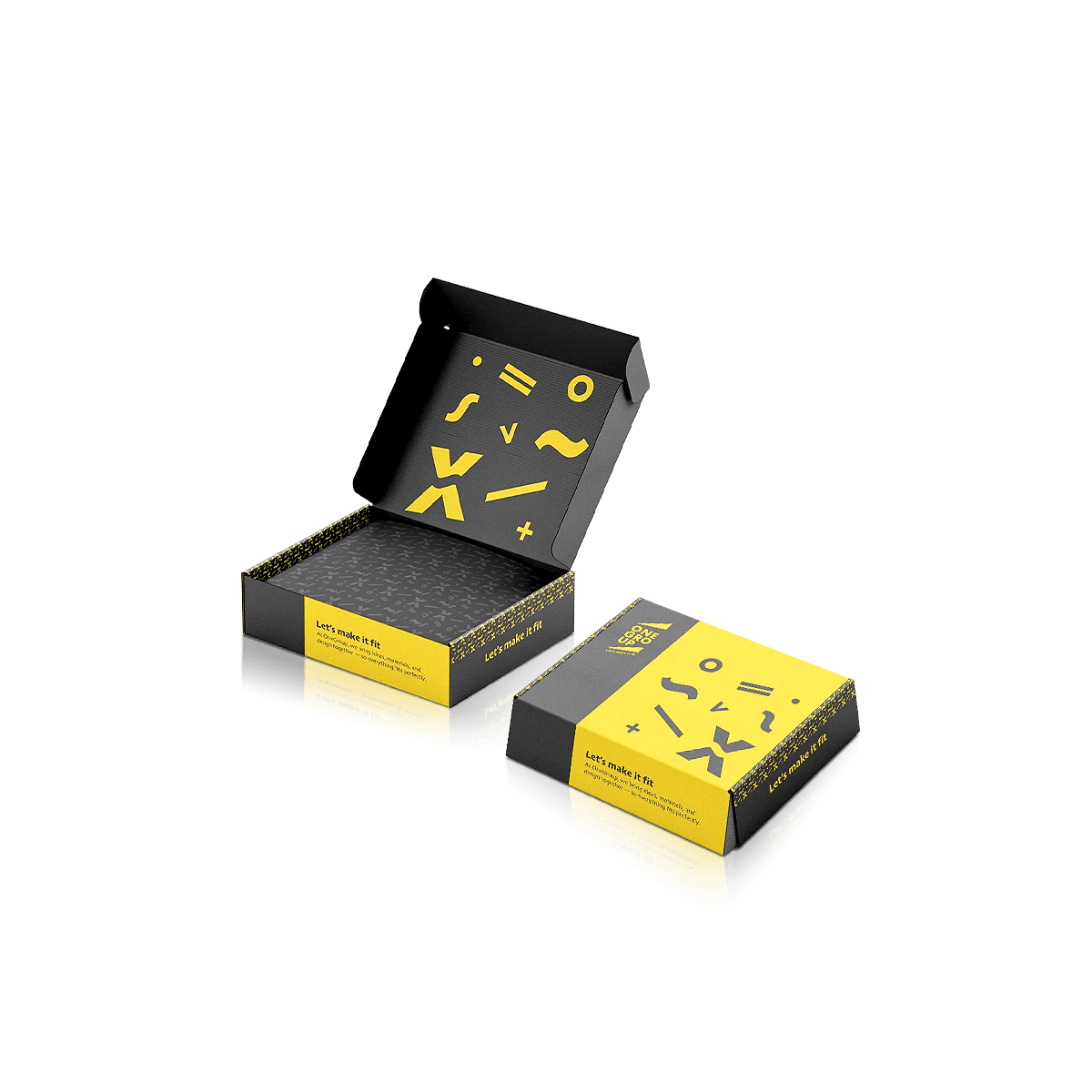
The Merchandise Mix Decides the Box
Promotional kits rarely contain products with matching dimensions, weight or handling needs. A T-shirt compresses easily. A metal tumbler is rigid and relatively heavy. A notebook creates a broad flat surface. A charging cable occupies little space but can disappear under larger items.
The box has to make those differences work together.
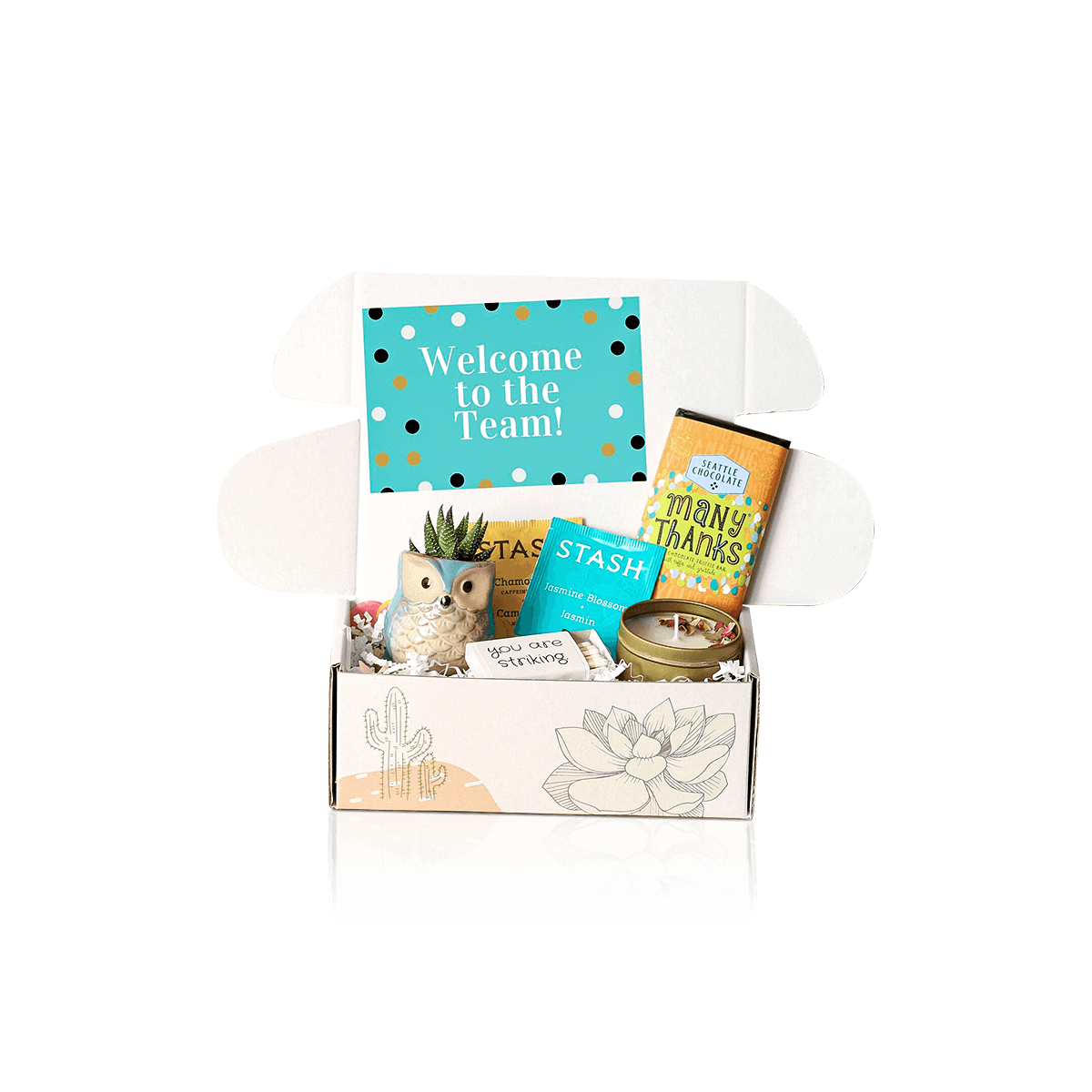
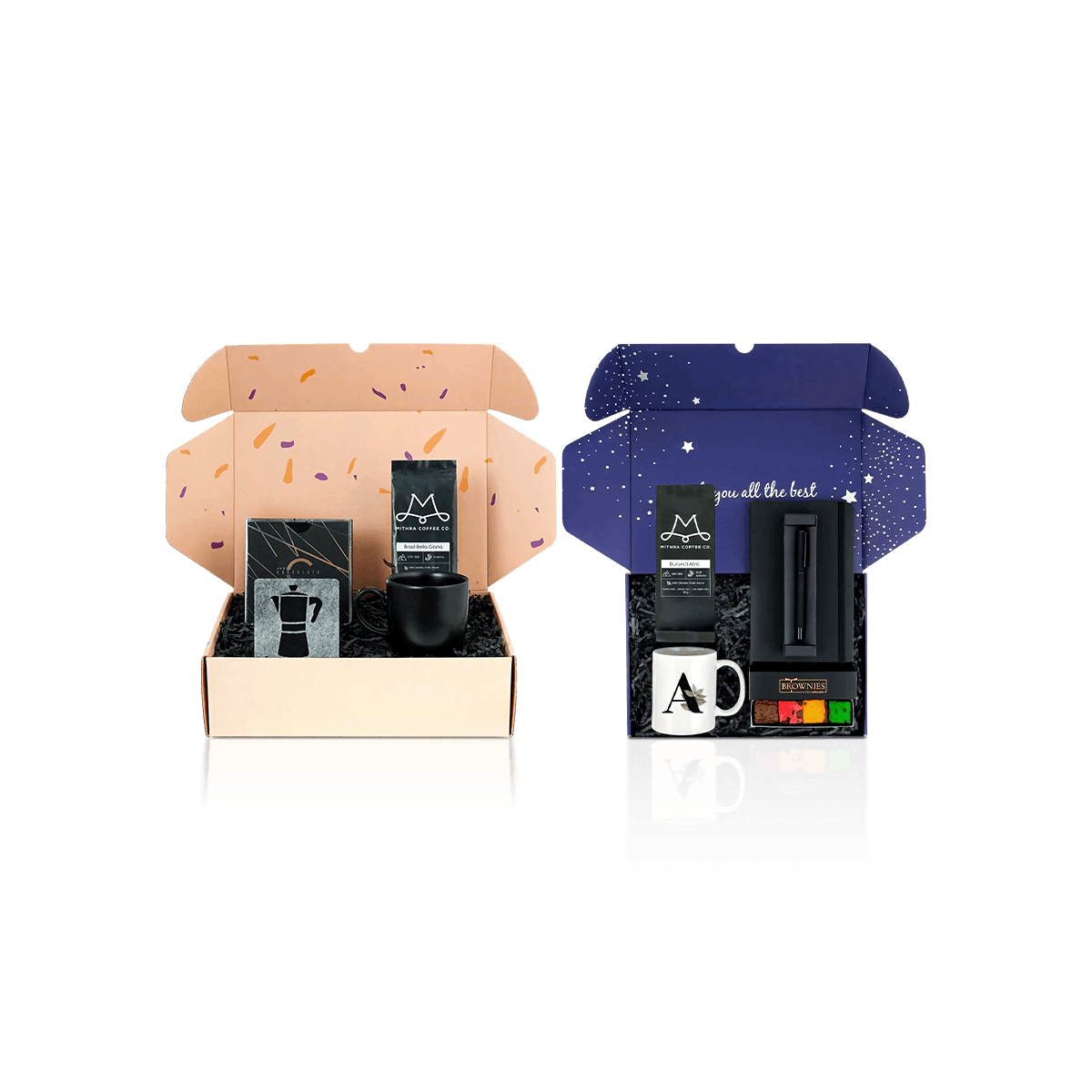
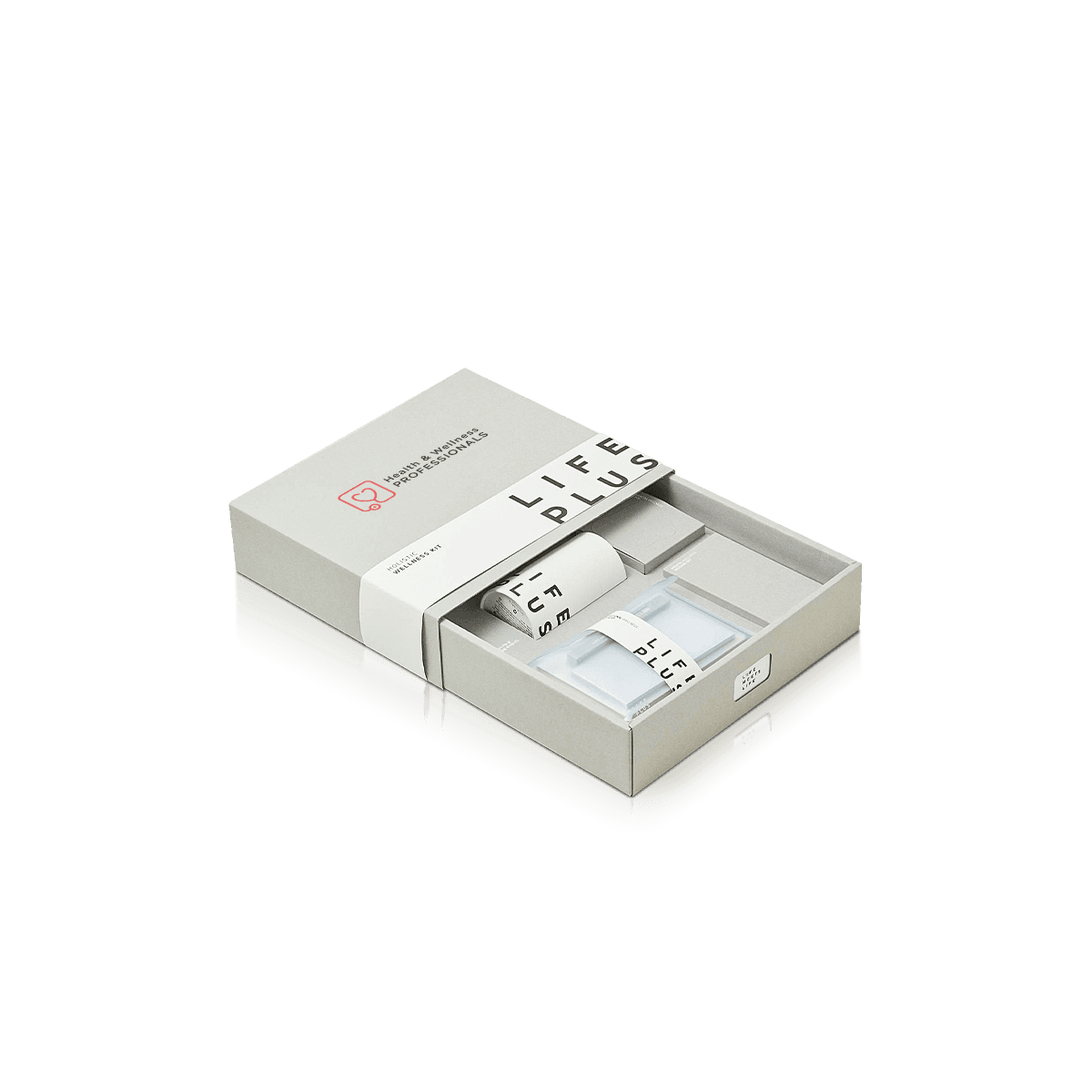
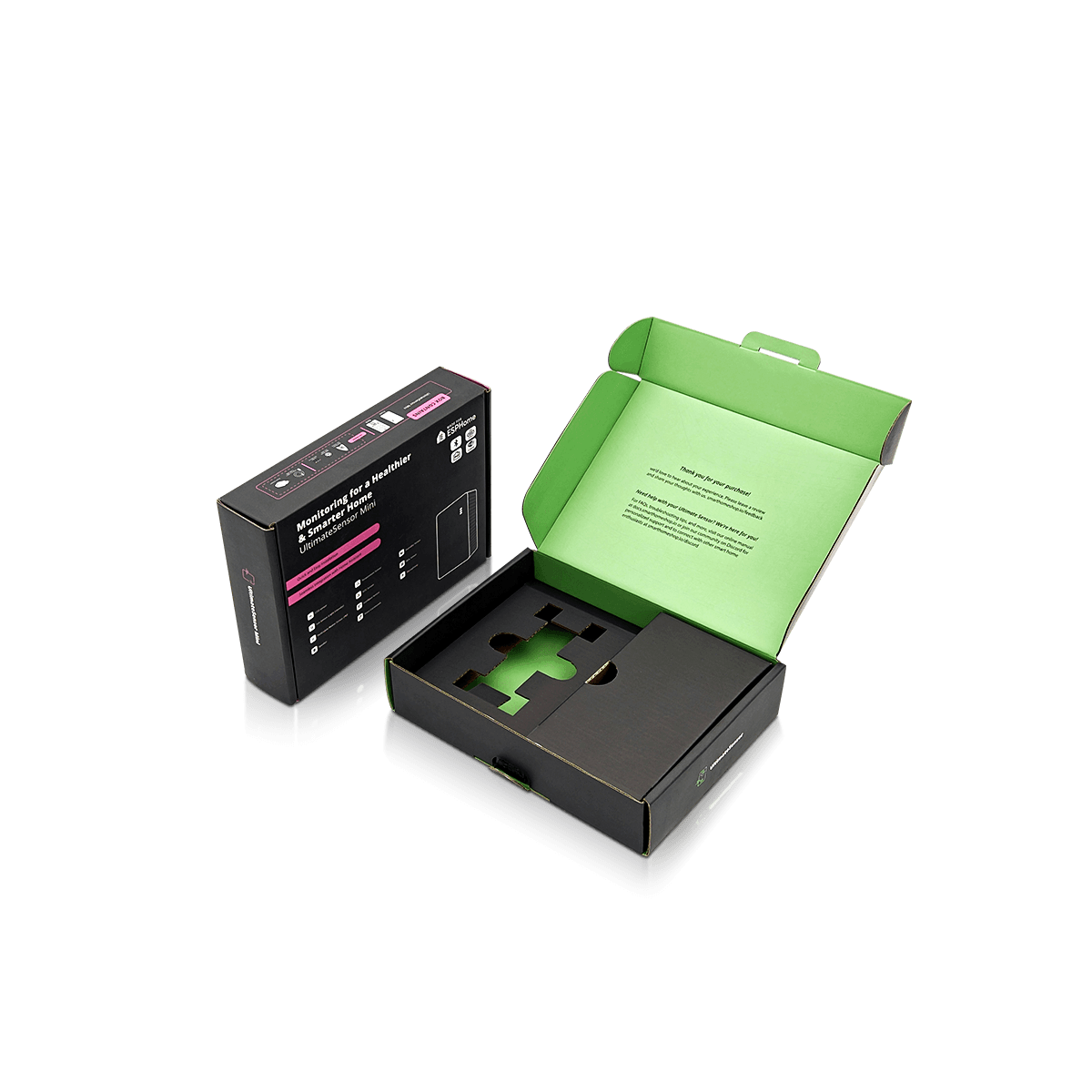
Custom Promotional Merchandise Boxes are most effective when the contents are treated as one packout system rather than a group of promotional products dropped into an attractive container.
Across hospitality, hotel and event packaging, merchandise kits sit on the campaign and giveaway side of the experience. Their job is to group branded products, present them in a deliberate sequence and make distribution easier.
Start With the Heaviest Item
The heaviest item usually has the greatest influence on board strength and internal support.
A drink bottle, insulated mug or boxed electronic accessory can create concentrated loads that softer merchandise cannot control. If that item shifts, it can crush printed cards, crease apparel or distort the presentation around it.
Place heavy products first in the structural plan, then arrange flexible and lightweight items around them.
Small Items Need Assigned Positions
Pins, cables, pens, stickers and cards easily disappear under larger products.
Giving them a defined position keeps the kit complete at first opening and makes packout easier to verify.
The solution may be a small cavity, folded paperboard holder, envelope, sleeve or another restraint that prevents the smallest item from becoming an afterthought.