Skip to content
Details

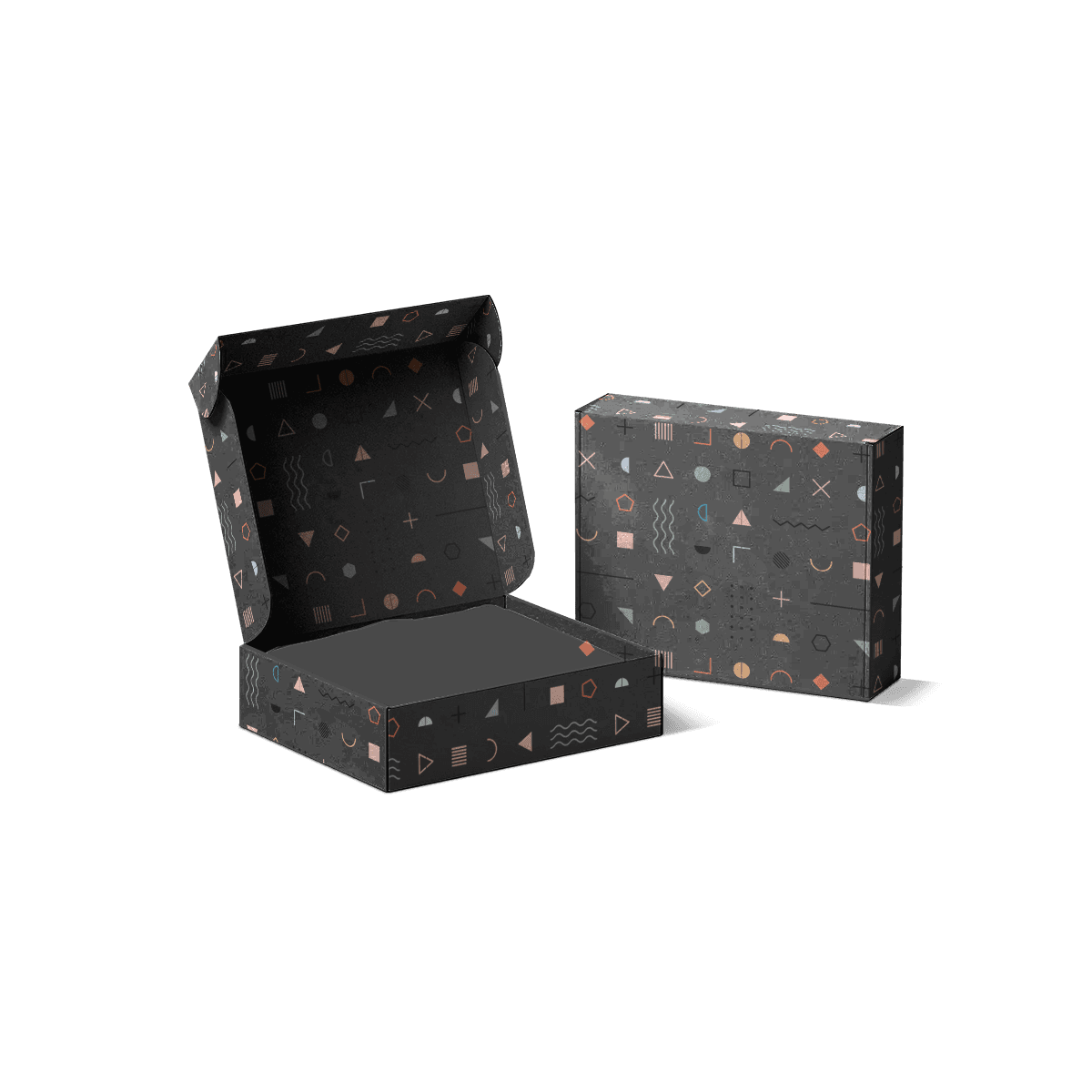
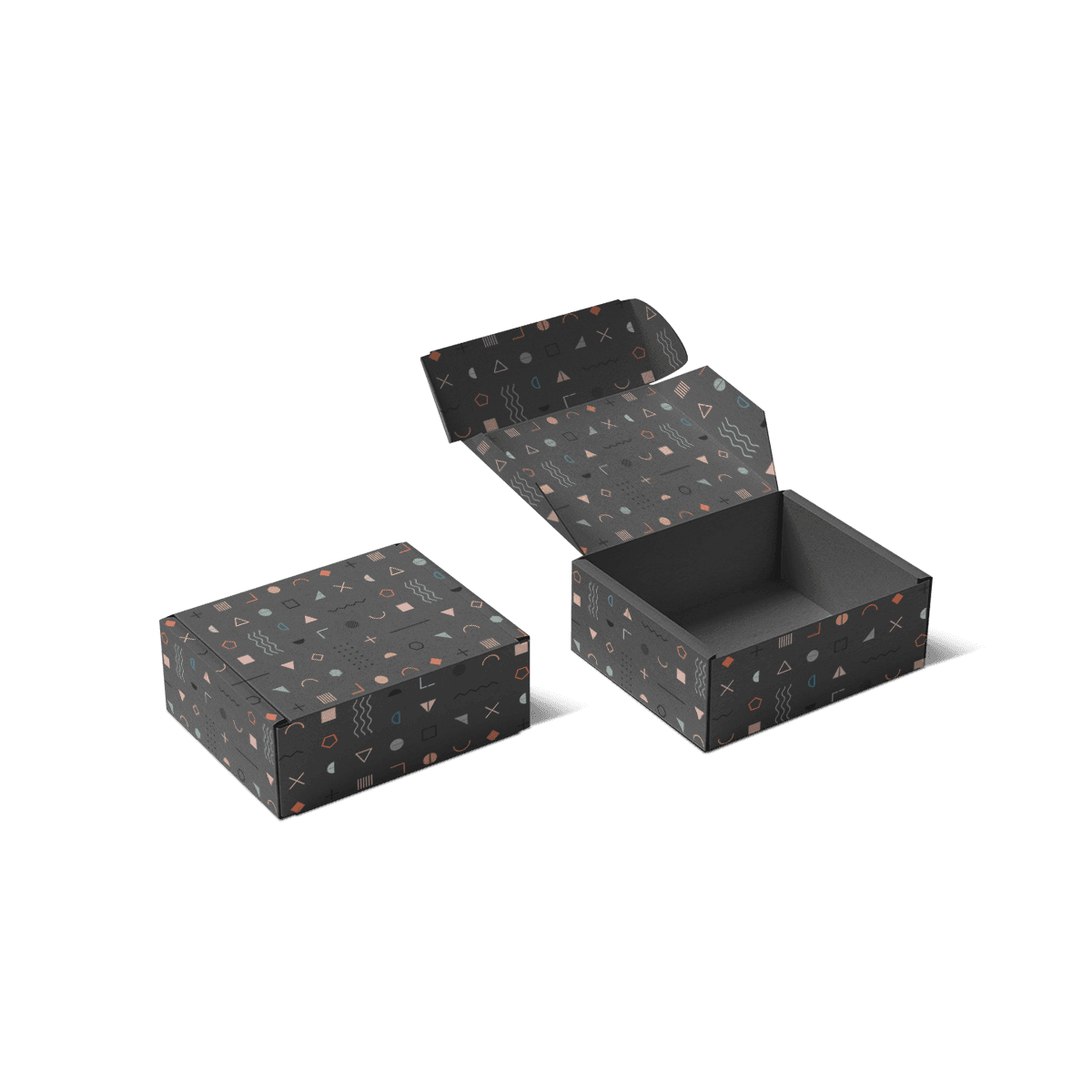
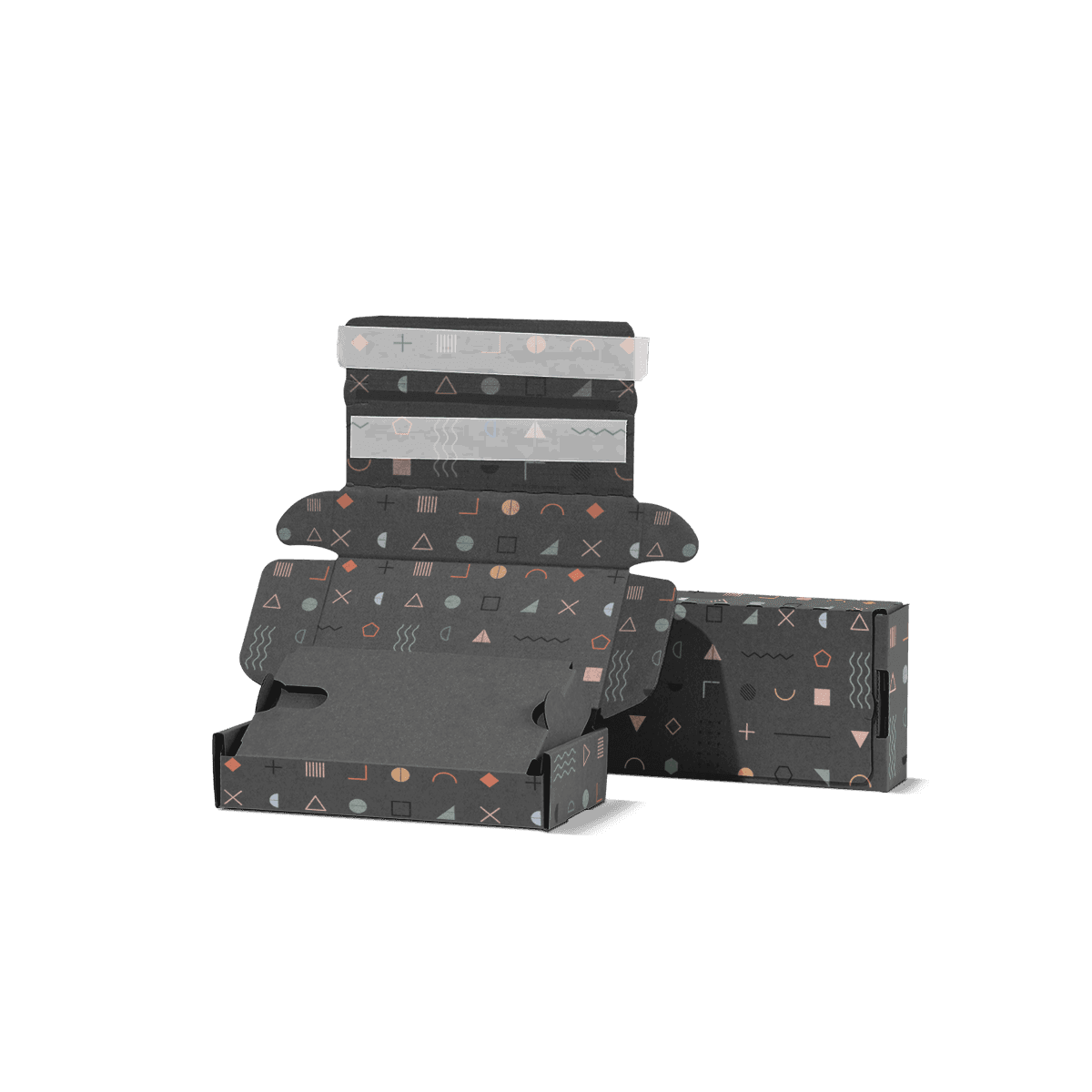
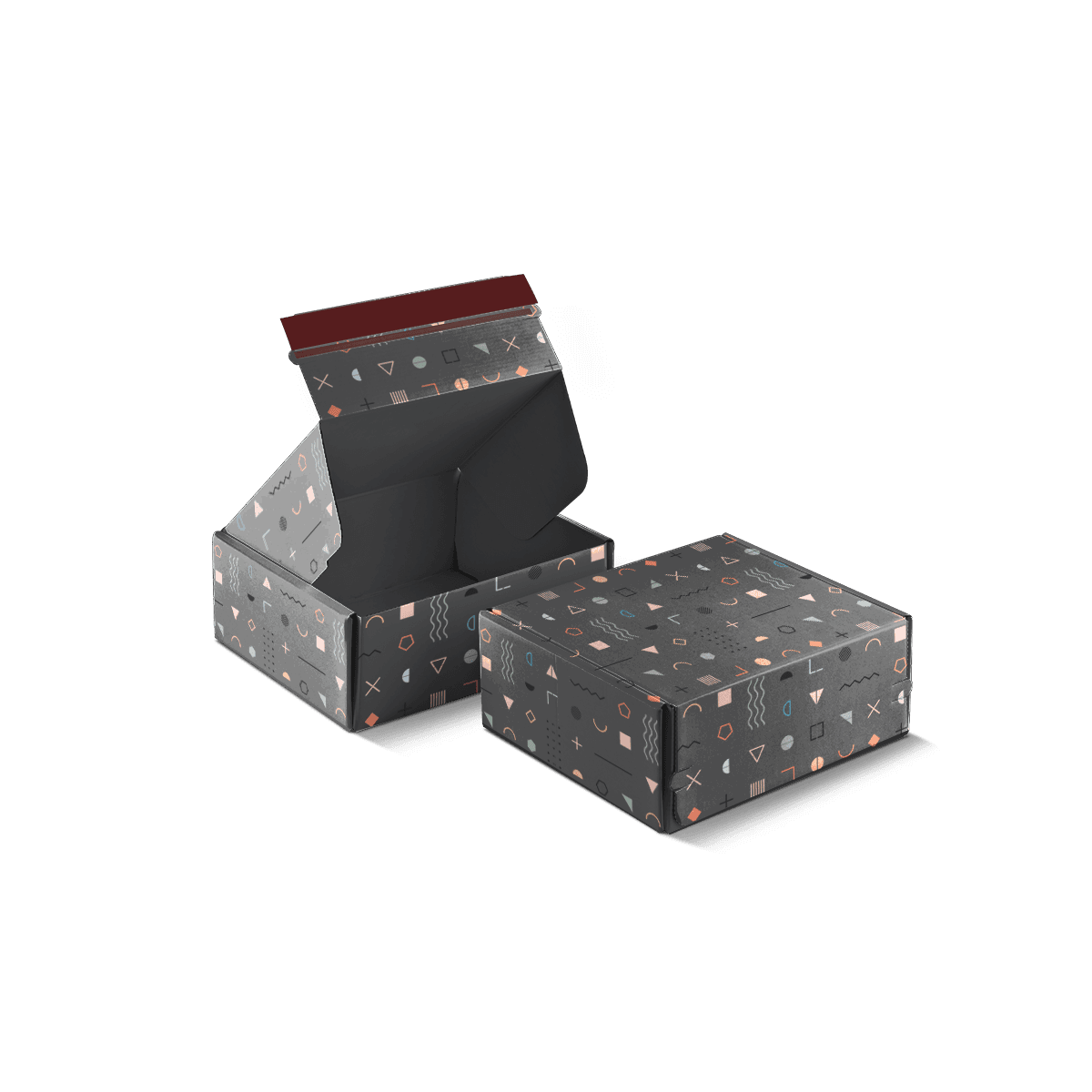
Custom Subscription Tech Mailer Boxes

Recurring corrugated mailers for gadget subscriptions, accessory drops and tech kits, with adaptable interiors that can handle changing product mixes without rebuilding the packaging around every cycle.

A Fixed Mailer Meets a Moving Assortment

The difficult part of a tech subscription is rarely the first shipment. It is keeping the packaging efficient after the contents change.

One cycle might contain a USB hub, cable and adapter. The next could replace the hub with a compact stand and add two smaller accessories. A launch drop may carry one higher-value device while a routine shipment contains several inexpensive add-ons.

Custom Subscription Tech Mailer Boxes need enough consistency for recurring fulfillment without assuming every shipment will contain the same objects.

That gives this packaging a different job from a single-product electronics box. The structure has to accommodate controlled variation while keeping small, dense and irregular tech products from moving into each other during shipping.

The Electronics & Gadgets hub separates fixed device packs, inserts, retail merchandising and transit protection from recurring tech assortments.

Beauty, food or lifestyle programs without the same tech-specific component mix fit more naturally into Subscription Boxes.

Hold the System Steady, Not Every Product Position

Recurring packaging benefits from stable elements.

The outside dimensions may remain the same across several cycles. The closing method can stay unchanged. Brand artwork zones and packing instructions can remain familiar to fulfillment teams.

The interior does not always need that same rigidity.

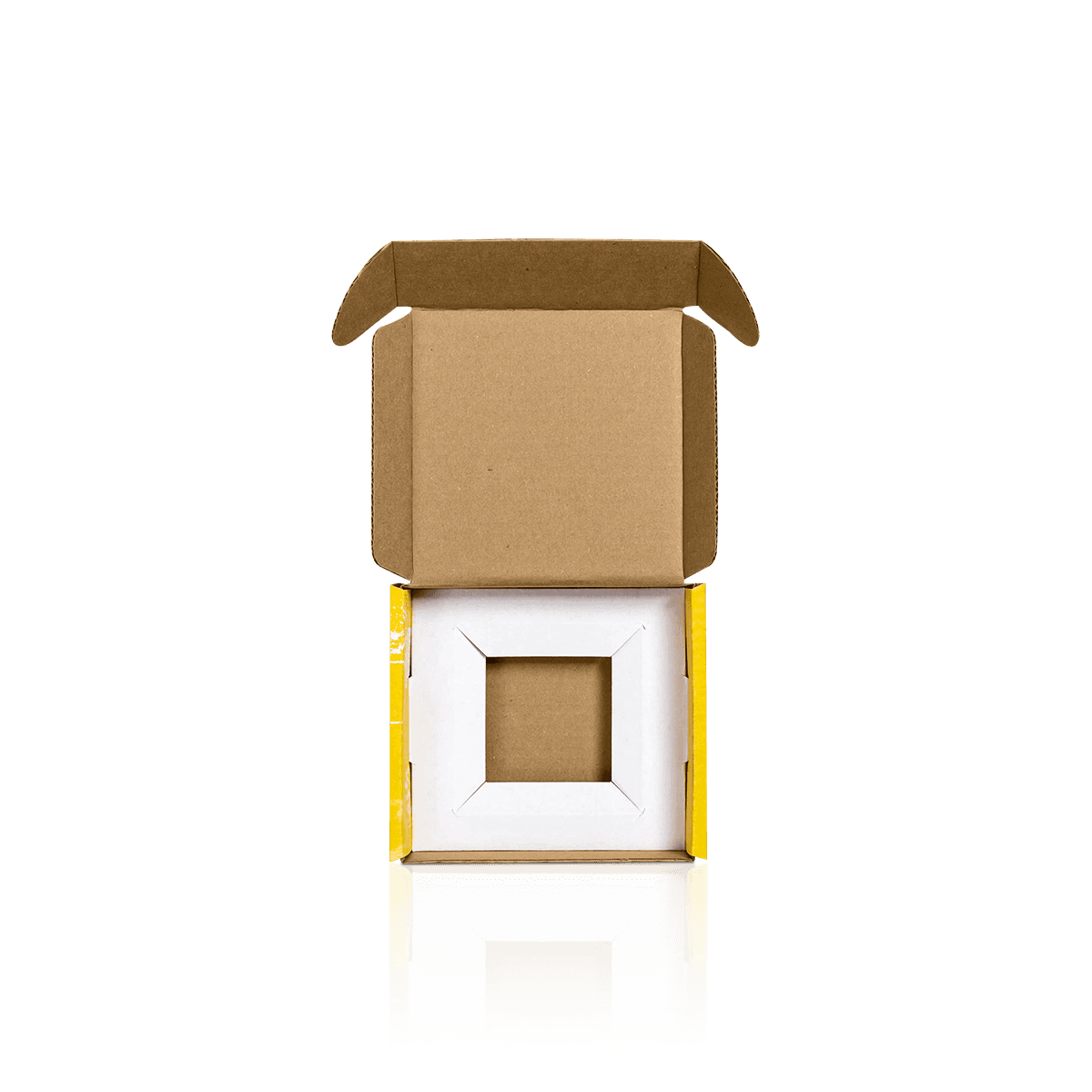
A removable divider, folded paperboard platform or adjustable accessory zone can absorb modest assortment changes without leaving every product loose.

That balance is the central decision for a tech subscription mailer.
Design Around the Normal Cycle

Sizing every box around the largest planned shipment is an expensive way to gain flexibility.

If eleven monthly drops fit comfortably in one compact mailer but a holiday shipment requires twice the depth, using the holiday size all year creates unnecessary empty space through the other eleven cycles.

The better starting point is the normal recurring shipment.

Define the products or packed volume that appear most often. Then decide how much controlled variation the same structure can absorb before another mailer size becomes justified.

Custom Mailer Boxes are commonly used for direct-to-customer shipments because corrugated construction can combine a presentation-friendly opening with the strength needed for many light and midweight parcel orders.

For a tech subscription, one mailer footprint may handle several ordinary cycles while a second structure takes larger launch drops or higher-volume bundles.

That is still a consistent packaging system. It is more disciplined than forcing everything into one oversized box.

Do Not Design Around Average Volume Alone

Two shipments can occupy similar volume while behaving completely differently.

A soft cable pouch and lightweight accessory card may fill the same space as a dense metal hub and adapter set. The second shipment concentrates more weight in a smaller area.

Packed volume, product weight and component shape all matter.

The subscription box should therefore be judged against several representative cycles rather than one mathematical average.

Modular Interiors Beat One-Off Cavities

A highly precise cavity is excellent when the product does not change.

It becomes restrictive when the assortment changes every month.

Tech subscription packs often benefit from an interior with two kinds of space: a stable zone for recurring components and a flexible zone for rotating items.

A folded platform might hold the main device. Removable partitions can separate two or three accessory groups. A smaller pocket can contain adapters, connector tips or other pieces that would otherwise disappear beneath larger products.

Custom Insert Boxes make more sense when exact component positioning is required across a fixed multi-part kit.

Subscription mailers should be more selective about where that precision is used.

Anchor the Product That Matters Most

Every cycle usually has one item that drives the internal layout.

It may be the largest object, the heaviest component or the product intended to appear first when the lid opens.

Secure that item first.

Other pieces can then occupy adaptable zones around it rather than competing equally for permanent cavities.

This prevents the insert from becoming obsolete as soon as one accessory changes.

Loose Filler Should Not Become the Flexibility Strategy

Adding more tissue or void fill every time the assortment changes may keep products from rattling, but it does not create an organized packing system.

Small adapters can migrate underneath larger products. Cable coils can relax during handling. Hard accessories can rub against finished device surfaces.

Packaging inserts can separate cushioning, positioning and presentation decisions instead of treating every empty area the same way.

A flexible interior still needs intentional product zones.

Dense Tech Changes the Mailer

Technology products can create a high packed weight without creating a large box.

A group of adapters, metal-bodied hubs, stands and compact devices may occupy little volume while placing meaningful load against a small part of the corrugated base.

That is different from a subscription shipment filled with lightweight textiles or paper goods.

The mailer should be checked against the heaviest realistic recurring cycle, not just the first one produced.

Board construction, flute, box dimensions and insert support all influence how that weight is carried.

One failure pattern appears when a lightweight monthly assortment establishes the original box. Several cycles later, the brand introduces a denser tech bundle using the same dimensions and interior.

The products still fit, so the box is reused.

During shipping, however, most of the weight sits in one corner. The accessory divider begins to deform and the heavy item moves toward the side wall.

A stronger support platform for that heavier cycle, better weight distribution or a separate mailer specification for dense drops can solve the specific problem without redesigning every month.

The same principle applies to product movement. Better shipping structure and fit matter when a compact heavy item has enough room to gain momentum inside the box.

The Box Should Teach the Setup

Tech subscriptions often contain products that need more context than the physical item alone gives the customer.

A subscriber may need to know which accessory goes with which device, where a connector belongs, how several parts work together or where to find setup instructions.

That makes the inside of the mailer functional communication space.

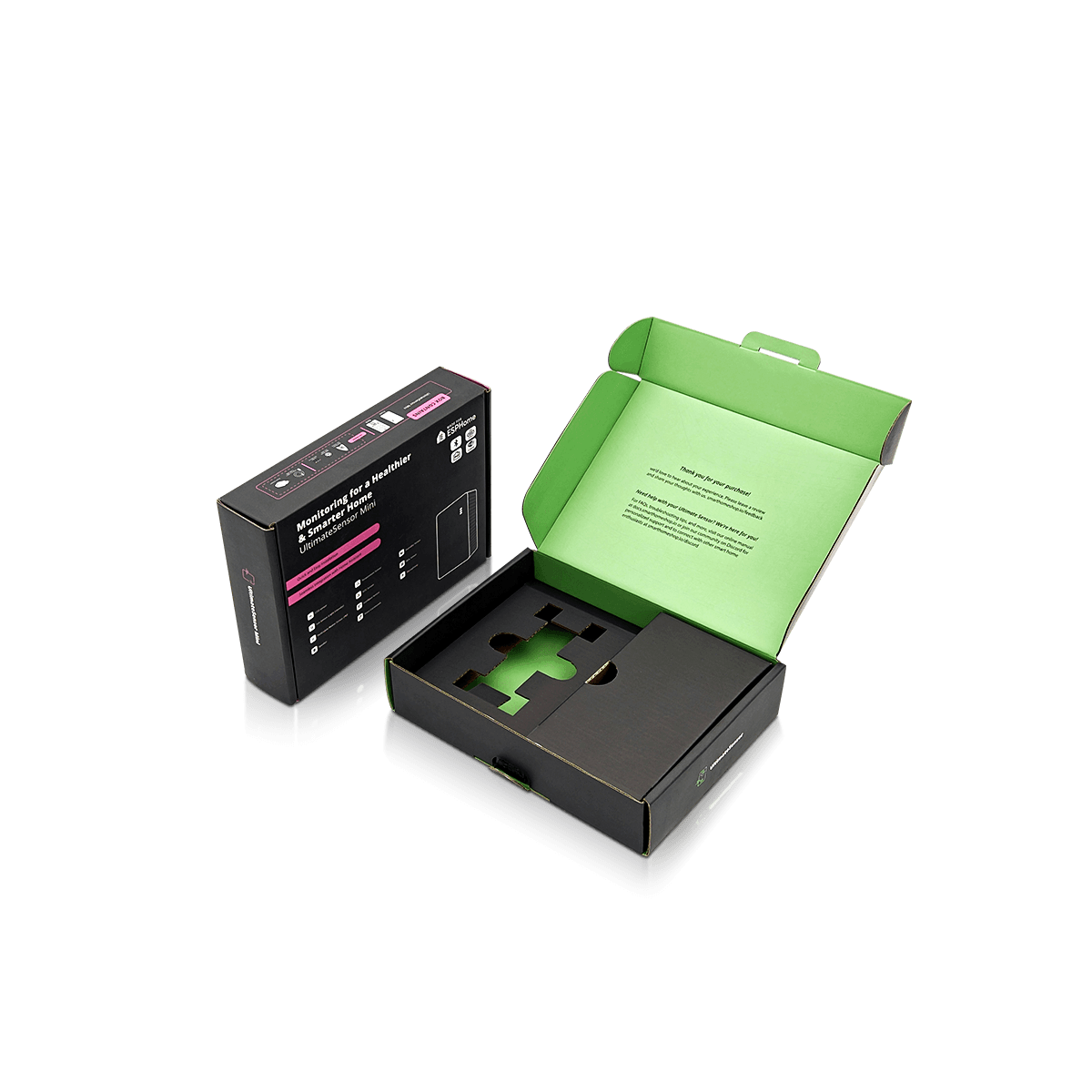
The interior lid can carry a short opening message, setup sequence or QR destination. A printed card can identify the contents of that specific cycle. Product positions can follow the order in which the customer should encounter them.

The result does not need to become a complicated staged reveal.

For many tech kits, clarity is more valuable than theatrical layering.

Separate Permanent and Cycle-Specific Content

Some messages stay stable across every shipment: brand identity, support contact, membership language or basic disposal instructions supplied by the brand.

Other content changes every cycle.

Product names, compatibility notes, activation steps and campaign messages may need frequent revisions.

Keeping permanent content on the box while moving highly variable content to cards, labels or controlled artwork areas can reduce unnecessary structural changes.

Fulfillment Needs a Repeatable Packing Order

Changing contents do not have to create a different packing method every month.

The best subscription system gives the fulfillment team a predictable sequence even when individual SKUs rotate.

For example:

  • erect the mailer
  • place the main support piece
  • load the primary tech item
  • add the accessory zone
  • place the cycle card
  • close the box

The exact sequence will differ by project, but the logic should stay stable where possible.

That reduces improvisation at the packing table.

A cycle with four accessories should not require workers to discover the arrangement from the finished product photograph. Each component should have an obvious destination.

Test the Hardest Normal Cycle

Physical validation should use the assortment most likely to expose a weakness.

That may be the heaviest regular shipment, the cycle with the greatest number of small components or the pack with the tightest dimensional fit.

Pack several units using the intended workflow.

Watch whether dividers collapse while products are inserted. Check if cables expand into neighboring positions. Turn the closed mailer and listen for movement. Reopen it and confirm that the presentation still makes sense.

A free 3D mockup can review the structure and artwork before production. When exact fit and packing behavior need to be proven physically, a fully custom pre-production sample can be arranged as a paid sample where applicable.

Artwork Can Change Without Changing the Dieline

Subscription packaging needs visual freshness, but visual change does not always require another box structure.

If the product envelope and mailer dimensions remain stable, seasonal graphics or cycle-specific interior artwork can often work on the same dieline.

That is valuable because structural continuity and creative continuity solve different problems.

The fulfillment team benefits from a familiar box. The customer can still receive a new visual experience.

Printing decisions become more important as artwork versions multiply.

A subscription program producing one stable design at high volume has a different print profile from a program splitting the same total quantity across several changing designs. Digital, offset and flexographic printing should be judged against material, artwork variation, quantity per version and repeat-production needs rather than quantity alone.

Custom Packly supports premium offset printing when the job suits that process.

Inside and outside printing can also divide the design work intelligently. The exterior may stay recognizable across the subscription while the inside changes with a new drop.

Know When a Cycle Outgrows the Mailer

A recurring program should not force every shipment to stay inside the same mailer after the contents stop matching its structural limits.

A denser device, more fragile product or much larger assortment may need stronger transit packaging.

That does not mean the original subscription mailer failed.

It means the shipment changed.

A Shipping Box becomes more appropriate when stacking, heavier loads or stronger distribution protection matter more than the normal mailer opening experience.

Another option is to retain inner product cartons or trays and add stronger outer protection only for the exceptional cycle.

This approach prevents one demanding shipment from making every other monthly box thicker and larger than necessary.

Brands should also be careful with products that introduce separate transport requirements. If a tech shipment contains batteries or another regulated item, the applicable carrier and transport rules should be confirmed independently rather than assumed from the mailer specification.

Production Cadence Matters More Than One Big Run

Recurring subscriptions consume packaging on a calendar.

That changes the commercial question.

The lowest theoretical unit price is not automatically the best outcome if the business then has to store many months of packaging, manage changing artwork or work around subscriber counts that move between cycles.

The production plan should consider:

  • expected boxes per cycle
  • stable versus changing artwork
  • number of mailer sizes
  • insert components
  • storage capacity
  • fulfillment location
  • expected replenishment timing

Packaging that works at a few hundred shipments can become awkward as volume rises. Scaling packaging operations requires attention to assembly steps, shipping space, specification control and fulfillment rather than simply reordering more units.

Custom Packly starts US orders from 100 boxes. Warehousing and scheduled deliveries can support recurring programs where producing ahead makes sense but receiving all finished stock at once does not.

Once the normal cycle, alternate cycle, box sizes and quantity schedule are known, an instant custom packaging quote can price the packaging system rather than one isolated shipment.

Map the Next Three Drops

The most useful starting specification for a Subscription Tech Mailer Box is not one photograph of the next assortment.

Map several upcoming shipments.

List the primary product, accessory count, packed dimensions and approximate weight for each cycle. Mark which items recur and which rotate. Note any launch edition or larger seasonal pack already planned.

Then compare those cycles side by side.

One mailer may handle all three with a modular interior. Two box depths may be cleaner. One cycle may clearly need separate shipping protection.

That short exercise exposes the real packaging system before artwork or production quantity makes it harder to change.

Custom Packly can develop custom sizing, corrugated construction, inserts, dielines and printed interiors around the recurring program rather than treating each month as an unrelated packaging project.

The aim is not to make every subscription shipment identical.

It is to keep enough of the system stable that fulfillment remains predictable while the products inside are free to change.

FAQs

Mailers usually perform better because they combine presentation and shipping utility in one structure. That makes them a stronger fit for subscription programs that need faster fulfillment and fewer packaging layers.

It depends on the mix. A simple cable-and-card pack may only need light partitioning, while a kit with a device, charger and literature often benefits from trays or inserts that keep every component in place.

Subscription Tech Mailer Boxes fit recurring bundles better when customer experience, organized product staging and branded inside surfaces matter. Corrugated Shipping Boxes are the better choice for rougher transit conditions, heavier loads or less curated bulk shipments.

Yes, as long as the program is planned around flexible cavities, paperboard dividers or modular fitments. A well-designed insert system can support variation without making each cycle harder to pack.

They usually work best in the first-view area, either beneath the lid or on top of the main tray. That placement keeps setup information visible before the customer starts removing devices and accessories.

Process

How it works

Your Packaging Journey, From Idea to Production and Delivery

01

Tell Us Your Specs

Custom packaging boxes

Tell Us Your Specs

Provide size, quantity, printing, and finishes.

02

Get a Fast Quote

Custom packaging boxes

Get a Fast Quote

Instant transparent pricing, no hidden fees.

03

Design and Approval

Custom packaging boxes

Design and Approval

Artwork checks, revisions, and final sign-off.

04

Produce

Custom packaging boxes

Produce

Expert manufacturing to meet deadlines.

05

Ship to Your Door

Custom packaging boxes

Ship to Your Door

Hassle-free, flexible delivery options.

Get Your Quote for Custom Subscription Tech Mailer Boxes

Share your product details, size, quantity and artwork needs. We’ll help choose the right packaging style and send a clear quote.