Skip to content
Details

Custom Subscription Boxes

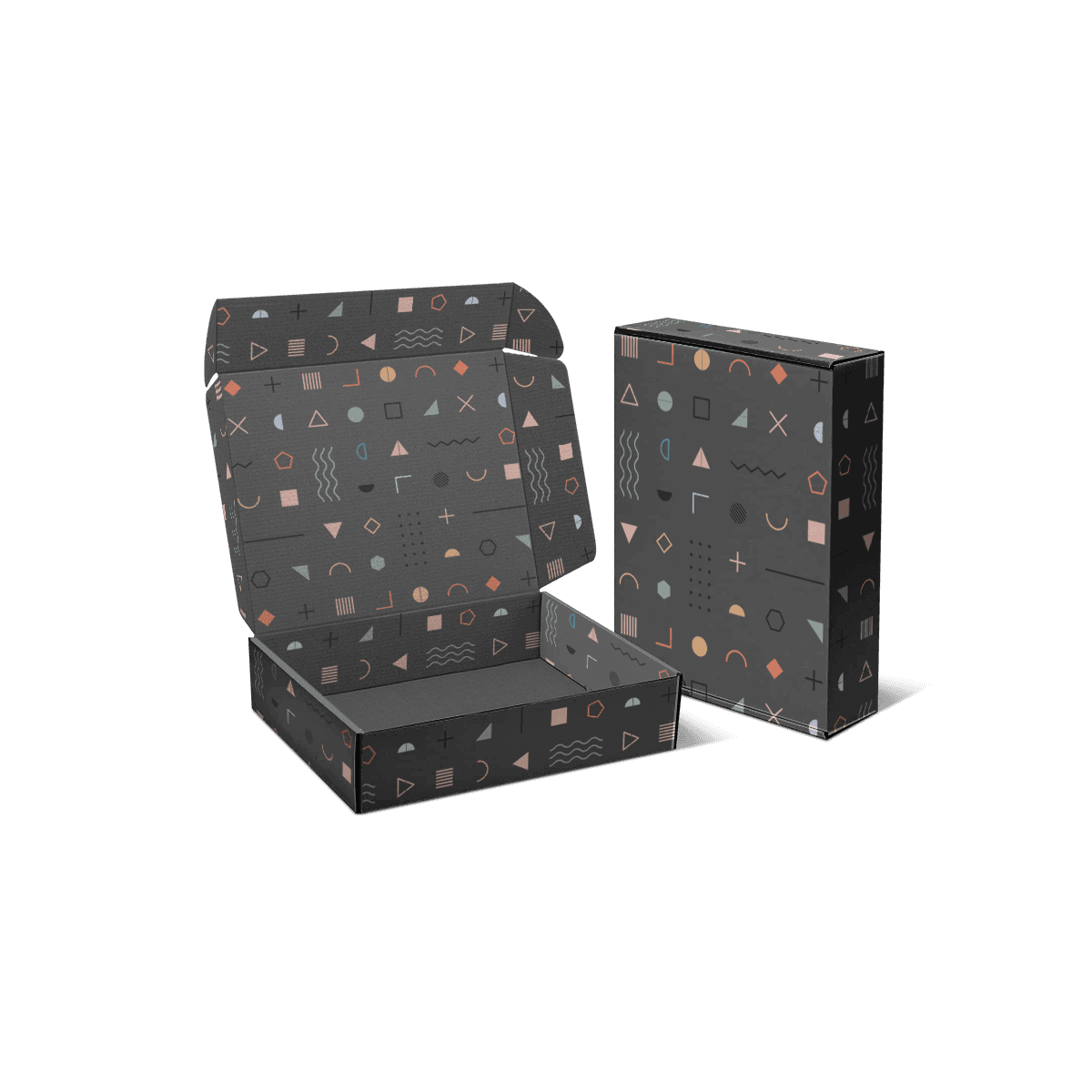
Recurring packaging planned around changing assortments, predictable packout and a recognizable opening experience from the first shipment to later cycles.

The Box Must Survive the Calendar

Subscription packaging has a harder job than packaging used once. The structure may stay in production for months while the products, artwork, subscriber count and promotional message keep changing.

That changes the starting point. Instead of designing one beautiful shipment around one perfect assortment, plan the box around the parts of the program most likely to remain stable.

Recurring shipments are part of a larger e-commerce retail packaging operation where storage, fulfillment and parcel handling matter every cycle.

The strongest Custom Subscription Boxes separate the permanent packaging decisions from the elements that can change. Outer dimensions, closure and basic board construction can stay controlled while inserts, cards, tissue, campaign graphics and product arrangements move with the subscription.

Welcome Cycle

The first shipment may carry more than the normal recurring order. Welcome literature, onboarding pieces, samples or an introductory product can make the opening fuller and increase the number of packing steps.

Do not automatically make every future box large enough for the first shipment. If the welcome cycle is substantially different, it may deserve its own insert, sleeve or box rather than forcing permanent unused space into every later delivery.

Routine Cycle

The recurring shipment should be the operational baseline. This is the box your fulfillment team will erect, load and close again and again.

Track the normal assortment, packed weight and number of components. A structure that handles the typical cycle efficiently is more valuable than one optimized around an occasional oversized month.

Campaign Cycle

Limited editions and seasonal drops often need visual change more than structural change. Keeping the physical box stable while changing artwork or interior pieces can protect packing speed and reduce unnecessary structural revisions.
Fix the Outer Footprint First

A stable outer footprint gives a subscription program something dependable even when the assortment rotates.

That does not mean choosing one oversized box and filling the difference with paper. It means finding dimensions that accommodate the normal variation without making every shipment pay for the largest possible assortment.

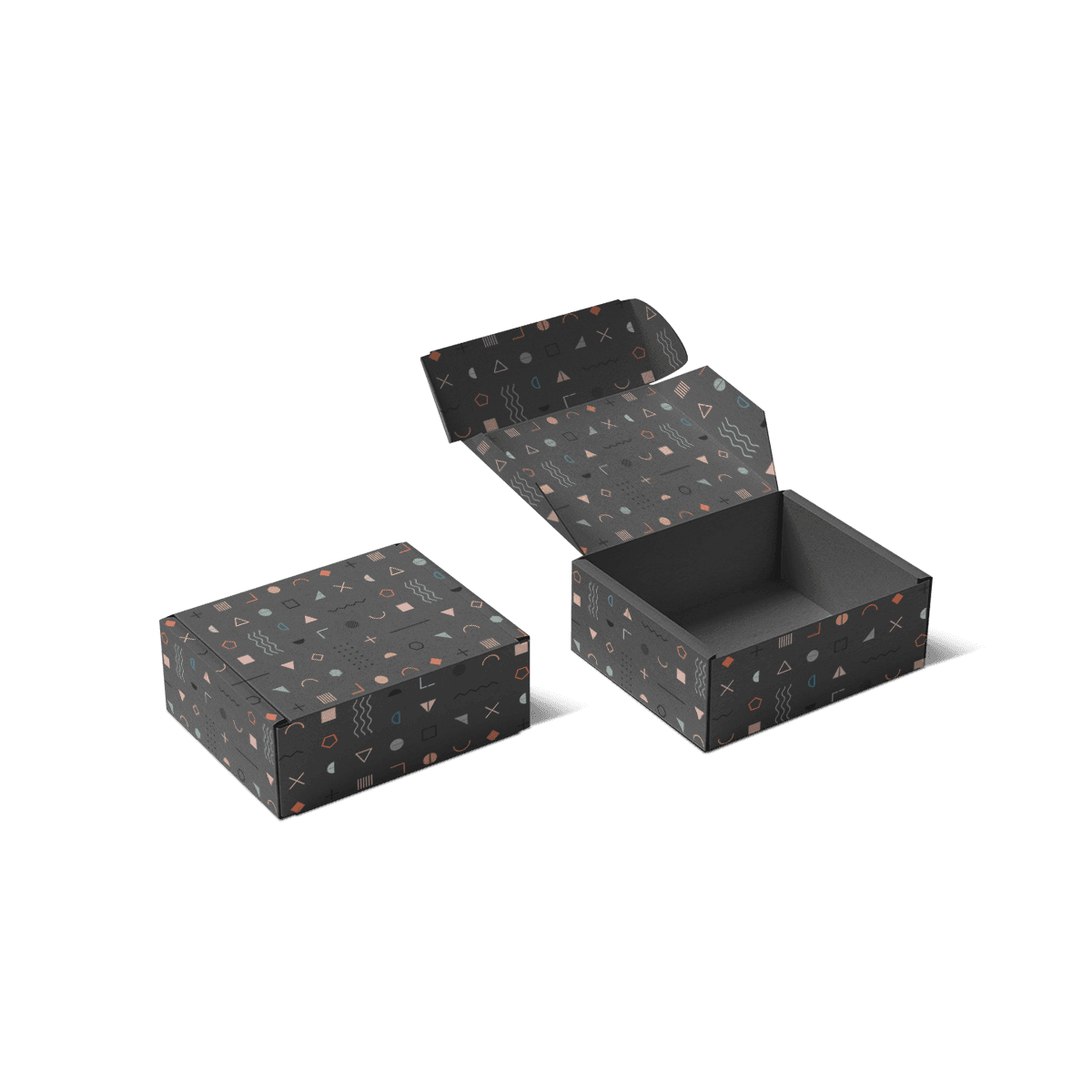
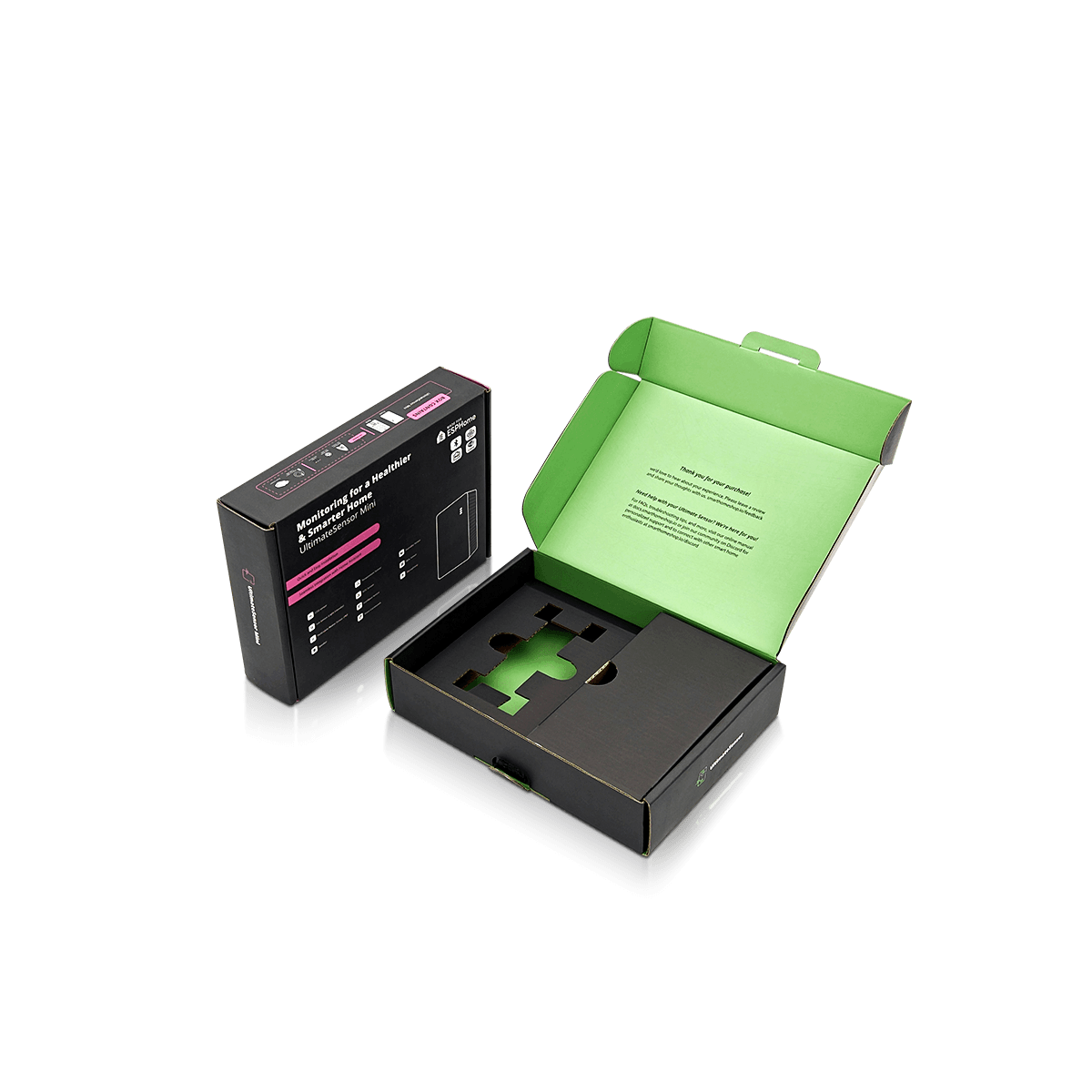
Most recurring programs lean toward custom mailer boxes when one corrugated pack needs to handle parcel shipping and the opening experience together.

Start with several real cycles rather than one sample month. Lay out the smallest normal assortment, the typical assortment and the largest expected assortment. The useful footprint is usually the one that handles the center of that pattern efficiently while giving the exceptional cycles another treatment when necessary.

For ordinary DTC orders where the cart changes daily instead of following a planned recurring cycle, Product Mailer Boxes solve a different problem.

That boundary matters. Product mailers adapt to normal order variation. Subscription boxes need continuity across planned cycles.

Let the Interior Change

The outside can stay consistent even when the product mix does not. The interior is where subscription packaging can absorb controlled variation.

Paperboard trays, corrugated partitions, folded platforms and removable dividers can reposition products without rebuilding the entire box. The correct approach depends on how much the assortment changes and which items genuinely need restraint.

A tightly die-cut insert makes sense when the same bottles, jars or devices return each cycle. It becomes less practical when product dimensions change every month.

The principles behind cardboard, foam and molded pulp inserts become especially important when product movement and presentation need different levels of control.

Use Fixed Inserts for Stable Products

A subscription centered on the same core product can justify a fitted cavity. Refills, replacement heads, recurring skincare bottles or fixed-size accessories can return to the same location each shipment.

A fitted insert also gives the packing team an immediate visual check. If the item does not sit correctly, the issue is visible before closure.

Use Modular Parts for Rotating Assortments

Rotating beauty, wellness, snack or lifestyle programs need more tolerance.

Imagine a box that normally carries three small containers and two flat sample packs. One cycle replaces two short containers with a taller bottle. A rigid five-cavity insert now fails even though the outer mailer still has enough space.

The better adjustment may be a removable divider with two alternate positions and a folded platform for shorter items. The box footprint stays unchanged while the internal geometry shifts for the cycle.

That is more controlled than filling every gap with loose material and hoping the contents remain arranged during shipping.

Repeat the Packing Sequence

Subscription packaging should make the correct packing order obvious.

If the first item blocks the insert needed for the second, or a card must be tucked under products after they are loaded, the design is creating unnecessary work every cycle.

Place components in the sequence a packer naturally handles them. The insert should erect cleanly. Products should enter without forcing or twisting. Printed cards should have a clear position. The lid should close without someone rearranging the contents at the last second.

This is where visual presentation and warehouse logic meet.

The current packout should be timed with the real assortment before a larger production run. A digital rendering can show appearance, but only a physical packout reveals awkward folds, slow insert assembly or products that are difficult to remove.

A fully custom pre-production sample can be arranged as a paid sample when exact fit needs physical checking. Free sample examples of previous work can help assess construction and print quality without representing the final custom dimensions.

For growing recurring programs, packaging that scales becomes increasingly dependent on assembly steps, shipping volume and consistent production rather than appearance alone.

Corrugated or Rigid?

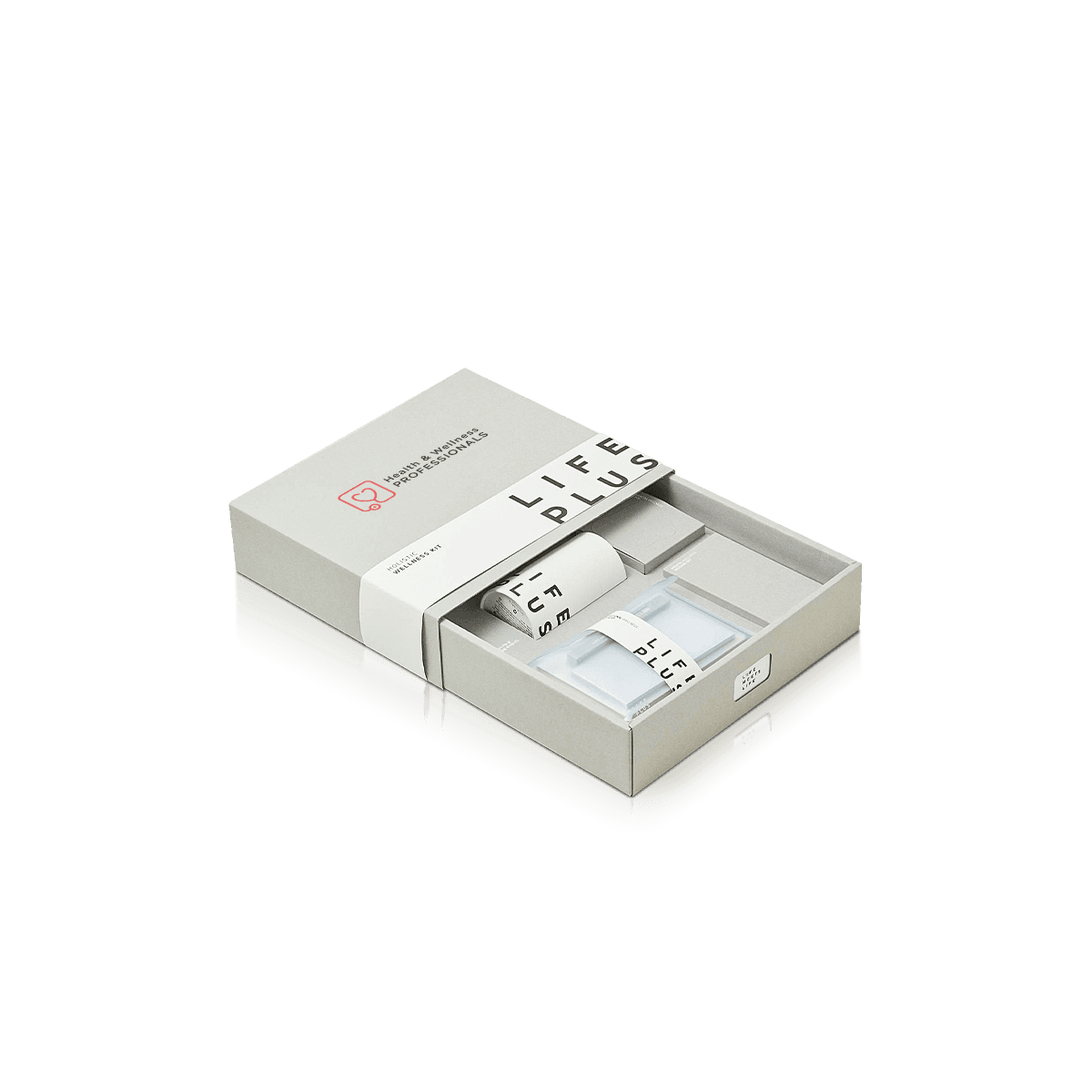
Corrugated mailers usually make the most operational sense when the subscription box itself travels through the parcel network. The fluted structure gives the pack shipping stiffness while still allowing outside and inside printing.

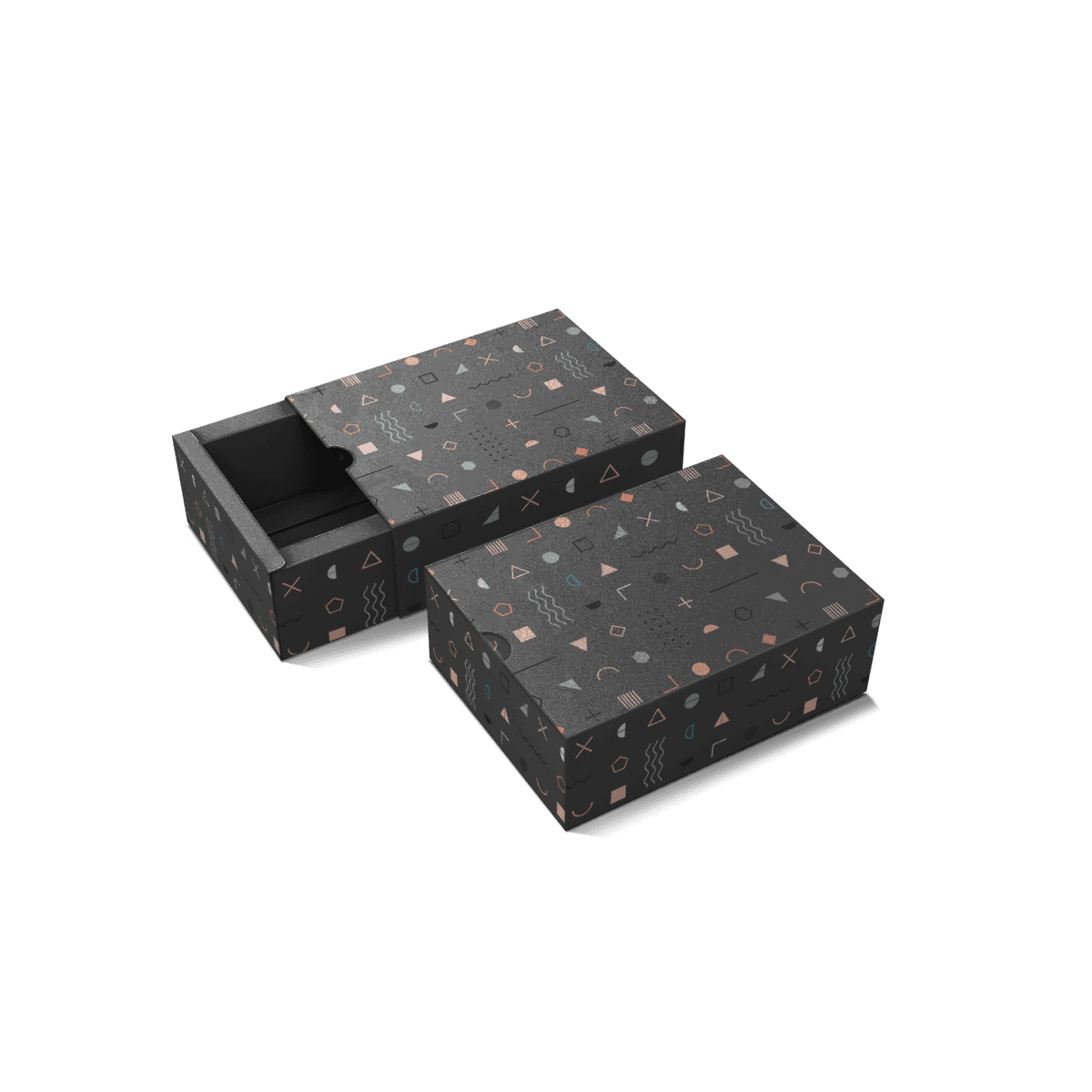
Rigid boxes solve a different subscription need. They suit premium welcome kits, collector programs or higher-value membership tiers where the presentation box itself is intended to feel substantial.

A rigid box may still need a separate shipping layer. That changes cost, storage and packing time, so the premium structure needs to earn its place.

One-time seasonal bundles or send-to-recipient orders may fit Gift Boxes for E-commerce better when recurring-cycle management is not the main concern.

For corrugated subscription mailers, flute and liner choice should follow packed weight, box size, print expectations and stacking conditions. A finer flute can create a cleaner printed appearance for compact packs while heavier or larger assortments may need more structural support.

Increasing board strength should not become a substitute for proper internal fit. A strong outer box can still deliver a messy opening if the contents move freely inside it.

Rotate Artwork Without Losing Recognition

Subscription packaging needs freshness without looking like a different company every month.

One practical method is to divide the artwork into permanent and cycle-specific elements. Permanent elements can include the logo position, typography system, recurring panel layout and core brand colors. Campaign graphics, product names, edition numbers or seasonal messages can change inside that system.

That makes artwork rotation easier to manage and reduces the chance of old campaign files moving into the wrong production cycle.

Custom printed boxes become easier to control when every artwork version has a clear production identity rather than informal names such as “latest” or “new final.”

Use the Inside for Cycle Content

The interior lid can change more freely than the main exterior identity. Product instructions, monthly themes, member messaging or campaign graphics can appear after opening without weakening recognition on the doorstep.

Printed cards can carry highly temporary content when changing the box itself would create unnecessary production complexity.

Control Color Across Reorders

Repeated shipments make color drift easier to notice. A brand shade that moves substantially between cycles can make otherwise identical packaging look inconsistent.

CMYK works well for multi-color graphics and imagery, while Pantone may be appropriate when a specific spot color carries more brand importance. The choice between CMYK and Pantone printing should be settled before recurring artwork versions start multiplying.

Premium offset printing can support controlled recurring artwork once quantity, board and print requirements make it appropriate. Free 3D mockups can also help teams review panel hierarchy before an artwork version moves into production.

Keep Tiers Deliberate

Some subscription businesses have more than one membership level. The packaging system should make those tiers manageable instead of creating a separate structural project for every price point.

If two tiers share the same outer dimensions, differentiation can come from an insert, sleeve, inside print or artwork version. That can be easier to control than maintaining multiple box sizes with nearly identical functions.

Use a second structural size only when the product volume actually requires it.

A premium tier containing four products instead of three does not automatically need a larger mailer. Rearranging the internal layout may solve the difference. A tier containing a full-size bottle instead of samples may genuinely need another depth.

Treat each additional box size as another item that must be forecast, stored, identified and replenished correctly.

That discipline becomes more important as the subscription program expands into different frequencies, member types or campaign variations.

Packaging Inventory Follows Subscriber Volume

Recurring packaging demand can be forecast more intelligently than one-time promotional packaging because the shipping cycle is known.

That does not mean ordering every expected box for the year at once. Subscriber counts can move, artwork can change and product assortments can be revised.

The better planning question is how much packaging can be committed confidently before the next likely structural or graphic change.

Custom Packly starts US custom box orders from 100 units, which can support early subscription programs before the specification moves into larger recurring quantities.

Once dimensions and artwork become stable, bulk custom boxes can support larger production runs, warehousing and scheduled deliveries. That can separate manufacturing quantity from the amount of packaging that must physically arrive at the fulfillment location at one time.

This is one of the places where subscription packaging should be treated as inventory, not just printed material.

Forecast the next run against active subscribers, expected acquisition, replacement stock, promotional sends and the date the next artwork change becomes effective.

Price the Program by Cycle

The cheapest box in one month can create an expensive subscription system over twelve months.

Evaluate the structure against recurring costs: box assembly, insert assembly, unused internal space, number of packaging SKUs, print changes, storage and how frequently production must restart.

A decorative component that adds little effort at 100 shipments may become significant at several thousand. The opposite can also happen. A slightly more expensive integrated insert may eliminate a loose component and make every packout simpler.

Once expected cycle quantity, outer dimensions and artwork versions are known, the instant packaging quote can price the recurring specification rather than a one-off concept.

US production and free shipping support recurring domestic supply. Standard turnaround is 4–6 days after final artwork and specifications are approved. Complex structures, specialty materials or advanced finishes may require additional time.

Keep Recognition While Contents Change

The real test of subscription packaging is whether the program still feels controlled after several cycles.

A new product can move into the assortment without forcing a new outer box. Seasonal artwork can change without losing the visual system. A subscriber tier can evolve without creating unnecessary packaging inventory. Fulfillment staff can identify the correct version quickly and pack it without improvisation.

Keep the stable parts stable.

Change the insert when product geometry changes. Change the artwork when the campaign changes. Change the outer dimensions only when the physical assortment genuinely requires another box.

That separation is what lets Custom Subscription Boxes stay recognizable to the customer while remaining practical behind the scenes.

FAQs

Only enough for safe packing and clean presentation. Too much open space can make the shipment feel underfilled and increases the need for extra dunnage.

Yes. A well-planned box can handle rotating items if the brand uses smart insert choices, sleeves or light partitions to keep each month’s packout controlled.

Because repeat programs rely on consistency. Inserts keep products in the same position from cycle to cycle, reduce movement and make the opening sequence easier to understand for subscribers.

The most useful additions are the ones that guide the experience. Welcome cards, product-order cues, refill instructions, sample holders and neatly staged add-ons usually add more value than filler items.

Subscription Boxes are the better fit when the shipment is curated, story-led or built around member retention. Standard E-commerce Boxes usually make more sense for straightforward repeat orders where operational simplicity matters more than presentation.

Process

How it works

Your Packaging Journey, From Idea to Production and Delivery

01

Tell Us Your Specs

Custom packaging boxes

Tell Us Your Specs

Provide size, quantity, printing, and finishes.

02

Get a Fast Quote

Custom packaging boxes

Get a Fast Quote

Instant transparent pricing, no hidden fees.

03

Design and Approval

Custom packaging boxes

Design and Approval

Artwork checks, revisions, and final sign-off.

04

Produce

Custom packaging boxes

Produce

Expert manufacturing to meet deadlines.

05

Ship to Your Door

Custom packaging boxes

Ship to Your Door

Hassle-free, flexible delivery options.

Get Your Quote for Custom Subscription Boxes

Share your product details, size, quantity and artwork needs. We’ll help choose the right packaging style and send a clear quote.