Skip to content
Details

Custom Wellness Kit Boxes

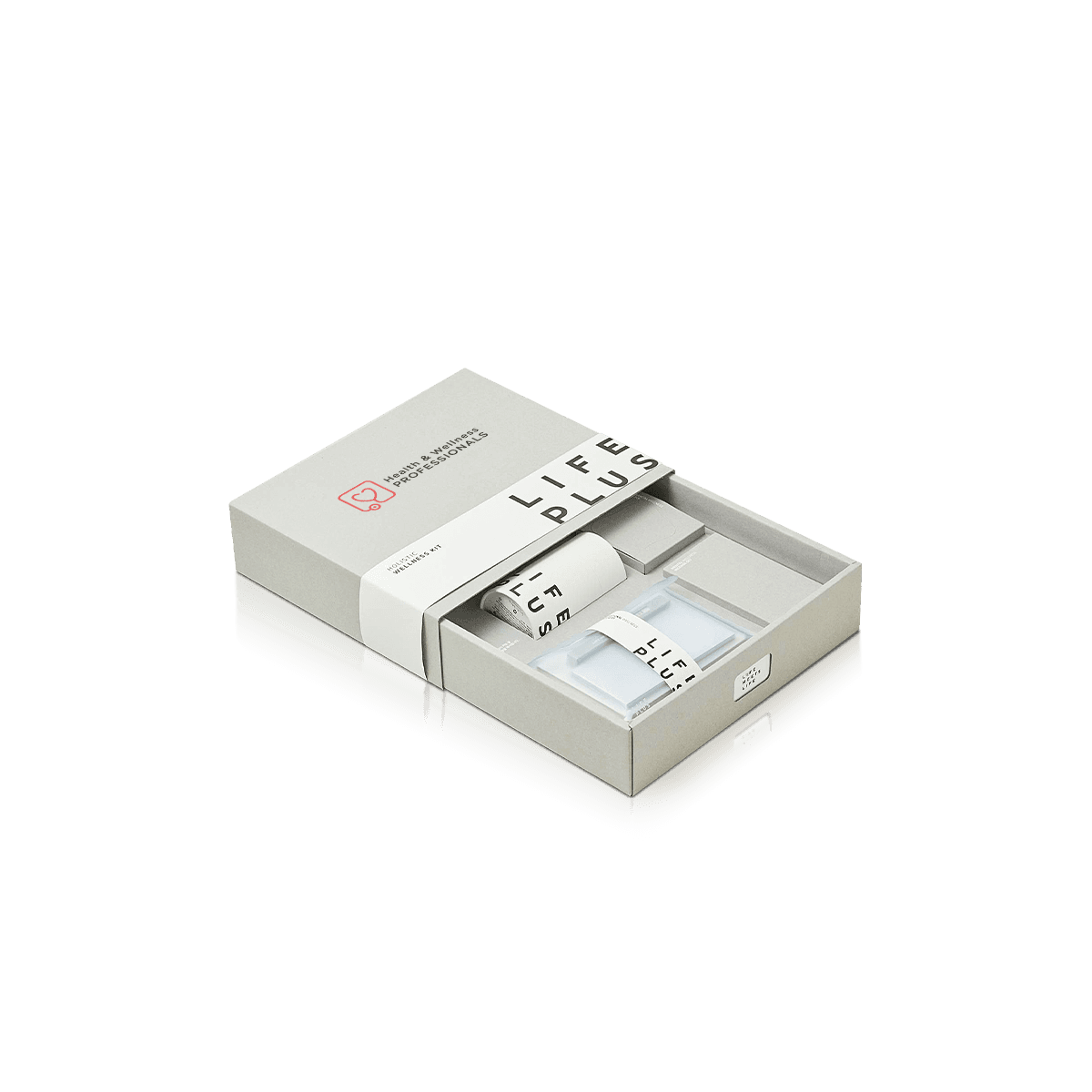
Multi-item wellness packaging planned around the complete product set, insert map, packing order, fulfillment method and customer removal sequence.

Map the Kit Before the Box

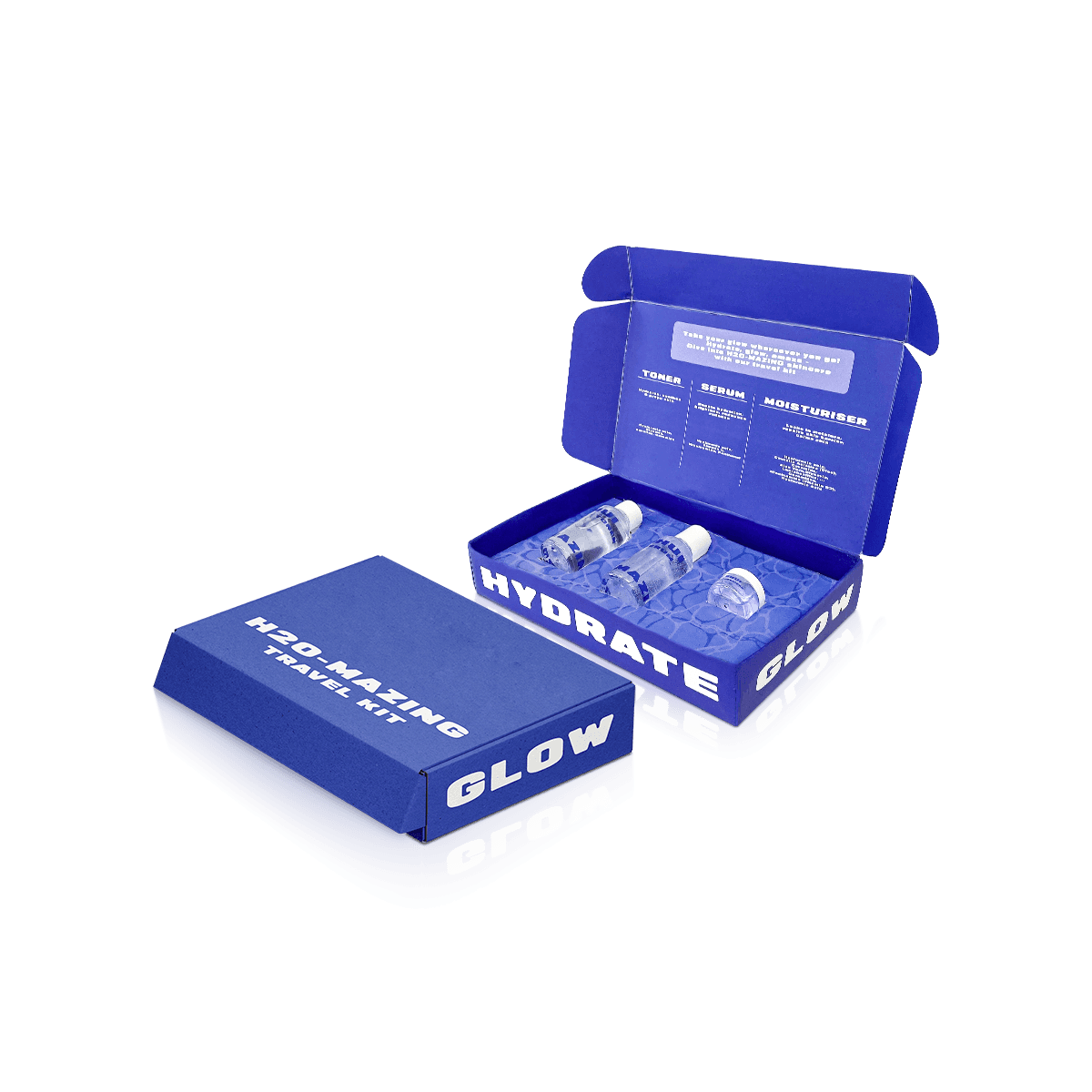
Custom Wellness Kit Boxes should be designed from the complete set of products, printed materials and accessories that will ship or be handed over together. A kit may combine bottles, sachets, droppers, samples, tools and instruction cards, and each component changes the footprint, weight and packing sequence.

The useful starting point is a top-down packing map. Place every production component in the order the customer should encounter it, then decide which items need fixed positions, which can share a compartment and which need additional separation.

Count Every Production Component

Measure the actual filled containers and include caps, pumps, droppers, tamper bands, folded literature and any protective wrapping. A kit that was sized from empty bottles or estimated inserts can become too tight once the real production components arrive.

For single-product programs, Custom Supplement Boxes focus on one bottle, tub or sachet format rather than a coordinated multi-item kit.

Set the Opening Sequence

If the kit supports a routine, onboarding program or multi-step product set, the opening sequence can help users understand what belongs together. Positioning the first-use item at the top or front can be more effective than arranging everything only for visual symmetry.
Give Each Item a Job

An insert should solve movement, separation or presentation. It should not be added simply because the pack contains several products.

Control Heavy and Fragile Items

Heavier bottles should have support beneath them and should not be allowed to strike lighter sachets or printed cards. Glass containers may need cushioning or tighter retention than plastic bottles. Small tools and droppers need defined positions so they do not disappear under larger products.

Leave Removal Access

A cavity that holds a product securely can still fail if the customer cannot remove it without pulling on a cap or damaging the insert. Finger access, lift tabs or controlled clearance can improve removal without making the fit loose.

The packaging insert options differ in cushioning, rigidity and formed support, so the insert should follow the contact points and product weight.

Choose the Outer Structure Last

The contents should determine whether the kit needs a folding carton, corrugated mailer or rigid presentation box. Choosing the outer structure first can create unnecessary cost or force the insert into a shape that does not suit the products.

Folding Cartons for Lighter Sets

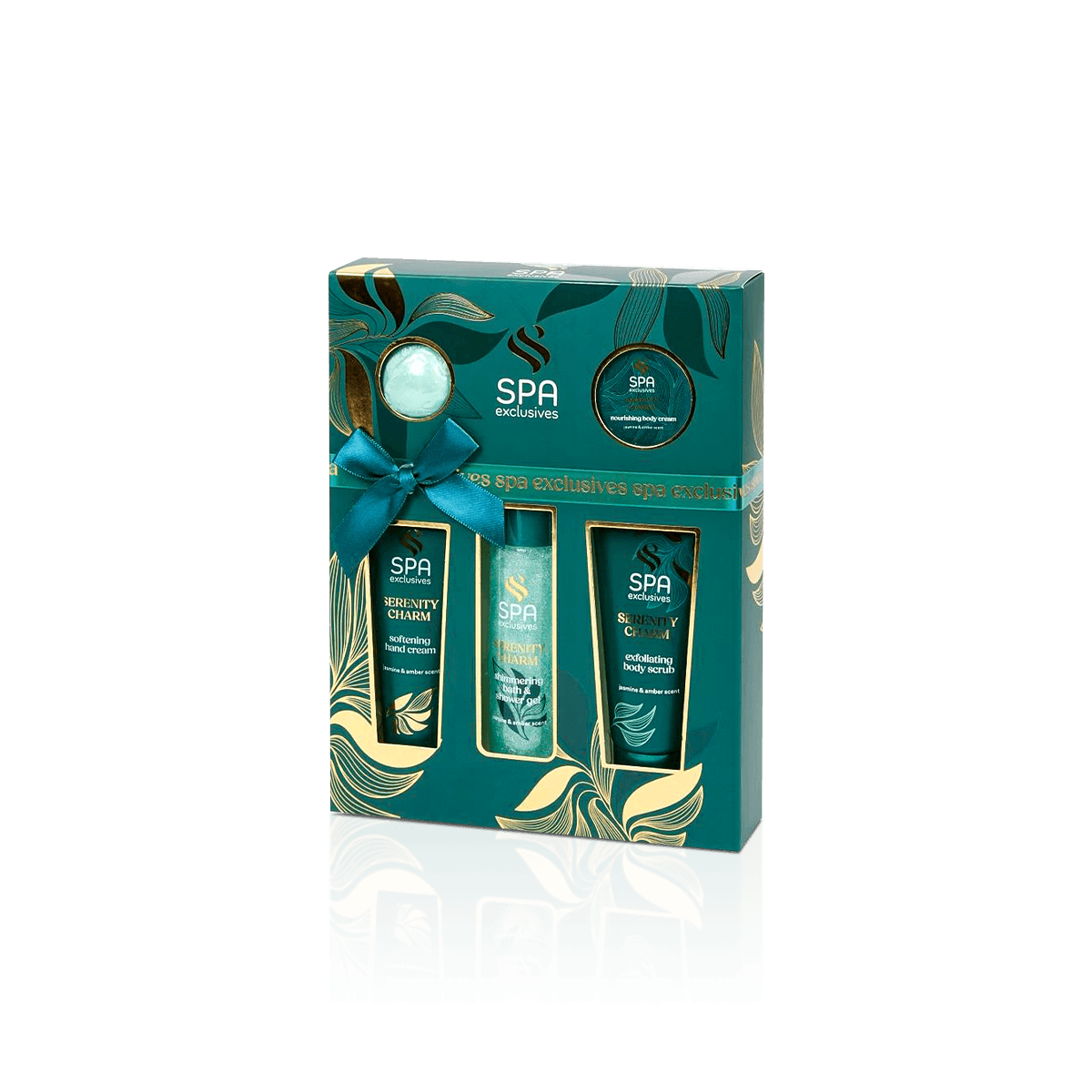
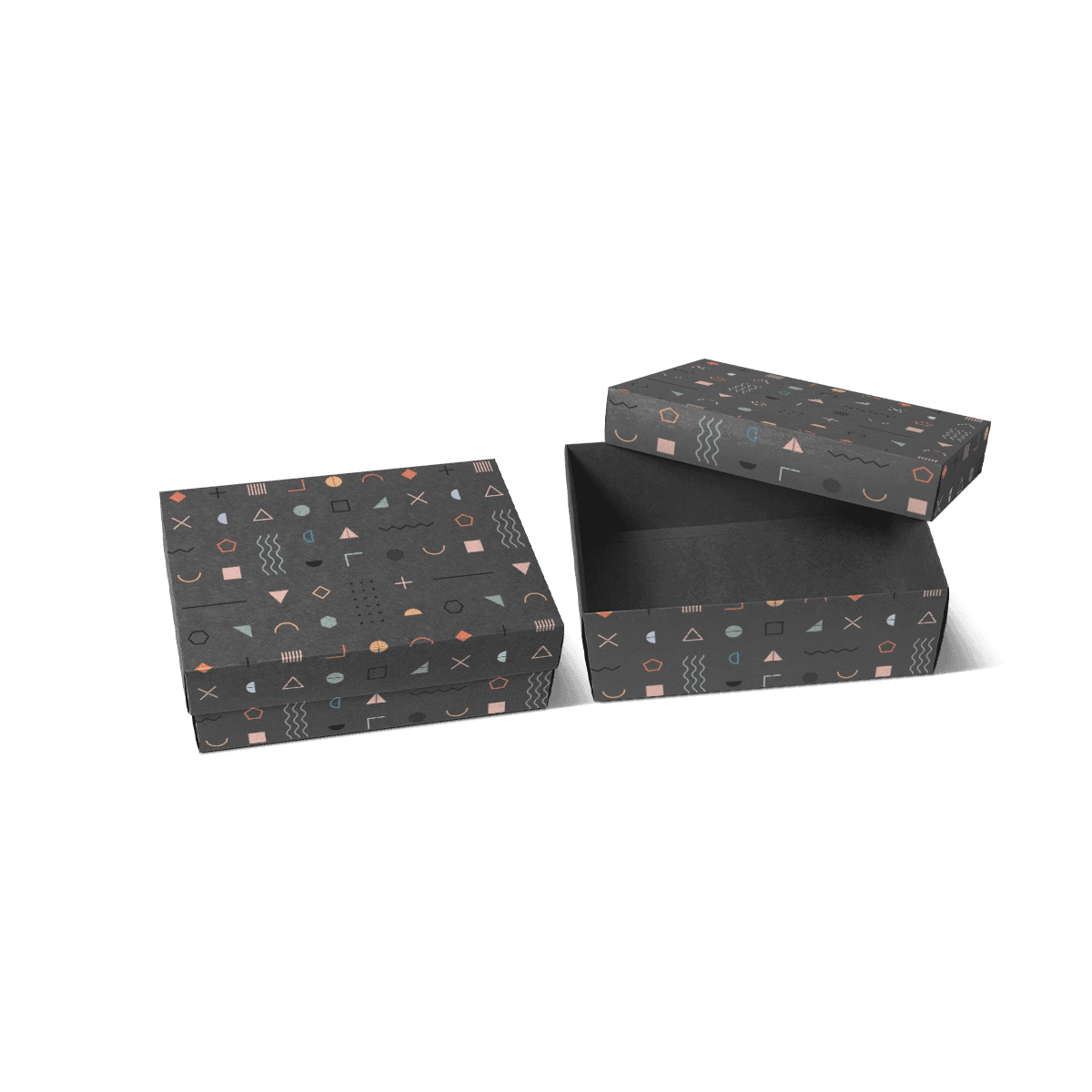
A paperboard carton can suit compact retail kits with lightweight components and a controlled insert. Flat storage and detailed printing are useful when the kit is displayed on a shelf rather than shipped as its own parcel.

Mailers for Fulfillment

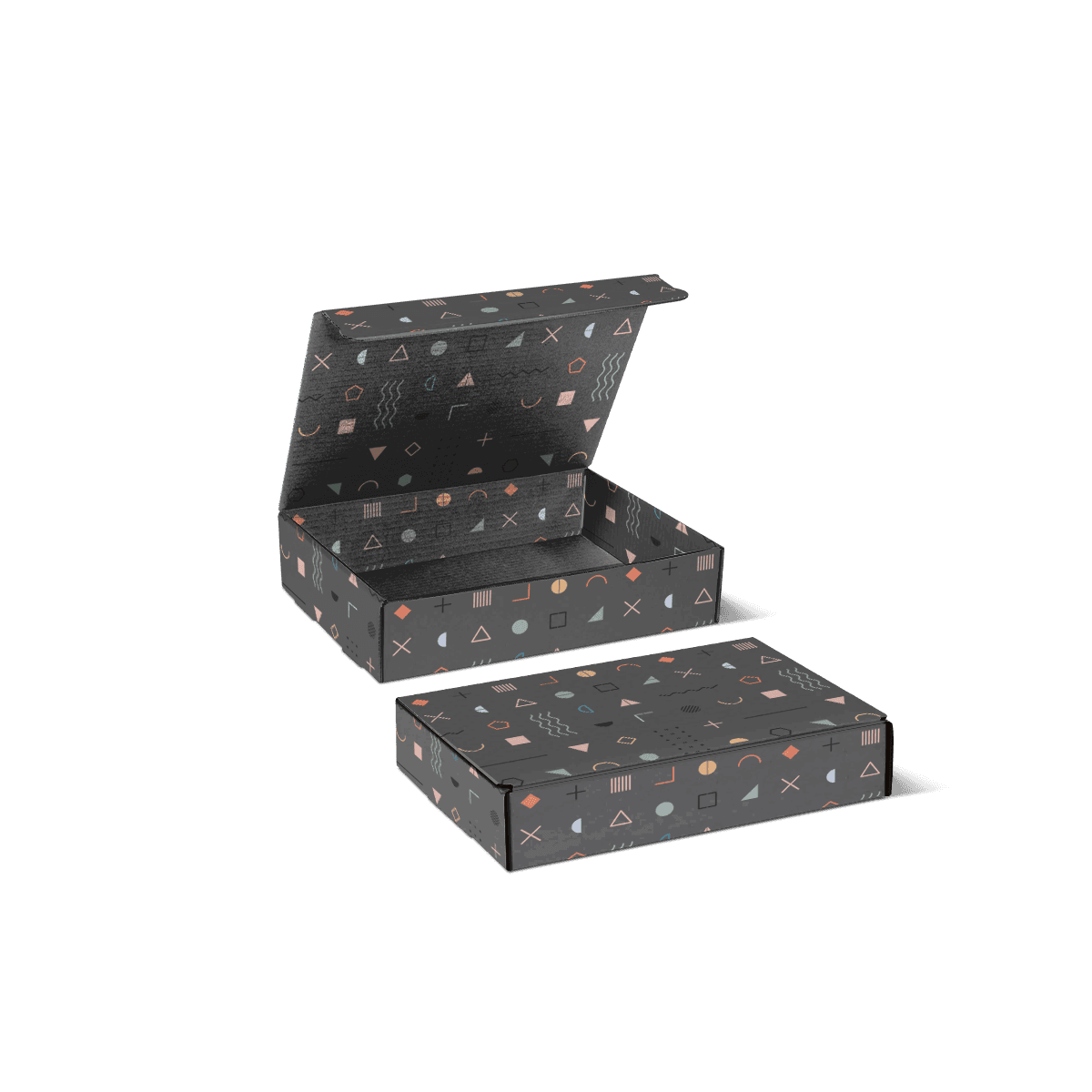
Corrugated mailer-style construction can suit subscription, onboarding or direct-to-consumer kits that need more handling strength and a larger opening for assembly.

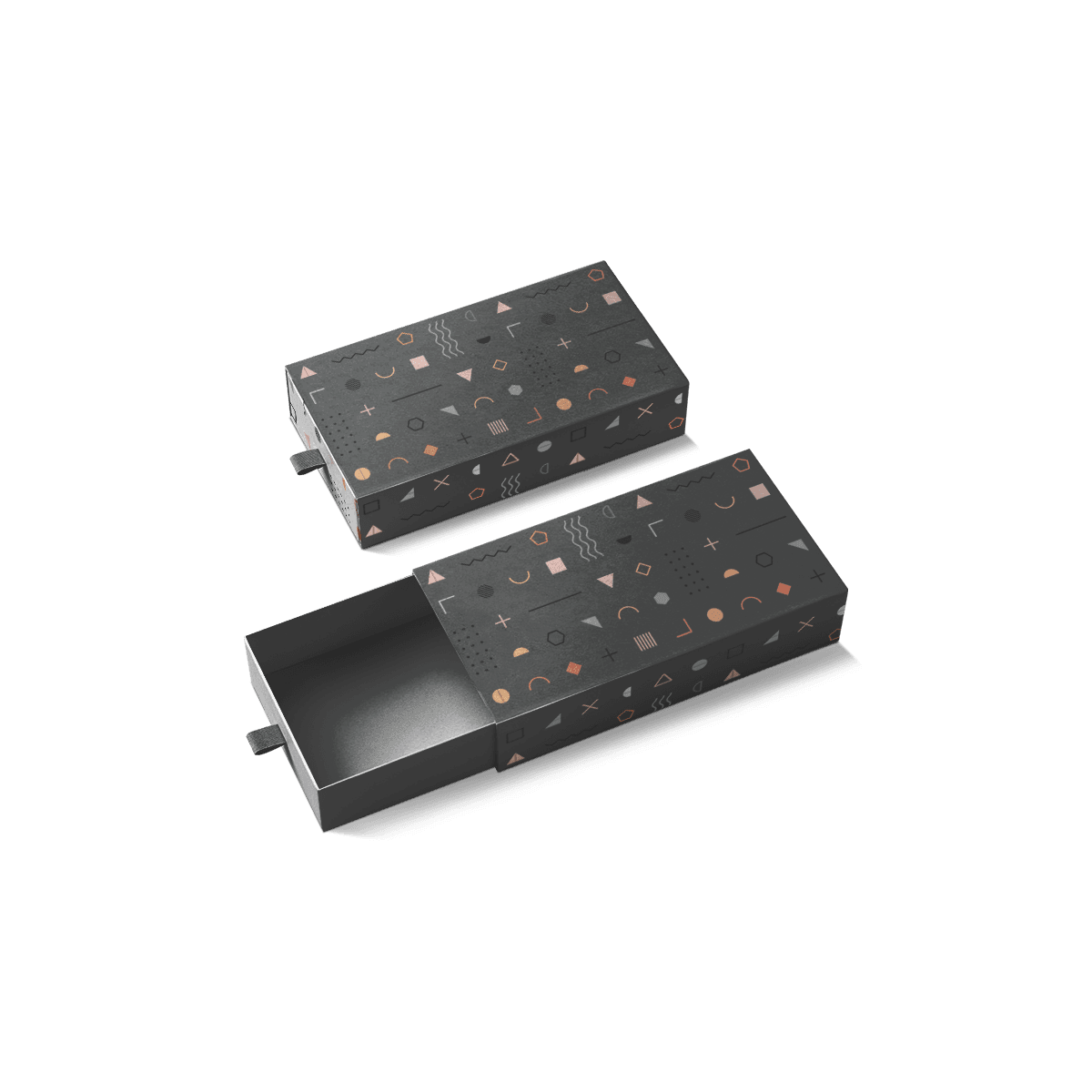
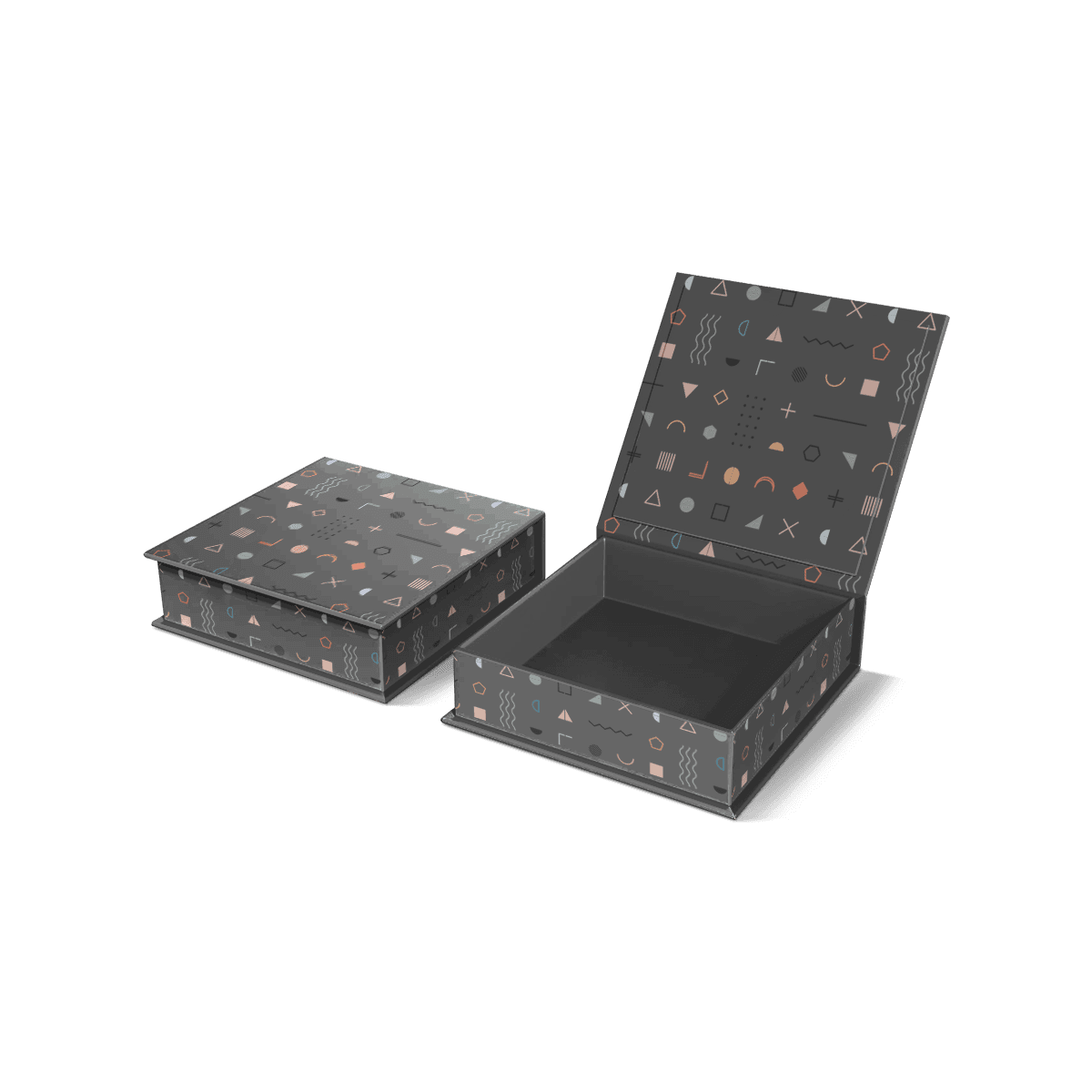
For a premium reusable presentation, Drawer-Style Rigid Boxes create a slower reveal and stronger board presence when the product value justifies the additional structure.

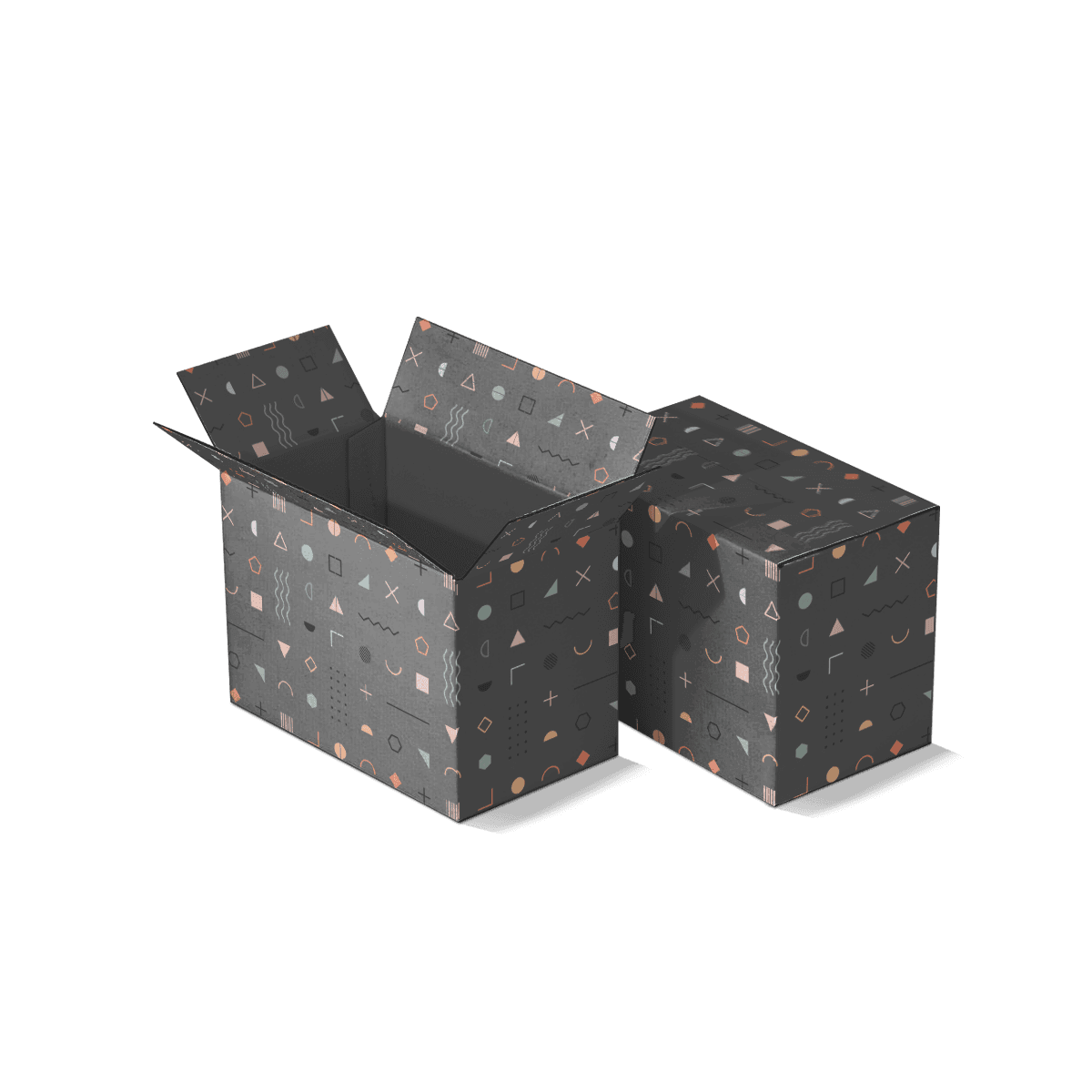
For parcel transit, Custom Corrugated Shipping Boxes can carry the shipping load when the wellness kit itself should remain focused on organization and presentation.

Packout Labor Changes at Scale

A kit that takes one minute to assemble may feel acceptable during a small launch and become expensive when thousands of units are packed each month. Count the actions required to erect the box, form the insert, place every component, add literature and close the pack.

Reduce Repeated Hand Motions

If packers must build several insert pieces or repeatedly reorient products, the kit can become a fulfillment bottleneck. A single integrated fitment or a simpler loading order may improve consistency without changing the visual experience.

Assembly improvements should not remove necessary retention. A faster pack that allows products to collide or shift is not an operational improvement.

The packaging scale example shows why erection time, insert complexity and shipping footprint can matter more than the unit box price once volume grows.

Separate Presentation From Transit

A wellness kit may look complete when opened yet still need an outer shipper for parcel delivery. Rigid boxes, folding cartons and presentation mailers should not automatically be expected to absorb courier impacts, labels and stacking loads without additional protection.

Ship the Complete System

Test the kit inside the exact outer shipping setup. Check whether the insert still holds the components after drops, vibration and repeated handling. If the outer carton arrives intact while products have shifted inside the insert, the internal retention still needs work.

The shipping damage checks focus on fit, movement, inserts, weak points and the actual distribution route.

Keep Printed Materials Flat

Cards, instructions and booklets can bend when they share a cavity with bottles or tools. Give literature a flat zone or pocket so it arrives readable rather than becoming improvised cushioning.

Build a Repeatable Kit Spec

Multi-item programs become difficult when product changes are made without updating the packaging specification. Record the approved product list, dimensions, insert geometry, loading order and artwork version so repeat production does not rely on memory.

Control Component Changes

A new bottle cap, taller pump or reformulated sachet can change the fit even when the product name stays the same. Review dimensional changes before reordering the outer box or insert.

For subscription and recurring care programs, one stable kit footprint can simplify packing and inventory when the component dimensions remain compatible. Different product families should not be forced into one insert if the result creates movement or awkward removal.

Travel Kit Boxes are a better fit when compact portability and amenity-style grouping are the primary job rather than a wellness routine or product program.

Approve the Kit Fully Loaded

Final approval should use the complete production set. Pack every item, close the box and handle it in the orientation expected during storage, retail or shipping. Check product movement, insert deformation, removal access and the condition of printed materials.

Test the Heaviest Configuration

If several versions share one box, test the heaviest and most awkward combination rather than the easiest SKU. That configuration is more likely to reveal insert collapse, excessive clearance or closure stress.

Custom Packly's USA minimum order starts from 100 boxes. Free design and dieline support plus free 3D mockups can help settle the pack map and artwork. Previous-work samples may help assess general construction and print quality, while an exact custom sample may be paid when the full kit needs physical validation.

Standard USA turnaround is 4–6 days after final artwork and specifications are approved. Complex structures, specialty materials or advanced finishes may require additional time, and free shipping applies to the current USA offer.

The quote preparation process works best when the product list, dimensions, weight, insert needs, quantity and artwork status are settled before final pricing.

FAQs

Because a single organized box does more than combine products. It controls placement, improves the opening flow and makes the kit feel like one program instead of a loose collection of parts.

No. Rigid boxes are useful for premium presentation and reusable packs, but many wellness kits work better in folding cartons or corrugated mailers when shipping efficiency, storage or reorder volume matters more.

Wellness Kit Boxes are the better fit for curated health, supplement or self-care bundles that need structured presentation and mixed-item organization. Travel Kit Boxes are usually the better choice when portability, hotel use or compact amenity grouping is the main goal.

They give each item a defined place. Inserts help prevent movement, keep small parts from disappearing into the box and make multi-step routines easier for the customer to follow.

Common combinations include supplement bottles, sachets, wellness samples, droppers, small tools, informational cards, symptom guides, recovery accessories and other components that need to stay grouped as one set.

Process

How it works

Your Packaging Journey, From Idea to Production and Delivery

01

Tell Us Your Specs

Custom packaging boxes

Tell Us Your Specs

Provide size, quantity, printing, and finishes.

02

Get a Fast Quote

Custom packaging boxes

Get a Fast Quote

Instant transparent pricing, no hidden fees.

03

Design and Approval

Custom packaging boxes

Design and Approval

Artwork checks, revisions, and final sign-off.

04

Produce

Custom packaging boxes

Produce

Expert manufacturing to meet deadlines.

05

Ship to Your Door

Custom packaging boxes

Ship to Your Door

Hassle-free, flexible delivery options.

Get Your Quote for Custom Wellness Kit Boxes

Share your product details, size, quantity and artwork needs. We’ll help choose the right packaging style and send a clear quote.