Skip to content
Details

Custom Two-Piece Mailer Boxes

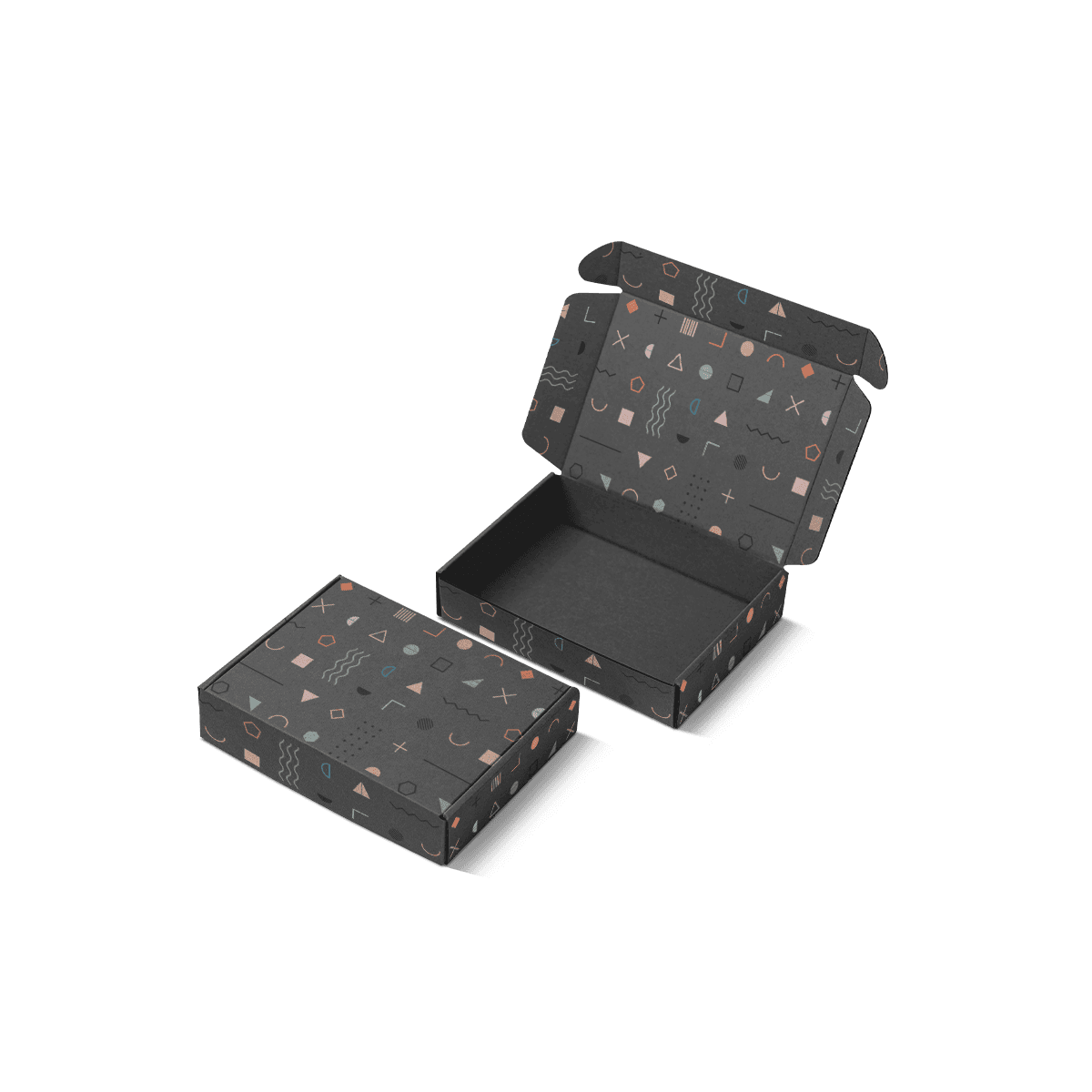
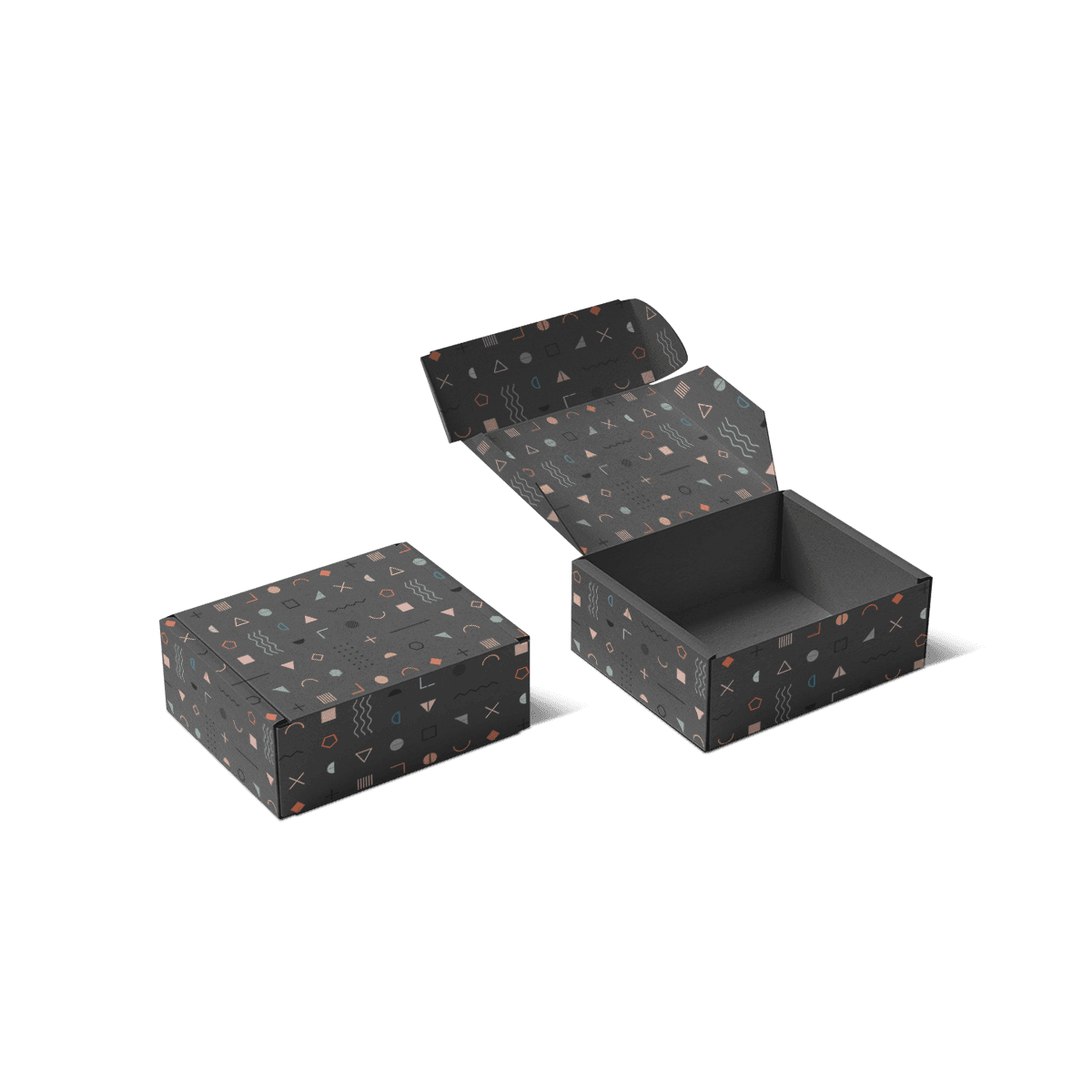
Separate corrugated lids and bases for mailed kits, gifts and product sets that need open access during packing and a more deliberate lift-off reveal.

The Lid Fit Defines the Box

Two-piece mailers depend on a relationship that one-piece mailers do not have: the lid and base are separate structures, so one has to fit over the other cleanly after both are assembled and loaded.

That fit cannot be treated as an afterthought.

A lid that is too tight can drag against the base, catch on corners or require two-handed force to remove. A lid that is too loose can shift sideways, sit unevenly and make the package feel less controlled.

Custom Two-Piece Mailer Boxes therefore start with the finished outside dimensions of the base and the finished inside dimensions of the lid.

Material thickness, folds and manufacturing tolerance all affect that relationship.

Among custom mailer boxes, this structure makes the most sense when a separate lid improves how products are packed, presented or accessed rather than simply adding another component to the box.

Clearance Must Be Intentional

The lid needs enough clearance to move over the base without binding, but not so much that it visibly wanders once closed.

That clearance depends partly on the corrugated specification. A dieline created around one board thickness cannot be moved casually to a substantially different material without checking the fitted relationship again.

The Loaded Base Still Has to Stay Square

A lid may fit perfectly over an empty base and poorly over the same base after products are loaded.

An oversized insert, tightly packed apparel or a product pressing against one wall can bow the base outward. The lid then meets a different shape from the one used to develop the structure.

The packaging should be tested in its packed state.
Lid Depth Changes the Reveal

The lid does more than cover the top.

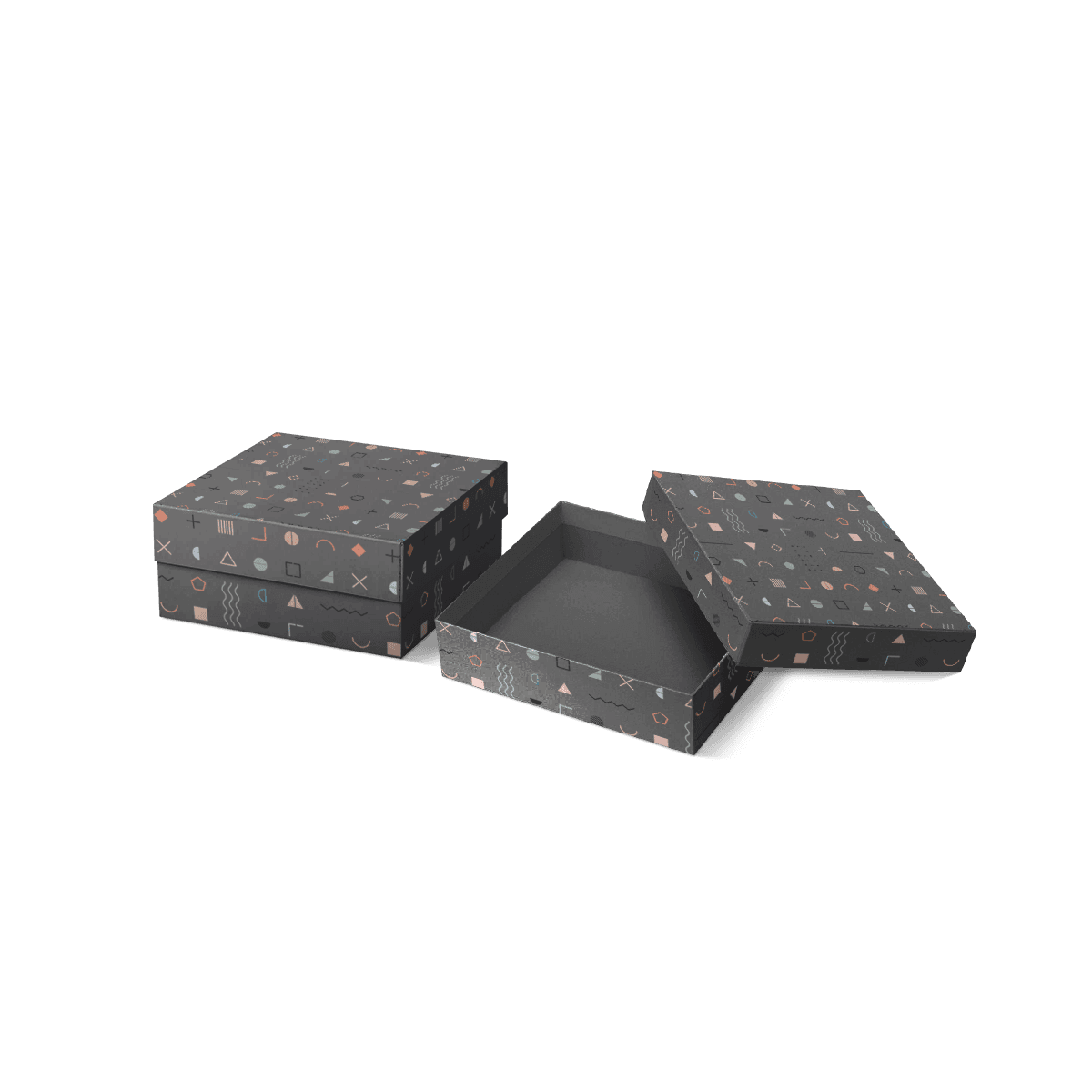
Its depth controls how much of the base remains visible while the box is closed and how much overlap exists around the sides.

A deeper lid can conceal most of the base and create a more complete covered appearance. A shallower lid leaves more of the lower tray visible and creates a stronger visual break between the two pieces.

That decision affects branding as well as handling.

A contrasting base color can become part of the closed-box design when the lid is shallow. A full-depth lid puts more visual emphasis on the top and lid side walls.

The physical opening also changes.

A deeper lid requires more travel before the contents appear. A shorter lid releases sooner. Neither is automatically better.

Use the amount of overlap to control the opening experience while keeping enough engagement between the two parts for the intended handling conditions.

For gift-led online orders, Gift Boxes for E-commerce focuses on the complete recipient experience. The two-piece mailer owns the corrugated lid-and-base mechanism itself.

Open Access Changes Packout

Removing the lid leaves the complete base accessible from above.

That can simplify packing when a kit contains several components, a fitted insert or layered presentation pieces.

A hinged mailer lid remains attached during loading. That works well for many DTC orders, but the upright panel can occupy space behind the packing station or influence how staff reach into the box.

A separate lid gets out of the way.

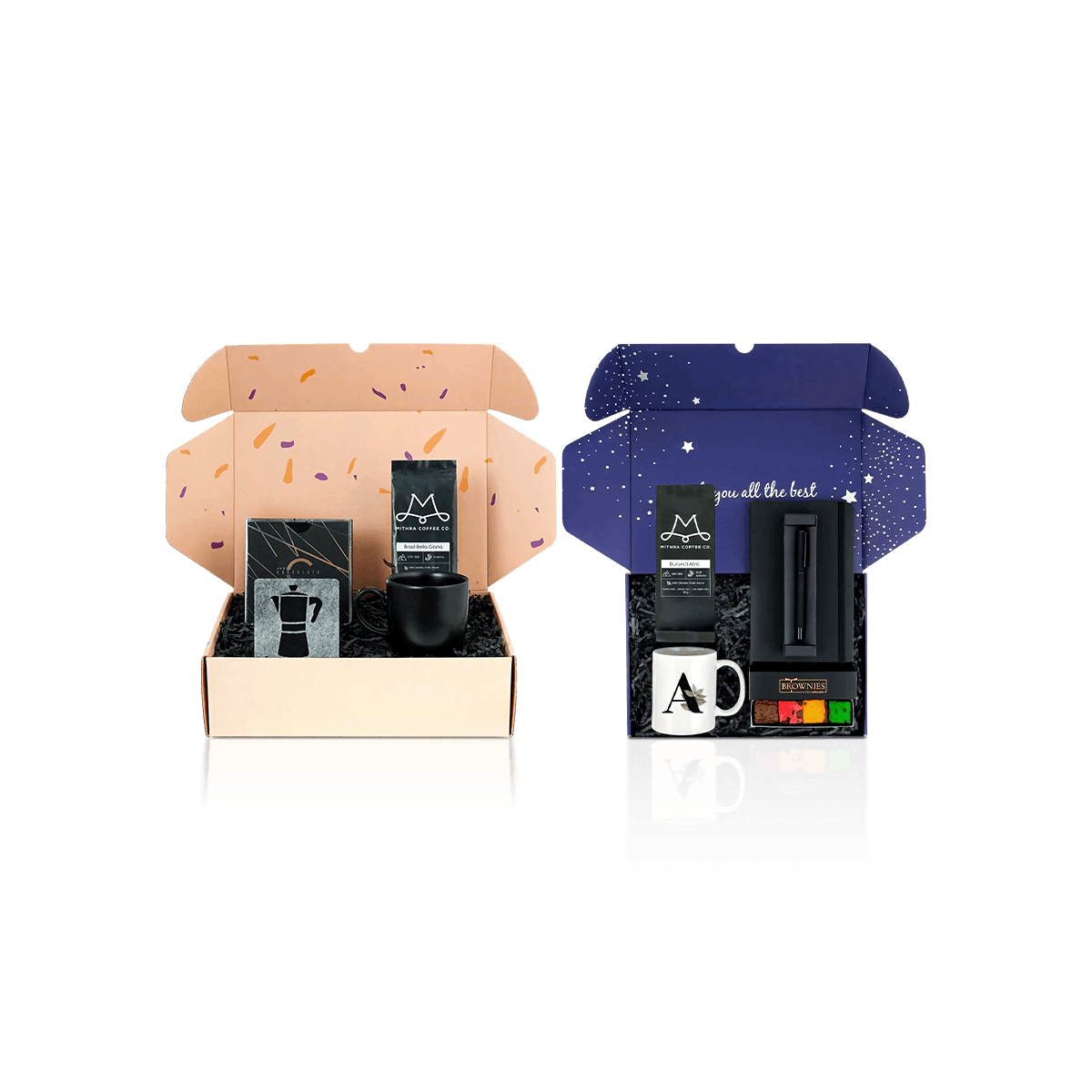
The packer can assemble the base, place the insert, load products, position cards or tissue and inspect the whole arrangement before the lid is fitted.

This makes two-piece mailers especially practical for:

  • curated product sets
  • launch kits
  • sample collections
  • apparel bundles
  • promotional packs
  • influencer shipments
  • multi-component gifts

The structure should still earn the extra handling step. For a simple single-product order where rapid close-and-dispatch packing matters more than presentation, Product Mailer Boxes may be the cleaner direction.

The Base Carries the Layout

Once the lid is removed, the base becomes the visual stage for everything inside.

That makes internal depth and product arrangement more important than they are in a box that immediately opens into multiple flaps and panels.

The base can hold a fitted tray, corrugated divider, paperboard platform or simpler tissue-wrapped arrangement depending on the contents.

A useful rule is to design the base around the packed assembly rather than around the largest individual product.

Three small products can occupy more functional space than one larger product once finger access, dividers and presentation gaps are added.

Finger Access Matters

A product can fit too precisely.

If a jar, candle or retail carton sits tightly against every side of a cavity, the recipient may struggle to remove it even though the presentation looks neat.

Leave access where fingers actually need to enter.

That could mean a thumb cutout, clearance beside the product or a slightly raised platform.

Layering Needs Vertical Control

Two-piece mailers can handle layered packs well because the base remains open during assembly, but stacked presentation needs planned heights.

Suppose a launch kit contains a product tray below a printed card and a slim accessory pouch above it. If the upper piece sits too high, the lid can press downward and transfer force through the entire arrangement.

Lowering the platform or recessing the accessory keeps the presentation layered without turning the lid into a compression device.

The principles behind packaging inserts help when products need controlled cavities rather than loose decorative fill.

Two Corrugated Pieces Are Not a Rigid Box

The separate lid and base can give this structure some of the visual language of a classic two-piece presentation box, but corrugated and rigid construction behave differently.

Corrugated mailers are folded from fluted board. That keeps the structure lighter and makes flat storage and mail-oriented use practical.

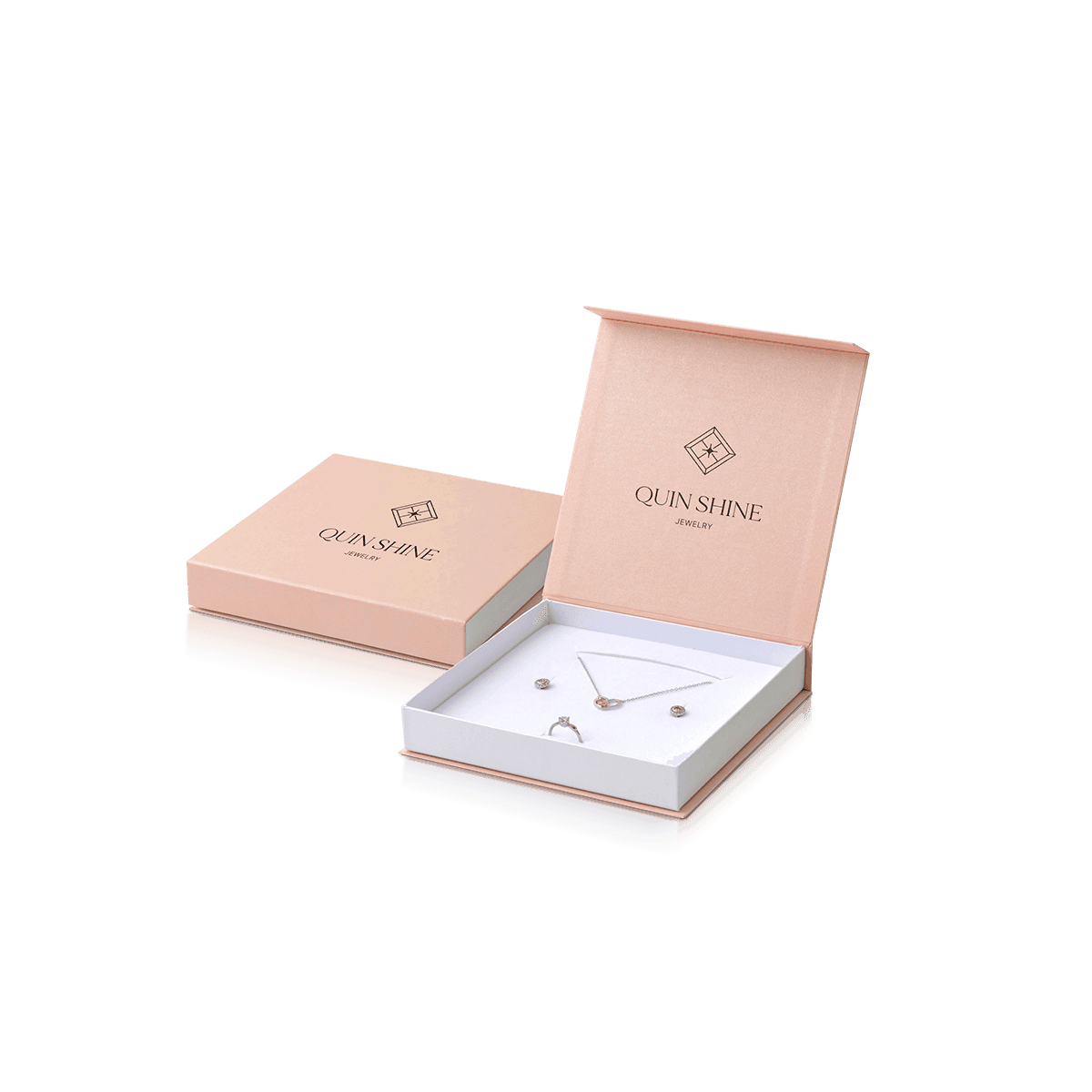
Luxury 2-Piece Rigid Boxes use a much heavier presentation construction when the package itself needs the substantial feel of a setup box.

Choose the corrugated version when mailing practicality, lighter construction and foldable supply matter.

Move toward rigid when the weight, surface feel and keepsake character of the presentation box are central to the product.

The distinction also affects shipping architecture.

A corrugated two-piece mailer may be developed to handle direct shipment when its board, closure and packed load support that use. A decorated rigid box commonly needs another shipping layer when preserving its presentation surfaces matters.

Do not buy corrugated and expect it to imitate rigid board physically. Use each material for what it does well.

Secure the Lid for Shipping

A fitted lid creates enclosure, but fit alone should not automatically be treated as the final shipping seal.

Parcel handling can lift, twist and compress packaging from several directions. The shipping specification therefore needs to state how the lid remains secured after the box leaves fulfillment.

Depending on the structure and use, that may involve an appropriate sealing method, tamper feature, band or another closure treatment developed into the package.

The closure should not destroy the reason for choosing a removable lid.

Heavy strips of tape across prominent artwork may technically keep the package closed but undermine the presentation the structure was selected to create.

Plan the shipping close while the box is being designed.

If the order needs a faster integrated closing mechanism rather than a lift-off presentation, Self-Sealing Mailers solve a different fulfillment problem.

For loads that demand substantially greater transit strength, shipping boxes should be considered instead of expecting the lid overlap to compensate for an under-specified corrugated structure.

Overlap Changes Side-Wall Behavior

Where the lid covers the base, two corrugated wall systems occupy the same side area.

That overlap can make the closed package feel more substantial around those portions of the box, but it does not mean every two-piece mailer automatically has the same compression performance.

The result still depends on flute, liners, box dimensions, load distribution, folds and how much of the base the lid actually covers.

A shallow lid creates less overlap.

A deeper lid creates more.

The correct board specification should be based on the complete packed box rather than on the assumption that two pieces always equal twice the strength.

The packaging materials used for corrugated, paperboard, kraft and rigid boxes differ significantly in construction and physical behavior.

For compact presentation-led mailers, a finer corrugated profile can support cleaner folds and printing. Larger or heavier kits may call for another board direction.

Physical structure comes before finish.

Price Both Parts of the Structure

A two-piece mailer uses separate lid and base components, so material usage, die-cutting, printing and assembly requirements differ from a simpler one-piece mailer.

That does not make the structure automatically expensive or inexpensive.

Cost depends on dimensions, board, lid depth, print coverage, inserts, finishes and quantity.

A shallow lid may use less material than a full-depth cover. Printing both pieces heavily creates a different specification from printing one branded lid over a simple base. A complex fitted insert can add more to the package than the second corrugated piece itself.

Custom Packly starts US orders from 100 boxes. US production and free shipping support domestic programs, with a standard 4–6 day turnaround after final artwork and specifications are approved. Complex structures, specialty materials or advanced finishes may require additional time.

When the lid depth, base dimensions, corrugated specification and quantity are established, an instant custom packaging quote can price the matched structure.

Lid and Base Can Carry Different Graphics

Two separate pieces create a visual opportunity that a single hinged mailer cannot reproduce in the same way.

The lid can carry the primary identity while the base acts as a second color field. The exterior may look restrained when closed, then reveal stronger graphics after the lid lifts.

The important point is that the pieces do not need identical artwork.

A dark printed lid over a contrasting light base can make the separation visible. Matching colors can make the two pieces read as one object until opening.

Inside the base, the product arrangement can carry most of the visual weight without heavy printing on every surface.

For artwork-heavy programs, custom printed boxes can support print planning across box structures when color reproduction and recurring artwork consistency become the dominant production questions.

Do Not Depend on Seam Registration

Avoid artwork that requires a line, illustration or small text element to align perfectly from the lid onto the base while the box is closed.

The pieces are separate and need clearance to move.

Even normal fitted movement can make a seam-dependent design appear misaligned.

Treat the lid and base as coordinated surfaces rather than two halves of one precision-registered picture.

The Dielines Must Work as a Pair

A two-piece mailer does not have one independent structural drawing.

The lid and base dimensions are linked.

Changing the base width can require a corresponding lid adjustment. Changing board thickness can alter the fitted relationship. Changing lid depth affects overlap and artwork area.

The structural files should therefore be controlled as a matched set.

The dieline generator can support dimensional planning for appropriate box structures, while design and dieline support can resolve the exact lid-and-base relationship for the finished specification.

Artwork also needs clear file identification.

“Top” and “bottom” are not enough when several sizes or campaign versions exist. Production files should make it obvious which lid belongs with which base and which artwork revision belongs on each piece.

A free 3D mockup can help review the assembled relationship before production.

For the first custom run, a paid pre-production sample is more valuable when lid fit, insert height, opening resistance or product staging must be judged physically. Free sample examples of previous work can help assess general construction and print quality.

Keep the approved base dimensions, lid dimensions, board construction, lid overlap, insert specification and artwork versions tied together under one packaging specification. If the corrugated specification changes, recheck the fitted relationship rather than assuming the old pair will behave identically.

Two Pieces Change Storage

A one-piece flat mailer is one packaging component.

A two-piece box creates two.

That affects inventory control even when both pieces ship flat.

The correct number of lids and bases must reach the packing area together. Damaged or misplaced components can leave usable halves with nothing to pair them with.

The risk increases when several two-piece sizes look similar in flat form.

Keep each matched set identified through the internal packaging SKU, bundle marking or storage location.

Do not rely on employees visually distinguishing nearly identical flat blanks.

Assembly also deserves attention. If both lid and base use rolled or folded side-wall construction, the packing operation may need to erect two parts before loading the product.

That can still be worthwhile for premium kits and campaigns, but it is a real operational cost and should be considered before selecting the structure.

A two-piece mailer is strongest when the packing access and reveal justify those extra touches.

Slide or Lift?

Two-piece presentation does not always mean lid and base.

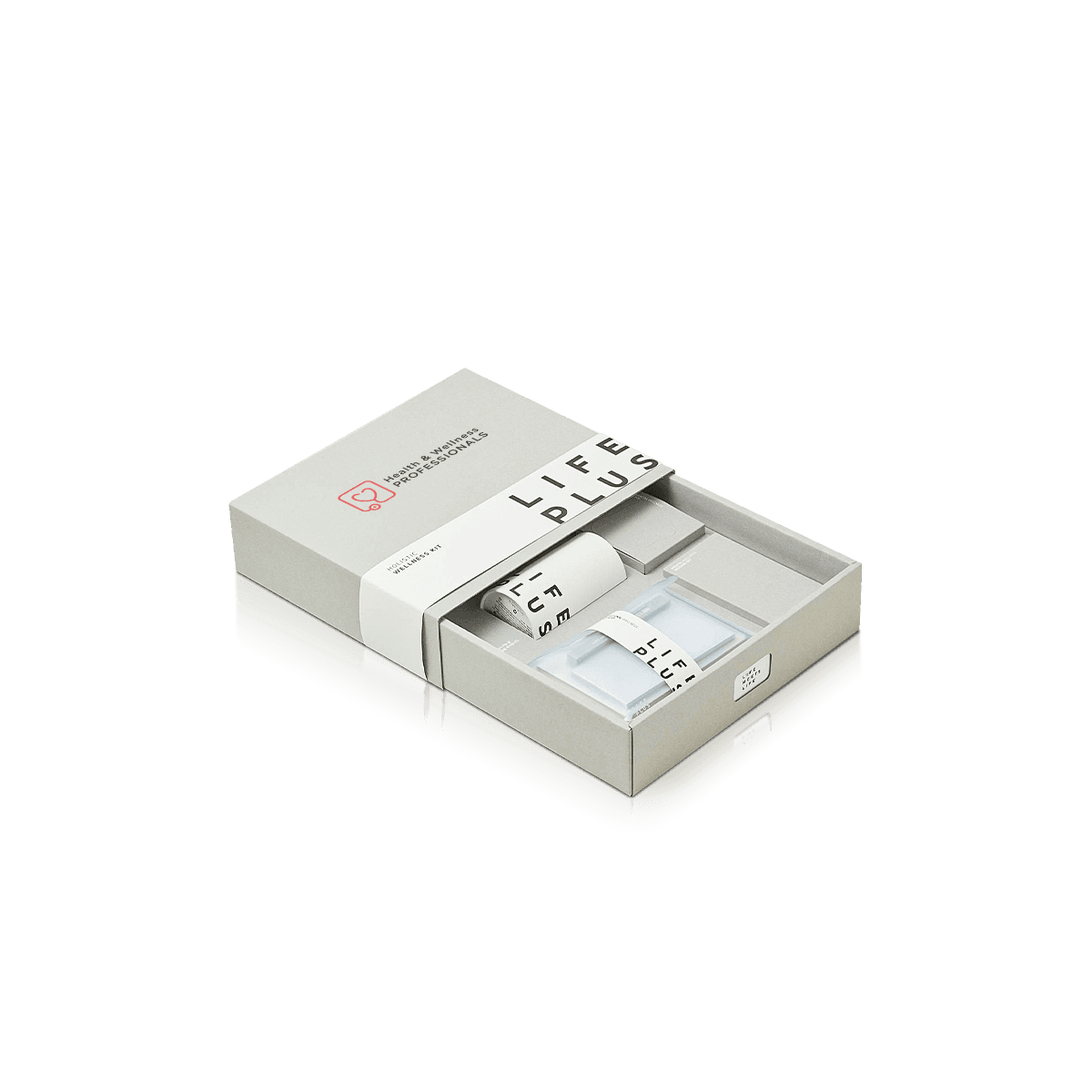
Tray and Sleeve Boxes create another two-component system, but the opening mechanism is fundamentally different.

A two-piece mailer lifts vertically. The recipient removes the lid and gains access to the entire base.

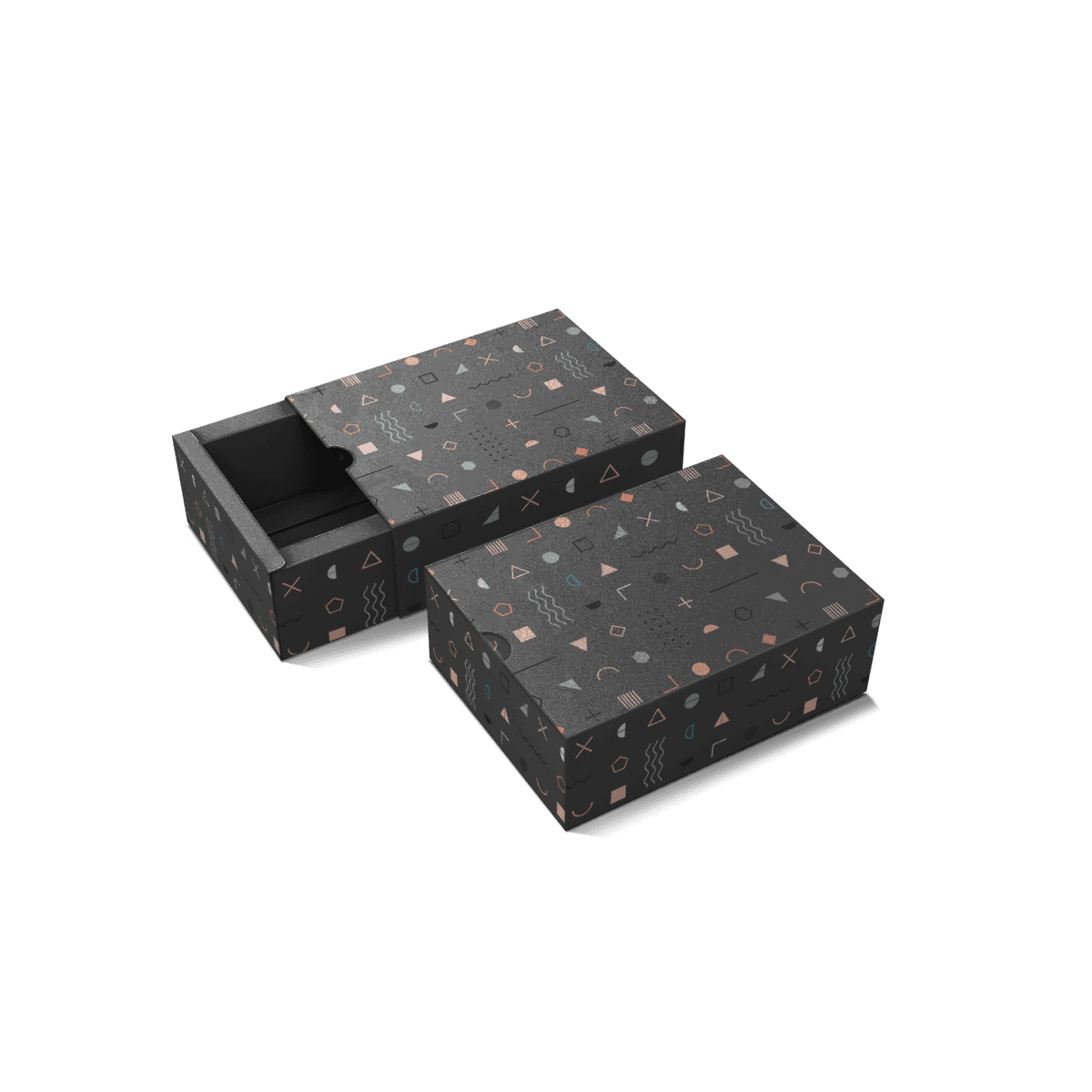
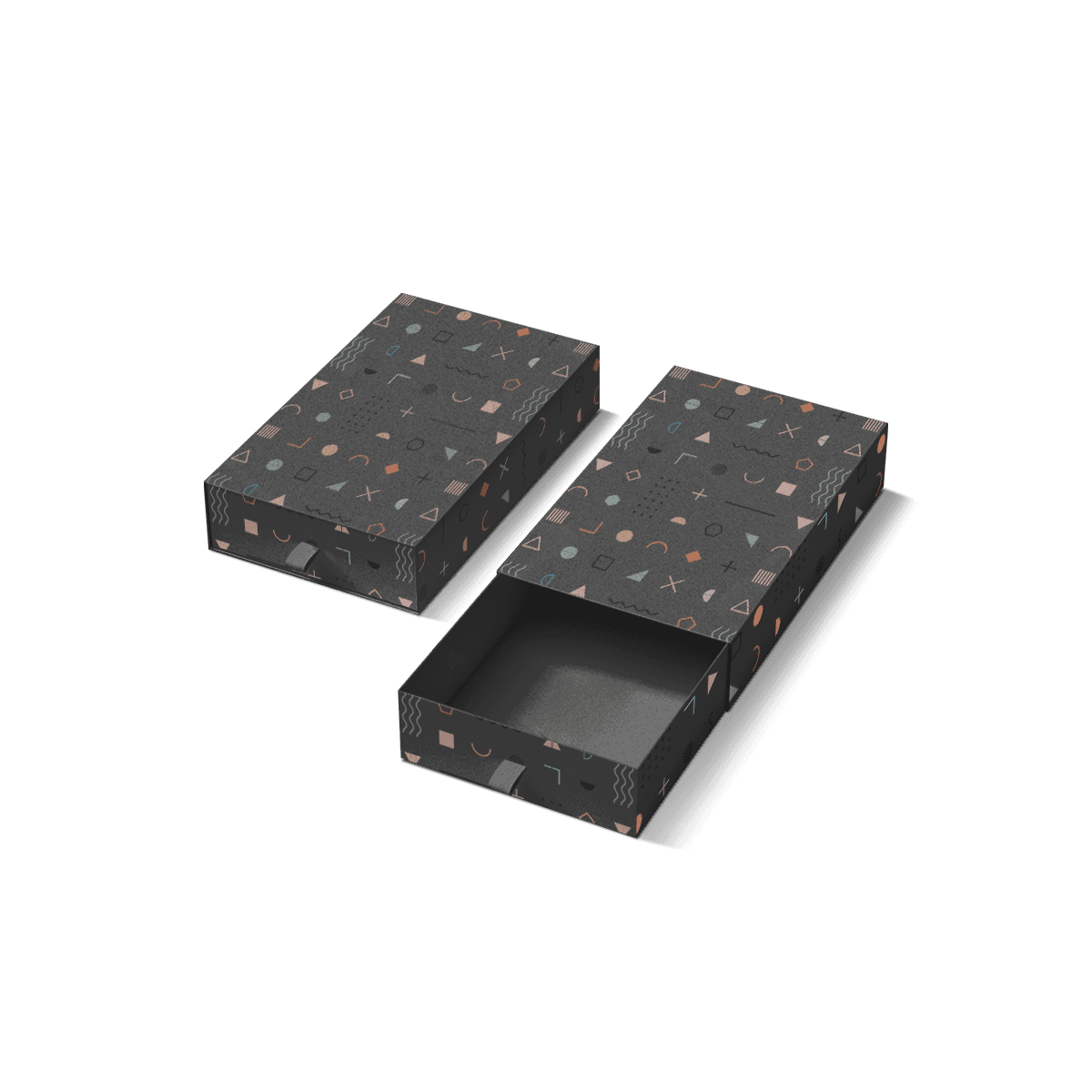
A tray-and-sleeve box opens through horizontal movement. The sleeve remains around the tray until it is slid away.

Choose lift-off access when full top access supports product staging, apparel, gift sets or kits with several components.

Choose a sleeve when the sliding motion itself supports the experience and the product arrangement works naturally inside a pull-out tray.

This is a structural decision, not a difference in naming.

The opening direction changes how the product is loaded, how the insert works and where the strongest branding surfaces appear.

Two Pieces Should Improve Access

The separate lid and base should earn their extra component through a real packing or presentation advantage.

Use the structure when open top access makes multi-item loading easier, when the lift-off reveal supports the product set or when a hinged lid would interfere with the intended packing station.

Stay with a one-piece mailer when the second component adds handling without improving product access or presentation.

The best Custom Two-Piece Mailer Box feels deliberate because the lid clears the base cleanly, the contents are easy to reach and the two pieces behave as one package when closed.

FAQs

Because the lid lifts away from the base instead of folding open from one panel. That simple change gives the contents a more staged, gift-like reveal and makes inserts easier to arrange.

Yes, when the board grade and product weight are matched properly. Many brands use this format for mailed kits, samples, and curated sets that need a more polished presentation than a basic mailer.

Choose Two-Piece Mailer Boxes when you want the lid-and-base experience in a lighter corrugated format that is easier to scale for mail-order use. Luxury 2-Piece Rigid Boxes are better when the goal is a heavier setup box feel with higher-end board thickness and presentation weight.

Yes. This structure is especially useful when the pack includes layered collateral, product cushions, divider inserts, or a more personalized arrangement of multiple items.

Yes. This format suits seasonal kits, influencer sends, event drops, and branded limited editions where the artwork or assortment may change without changing the core packaging style.

Process

How it works

Your Packaging Journey, From Idea to Production and Delivery

01

Tell Us Your Specs

Custom packaging boxes

Tell Us Your Specs

Provide size, quantity, printing, and finishes.

02

Get a Fast Quote

Custom packaging boxes

Get a Fast Quote

Instant transparent pricing, no hidden fees.

03

Design and Approval

Custom packaging boxes

Design and Approval

Artwork checks, revisions, and final sign-off.

04

Produce

Custom packaging boxes

Produce

Expert manufacturing to meet deadlines.

05

Ship to Your Door

Custom packaging boxes

Ship to Your Door

Hassle-free, flexible delivery options.

Get Your Quote for Custom Two-Piece Mailer Boxes

Share your product details, size, quantity and artwork needs. We’ll help choose the right packaging style and send a clear quote.