Skip to content
Details

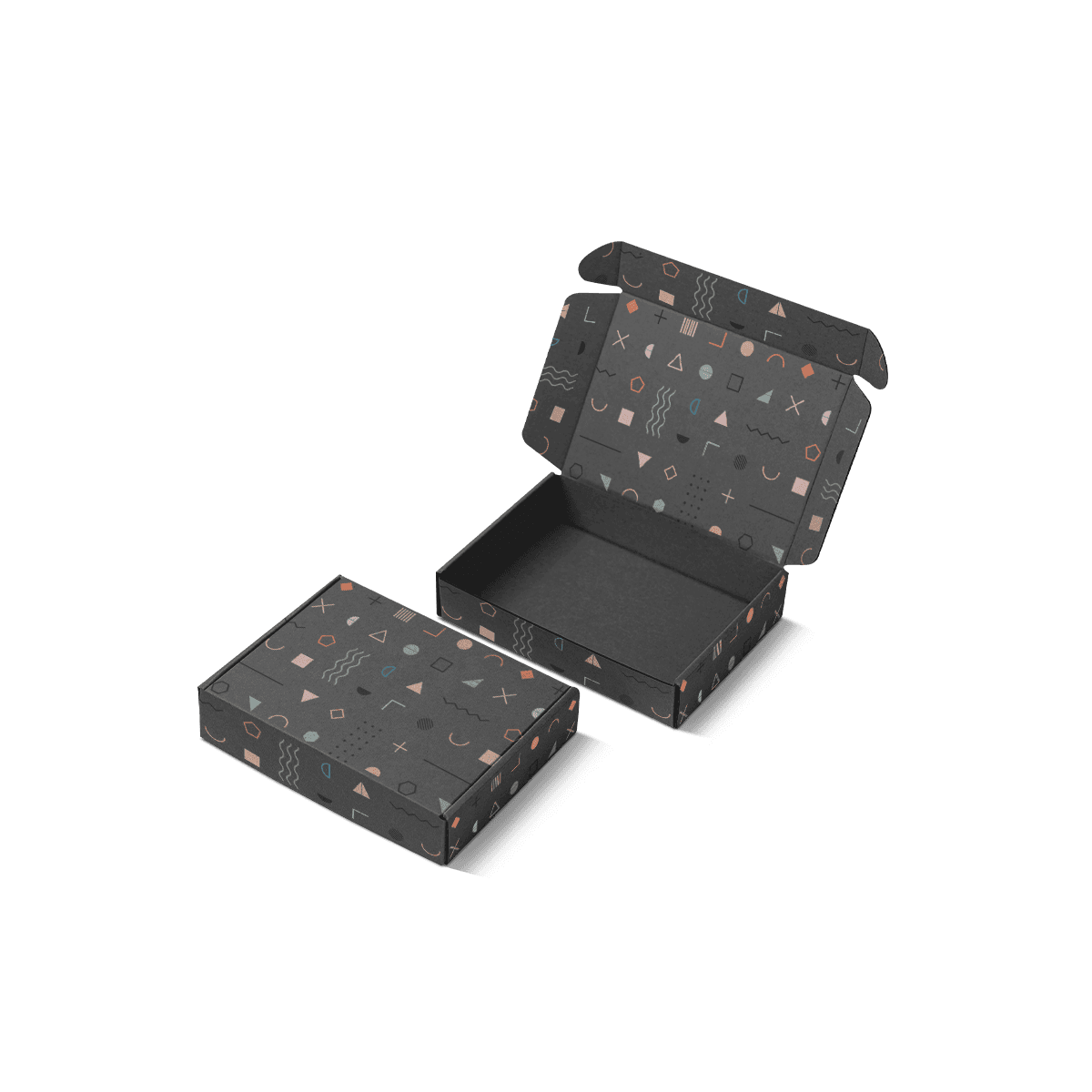
Custom Retail Mailer Boxes

Corrugated mailers for brands selling across stores, pickup and direct shipping, with packaging that stays presentable while moving between stockroom, fulfillment and customer handoff.

One Box Can Meet the Customer Three Ways

A retail order does not always leave through a checkout counter anymore.

The same product may be purchased in a store, ordered online for pickup or shipped directly from a fulfillment center. Custom Retail Mailer Boxes make the most sense when one corrugated package needs to work across more than one of those routes.

That changes the specification.

A pure shipping mailer can prioritize parcel protection and packing speed. A store presentation pack can prioritize graphics and how the product looks during handoff. A retail mailer often has to balance both.

The box may sit flat in a stockroom, be packed by store staff, appear at a pickup counter and later be used for a shipped order from the same inventory.

That is the decision this structure should solve.

Retail and apparel packaging becomes especially relevant when store presentation, product organization and physical handoff matter alongside e-commerce fulfillment.

Store Purchase

A customer may see or receive the finished box before it encounters any parcel carrier.

The packaging therefore needs to look intentional without depending on a shipping label or outer carton to complete the design.

Pickup Order

Buy-online-pickup-in-store orders add another operational layer. Staff may pack the product away from the main fulfillment line and hand the box directly to the customer.

The structure should be easy to identify, assemble and close without specialist packing equipment.

Direct Shipment

The same packaging may need to enter a carrier network.

Once that happens, right sizing, corrugated strength, closure and label placement become shipping decisions as well as retail decisions.
Decide Which Surface Faces the Customer

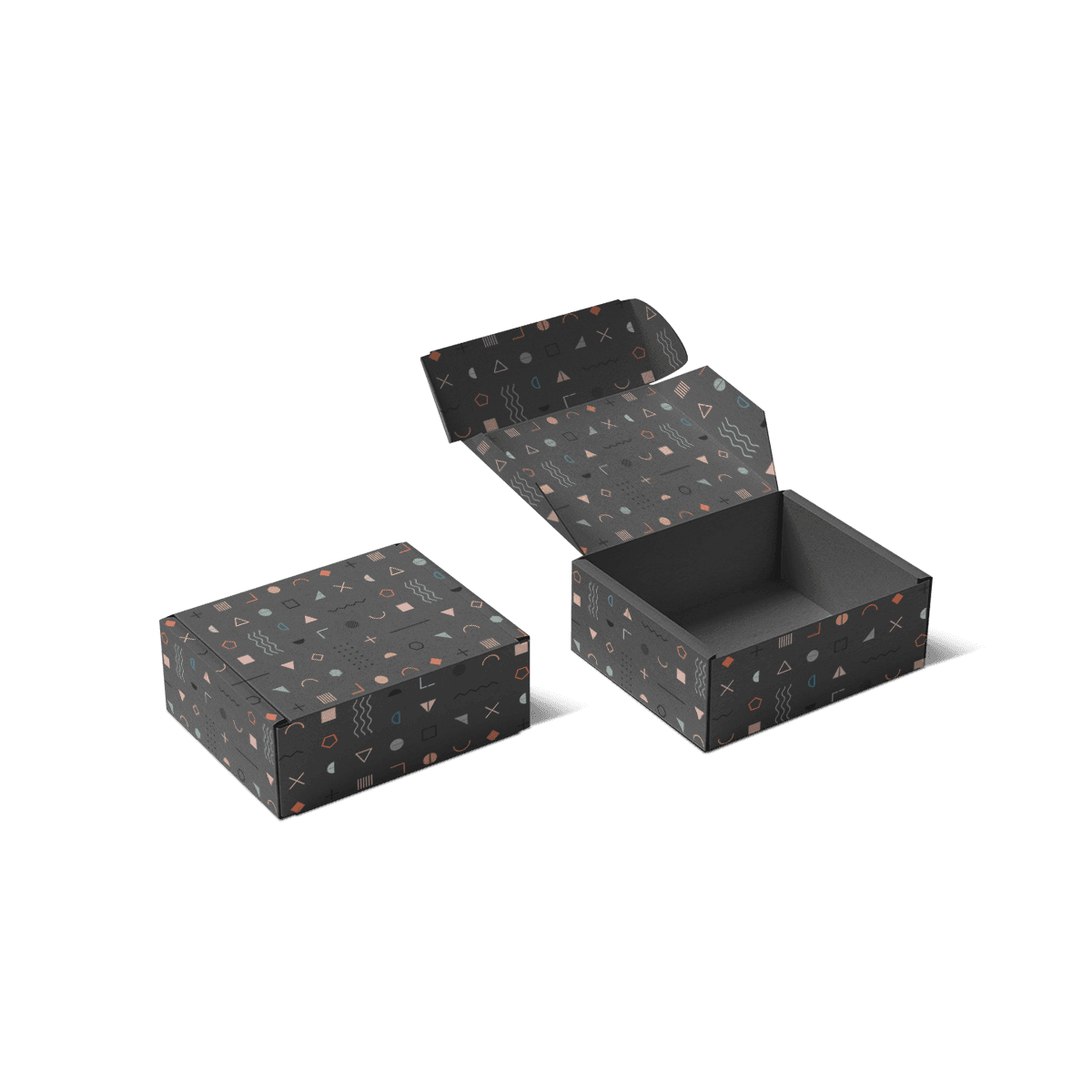
Retail mailers can be seen in different states depending on how the order is delivered.

A pickup customer may first see the top panel without a carrier label. A shipped customer may receive that same panel partly covered by routing information. A store associate may present the box with the front panel facing outward.

Artwork should survive all three situations.

Do not build the entire identity around one perfect top-panel composition if shipping operations will routinely cover it.

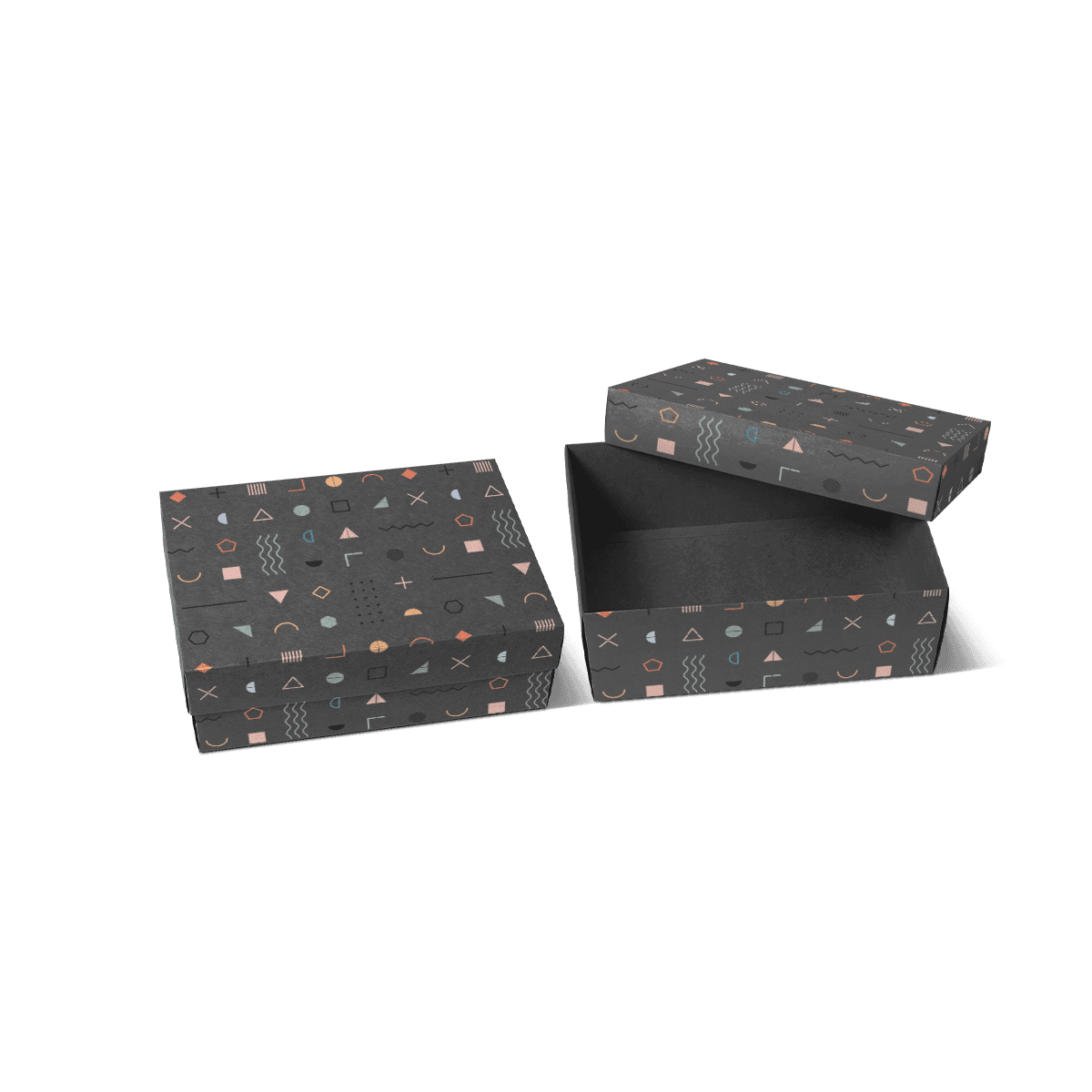
Use the lid for the strongest recognition, then give the front or side another visual cue that still identifies the brand when the lid carries a label.

For mailers whose main objective is shipping-facing graphics rather than cross-channel retail use, Printed Branded Mailers keep the print decision more focused.

Retail mailers need graphics that remain coherent across several handoff conditions.

Store Handling Is Not Parcel Handling

A box can perform well during a customer handoff and still be poorly prepared for direct shipping.

Store handling is usually controlled. Parcel handling is not.

A retail associate may carry the package a few yards from a stockroom to a counter. A shipped order can encounter conveyors, stacking, drops and pressure from other parcels.

If the same mailer will do both jobs, specify it for the harder route.

That does not mean adding the heaviest board possible.

The product weight, box span, internal movement and shipping method should establish the corrugated requirement.

For ordinary online orders where retail presentation is not part of the decision, Product Mailer Boxes stay centered on product fit, fulfillment and doorstep delivery.

The retail mailer earns its own role when the physical package must remain appropriate before shipping as well as after it.

Retail Bundles Need a Defined Layout

Retail mailers often carry more than one item.

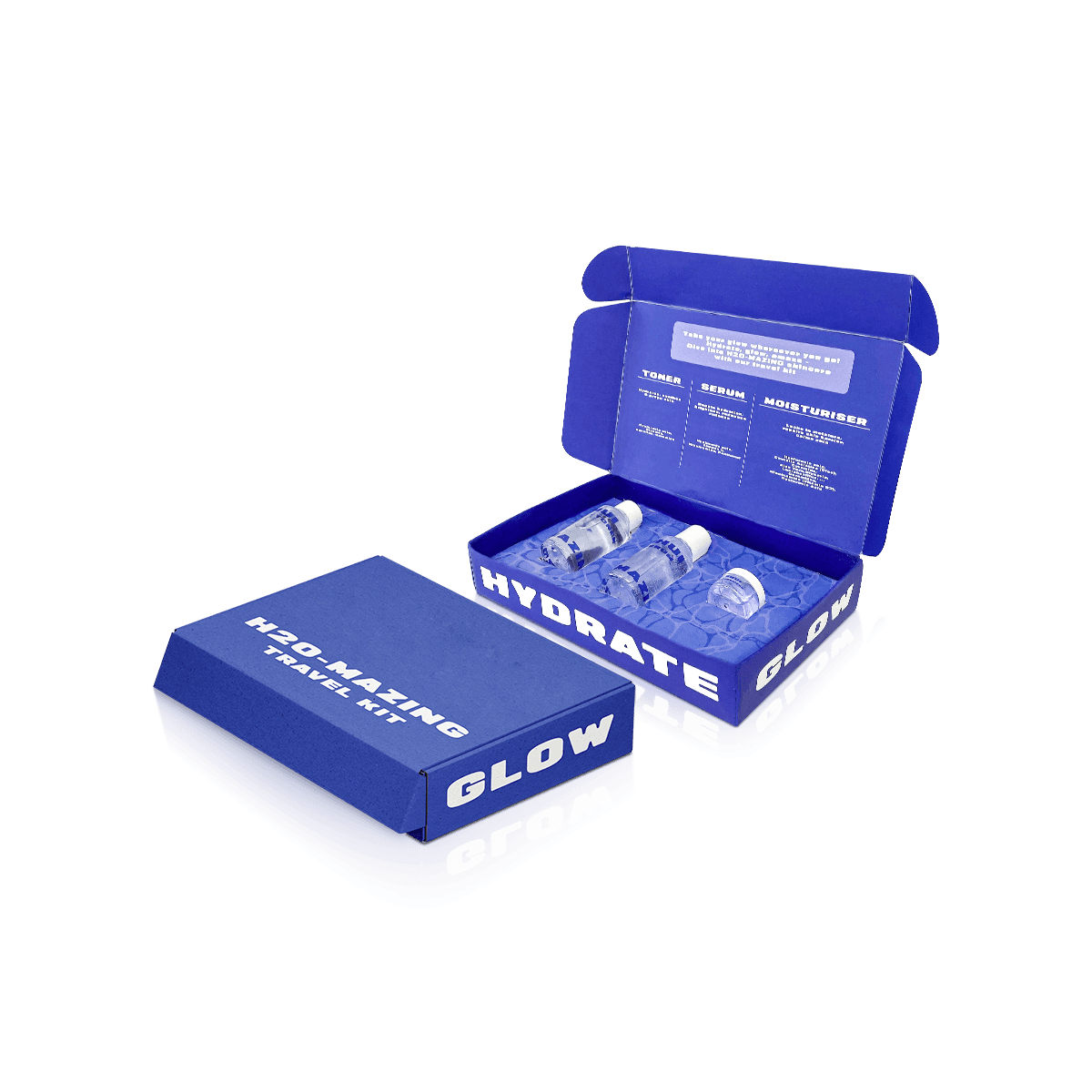
A launch set may combine a hero product, sample and card. An apparel order may include a garment, accessory and printed insert. A beauty promotion may pair two retail cartons with a small gift.

Those components should not look like unrelated items dropped into a shipping box.

The inside layout can create the merchandising effect.

Anchor the Main Product

The most important product should have a clear position.

That may come from a fitted paperboard tray, corrugated partition, folded platform or simply a box footprint sized closely around a soft product.

If the hero item moves freely underneath smaller components, the presentation loses its intended hierarchy.

Separate Hard Components

Two boxed products can damage each other's printed surfaces even when neither is fragile.

A divider or simple partition can stop repeated rubbing and keep the arrangement intact.

Keep Printed Pieces Visible

Cards, promotional material and instructions need a defined position rather than being placed loosely on top of the order.

The principles behind packaging inserts help when product organization and restraint need to work together.

Store Staff Should Not Need a Packing Tutorial

A retail mailer may be assembled by employees whose primary job is selling, stocking or serving customers rather than operating a dedicated packaging line.

That changes how much complexity the structure can tolerate.

The box should arrive flat, erect predictably and make the correct closing sequence obvious.

Imagine a fashion retailer using one mailer for store pickup and online orders. The central warehouse team packs hundreds of boxes each day and quickly learns a complex folding sequence. Store employees may pack only a few orders per shift.

If the structure requires several unintuitive folds in a specific order, store locations can produce inconsistent boxes even though warehouse packout looks perfect.

A simpler closure may create a stronger system than an elaborate structure that performs well only in trained hands.

This is where structural choice should follow the least specialized packing environment that will realistically use the box.

Tab-Locking Mailers can add a more positive mechanical close when that action remains simple enough for every packing location.

Pickup Changes the Need for Sealing

A box handed directly to a customer does not necessarily need the same final seal as a package entering the carrier network.

That creates an opportunity to separate closure from security.

A tuck or locking structure may be sufficient for store handoff. A directly shipped order may require tape, an adhesive feature or another final sealing method based on the product and shipping process.

Do not make every pickup order carry unnecessary sealing components simply because some units will ship.

At the same time, do not assume a decorative tuck closure is enough for every parcel route.

If most orders require a rapid integrated outbound seal, Self-Sealing Mailers shift the packaging decision toward fulfillment speed and adhesive closure.

Retail mailers are strongest when the structural close works comfortably for in-person handoff and the shipping process can add the appropriate final security where needed.

Product Tags Should Stay Presentable

Retail products often arrive with surfaces that matter before the product itself is used.

Apparel tags, cosmetic cartons, printed sleeves, accessory cards and branded product boxes can all lose visual quality from internal movement.

The outer mailer may remain structurally sound while the retail packaging inside becomes rubbed, dented or bent.

That is why the internal fit needs to consider cosmetic condition as well as breakage.

For folded apparel, avoid excessive depth that lets products tumble. Tissue, a belly band or close sizing may be enough.

For retail cartons, create enough clearance to load and remove them without crushing corners while limiting movement during shipping.

For small accessories on cards, prevent the card edges from repeatedly striking the corrugated walls.

The aim is for the product to remain ready for the customer, not simply intact.

Think in Retail Units, Not Empty Dimensions

An individual product measurement rarely tells the whole packing story.

Retail goods may include hang tags, folded sleeves, protective bags, cards or existing product cartons. Those pieces change the actual space required inside the mailer.

Measure the finished retail unit as it will be packed.

A 10-inch garment may occupy a very different footprint after folding and wrapping. A cosmetic bottle may already sit inside a folding carton that adds clearance around the primary container. A product tag can extend past the item itself.

The mailer should follow that packed state.

Custom product packaging begins from the physical product and its route to the customer when a more product-specific primary pack is needed inside the mailer.

That distinction prevents the outer box from being sized around an object that never actually enters it bare.

Corrugated Choice Affects Retail Appearance

The board has to perform during shipping, but the visible liner also changes how retail-oriented graphics appear.

White corrugated liners can support bright artwork, photography and cleaner color reproduction.

Natural kraft gives the package a warmer surface and can work with restrained graphics where the material itself is intended to remain visible.

The flute affects physical behavior as well.

A finer corrugated profile can suit compact retail mailers where print presentation and controlled folds matter. Larger boxes or denser products may need another specification based on span, packed weight and parcel duty.

The differences among common packaging materials matter because a retail mailer still has to function as corrugated transport packaging.

Do not select the board only from a swatch.

Review it as an assembled, packed box.

Print for Handoff and Delivery

Retail packaging often has more opportunity for close-up inspection than a conventional shipping carton.

Customers may carry the box through a store, place it in a car and keep it visible before opening. That can make print quality and panel composition more noticeable.

Outside print can establish recognition without turning every panel into advertising.

Inside print can shift the experience once the customer opens the package.

Premium offset printing can support detailed branded artwork when the quantity, substrate and specification suit the process. CMYK works well for multi-color graphics and imagery, while Pantone may be appropriate when a specific spot color requires tighter control.

The choice between CMYK and Pantone printing should be made with the actual corrugated liner in mind.

Matte, gloss, spot UV, foil, embossing or other treatments should also be judged against the shipping route.

A finish that looks strong at a retail handoff can experience more abrasion when that same box travels unprotected through parcel handling.

Dielines Need an Operational Zone

A retail mailer dieline should reserve space for more than artwork.

Shipping labels, store identification, order stickers and internal handling marks may all touch the finished box.

Decide where those elements can go before the visual layout is complete.

A side panel can carry an internal SKU or small operational label without interfering with the main branding. A lid can reserve a quieter region for carrier labels. The front can retain enough clean artwork to look intentional at a pickup counter.

The dieline generator can establish the structural panel layout once dimensions are known.

Artwork can then be placed around cuts, creases, tucks and real operational zones rather than around an imaginary box that never receives a label.

Free design and dieline support can help resolve those interactions. Free 3D mockups can also show how the artwork moves around the assembled mailer.

A paid fully custom pre-production sample can be used when the box needs physical review for product fit, retail presentation, finish or store packout. Free sample examples of previous work can help assess general construction and print quality.

Price the Cross-Channel Specification

The cost of a retail mailer should be judged against the packaging jobs it replaces.

One structure may cover store pickup, local handoff and direct shipment. Another business may still need separate retail cartons, shipping boxes and presentation packs.

Neither approach is automatically cheaper.

Compare the complete system.

Dimensions, corrugated specification, inside printing, exterior coverage, inserts, finishes and quantity all affect the mailer itself. Distribution across multiple packing locations can also change how packaging inventory is managed.

Custom Packly starts US custom box orders from 100 units. US production and free shipping support domestic programs, with a standard 4–6 day turnaround after final artwork and specifications are approved. Complex structures, specialty materials or advanced finishes may require additional time.

Once the retail unit, shipping route, quantity and print specification are known, an instant custom packaging quote can price the actual cross-channel box.

Store Inventory and Packaging Inventory Meet

Retail mailers may need to be distributed across more than one packing location.

A central warehouse can hold thousands of boxes efficiently. Individual stores may have limited backroom space and low daily packaging consumption.

That changes the supply plan.

Sending large packaging quantities to every store can consume valuable stockroom space. Sending too little can create emergency replenishment when pickup or ship-from-store orders increase.

Flat-packed corrugated helps, but carton inventory still needs a defined location and reorder point.

For higher-volume programs, bulk custom boxes can support warehousing and scheduled deliveries so packaging supply can be staged around actual use.

If several box sizes are deployed across stores, make the flat blanks easy to distinguish through bundle labels, internal codes or clear storage separation.

Packing staff should not have to partially assemble a box to discover which size they picked.

Keep Retail Mailers in the Middle

Custom Retail Mailer Boxes are most valuable when the package genuinely sits between shipping and presentation.

If the box only needs to transport a normal online order, a standard mailer specification may be enough.

If the package will sit on a conventional retail shelf as the primary selling carton, custom retail packaging shifts the emphasis toward product-level merchandising and store presentation.

If the packaging itself is meant to feel like a premium keepsake, a rigid structure may be more appropriate.

The retail mailer occupies a specific middle position: corrugated enough for fulfillment, polished enough for direct customer handoff and adaptable enough to work across store and e-commerce operations.

That position should stay clear before additional finishes or internal components are added.

Test It at the Counter and the Packing Station

The final approval should happen in both environments the box is expected to serve.

At the packing station, confirm that the structure erects efficiently, the product fits correctly, the closure works and the shipping label has a sensible position.

At the retail counter, look at the finished box from the customer's side.

Does it still look intentional without a carrier label?

Can staff identify the right size quickly?

Does the product stay organized when the box is carried rather than shipped?

Can the same artwork tolerate both pickup and delivery?

Does the packaging feel appropriate when handed directly to someone?

Those checks reveal whether one box truly works across both channels.

Custom Retail Mailer Boxes should not feel like shipping cartons dressed up for retail or retail packs reluctantly pushed into parcel delivery. The value comes from resolving both jobs in the same structure.

FAQs

Because the goal is not only delivery. This style gives more control over print presentation, product staging, and customer experience while still staying practical for e-commerce fulfillment.

Yes, especially for bundles, launch sets, and kits with multiple components. Inserts help with component organization, improve product fit, and make the contents look more intentional when opened.

Custom Retail Mailer Boxes are usually the better fit when shipping efficiency and branded structure need to work together in one pack. Two-Piece Mailer Boxes often feel more elevated for presentation, but they can add cost and packing steps.

Usually yes. It suits e-commerce delivery, retail event packs, PR sends, and limited-run merchandise drops because it combines transport utility with stronger visual merchandising.

E flute corrugated, kraft board, and white-lined board are common choices depending on the look and protection level needed. CMYK printing, inside printing, and selective finishing are often used to support stronger brand recall.

Process

How it works

Your Packaging Journey, From Idea to Production and Delivery

01

Tell Us Your Specs

Custom packaging boxes

Tell Us Your Specs

Provide size, quantity, printing, and finishes.

02

Get a Fast Quote

Custom packaging boxes

Get a Fast Quote

Instant transparent pricing, no hidden fees.

03

Design and Approval

Custom packaging boxes

Design and Approval

Artwork checks, revisions, and final sign-off.

04

Produce

Custom packaging boxes

Produce

Expert manufacturing to meet deadlines.

05

Ship to Your Door

Custom packaging boxes

Ship to Your Door

Hassle-free, flexible delivery options.

Get Your Quote for Custom Retail Mailer Boxes

Share your product details, size, quantity and artwork needs. We’ll help choose the right packaging style and send a clear quote.