Skip to content
Details

Custom Hat Boxes

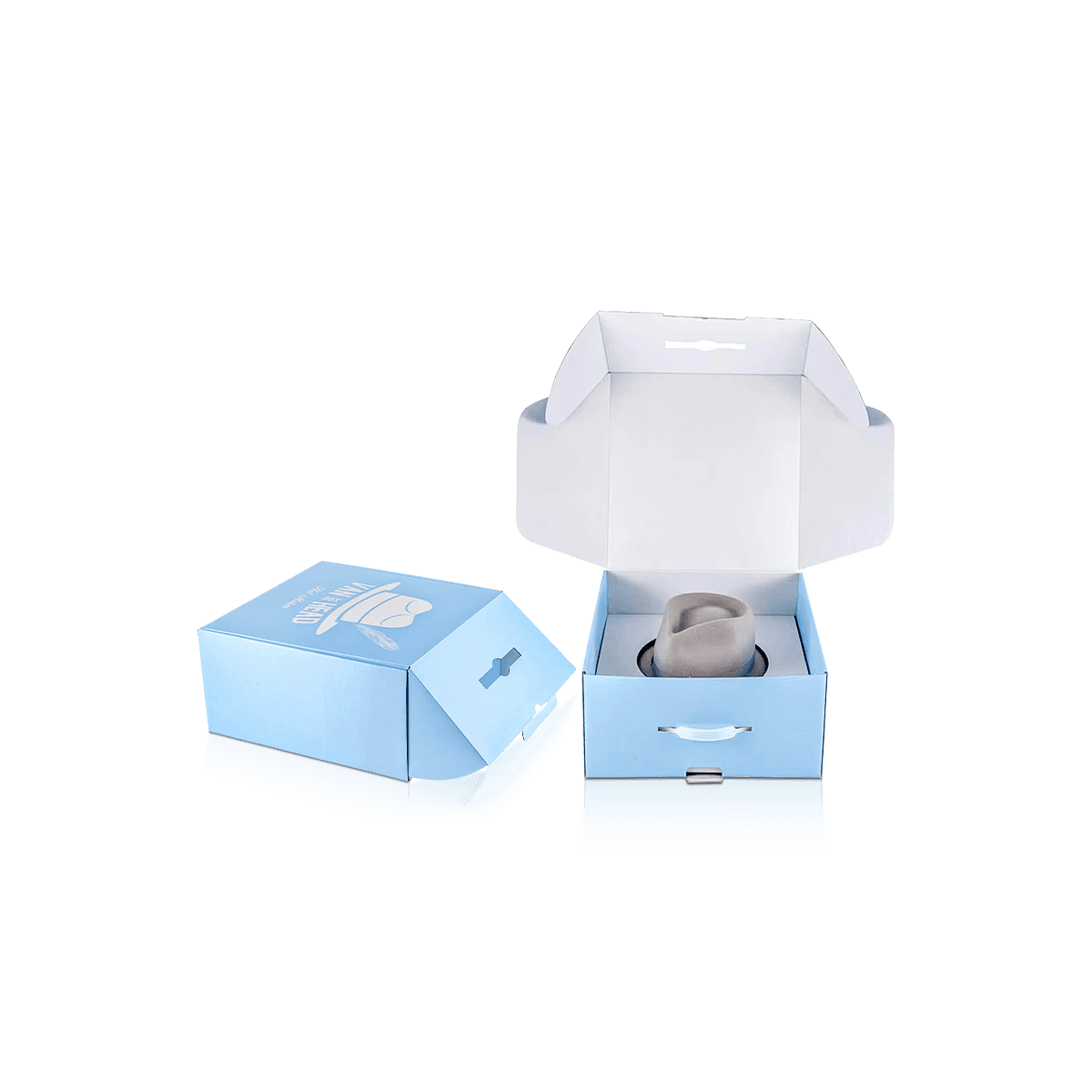
Protect crown height, brim profile and decorative trims with packaging shaped around the actual headwear rather than a flat apparel footprint.

Clear the Brim Before Adding Depth

A structured hat is unusual apparel because its most vulnerable dimension may extend sideways rather than upward.

A fedora, cowboy hat or wide-brim sun hat can have plenty of crown clearance and still be packed badly if the brim sits against the box wall. Once the brim is squeezed, tilted or loaded from one edge, extra space above the crown does little to solve the problem.

Custom Hat Boxes should therefore begin with the hat's widest unsupported profile.

Measure the finished headwear after shaping, including the full brim, bill or decorative projection. Then decide where the hat will sit and which parts of it should remain clear of the packaging.

This gives Hat Boxes a distinct role inside Retail & Apparel. Folded garments primarily create length, width and stack-height decisions. Structured headwear creates clearance zones around a three-dimensional shape.

Measure the Finished Shape

Do not size the box from a hat-body specification taken before blocking, shaping or final decoration.

Measure the finished crown height, maximum brim width and maximum front-to-back dimension. A hat with an asymmetric brim may need more room in one direction than another.

Baseball caps create another geometry. The crown may fit easily, while the projecting bill determines the required length. A western hat can have a broad brim with pronounced front and side curvature. A fascinator or fashion hat may introduce feathers, bows or other elements that extend beyond the basic crown.

The package needs to fit the object that reaches the customer, not the nominal hat size.

Side Clearance Matters

Leaving no lateral clearance can make a hat appear securely fitted while putting continuous pressure on the brim.

That pressure becomes more important when the box is handled, tilted or stacked. A sidewall that repeatedly contacts a brim edge can alter the presentation even though the crown remains untouched.

A small amount of controlled clearance is usually better than gripping the hat around its widest edge.
Decide What Carries the Hat

The hat should not simply float inside a large box.

The interior needs a deliberate support point that holds the headwear in position without transferring pressure to the wrong area.

For structured hats, that often means supporting near the crown base, sweatband area or another stable part of the form while keeping vulnerable brim edges clear.

Crown Support Controls Position

A paperboard collar, shallow platform or shaped support can locate the hat without enclosing the whole product in a heavy insert.

The support should match the product geometry closely enough to prevent large lateral movement. It should not press hard into a delicate crown, lining or decorative trim.

Caps may need far less intervention. A correctly sized cavity can be enough when the crown is resilient and the bill is kept away from the outer walls.

The box should become more complex only when the hat requires it.

Brim Support Is a Different Job

Some hats benefit from support beneath a broad brim, but that support should distribute load rather than create one hard contact point.

A narrow tab under a wide felt or straw brim can concentrate pressure. A larger supporting surface or crown-centered rest can handle the hat more evenly.

This is also where round and rectangular interiors behave differently. A round support may follow a circular brim well, while an elongated cowboy or fashion hat can require a more directional footprint.

When the interior needs to be developed around exact product contact points, custom product packaging can treat the hat and its internal support as one specification.

Crown Clearance Is Not Empty Space

Vertical space serves a specific purpose in hat packaging.

The crown needs enough clearance to avoid contact with the lid during normal handling, but a box that is far taller than necessary creates more cubic volume and gives the product additional room to move.

The target is controlled clearance.

Include the Highest Feature

Measure the highest finished point, not merely the basic crown.

A center dent, pinched front or shaped top changes the true height. Decorative bows, feathers, patches and raised embroidery can extend higher again.

The lid should not become a restraint surface for those features.

A premium hat may reach the packing table with a clean blocked crown and then leave the box with a compressed decoration simply because the accessory was never included in the dimensional check.

Watch Lid Deflection

Large lids can flex under handling or stacking load.

Nominal clearance inside the box therefore does not guarantee that the crown will remain untouched once other packages sit above it.

This is one reason board choice and structural design matter more for broad hat boxes than a material name alone suggests. The span of the lid, the wall construction and the expected stacking duty all affect how much space remains around the product in real use.

Board stiffness, insert geometry and finishing should be settled after the crown and brim clearances are known.

Round Is Traditional, Not Automatic

The familiar round hat box is visually distinctive, but it is not automatically the most efficient structure for every hat.

Shape should follow the headwear, selling environment and shipping method.

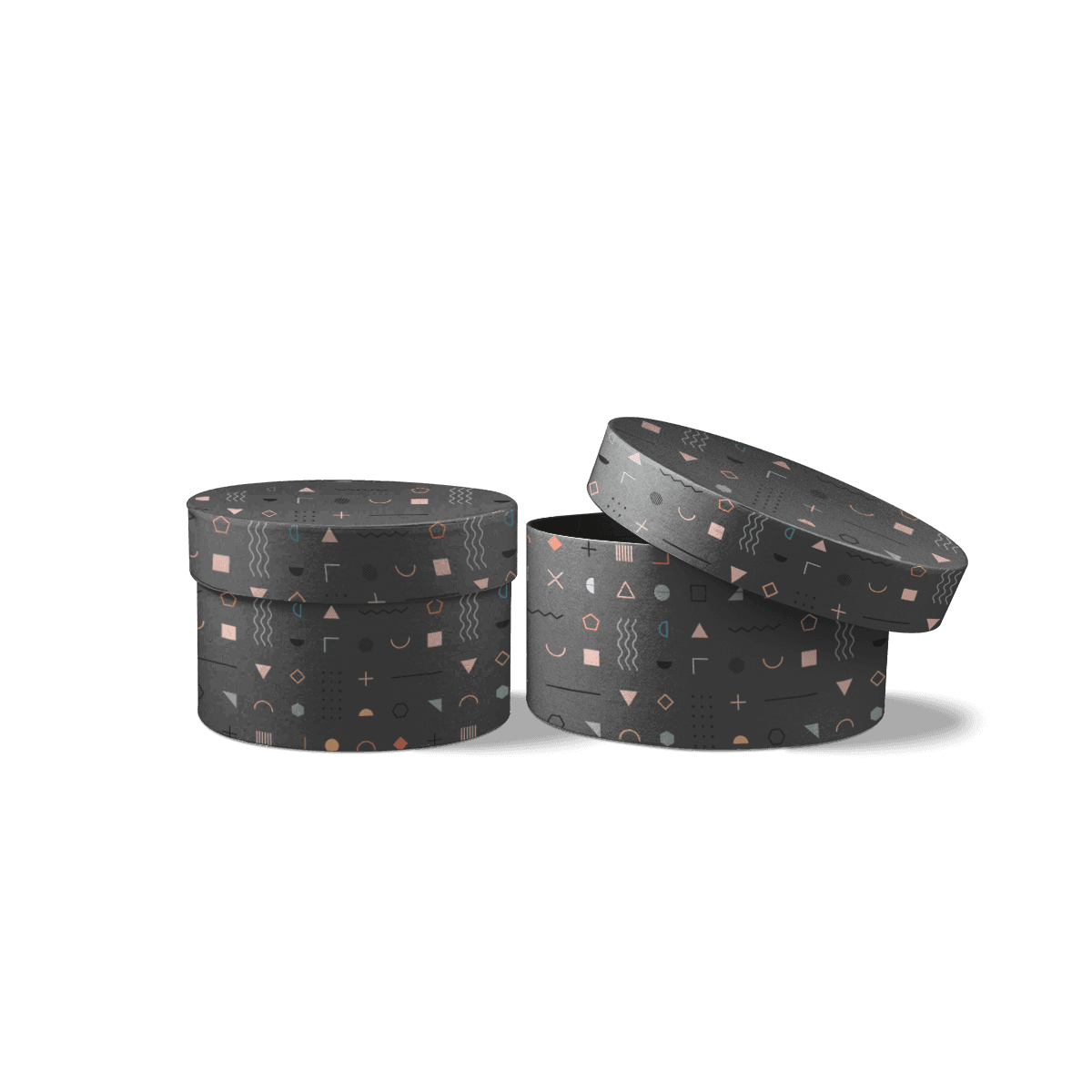
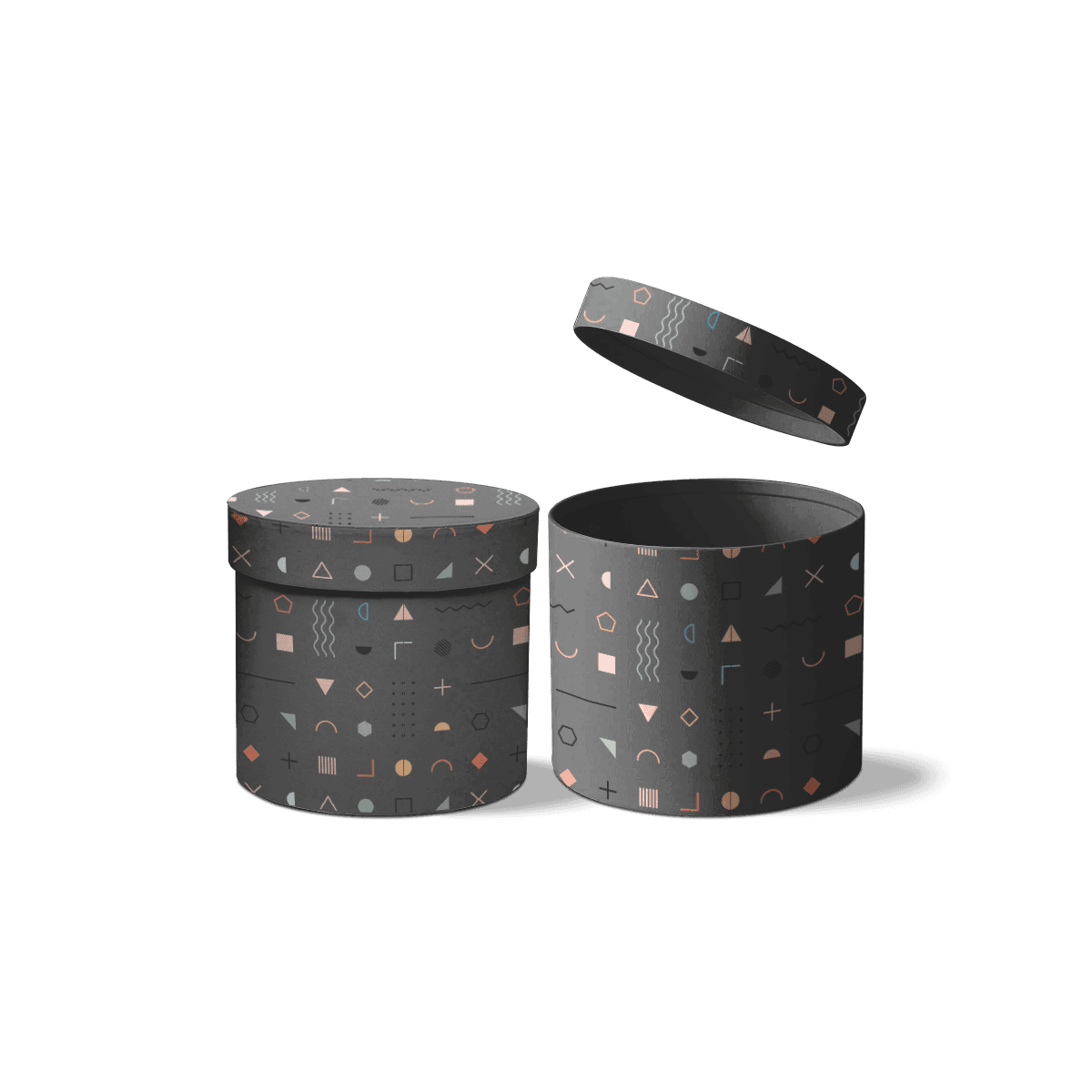
Round boxes can work particularly well for circular or near-circular hats and premium gifting. They create a recognizable presentation and can leave even clearance around a broad brim.

Rectangular boxes may use warehouse shelving, outer shipping cartons and pallet space more efficiently. They also make sense for caps, asymmetric headwear and hats whose longest dimension runs clearly front to back.

Wide Brims Can Waste Rectangular Corners

A circular wide-brim hat placed in a square box leaves unused corner volume.

That may be acceptable when the square construction simplifies production, storage or shipping. It becomes less attractive when the resulting carton is substantially larger than the product needs.

Do not judge efficiency only from the internal fit. Consider how the finished boxes will be packed into master cartons and stored after production.

Round Boxes Create Their Own Logistics

A cylindrical presentation can be strong visually while being less space-efficient in rectangular shipping cases.

That does not make it a poor choice. It means the presentation benefit should justify the logistics.

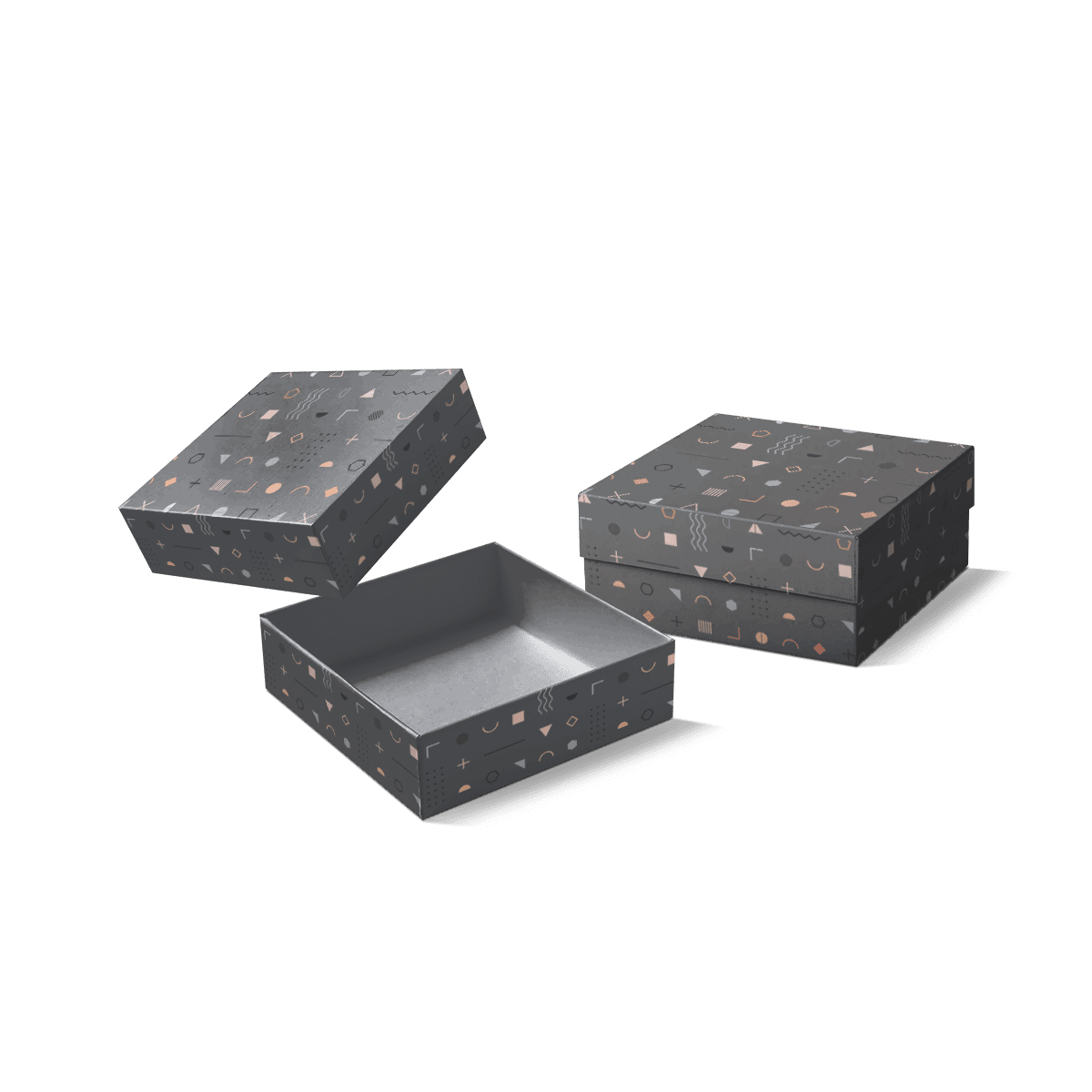
Premium headwear that needs substantial walls and a controlled opening can move toward custom rigid boxes whether the chosen footprint is circular or rectangular.

The decision is structural first. Decorative shape comes second.

Different Hats Need Different Restraint

"Hat" describes a product type, not one physical behavior.

A felt fedora, straw sun hat, fitted baseball cap, bucket hat and knit beanie react very differently to pressure.

Felt and Straw Need Shape Clearance

Blocked felt and structured straw hats should be treated as three-dimensional forms.

The packaging needs to preserve the crown and brim rather than flatten them into a smaller shipping cube. Internal contact should be deliberate and broad enough not to create dents or bends.

A wide-brim style may justify a larger footprint even when the hat itself is lightweight.

Caps Need Bill Protection

Structured caps usually need less box volume, but the bill becomes the dimensional constraint.

If a cap is positioned diagonally merely to fit a short carton, the bill can contact a corner or sidewall. A slightly longer box can be cleaner than adding width everywhere.

Crown panels should also have enough room to retain their intended form rather than arriving noticeably flattened.

Soft Headwear May Not Need a Hat Box

Beanies and highly packable hats do not always benefit from a large structural box.

If the product is intentionally compressible and shape recovery is not a concern, simpler apparel packaging may use less material and storage space.

That boundary matters. Custom Hat Boxes are most useful when the headwear has a form worth preserving, the box is part of premium presentation or the selling process benefits from structured storage.

Solve Deformation at the Contact Point

An oversized box is not the only way to prevent damage.

Consider a wide-brim felt hat that looks correct when first placed into its carton but develops a slight upward curve along one side after repeated handling.

The instinct might be to increase every dimension.

The actual problem may be narrower: one brim edge sits too close to the sidewall while the crown is free to shift toward it.

A better adjustment is to increase clearance where the brim needs it and use a low-profile internal support to hold the crown in a consistent position. The hat then stops migrating toward the wall without turning the package into a much larger box.

This kind of failure is why physical fit should be checked with the real finished hat.

Free sample examples of previous Custom Packly work can help with material and finish evaluation. When exact crown support, brim clearance or lid behavior needs confirmation, a fully custom pre-production sample can be arranged as a paid sample.

Testing belongs here because the purpose is to validate physical contact, not merely approve appearance.

Let Retail Staff Lift the Hat Cleanly

A protective interior can become frustrating if the customer or salesperson has to pull the product out by the crown.

Hat-box access should make removal obvious.

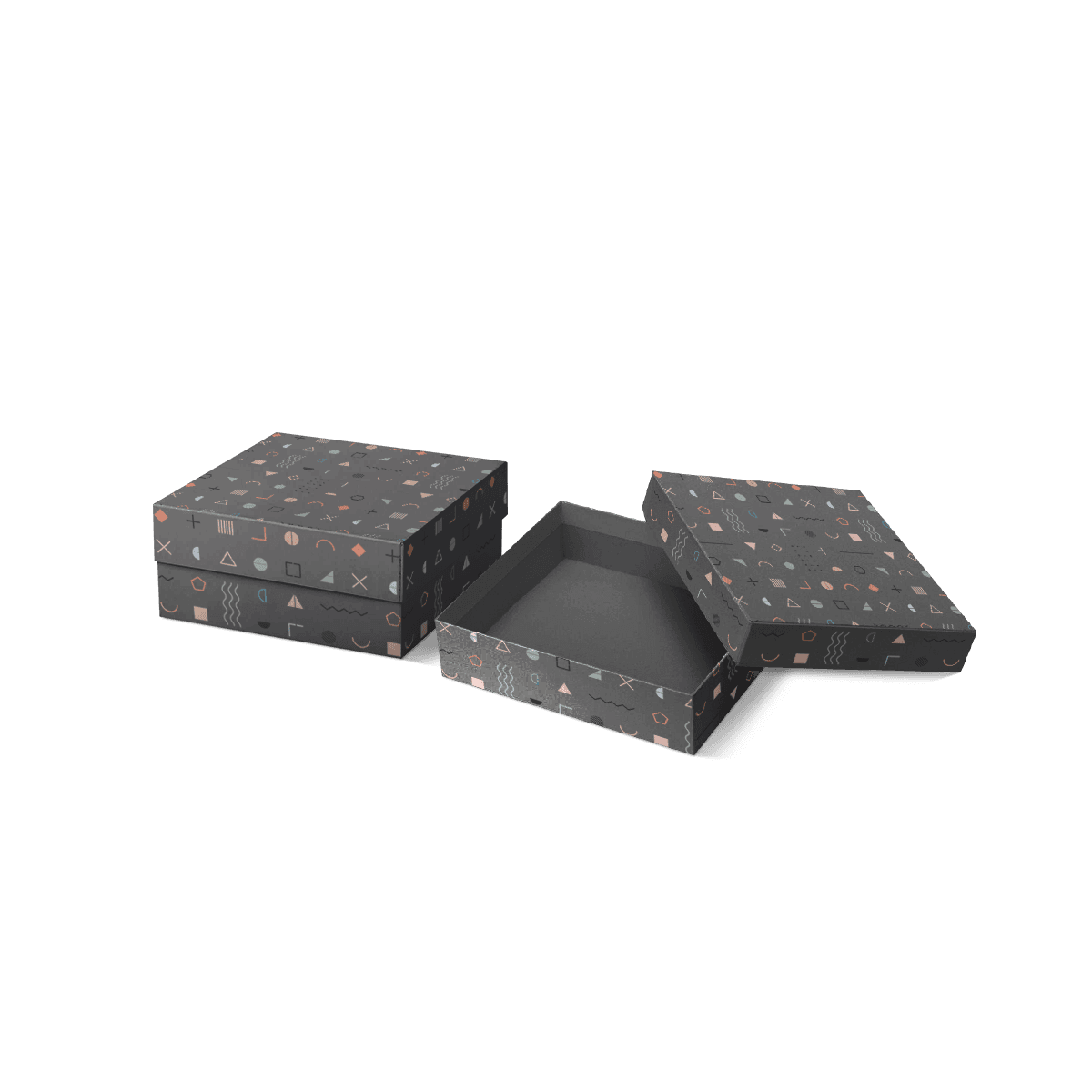
A lift-off lid exposes the full product and works naturally for premium presentation. A shallow thumb space around a support can give fingers room to reach beneath the hat without pinching a brim edge.

Drawer structures can create a controlled reveal but need enough internal clearance so the brim does not catch as the tray moves.

The opening should match the headwear.

For a broad-brim hat, full top access is often simpler than asking the product to pass through a narrower side opening. For a cap, more compact structures can work because the product footprint is smaller and easier to lift.

This is one reason hat packaging should not inherit the same opening logic used for Clothing Boxes. A folded garment can be lifted from underneath or slid from a shallow pack. A structured hat has projection and shape to protect during removal.

Print Where the Box Stays Visible

Hat boxes are often retained longer than ordinary garment cartons.

They may remain in a closet, stockroom or retail display as storage after purchase. That gives side panels and lids a longer useful life for identification.

A strong print system can combine presentation with practical labeling.

The lid can carry the primary brand mark while a side panel carries style name, size, color, SKU or barcode. That lets staff identify stacked units without opening them and keeps operational labels away from the main visual surface.

Premium offset printing can support sharp typography, solid color and coordinated artwork across a headwear collection.

For exact brand shades, CMYK and Pantone decisions should account for stock color and coating before production. Foil, embossing, debossing, matte and soft-touch finishes can add emphasis, but a large hat-box lid does not need every effect at once.

A free 3D mockup can help judge the scale and placement of branding across unusually broad lid panels before printing begins.

The Presentation Box Should Not Take Courier Abuse

A hat can require substantial protection while still benefiting from separate presentation and transit layers.

A rigid or paperboard hat box may hold the headwear correctly but pick up crushed corners, scuffs or lid damage when used as the only parcel carton.

The cleaner DTC setup is often a fitted outer corrugated shipper around the presentation box.

That outer shipping box handles carrier wear and stacking while the inner box maintains the hat's positioning and presentation.

The outer carton should not be dramatically oversized. Excess movement can let the Hat Box strike the shipper walls, transferring shocks inward even when neither carton initially appears damaged.

Product movement, weak corners and excess void space are three common causes of shipping damage in a hat-box system.

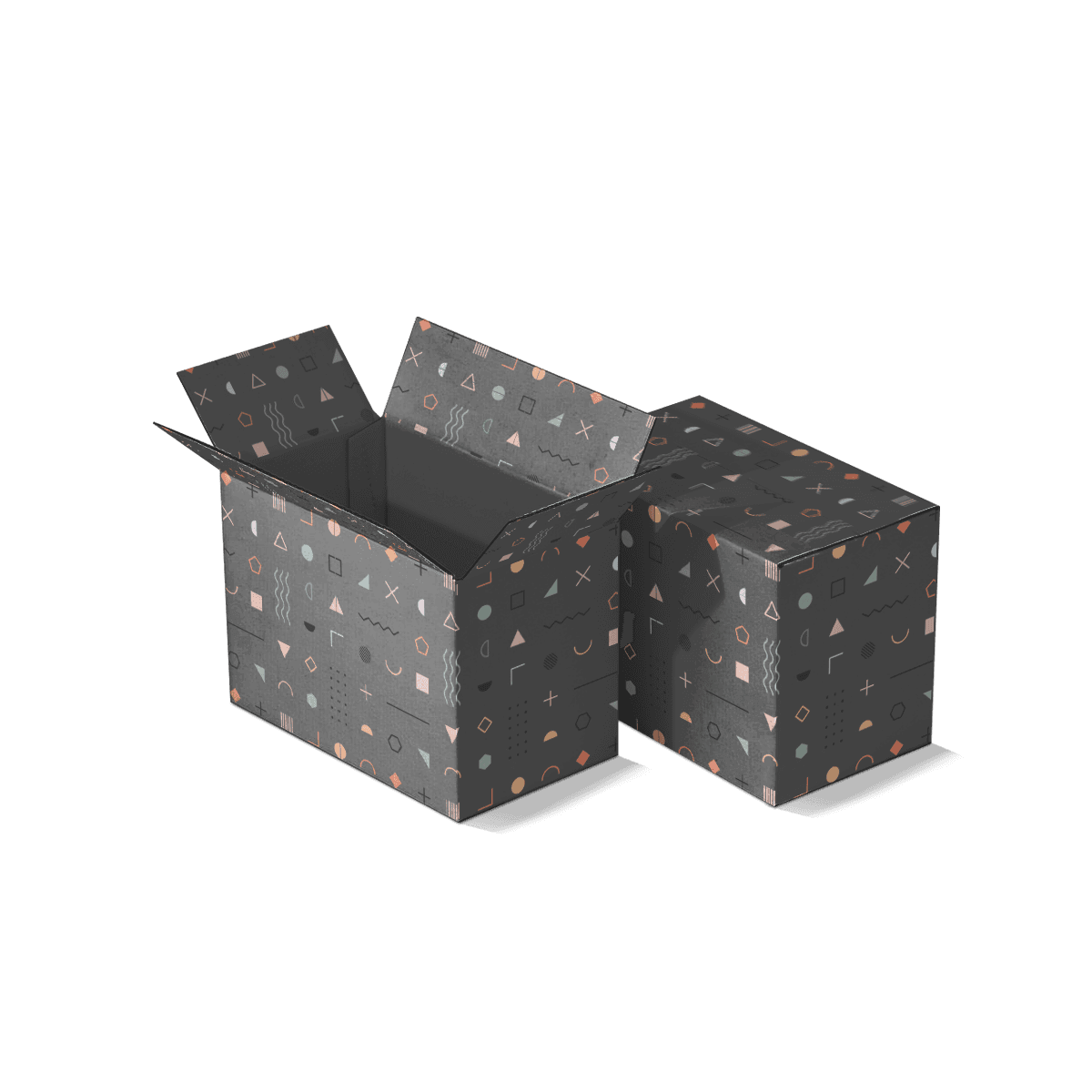
For a ship-ready corrugated Hat Box, the structure itself can take on more of that transit duty, but the crown and brim still need independent internal clearance.

Price the Volume the Hat Requires

Hat packaging cost is influenced by dimensions in a way that soft apparel buyers can underestimate.

A lightweight wide-brim hat may weigh very little while requiring a large box footprint. A tall crown adds another dimension. A rigid setup construction then occupies that full volume before the product is packed.

The right commercial question is not simply which board costs less.

Consider the finished cubic space, internal support, outer shipper and storage requirement together.

A premium fedora may justify substantial rigid packaging because shape preservation and gift presentation are part of the sale. A structured cap sold at higher volume may be better served by a compact paperboard or corrugated structure with simpler internal restraint.

Custom Packly's USA MOQ starts from 100 boxes, allowing a headwear brand to establish a specific hat pack without beginning at a very large quantity.

Pack the Shipping Case Around the Hats

The final efficiency decision happens outside the individual Hat Box.

A large circular rigid box, a rectangular cap box and a broad corrugated fedora pack occupy master cartons very differently. Before committing to a production quantity, consider how finished units will move through storage and distribution.

Rigid boxes arrive with substantial volume already established. Large round boxes can leave unused space when grouped inside rectangular cases. Folding structures may reduce inbound storage but require assembly before hats are packed.

For larger runs, warehousing and scheduled deliveries can keep the entire packaging quantity from reaching the packing floor at once.

The individual Hat Box should still be designed around the headwear first. The master-carton plan then determines how efficiently those protected hats can move as a group.

That order prevents a common compromise: shrinking the retail box simply to improve case packing and pushing the resulting pressure back onto the brim or crown.

Custom Hat Boxes earn their space when the structure carries the load that the hat should not. The crown keeps its intended form, the brim remains free from edge pressure and the distribution system stacks boxes rather than stacking pressure onto the product.

FAQs

Because they support the brim more evenly and reduce pressure points that can flatten or distort larger hat edges.

The safest approach is usually crown-down and brim-up because the crown can carry weight better than the brim.

Hat Boxes are the better choice when shape retention, stacking, and retail handoff matter most. Dust bags work better as a secondary cover for lighter protection or short-term handling.

No. Caps and softer crushable styles may need only a close fit, while taller crowns or decorated bands benefit more from added support.

Usually not. Caps can work in shallower packs, while wide-brim hats often need broader formats and more careful depth planning.

Process

How it works

Your Packaging Journey, From Idea to Production and Delivery

01

Tell Us Your Specs

Custom packaging boxes

Tell Us Your Specs

Provide size, quantity, printing, and finishes.

02

Get a Fast Quote

Custom packaging boxes

Get a Fast Quote

Instant transparent pricing, no hidden fees.

03

Design and Approval

Custom packaging boxes

Design and Approval

Artwork checks, revisions, and final sign-off.

04

Produce

Custom packaging boxes

Produce

Expert manufacturing to meet deadlines.

05

Ship to Your Door

Custom packaging boxes

Ship to Your Door

Hassle-free, flexible delivery options.

Get Your Quote for Custom Hat Boxes

Share your product details, size, quantity and artwork needs. We’ll help choose the right packaging style and send a clear quote.