Skip to content
Details

Custom Size Paper Bags

Made-to-measure paper bags planned around product footprint, gusset depth, carry weight and the way customers actually leave with the purchase.

Gusset Depth Sets the Carry Geometry

A paper bag can have enough front-panel width and still fit badly. The side gusset determines how far the bag can open, how much base area the purchase gets and whether a boxed product sits naturally or forces the side panels outward.

That makes custom sizing more than choosing a small, medium or large bag. The working specification has three connected dimensions: front width, side gusset or depth and finished height. Handle position and the packed product’s center of weight then determine how those dimensions behave once someone lifts the bag.

For boxed goods, measure the finished retail package rather than the product inside it. For multi-item purchases, size around the packed arrangement, not the largest individual item in isolation.

Front Width Controls the Face

Front width needs to clear the product in its intended orientation while leaving enough room for loading. Too little width can catch box corners, wrinkle tissue and bow the bag face. Too much width leaves the purchase drifting from side to side and can make printed branding look oversized relative to the contents.

Front width also becomes the main branding panel, so its proportions affect logo scale and artwork composition.

The Gusset Creates the Base

Side gussets fold flat in storage and expand as the bag opens. Their depth has to suit the product footprint.

A shallow gusset under a deep box can cause the base to tent upward or make the front and back panels pull around the product. Increasing front width alone does not solve that. The bottom footprint needs enough depth for the item to sit down into the bag rather than suspend itself between the folds.

A flat-bottom paper bag makes sense when standing stability and a defined base matter more than a slim carry profile.

Height Includes Working Space

Finished height should leave room above the product for the top of the bag to retain shape and for the handles to work without pressing directly against the contents.

An excessively tall bag wastes paper and can make compact products look lost. A bag cut too short may technically hold the item while leaving the top distorted and the handles pulled against box corners.

For handles fitted through or onto the upper area, product height should stay clear of those attachment points.
Measure the Packed Purchase

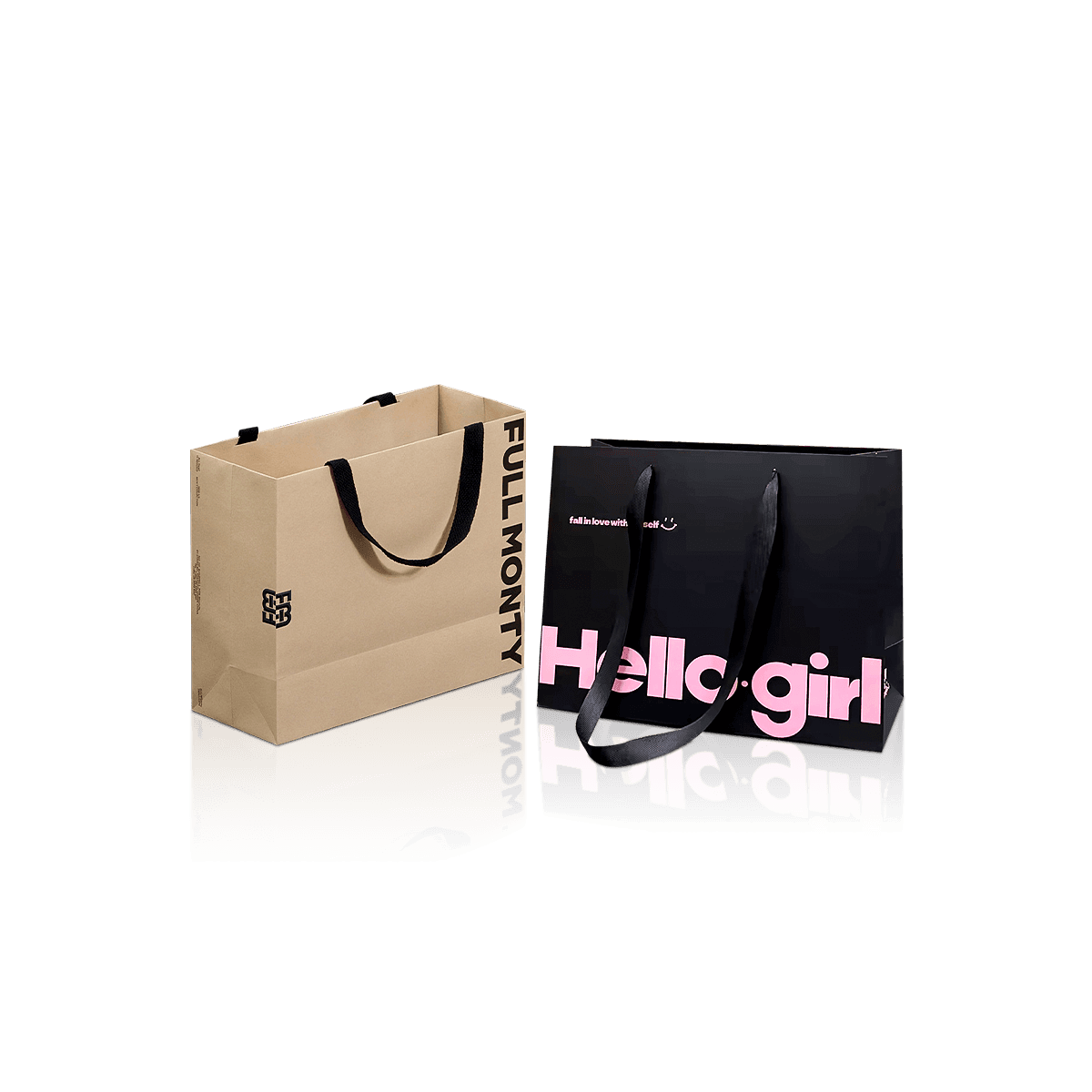
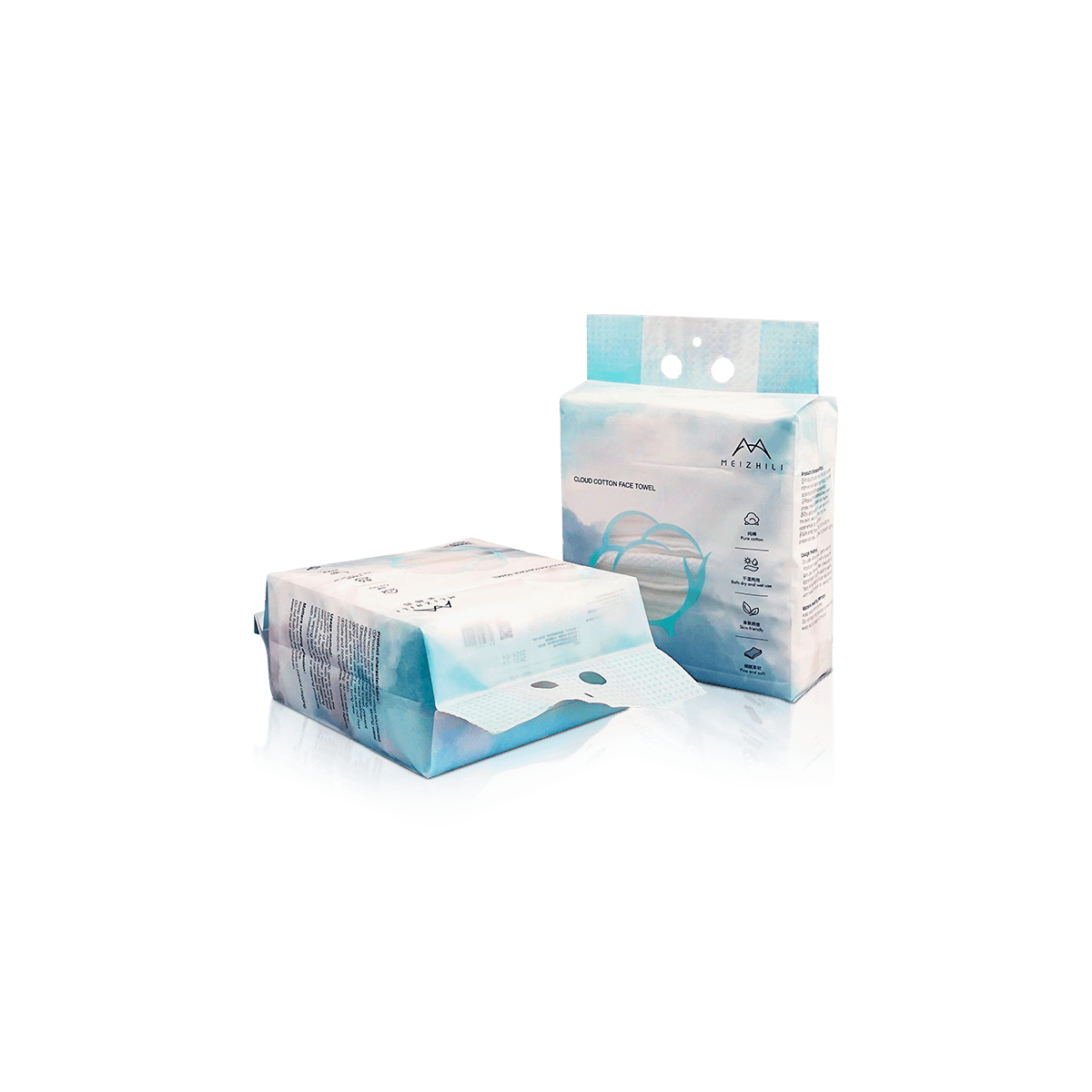
The correct size comes from the object that actually enters the bag at checkout.

That may be a retail carton, a rigid gift box, a tissue-wrapped garment, several books, a boxed beauty set or a combination of smaller purchases. Packaging added before the bag changes the final footprint, sometimes substantially.

For this reason, a bag specification should record:

  • Packed width in the orientation used at checkout
  • Packed depth
  • Packed height
  • Total carry weight
  • Number of items normally placed together
  • Tissue, inserts or receipts that consume space
  • Preferred handle style
  • Whether products need to stand upright

Suppliers do not always label paper-bag dimensions in exactly the same order. Stating front width × side gusset × finished height removes ambiguity before artwork and production are set.

If the assortment includes very different shapes, how to size paper bags for a business becomes a product-grouping exercise rather than a hunt for one universal dimension.

One Bag Size Rarely Fits Every SKU Well

A retailer does not necessarily need a unique bag for every product, but one oversized bag for an entire assortment can create its own costs.

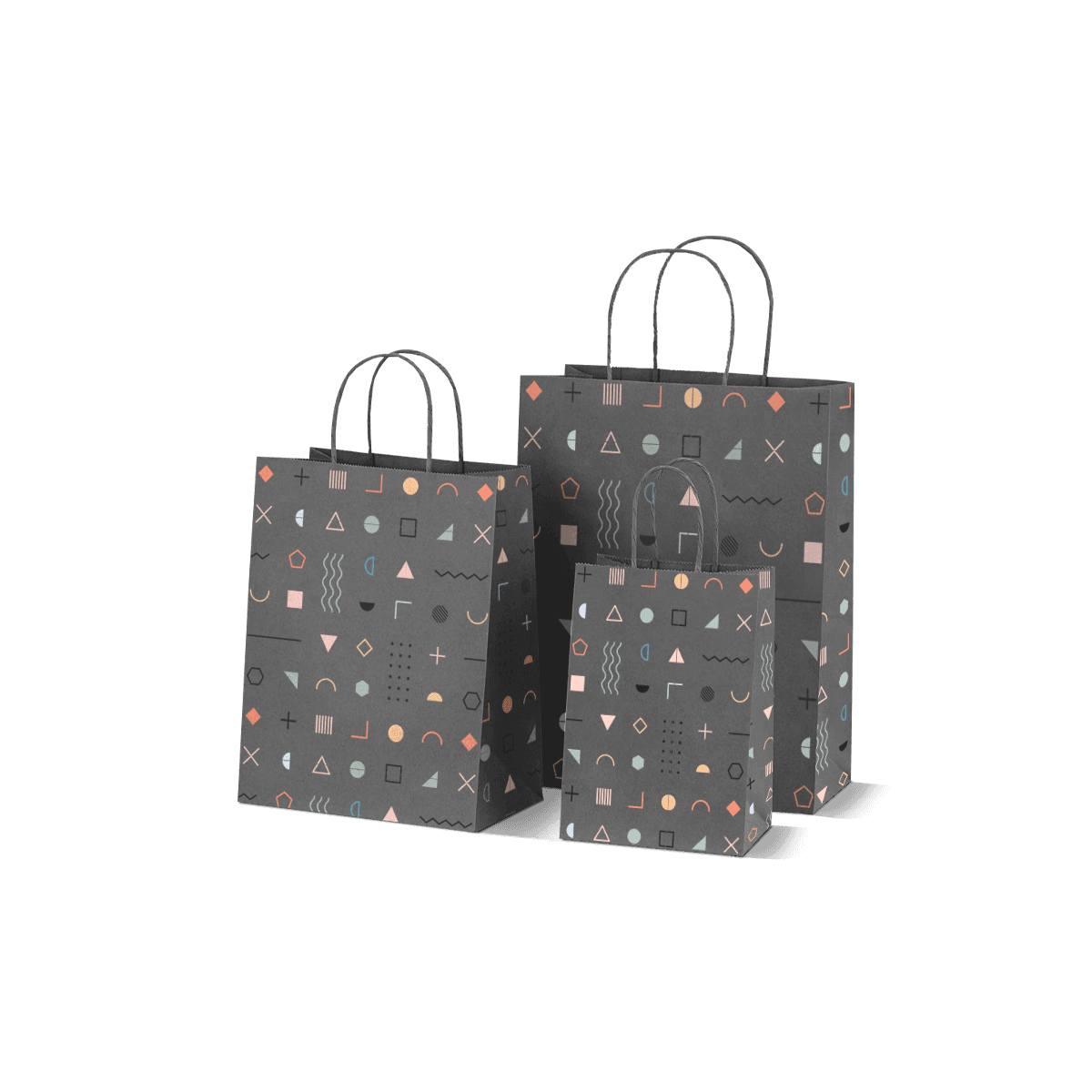
The better approach is usually to group products by packed footprint and carry behavior. Compact accessories may share one size. Medium boxed purchases may share another. Large or unusually deep products may justify a third.

The goal is not maximum size precision. It is reducing obvious mismatch without turning checkout into an inventory problem.

Group by Footprint, Not Product Name

Two completely different products can use the same bag if their packed dimensions and weight are similar.

A book set and a boxed skincare kit, for example, may belong in one bag size even though they sit in different retail departments. Conversely, two products from the same product line may need different bags if one is much deeper or heavier.

This keeps the sizing system operational rather than decorative.

Watch the Order Mix

Single-item sales and multi-item purchases may need different logic. If several compact products are frequently purchased together, sizing only for one unit will cause staff to jump to an unnecessarily large bag whenever the basket grows.

A practical size matrix should account for the purchase patterns that actually happen at the counter.

Merchandise Paper Bags suit routine mixed retail handoff when one practical bag style needs to serve several everyday products.

Price the Size System, Not One Isolated Bag

Pricing becomes more meaningful after the number of bag sizes is narrowed.

A store using three sizes does not necessarily need the same quantity of each. The smallest bag may turn fastest. A medium size may cover most purchases. A large bag may serve only occasional bulky orders.

That quantity split can matter more than forcing every SKU into a single dimension for the sake of one unit price.

Custom Size Paper Bags can start from 100 units, which lets a business split an initial order across a small size system instead of committing to one oversized bag. Pricing can be quoted against the actual size and quantity mix, with free shipping and no hidden charges.

Once the size set, paper, handles, printing and quantities are known, an instant custom packaging quote can price the actual mix instead of a generic stock bag.

For higher-volume programs, warehousing and scheduled deliveries can help keep large paper-bag orders from consuming unnecessary store or fulfillment space all at once.

A Fit Problem Can Look Like a Material Problem

Consider a retailer packing a rectangular boxed set into a bag that is comfortably tall and apparently wide enough. Once the box is loaded, the bag bows at the front, the bottom no longer sits flat and the handles pull toward each other.

It is easy to blame the paper stock.

The actual problem may be the gusset. If the bag lacks enough depth for the box footprint, the product pushes into the side folds and transfers load into the front and back panels. Moving to heavier paper may reduce the visible distortion, but it does not correct the geometry.

Increasing gusset depth to suit the packed box lets the base open properly and gives the product somewhere to sit. Paper strength can then be chosen for the actual weight rather than used to compensate for poor sizing.

That distinction can prevent unnecessary material upgrades.

Handles Change the Usable Bag

Handle choice affects more than appearance. It changes where load enters the bag and how much upper-panel space has to stay clear.

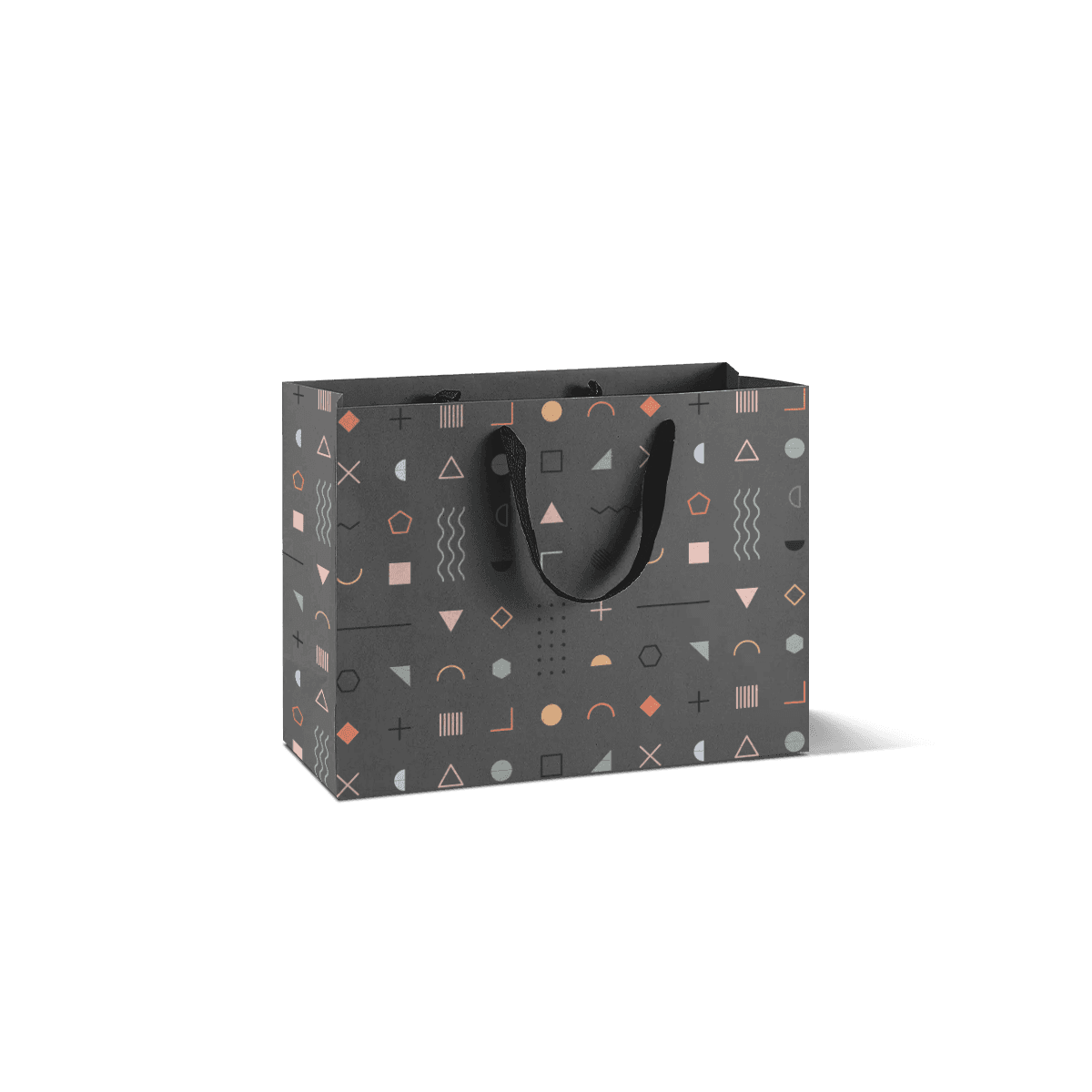
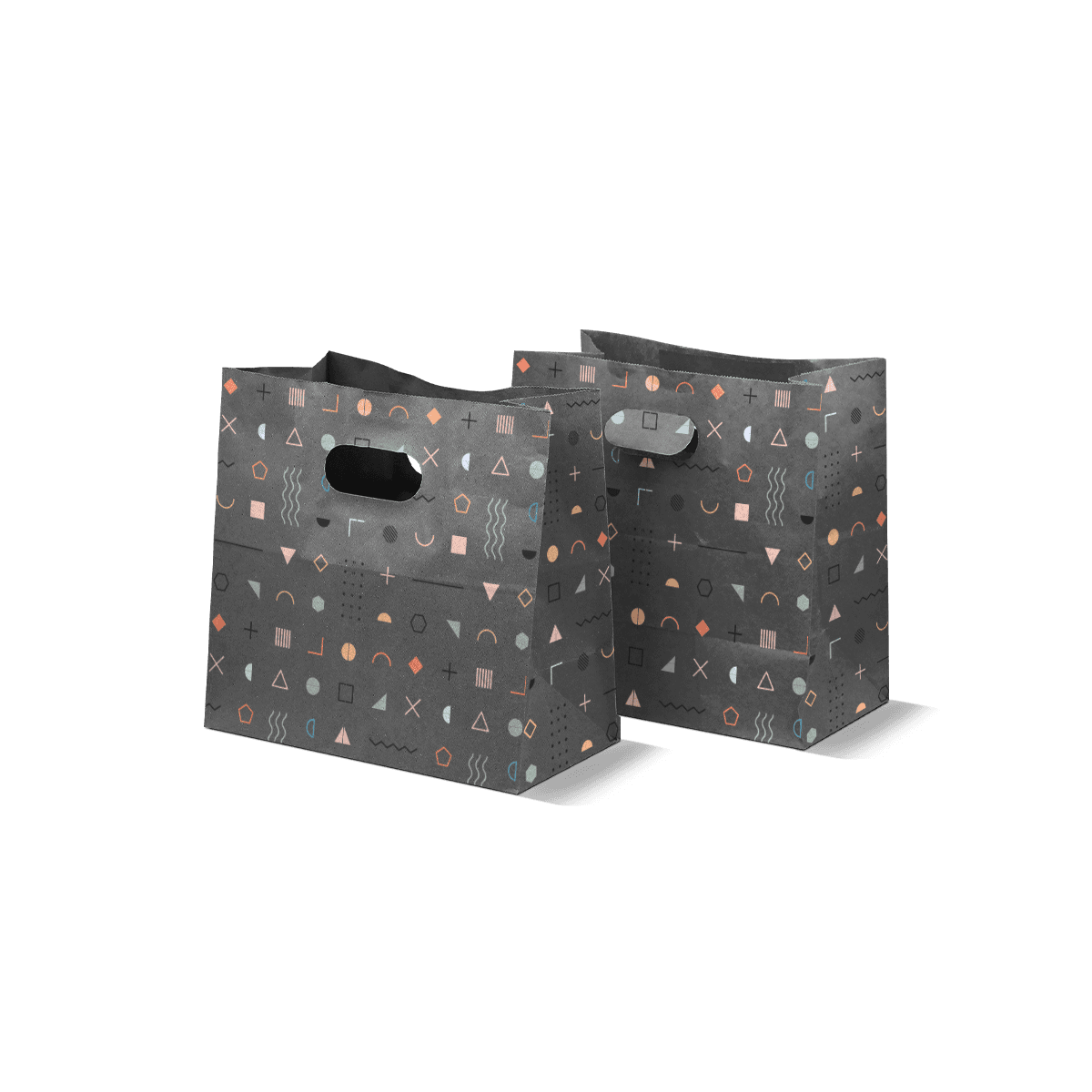
Twisted paper handles work well for many everyday retail purchases. Rope or ribbon handles can support a more presentation-led handoff. Die-cut handles remove an attached component but use part of the bag body itself as the grip area.

A die-cut handle paper bag is a different structural decision because the grip consumes panel space and changes how the upper portion of the bag is loaded.

Keep Heavy Products Below the Handle Zone

A tall boxed product pressing into handle attachments can make the bag uncomfortable to carry and concentrate stress near the top.

The product should settle into the base while the handles lift the bag rather than pinch the product itself. The taller and heavier the purchase becomes, the more important this relationship is.

Carry It Before Approving It

Physical validation belongs here, because handle comfort and balance cannot be judged from artwork alone.

Load the intended products, lift the bag by the handles and walk with it. Check whether the bottom stays level, whether the product shifts toward one side and whether the handle position causes the panels to collapse inward.

A paid fully custom pre-production sample can be used when the exact size, paper, handles and physical carry behavior need checking before the main run. Free sample examples of previous work can also help assess general production quality.

Paper Strength Follows Span and Load

A larger bag is not simply a scaled-up small bag.

As front width, gusset depth and height increase, the paper spans more area and the load may sit farther from the side folds. Heavier products also place more force on the bottom and handle attachment points.

That means paper choice should follow the finished size and packed weight together.

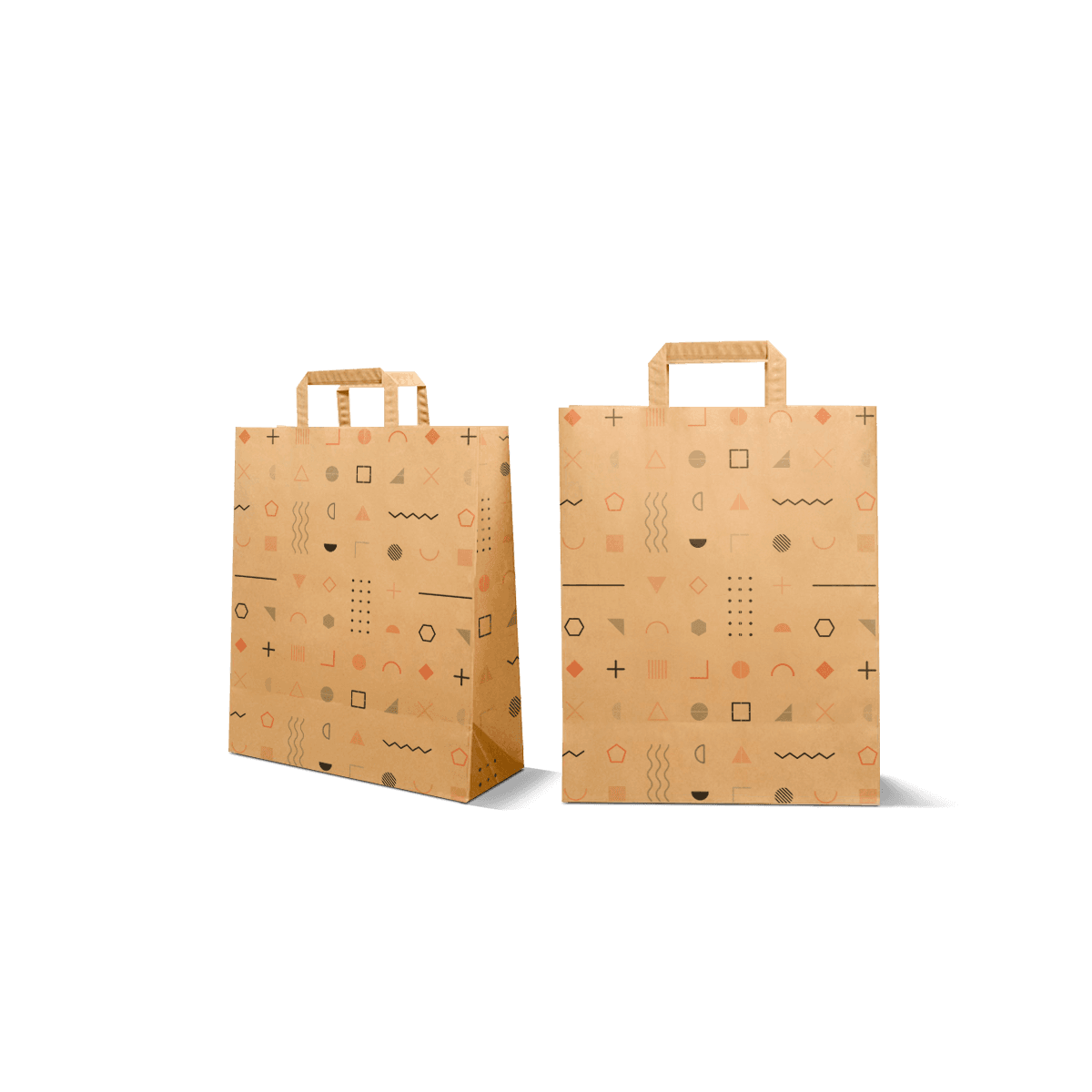
Brown kraft can suit practical retail carry and brands that want the natural paper appearance. White stock gives a cleaner base for bright graphics and tighter color presentation. Other paper directions can be considered when the bag needs a more premium retail feel.

The Custom Paper Bags structure group includes carry styles for retail, bakery, grocery, events and other handoff situations where base construction, paper and handles play different roles.

Reinforcement becomes more important as load increases. Depending on the structure, that can mean stronger paper, a more supportive bottom or reinforced handle areas. The answer should follow the filled bag, not an assumption that the thickest paper is automatically best.

Panel Proportions Shape the Artwork

Custom dimensions change the canvas.

A short, broad bag creates a very different logo field from a tall, narrow one. Increasing gusset depth also changes how much artwork disappears around the sides when the bag is carried.

Artwork should therefore be developed after the physical proportions are settled.

Protect the Main Brand Mark

The primary logo should sit where creases, handle attachments and normal bag distortion will not break it apart visually.

Front and back panels usually carry the strongest brand elements. Side gussets can take supporting graphics, color blocks or secondary messaging when that works with the folded construction.

If artwork continues around several panels, fold positions must be considered before final approval.

Paper Color Changes Print Behavior

Brown kraft changes how lighter colors appear because the substrate color remains part of the visual result. White paper gives colors a more neutral base.

Premium offset printing can support controlled brand color and detailed graphics when the bag specification calls for it. CMYK or Pantone decisions should follow the artwork and color requirements rather than being added by default.

Complex print, finishing and stock decisions can be coordinated through Custom Packly’s packaging capabilities once the bag dimensions are stable.

Free design and dieline support can help place the artwork against the final folds, gussets and handle positions, and a free 3D mockup can show how the approved graphic system wraps around the finished shape.

Premium Carry Needs a Different Structure

Custom size does not automatically mean luxury.

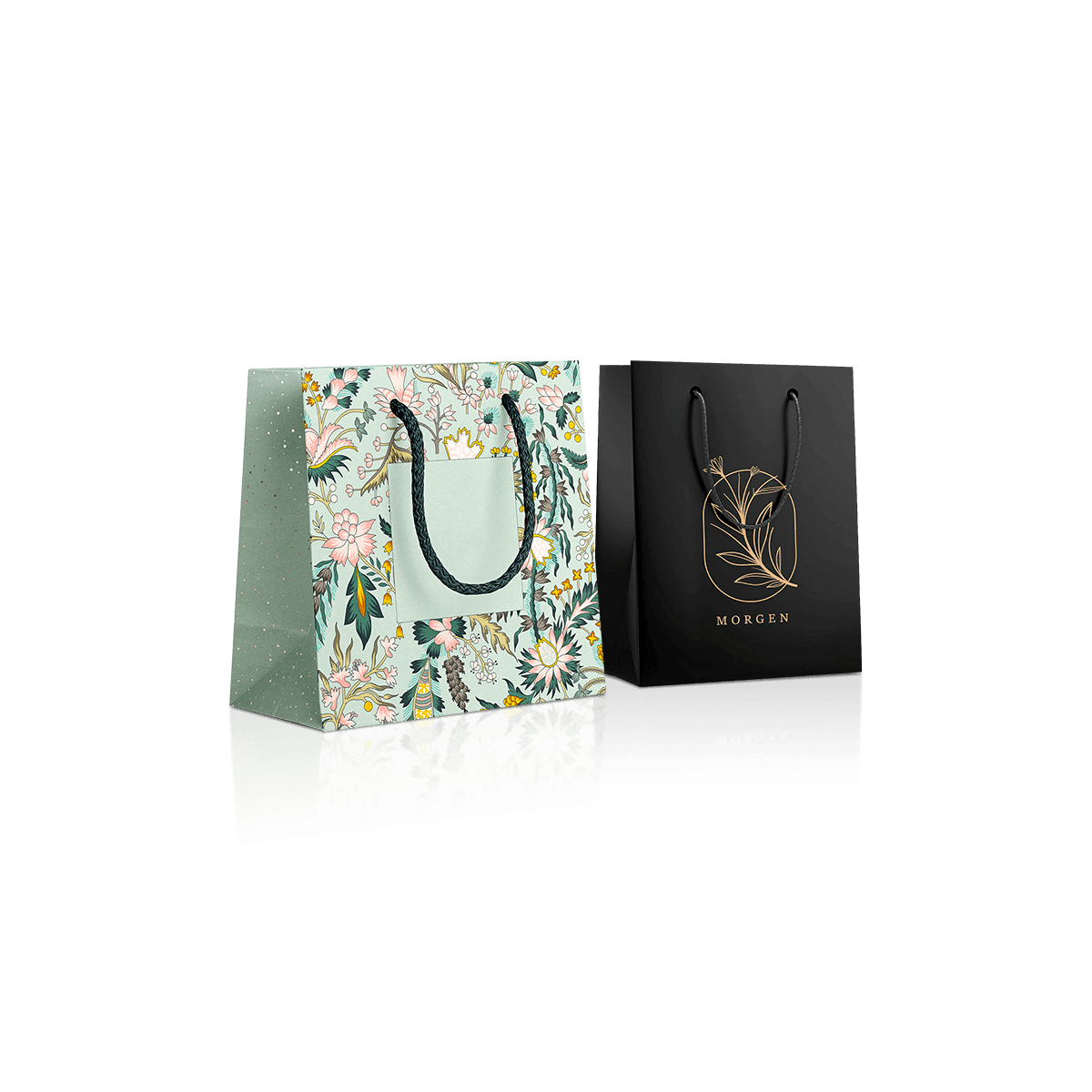
A straightforward kraft merchandise bag can be made to exact dimensions without turning into a premium tote. If the customer experience calls for heavier presentation stock, rope or ribbon handles and a more substantial finish, the bag structure should move in that direction deliberately.

Euro Tote Paper Bags suit purchases where the carry package itself needs a more substantial boutique or gift presentation.

Fashion retailers may also need size decisions tied closely to garment folds, tissue and seasonal purchases. Custom Fashion Paper Bags focus that decision on clothing and fashion-store handoff rather than custom sizing across general retail products.

The distinction matters because adding premium handles and finishes to every custom-size bag can increase complexity without improving the job the bag actually has to do.

Do Not Turn a Carry Bag Into a Parcel Shipper

Paper bags work best when the product is handed to the customer, collected locally or moved through a controlled retail handoff.

Carrier networks introduce different stresses: abrasion, compression, drops, conveyor contact, weather exposure and repeated handling. A standard retail paper bag should not be expected to perform like corrugated transit packaging.

Orders entering a parcel network usually need custom mailer boxes or corrugated shipping structures that can take compression and carrier handling.

This boundary is particularly important for businesses that sell both online and in stores. The same product can use a paper bag at checkout and a completely different outer package for shipment.

Custom Retail Packaging can coordinate the store-facing carton, bag and other retail touchpoints when several packaging types need to work together.

Make Checkout Easier to Run

The final bag program should be obvious to the person packing the purchase.

If staff repeatedly pause to decide between nearly identical sizes, the system has too many options. If they regularly force products into a smaller bag or automatically reach for the largest one, the size grouping needs work.

A simple internal rule can assign each major product group to a bag size while leaving clear exceptions for multi-item purchases. Bag sizes can also use visibly different proportions or discreet internal SKU identification so staff can recognize them quickly when stored flat.

This is where custom sizing earns more than a visual benefit. The right dimensions reduce awkward packing, keep the purchase sitting correctly and make each bag size perform a clear job.

Custom Packly brings established US packaging experience and 24/7 expert support to the sizing stage, when width, gusset, height, load and handle position can still be adjusted around the real checkout workflow.

FAQs

Start with the widest item, its depth and the carry height needed above the product. Add only the room needed for tissue, inserts or receipts so the bag still feels neat and balanced.

Yes, when paper weight, bottom construction and handle choice are matched to the load. Heavier books, jars or boxed sets usually need stronger paper and more supportive handles than lightweight apparel or brochures.

Choose paper bags for hand-carry retail, order pickup and event distribution. Choose mailer boxes when the pack must survive parcel networks, stacking and doorstep delivery.

Rope or ribbon handles often suit higher-end retail, while twisted paper handles are practical for everyday checkout use. Die-cut options can work for slimmer, lighter handoffs.

Not always. Kraft works well when a natural paper look supports the brand, while white stocks usually give cleaner color reproduction for bolder printed artwork.

Process

How it works

Your Packaging Journey, From Idea to Production and Delivery

01

Tell Us Your Specs

Custom packaging boxes

Tell Us Your Specs

Provide size, quantity, printing, and finishes.

02

Get a Fast Quote

Custom packaging boxes

Get a Fast Quote

Instant transparent pricing, no hidden fees.

03

Design and Approval

Custom packaging boxes

Design and Approval

Artwork checks, revisions, and final sign-off.

04

Produce

Custom packaging boxes

Produce

Expert manufacturing to meet deadlines.

05

Ship to Your Door

Custom packaging boxes

Ship to Your Door

Hassle-free, flexible delivery options.

Get Your Quote for Custom Size Paper Bags

Share your product details, size, quantity and artwork needs. We’ll help choose the right packaging style and send a clear quote.