Skip to content
Details

Custom Flat-Bottom Paper Bags

Stable paper bags shaped around base footprint, gusset depth, upright packing, load distribution and the products that need to stay level at handoff.

Base Area Sets Capacity

The defining decision in a flat-bottom paper bag is not its height. It is the usable base that opens underneath the product.

A broad, properly formed bottom lets cartons, bakery packs, jars, boxed goods and takeaway containers sit on a more stable surface instead of gathering at a narrow fold. That can make loading easier at the counter and reduce the amount of repositioning needed before handoff.

The base should follow the packed footprint of the order. A tall bag with insufficient depth may technically hold a box but force it diagonally through the opening. An oversized base can make a small product slide and leave the bag looking underfilled.

For this structure, width, gusset depth and height need to be considered together rather than treating the bag as a two-dimensional sleeve.

Open the Base Fully

A flat bottom only works properly when the base opens into its intended shape. Products should sit on the complete bottom panel rather than bridging across partially opened folds.

That matters when employees are loading quickly. If the bag needs several adjustments before the base squares itself, the structural advantage is being lost at the packing station.

Test the bag with the actual item or packed order. Set it on the counter, open it the way staff normally would and confirm that the base forms without reaching inside to reshape every corner.

Depth Controls the Footprint

Gusset depth determines how far the bag expands from front to back. A shallow gusset suits flatter purchases while cartons, trays and multi-item orders need enough depth for the product to sit naturally.

Extra depth does not automatically improve the bag. Too much can create slack around the product and increase the amount of paper in every unit.

The paper bag size decision becomes easier once product footprint, weight, gusset depth and carrying method are considered together.
Pack Rectangular Loads Upright

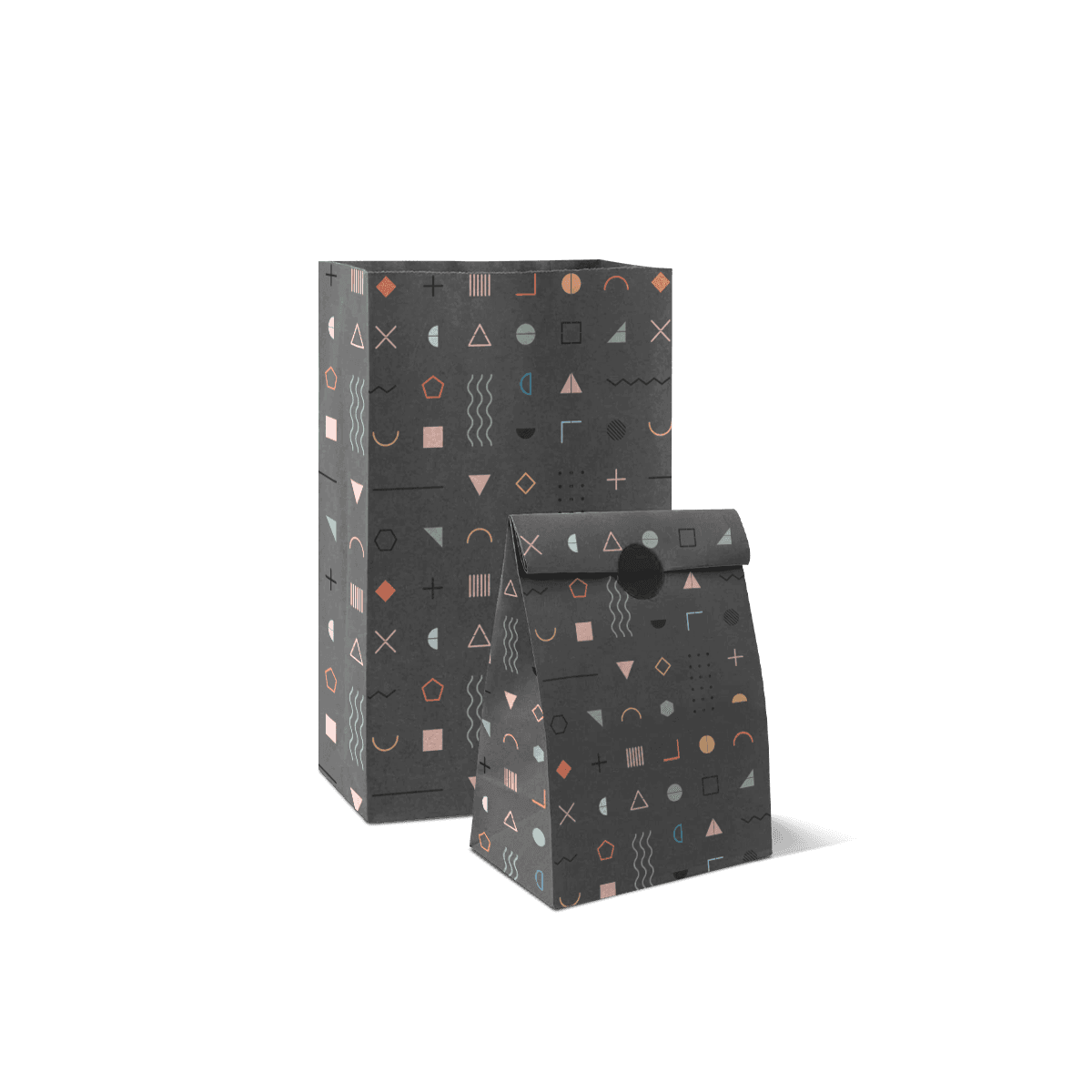
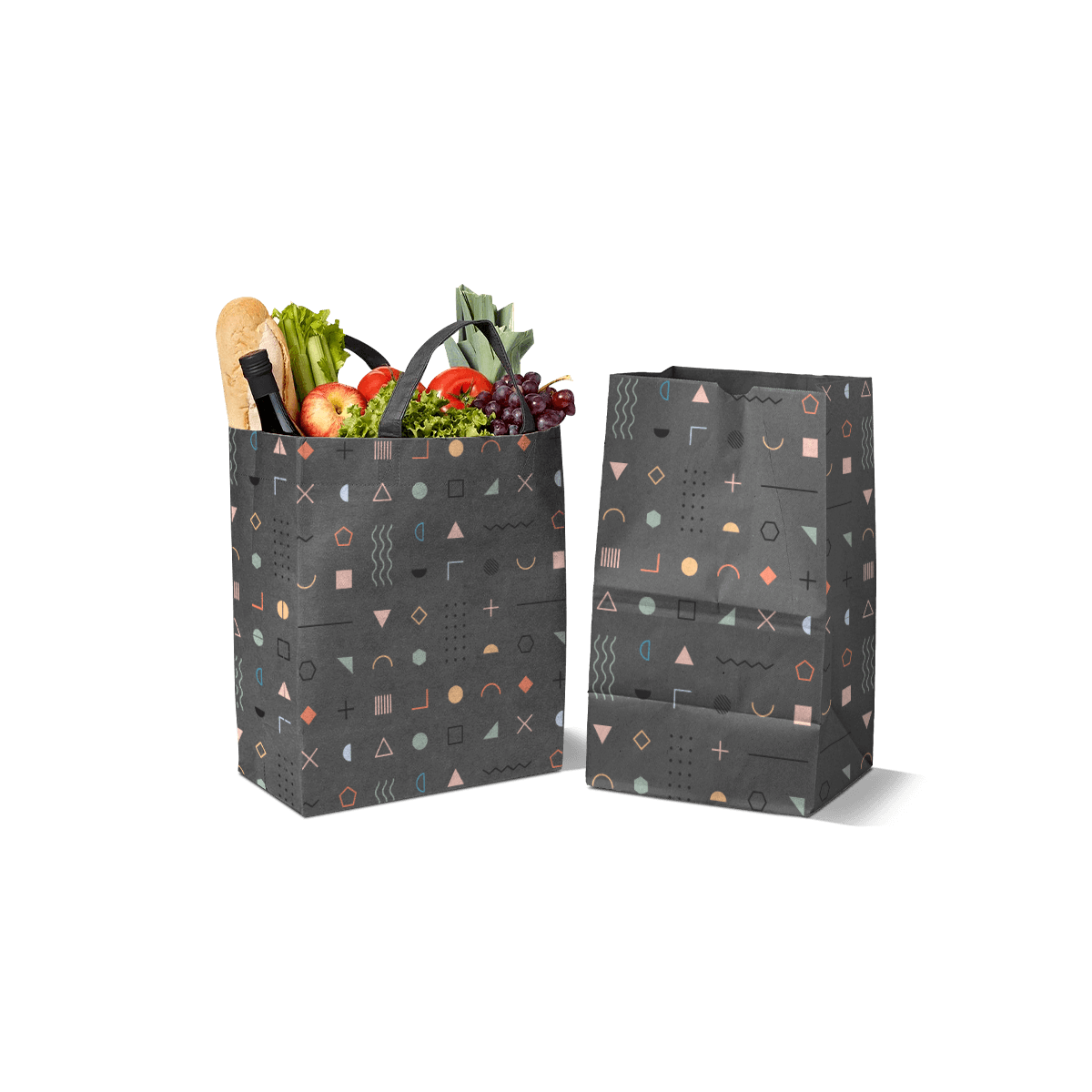
Flat-bottom bags are especially practical when the contents already have a defined base. A pastry carton, candle box, small takeout container or several stacked retail cartons can sit more predictably when the bag floor follows their footprint.

That is different from packaging a soft or irregular item that can settle naturally into almost any bag shape.

The bag does not need to grip the contents tightly. It needs enough clearance for quick insertion without giving the order so much room that it rotates or falls over during carrying.

Allow for Hand Clearance

A mathematically exact fit can become frustrating in service. Employees need room to lower the product into the bag without scraping both sidewalls or catching a box corner on a gusset.

Leave practical packing clearance around the largest normal item. The amount depends on the product shape and how it is loaded. A rigid carton needs different handling room from folded apparel or a paper-wrapped pastry order.

Watch the Center of Gravity

A stable base cannot compensate for a badly balanced load. Tall bottles, jars or stacked cartons can make the packed bag top-heavy even when the bottom remains flat.

Place the heaviest items low and close to the center of the footprint where possible. If a typical order repeatedly leans in one direction, reconsider the bag dimensions or the way products are arranged rather than simply increasing paper weight.

Gussets Shape the Loaded Bag

Side gussets let a flat paper blank expand into a three-dimensional carrying structure. Their depth affects capacity, but their folding behavior also determines how neatly the bag opens, closes around the order and returns toward flat storage.

An underfilled gusset may remain sharply folded. A heavily filled one can become a visible side panel. Artwork, labels and product clearance should account for both states.

Overfilling Distorts the Panels

When the product pushes aggressively into the gussets, the front and back panels curve outward. That can pull printed artwork around the corners and make the top opening harder to manage.

If a box only fits after forcing the gussets to their maximum expansion, the next size or a different proportion is usually cleaner than treating every fold as usable product space.

Folds Affect Small Artwork

Fine text and QR codes need a stable reading area. A design placed too close to a gusset crease may look straight when the bag is flat but distort after loading.

Reserve the main front and back panels for artwork that must remain clear. Gussets can carry secondary graphics when the design intentionally accounts for the fold and changing viewing angle.

Separate Base Style From Handles

A flat bottom describes the lower structure. It does not by itself determine whether the bag should be handleless or use a carrying handle.

Counter bags for smaller food or retail orders may be handed directly to the customer without handles. Larger takeaway, grocery or boxed retail orders can justify twisted-paper or another appropriate handle configuration when the packed weight and carrying distance call for it.

That decision changes how force moves through the bag. A handle concentrates load near its attachment points, while a handleless bag is normally supported under the base or gripped around the upper body.

Handles Need Load Support

Adding handles to a larger flat-bottom bag requires more than cutting or attaching something at the top. Paper strength, attachment method, bag width and expected packed weight all affect whether the carrying system makes sense.

A bag carrying several substantial cartons may need a different paper and handle specification from a lightweight bakery order of the same outer dimensions.

For general store orders where mixed purchase types define the job, Grocery Paper Bags put the emphasis on checkout loading and everyday mixed-item carry.

Paper Strength Starts Underneath

The most important paper stresses are not always where the logo sits. The bottom folds and lower corners carry the packed load while the sidewalls keep the bag upright.

Paper weight should therefore follow the product mass, dimensions and handling route. A lightweight bag can work cleanly for small bakery or retail items while a broad base carrying several boxed products may need a stronger stock.

Brown kraft creates a natural paper appearance and can suit simpler artwork. White paper creates a brighter base for printed color. The final stock should be chosen for physical performance and print behavior rather than appearance alone.

Do not assume that making the paper heavier fixes every weakness. Poor proportions, excessive base depth or a difficult load can still make the bag perform badly.

Keep Food Exposure Specific

A flat-bottom structure can carry boxed or wrapped food without the paper necessarily touching the food itself. Direct contact creates a different material decision.

For bakery items, snacks or other foods placed directly against the bag, the exact paper, ink, adhesive and any grease or moisture barrier need to be confirmed for that use before production. A brown kraft appearance is not evidence of food-contact suitability.

For businesses whose main need is breads, pastries, cookies and counter service, Bakery Paper Bags center the packaging decision on baked-food shape, grease exposure and rapid daily packing rather than base geometry alone.

Takeout operations placing closed meal cartons into a paper carrier have another setup. The inner Takeout Boxes handle the meal while the outer bag has to keep the packed containers level and easy to carry.

Match Print to Expansion

A paper bag changes shape after loading. A front panel that looks broad and flat during artwork approval may narrow visually as the gussets expand and the bag becomes deeper.

Place the main logo where it remains readable in both the flat and packed states. Keep critical wording away from folds and the base turn. If handles are part of the specification, account for their attachment positions before committing to the artwork.

A large flat-bottom bag can create substantial front and back print areas, but covering every surface is not always necessary. A strong centered mark can work better than dense artwork wrapping around creases.

Premium offset printing can suit artwork requiring fine reproduction and controlled color where the selected construction and production method support it. Free design and artwork support can help organize the printed panels before production, and free 3D mockups can show how the visual direction is expected to sit on the finished bag.

Size Around the Packed Order

A custom flat-bottom bag should be measured from what enters it, not from a generic small, medium or large label.

For one rigid product, record the packed width, depth and height. For a mixed retail or takeaway order, build a realistic combination and measure the footprint it creates. Then add only the clearance needed for loading and carrying.

This approach is especially important when one bag has to accept several carton sizes. The largest carton may determine width while the most common order should still look reasonably filled.

Base Fit Comes First

If the product cannot sit naturally on the bottom, increasing height will not solve the problem. Width and depth should first accommodate the product footprint.

Only then should height be set around product stack, foldover needs, handles or the amount of upper clearance required for handoff.

Multiple Sizes Need Distinct Jobs

Two bag sizes make sense when they solve clearly different order patterns. One may handle a single boxed product while another takes a multi-item takeaway order.

Avoid creating several dimensions separated by only small increments unless service data shows that the distinction matters. Every additional size adds another printed item to store and replenish.

Custom Packly's USA MOQ starts from 100 bags, so genuinely different bag sizes can be separated without requiring one structure to handle every order.

Flat Bottom or Pinch Bottom

The deciding difference is what must happen at the base.

A flat-bottom bag creates a standing footprint that suits products needing level support or easy upright loading. A Pinch-Bottom Paper Bag closes toward a flatter lower profile and can make more sense when a standing rectangular floor is not necessary.

The product should decide between them. Boxed goods, takeaway cartons and items that benefit from a self-supporting footprint push the decision toward a flat base. Slimmer or lighter products may not need that structure.

This distinction is physical, not decorative. Changing printing or paper color does not make one bottom construction behave like the other.

Plan the Handoff Route

The same bag can behave differently during counter handoff, customer carry and app-based delivery.

A handleless flat-bottom bag may be easy for staff to fill and fold at the counter but awkward for a customer carrying several other items. A handled version can improve portability but introduces handle attachment and load questions. Delivery orders may need a closure that shows whether the bag has been opened after leaving the restaurant.

For that last job, Tamper Evident Paper Bags put controlled delivery handoff ahead of an open-top carrying structure.

The choice should follow what happens after packing. A bag that performs perfectly on the counter can still be the wrong structure for a twenty-minute delivery trip.

Price the Base Specification

A meaningful production specification identifies width, gusset depth, height, paper direction, handle requirement, print coverage and quantity for each size.

The base dimensions deserve particular attention because changing gusset depth changes more than capacity. It affects the bottom footprint, blank geometry, packed appearance and how the product enters the bag.

Once those variables are settled, request an instant custom packaging quote against the actual bag setup instead of a generic paper-bag description.

Custom Packly uses US production with free shipping and a 4–6 day turnaround after final specifications and artwork approval. Larger repeat programs can use warehousing and scheduled deliveries where holding the entire production quantity on-site creates unnecessary storage pressure.

Judge the Bag While Loaded

The final approval should happen with weight inside the bag. An empty flat-bottom bag can stand perfectly and still reveal problems once a real product loads the base, expands the gussets and pulls on the upper structure.

Check whether the bottom opens completely, the product rests level, the side folds expand cleanly and the printed panels still look intentional. Lift the bag using the same grip or handles the customer will use. Set it down again and see whether it remains stable.

The strongest specification is the one in which the base dimensions match the packed footprint closely enough to improve loading and stability without turning the bag into a larger container than the order needs.

FAQs

Stability is the main advantage. A wider base makes the bag easier to load, easier to set down, and often better looking at handoff.

S.O.S. bags are a flat-bottom self-opening sack, so the terms can overlap. Choose by the exact base, gusset, handle and loading requirements rather than treating them as completely separate structures.

This style can help with that. The wider bottom and side gussets make filling smoother for staff handling repeat orders in busy service windows.

Yes, they often do. Paper weight and grease resistance should be matched to the product so the bag performs well without softening too quickly.

Yes. Flat-bottom bags work well for seasonal bakery launches, farmers market programs, promotional food service, and small retail runs that need a simple but polished bag.

Process

How it works

Your Packaging Journey, From Idea to Production and Delivery

01

Tell Us Your Specs

Custom packaging boxes

Tell Us Your Specs

Provide size, quantity, printing, and finishes.

02

Get a Fast Quote

Custom packaging boxes

Get a Fast Quote

Instant transparent pricing, no hidden fees.

03

Design and Approval

Custom packaging boxes

Design and Approval

Artwork checks, revisions, and final sign-off.

04

Produce

Custom packaging boxes

Produce

Expert manufacturing to meet deadlines.

05

Ship to Your Door

Custom packaging boxes

Ship to Your Door

Hassle-free, flexible delivery options.

Get Your Quote for Custom Flat-Bottom Paper Bags

Share your product details, size, quantity and artwork needs. We’ll help choose the right packaging style and send a clear quote.