Bake Type Sets the Bag
A crusty baguette, glazed pastry and stack of cookies can all leave the same bakery counter, but they should not automatically use the same paper bag. Their shape, surface condition and handling needs are too different.
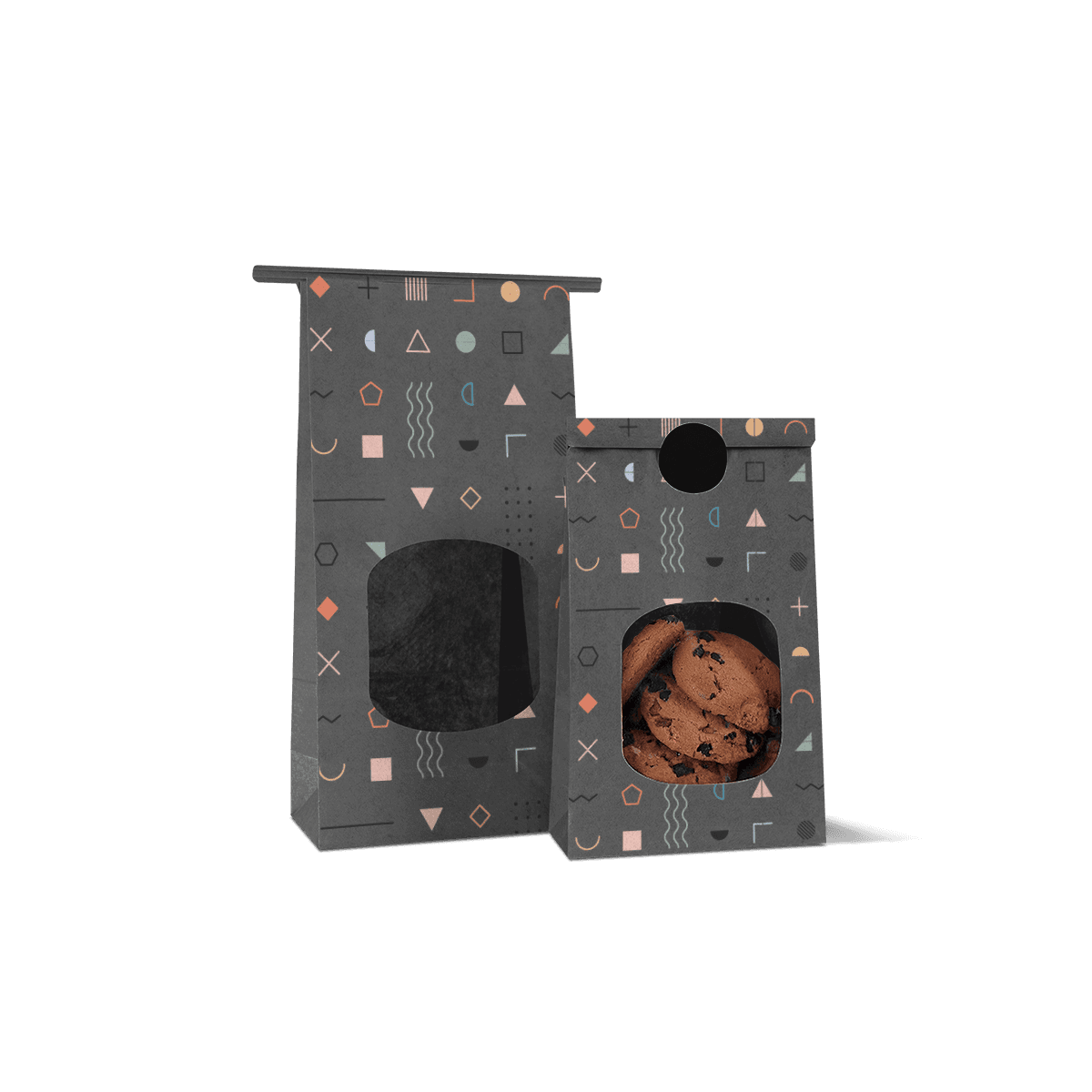
Custom Bakery Paper Bags work best when the bag structure follows the baked item. Long breads need room to slide in without scraping the crust. Buttery pastries need attention to grease contact. Cookies need enough width to avoid edge breakage. Iced or decorated products may need rigid walls rather than a flexible bag at all.
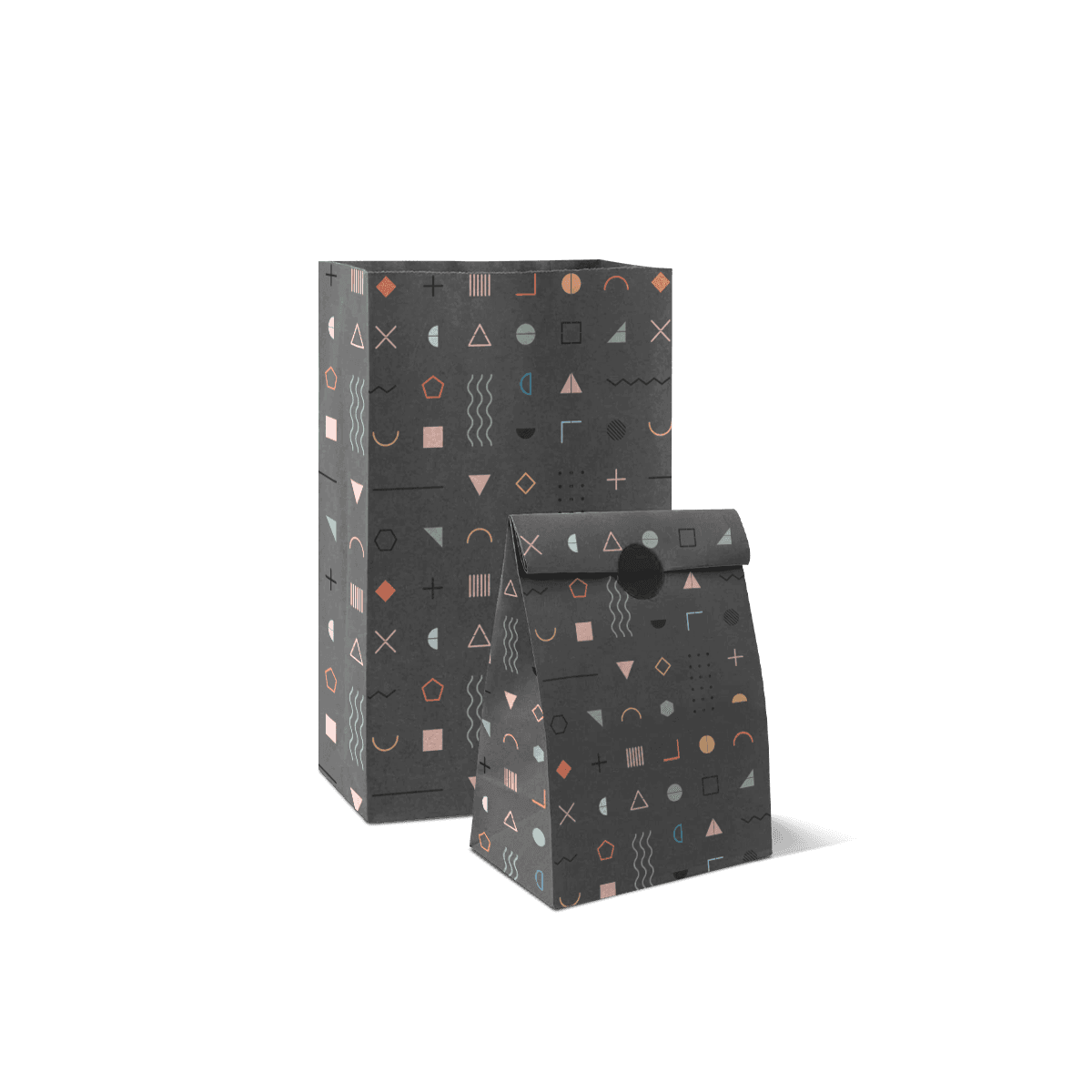
That makes the baked item itself the starting point. Its length, width, thickness, surface and normal serving quantity determine whether the bag should stay flat, expand with side gussets or open onto a standing base.
Long Loaves Need Length
Bread bags need enough usable length for the finished loaf plus room at the opening for loading and closing. Measuring only the bread pan can underestimate the finished product because crust and end shape change after baking.
A bag that is too short forces the loaf into the bottom seam or leaves too little paper for folding. Too much extra length creates loose material around the top and can make the handoff look unfinished.
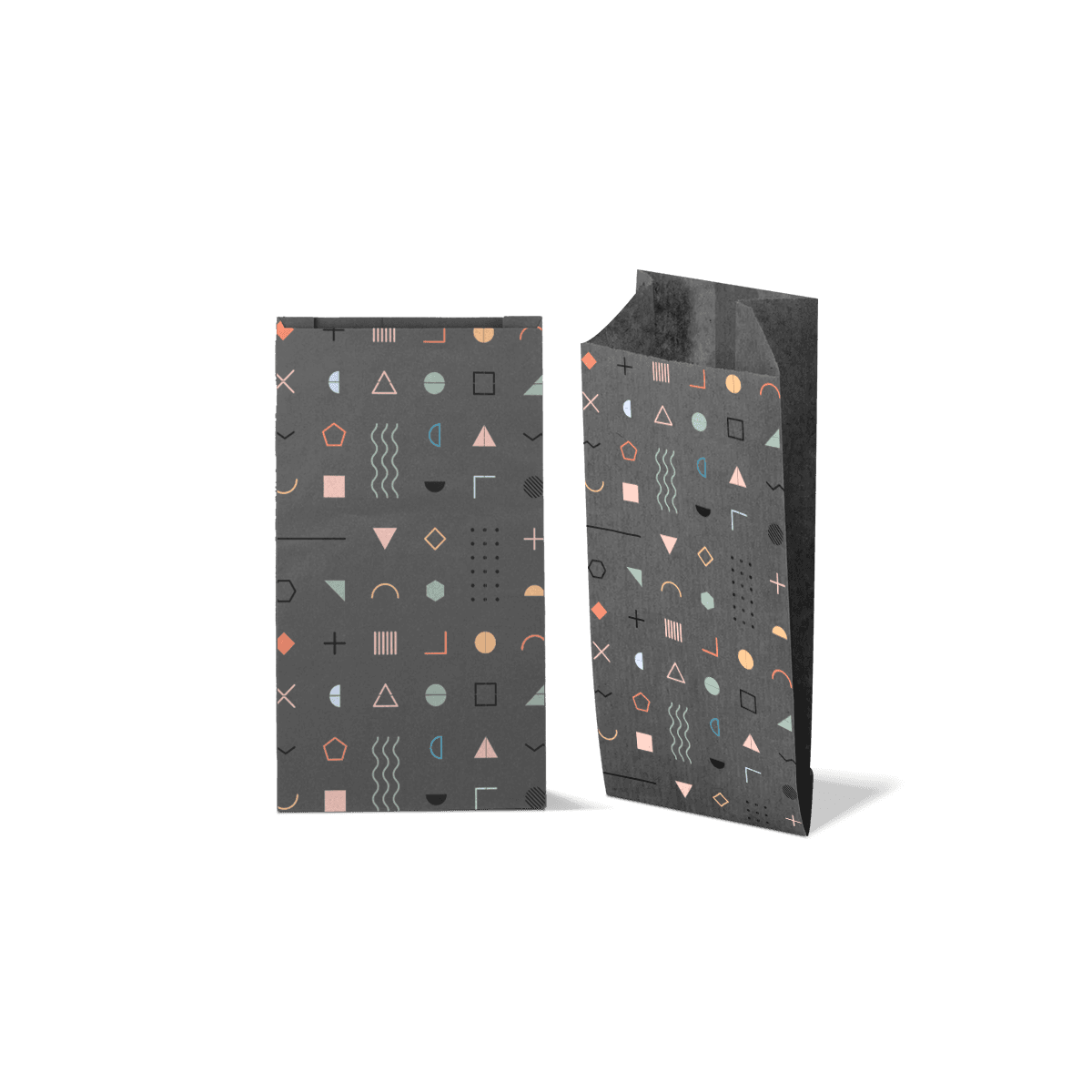
Long loaves and slim counter items often suit Pinch-Bottom Paper Bags because the open mouth and narrow closed end support fast insertion without a standing floor.
Pastries Need Surface Clearance
Croissants, turnovers and other flaky products can shed crumbs or lose surface pieces when pushed through a tight opening. The bag mouth should open far enough for staff to place the product without dragging it against both sides.
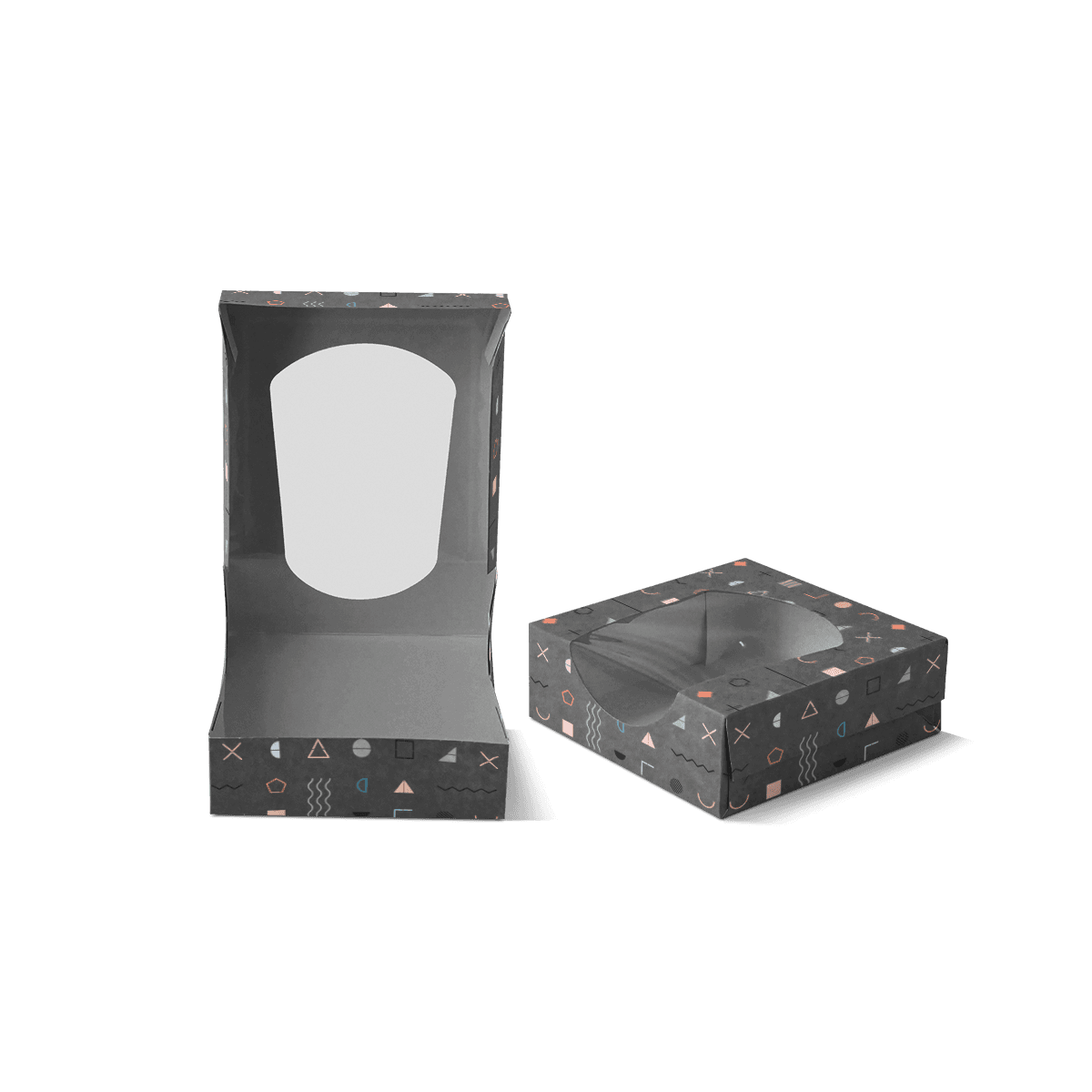
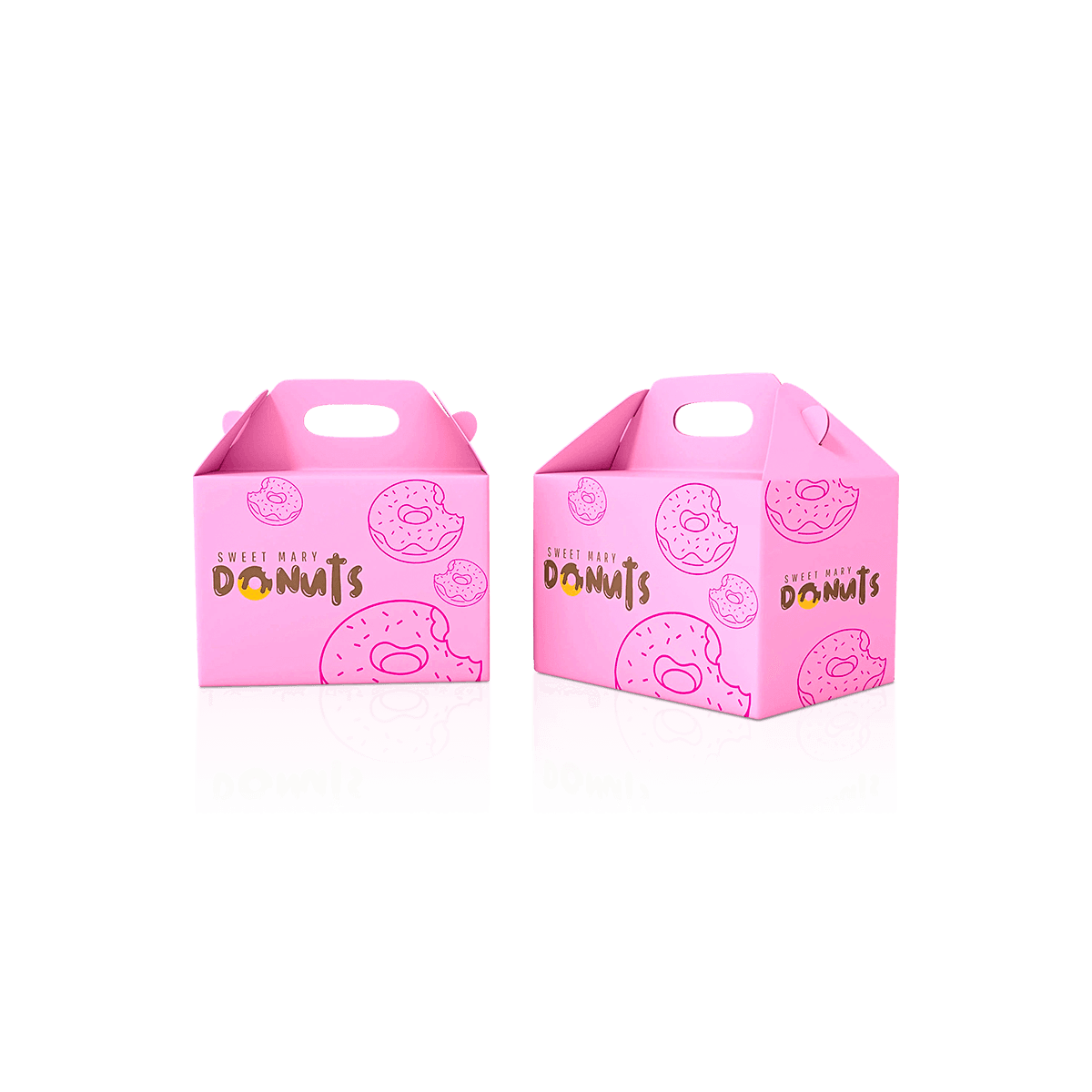
That clearance becomes even more important with glaze, icing or delicate toppings. A flexible bag can work for products that tolerate light contact. Once the surface must remain untouched, the packaging job begins to move toward a carton.