Skip to content
Details

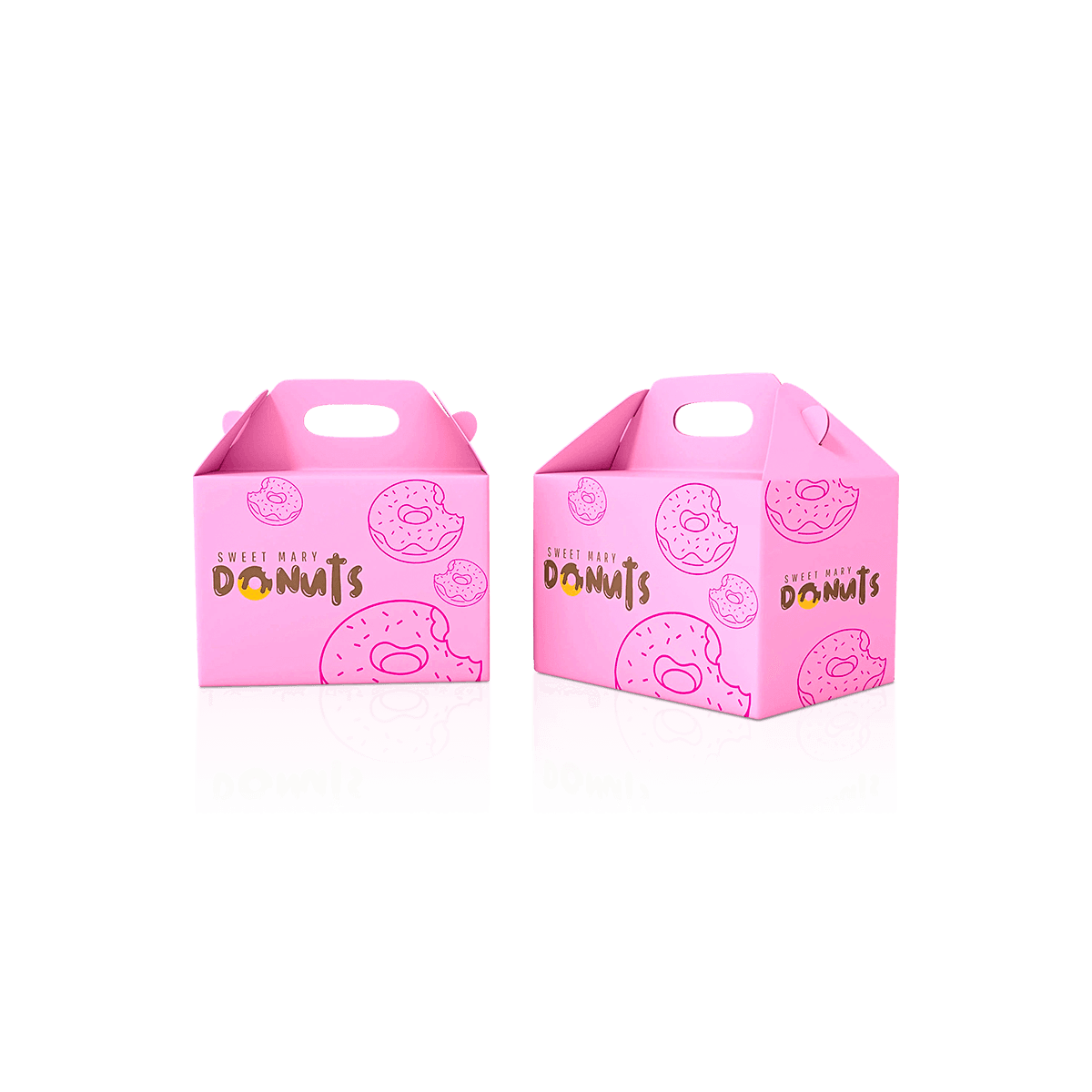
Custom Donut Boxes

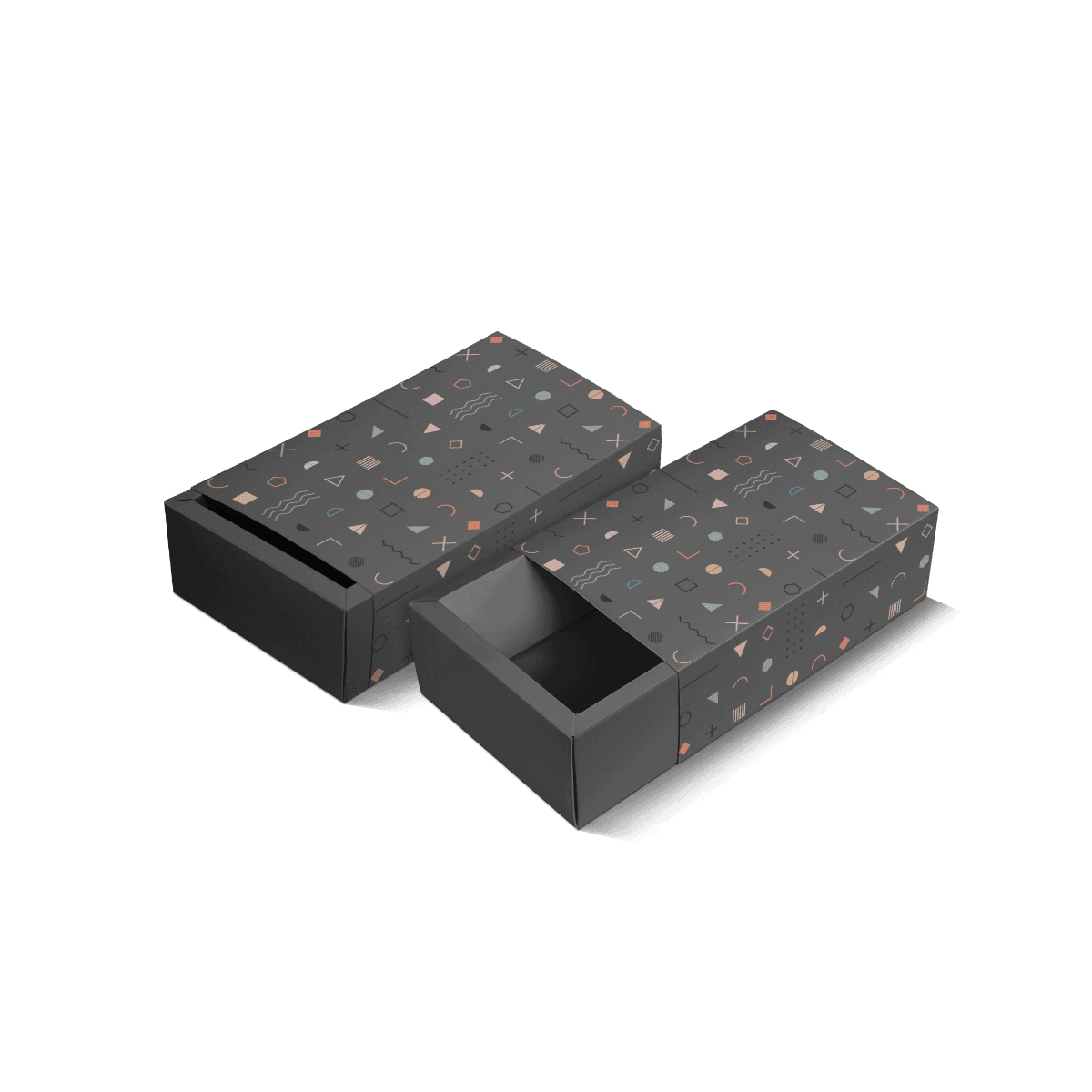
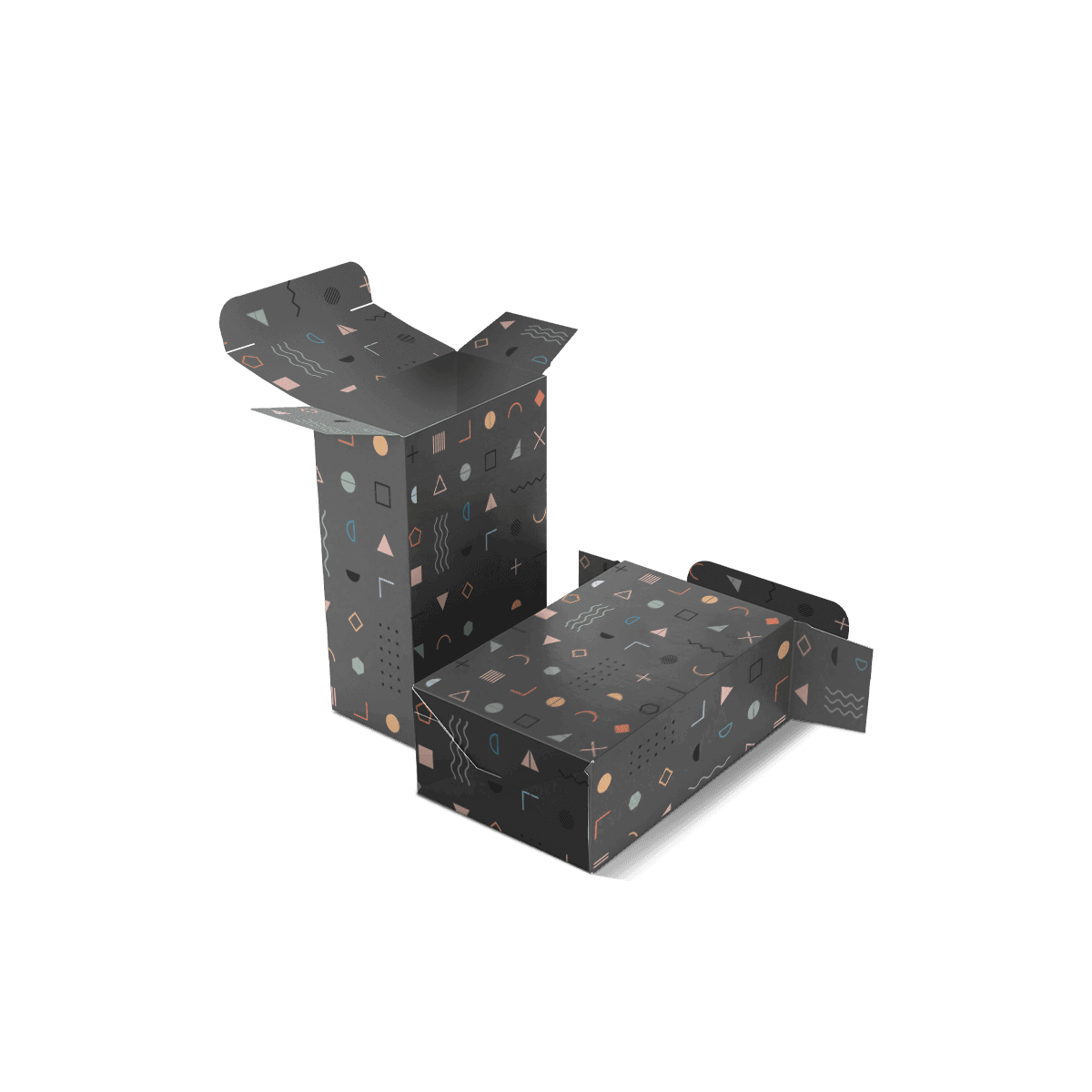
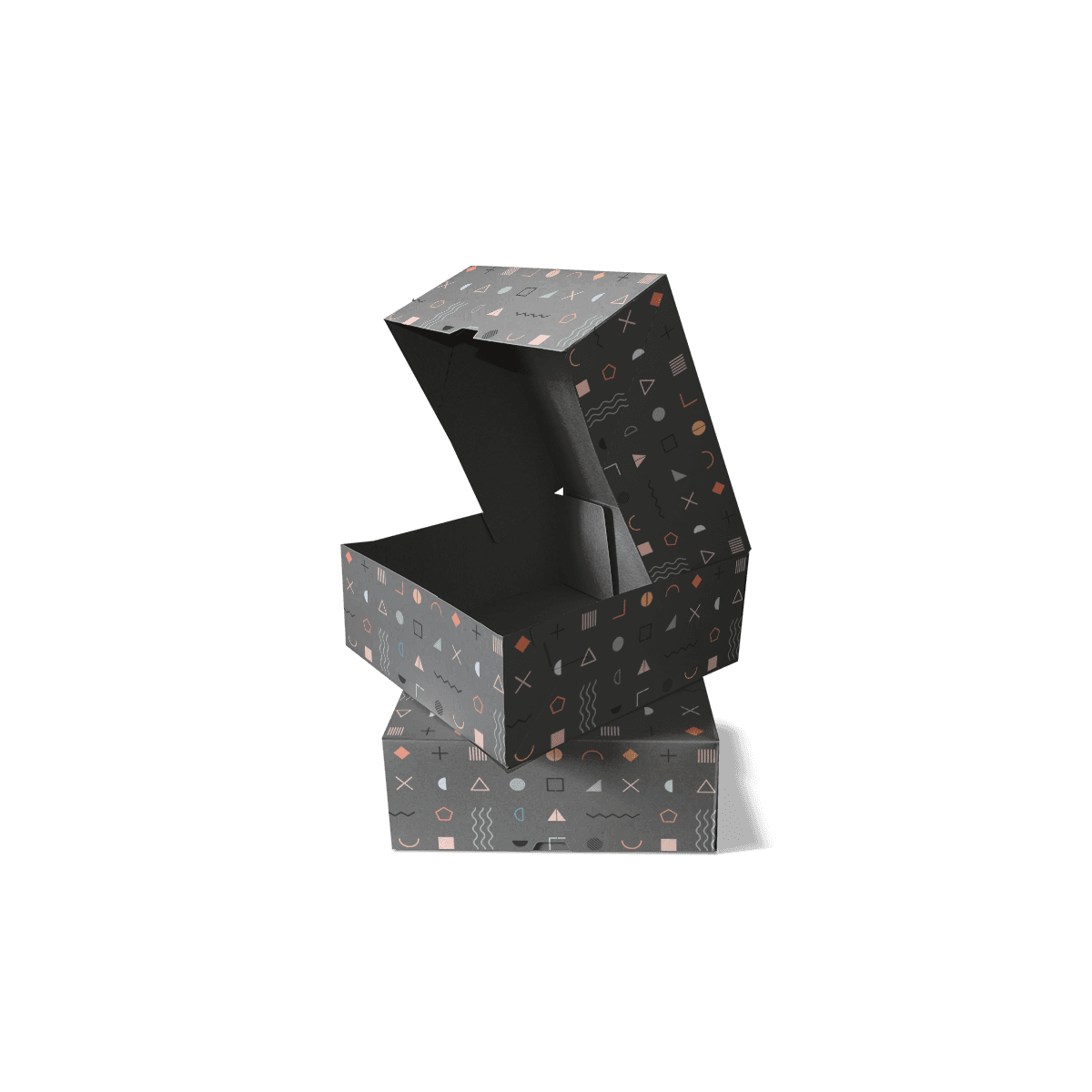
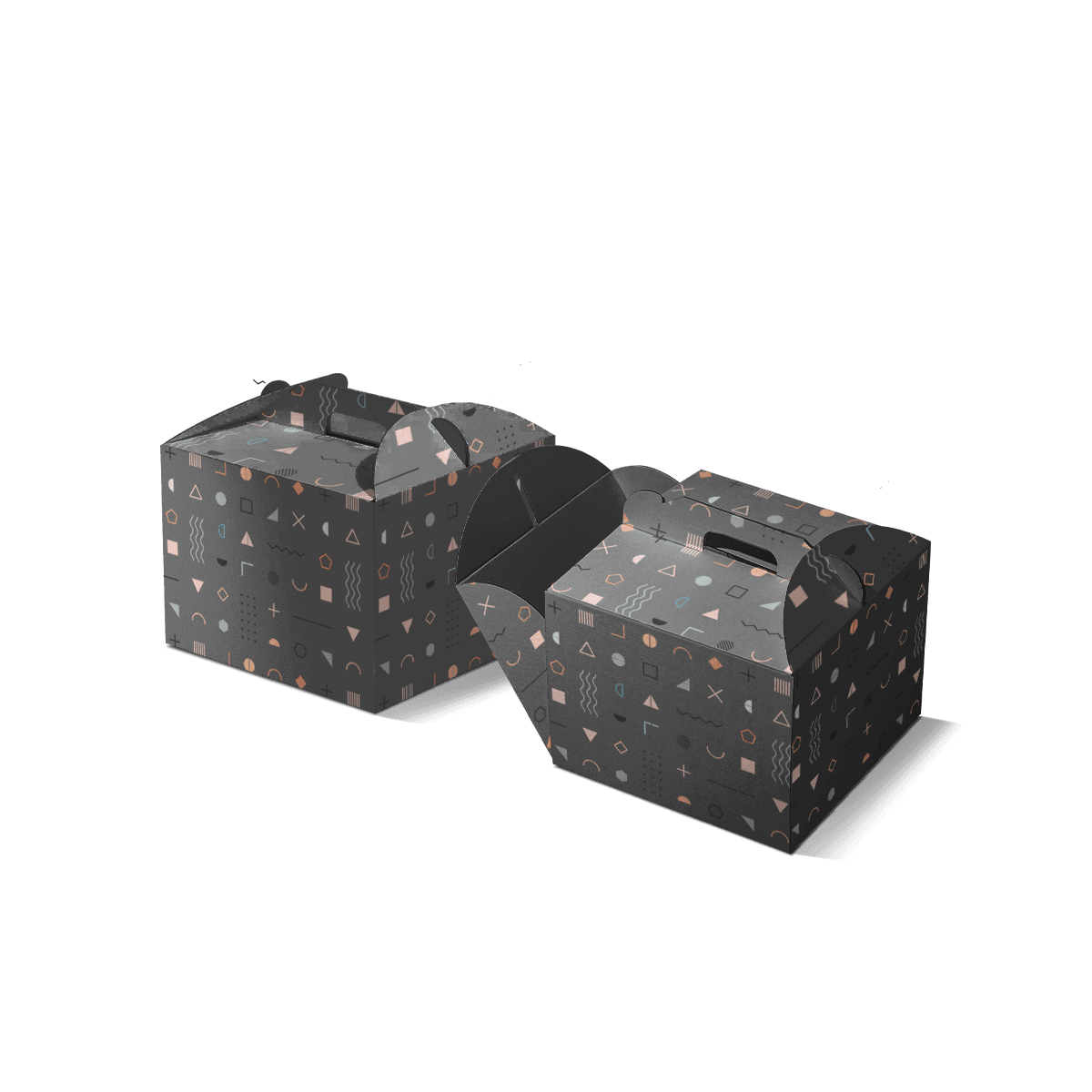
Donut packaging planned around count, glaze, topping height and counter speed, so singles, half-dozens and dozens stay cleaner from packing bench to handoff.

Count Pattern Controls the Footprint

A donut box is really a repeated-layout problem. One donut may fit comfortably, yet six or twelve of the same donut can become crowded once glaze, filling, toppings and natural size variation are repeated across every row.

Start with the largest donut that regularly goes into the pack, not the smallest or the nominal diameter on a recipe sheet. The internal footprint needs to account for the product itself plus enough separation to keep neighboring toppings from rubbing together during normal carrying. Oversizing the carton creates the opposite problem because the assortment can drift and collide when the box is turned, lifted or placed in a vehicle.

For a shop selling singles, half-dozens and dozens, each count should be treated as a real layout rather than a scaled version of one master box. The arrangement may be one row, two rows or another grid depending on donut diameter, assortment mix and the way staff load the pack.

Row Pitch Matters More Than Empty Space

Row pitch is the center-to-center spacing between neighboring donuts. It should be generous enough for icing, sugar or toppings to stay separate but tight enough that the assortment does not slide around the base.

This is especially important when the same box carries both plain rings and larger decorated donuts. The largest recurring profile should control the spacing unless the bakery intentionally separates premium oversized donuts into another pack.

Inserts Are Optional, Not Automatic

Most everyday donut orders do not need individual cavities. Flat placement is faster and leaves staff more freedom when the assortment changes from order to order.

Dividers or shallow locating features can make sense for premium gift assortments, long delivery routes or products that move easily. They also add material and packing steps. If speed at the counter matters more than exact presentation, a well-sized open interior can be the better choice.
Grease Can Ruin the Exterior Before the Box Fails

Fried dough, glaze and fillings can transfer oil into paper-based packaging long before the carton loses structural strength. The result may be a box that still carries the donuts but develops translucent marks, softened spots or a stained printed surface.

The right response depends on how oily the product is, how long it stays boxed and whether donuts can touch the carton directly. A dry sugar donut and a heavily glazed filled donut do not create the same demand on the interior surface.

If direct food contact is expected, confirm that the exact board, coating, ink system, adhesive and any window film are suitable for the intended use. Do not assume a stock is appropriate simply because it is commonly used for bakery packaging.

Grease, moisture and delivery handling can create failures that are easy to miss during design, so the practical checks in food packaging mistakes to avoid are worth applying before production.

Warm Donuts Create a Moisture Decision

Fresh donuts can release heat and moisture after frying and finishing. If they are boxed too early in a fully closed carton, trapped humidity can affect texture, glaze and the feel of the board. If the carton is too open, the product may lose protection and can dry faster.

The packaging decision therefore starts with the bakery's actual timing. Ask how long donuts cool before packing, whether they travel warm, how long they remain boxed and whether they sit on a counter, in a delivery bag or in a vehicle.

Small vent features can sometimes help release moisture, but they should not be added by habit. Their position, size and number should follow the product and service time. The cleanest test is to pack the real donut at the real temperature and inspect both the product and carton after the normal holding period.

For mixed pastry service, Bakery Boxes make more sense when cookies, slices and pastries share the same carton logic instead of repeating one donut count pattern.

Lid Height Has to Clear the Highest Topping

Donut diameter controls most of the floor plan, but topping height controls the lid. A box that closes cleanly over plain rings can still press into cream, cereal pieces, chocolate shards, fruit or tall icing on decorated donuts.

Internal depth should be checked against the tallest product that is expected to travel in that count. This does not mean adding excessive headspace. Too much vertical room can make stacked cartons inefficient and can allow lightweight items to bounce more during movement.

The closing motion matters too. A lid that swings down across a tight interior may contact tall toppings before it reaches its final position. A physical packout check is more valuable here than adding a generic safety allowance.

Window Film Needs Its Own Clearance

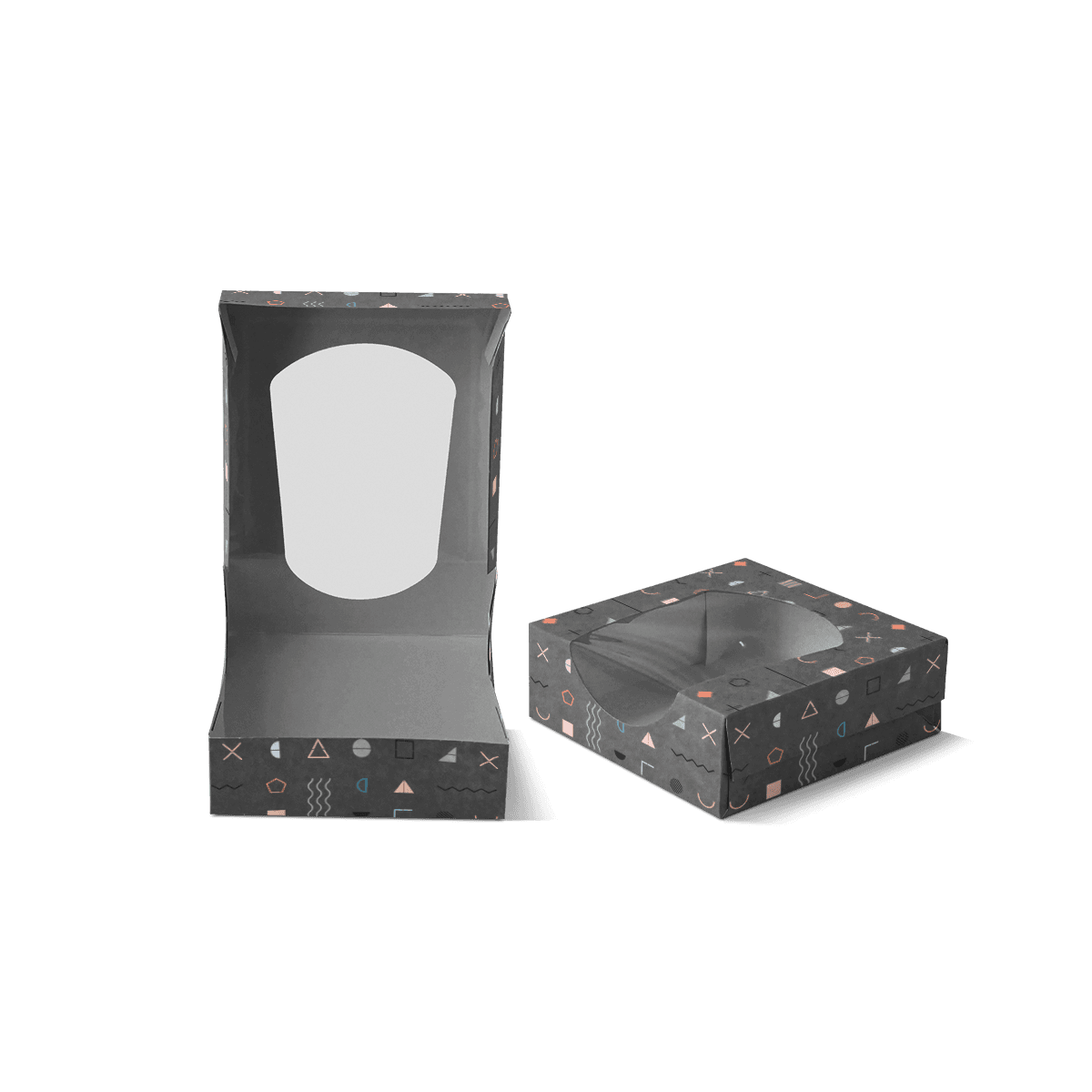
A clear lid window helps customers see color, texture and assortment variety before opening the carton, but the film should not become the lowest point over the product.

Large windows also remove paperboard from the lid, so their size and border position need to preserve enough stiffness for the box to handle normally. If visual merchandising is the dominant job across pastries as well as donuts, Window Bakery Boxes suit that selling environment.

A Full Dozen Changes the Base Behavior

A dozen-pack spreads weight across a larger footprint than a single or small count. Even when each donut is light, the broad carton can flex if the base stock is too soft or if staff lift it from one edge.

That is why base stiffness should be judged with the filled carton, not by squeezing an empty sample. The box should stay reasonably level when supported the way customers actually carry it. Sidewalls and corner locks also matter because a broad base loses confidence quickly if the perimeter begins to open or bow.

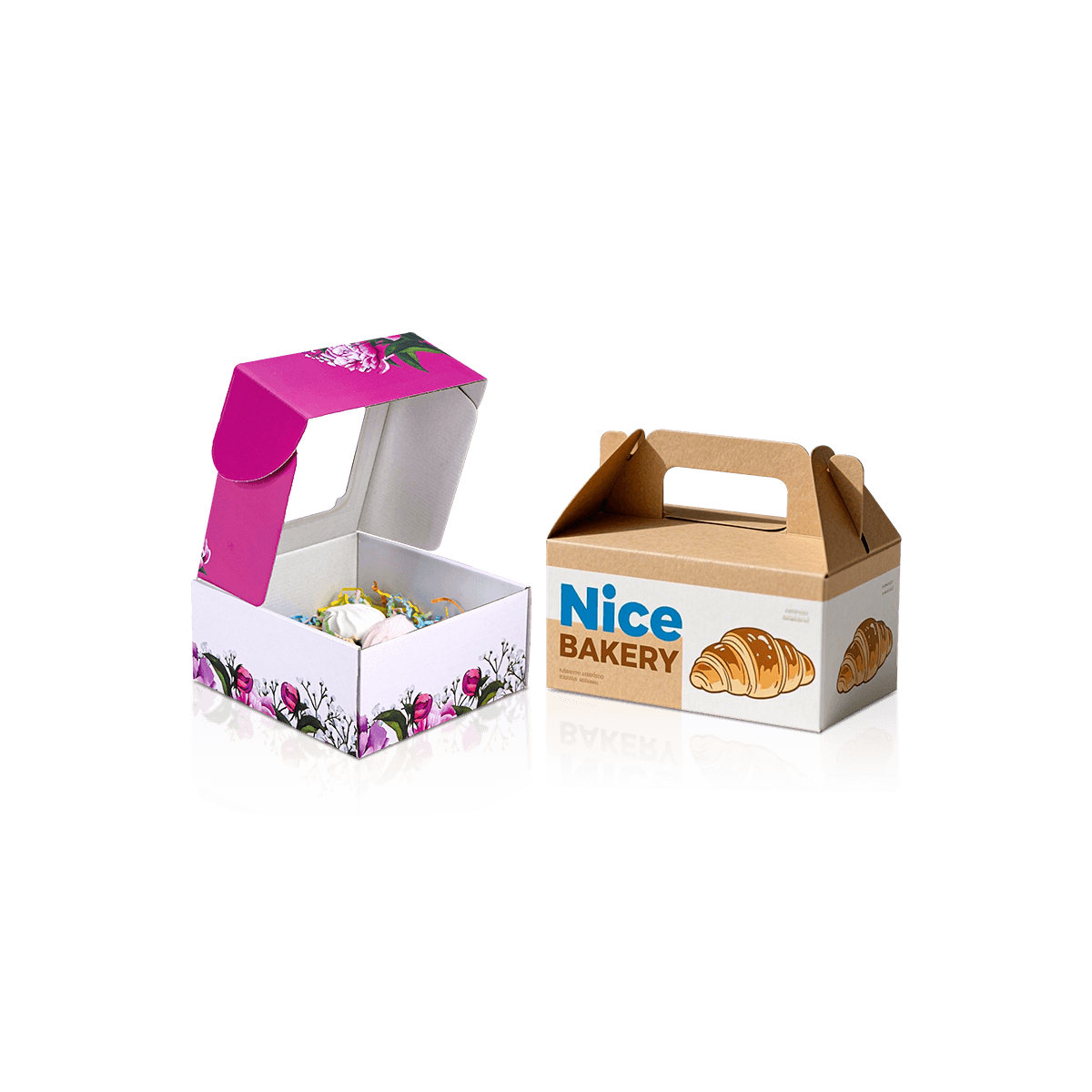
Paperboard often works well for counter and pickup donut packaging when the grade matches the footprint and packed weight. Kraft stock can support a natural visual style. Corrugated construction can be considered when the pack becomes larger, heavier or more demanding in transport.

Many donut cartons sit naturally in the folding cartons space because flat storage, printed paperboard and quick assembly suit daily bakery service.

Counter Speed Is Part of the Structure

A box that takes too long to square, lock or close becomes a labor problem during the morning rush. The packaging should be assessed as a packing tool, not just as a finished object.

Watch one staff member assemble the carton, load the assortment, close it, label it and move it to pickup. Small friction points become obvious: tabs that are hard to locate, corners that pop open, lids that need both hands to align or window panels that catch during folding.

Flat-packed cartons save storage space, but the assembly sequence still matters. A structure with fewer steps may justify itself at a busy counter even if another option looks slightly neater when empty. Pre-glued or faster-setup constructions can also make sense when daily volume is high enough to make seconds per order matter.

This is where sampling should sit for donut packaging. Test assembly speed beside the actual packing workflow rather than creating a separate approval exercise at the end of the project.

Assortment Visibility Has to Work with Labeling

A mixed dozen is often sold by what customers can see. A lid window can reveal glaze colors, topping variety and count without opening the box, but it also reduces the space left for branding and order identification.

For preorder pickup, the lid may need a clear area for a name or order label. For retail display, the front panel may need stronger brand recognition. For catering or office orders, flavor identification may matter more than a decorative finish.

A good layout assigns each surface a job. The window shows the donuts. The printed lid or frame carries the brand. A side or front panel can hold order identification, handling notes or required product labeling without covering the visual area.

If donuts are one part of a larger food program, Food, Bakery & Restaurants helps separate the packaging needs of cakes, pastries, takeout food and other bakery products instead of forcing them into the same carton.

Print Has to Survive Hands, Oil and Fast Service

Donut boxes spend a lot of time in hands. Staff touch them during assembly, customers carry them from the base and sides and boxes may brush against other packaging in pickup stacks or delivery bags.

That makes print placement as important as print quality. Large uninterrupted lid areas suit logos, patterns and seasonal artwork, while corners, locks and window borders need enough breathing room so essential graphics do not disappear into folds or die cuts.

Premium offset printing can support clean repeat graphics and consistent brand color. CMYK is suitable for multi-color artwork and photographic elements, while Pantone colors can be considered when a specific brand color needs closer control. Matte, gloss, foil, embossing, debossing or spot UV can be added selectively when the surface and use justify them.

Free design and dieline support and free 3D mockups can help settle artwork placement before production. If the same identity needs to carry from donut cartons into bags and other food packs, a coordinated custom packaging specification can keep artwork, stock choices and ordering logic aligned.

Singles, Half-Dozens and Dozens Need a Deliberate System

Carrying every possible count is rarely efficient. The better system starts with the order mix that actually repeats.

A shop may find that singles are usually handed over immediately, half-dozens dominate everyday takeout and dozens drive office or event orders. Another shop may sell four-packs as its main branded gift size. The right count system is operational, not universal.

Keep the number of physical carton sizes low enough that staff can identify them quickly, yet distinct enough that small orders are not floating inside oversized boxes. Shared artwork can make the set feel consistent even when dimensions change.

Custom Packly's USA MOQ starts from 100 boxes, so a bakery can introduce one branded count size without committing every count at once. Larger recurring programs can use warehousing and scheduled deliveries when producing more at one time makes commercial sense but back-of-house storage is limited.

Donut Boxes Should Stay Distinct from Other Bakery Packs

The strongest reason for a dedicated donut box is repeated flat placement. Donuts normally sit in rows on the base, so the carton must manage count, surface contact, grease and topping clearance without relying on tall individual cavities.

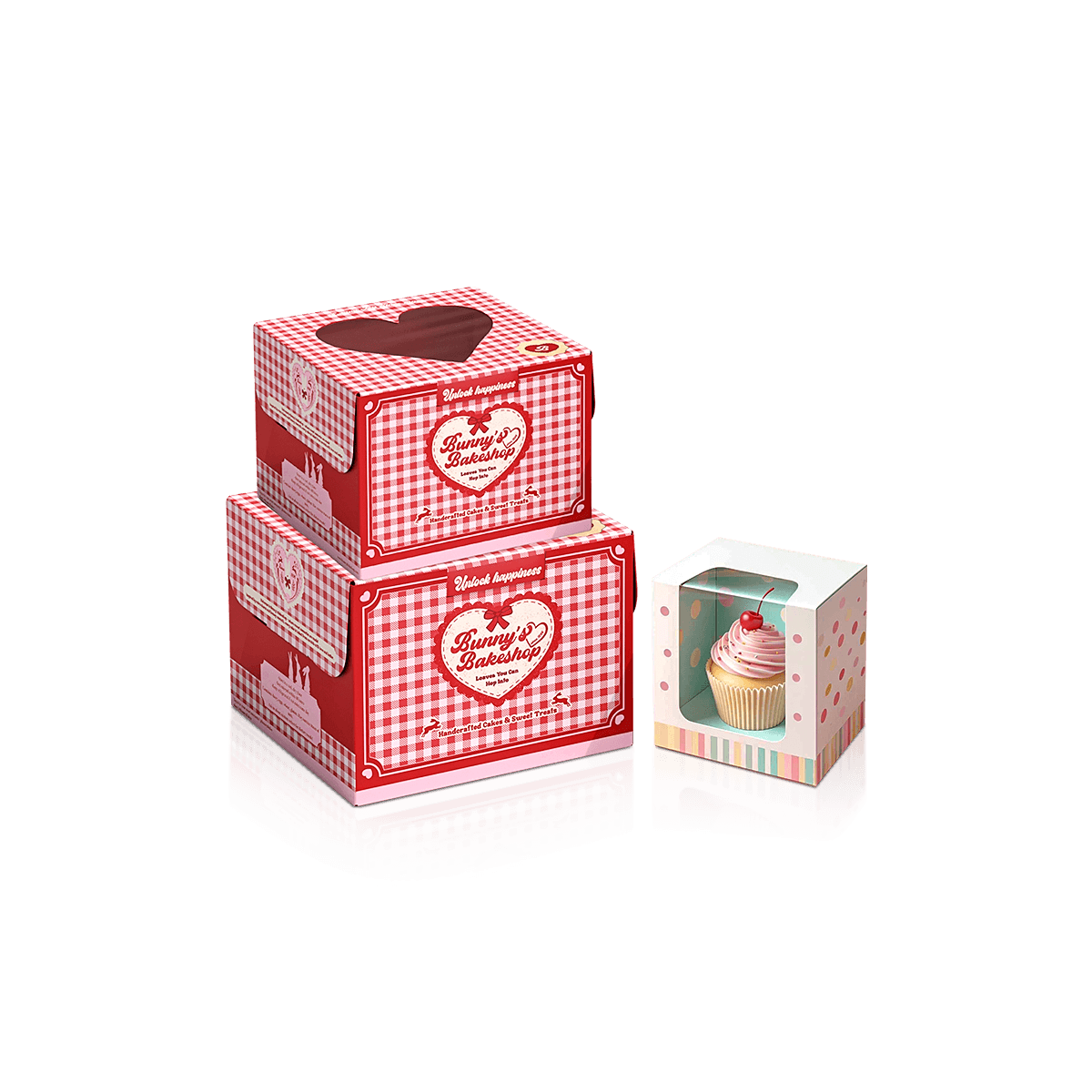
Frosted items that must remain upright fit Cupcake Boxes better because individual openings can stabilize each cup while leaving room for frosting.

Whole cakes create a different load path because the cake board carries the product and the carton must allow safe loading around side decoration. That is the job of Custom Cake Boxes, especially for tall or heavily decorated cakes.

Donuts should not inherit either structure simply because all three products come from the same bakery. Their packaging earns its place through repeated count geometry and fast flat packout.

The Final Check Is a Real Rush Packout

The strongest donut-box test is not a pristine empty sample on a desk. It is a realistic service run.

Assemble several boxes at normal counter speed. Pack the smallest and largest donuts that share the carton. Include the stickiest glaze, the tallest topping and the heaviest filled assortment. Close each box, stack it as staff normally would, carry it by the surfaces customers usually touch and reopen it after the normal holding time.

Look for specific failures: donuts touching each other, glaze on the lid, oil reaching the exterior, base flex, corners releasing, window film contacting toppings or staff slowing down because the carton is awkward to assemble.

A donut box is ready when the count fits cleanly, the staff can pack it without thinking about the structure and the assortment still looks intentional when the customer opens it. That operational result is the final specification worth protecting on repeat orders.

FAQs

Start with the widest donut in the lineup and the tallest topping profile. The box should keep each row neat without leaving so much room that donuts slide into each other.

Window lids usually work better when visual variety drives impulse buying. Closed tops make more sense when branding space or extra surface protection matters more than direct product view.

Donut Boxes are better for flat row-style packing and quicker count control. Cupcake Boxes are usually better when each item needs upright placement and top clearance for frosting.

Because filled donuts can be heavier and softer than plain rings. A steadier base helps the assortment stay flatter during carrying and pickup staging.

Use the lid for the main logo and keep side panels for flavor callouts, promo details or pickup labeling. That keeps the box cleaner and easier to read.

Process

How it works

Your Packaging Journey, From Idea to Production and Delivery

01

Tell Us Your Specs

Custom packaging boxes

Tell Us Your Specs

Provide size, quantity, printing, and finishes.

02

Get a Fast Quote

Custom packaging boxes

Get a Fast Quote

Instant transparent pricing, no hidden fees.

03

Design and Approval

Custom packaging boxes

Design and Approval

Artwork checks, revisions, and final sign-off.

04

Produce

Custom packaging boxes

Produce

Expert manufacturing to meet deadlines.

05

Ship to Your Door

Custom packaging boxes

Ship to Your Door

Hassle-free, flexible delivery options.

Get Your Quote for Custom Donut Boxes

Share your product details, size, quantity and artwork needs. We’ll help choose the right packaging style and send a clear quote.