Skip to content
Details

Custom Six Corner Boxes

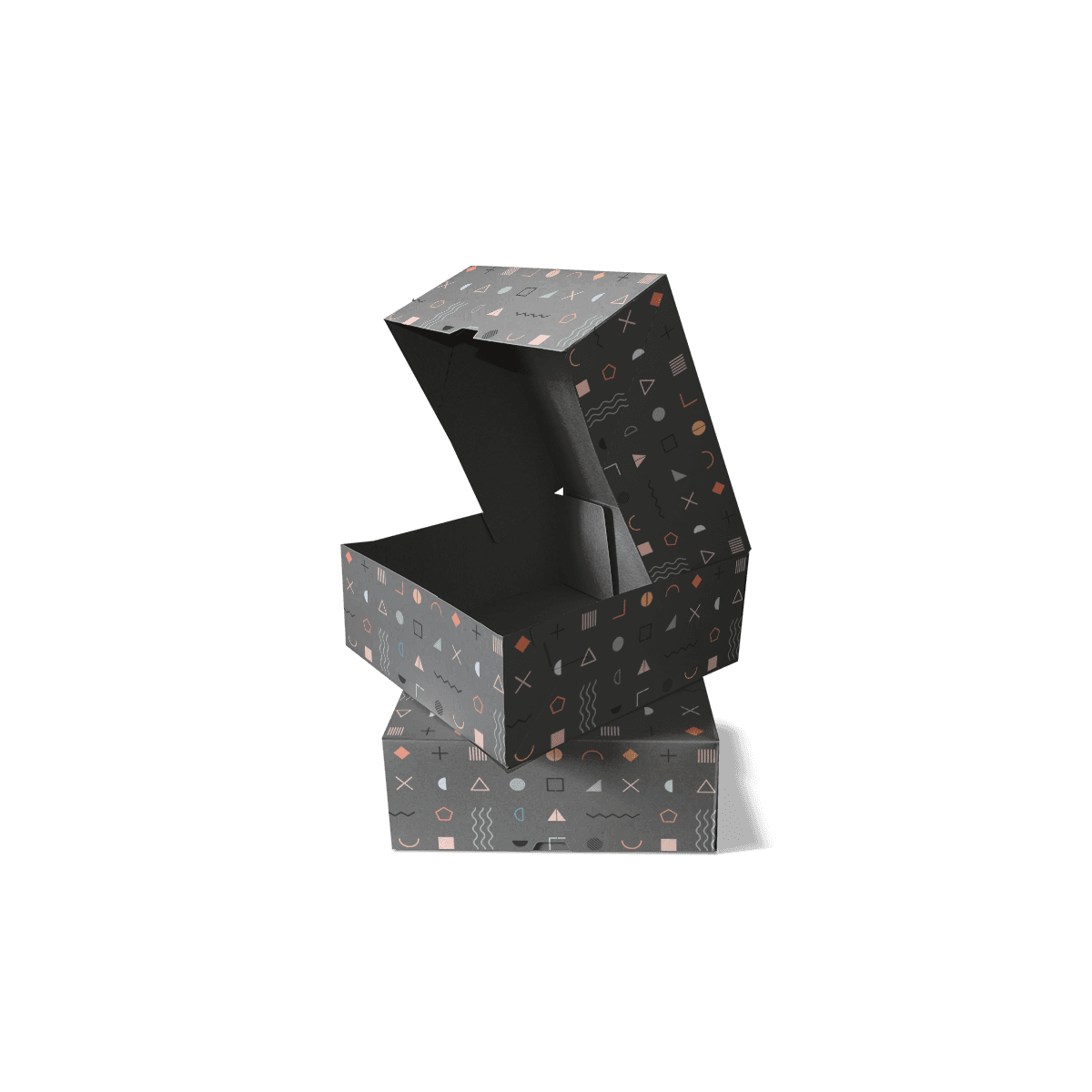
Pre-glued tray-and-attached-lid boxes for shallow retail gift assortments that need organized placement and a coordinated opening.

An Assortment Viewed at Once

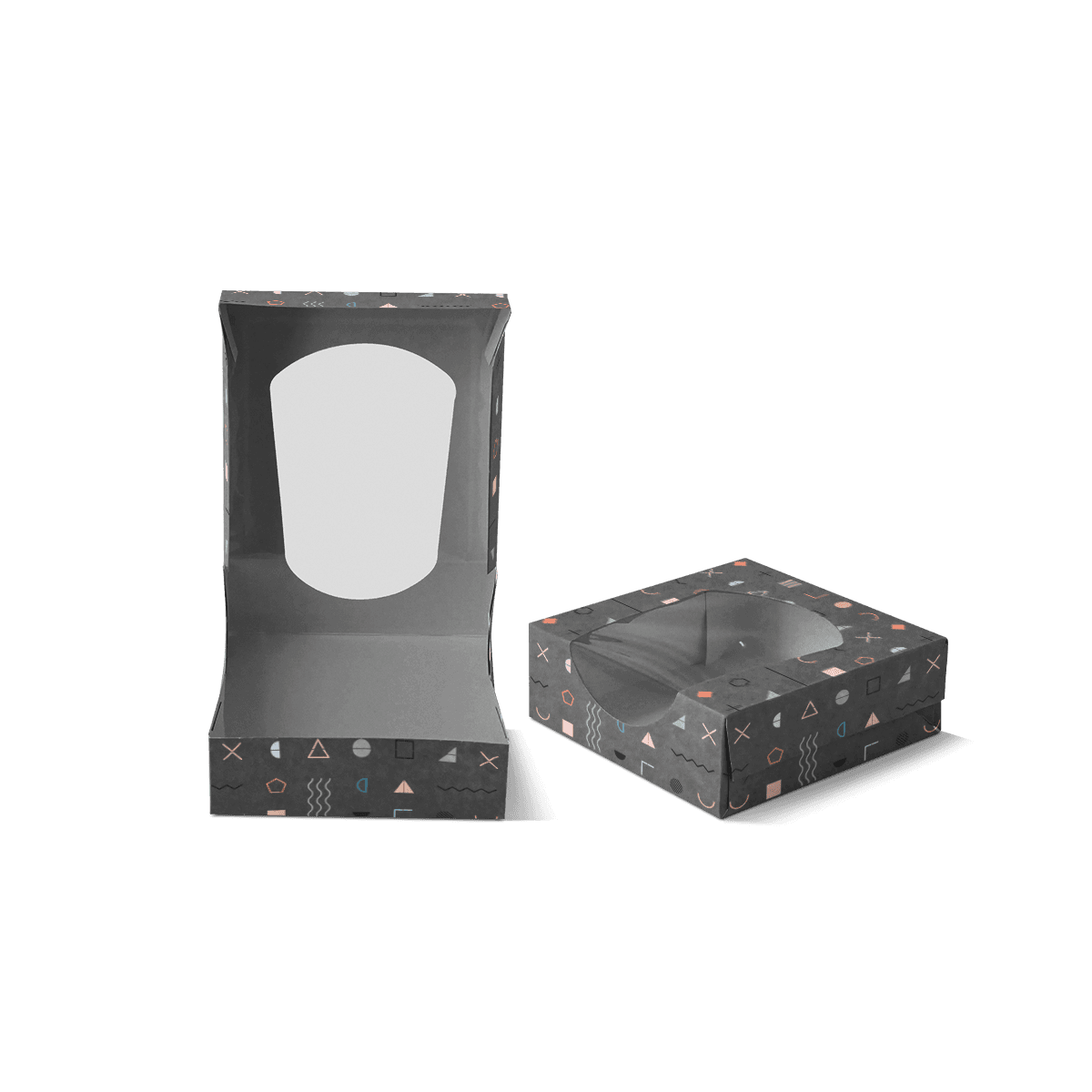
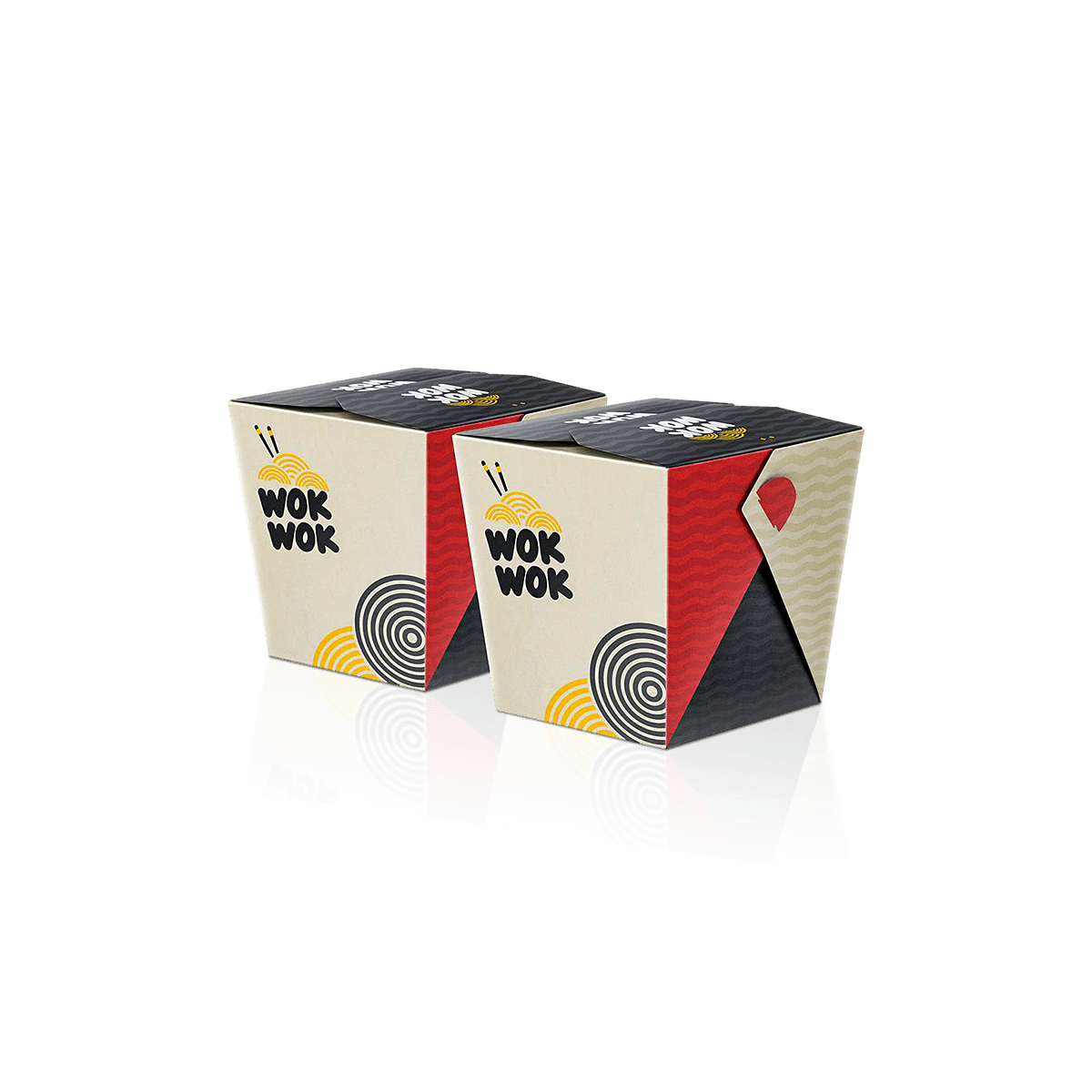
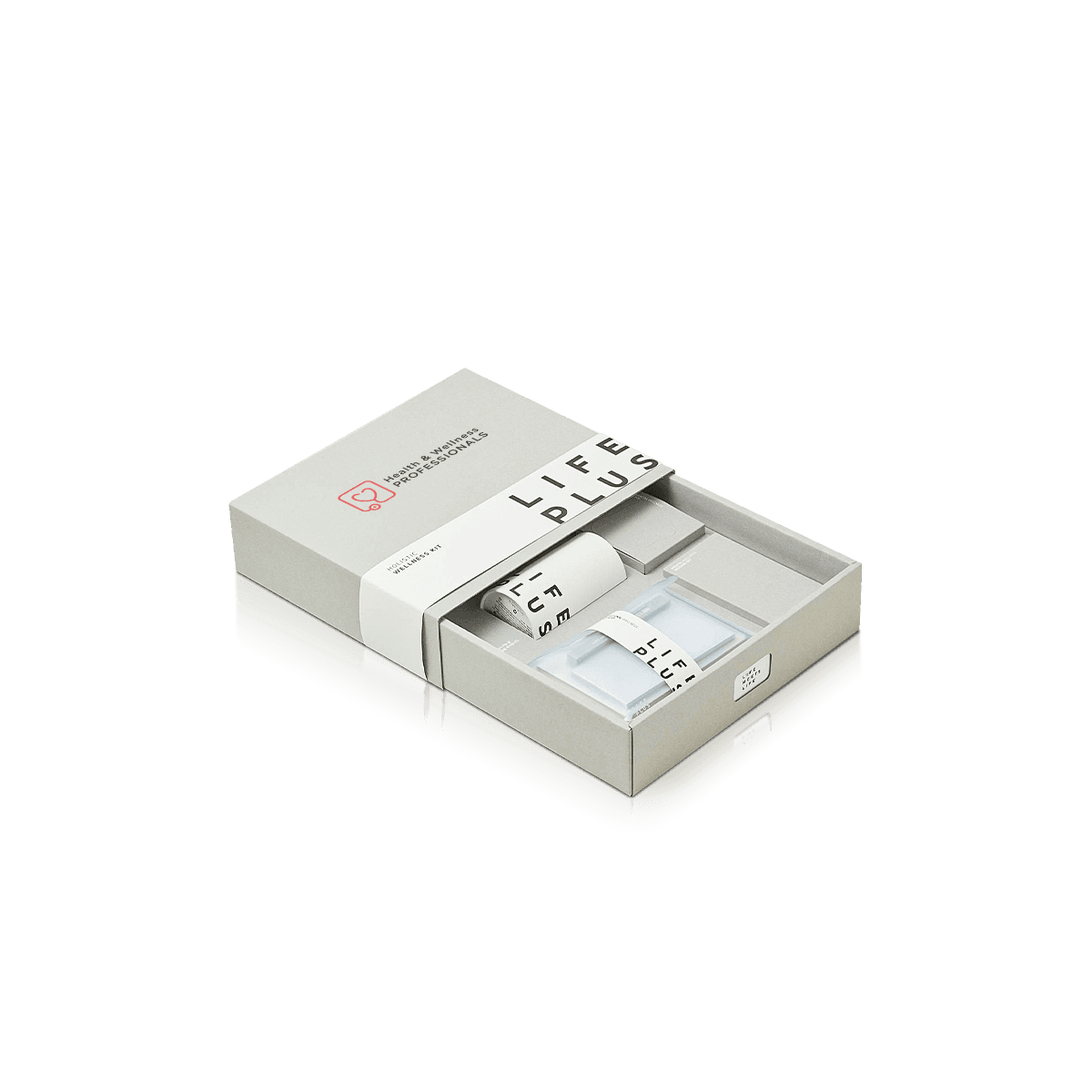
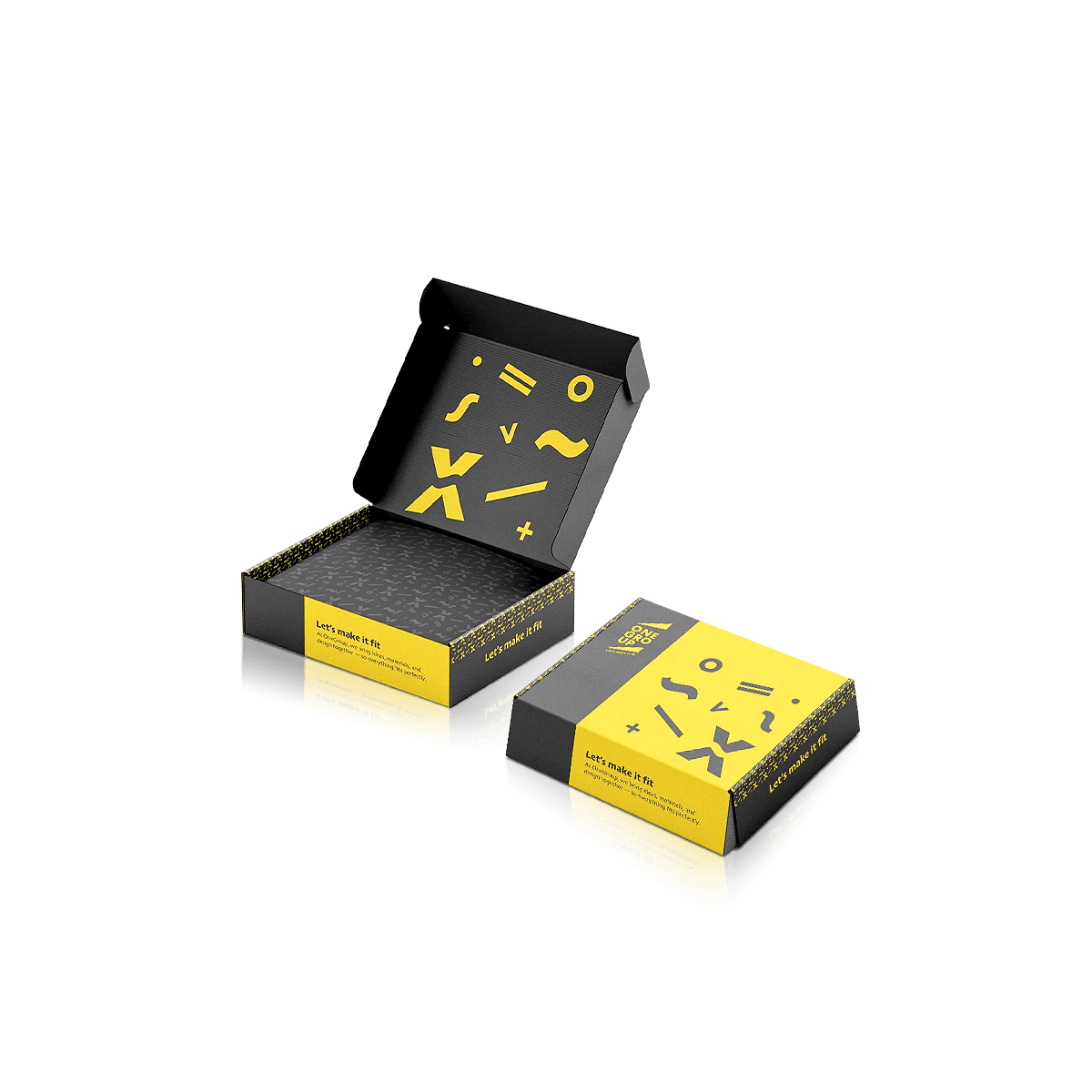
Custom Six Corner Boxes can form a shallow tray with an attached lid that closes over an arranged set of products. Their pre-glued corner construction makes it possible to ship the blanks flat and erect them for top loading.

The name refers to the prepared corner joints, not a hexagonal finished box. A common tray-and-lid arrangement uses four corner joints in the tray and two in the attached cover. Confirm the actual construction from the approved dieline rather than assuming every six-corner blank has identical panels.

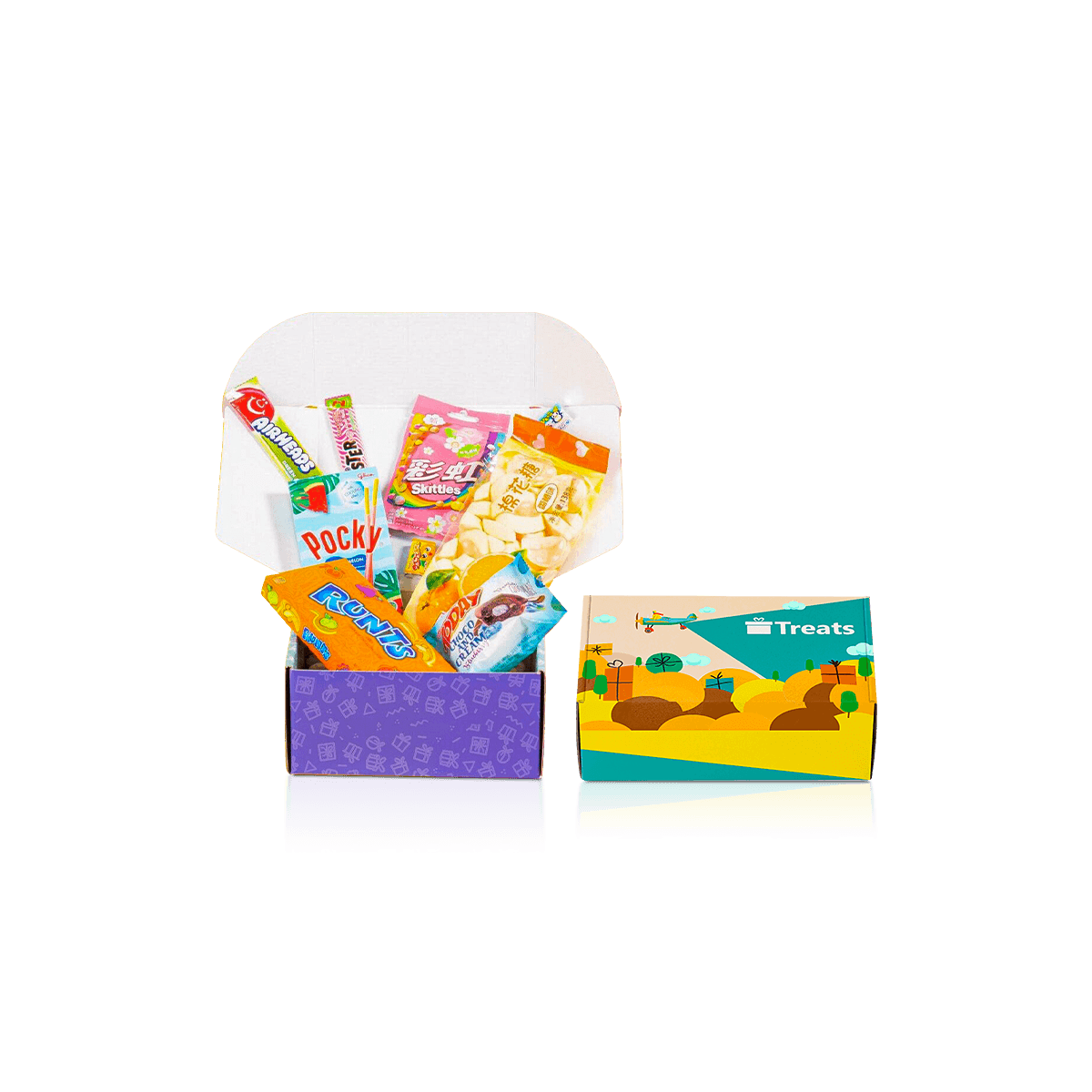
For retail gift sets, the central decision is what the recipient sees when the lid opens. Each component should have an intentional position, rather than being stacked loosely because the exterior dimensions happen to fit.

A Single Display Layer

A single-layer arrangement can put every item in view. It is appropriate for a set sold as a complete assortment, such as a notebook, badge, lanyard and printed welcome card.

The finished footprint should follow that arrangement, including any protective sleeves, tissue or support platforms.

Attached-Lid Handoff

The lid stays connected to the tray during packing and opening. This reduces the need to store or handle a separate cover, but its hinge and closing feature must still work with the filled height.

A planned tray footprint helps staff prepare conference gift boxes consistently.
The Layout Sets the Size

Measure internal length × width × depth from the complete packed set. The widest arranged row determines the footprint; the tallest product determines the minimum lid clearance.

An oversized tray can leave a small assortment looking sparse. A compact tray can force components together and make them difficult to lift.

Spacing Between Items

Products with fragile finishes may need separation. A folded paperboard divider or fitted platform can maintain the intended position when the box is carried.

An insert is not automatically necessary for every assortment. Its purpose should be restraint, support or clearer presentation.

Mixed Product Heights

Consider a hypothetical promotional set containing two small jars, a flat printed card and a wrapped chocolate bar. The jars determine the height, but the shorter products still need a deliberate presentation position.

A shallow platform can raise them, provided the platform does not press against the lid when it closes.

Product Removal

The recipient should be able to lift each component without shaking the tray. Provide finger access or a suitable lifting feature where a tight cavity would otherwise trap an item.

The layout should remain stable after the first component has been removed.

The Lid Frames the Reveal

The attached cover is the first printed surface a customer encounters and the last part of the carton to move during packing. Both roles affect its design.

A lid that contacts the tallest component can damage the contents, while an awkward front lock can distort the tray.

Hinge Clearance

The rear fold must allow the cover to rotate without pulling the tray wall out of square. Board thickness, crease geometry and any interior printing affect that movement.

Where proportions are unusual, assess the actual closure using the intended board.

Front Retention

A front tuck or other approved locking feature must hold the lid in place during ordinary handling. It should not require so much force that employees bend the front wall.

The correct retention depends on the product weight, intended handoff and opening experience.

Window Alignment

A window can reveal part of the arranged gift set. Its position should follow the actual product layout and remain clear of the hinge, glue joints and closing feature.

A transparent film, if used, must suit the intended contents and production process.

What the Customer Sees First

The attached lid controls the transition from a closed gift box to a complete visible assortment. That transition should influence the product layout before artwork is finalized. A balanced closed lid can still reveal a poorly organized interior.

The Open Viewing Angle

When the set is opened on a table, the lid may stand behind the contents or rest on the same surface. Its position should not pull the tray backward or conceal the products. For an event handoff, consider whether recipients will open the box while holding it instead.

The First Visible Item

The primary item should occupy a recognizable position when the lid opens. Printed cards, tissue and dividers should not unexpectedly conceal it. A deliberate arrangement also makes missing components easier for packing staff to identify before closing.

A Stable Reveal

The tray must remain square as the lid moves. A broad printed cover may place different forces on the hinge from a smaller one. Check the assembled package if its proportions, board or opening movement differ from an approved design. Product movement during opening may require a fitted support rather than a deeper outer box.

The Corners Carry Real Loads

The glued joints allow the flat blank to form its tray and lid. They do not guarantee a particular load capacity.

A broad tray base may bend when a heavy component sits near its center. The shape and contact area of the item matter as much as its total weight.

Base Support

A suitable paperboard platform can spread localized pressure or establish a stable position. Its lower edges should not force the tray walls outward.

If the set contains unusually heavy or fragile products, reconsider the structural format rather than assuming that thicker board alone solves the problem.

Adhesive Contact

The corner bonds must survive flat storage, erection and handling. Adhesive applied outside its intended zone can restrict the folding movement.

The packaging dieline establishes glue areas, creases and the finished panel relationships.

Transport Is Separate

A six-corner presentation tray is not automatically a parcel-rated shipping container. A fitted corrugated outer case may be needed for direct ecommerce orders.

The tray should retain the assortment, while the outer package handles its specified distribution duty.

Flat-Packed Kit Assembly

Pre-glued blanks occupy less storage space than erected empty trays. The folded corner layers still affect stack thickness and how easily employees separate the blanks.

At the packing station, the tray should form squarely without requiring staff to glue its corners.

Assembly Order

Erect the tray first, check its corners and then install any supporting insert. Load the products before closing the attached lid.

A difficult assembly movement may indicate unsuitable crease geometry or a distorted blank rather than insufficient operator training.

Several Component Suppliers

A gift set may combine products received from separate vendors. Grouping the actual items by complete set before filling reduces the chance of an incomplete assortment.

For promotional merchandise boxes, the internal arrangement should make missing components apparent.

One Fixed Set or Variants

A fixed launch assortment can justify a fitted insert. A changing promotional mix may need a more adaptable tray layout.

Do not standardize one external size across substantially different product combinations without checking fit, clearance and presentation.

Gift Assembly and Storage Costs

A six-corner blank includes an attached lid, glued corners and closing panels. Its manufacturing and storage requirements differ from those of an open tray or a separate rigid gift box. Evaluate the complete filled assortment rather than comparing finished outside dimensions alone.

The Flat Blank

A change in tray dimensions can affect how many blanks fit on a production sheet. The actual die-cut shape determines material yield. Windows, special coatings and decorative treatments may introduce additional manufacturing operations, so an estimate based only on length and width is incomplete.

Packing in Groups

Preparing products in complete sets before opening the cartons can reduce missing-item errors, but it creates another staging requirement. An unnecessarily complicated insert may consume the assembly time saved by the pre-glued corners. Organize components in the order employees will actually load them.

Event Quantities

A one-time event may have a fixed count and little use for excess printed packaging. A recurring promotional set may justify another run size and replenishment plan. Compare demand, material costs and storage capacity before increasing an order solely to reduce unit price. Appropriate larger programs may use warehousing and scheduled deliveries.

Print Both Viewing States

The exterior lid carries the main product identity when the box is closed. Opening may reveal printed inside panels or individual component labels.

The artwork should be assessed in both conditions rather than solely on the flat blank.

Continuous Graphics

Patterns crossing a crease can shift when the carton is erected. Check the assembled shape for designs that depend on precise alignment.

Keep essential text away from functional glue zones and the front closure.

Material and Finish

SBS provides a smooth white printing surface, while kraft creates a brown base that changes pale ink reproduction.

Premium offset printing, CMYK and Pantone colors can be considered according to the design and production quantity. Matte, gloss, foil and raised finishes must remain compatible with hinge movement.

The retail shelf presentation decision should reflect the closed lid's actual viewing position.

Food Components

A gift set of individually wrapped confectionery uses the primary wrappers for product containment. Direct contact between uncovered food and the carton requires assessment of the actual board, ink, adhesive and coating.

Chocolate set boxes may use separate cavities where individual pieces must remain positioned.

The Carton Has a Specific Job

This pre-glued tray-and-lid structure is strongest when shallow products need defined corners and an enclosed presentation without the depth or board mass of a rigid box.

For this gift-led application, assess item arrangement, reveal and consumer removal. An open tray without a lid may be sufficient where product visibility during display is more important than an enclosed presentation.

A deep rigid box may be more suitable when the assortment needs a substantial wall, recessed insert or a different opening experience.

Order the Finished Arrangement

Establish the product count, actual layout, internal dimensions, tallest item, board, lid closure, window and any insert before pricing.

Custom Packly's USA MOQ starts from 100 boxes. Free design and dieline support, free 3D mockups, US production and free shipping are included. Standard turnaround is 4–6 days after approved artwork and specifications; complex structures and finishes may require longer.

Free previous-work samples can support material decisions. Fully custom physical samples may be paid when fit and folding need evaluation.

For a defined assortment, request a custom packaging quote using the intended arrangement and order quantity.

The carton should move from flat storage to a stable filled tray and close without disturbing the presentation.

Custom Six Corner Box FAQs

Yes; they arrive flat and pre-glued, then staff form the tray, add the product and close the attached lid.

Use inside length, width and depth, measured across the full packed layout with liners, dividers, inserts and the tallest item.

Yes, but the window must stay clear of folds, glue areas and the front lock so the lid keeps enough strength.

Only when the board, ink, coating and barrier suit the exact food, heat level and contact method.

The USA MOQ starts from 100 boxes. Standard turnaround is 4–6 days after approved artwork and specifications; complex structures or finishes may require longer.

Process

How it works

Your Packaging Journey, From Idea to Production and Delivery

01

Tell Us Your Specs

Custom packaging boxes

Tell Us Your Specs

Provide size, quantity, printing, and finishes.

02

Get a Fast Quote

Custom packaging boxes

Get a Fast Quote

Instant transparent pricing, no hidden fees.

03

Design and Approval

Custom packaging boxes

Design and Approval

Artwork checks, revisions, and final sign-off.

04

Produce

Custom packaging boxes

Produce

Expert manufacturing to meet deadlines.

05

Ship to Your Door

Custom packaging boxes

Ship to Your Door

Hassle-free, flexible delivery options.

Get Your Quote for Custom Six Corner Boxes

Share your product details, size, quantity and artwork needs. We’ll help choose the right packaging style and send a clear quote.