Skip to content
Details

Custom Cupcake Boxes

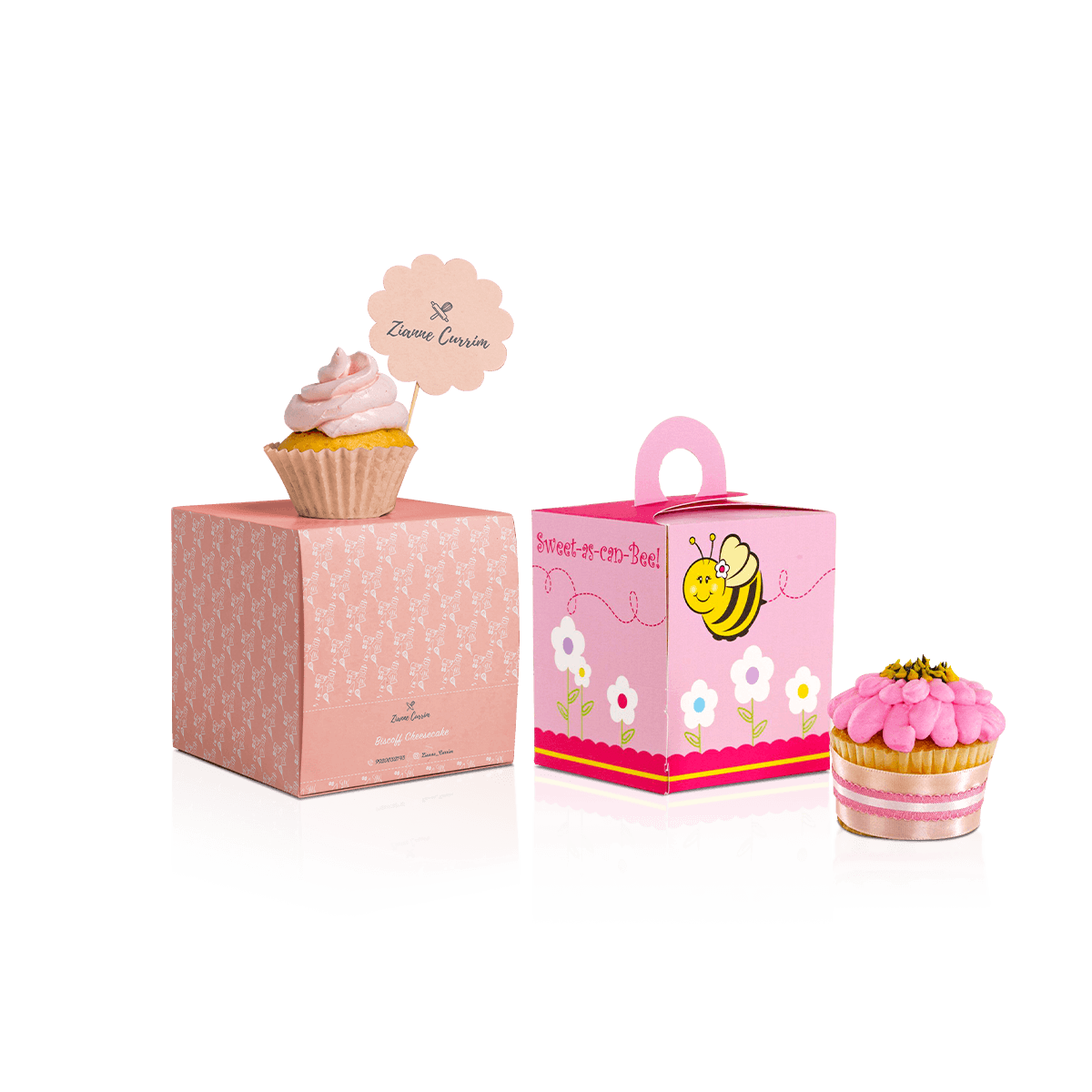
Cupcake packaging matched to liner diameter, insert geometry and frosting height, so decorated singles and multipacks stay upright without squeezing the wrapper or touching the lid.

The Insert Should Hold the Liner, Not the Decoration

The insert does most of the protective work in a cupcake box. Its job is to stop each cupcake from sliding, leaning or colliding while leaving the frosting completely untouched.

That means the cavity cannot be specified from the frosting diameter. It needs to work with the cupcake liner and the shape of the baked base. If the opening is too loose, the cupcake can tilt as the carton moves. If it is too tight, the liner can catch during packing or removal and the cupcake may be difficult to lift cleanly.

The correct fit also depends on where the insert supports the cupcake. Some products have nearly vertical sides. Others flare noticeably from the base toward the liner rim. Mini, standard and jumbo cupcakes can therefore need different cavity geometry even when the outer cartons look similar.

This is what separates cupcake packaging from a loose mixed-bake carton. Bakery Boxes make sense when pastries, cookies and slices need flexible placement without an individual holder for every piece.

Measure the Baked Cupcake in Its Actual Liner

Use the finished cupcake rather than relying only on a liner specification. Baking can change the liner profile and the cake may expand beyond the nominal base diameter.

Measure the lower body, the point where the insert will support the liner and any flare toward the top. The aim is controlled restraint without squeezing the paper cup.

For bakeries using several liner suppliers, check whether those liners are genuinely interchangeable. A small change in diameter becomes important when it is repeated across every cavity in a six-pack or twelve-pack.

A Cavity Needs Enough Grip to Resist Tilt

The insert does not have to clamp the cupcake rigidly. It needs enough control that ordinary carrying does not let the cup climb out of the opening or lean into its neighbor.

The outer carton and insert should therefore be treated as one working structure. A precise insert inside an oversized carton can still move. A rigid carton cannot compensate for cavities that fail to locate the cupcakes.
Frosting Clearance Begins at the Insert Surface

Overall carton height can be misleading because the cupcake often sits partly beneath the top surface of the insert. The important measurement is the vertical distance from the final supporting position to the tallest finished decoration.

Measure after frosting, sprinkles, chocolate pieces, fruit or other toppings have been added. A box developed around an unfrosted cupcake can become unusable once the real decoration is applied.

Tall buttercream swirls also need clearance during closing. The lid may sweep downward before it reaches its final position, so the closing path has to stay away from the frosting as well as the closed lid itself.

Toppers Can Change the Pack More Than the Cupcake

A paper pick, acrylic topper or seasonal decoration may extend far beyond the frosting. Decide whether those pieces travel already installed.

If they do, measure to the highest and widest point of the completed cupcake. If they travel separately, the carton may need another location for them so they do not move across the frosting during transport.

Do not add large amounts of headspace simply to accommodate an occasional topper. A separate topper position can be more practical when most everyday orders use a lower cupcake profile.

Validate the Highest Product Where Height Is Decided

A physical fit check is most valuable here when the bakery has tall frosting, irregular handmade decoration or jumbo cupcakes.

Load the tallest normal cupcake into the actual insert position, close the carton normally and reopen it after handling. Check the frosting, liner and insert edge rather than judging the empty box.

Free sample examples of previous work can help assess print and material quality. A fully custom physical sample can also be arranged as a paid sample when exact fit needs to be checked before production.

Every Extra Cavity Multiplies a Small Spacing Error

A single cupcake box only needs one product position to work. A twelve-count tray repeats the same geometry twelve times, so a small spacing problem can spread across the entire carton.

The cavity centers need enough separation for the widest normal frosting profile, not merely enough room for the liners. If decorated tops extend beyond the cup diameter, two cupcakes can remain perfectly upright and still rub against each other.

The same principle affects the outer carton. Increasing the cavity count increases the footprint and changes how much the base can flex when lifted from one side.

Count Layouts Should Follow Actual Selling Units

Singles, two-packs, four-packs, six-packs and twelve-packs do not all need to exist simply because they are technically possible.

Build around the counts customers actually order. A bakery dominated by six-packs and dozens may need only those two multipacks plus a single. An event business may use individual cartons and large catering trays instead.

Flat products arranged in rows create a different problem. Donut Boxes manage repeated horizontal spacing without the individual cavity restraint that frosted cupcakes normally need.

Mini and Jumbo Cupcakes Deserve a Separate Fit Decision

A mini cupcake placed in a standard opening can move too freely. A jumbo liner forced into the same opening can wrinkle, catch or sit too high.

An outer box can sometimes share dimensions across products, but the insert should not be treated as interchangeable unless both liner fit and decoration spacing have been checked. The apparent saving from one universal tray is lost if the product no longer sits securely.

Loading Speed Depends on Access Around Each Cup

The cavity can fit correctly and still frustrate bakery staff if there is no clean way to lower the cupcake into position.

Fingers need enough room to lower the liner without touching frosting or neighboring products. The carton walls should not force staff to angle the cupcake through a narrow opening. For high-volume packing, that movement repeats hundreds of times.

This is one reason insert design should be evaluated at the packing bench rather than as an isolated die-cut component.

The Wrapper Should Not Catch During Packing

Sharp or overly tight cavity edges can snag a pleated paper liner. The opening needs to locate the cupcake without making staff twist or push it into place.

Loading several cupcakes in succession exposes this quickly. If one cavity regularly needs adjustment by hand, multiply that delay across every multipack produced during a busy day.

Removal Matters as Much as Loading

Customers should be able to lift a cupcake without digging between the liner and insert or pulling hard enough to disturb the frosting.

Finger relief, suitable cavity shape and enough space between products can make removal cleaner. The best insert supports the cupcake during movement but stops controlling it once someone deliberately lifts it out.

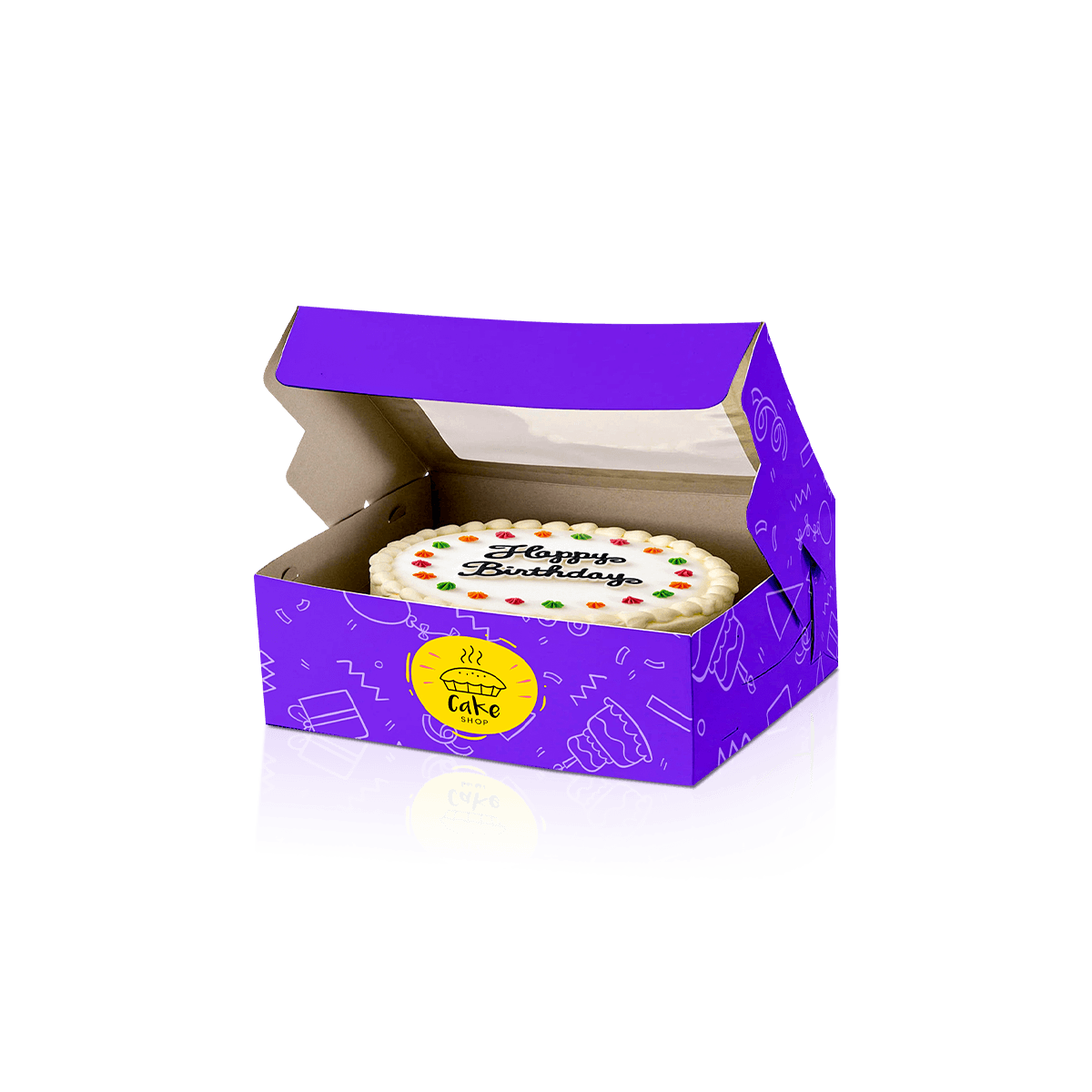
The Window Cannot Occupy the Frosting Space

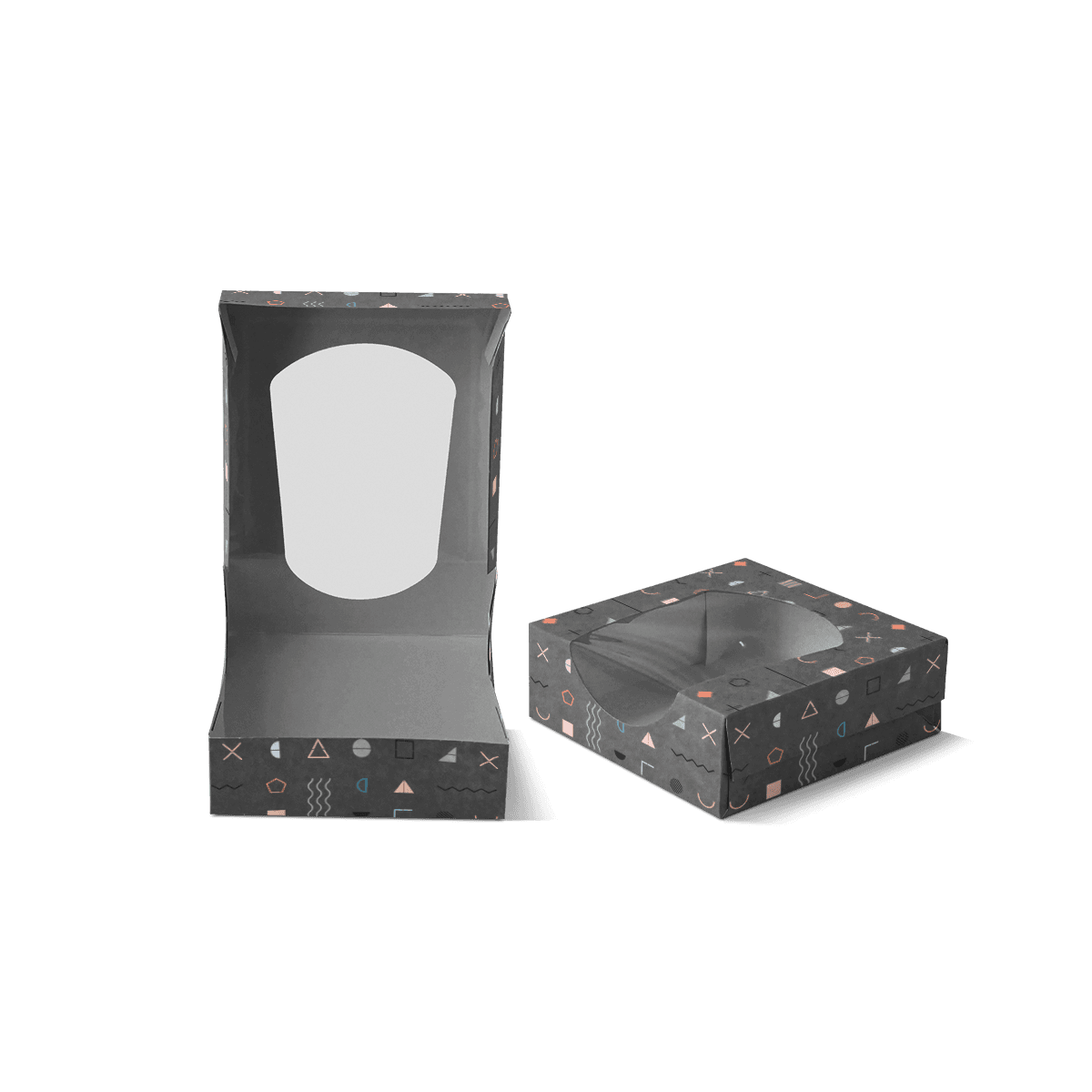
Cupcakes are highly visual, so a clear window can earn its place. The mistake is treating the window only as a graphic feature.

The patch, surrounding paperboard and any internal fold must remain outside the tallest frosting profile. A window that bows inward or sits too close to the product can undo the protection created by a carefully fitted insert.

A top window usually gives the strongest view of multiple decorated cupcakes. Side visibility can help show height, but it also places the cutout closer to frosting and removes board from a wall that contributes to carton stiffness.

When product visibility becomes the main merchandising job across multiple baked products, Window Bakery Boxes suit that display requirement.

For a carton whose structural identity comes from the die-cut viewing panel itself, Windowed Folding Cartons show how the opening has to coexist with folds, print space and panel strength.

The Insert and Outer Box Do Different Jobs

The insert controls individual cupcake movement. The outer carton carries the assembled load, protects the decoration from external contact and supplies most of the printable surface.

Paperboard is a practical starting point for many cupcake packs because it can store flat, print cleanly and form both the carton and insert. Folding cartons fit bakery applications where a lightweight paperboard structure can handle the finished count and carrying conditions.

A larger catering pack may need more base stiffness than a compact four-pack. The material decision should follow the filled footprint and handling method rather than assuming every count needs the same board.

White stock gives bright artwork a clean base. Kraft can suit simpler print and a natural paper appearance. Premium offset printing can support branded repeat production where color consistency and sharp graphics matter.

Grease Contact Happens in Two Places

Cupcake packaging has two different contact zones: the cupcake liner against the insert and the finished assortment against the outer carton environment.

Butter or oil can migrate through some liners over time, particularly around the lower cupcake body. Frosting, fillings and loose toppings can also contact the insert or carton accidentally during packing.

If food can touch the packaging directly, confirm the exact substrate, coating, ink, adhesive and window film for the intended contact condition. Do not assume suitability based only on the material name.

Food Packaging Mistakes to Avoid Before Ordering Custom Boxes addresses grease, moisture, fit and transport conditions that can affect bakery packs after they leave the counter.

Cupcakes and Muffins Need Different Headroom Logic

Cupcakes and muffins may use similar liners, but the finished tops behave differently.

A cupcake often carries soft frosting that extends upward and outward beyond the baked cake. That makes top and lateral clearance central to the carton. Muffins usually rely more on protecting the baked dome and controlling multipack movement without reserving the same amount of frosting space.

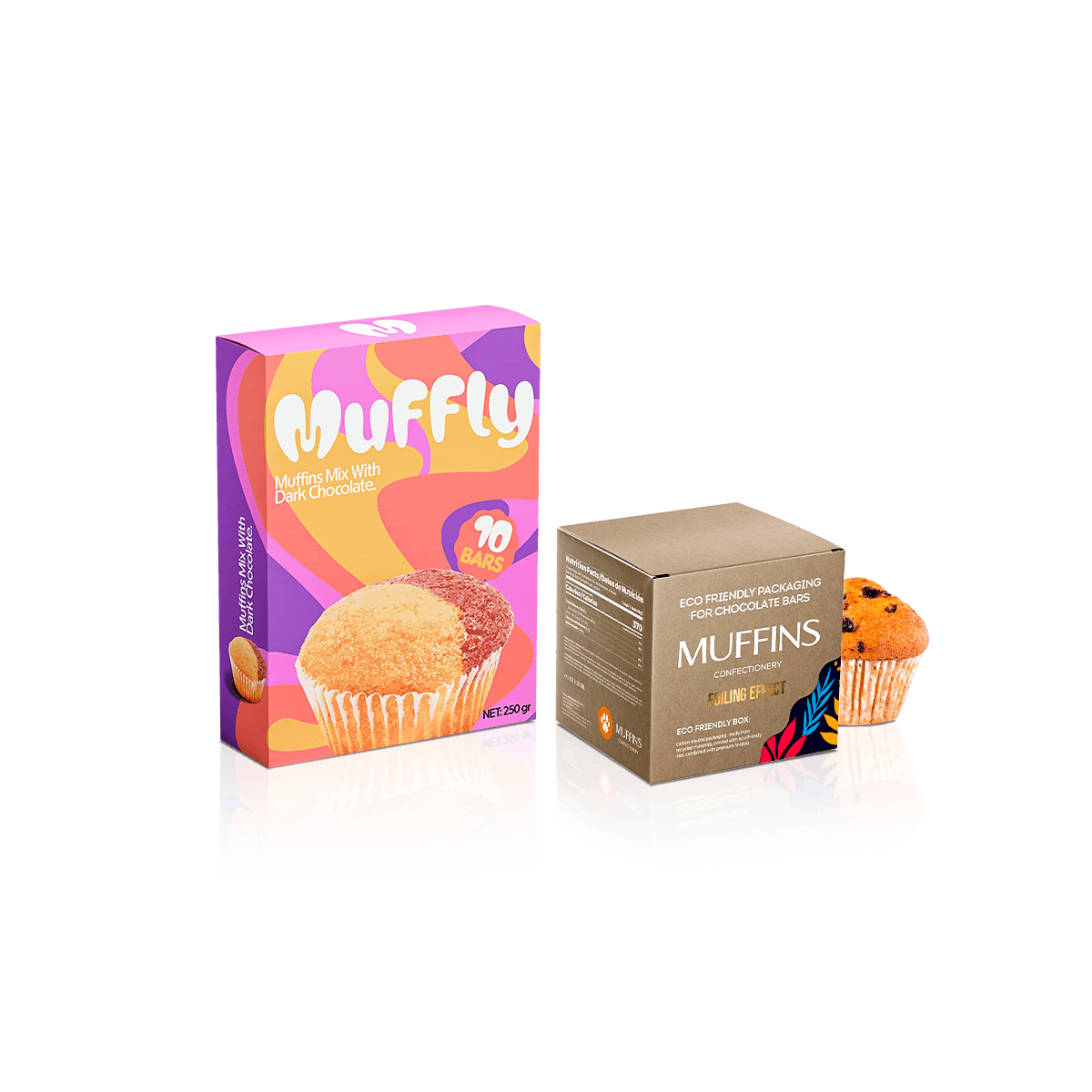
Muffin Boxes fit unfrosted or lightly topped products when dome protection and efficient multipack spacing matter more than tall icing clearance.

Trying to make one insert serve both products can work only when the actual dimensions overlap. Product names do not decide interchangeability. Liner diameter, top profile, cavity fit and carton height do.

Selling Context Changes the Best Cupcake Pack

A single cupcake purchased at a café counter has different packaging needs from a dozen moving to a wedding venue.

Individual cartons can put more emphasis on presentation and easy handoff. Four- and six-count boxes balance compact carrying with assortment selling. Twelve-count packs put more pressure on tray geometry and base stiffness because a larger group has to remain level as one unit.

Event and catering orders also introduce repeated handling. Multiple boxes may be loaded into a vehicle, carried into a venue and opened by staff rather than the original customer. A secure closure and predictable stacking footprint become more important in that workflow.

For grocery or refrigerated display, custom retail packaging can support the shelf-facing decisions around windows, labeling and merchandising.

The structural carton still has to solve the cupcake first. Retail graphics cannot compensate for an insert that allows the product to lean.

Price the Insert and Carton as One Unit

Cupcake-box pricing becomes more meaningful once the insert and count have been settled. Pricing an outer carton before the tray geometry is known can hide an important part of the structure.

Prepare the liner diameter, baked cupcake profile, widest frosting diameter, height from the insert plane to the highest decoration, desired count and expected quantity. Those measurements let the insert and carton be developed together rather than treating the holder as an add-on after the box size is chosen.

Custom Packly's USA MOQ starts from 100 boxes, which can be useful when one count is being introduced before a larger multipack program. Free design and dieline support and a free 3D mockup can help check the insert and carton relationship before production.

The Cupcake Should Release Cleanly at the Other End

Protection is incomplete if the customer damages the cupcake while trying to remove it.

Open a finished pack the way the recipient will. Check whether fingers can reach the liner, whether the wrapper drags against the cavity and whether lifting one cupcake risks touching the frosting beside it. In a multipack, repeat that check for center positions as well as the easy corner cavities.

The final insert geometry has to balance two opposing requirements. It must restrain the cupcake strongly enough during carrying, then release it easily when someone intentionally lifts it.

That is the last practical test for Custom Cupcake Boxes. If the cupcake stays upright on the journey, keeps clear of the lid and comes out without a fight, the carton and insert are doing their jobs as one package.

FAQs

The main solution is an insert that locks each cupcake into position. A fitted insert reduces sliding and keeps the decoration more intact during carrying.

Yes, especially when decoration drives impulse purchases. A clear window helps shoppers judge color themes, icing detail and assortment style without opening the box.

Cupcake Boxes are usually better for products with frosting or toppers because they prioritize upright placement and top clearance. Muffin Boxes often suit simpler bakery items that do not need the same decoration protection.

Paperboard is a practical starting point for everyday cupcake retail. The best grade depends on pack count and handling, and direct food-contact suitability should be confirmed for the exact stock and construction.

Not usually. Singles and small counts benefit from compact formats while catering and celebration orders often need wider footprints, stronger bases and more efficient multi-count insert layouts.

Process

How it works

Your Packaging Journey, From Idea to Production and Delivery

01

Tell Us Your Specs

Custom packaging boxes

Tell Us Your Specs

Provide size, quantity, printing, and finishes.

02

Get a Fast Quote

Custom packaging boxes

Get a Fast Quote

Instant transparent pricing, no hidden fees.

03

Design and Approval

Custom packaging boxes

Design and Approval

Artwork checks, revisions, and final sign-off.

04

Produce

Custom packaging boxes

Produce

Expert manufacturing to meet deadlines.

05

Ship to Your Door

Custom packaging boxes

Ship to Your Door

Hassle-free, flexible delivery options.

Get Your Quote for Custom Cupcake Boxes

Share your product details, size, quantity and artwork needs. We’ll help choose the right packaging style and send a clear quote.