Skip to content
Details

Custom One-Piece Fold-Up Boxes

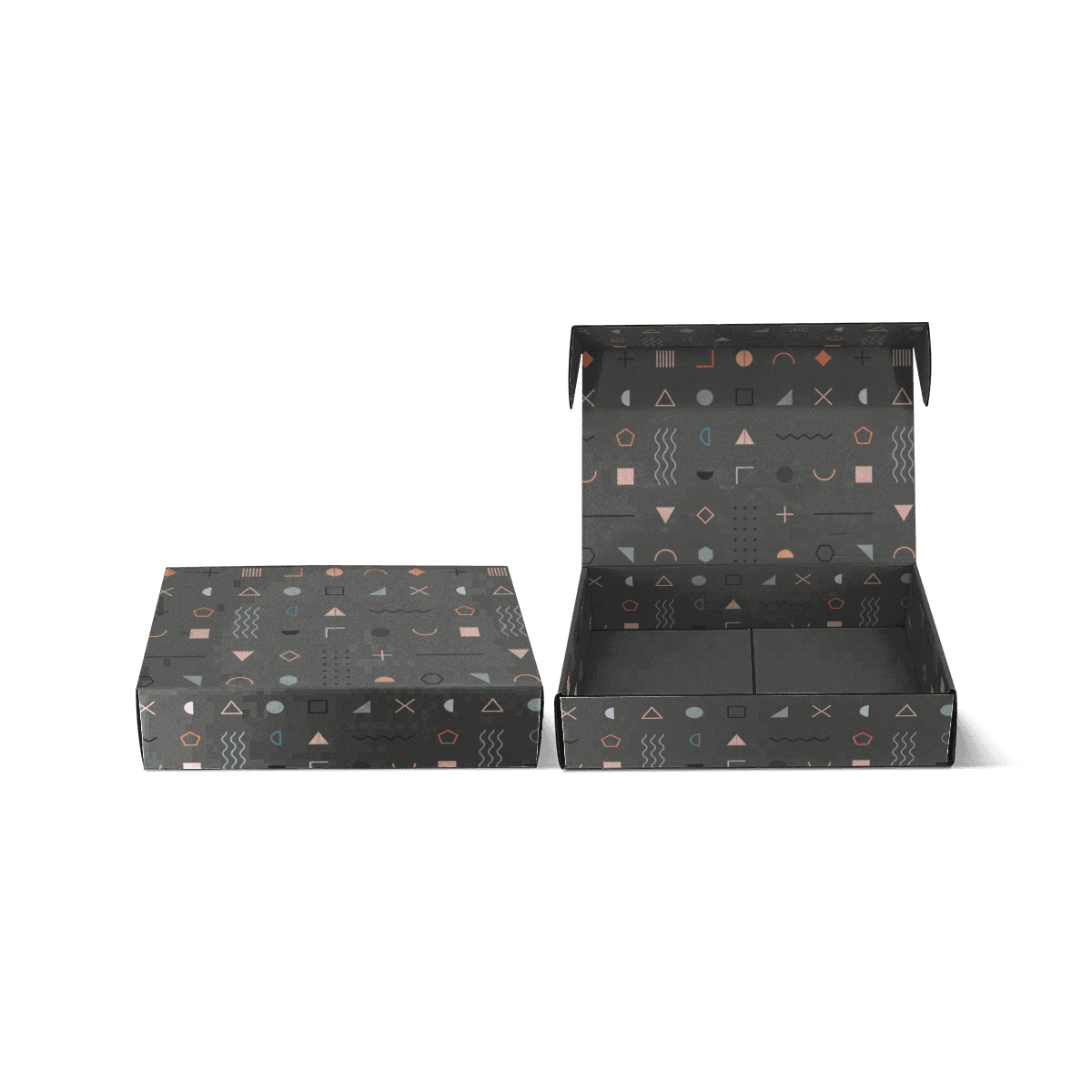
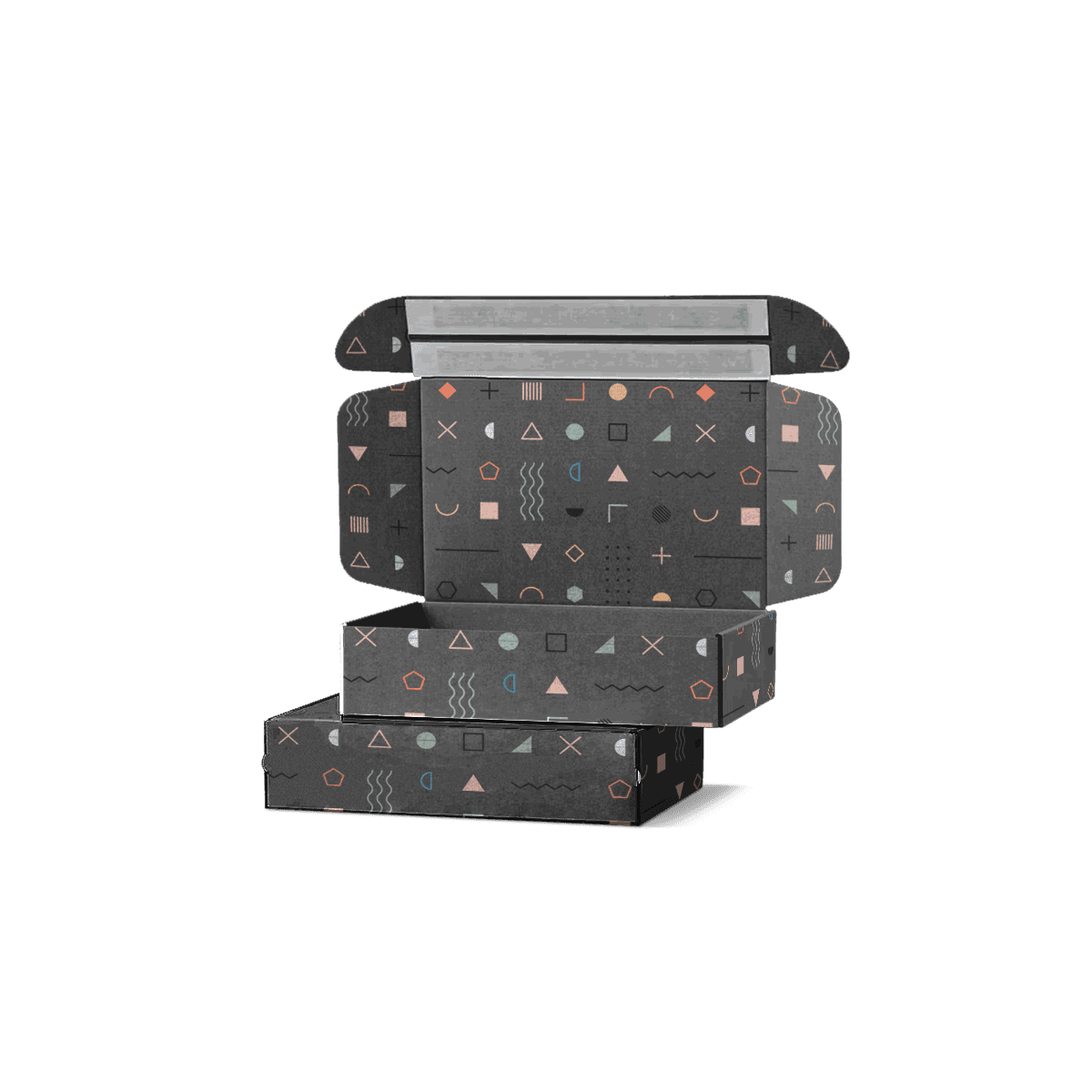
Single-blank corrugated shippers that fold around flat and shallow products, giving broad faces, edges and corners protection without forcing the item into a deep carton.
Dieline preview

Generate a One-Piece Fold-Up Box Dieline

Use custom dimensions to view the dieline for this box style and plan artwork with more confidence.

Bleed
Crease
Trim

No preview available

One-Piece Fold-Up Box

Calibrated controls

Current size312.5 × 220 × 62 mm
Preview scale100% centered
StateValidated
Next Step

Turn Your Dieline Into Custom Packaging

Share your box size, quantity, material, print and artwork details on the quote page. We’ll review your dieline and email your custom packaging quote with the dieline file.

Continue to quote

Load the Product Before the Walls Rise

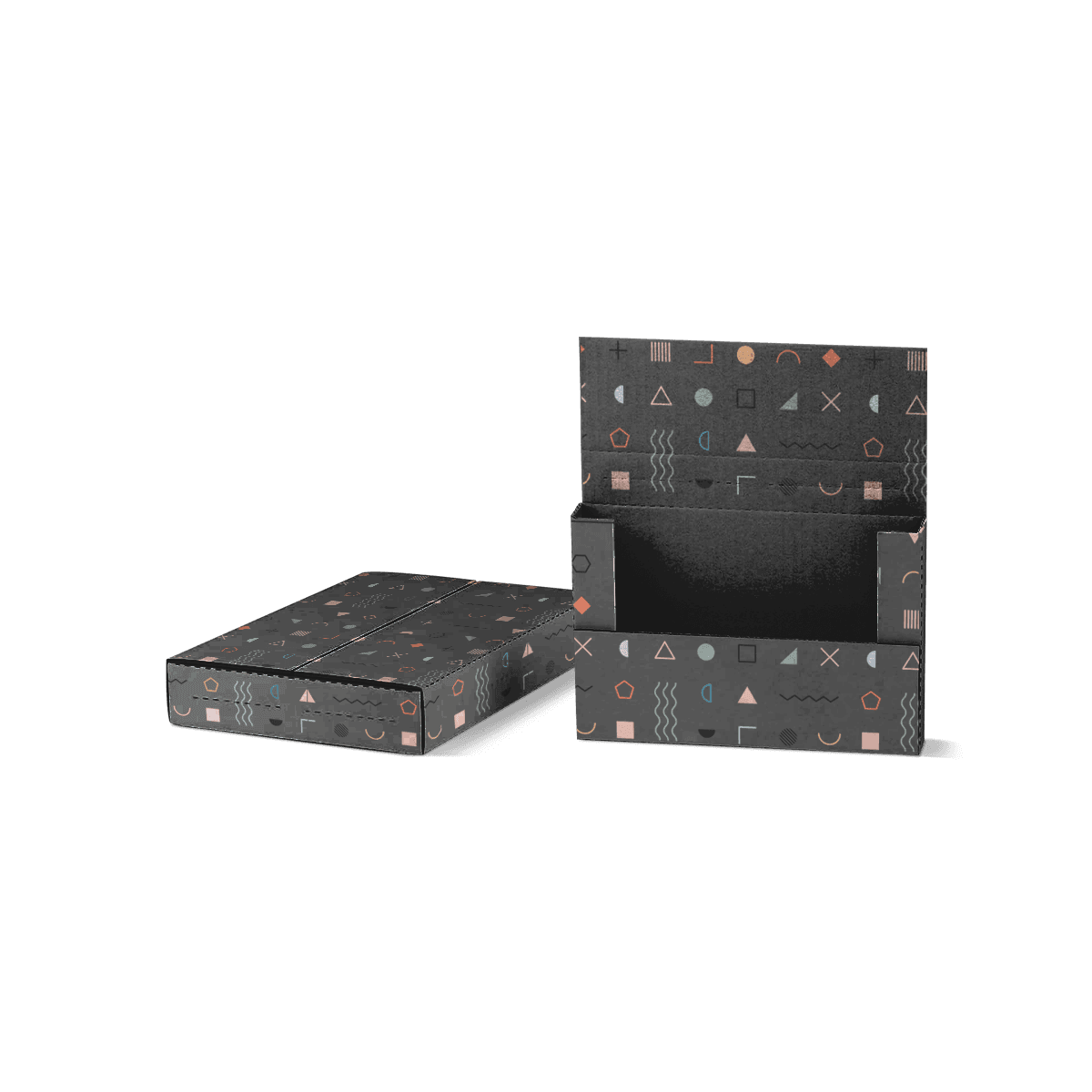
A one-piece fold-up box reverses the usual packing motion. Instead of forming a deep carton and lowering the product inside, the packer can place a flat or shallow item onto the central corrugated panel and fold the surrounding panels around it.

That loading behavior is the main reason to use Custom One-Piece Fold-Up Boxes.

Books, albums, framed pieces, printed sets, slim electronics, flat apparel packs and other low-profile products can be awkward to lower into conventional cartons. Their large face area and shallow depth often create empty space above the product while still leaving corners and edges exposed to handling.

A one-piece fold-up structure starts with an uninterrupted base beneath the item. Side and end panels then rise around the product, while upper flaps form the closing face.

This puts the package around the product rather than asking the product to fit through a preformed opening.

The structure sits under Shipping Boxes because its main job is transit protection for products whose footprint is much greater than their depth.
The Base Carries the Whole Face

The central panel is important because the product rests directly across it before the surrounding structure is formed.

For broad products, that uninterrupted support can be more important than deep sidewalls. A book, framed print or flat accessory set may have little vertical height but a large surface that can flex, scuff or concentrate load at its edges.

The base should therefore follow the actual product footprint closely.

Leave Loading Clearance at the Edges

An exact zero-clearance fit can make packing unnecessarily difficult.

The product needs enough room for normal manufacturing tolerances, protective sleeves or wrapping and the movement required while the side panels are folded upward.

Too much clearance creates a different problem. The item can slide before the surrounding flaps are secured, letting one corner repeatedly strike the corrugated edge during handling.

The aim is controlled working clearance, not an oversized cavity.

Do Not Measure the Bare Product

A framed piece with corner guards is larger than the frame itself. A book wrapped in tissue or a protective sleeve gains thickness. A tablet packed with a slim accessory pad changes both height and local pressure points.

Dimensions should follow the shipment in its final packing state.

That is especially important because shallow packaging has less spare depth to absorb late additions.

Depth Is a Profile Decision

One-piece fold-up boxes work best when the product remains relatively shallow compared with its length and width.

As depth increases, the surrounding flaps need to travel farther and the package starts behaving less like a close wrap and more like a conventional box. More corrugated is consumed in the side structure, the upper closure becomes larger and product movement becomes harder to control with the outer blank alone.

The question is not whether a deeper one-piece folder can physically be made. It is whether folding a sheet around the product still gives a cleaner shipping system than erecting another structure.

A low-profile product should normally sit close enough to the upper panels that unnecessary headspace does not become part of the shipment.

If several products create a genuinely deep load, a Regular Slotted Container may give the packing team a more natural top-loading carton.

The Closing Flaps Protect the Upper Face

In a conventional one-piece folder construction, panels extend upward from the base and fold across the product to form the top.

That creates an important design decision: how those upper panels meet or overlap over the shipment.

The closure has to secure the product without concentrating pressure on a vulnerable face.

A hardcover book can tolerate different surface pressure from a framed print, coated presentation piece or slim electronics product. The board, closure and any internal pad should follow what lies directly beneath the top seam.

Keep Hard Seams Away From Vulnerable Areas

If the closing line sits directly above a delicate display surface, pressure from tape application, stacking or handling may transfer into the product.

A thin protective pad can spread that load when needed. For more fragile items, corner protection or a fitted internal component may matter more than increasing the outer board grade.

The outer blank and the inside protection solve different problems.

Packaging inserts can help when positioning or cushioning is needed in addition to the wrap-around corrugated structure.

Flat Products Usually Fail at Corners First

A broad product does not need much room to build damaging momentum. A small amount of lateral movement can still drive a rigid corner into the surrounding board.

This is common with books, plaques, frames, flat electronic accessories and boxed printed pieces. The center of the product may remain untouched while one corner absorbs repeated handling force.

A good fold-up box brings the corrugated structure close enough to the product perimeter that movement is limited before the corner gains speed.

Corner protection becomes even more important when the packed item has a hard edge that can cut or crush the surrounding board from inside.

Reducing shipping damage through structure and fit starts with controlling that movement before simply adding more filler.

Wrap-Around Packing Can Expose the Wrong Orientation

Consider a company shipping a hardcover presentation book with a small sample envelope fixed inside the rear cover.

The first box specification matches the book’s length and width closely. During trial packing, however, the thicker bound edge is placed against one end flap while the lighter open edge sits at the opposite side.

When the upper panels close, the extra thickness at the spine changes how the box sits. One side of the top rises slightly and the finished pack no longer feels flat.

Rotating the book 90 degrees changes where that local thickness falls relative to the folds. A small dimensional adjustment then lets the flaps close without forcing the spine downward.

Nothing about the outer length and width was fundamentally wrong. The problem came from treating a supposedly flat product as if its thickness were uniform.

For one-piece fold-up packaging, product orientation can be part of the structural specification.

Face Protection and Edge Protection Are Different

The surrounding flaps naturally create corrugated coverage around the perimeter, but a large flat face may still need separate consideration.

Artwork, polished surfaces, coated covers and screens can suffer from rubbing even when the box itself remains intact.

Tissue, a protective sleeve, a paperboard pad or another non-abrasive layer can isolate the surface from direct corrugated contact where that matters.

Fragile products may need more than surface separation.

A glass-fronted frame, for example, can have excellent edge fit and still require cushioning against impact. A one-piece fold-up box should not be treated as a replacement for shock protection merely because it follows the product closely.

Custom Packly’s packaging capabilities can coordinate corrugated board, protective components and print after the product’s actual failure risks are understood.

Literature Is Only One Use Case

Printed material is a natural fit for this structure, but One-Piece Fold-Up Boxes should not collapse into the same topic as Literature Mailers.

Literature Mailers focus on catalogs, folders, manuals and document-led packs where broad-panel support, clean edges and organized printed contents dominate the decision.

One-piece fold-up boxes own the shipping structure itself: a product sits on a flat base and corrugated panels fold around it.

That distinction opens the format to flat apparel bundles, plaques, photo products, framed items, slim retail cartons, maintenance kits, tablet accessories and other shallow goods that are not primarily literature.

The product shape determines whether the wrap-around construction makes sense, not the industry label attached to the shipment.

Custom Die Cutting Solves a Different Problem

Every one-piece fold-up box requires a cut-and-crease pattern, but that does not make its main purpose the same as a highly customized die-cut shipper.

Die-Cut Shipping Boxes become the stronger direction when unusual tabs, retaining panels, access features or product-specific interior geometry drive the package.

A One-Piece Fold-Up Box can remain structurally straightforward.

Its value comes from the single blank, uninterrupted loading surface and fold-around action. Extra cut features should be introduced only when the product needs them.

This prevents a simple flat-product shipper from becoming unnecessarily complicated on the production line or packing bench.

One Blank Simplifies Component Control

The box arrives as one corrugated blank rather than a separate lid and base.

That reduces the number of outer packaging pieces the packer has to locate and match before an order can be completed.

For operations handling several box sizes, that can make workstation organization easier. Each blank represents one complete outer structure.

The benefit should not be overstated, however. A one-piece blank can still need pads, inserts, sleeves or tape depending on the product and closure.

The goal is fewer unnecessary components, not zero components at all costs.

A separate protective piece earns its place when it solves a job the corrugated blank cannot.

Storage Efficiency Depends on Blank Size

One-piece fold-up boxes remain flat before packing, but a broad flat product creates a broad corrugated blank.

That distinction matters in warehouse planning.

The erected package may be only an inch or two deep, yet the flat blank can extend well beyond the product footprint because the side, end and closing panels all spread outward before folding.

Storage volume may still be efficient compared with pre-assembled packaging, but workstation area and blank dimensions should be considered.

A packing station handling large framed products needs enough clear surface to lay the blank flat, position the item and fold the panels without colliding with neighboring work.

The physical packing motion should be tested at the scale that will actually be used.

Price the Footprint and Fold Pattern

A useful quote starts with the packed product dimensions, not the dimensions of an existing oversized box.

Share the product length, width and finished depth after any protective components are added. Weight matters because the corrugated specification still has to support the shipment during handling and stacking.

Also identify any surface that cannot tolerate rubbing, any corner guards or pads and the intended exterior or interior print.

Custom One-Piece Fold-Up Boxes can start from 100 units. Free shipping and transparent pricing make it easier to compare the close-wrap blank against a deeper carton carrying unused space.

Once the footprint, depth, board and printing are established, an instant custom packaging quote can price the actual blank rather than a deeper carton carrying unused space.

For larger programs, warehousing and scheduled deliveries can help stage packaging supply around fulfillment demand.

Score Placement Controls the Wrap

Crease positions determine where the corrugated board changes direction around the product.

If the scores do not match the intended packed depth, the panels may fold before reaching the product edge or press too tightly against it.

This is particularly visible on rigid flat products. Unlike soft goods, they cannot compress to forgive a poorly positioned fold.

A correctly prepared packaging dieline maps the central panel, side folds, end panels and upper closure before artwork is placed.

The Dieline Generator supports One-Piece Fold-Up Boxes when product dimensions are ready for a structural starting point.

Custom Packly also includes design and dieline support plus free 3D mockups, which can help teams inspect panel relationships before production.

Print Has a Large Unbroken Surface

The broad panels on a one-piece folder can carry branding, handling marks, product identification or ecommerce graphics without requiring a separate printed sleeve.

The flat construction also creates an artwork challenge. Much of the blank changes orientation after folding.

A panel that appears beside the product on the dieline may become an exterior side, an upper flap or part of the closing face when assembled.

Artwork should therefore be evaluated on both the flat blank and the finished shipper.

Premium offset printing can support controlled brand color and detailed graphics when the order calls for it. Outside print is often the practical priority for a shipping box, though selected interior surfaces can carry artwork when the opening sequence makes them visible.

If printed branding becomes a major part of the delivery experience, Custom Printed Boxes can coordinate the structural and artwork requirements as one production specification.

Test the Fold Around the Actual Item

A flat structural sample can tell you whether the scores and cuts exist in the right places. It cannot tell you how the complete pack behaves until the real product is placed on the center panel.

Pack the intended item with any sleeves, pads, corner pieces or inserts.

Fold the end and side panels in the normal order. Secure the closure using the planned production method. Then check whether the item shifts, whether corners sit under excessive pressure and whether the upper face remains flat.

The strongest validation is the complete shipping unit, not the blank by itself.

Packaging testing becomes especially relevant when a fragile surface, hard corner or unusual shipping route makes the interaction between the product and corrugated wrap uncertain.

Free sample examples of previous work can help assess general production quality. A paid fully custom pre-production sample can be arranged where the exact size, folding behavior and packed performance need physical approval.

Assign This Box to the Right Product Profile

The best way to standardize One-Piece Fold-Up Boxes is by product profile rather than by a generic shipping-box label.

Group items that share a broad footprint, shallow depth and similar edge-protection need. A book and a flat electronics kit may use different artwork and internal pads while still belonging to the same structural logic.

Products that become substantially deeper, heavier or more irregular should move to another shipping structure rather than forcing the folder beyond the job it handles cleanly.

That boundary keeps the box simple.

For a one-piece fold-up project, Custom Packly's packaging team can challenge added features against the flat-product loading job. The most important question is not how many features can be added to the blank.

It is whether the product is better protected by lying on the corrugated first and having the box fold around it.

FAQs

It matters because fewer separate parts usually mean quicker setup, smoother hand packing, and less confusion on busy fulfillment lines.

Yes. When the item is slim, flat, or spread across a wider footprint, this format often gives a neater fit and avoids unnecessary empty headspace.

Choose One-Piece Fold-Up Boxes when the shipment needs broader wraparound coverage or a more tray-like fold structure. Literature Mailers are often the better choice for slim documents, books, and flatter mailed pieces with a more traditional mailer profile.

This style can help. A closer-fitting box often reduces the need for extra filler, especially when the product already matches the box footprint well.

Yes, that is possible. Paperboard pads, corrugated inserts, or simple fitments can be added when the shipment includes multiple components or needs cleaner separation.

Process

How it works

Your Packaging Journey, From Idea to Production and Delivery

01

Tell Us Your Specs

Custom packaging boxes

Tell Us Your Specs

Provide size, quantity, printing, and finishes.

02

Get a Fast Quote

Custom packaging boxes

Get a Fast Quote

Instant transparent pricing, no hidden fees.

03

Design and Approval

Custom packaging boxes

Design and Approval

Artwork checks, revisions, and final sign-off.

04

Produce

Custom packaging boxes

Produce

Expert manufacturing to meet deadlines.

05

Ship to Your Door

Custom packaging boxes

Ship to Your Door

Hassle-free, flexible delivery options.

Get Your Quote for Custom One-Piece Fold-Up Boxes

Share your product details, size, quantity and artwork needs. We’ll help choose the right packaging style and send a clear quote.