Skip to content
Details

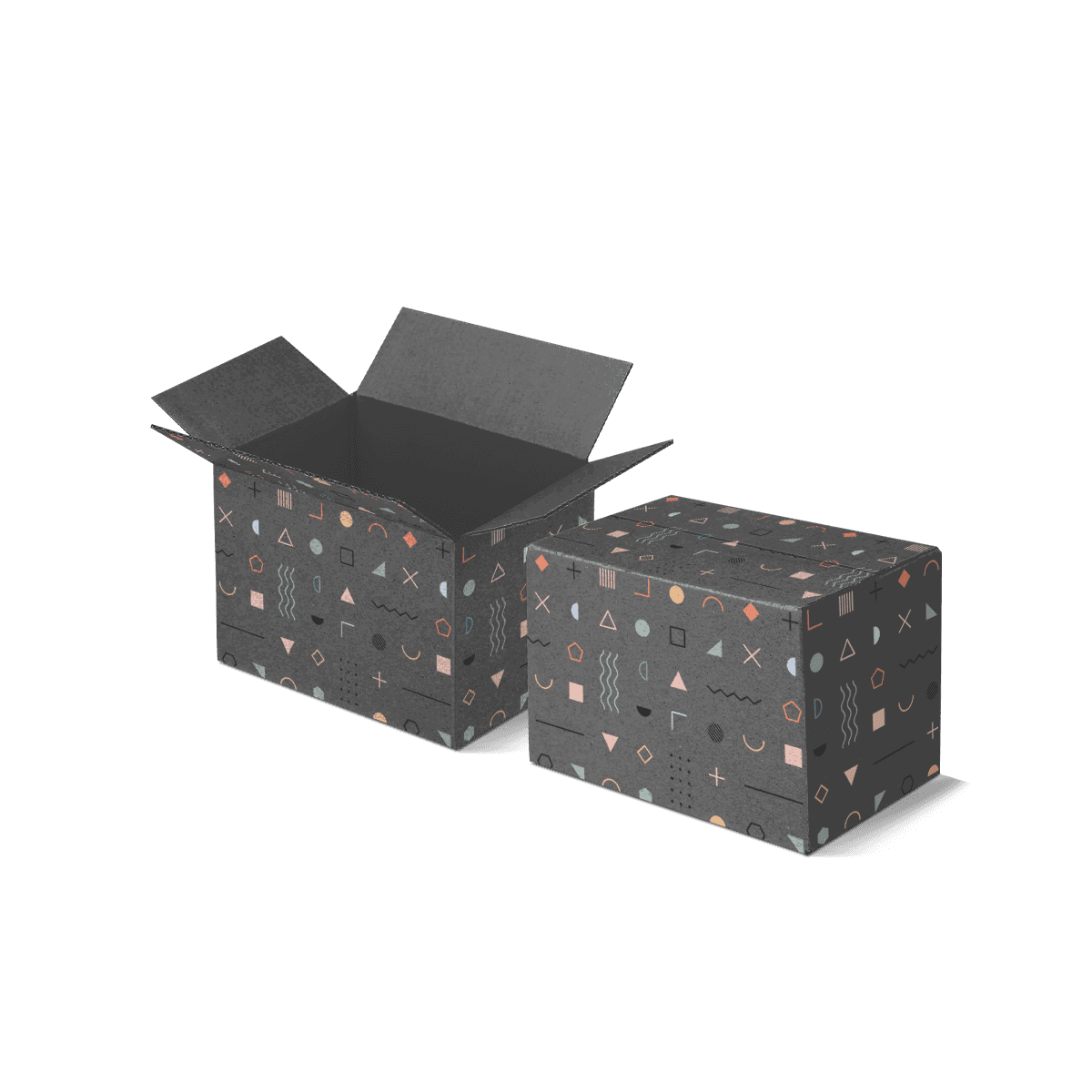
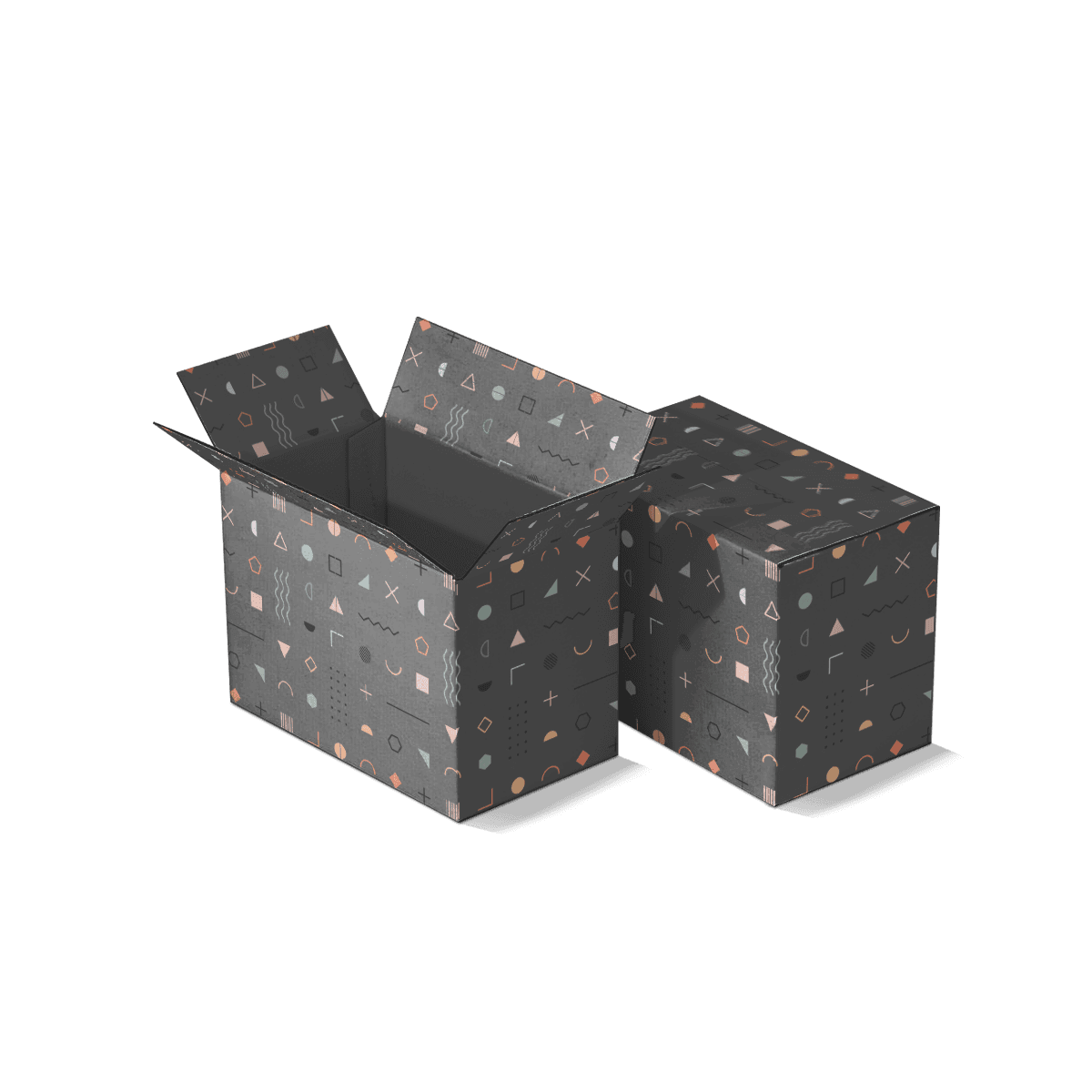
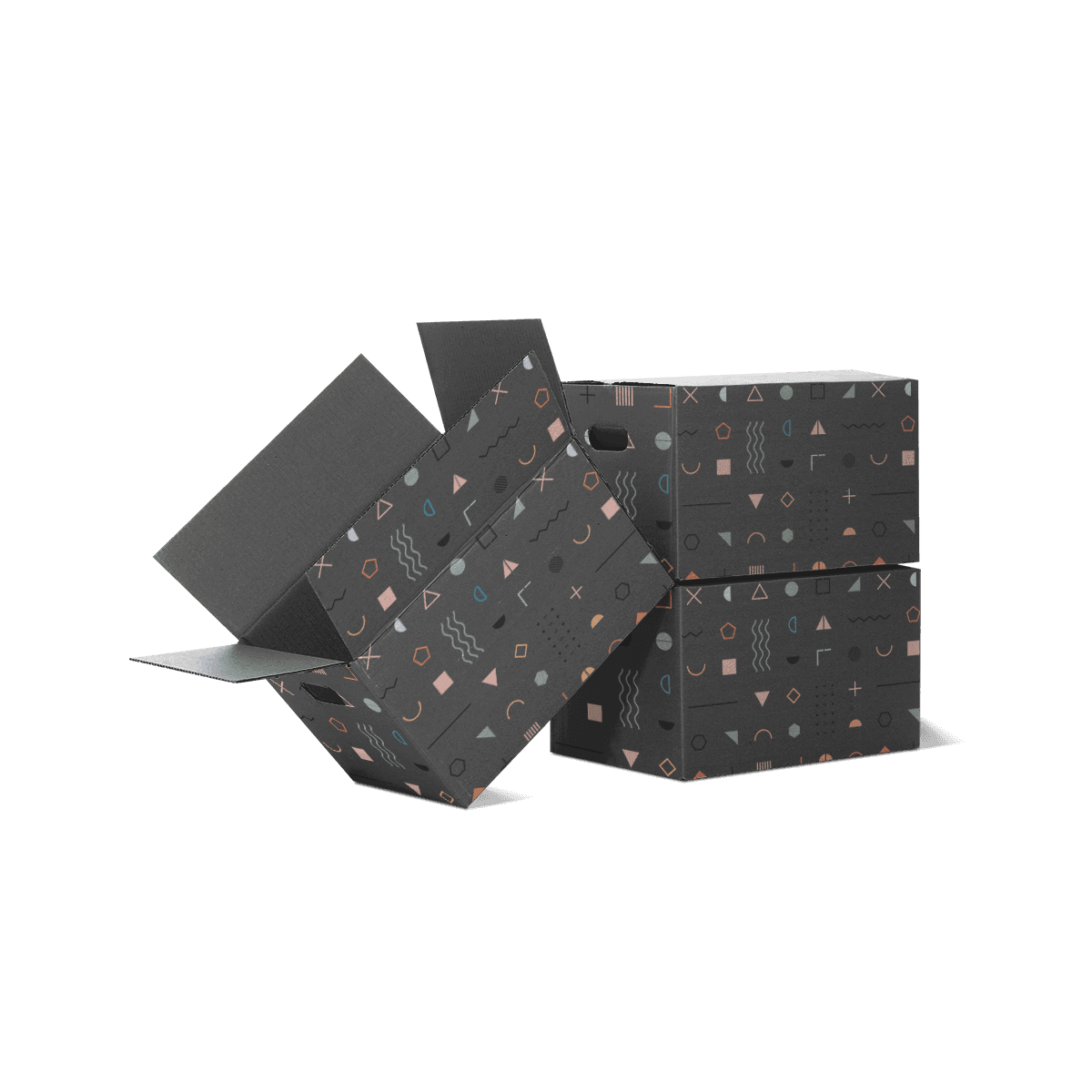
Custom Regular Slotted Containers (RSC)

The standard center-seam corrugated case suits operations that prioritize predictable taping, right-sized case packing, stacking and repeat warehouse handling.
Dieline preview

Generate a Regular Slotted Containers (RSC) Dieline

Use custom dimensions to view the dieline for this box style and plan artwork with more confidence.

Bleed
Crease
Trim

No preview available

Regular Slotted Containers (RSC)

Calibrated controls

Current size300 × 150 × 180 mm
Preview scale100% centered
StateValidated
Next Step

Turn Your Dieline Into Custom Packaging

Share your box size, quantity, material, print and artwork details on the quote page. We’ll review your dieline and email your custom packaging quote with the dieline file.

Continue to quote

Center Seam Keeps Packing Simple

An RSC earns its place at the tape station. The two outer flaps meet along the center at the top and bottom, giving packing teams a predictable seam to close without special locking tabs, glued lids or a more complex die-cut assembly.

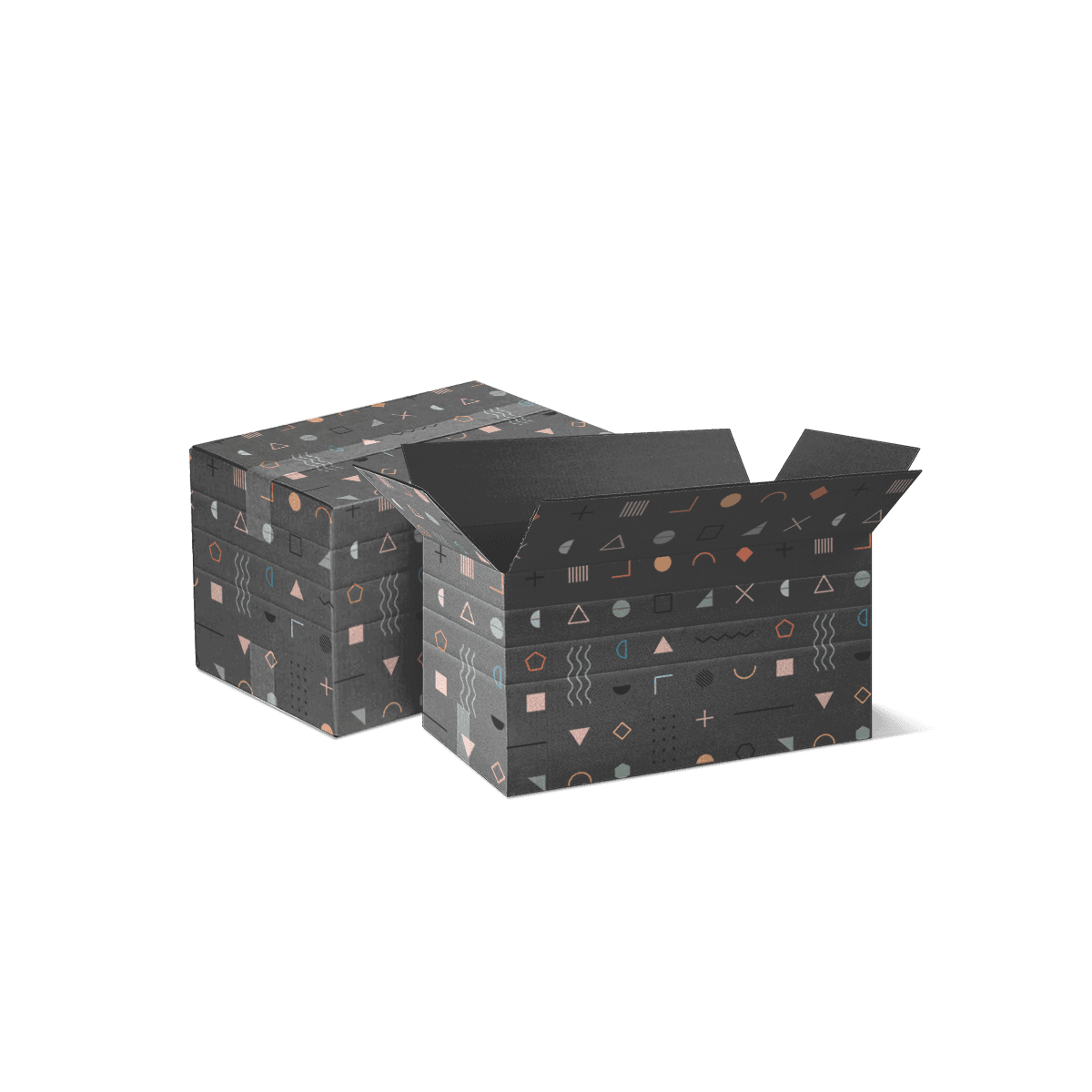
Custom Regular Slotted Containers (RSC) are corrugated shipping cases made from a slotted blank with equal-depth flaps. The shorter inner flaps fold inward first, then the two outer flaps meet at the center and are normally secured with tape. That simple geometry is why the style works so well for case-packed goods, warehouse replenishment and general distribution.

Within shipping boxes, RSC should be the starting point when the product fits a rectangular corrugated case and the operation values straightforward erecting, filling, sealing and stacking over a specialty opening system.

The Inner Flaps Do Not Carry the Whole Close

A common shorthand says all four flaps meet in the middle. In a standard RSC, the two outer flaps create the center seam. The inner flaps support the closure from below but usually do not span the full opening.

That distinction matters when heavy contents, loose parts or top pressure are involved. The closure system depends on the corrugated case, the tape and the packed load working together.

Simple Structure Still Needs Correct Setup

The box may be simple, but poor squaring creates trouble. If an RSC is opened out of square, the top flaps can fight each other, tape may sit off-center and the finished case can stack unevenly.

Packing teams should be able to open the case, square the corners and bring the outer flaps together without forcing the panels into alignment.
Size the Empty Space Out

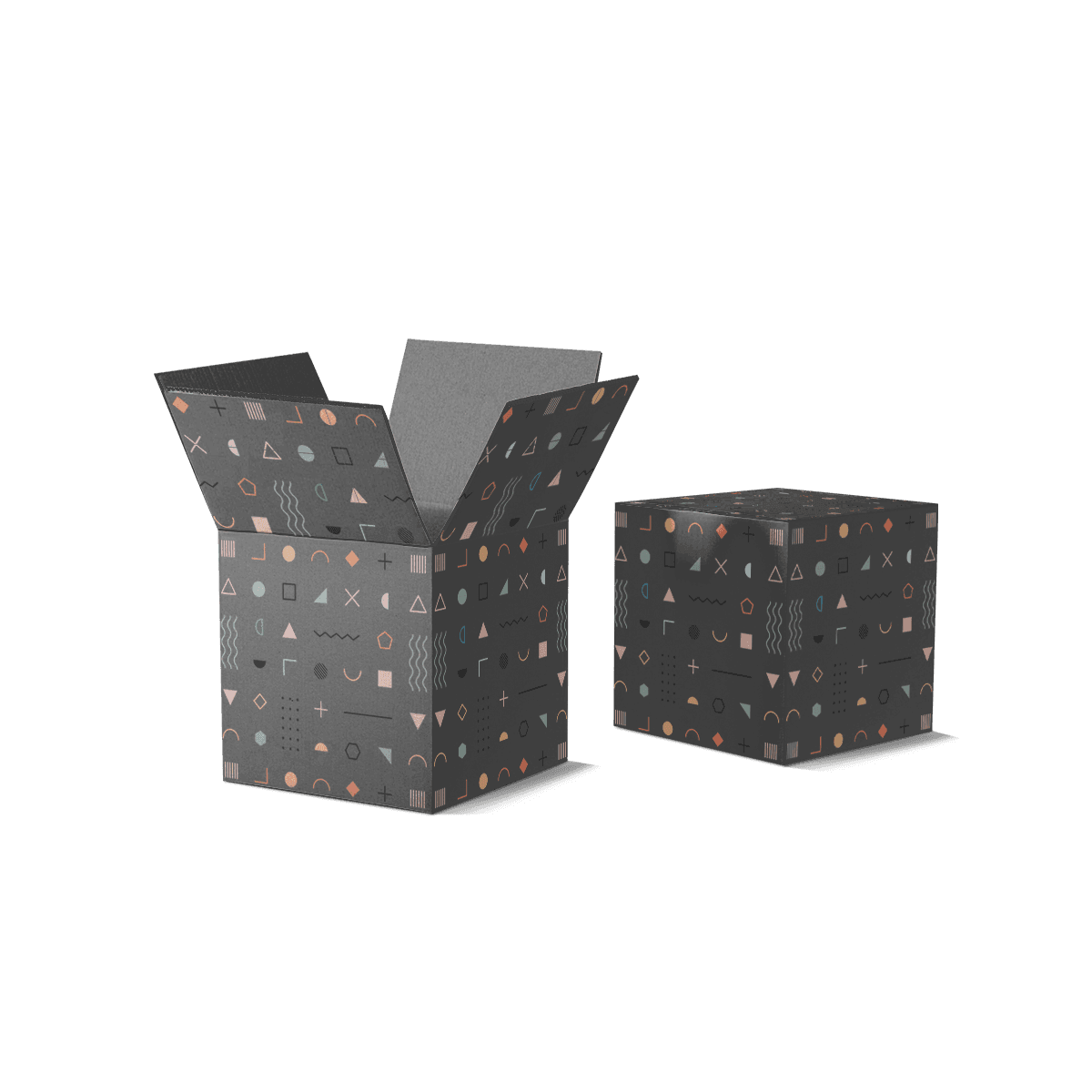
The cheapest-looking RSC is not necessarily the lowest-cost shipper once filler, freight cube and product movement are included. Right-sizing is one of the most useful improvements available because the structure itself is already simple.

Internal length, width and height should follow the packed product arrangement, including dividers, protective pads and the space needed for loading. Do not size only around the largest loose item if the products will always ship in a defined case pack.

The Dieline Generator supports Regular Slotted Containers (RSC), so dimensions can be checked against the actual slotted layout before artwork or production details are finalized.

Headspace Is a Structural Variable

Extra height looks harmless until boxes are stacked.

If the contents stop far below the top panels, the corrugated shell carries more of the vertical load by itself. Too much headspace can also allow products to bounce upward or require additional void fill just to stop movement.

Reduce unused height where possible. If the same footprint frequently ships at several pack heights, multi-depth boxes may be more efficient because their score lines let the packing team reduce carton depth without stocking a completely different footprint.

Compression Starts at the Corners

An RSC does not become strong simply because the board feels thick. Vertical compression is carried through the corrugated panels and corners, so box dimensions, flute, wall construction, score lines, humidity, stacking alignment and product support all influence real performance.

For that reason, board should be selected around the packed case and the distribution environment rather than from one strength number alone.

The differences among corrugated, paperboard, kraft and rigid board help separate shipping materials by strength, print surface and presentation, while the exact corrugated specification should reflect product weight, stacking and transit exposure.

Single Wall and Double Wall Solve Different Loads

Single-wall corrugated can be appropriate for many ordinary shipping jobs. Denser products, longer storage periods or higher stacking loads may justify double-wall construction.

The decision should come from the failure risk. If the concern is edgewise compression during stacking, the corrugated specification needs enough vertical strength. If puncture, impact or very dense contents are the main issue, another board combination or even another box style may be more appropriate.

When shipments move beyond general-purpose RSC duty, heavy-duty shipping boxes provide a clearer path for demanding loads rather than simply overspecifying every RSC.

Tape Is Part of the Box

An RSC closure is not complete when the flaps touch. Tape placement, width, adhesion and application consistency are part of the shipping system.

The center seam gives a clean target, which suits manual tape guns and standard carton-sealing workflows. But tape cannot compensate for dirty surfaces, dusty board, badly squared cases or flaps being held under pressure by overfilled contents.

Do Not Force the Top Shut

If the product or void fill pushes the top panels upward, the tape has to hold constant opening pressure. That is a packaging-fit problem, not a request for stronger tape.

Recheck packed height first. Compressible cushioning should still leave enough room for the flaps to lie naturally. Rigid items should not touch the top panels unless the package has specifically been designed for load transfer.

The principles in reducing shipping damage through structure and fit apply directly to RSC programs: control movement, avoid oversized cases and match protection to the actual product.

Case Pack Comes Before Pallet Pattern

RSC dimensions should support the way products are grouped, handled and stacked, not just the dimensions of one unit.

If six bottles always ship together, build the case around that six-count arrangement instead of sizing from one bottle and filling the rest with loose material. If twelve retail cartons form one replenishment case, arrange the case so they load quickly and stay stable without excessive voids.

Once case count is fixed, pallet use becomes easier to evaluate. A box with awkward dimensions can create wasted pallet area, overhang or unstable stacking even when the individual case is strong.

Do Not Chase Pallet Efficiency at the Product's Expense

A slightly different case dimension may improve pallet utilization, but it should not crush the contents, remove necessary cushioning or create a pack that employees struggle to load.

The case, product count and pallet pattern have to work as one system. Where warehouse replenishment and repeated stock movement are central, MRO packaging is especially sensitive to clear labels, stackability and repeatable case quantities.

Dividers Control Mixed Loads

RSCs are efficient outer containers, but they do not automatically stop products from colliding with one another.

Partitions, corrugated pads, paper cushioning or other inserts can create defined positions when a shipment contains bottles, components, jars, hardware or several smaller retail packs. The insert should solve a specific movement or contact problem rather than simply fill empty space.

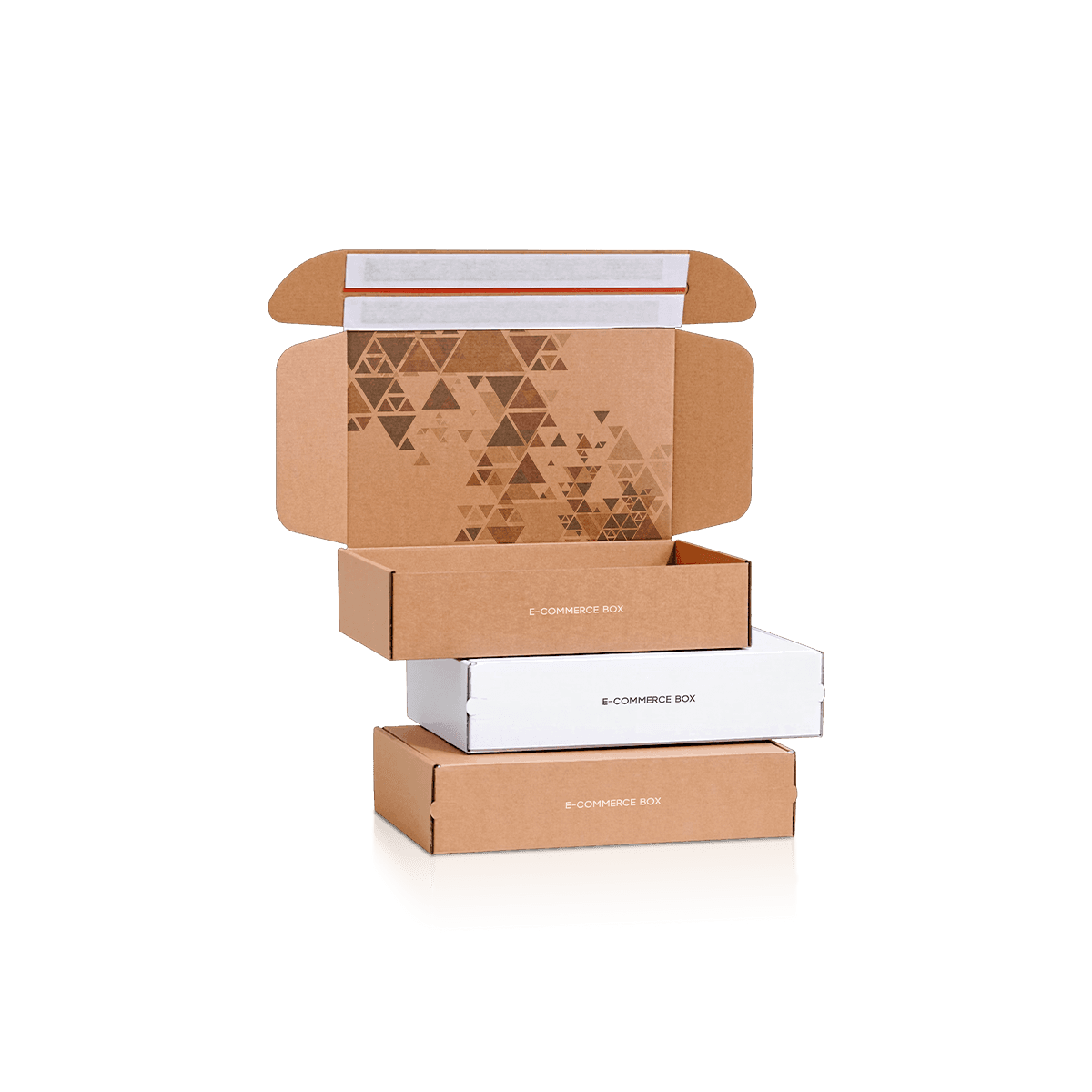
For ecommerce and recurring order combinations, standard e-commerce boxes show the operational value of repeatable box sizes and stable packouts across frequently shipped orders.

Internal Support Can Improve Stacking Too

Contents that fill the case consistently can help the package behave more predictably under stacking than a loosely packed box with large unsupported spaces.

That does not mean the product should be used as structural bracing without protection. Fragile goods still need controlled contact points, and inserts should distribute load rather than concentrate it on a weak component.

When protection is uncertain, custom packaging testing can check the complete packed system, including movement, compression, stacking, glue, folds and environmental conditions rather than judging the empty box alone.

Print for Handling, Not Decoration

RSC printing often has an operational job before it has a decorative one. Product codes, barcodes, orientation marks, handling instructions, destination identifiers and warehouse labels can matter more than a highly finished retail graphic.

That does not prevent branded print. Kraft or white outer liners can carry logos, instructions and distribution graphics, and repeat print standards can help cases remain identifiable across warehouses, retailers or customer deliveries.

Keep carrier labels and operational labels in clear zones. Do not place important artwork where tape, pallet labels or repeated abrasion will hide it.

For higher-volume RSC programs, bulk custom boxes become relevant when dimensions, artwork versions and repeat production need to stay controlled across several case sizes.

RSC Has a Clear Limit

Regular slotted containers are useful because they do not try to solve every shipping problem.

If top and bottom reinforcement becomes the main need, Full Overlap Boxes (FOL) add more corrugated coverage across those panels. That extra board can make more sense for dense contents, stronger stacking demands or products vulnerable at the top and bottom.

If the product shape needs tabs, integrated retention or a more engineered fit, die-cut shipping boxes move away from the basic slotted case and let the structure follow the product more closely.

The decision rule is practical:

  • stay with RSC when rectangular case packing, taping and operational simplicity solve the job;
  • move to FOL when additional top-and-bottom coverage is justified;
  • move to heavy-duty construction when the corrugated strength requirement has clearly increased;
  • move to die-cut when product geometry or integrated retention becomes the real problem.

A standard structure is efficient only while it still matches the risk.

Headspace Can Collapse a Good Stack

Consider a warehouse shipping six refill bottles in an RSC originally sized for eight. The smaller order still fits, so the operation keeps using the existing box and adds paper above the bottles.

At the packing table, everything looks acceptable. The case closes easily and the products do not rattle much.

The problem appears in storage. Because the bottles stop well below the top of the case, the upper panels span a larger unsupported space. As identical cartons are stacked, some top panels begin to dish downward and the upper cases sit less evenly.

The first response might be to increase the corrugated grade.

A better first correction is to reduce the case height or use a pack arrangement that supports the intended six-count shipment more closely. A divider or top pad can help where product contact needs control, but filler should not be used to disguise a box that is simply too tall.

Once the case dimensions match the real count, board strength can be evaluated for the actual stacking job instead of compensating for unused volume.

Volume Changes the Buying Logic

RSC is well suited to repeat shipping because the structure is simple to standardize. At higher quantities, the important variables become case size, board specification, print version, tape workflow and delivery schedule.

For repeat RSC programs, warehousing and scheduled deliveries can keep larger corrugated runs from consuming too much floor space at once. Plan production quantity around case usage, replenishment frequency and available storage rather than ordering only by unit price.

A free 3D mockup can help confirm proportions and print layout. When compression, fit or a specific packing sequence carries more risk, a physical custom pre-production sample can be used where appropriate.

For pricing, send dimensions, board direction, quantity and print requirements through the instant custom packaging quote. The resulting price can reflect the actual RSC instead of a generic shipping-box assumption.

Repeatable Case Packing

The strongest RSC program is not the one with the most complicated specification. It is the one warehouse teams can repeat without interpretation.

Record the approved internal dimensions, packed count, product orientation, board construction, divider or pad arrangement, tape method, print revision and pallet direction together. Those decisions determine how the case behaves far more than the words "regular slotted container" by themselves.

The next order should reproduce the same packing logic. Employees should know how many units belong in the case, where they face, what internal support is required and how the sealed carton should sit in storage or on a pallet.

If product count changes often, revisit the box depth instead of carrying excessive headspace forever. If weight rises, revisit corrugated strength. If the contents become fragile or irregular, revisit the internal protection or structure.

RSC works because the geometry stays simple. The value comes from making the product fit, case count, closure and distribution workflow equally disciplined.

FAQs

Because they are efficient. RSC boxes are easy to manufacture, quick to assemble, and flexible enough for many shipping applications without adding structural complexity.

Both can work. Some buyers use RSCs as plain utility cartons, while others choose printed versions for cleaner identification, channel branding, or retail replenishment.

Choose Regular Slotted Containers (RSC) when the product is straightforward to pack and operational simplicity matters most. Die-Cut Shipping Boxes are the better choice when the pack needs tighter geometry, integrated retention, or a more engineered opening and closure system.

Start with product weight, stacking conditions, and shipping distance. Light orders may only need a standard corrugated wall, while denser shipments can require heavier board or double wall corrugated.

It depends on the product fit. Stable rectangular items may ship well with little added material, but fragile, mixed, or loose contents often need partitions, pads, or cushioning for better product retention.

Process

How it works

Your Packaging Journey, From Idea to Production and Delivery

01

Tell Us Your Specs

Custom packaging boxes

Tell Us Your Specs

Provide size, quantity, printing, and finishes.

02

Get a Fast Quote

Custom packaging boxes

Get a Fast Quote

Instant transparent pricing, no hidden fees.

03

Design and Approval

Custom packaging boxes

Design and Approval

Artwork checks, revisions, and final sign-off.

04

Produce

Custom packaging boxes

Produce

Expert manufacturing to meet deadlines.

05

Ship to Your Door

Custom packaging boxes

Ship to Your Door

Hassle-free, flexible delivery options.

Get Your Quote for Custom Regular Slotted Containers (RSC)

Share your product details, size, quantity and artwork needs. We’ll help choose the right packaging style and send a clear quote.