Single Bag or Meal Multipack
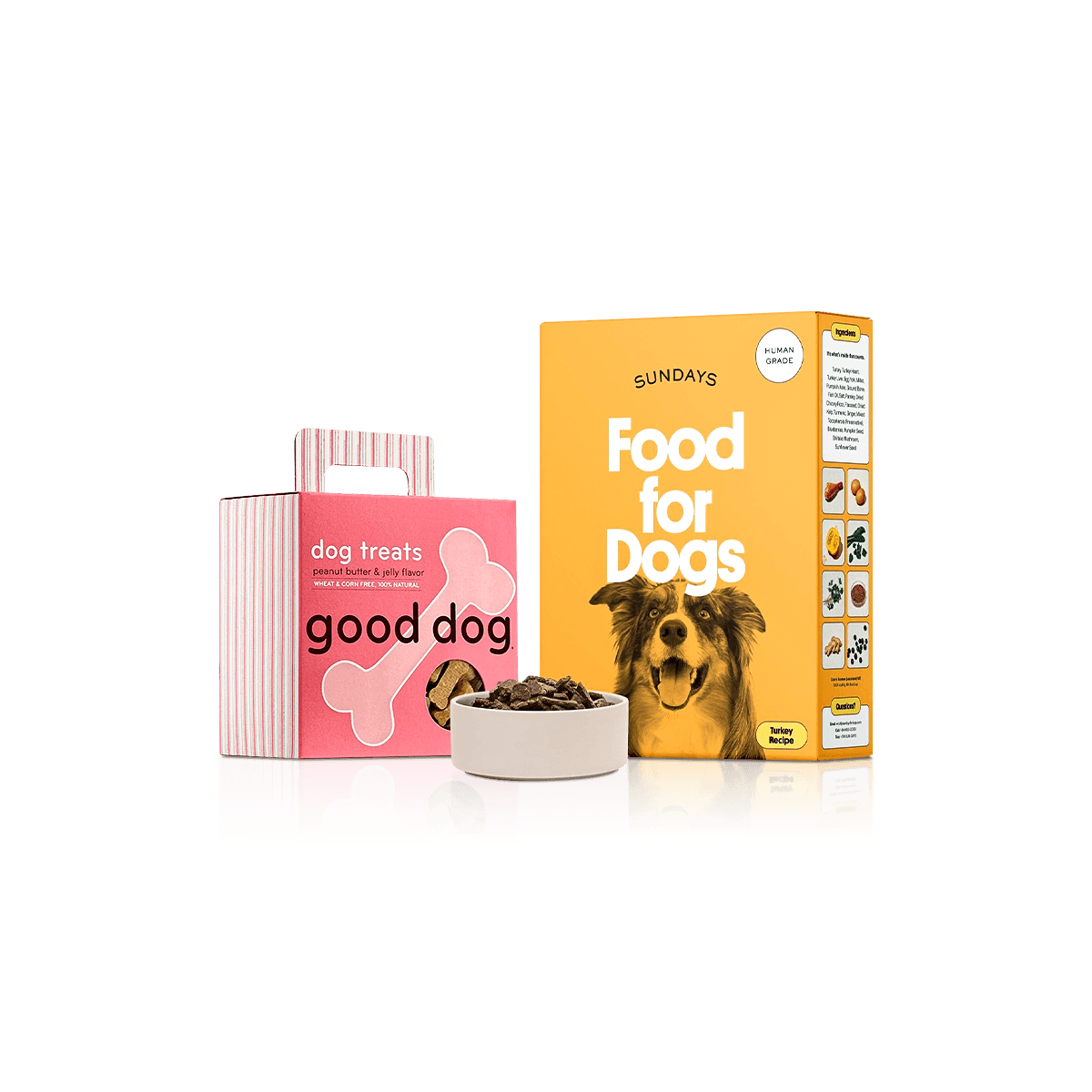
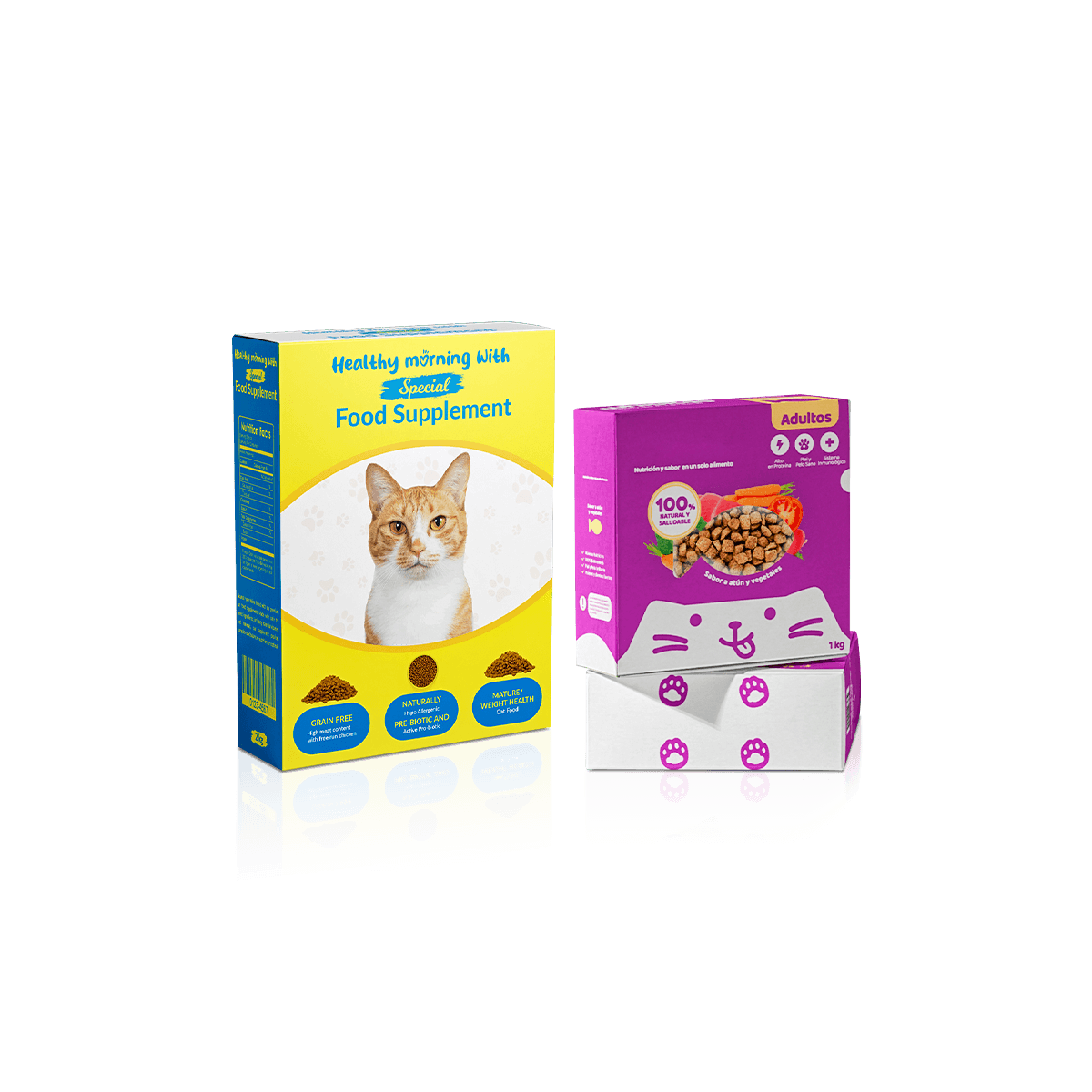
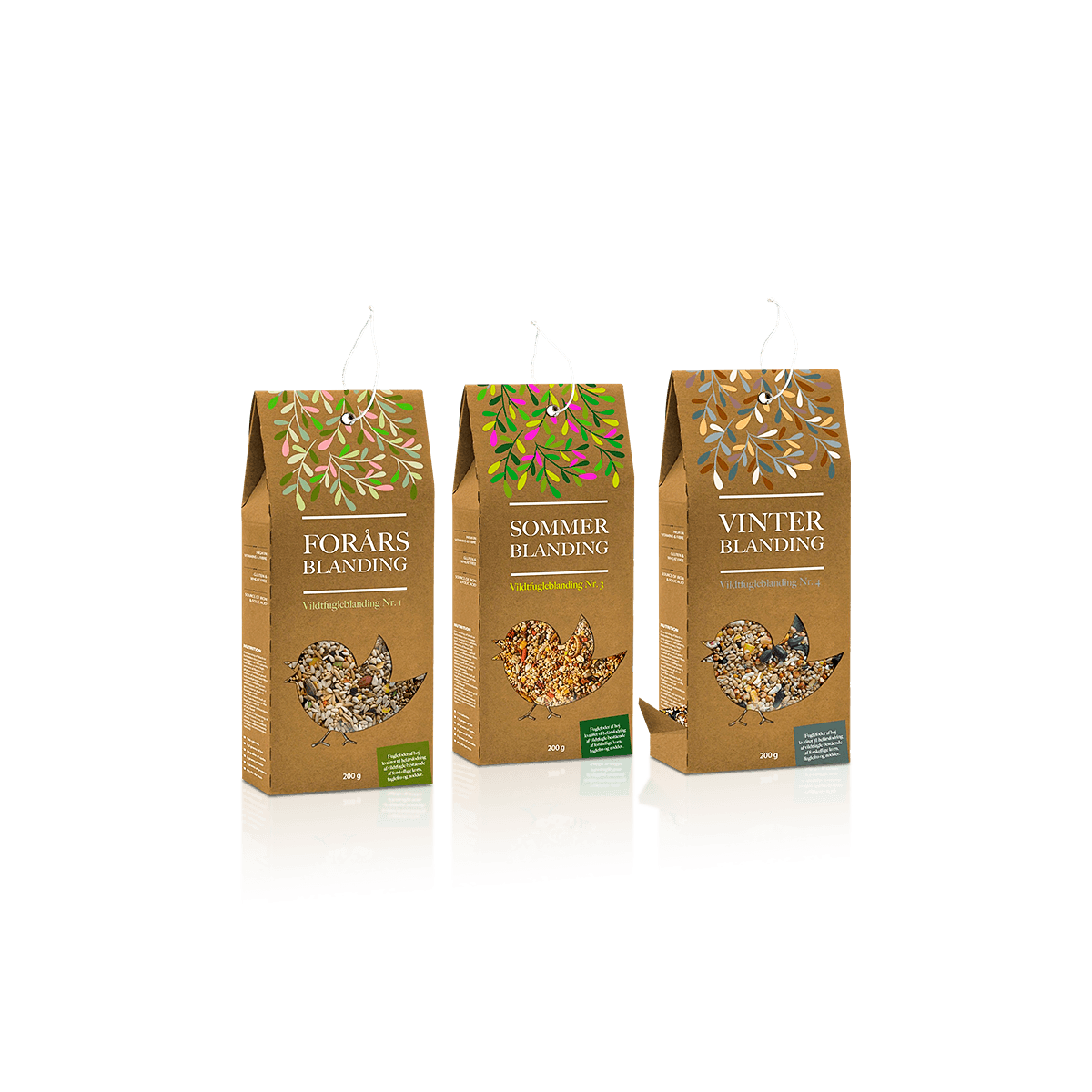
A carton holding six sealed meal trays behaves differently from one holding a large bag of dry pet food. The trays have consistent dimensions and concentrated weight. The filled bag can change shape, press against the carton walls and settle during handling.
Custom Pet Food Boxes need to accommodate these differences without making the retail package unnecessarily large or difficult to fill.
For pet food manufacturers, private-label brands and retailers, the starting decision is what customers will purchase as one unit. That might be a single sealed bag, several portioned meals or a mixed-recipe assortment.
The selling unit determines the internal arrangement, carton construction and amount of space needed for product identification.
Single-Bag Cartons
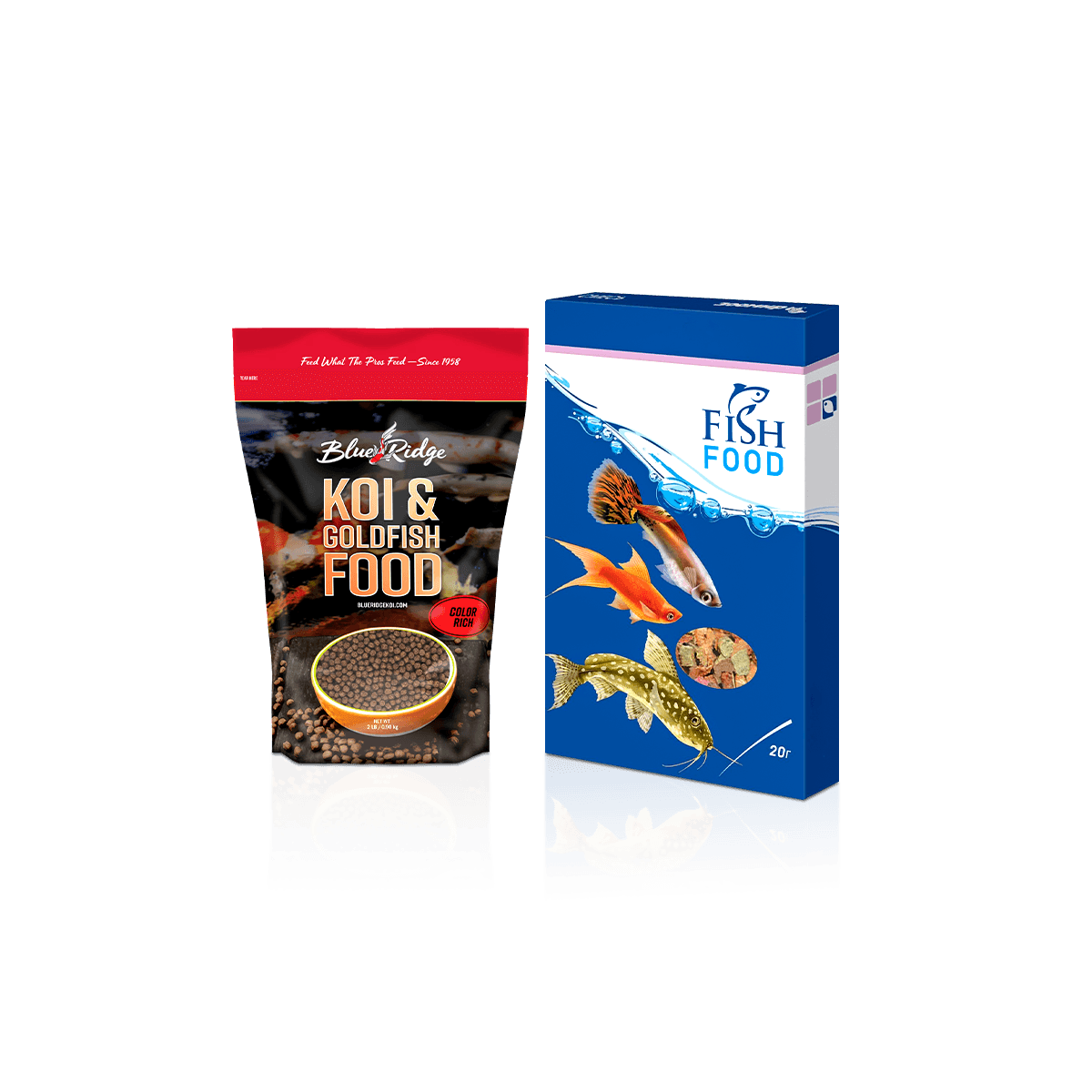
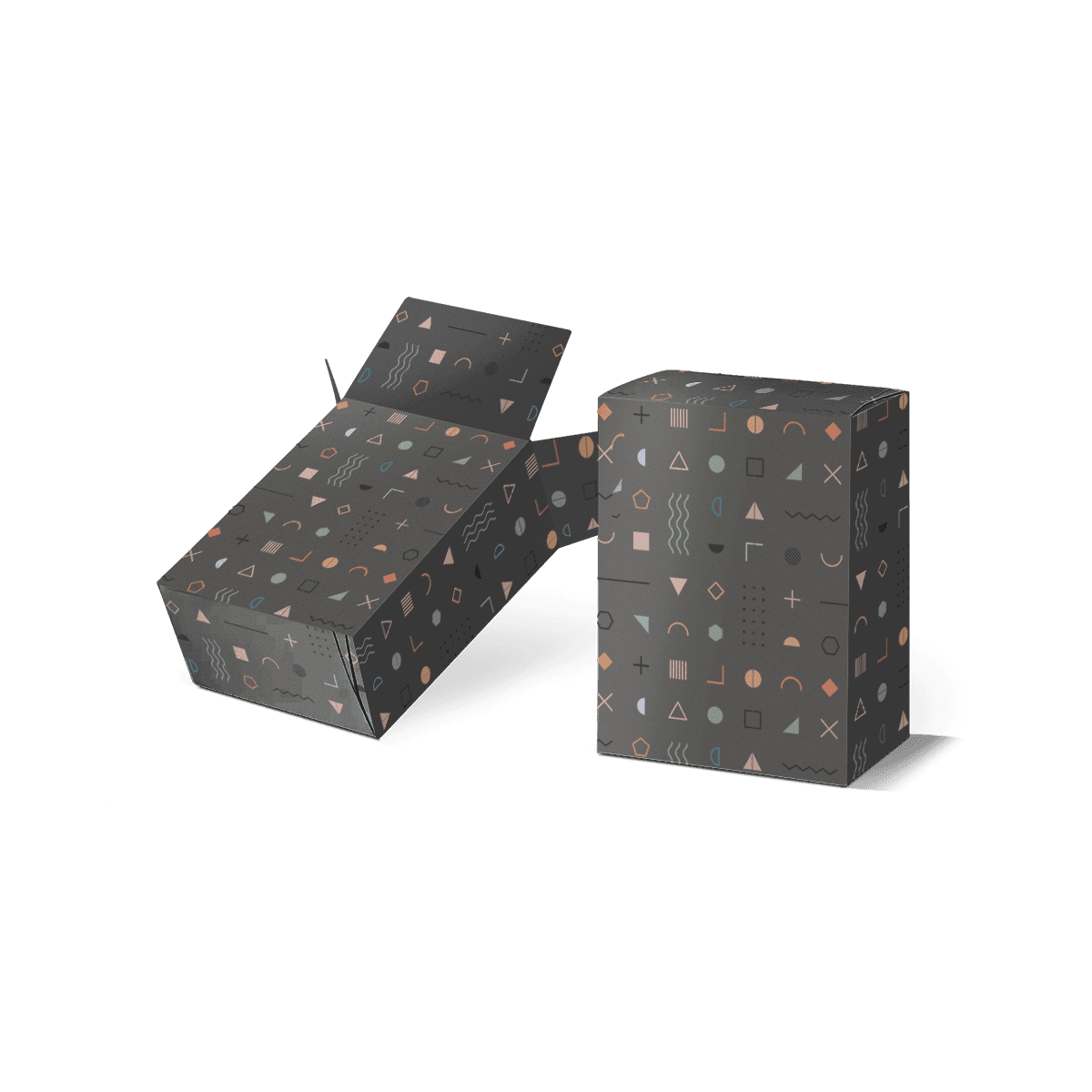
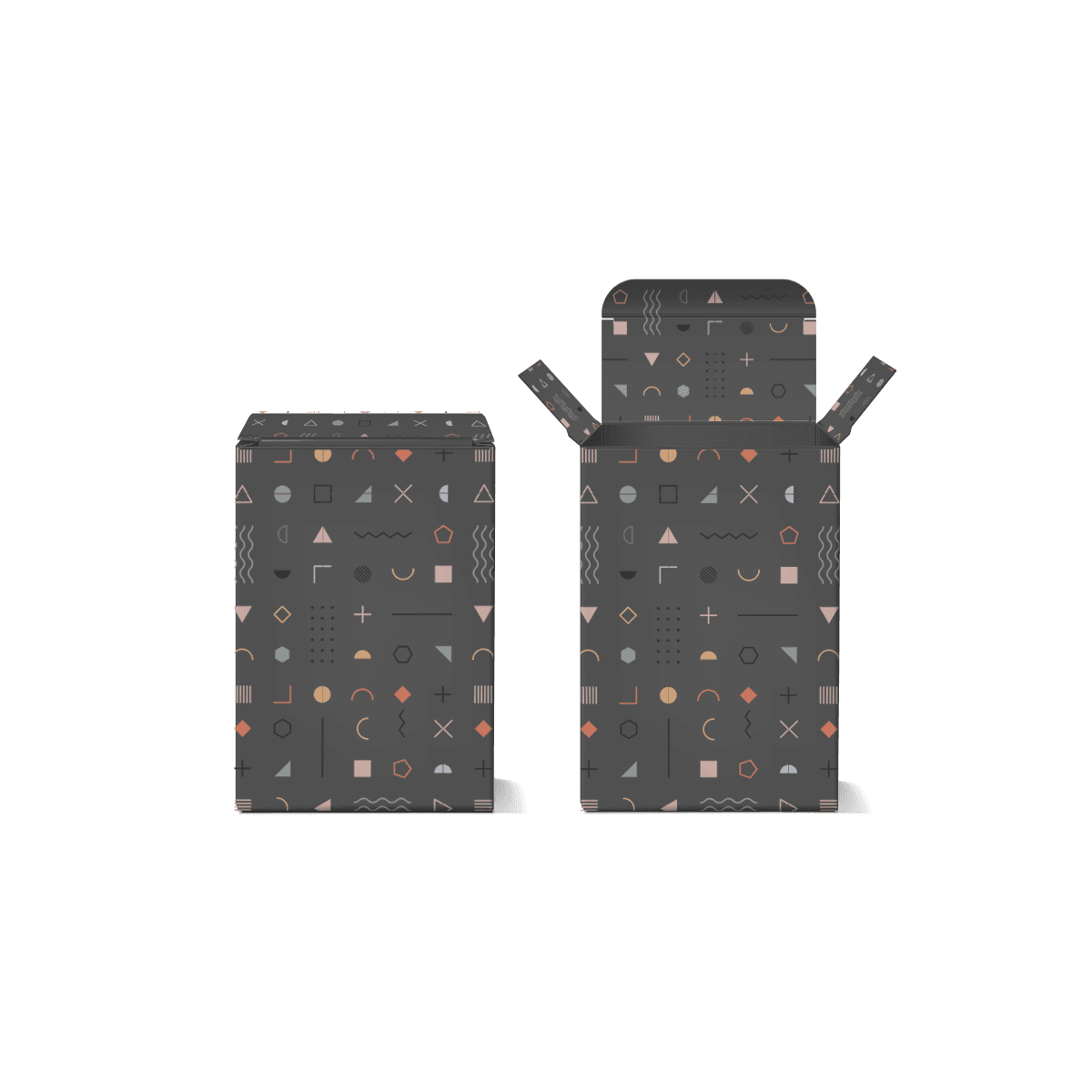
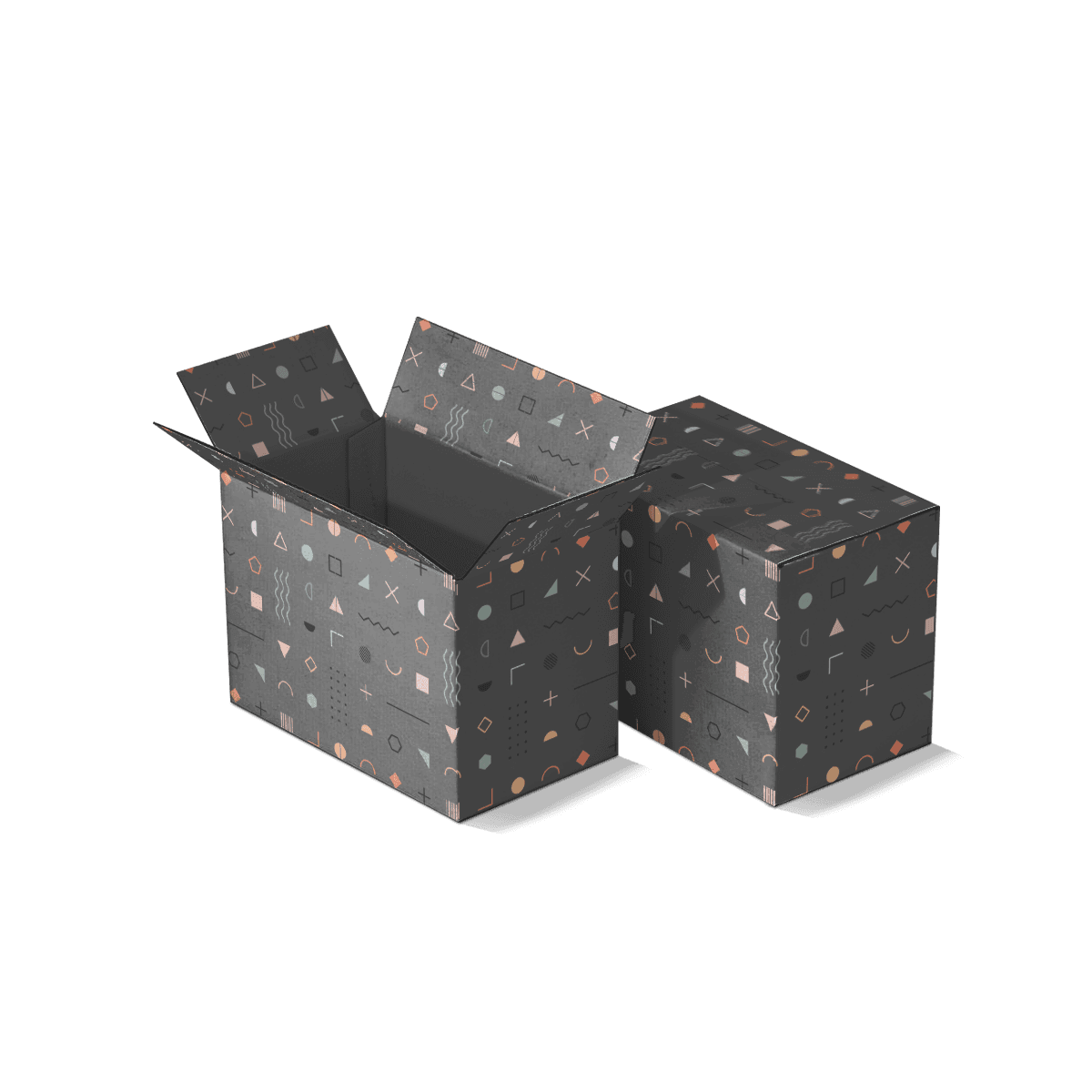
A printed carton around a sealed dry-food bag creates a defined retail shape and additional space for branding and feeding instructions.
The box should accommodate the bag's actual filled dimensions rather than its empty measurements.
A filled bag may develop rounded corners, an uneven base or a thicker area near its closure. If the carton fits only the flat bag dimensions, the product can catch during insertion or push the carton out of shape.
Custom Packly can develop the carton around the finished primary pack, including its seals, gussets and settled contents.
Portioned Meal Packs
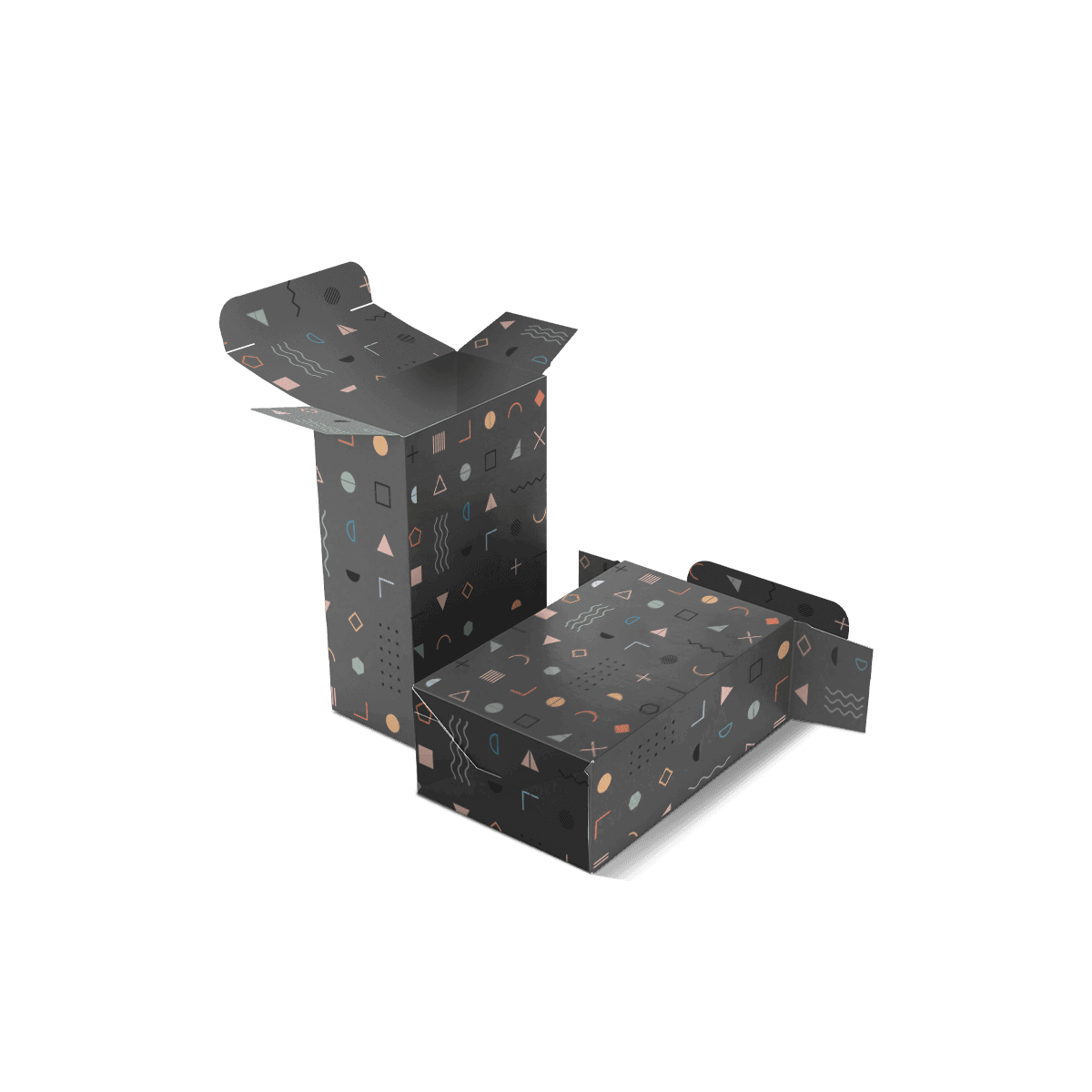
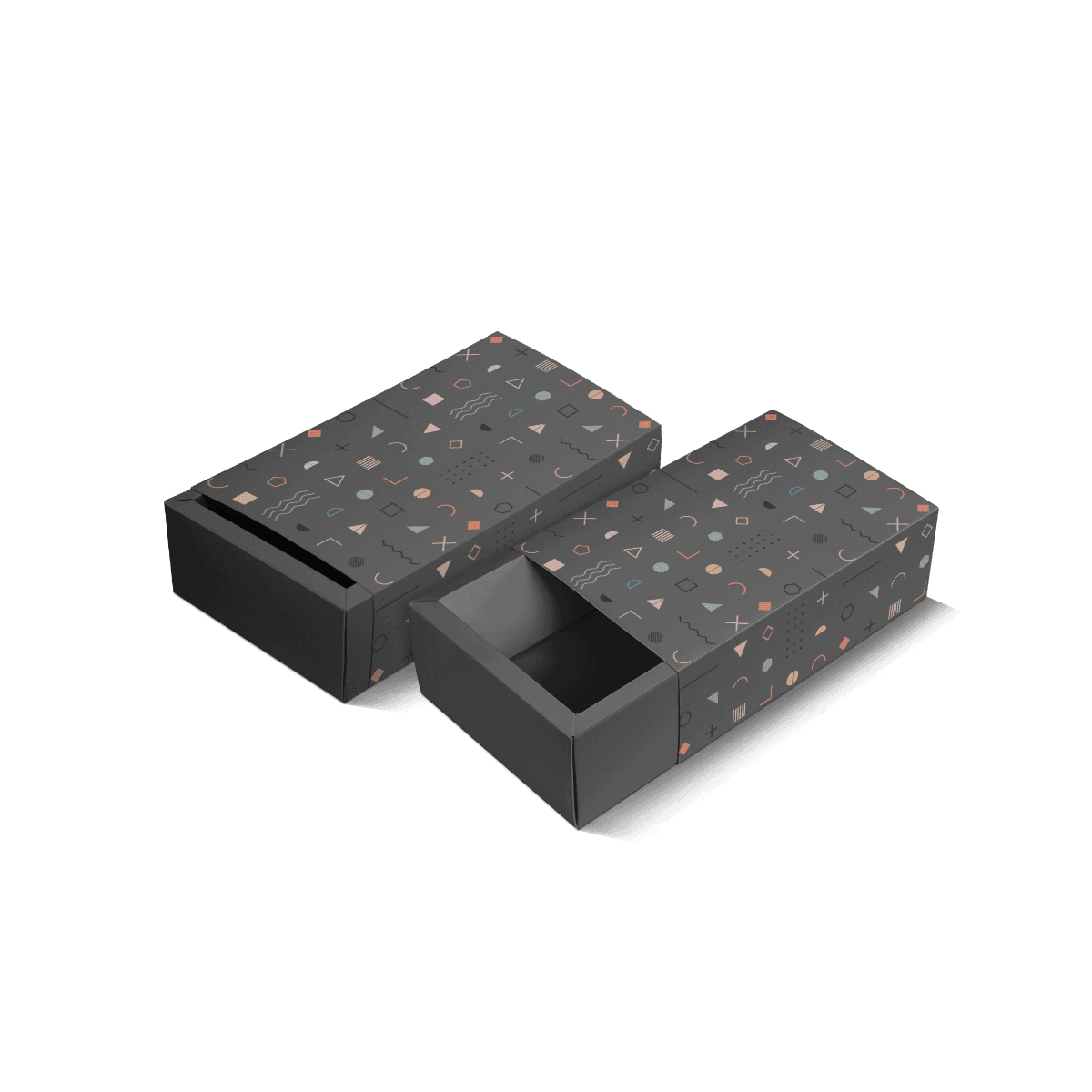
Multipack cartons group several individually sealed meals into one retail unit.
Pouches, trays, sachets and cans each create different stacking and retention requirements. The internal arrangement should allow the intended number of units to fit without placing unnecessary pressure on their seals or closures.
For example, a carton holding several flexible pouches may need a narrow rectangular cavity. A multipack of rigid meal trays may need a different arrangement to prevent the trays from shifting.
The carton should also make the contents clear before opening, particularly when several recipes or portion sizes are sold together.