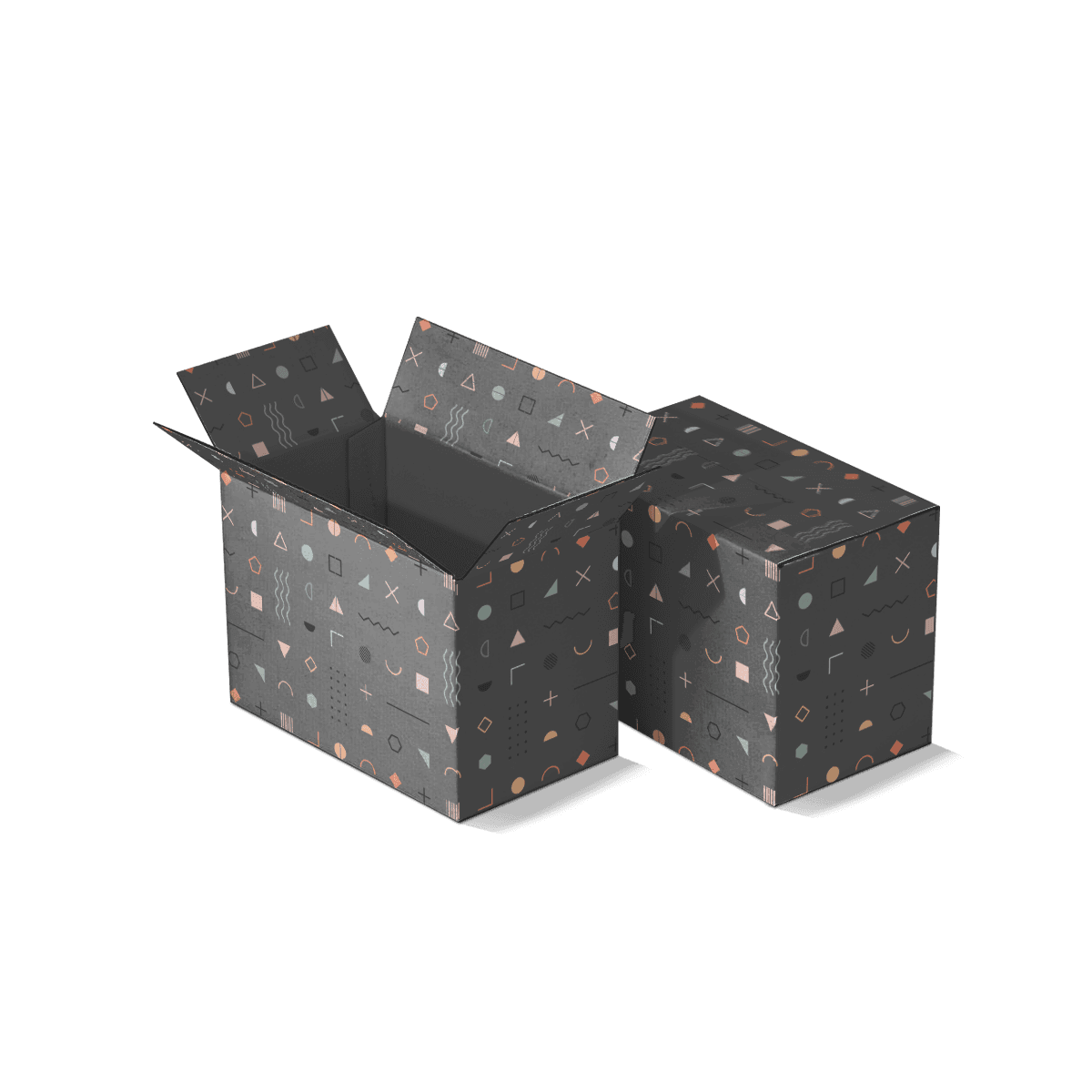
Multipack Retention
Keeps pouches, trays or cans grouped tightly so the sell unit stays organized in transit and on shelf.
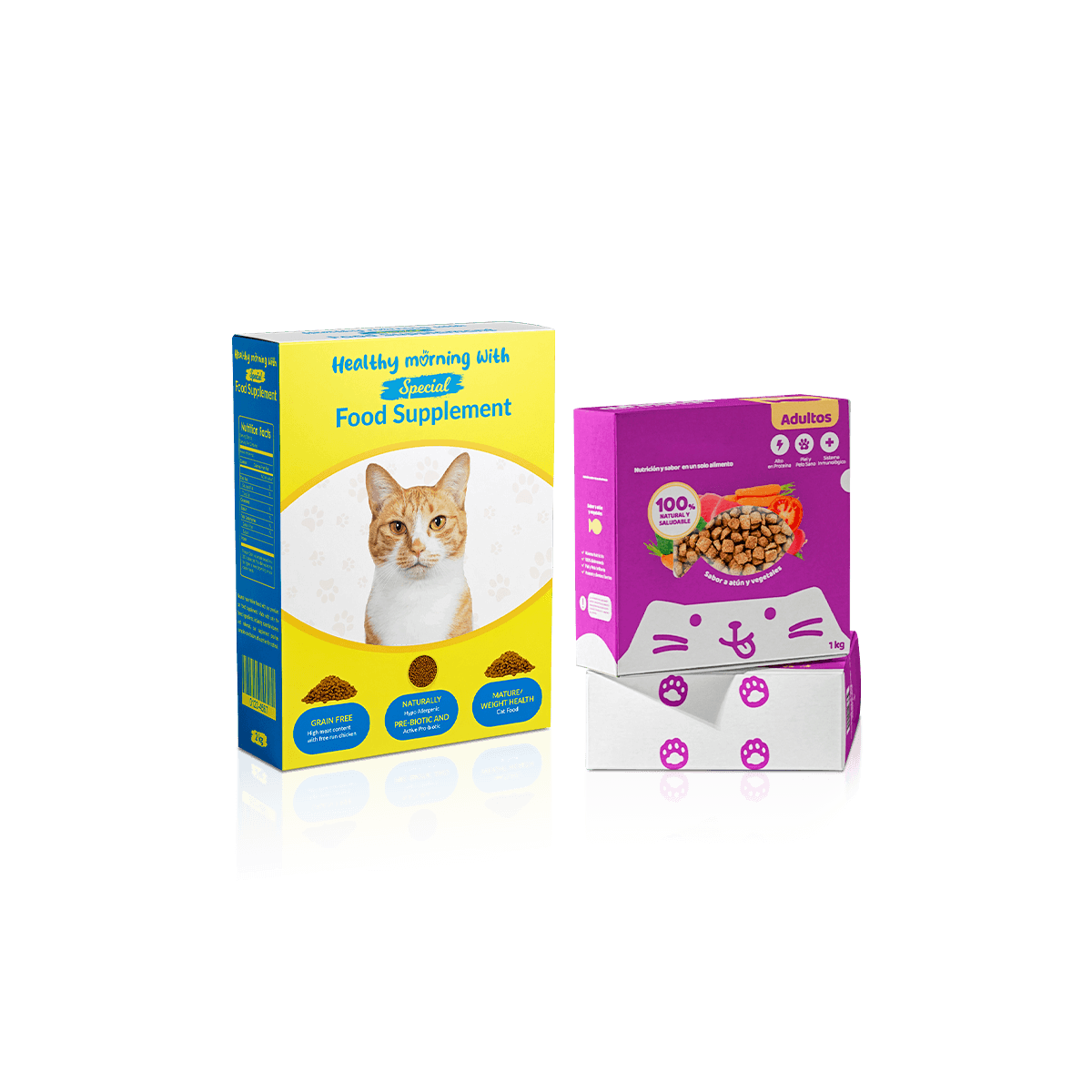
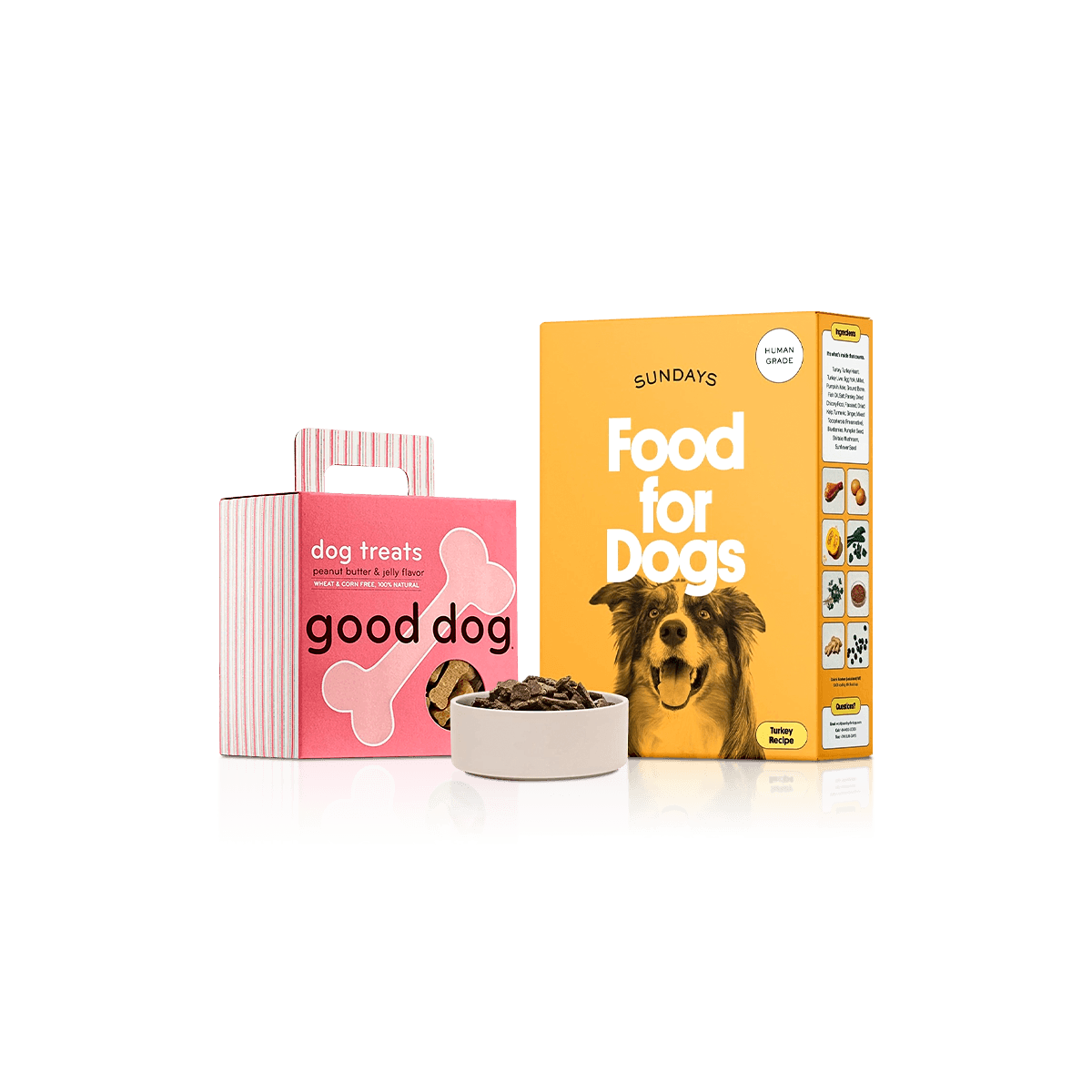
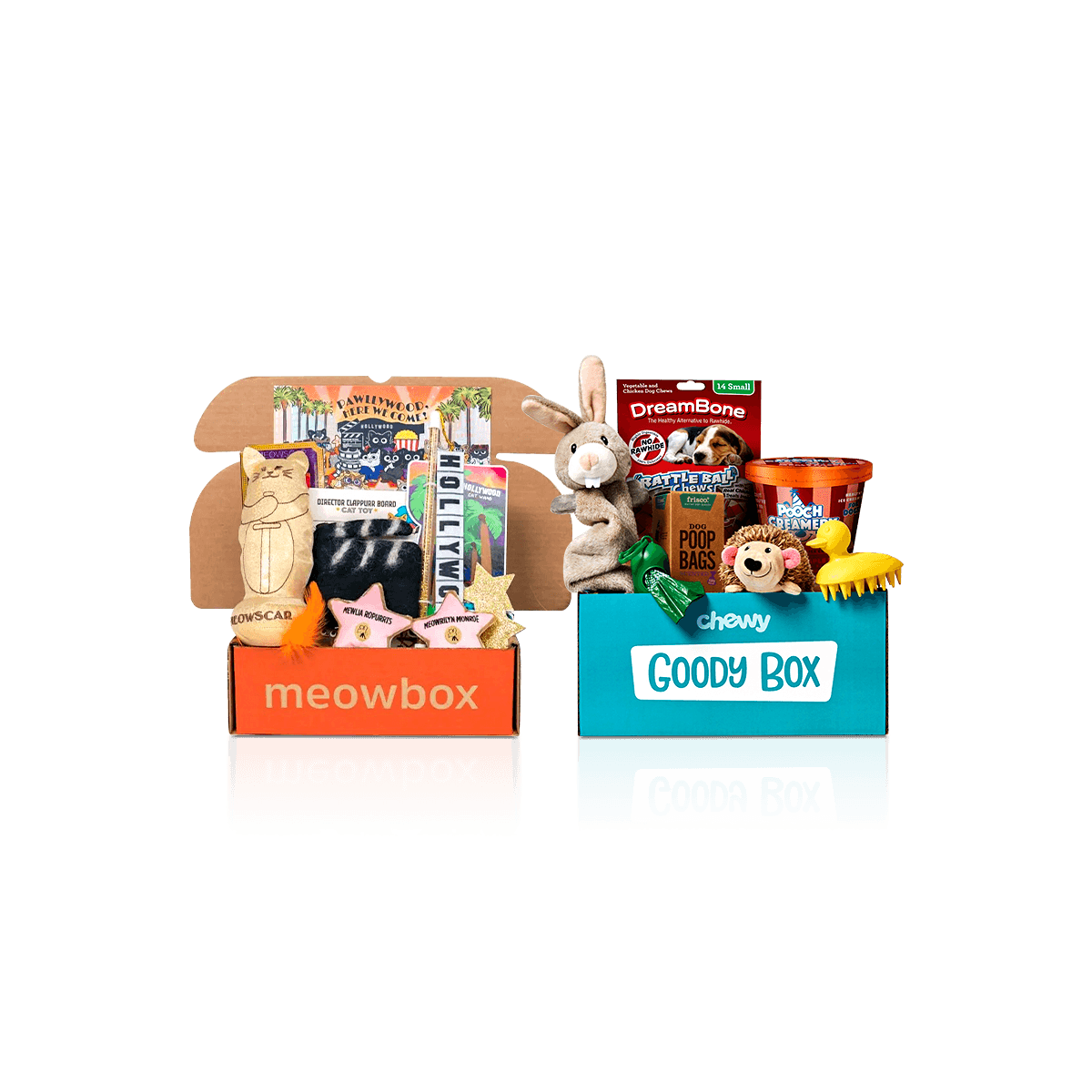
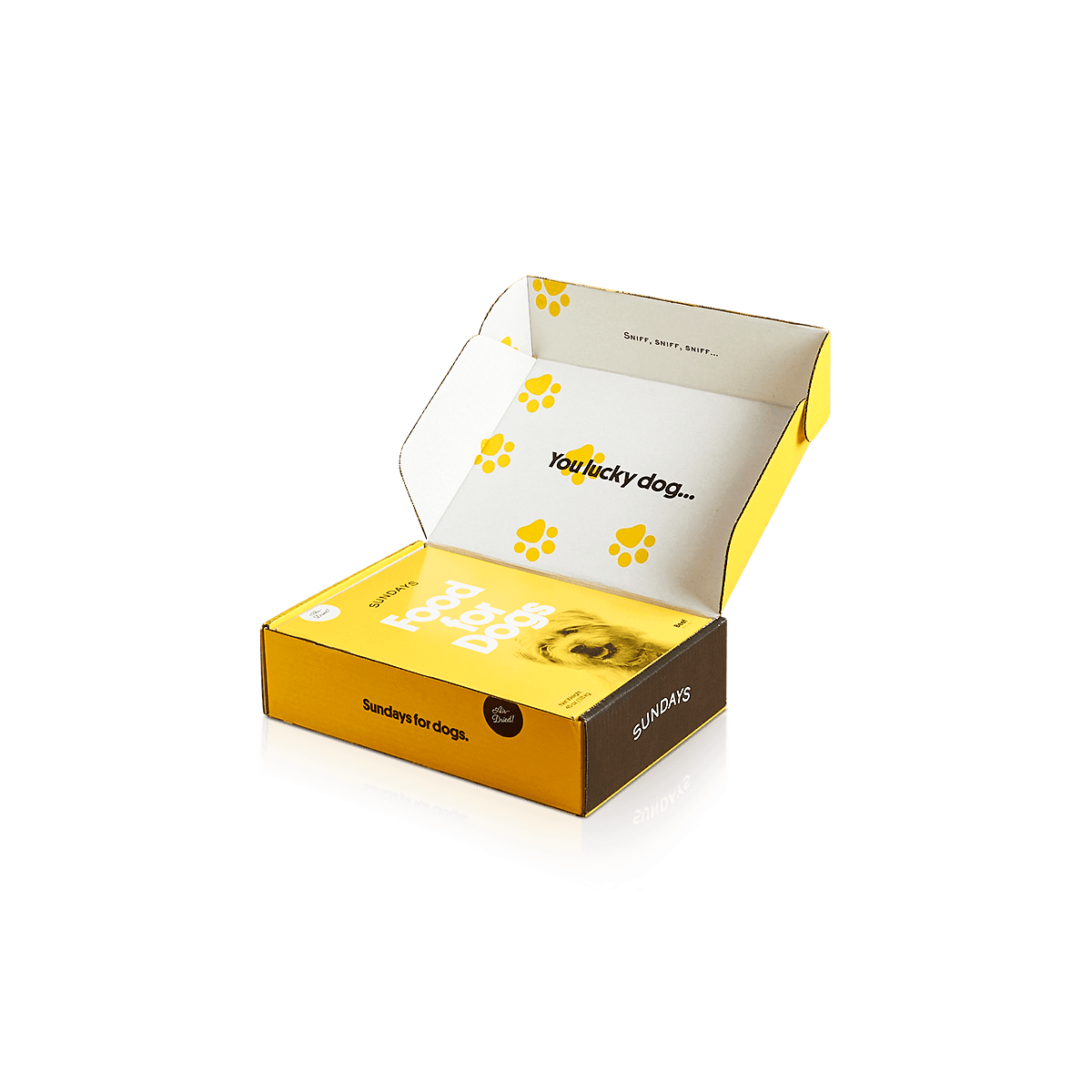
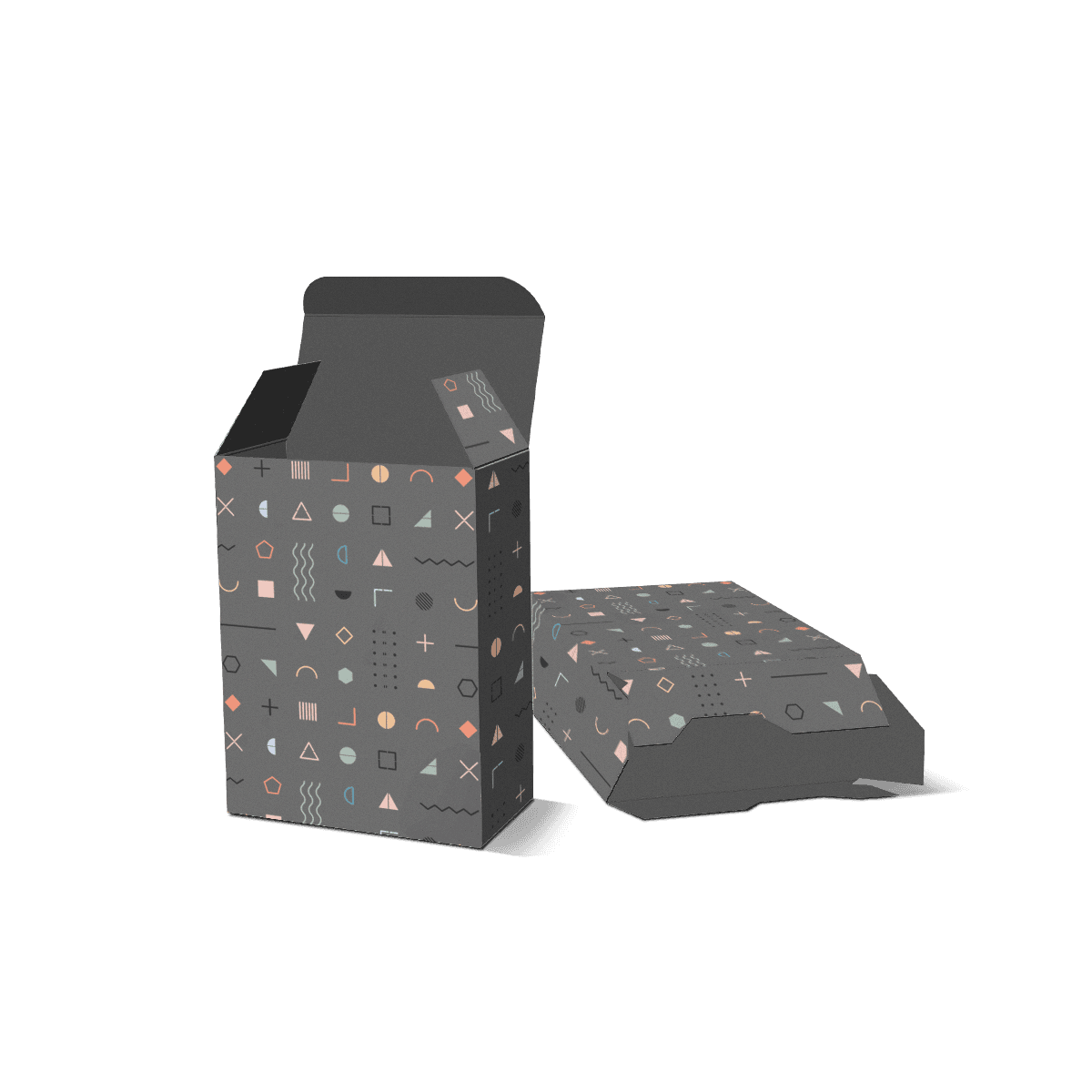
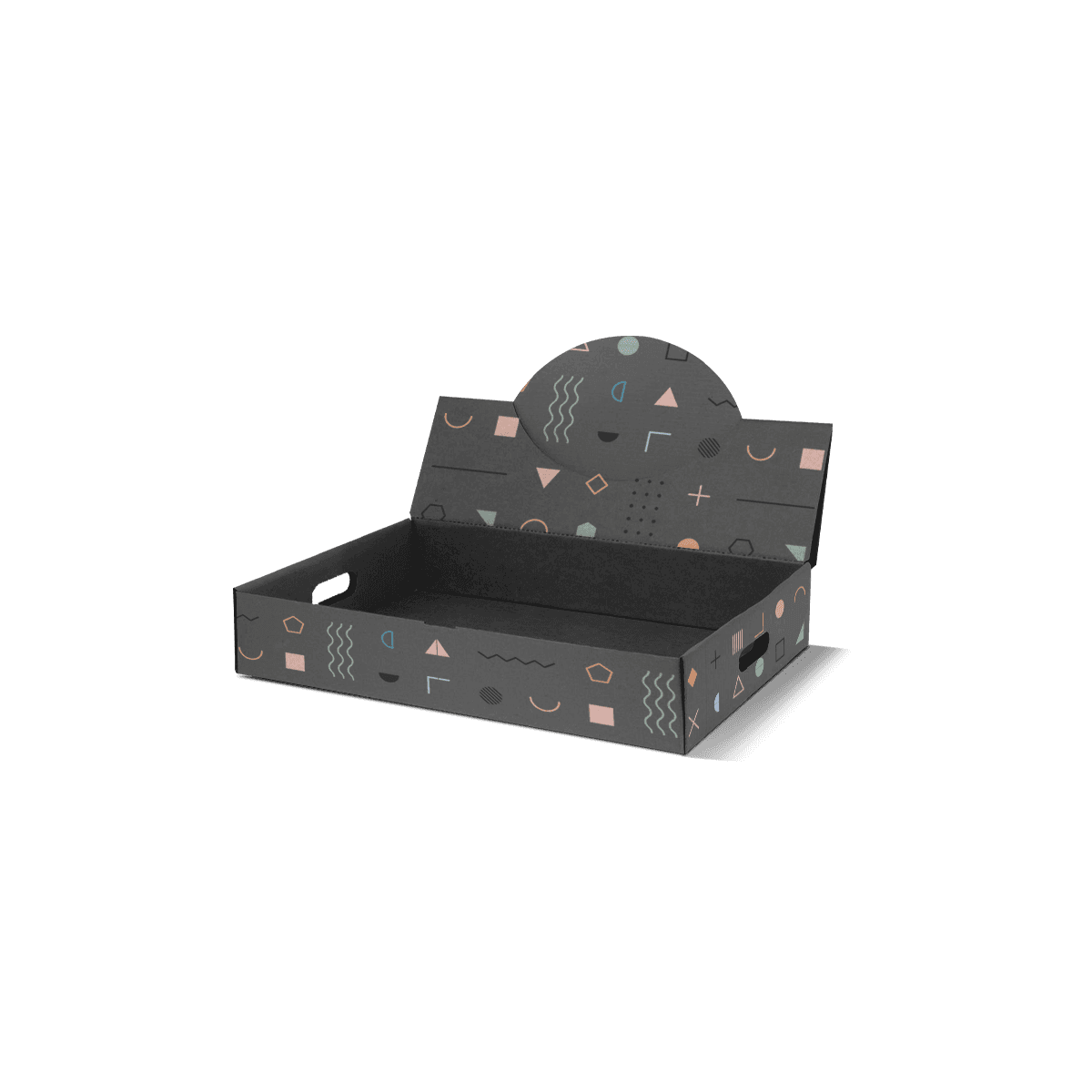
Most cat food boxes work best as the secondary pack around sealed pouches, cups, trays or cans. That outer carton does more than carry artwork: it needs enough board strength for dense pack counts, clear panel hierarchy for flavor and life-stage variants and room for the details shoppers and retailers expect such as net contents, feeding guidance, analysis information and brand data. The strongest formats also case-pack efficiently and stay tidier in pantry storage after purchase.
Keeps multi-count meals tidy from shelf to pantry
Makes flavor and age-stage differences easier to spot
Supports heavier fills without weak-looking cartons
Gives more room for feeding and product-detail panels
Fits retail, subscription and club-pack programs
Keeps pouches, trays or cans grouped tightly so the sell unit stays organized in transit and on shelf.
Tuck flaps and secure locking points help cartons stay cleaner in warehouse handling and home storage.
Large display panels help separate protein, formula and count information at a glance.
Choose SBS paperboard for lighter packs or corrugated support for heavier multipacks and club formats.
Use custom dimensions, personalized graphics and insert layouts for cans, pouches or sample assortments.
Wet food multipacks with pouches, trays or cans
Small-format dry food cartons for trial and travel packs
DTC subscription assortments sorted by flavor or age stage
Club-store value packs that need stronger outer cartons
Vet-adjacent nutrition lines with clearer information panels
Simple steps from idea to delivery
Tell Us Your Specs
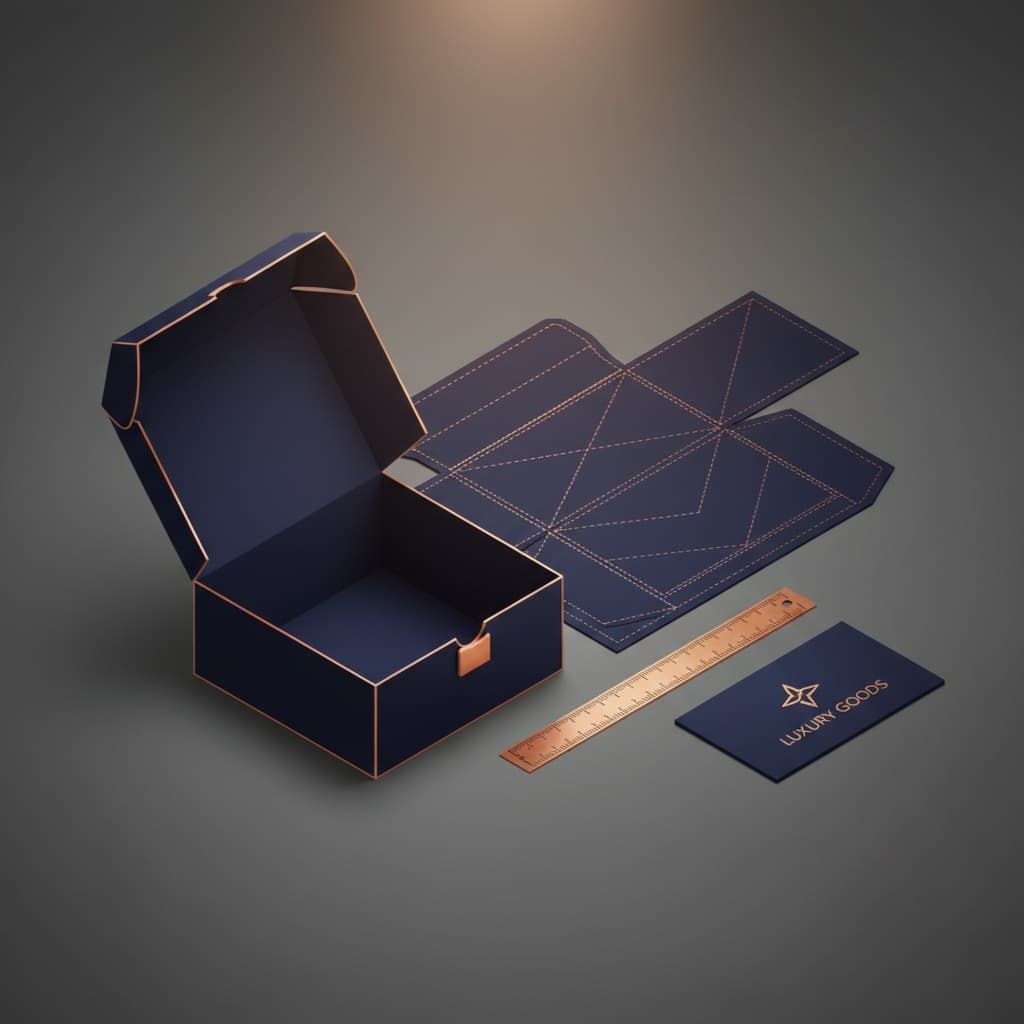
Provide size, quantity, printing, and finishes.
Get a Fast Quote

Instant transparent pricing, no hidden fees.
Design and Approval

Artwork checks, revisions, and final sign-off.
Produce

Expert manufacturing to meet deadlines.
Ship to Your Door

Hassle-free, flexible delivery options.
Share your product details, size, quantity and artwork needs. We’ll help choose the right packaging style and send a clear quote.