Close After the Fill
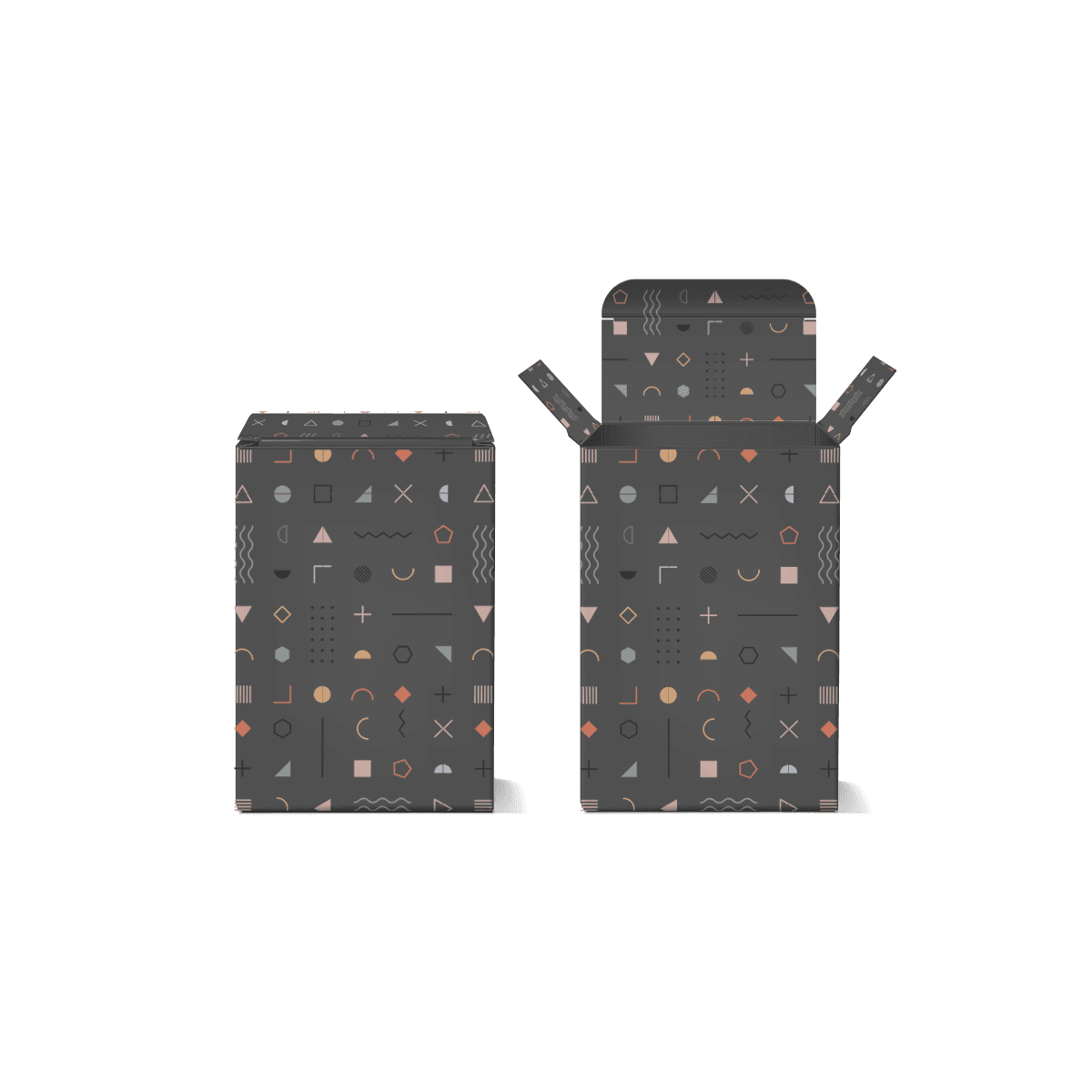
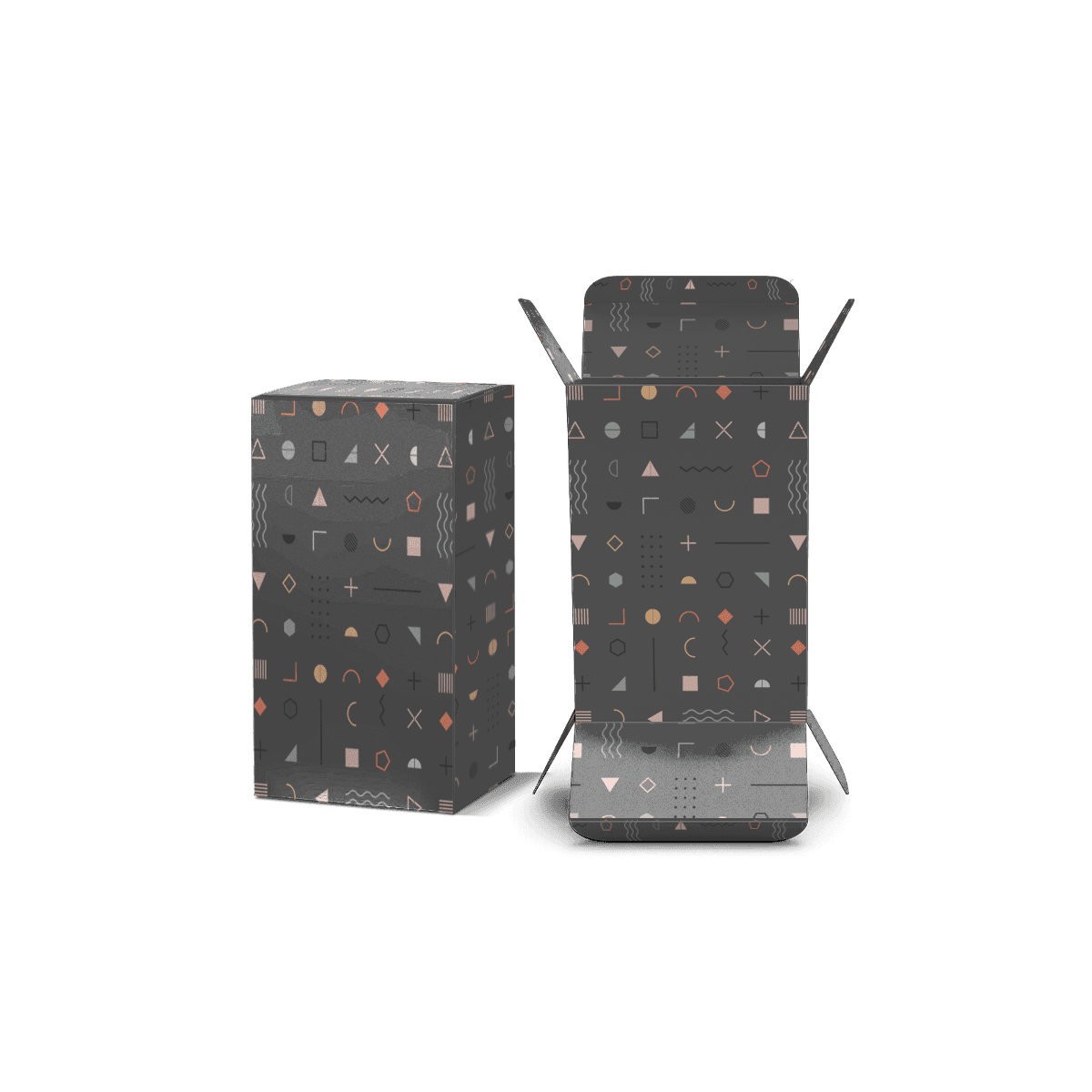
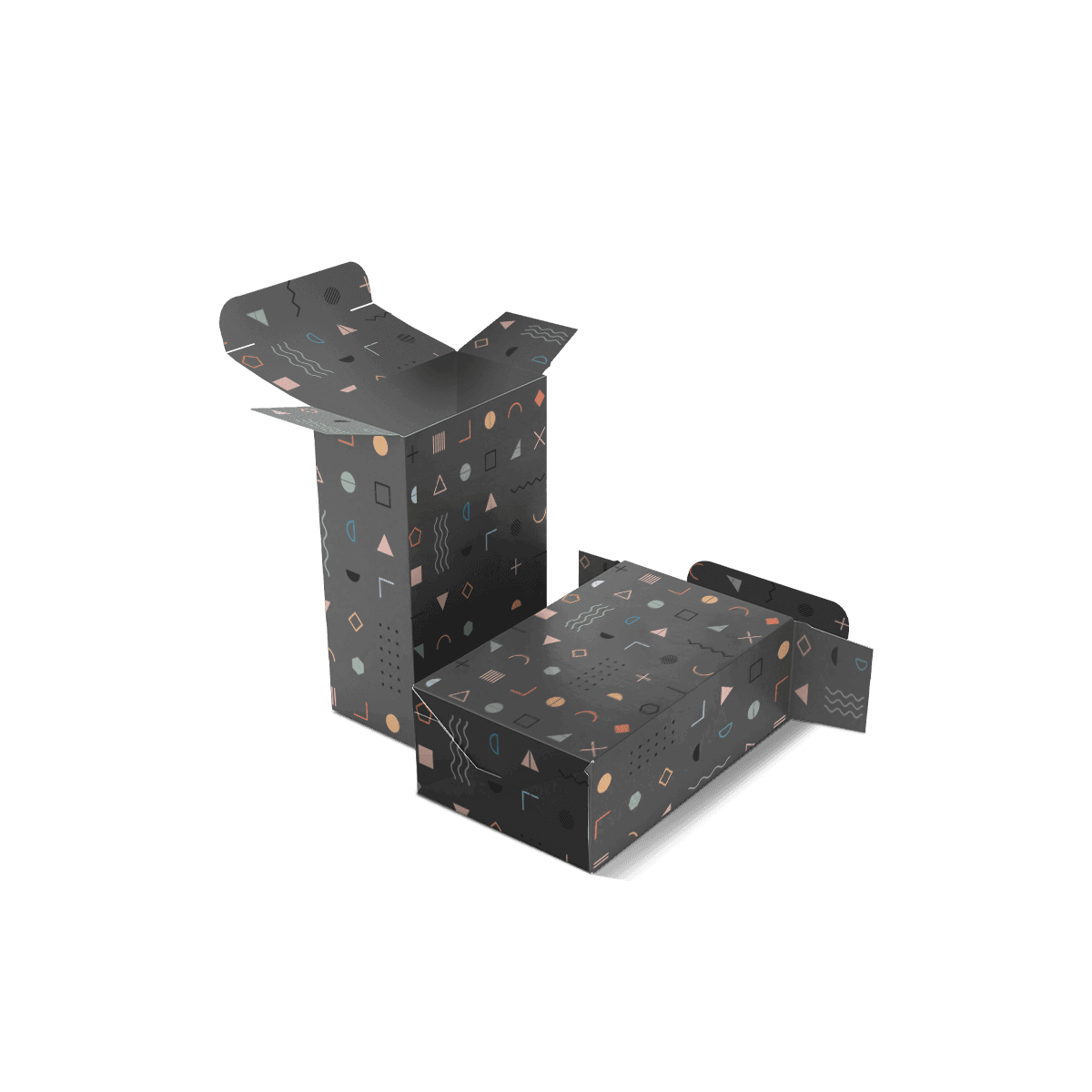
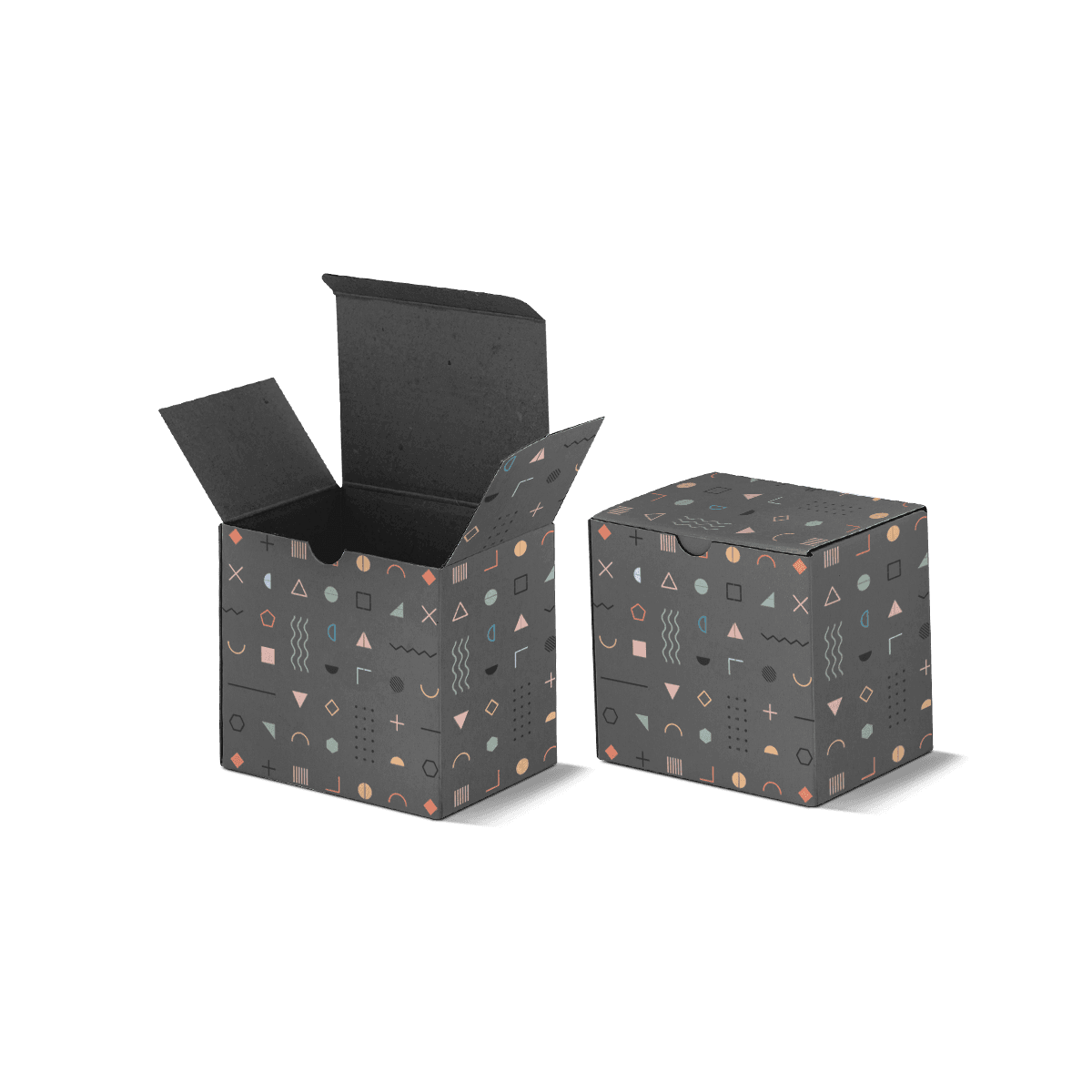
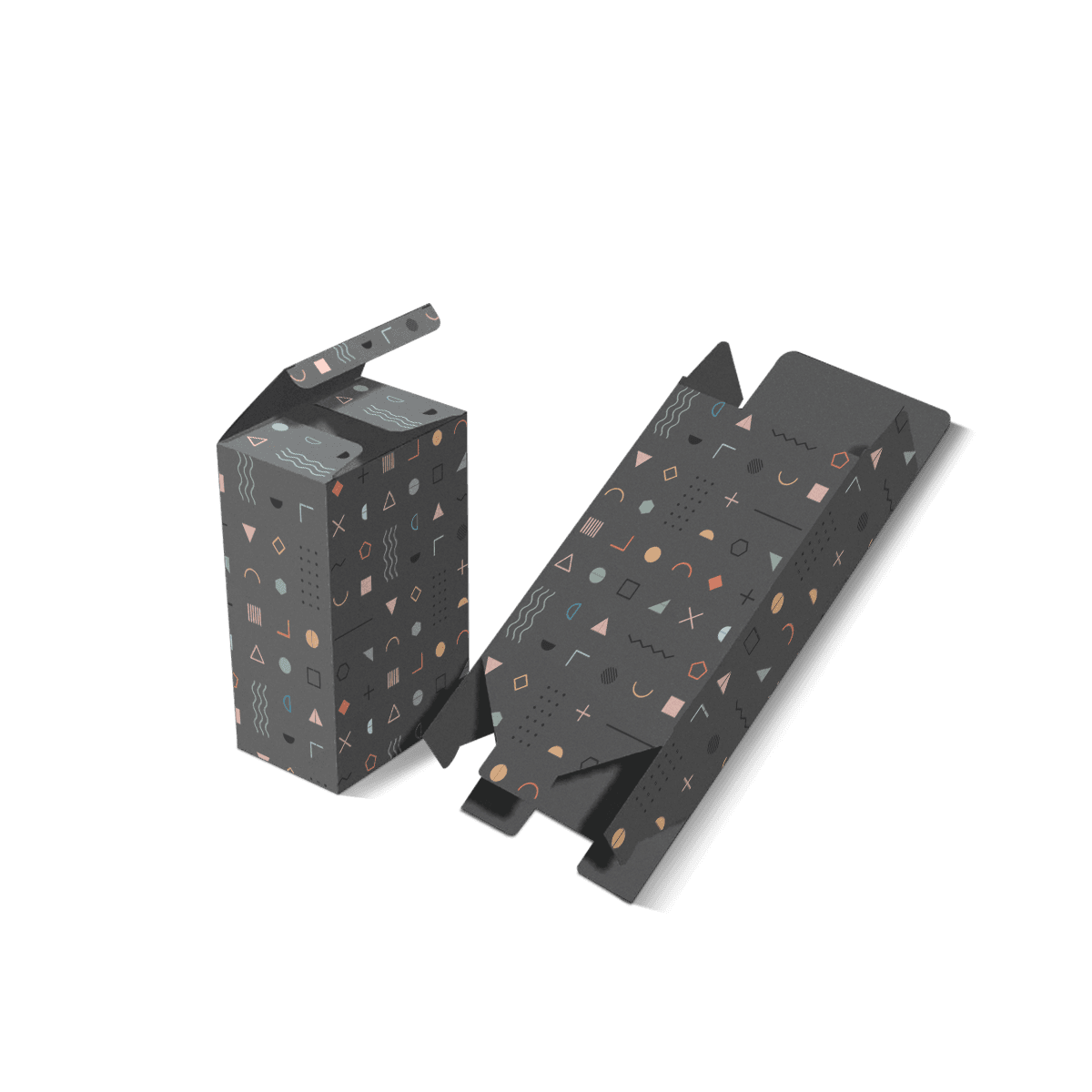
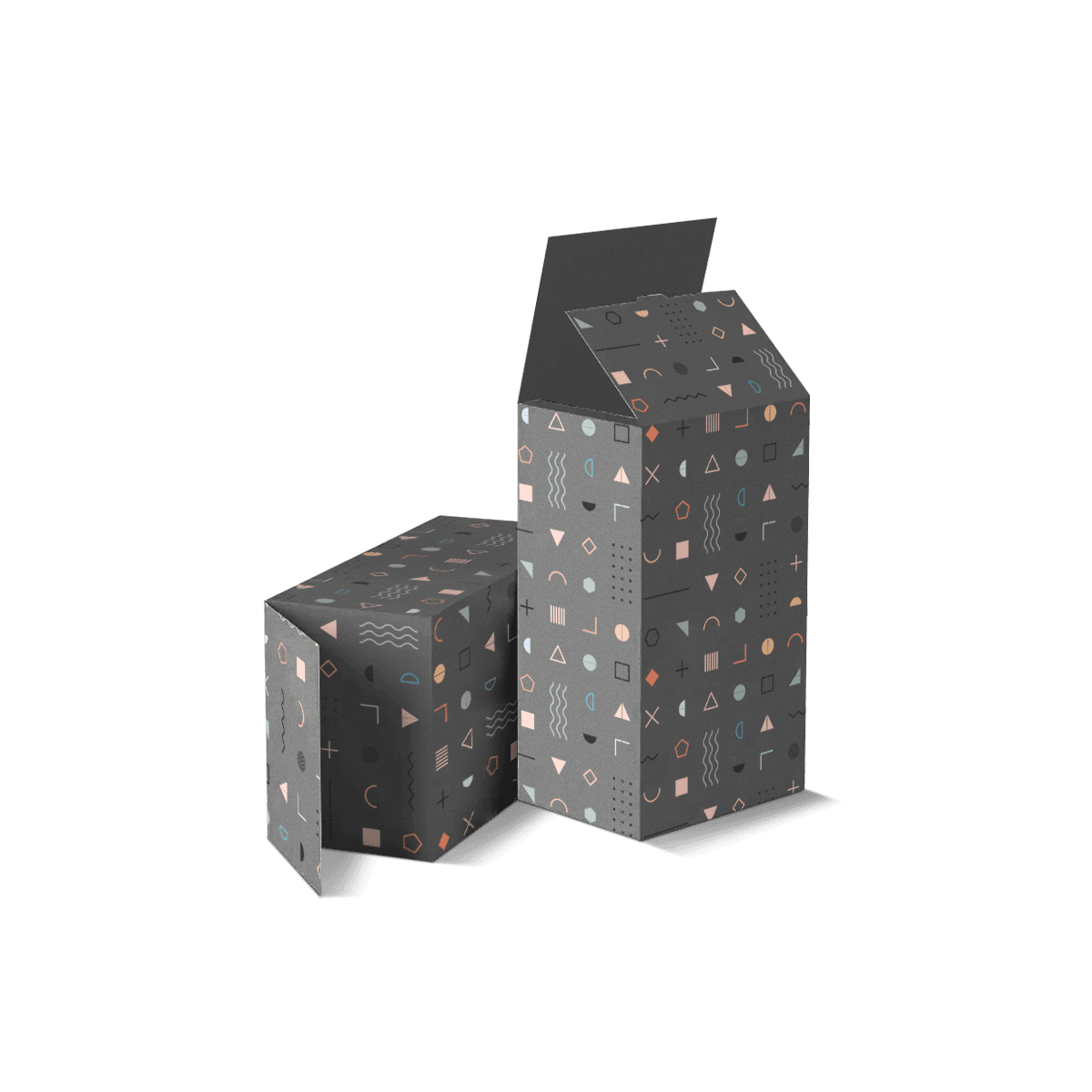
Seal-end cartons are defined by what happens after the product enters the carton. End flaps overlap and bond with adhesive, creating a fixed closure rather than a flap intended to be tucked open and shut repeatedly.
That changes the packing sequence.
The carton body can be erected, the product inserted and the open end sealed as part of a manual, semi-automatic or automated operation. Depending on the production setup, the opposite end may already be closed or both ends may be sealed during packing.
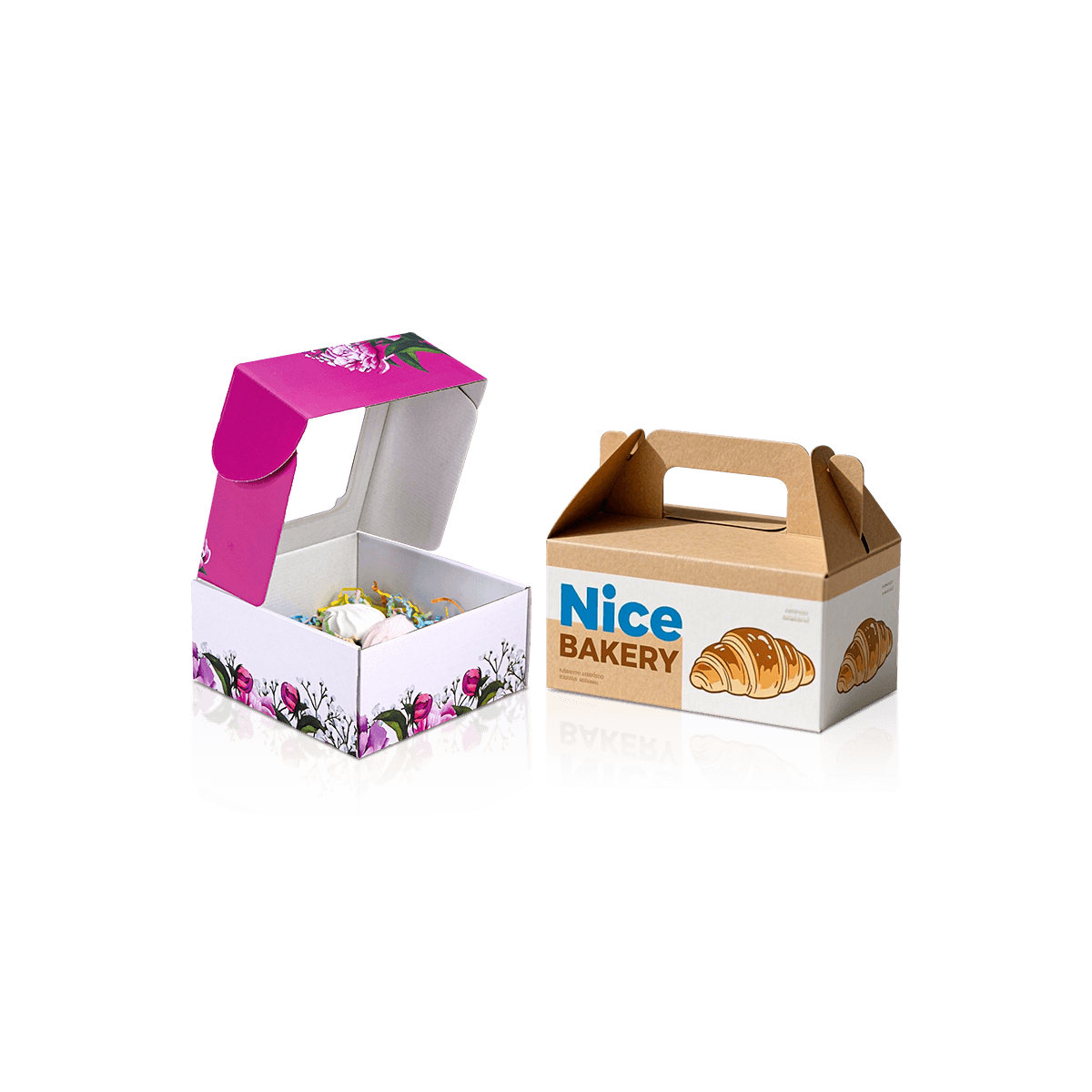
Seal-end cartons sit among folding carton structures that ship flat and take shape during filling, but the glued closure makes this style especially dependent on fill direction, adhesive areas and the final opening method.
Filling Direction Comes First
Decide which end receives the product before finalizing the structural drawing.
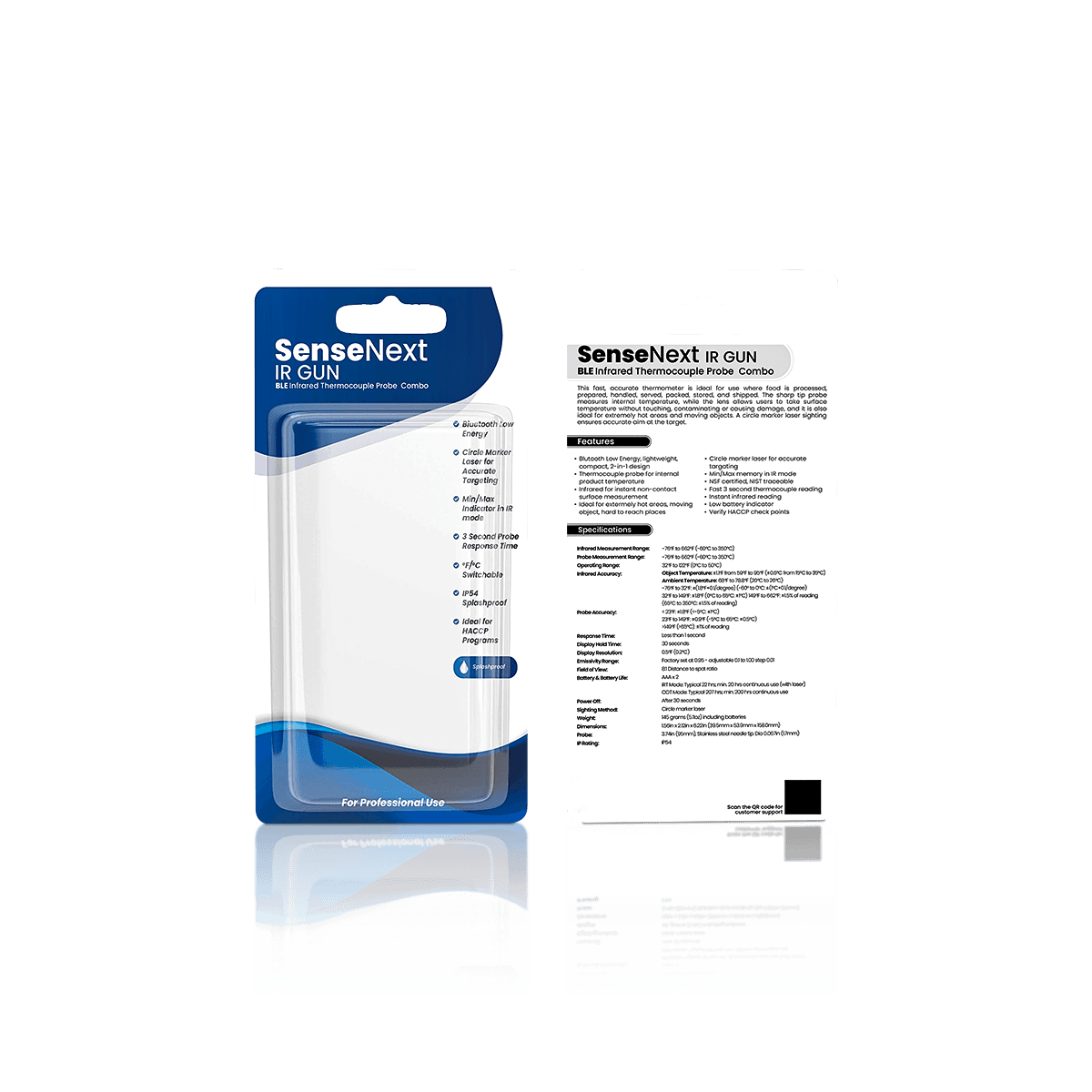
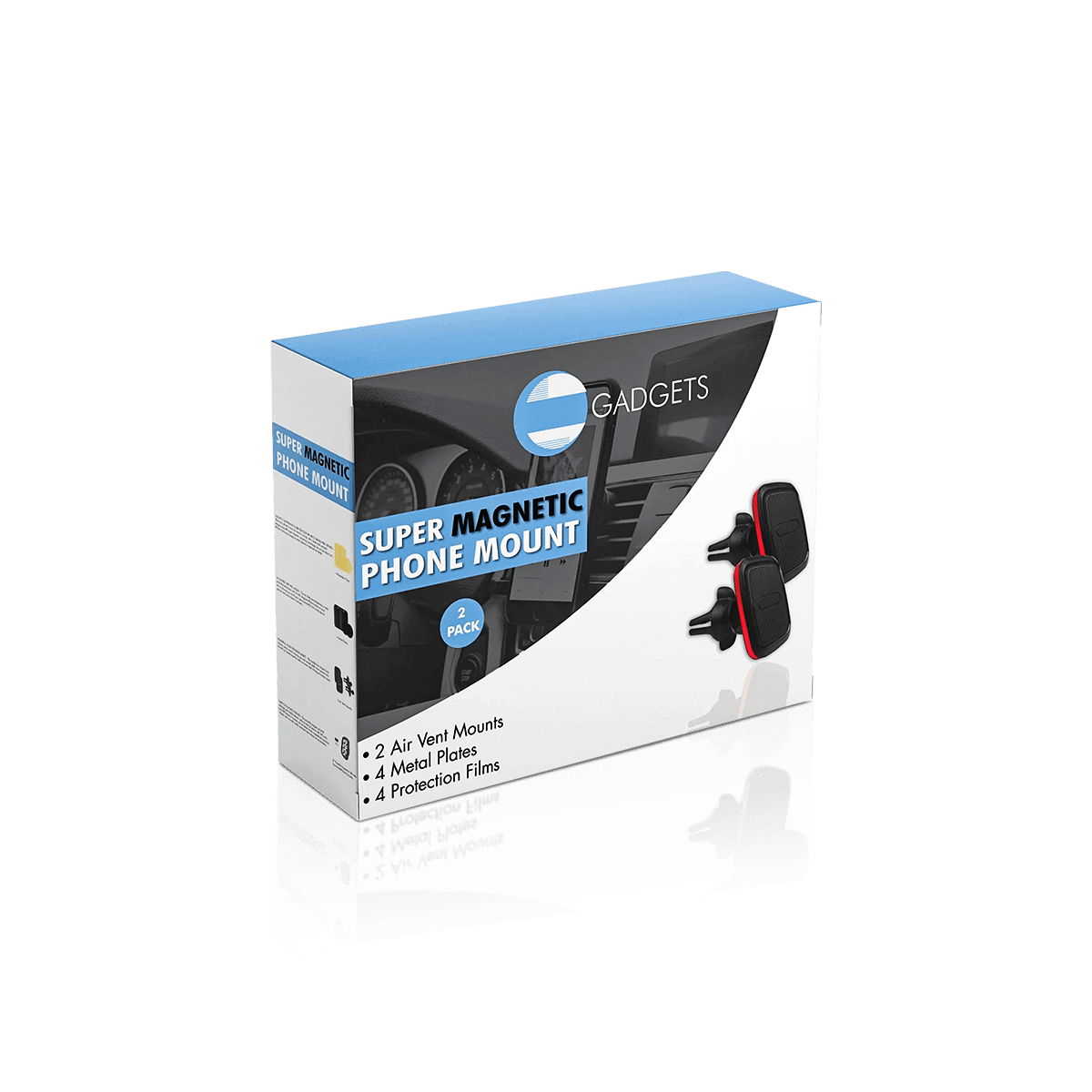
A blister card sliding lengthwise into the carton creates different clearance needs from a bottle entering vertically. A cable kit may need an insert that travels with the product. A dry-food pouch may need enough opening area to enter without catching its sealed edges.
The fill opening has to accommodate the complete packed unit, not merely the product dimensions.
Seal After Product Placement
The closing flap needs unobstructed contact with its intended glue area.
A leaflet, pouch corner, insert tab or product component trapped between the flaps can prevent a consistent bond. Interior parts should sit far enough from the end that the sealing operation can happen without interference.
A reliable seal begins with clear space for the closing motion.