Skip to content
Details

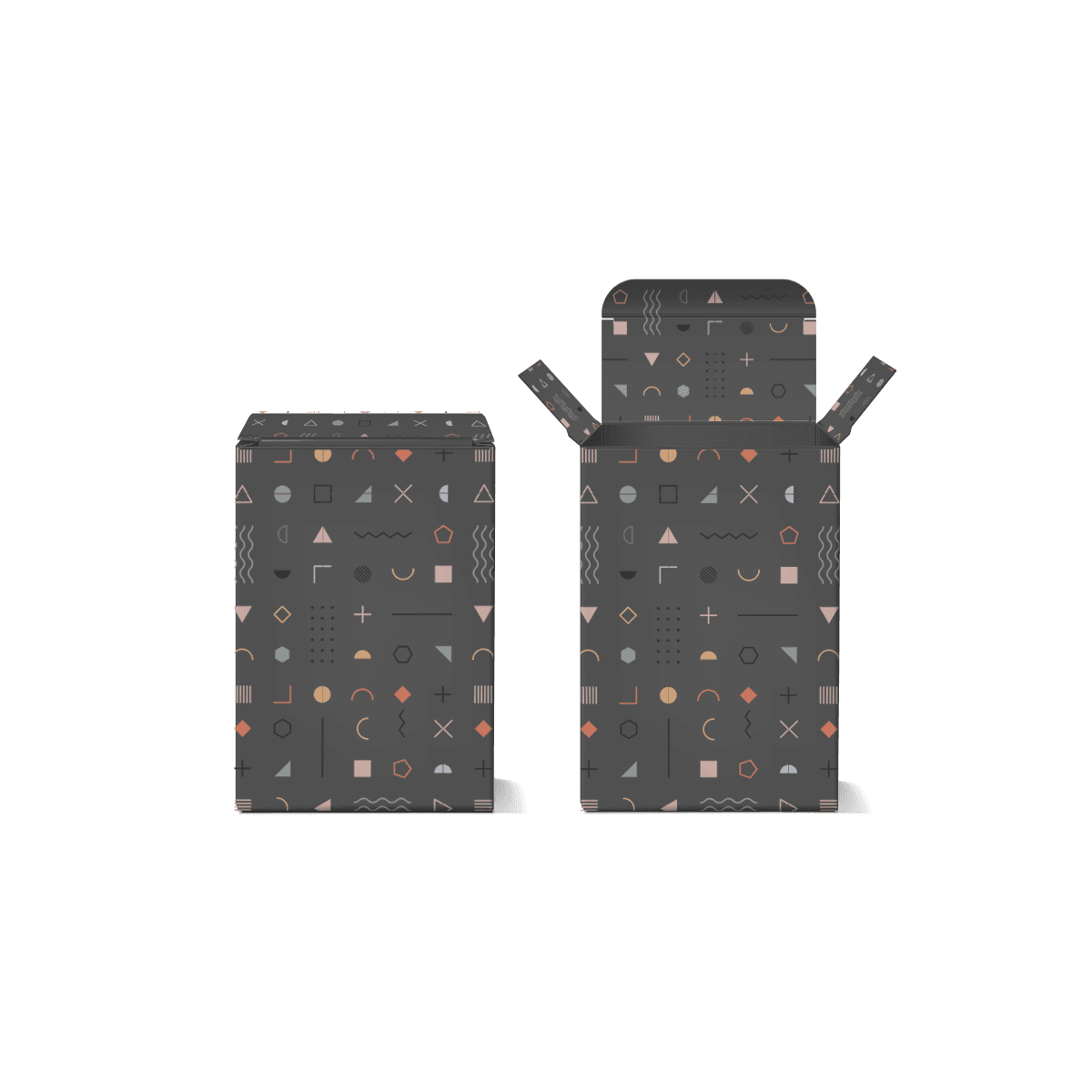
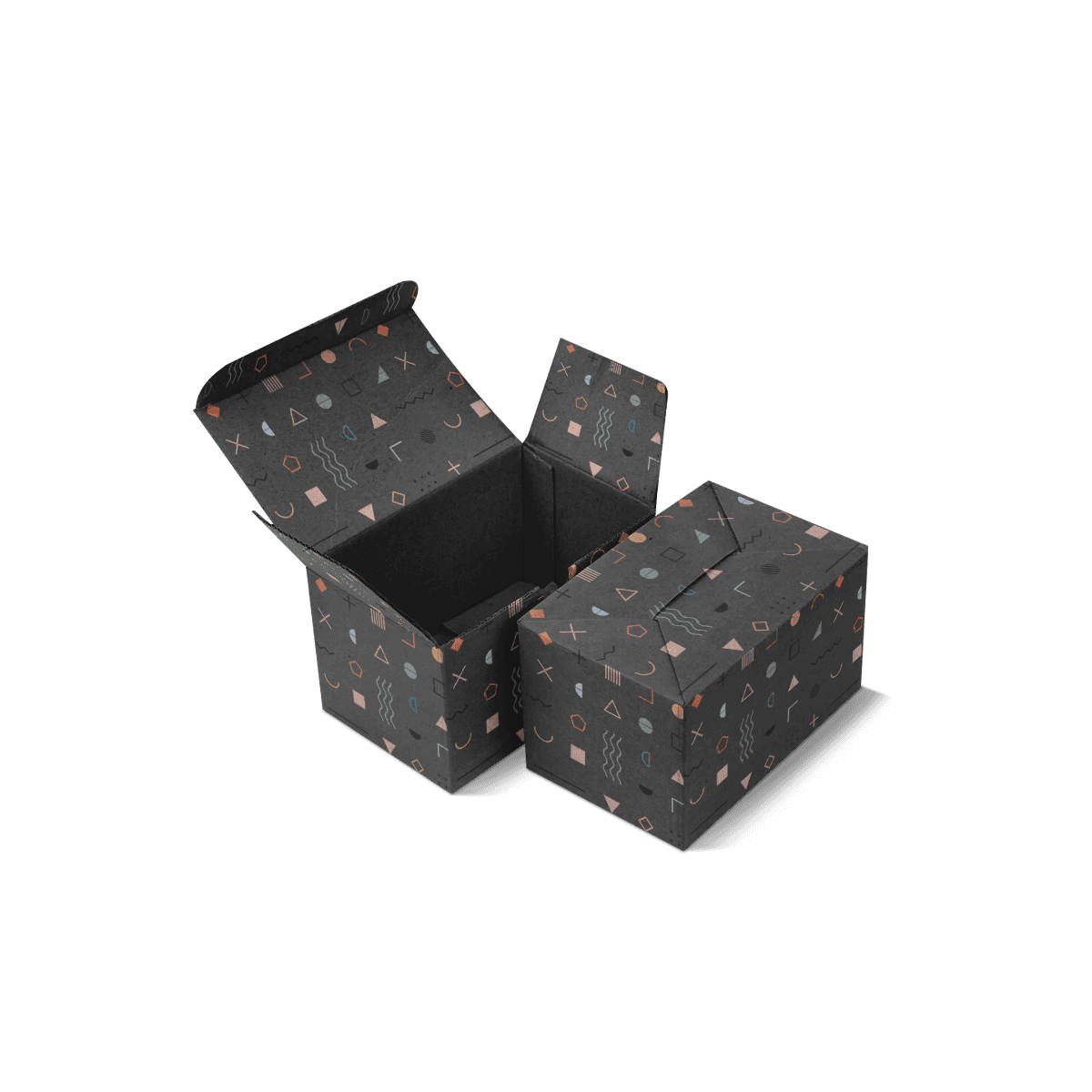
Custom Snap-Lock Bottom Cartons

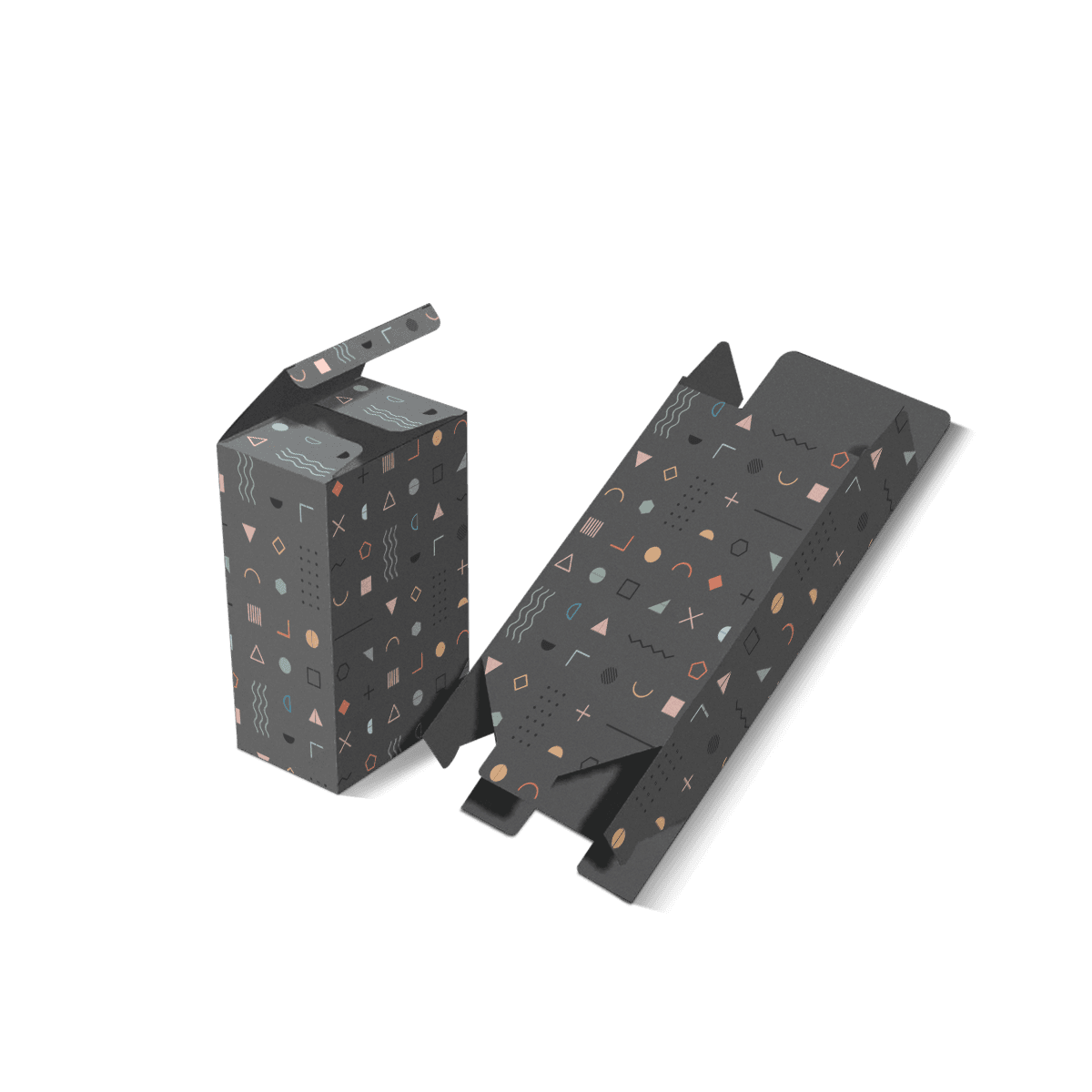
Flat-packed folding cartons with a manually interlocking base for products that need packer-confirmed bottom security without a pre-glued automatic floor.

Confirm the Lock Before Loading

A snap-lock bottom reaches its working condition at the packing table. The lower panels are folded into sequence and the final interlock holds the floor together before the product goes inside.

That manual confirmation is the defining operational value.

The packer can feel whether the base has engaged correctly before a jar, bottle or dense retail item starts loading the floor. This makes snap-lock useful where bottom security matters but a pre-glued automatic base is not necessary.

Snap-lock sits inside the folding carton system, where paperboard, crease geometry and closure design work together around a retail product.

Feel the Base Engage

A properly assembled bottom should feel settled rather than springing back open.

If the final locking panel does not seat cleanly, the carton may stand unevenly or leave part of the base carrying more load than intended. Packers should not need tape, repeated refolding or pressure from the product itself to keep the floor closed.

The lock should be complete before the product enters.

Check the Standing Carton

Set the empty carton on a level surface after locking the base.

The lower corners should sit evenly and the body should remain square. A carton that rocks or twists before filling is already showing a structural problem.

That check isolates the interlock before product weight starts hiding the cause.
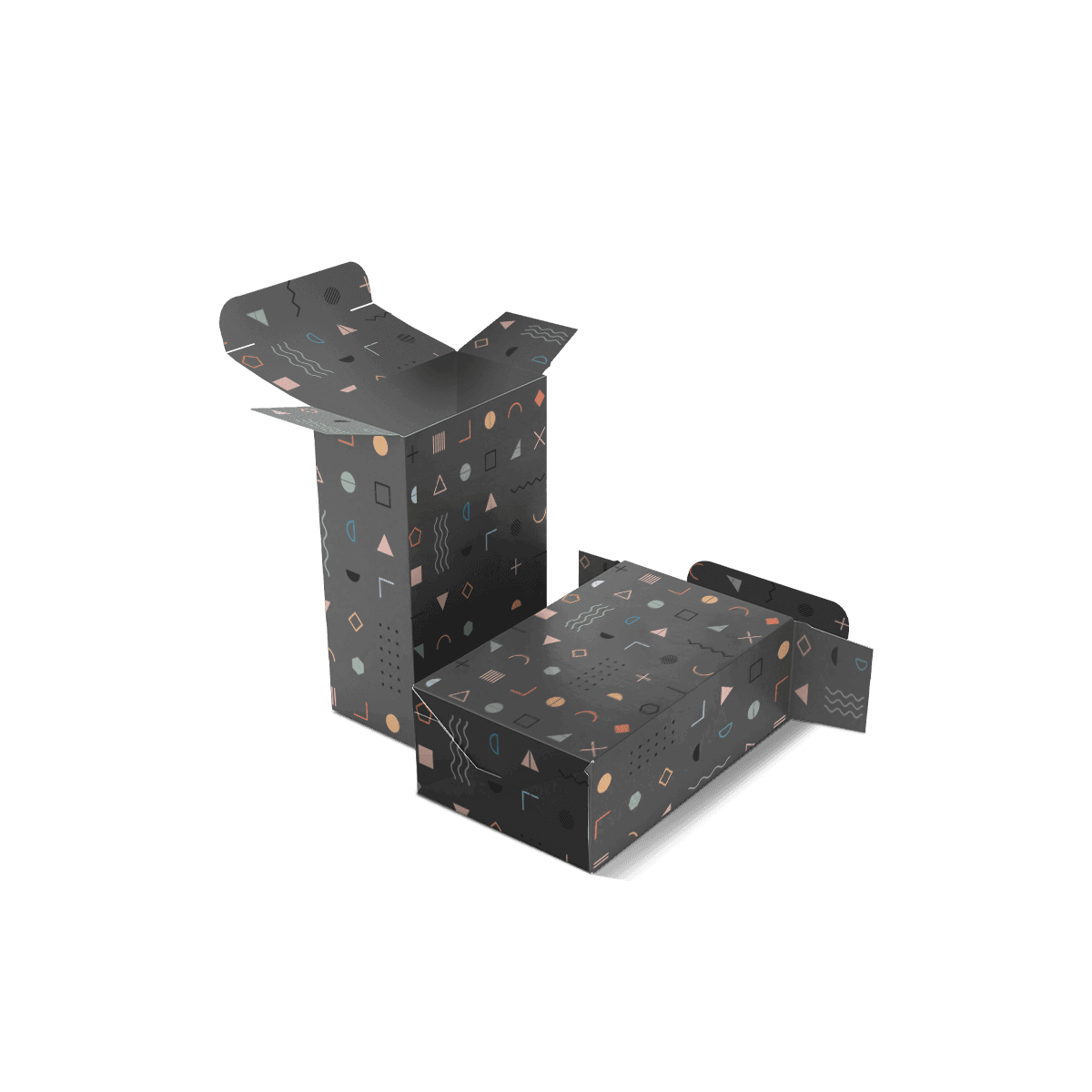
Load Security Starts at the Floor

Snap-lock strength comes from the way several lower panels overlap and restrain one another.

The mechanism can support denser retail products than a simple tuck bottom, but its performance still depends on product weight, footprint and board stiffness.

A correct lock is only one part of the load path.

Broad Products Spread Pressure

Candles, cream jars and other compact products can distribute weight across a relatively broad area of the base.

That generally creates a different load condition from a tall narrow bottle carrying the same mass.

The broader footprint may feel more stable, but the carton still needs enough board stiffness and suitable panel geometry.

Narrow Products Concentrate Load

A narrow bottle can place more pressure into a smaller area and create greater leverage if it leans.

Side clearance therefore matters alongside bottom strength. The base may remain locked while the carton still feels unstable because the product is moving inside it.

When product geometry is driving the packaging decision, custom product packaging should start from the complete product envelope rather than a nominal container size.

Panel Sequence Creates the Lock

The bottom panels are not interchangeable flaps.

Their dimensions and locking edges work in sequence until the final panel captures the others. If that relationship is wrong, the packer may still force the carton closed while the floor remains uneven. A clean lock should settle without twisting the body, reopening a flap or requiring pressure from the product to hold the bottom flat.

Dieline accuracy therefore matters directly to lock security.

Each Flap Has a Role

One panel begins the floor, the next overlaps it and the final locking movement completes the interlock.

A slight error in flap length or crease position can make the last movement unnecessarily tight or leave one lower corner raised.

Repeated resistance should be corrected in the structure rather than accepted as normal assembly.

Lock Geometry Needs Clearance

An insert, divider or product should not intrude into the space used by the bottom flaps.

Internal support should sit over the working floor after the lock has formed, not obstruct the panels while they are moving into position.

The bottom mechanism needs its own physical clearance.

Manual Control Has a Cost

Snap-lock cartons trade factory pre-gluing for manual setup.

That can be commercially sensible when the team values direct control over the base and the assembly step does not slow production enough to matter.

The same trade becomes less attractive as the packing run grows.

Hand Packing Fits the Structure

A manual packing team can form the lock, check it and load the product in one repeatable sequence.

For modest or intermittent production, that may be simpler than paying for a pre-glued base when the saved labor has little value.

The carton also remains compact before use because it stores flat. That matters when several printed SKUs share shelving and only the cartons needed for the current shift are erected.

Auto-Lock Removes the Locking Step

An auto-lock bottom box moves more bottom assembly into manufacturing.

Its linked panels form as the carton is opened, reducing the manual locking work at the packing table.

That becomes relevant when hand-packing speed is the stronger constraint than direct confirmation of the interlock.

Fit Keeps the Load Upright

A firm bottom cannot correct a loose product fit.

If a bottle or jar has too much clearance, it can lean against the carton walls and shift pressure toward one lower corner. That can make the package feel unstable even though the lock itself remains intact.

Fit and floor security need to be specified together.

Measure the Finished Envelope

Include caps, pumps, lids, collars, labels and any other protrusions that change the maximum dimensions.

The outer retail item, not the nominal container body, determines the working clearance.

Enough space is needed for loading, but excess movement should not be designed in by default.

Inserts Need a Clear Support Path

A paperboard insert can hold an upright product, separate accessories or spread pressure over more of the base.

Its legs and support surfaces should land after the snap-lock floor is completely formed.

If the insert presses directly into moving bottom flaps, the internal system needs another structural pass.

Board Behavior Changes the Lock

The paperboard must be manageable during folding and stiff enough after the lock is complete.

Those needs are connected.

A board that resists the required folds can make the final interlock difficult. A board that is too light can let the base or walls flex under a dense product.

Creases Direct the Fold

Each fold should happen at its intended score line.

If the board bends beside the score or creates excessive spring-back, the operator has to use more force and the lower geometry may not settle consistently.

The locking motion should feel deliberate, not stubborn.

Caliper Follows Product Duty

White SBS, kraft and other folding-carton stocks can all work depending on product weight, carton span and print requirements.

Increasing thickness is not automatically the best fix. The board still needs to cooperate with the manual locking sequence.

The structural goal is enough rigidity after assembly without making the base unnecessarily hard to form.

Top Closure Solves Access

Snap-lock describes the bottom, not the complete carton.

The top closure still has to match the loading method and customer opening experience. A tuck top is common because the product can be inserted after the base is formed and the carton can be reopened without destroying the upper closure.

Treat the two ends as separate decisions.

Tuck Tops Keep Access Familiar

A conventional tuck flap works well when the customer may return the product to the carton after first opening.

The upper panel can also carry branding or secondary instructions without affecting the bottom interlock.

Its depth and dust flaps should follow the carton dimensions and product clearance.

Permanent Tops Change the Use

A sealed upper closure can make sense when the product should remain closed until first opening.

That is a different operational requirement from snap-lock base security.

Do not add a permanent top closure merely because the bottom is stronger than a basic tuck carton.

Validate Under the Real Product

Physical validation matters at the exact point where the lock carries load.

Erect several cartons using the normal packing motion, then place the real product or a realistic equivalent inside.

A single carefully formed sample can hide problems that appear only when the same lock is repeated across a run.

Watch the Lower Corners

After loading, inspect:

  • base sagging
  • raised corners
  • panel separation
  • side-wall bulging
  • product lean
  • lock movement
  • poor shelf contact

The pattern helps identify whether the issue comes from board, fit or the interlock itself.

Repeat the Locking Motion

Have several operators form the carton if more than one person will pack the run.

The base should not depend on one experienced employee finding a special angle or applying unusual force.

Free sample examples of previous Custom Packly work can help assess board and print quality. Fully custom physical samples can be arranged as paid samples when the exact lock, fit or load needs confirmation.

Print Stays Above the Mechanism

The bottom can remain mechanically focused while the vertical panels carry the retail design.

That gives the carton room for logos, product identity, instructions, barcodes and other communication without making the locking flaps visually complex.

Artwork should still be built on the final dieline.

Protect Functional Areas

Critical copy should stay away from crease intersections, glue seams and lower flap edges.

The locking area does not need dense graphics unless it will be visible after opening.

Custom Packly includes free design and dieline support plus artwork and prepress review before production.

Review the Erected Carton

A digital proof can check copy, bleed and panel orientation. A free 3D mockup can show how the printed faces meet once the carton is square.

Premium offset printing can support detailed retail graphics when it suits the artwork and order quantity.

The base should disappear into the finished presentation while still doing the structural work.

Shared Sizes Need Shared Loads

Several SKUs can sometimes use one snap-lock carton when their dimensions, weight and loading method genuinely match.

A label, color or fragrance change may not affect the structure. A heavier fill, taller cap or added accessory can.

The bottom should not be standardized across products that load it differently simply to reduce inventory complexity.

For established repeat programs, warehousing and scheduled deliveries can help when a commercially efficient production quantity would otherwise create too much packaging stock on-site.

Price the Manual Interlock

Snap-lock cartons avoid the extra factory pre-gluing of an automatic bottom, but they retain a manual assembly cost at packout.

The commercial brief should therefore include product dimensions, weight, order quantity, board preference, insert needs and the expected packing method.

MOQ starts from 100 boxes in the USA.

The cost of custom tuck boxes depends on dimensions, board, print, finishes, quantity and converting. For snap-lock construction, the hand-formed bottom is another operational part of that calculation.

Standard turnaround is 4–6 days after final artwork and specifications are approved, while specialty materials or more complex finishing can require additional time.

Use Snap-Lock for Manual Security

A snap-lock bottom makes sense when the product benefits from a manually confirmed interlocking floor and the packing team can absorb that setup step without creating a bottleneck.

Its value is not a mysterious extra strength built into the name. It comes from the way the lower panels engage, the board supports the load and the operator verifies the base before filling.

If manual assembly remains acceptable, the structure can give denser retail products a controlled standing base while preserving flat storage before use.

If repeated bottom folding becomes the dominant labor problem, move the decision toward a pre-glued automatic base instead of forcing more speed from a manual lock.

FAQs

They perform better when the product needs extra bottom support. The interlocked base gives more confidence during filling and shelf placement than a standard tuck-end build.

This style can help, but it still requires manual bottom locking. It suits teams that want better support while keeping assembly flexible and flat-packed.

Snap-lock bottom and 1-2-3 bottom are commonly used for the same manually interlocking base. This carton is specified by the flap geometry, board and product load rather than by treating those names as different mechanisms.

Yes. It supports full-color printing, Pantone matching, foil accents, matte or gloss coating, and other branded surface treatments used in folding carton packaging.

Usually, they are better matched to hand packing or semi-manual workflows. Fully automatic operations often lean toward pre-glued bottom styles for faster line speed.

Process

How it works

Your Packaging Journey, From Idea to Production and Delivery

01

Tell Us Your Specs

Custom packaging boxes

Tell Us Your Specs

Provide size, quantity, printing, and finishes.

02

Get a Fast Quote

Custom packaging boxes

Get a Fast Quote

Instant transparent pricing, no hidden fees.

03

Design and Approval

Custom packaging boxes

Design and Approval

Artwork checks, revisions, and final sign-off.

04

Produce

Custom packaging boxes

Produce

Expert manufacturing to meet deadlines.

05

Ship to Your Door

Custom packaging boxes

Ship to Your Door

Hassle-free, flexible delivery options.

Get Your Quote for Custom Snap-Lock Bottom Cartons

Share your product details, size, quantity and artwork needs. We’ll help choose the right packaging style and send a clear quote.