Fill Once, Reopen Later
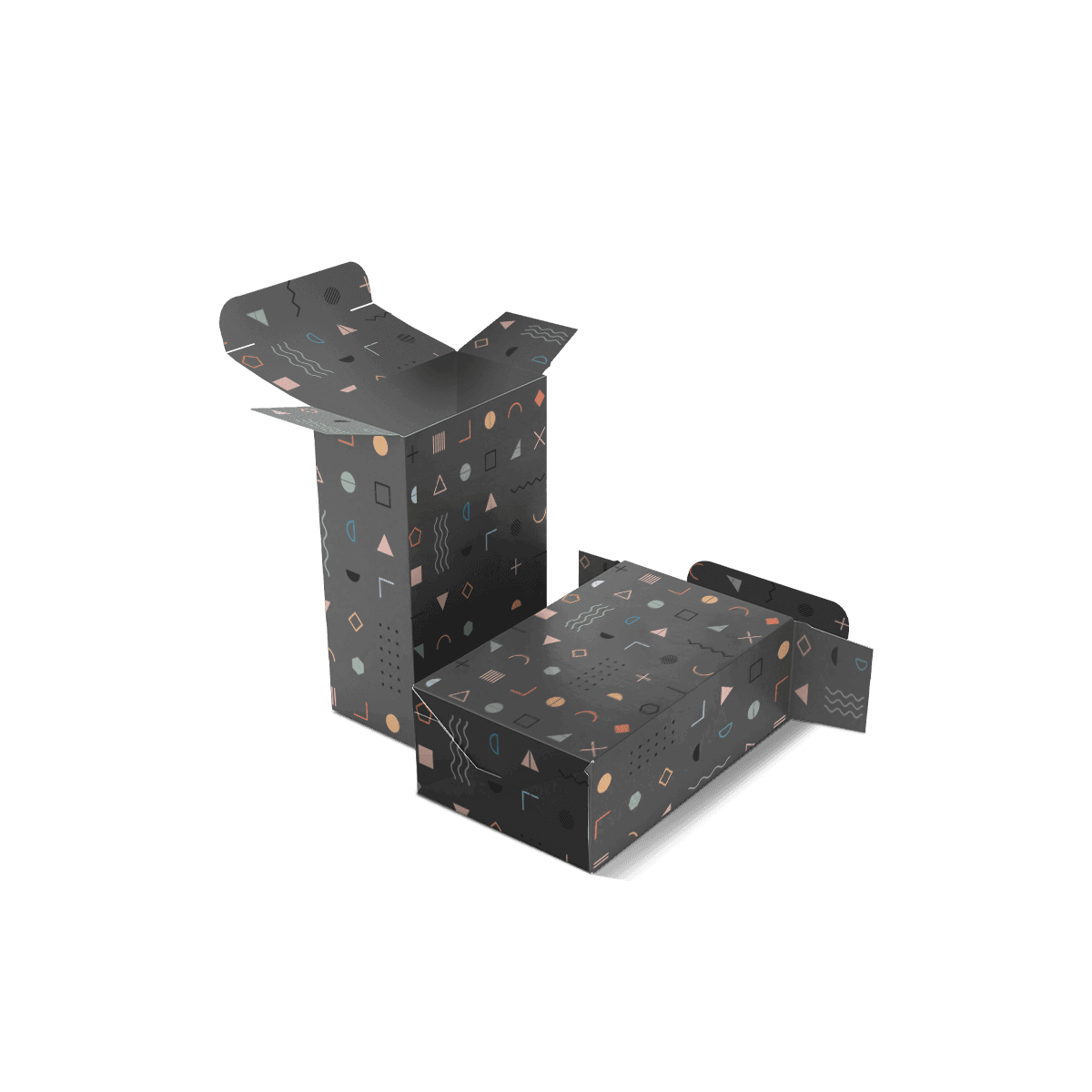
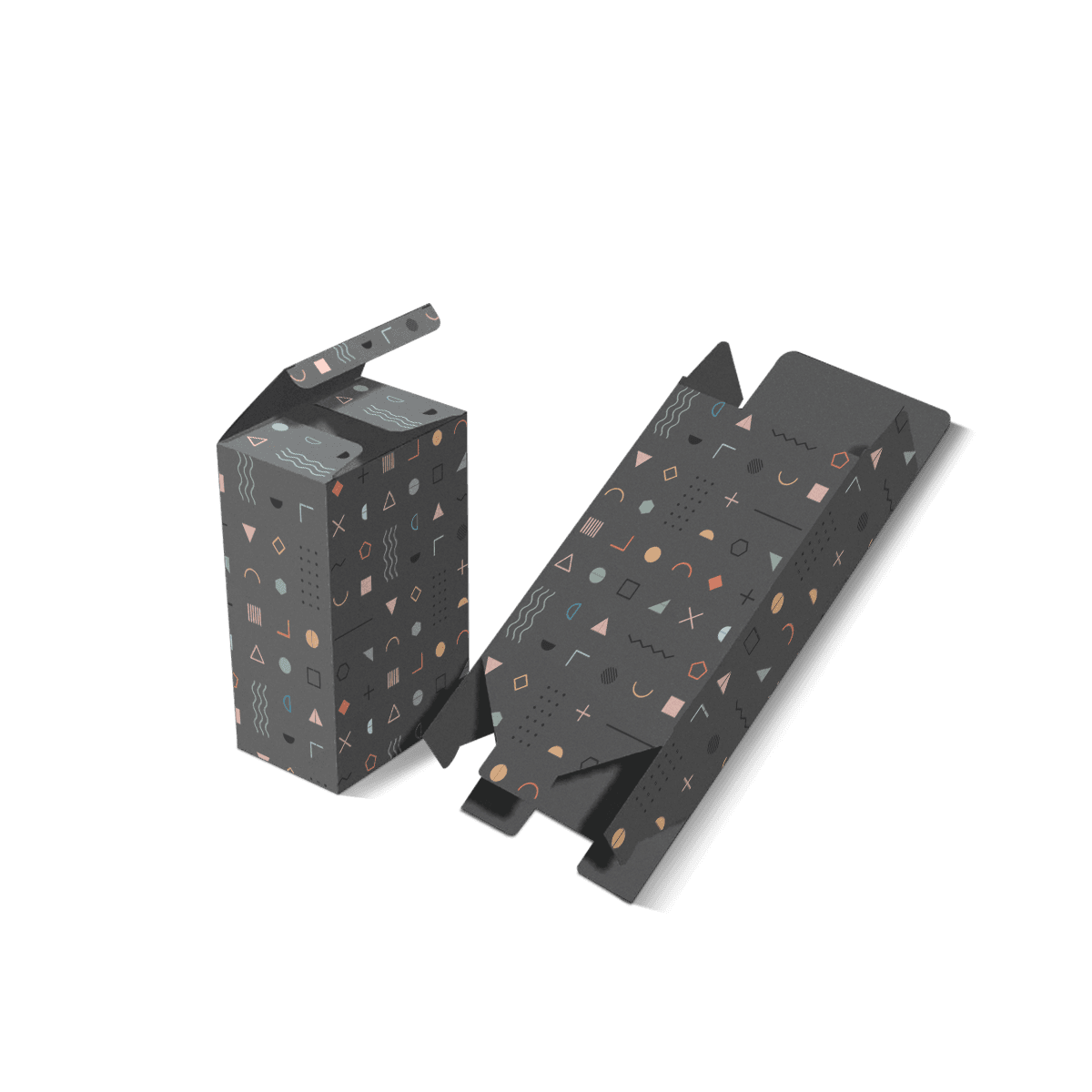
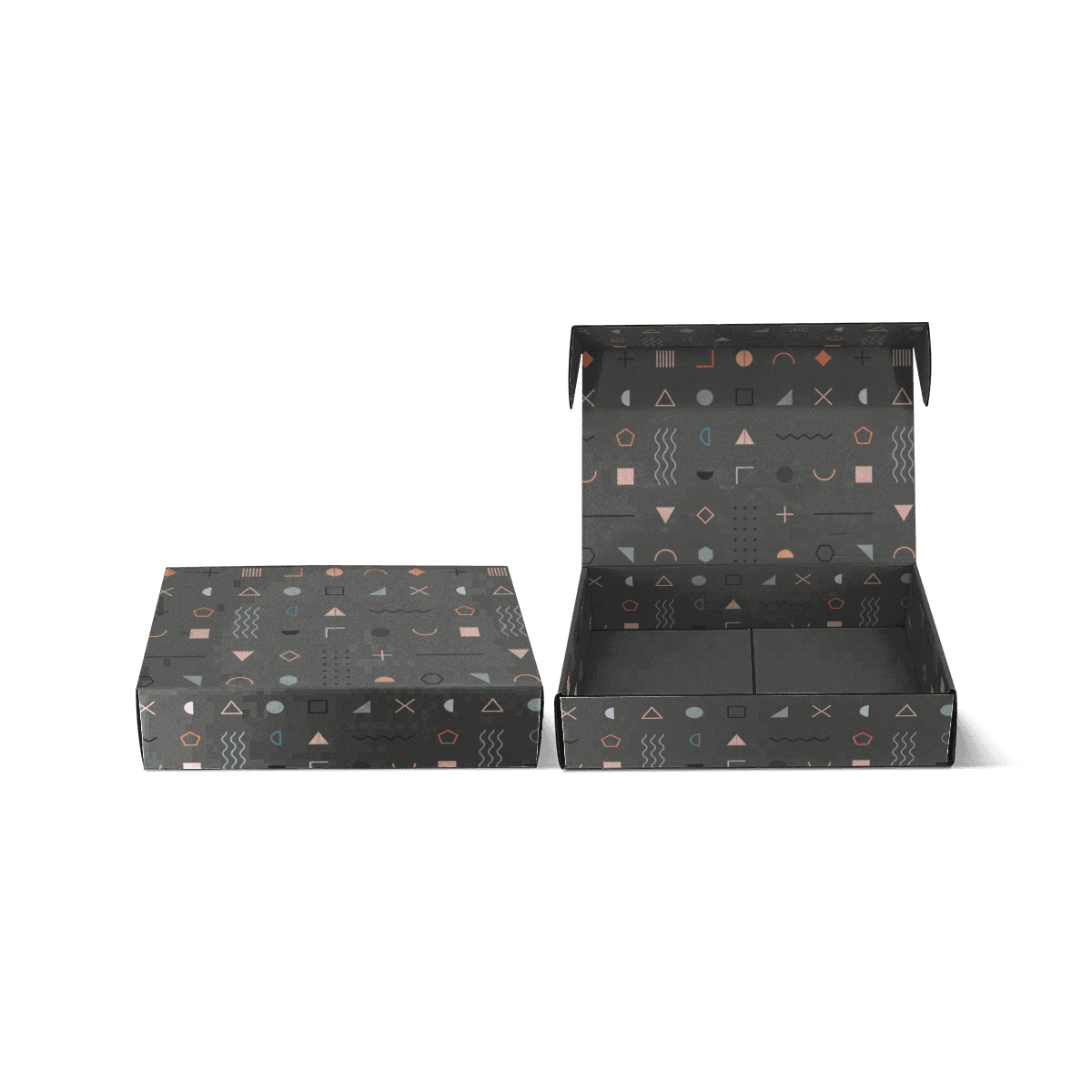
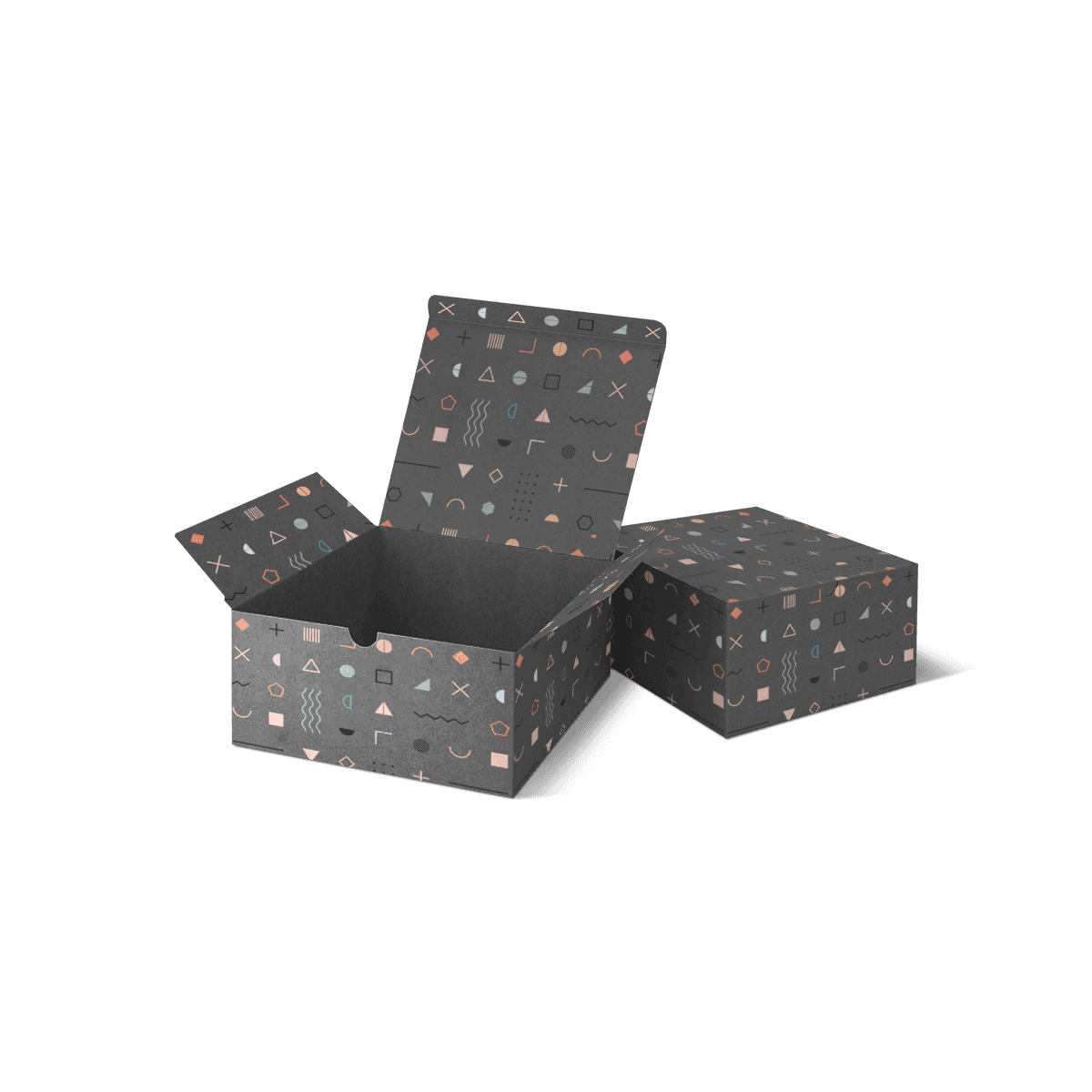
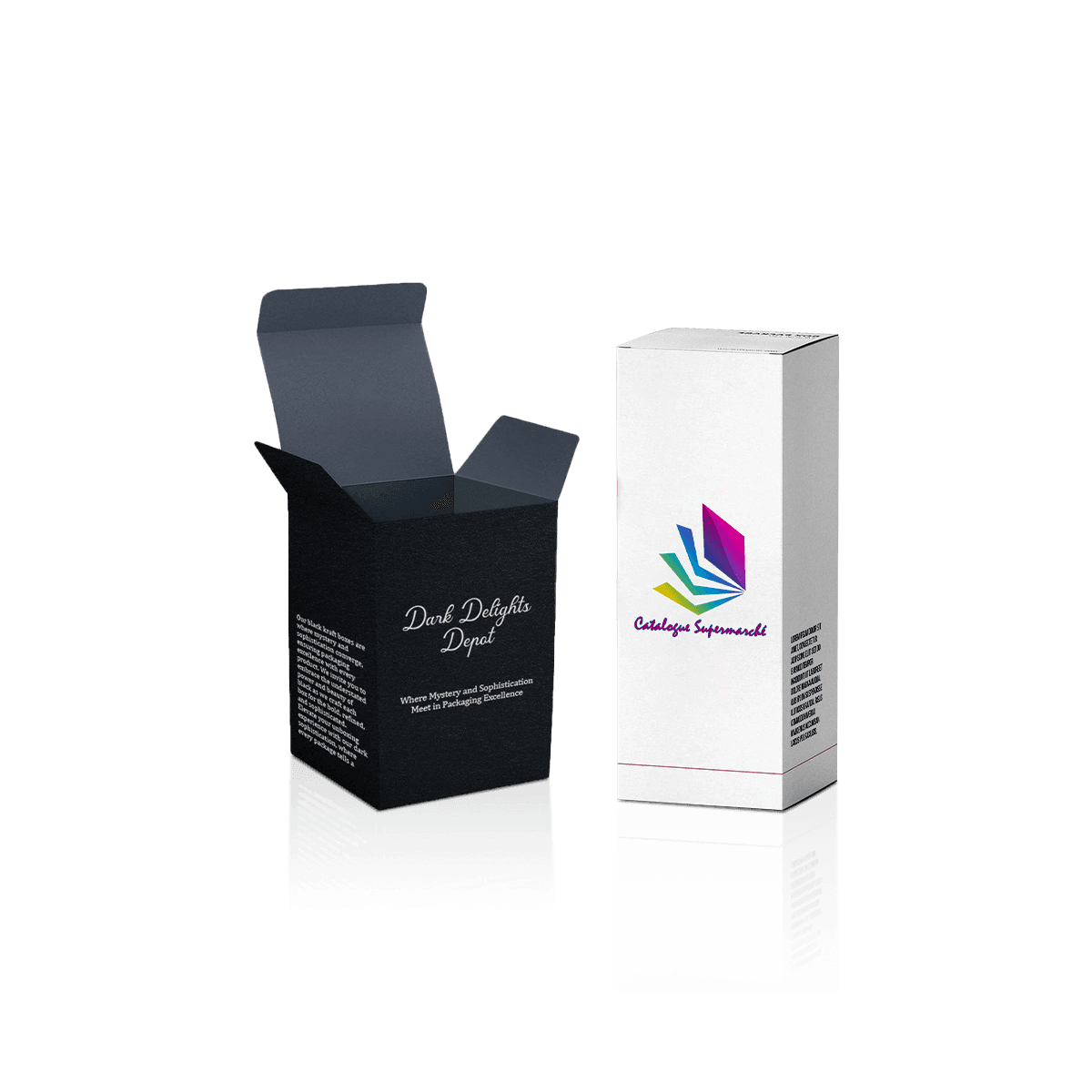
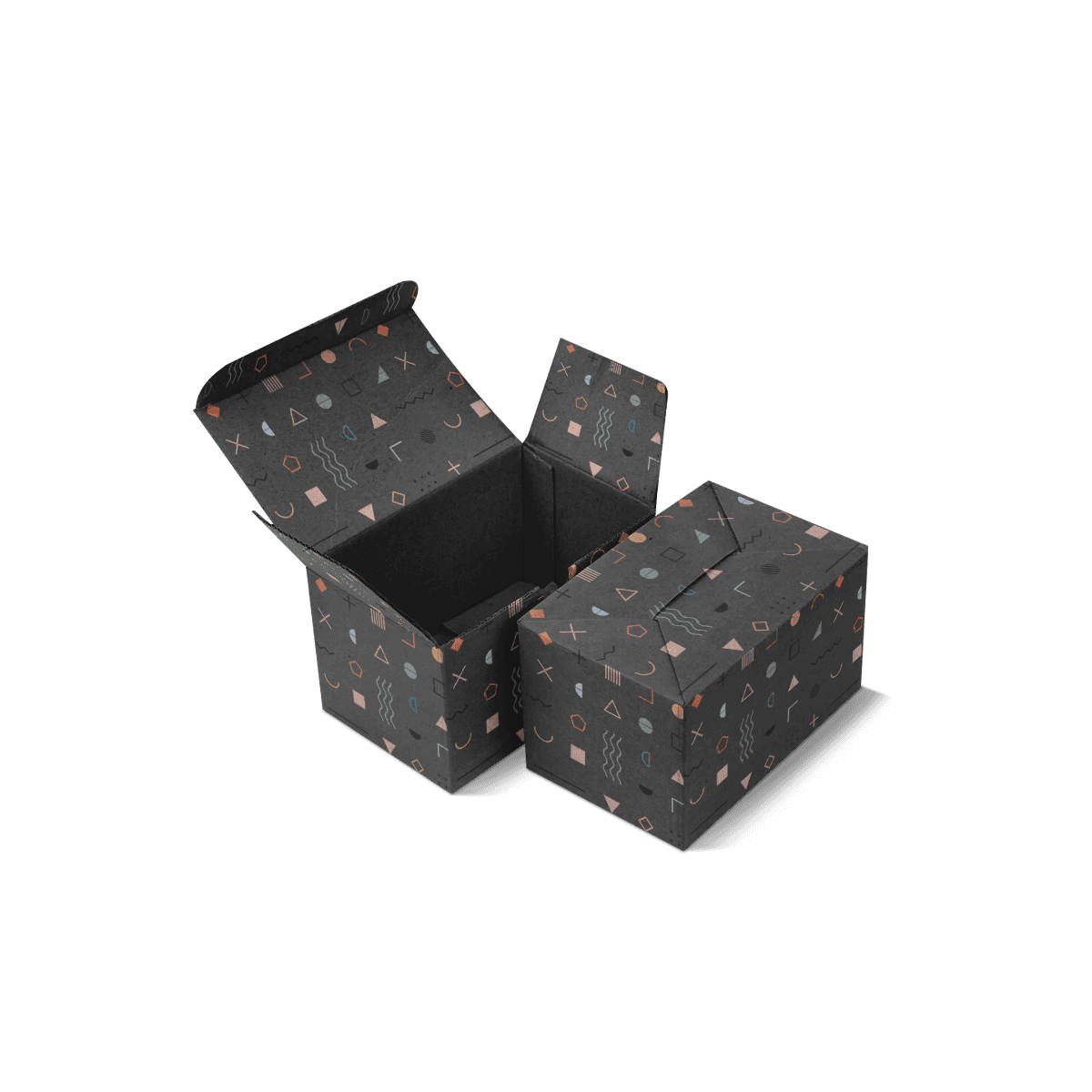
Custom Tuck Top Auto Bottom Boxes combine a pre-glued automatic base with a top tuck closure that can be opened and closed without adhesive. The base forms as the flat carton is erected, while the upper flap allows the product to be loaded and accessed again after purchase.
The construction performs two distinct jobs. The automatic bottom reduces assembly work at the packing station. The tuck top secures the finished carton while allowing the customer to reopen it.
This combination suits upright retail products that benefit from a supported bottom but do not require permanently glued upper flaps.
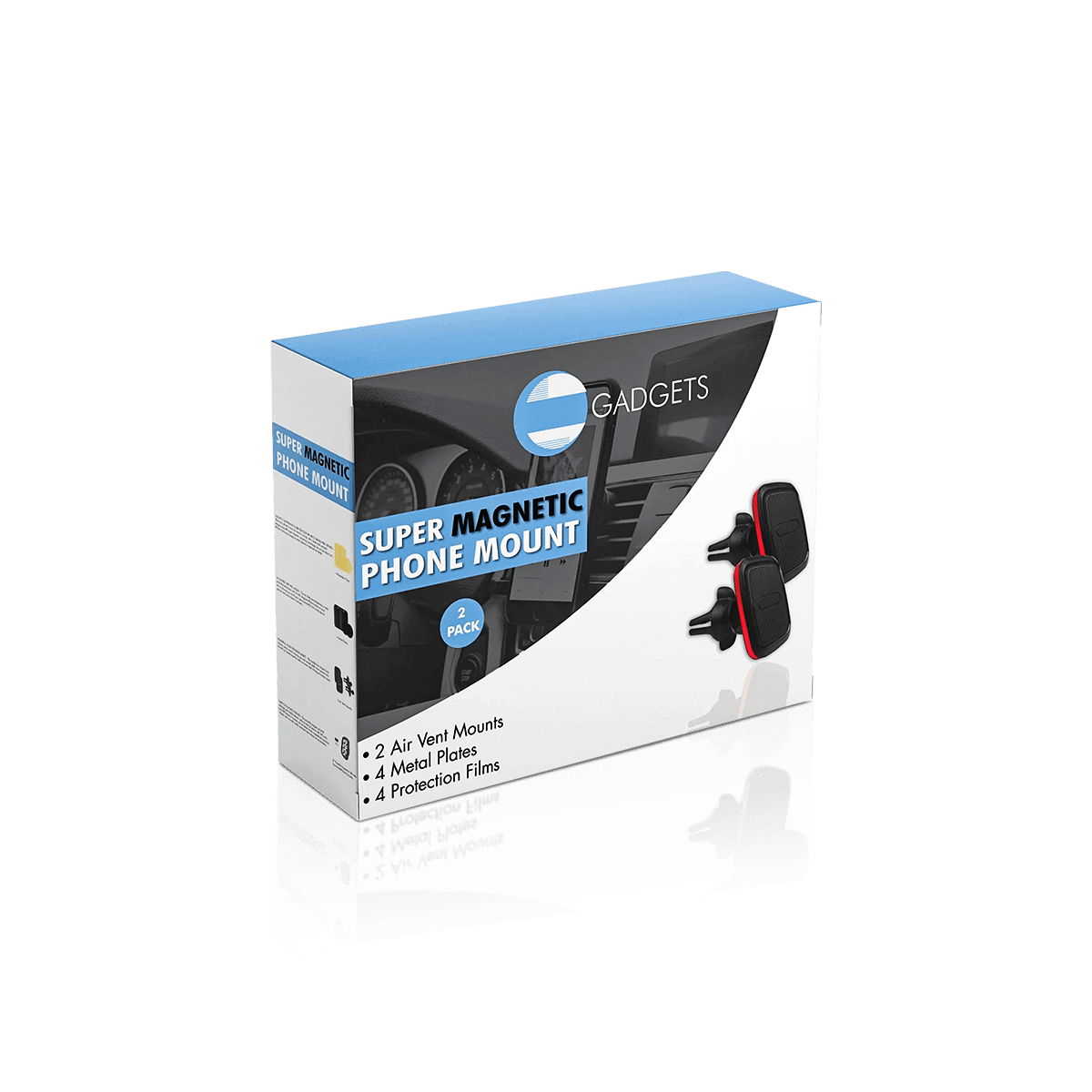
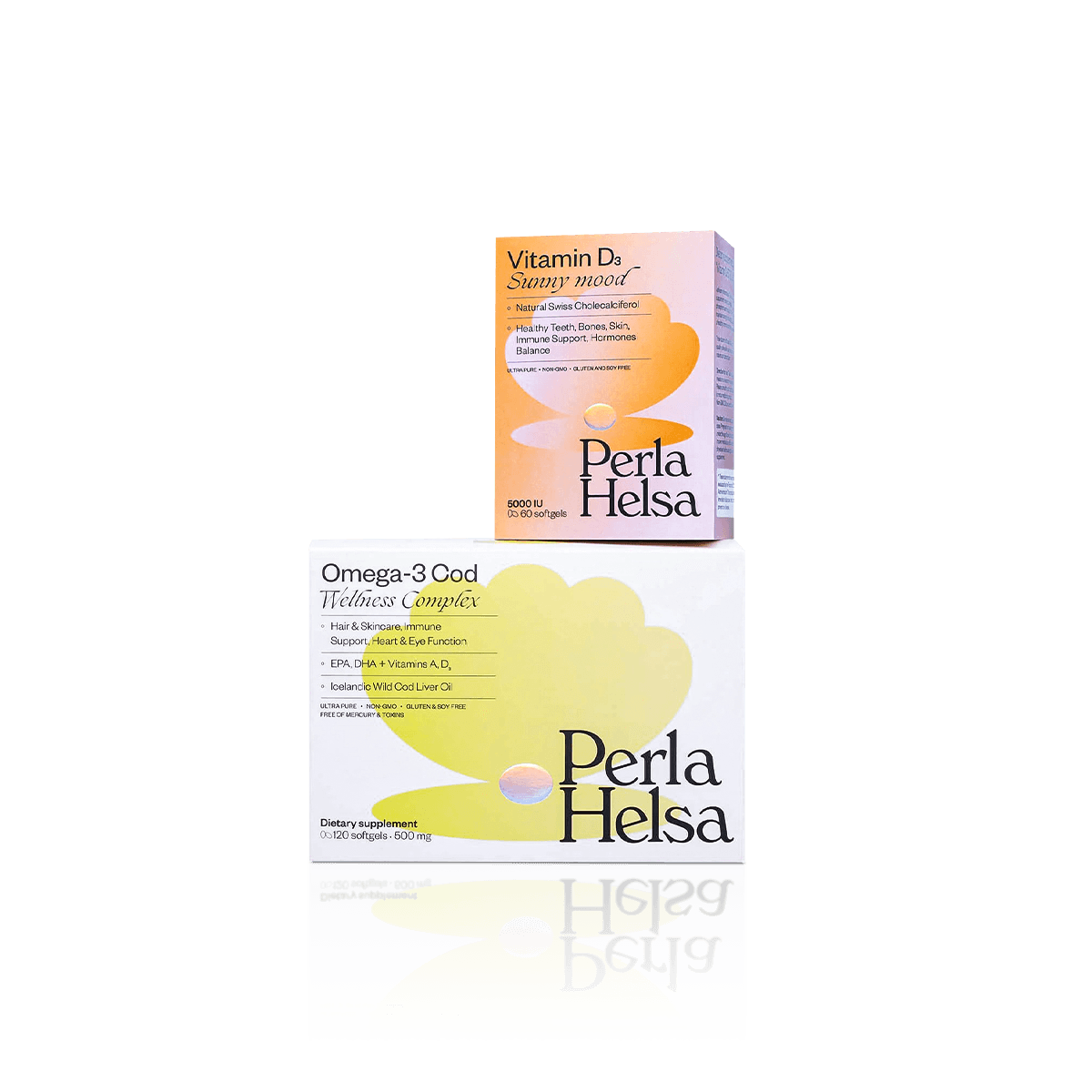
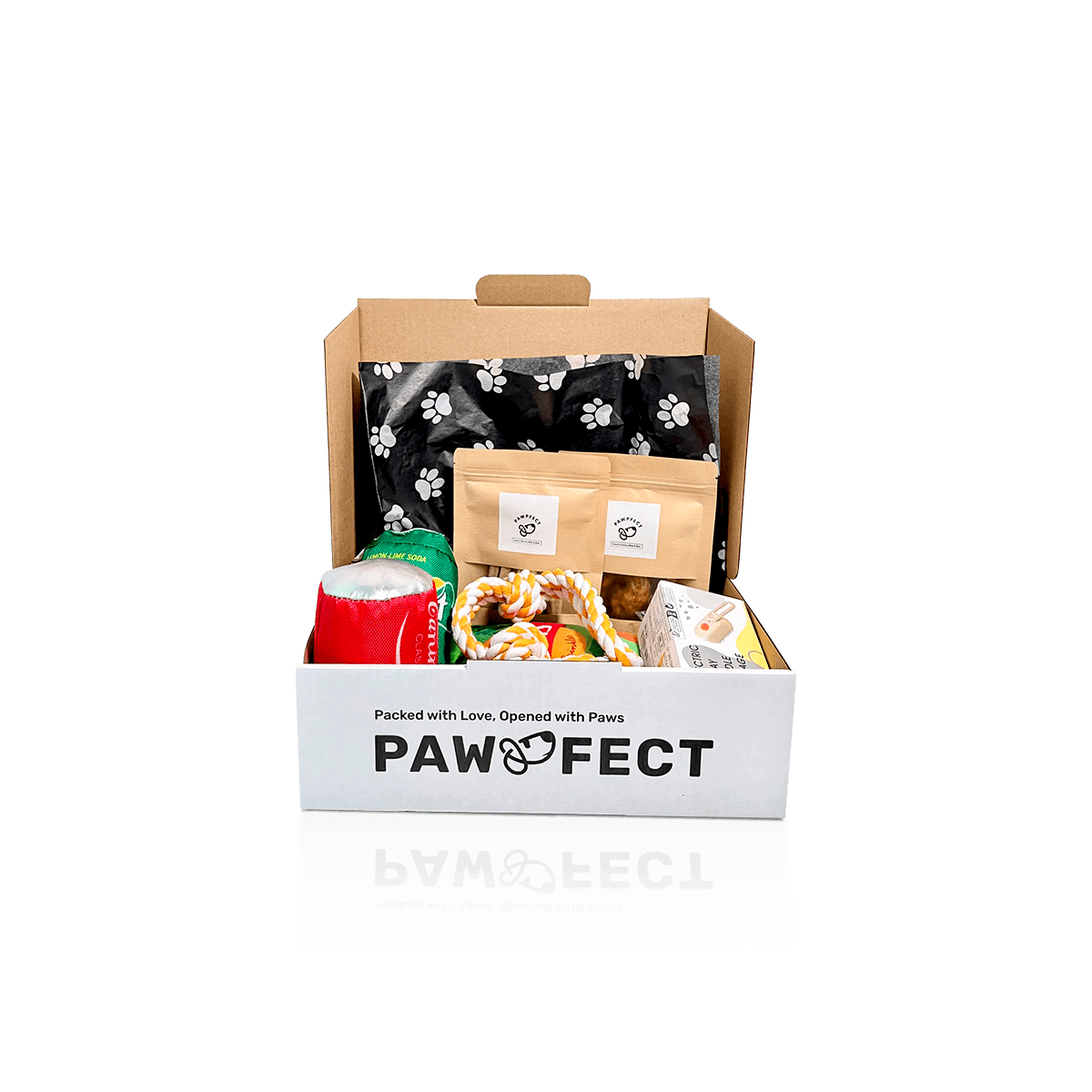
Common applications include bottled skincare products, supplements, compact electronics accessories, small gift sets and other products that remain in their original cartons after purchase.
The carton normally arrives flat, with its side seam and automatic bottom already glued. During packing, the operator opens the body, confirms that the base has formed, inserts the product and closes the upper tuck flap.
The top does not need to be glued during normal assembly.
Two Different Closure Mechanisms
The bottom is a crash-lock construction. Its interconnected panels move into their assembled position when the carton is opened.
The top uses a main tuck flap and, in a conventional arrangement, smaller dust flaps.
The dust flaps fold inward before the main flap is inserted. The tuck flap then engages with the upper opening to hold the top closed.
These mechanisms should not be confused. The base relies on its pre-glued construction, while the upper closure relies on the geometry and retention of the tuck flap.
Reclosing Is a Separate Benefit
A tuck top is particularly valuable when customers are expected to retain the carton.
A skincare product, for example, may be removed for daily use and returned to its original packaging.
The upper closure should tolerate the intended opening and closing movements without tearing or becoming difficult to operate.
However, an ordinary tuck flap is not a tamper-evident or child-resistant closure. Applications requiring those properties need separately specified and validated features.