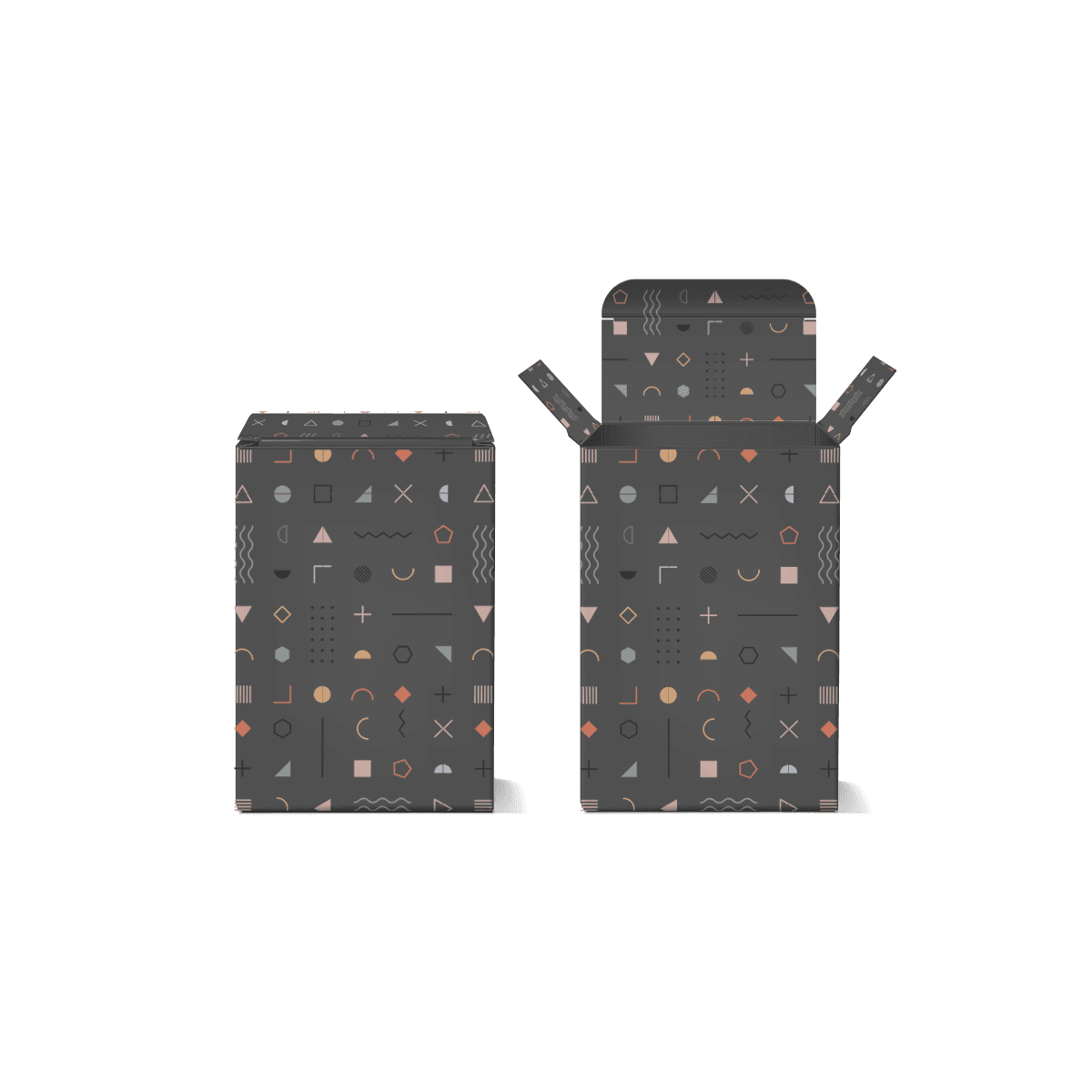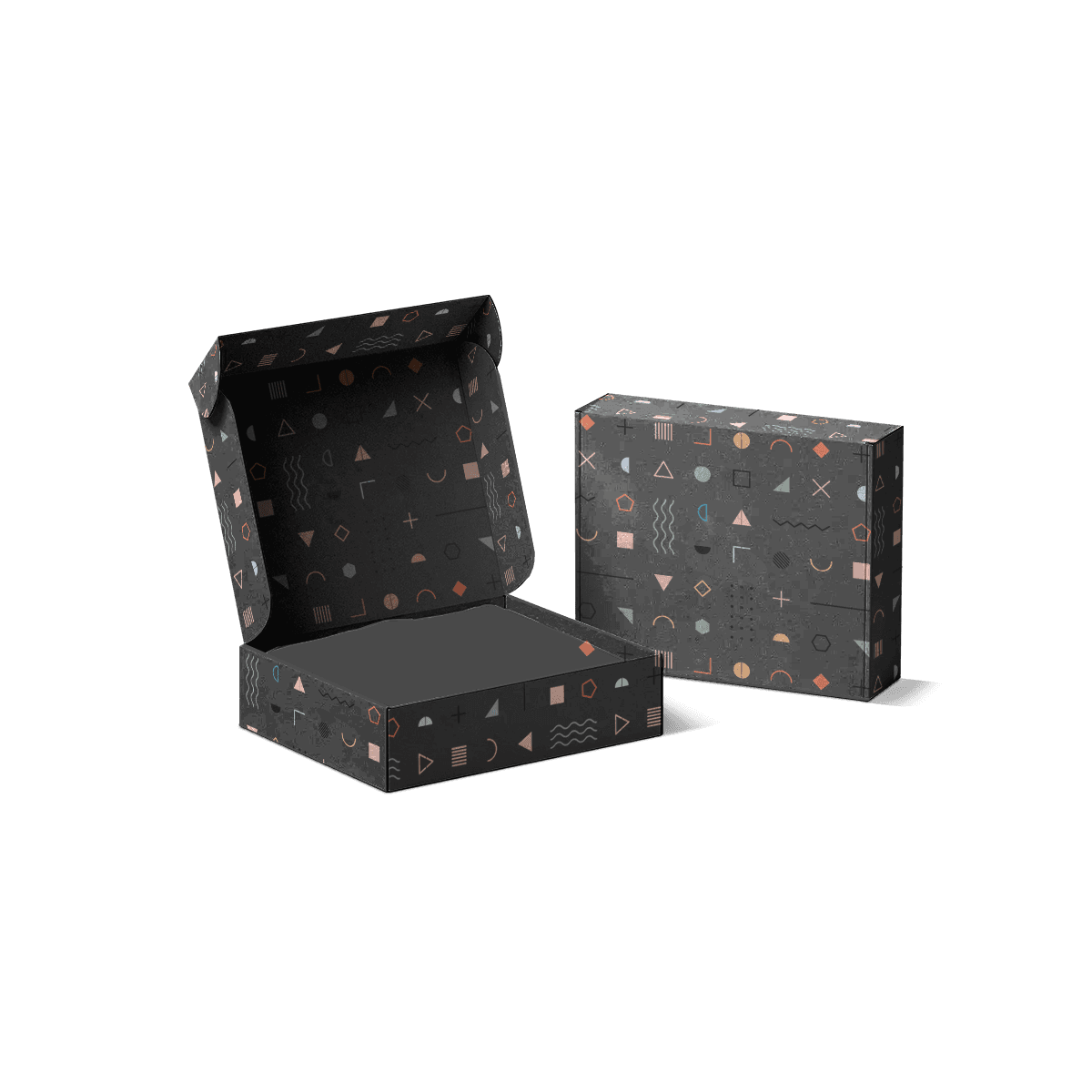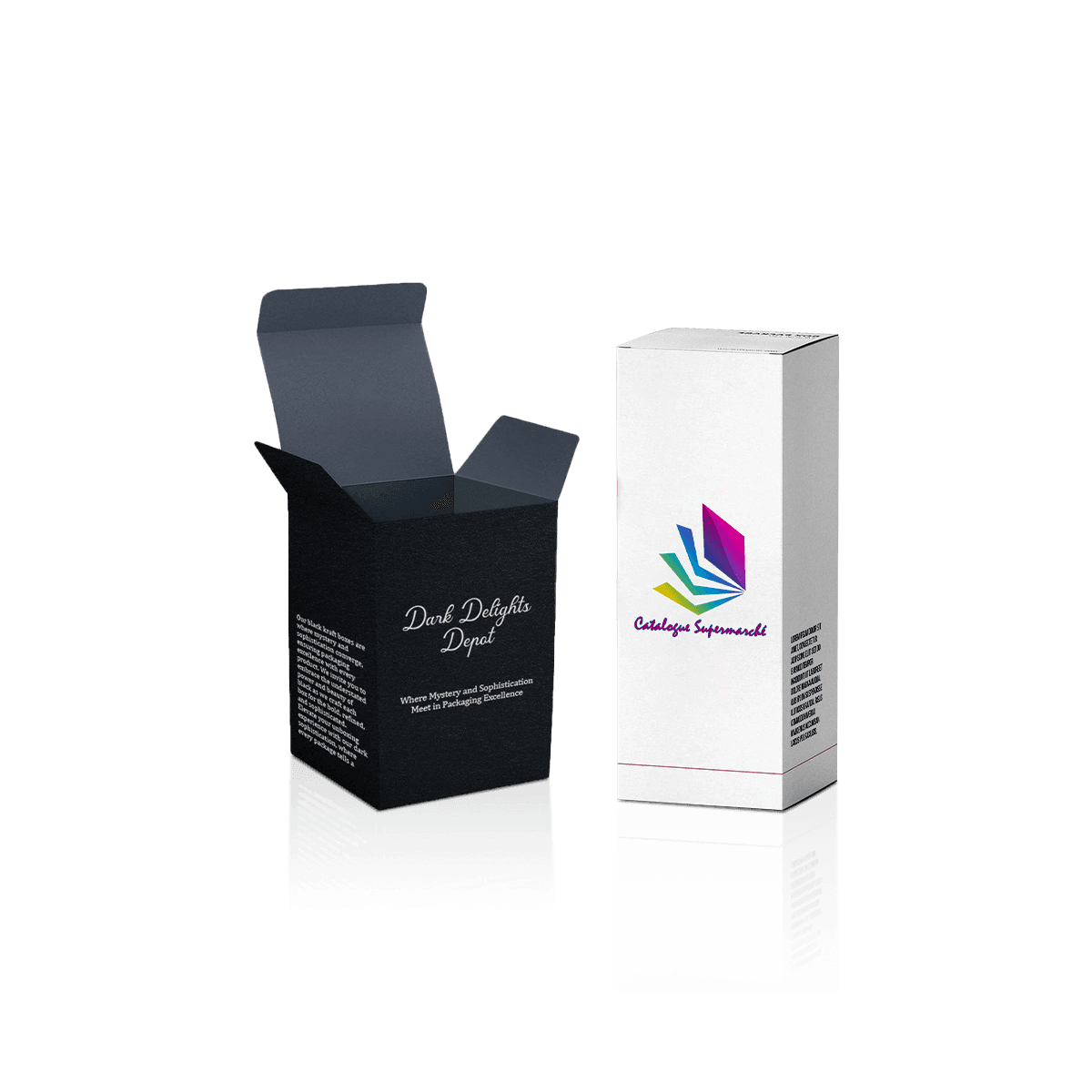
The Tuck Needs a Clear Landing
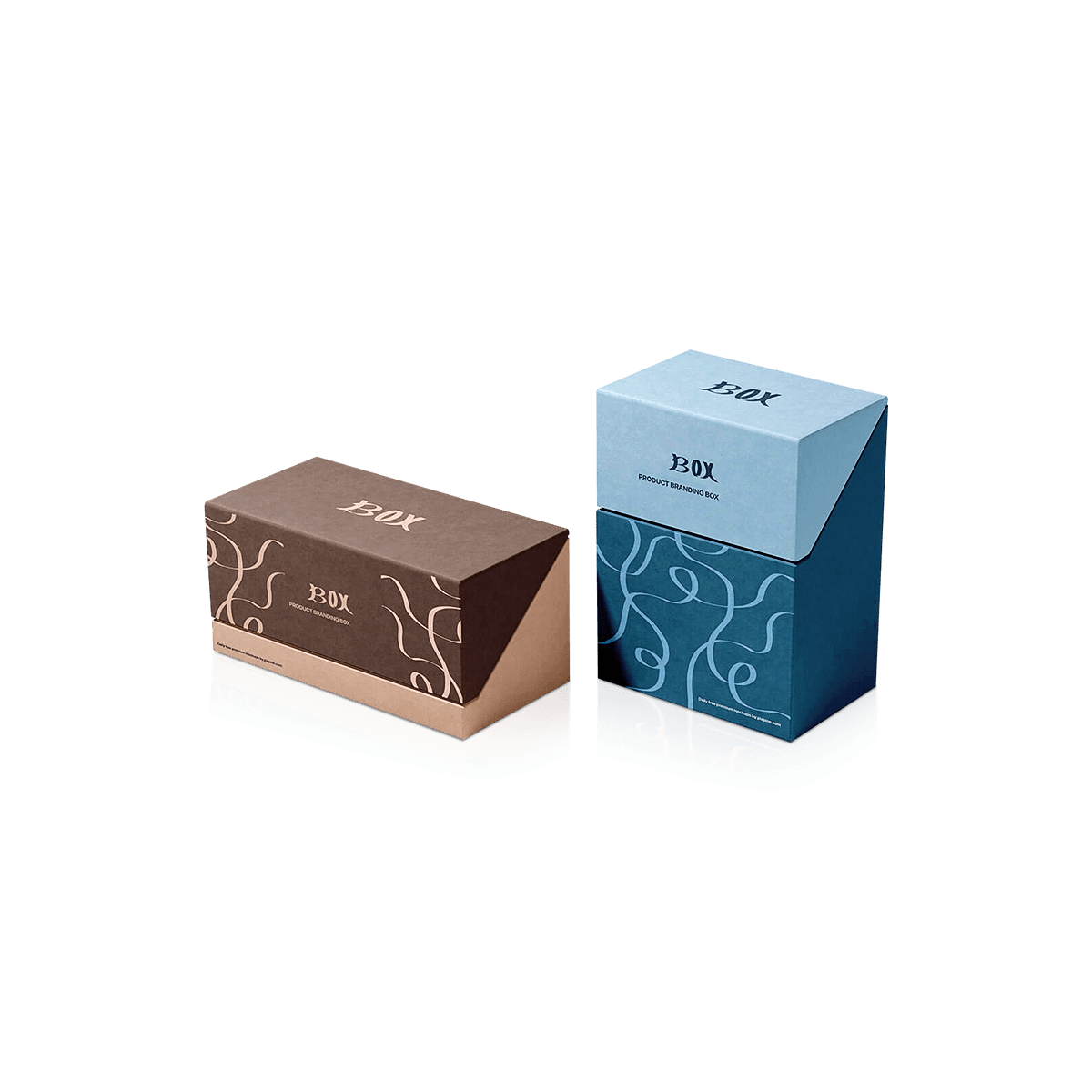
A tuck top only closes cleanly when the flap has somewhere to go.
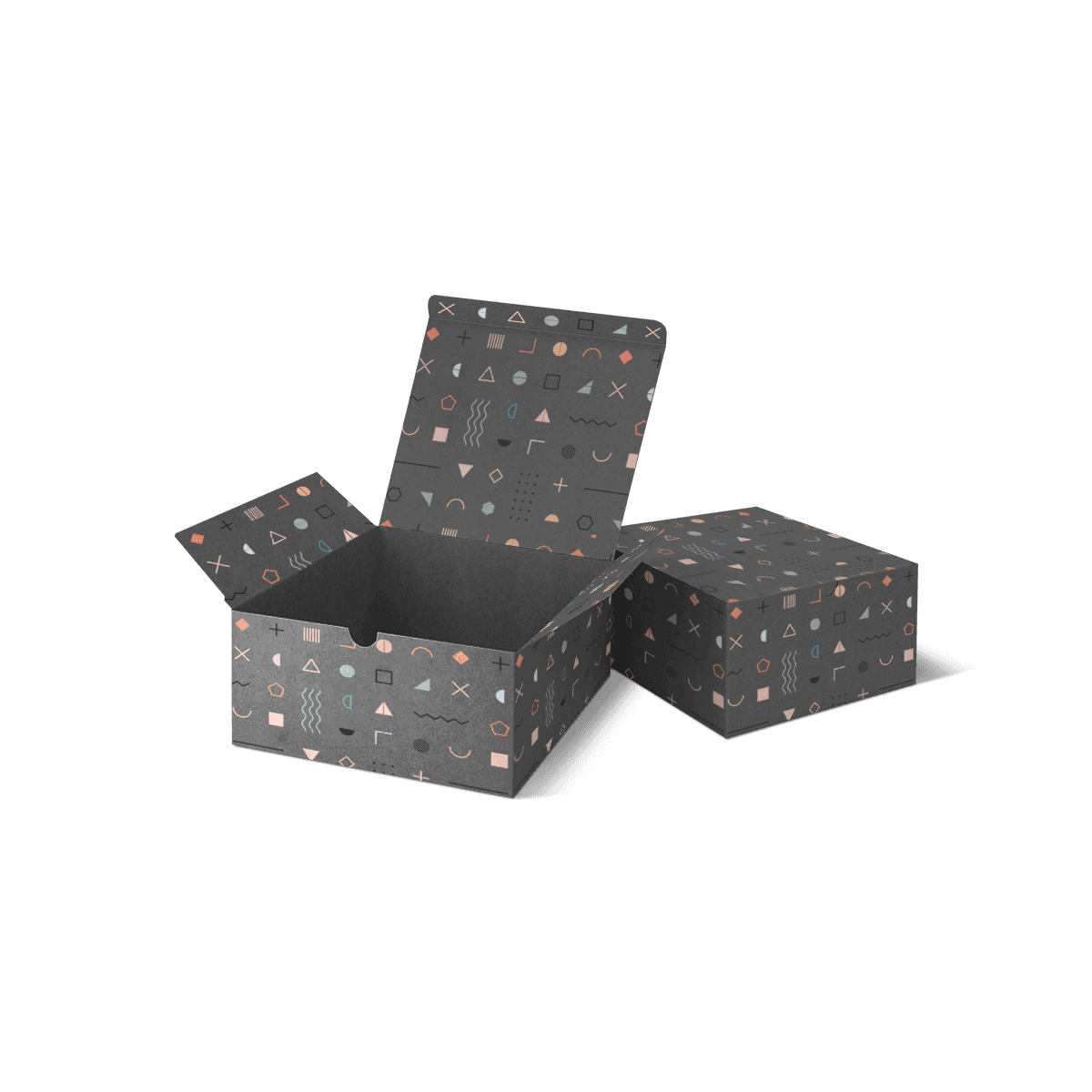
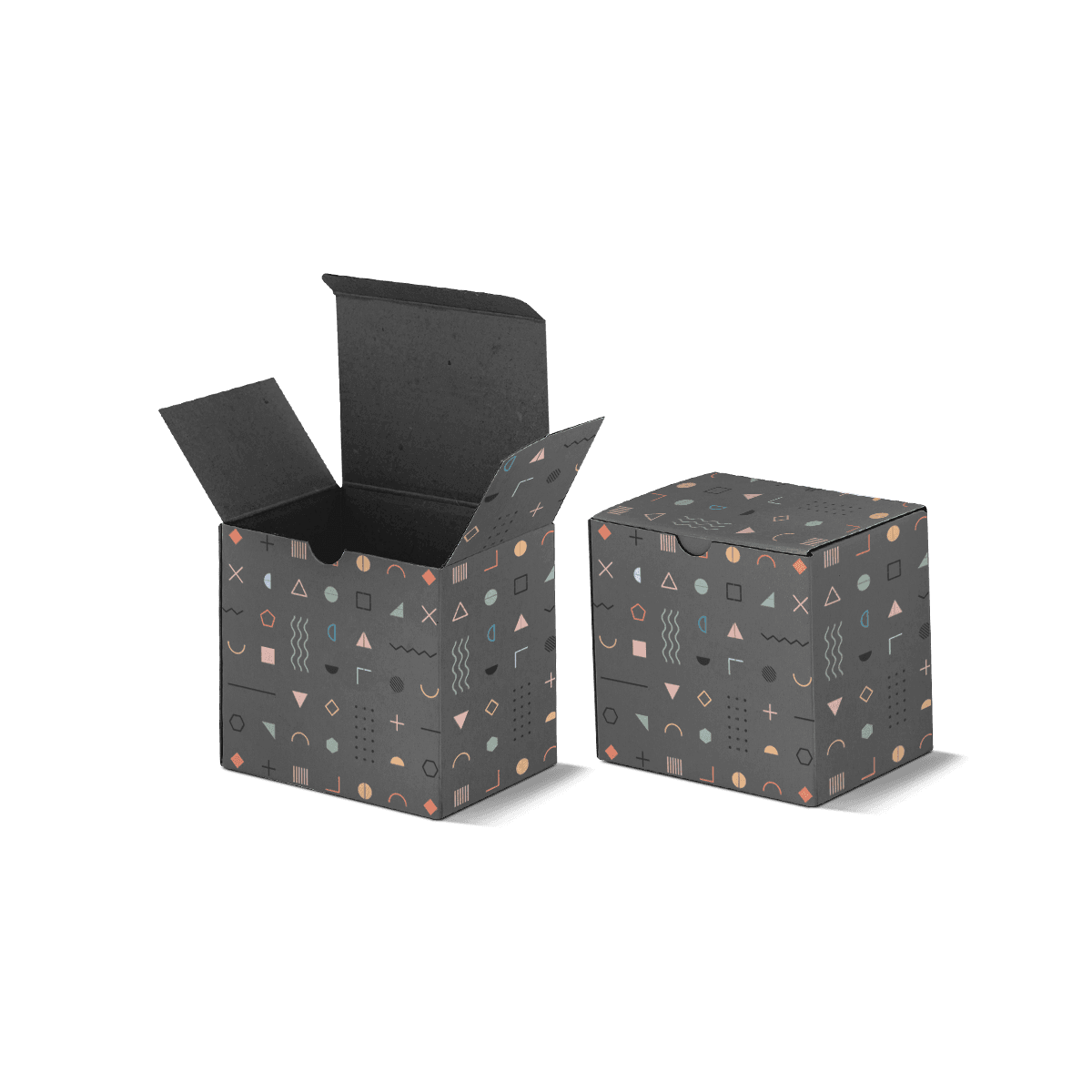
The lid folds over the opening and its tongue enters the front of the box. If the product, insert, booklet or inner platform sits too high, that closing path becomes crowded. The packer presses harder, the lid bows or the tuck flap never seats properly.
That makes internal fill height one of the defining decisions for Custom Tuck Top Boxes.
The box may be dimensionally large enough for the product and still fail at the closure.
For lightweight products and compact kits sold through e-commerce retail packaging, the best tuck top layout leaves deliberate space around the upper fold and front tuck path rather than treating every cubic inch as usable product volume.
This is what separates the structure from a generic rectangular box. The closing movement has to be designed into the interior from the beginning.
Fill Height Is Not Box Height
The inside height of the box is not necessarily the height available for contents.
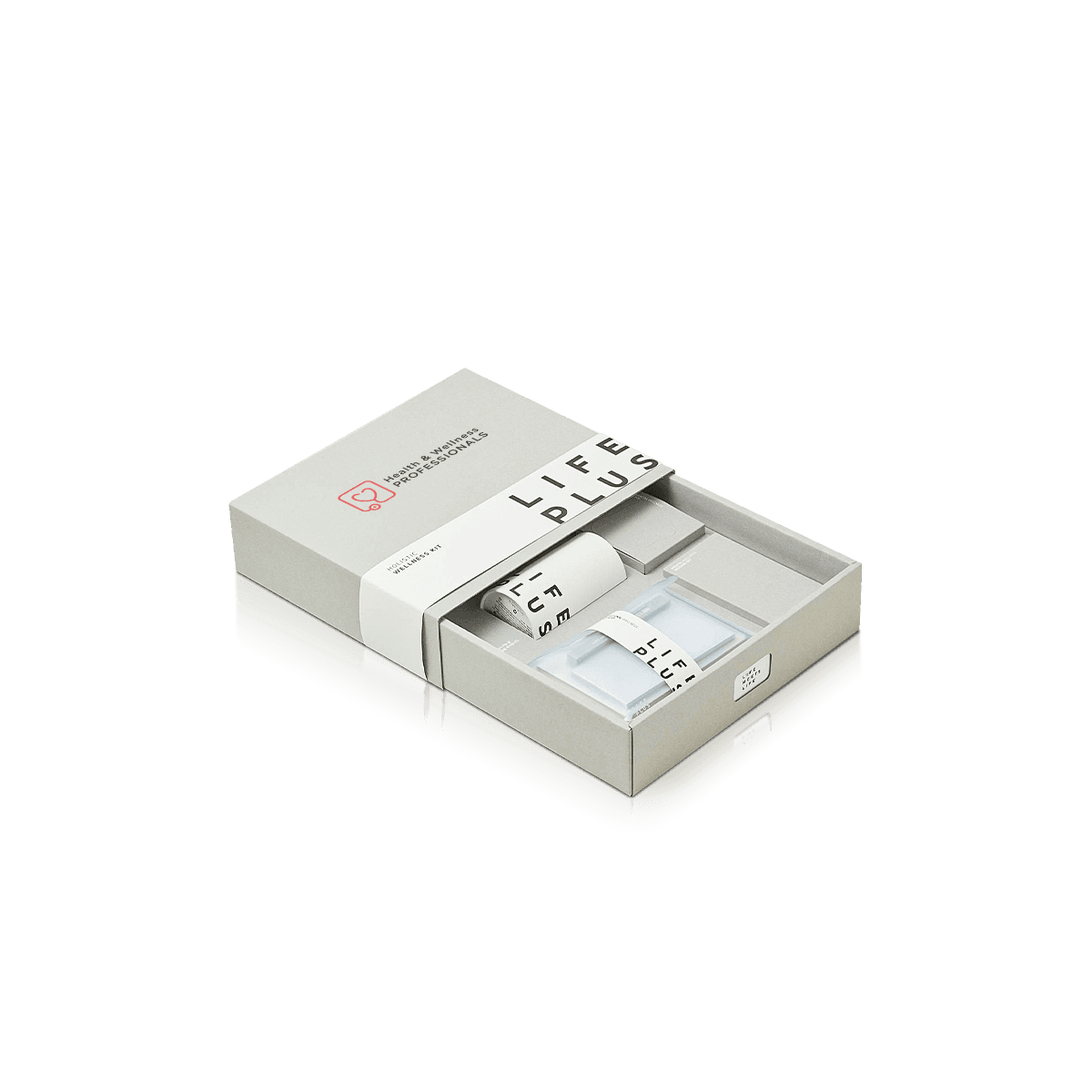
An insert can raise a product toward the lid. A folded instruction booklet can sit above the main item. Tissue can bunch upward. An accessory placed on top at the packing station may interfere with a closure that worked perfectly during initial fitting.
The usable fill line should account for all of those parts.
For kits, measure the highest packed point after every component is placed in its intended position. The lid should fold naturally without compressing the contents just to reach the front panel.